




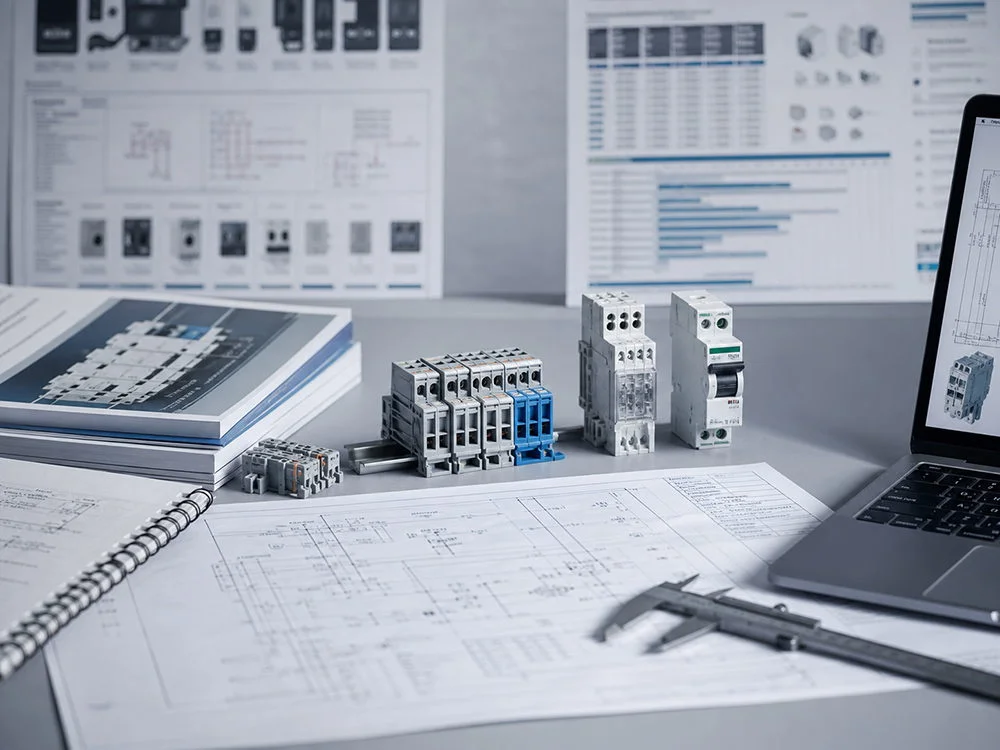


ACB Buyer’s Guide: What to Check Before Requesting a Manufacturer Quotation
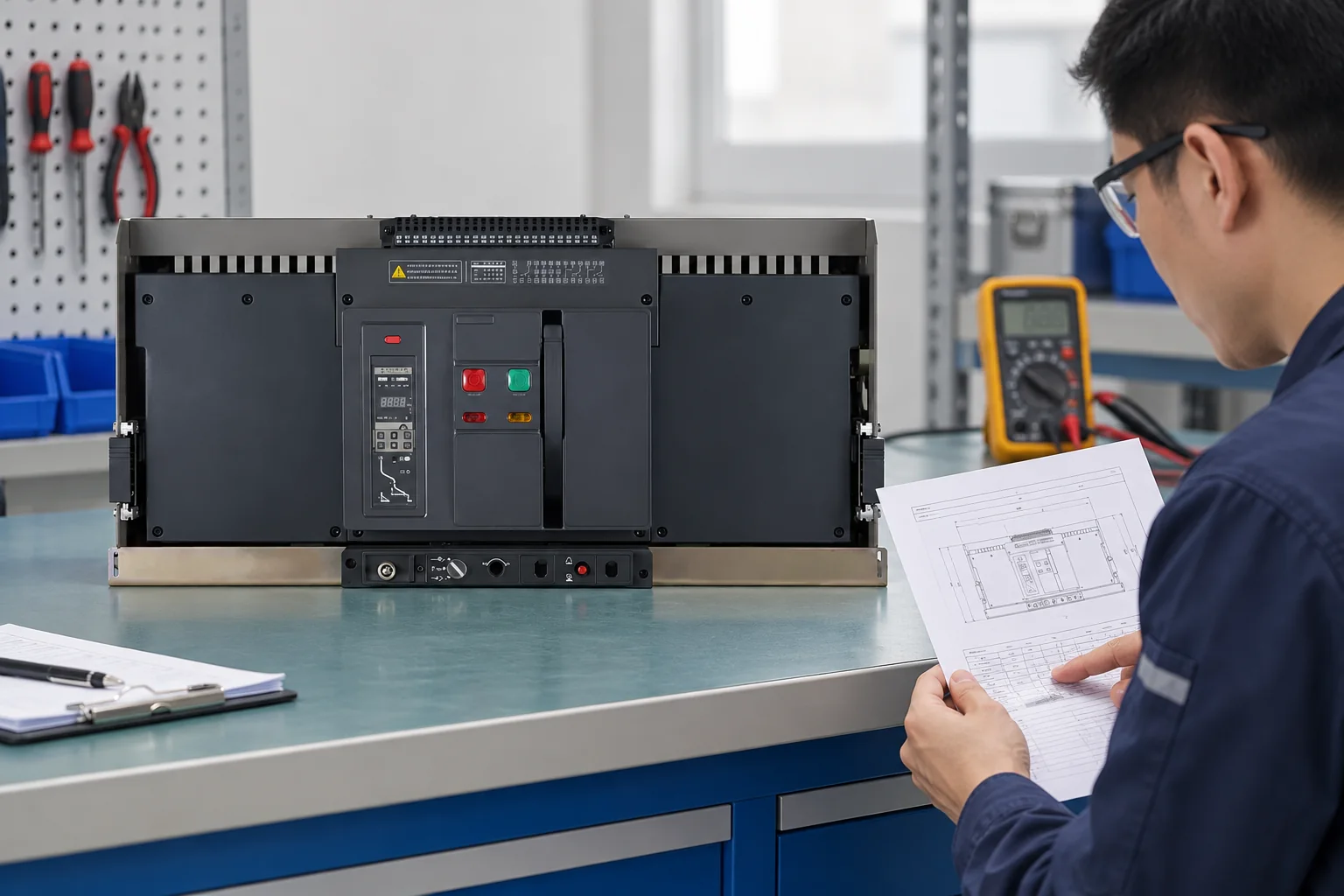
A quotation request that says only “ACB, 1,600 A” leaves too many commercial and engineering decisions open. The manufacturer may price a different frame, trip unit, pole arrangement, mounting method, or accessory package from the one assumed by the panel builder. The result can be a technically incomplete bid, a late drawing revision, or a comparison in which the lowest number is not the lowest installed cost.
Resumen: A useful ACB buyer guide turns the one-line diagram and project duty into a configuration-based RFQ. State the system voltage and frequency, design current, prospective short-circuit current, poles, fixed or draw-out arrangement, trip functions, control voltage, accessories, enclosure conditions, destination, and required documents. Ask each manufacturer to quote the exact configuration and identify exclusions. IEC 60947-2 is the key product-standard reference for low-voltage circuit-breakers, but it does not by itself approve an installation or prove that every option is certified. Before comparing price, reconcile ratings, coordination evidence, drawings, test documents, delivery terms, and the cost of panel changes.
What to define before asking for an ACB quotation
Start with the electrical duty, not the preferred brand. Record nominal voltage and frequency, earthing arrangement, design and prospective fault current, ambient conditions, enclosure location, conductor arrangement, and operating profile. These facts let the supplier check derating, terminals, and interrupting performance.
| RFQ item | Why it changes the quotation | Evidence or input to attach |
|---|---|---|
| Network and duty | Voltage, frequency, continuous current, fault level, and neutral/earth arrangement determine the applicable rating and protection review. | Approved one-line diagram, load schedule, short-circuit study or design value, and site conditions. |
| Breaker architecture | Fixed and draw-out arrangements have different cradles, compartments, isolation methods, and installation labour. | Switchboard layout, compartment dimensions, busbar or cable connection details, and maintenance method. |
| Protection and control | Trip functions, setting ranges, releases, communications, and control voltage add hardware and wiring. | Protection philosophy, coordination requirements, schematic, and control-voltage schedule. |
| Interfaces | Pole count, terminals, auxiliary contacts, interlocks, shutters, and door or racking interfaces affect compatibility and assembly work. | Panel maker’s interface drawing and a list of required signals and mechanical constraints. |
| Commercial scope | Freight, packing, spare parts, testing, drawings, manuals, and commissioning support may be excluded from a unit price. | Incoterm, destination, delivery milestone, document register, and inspection plan. |
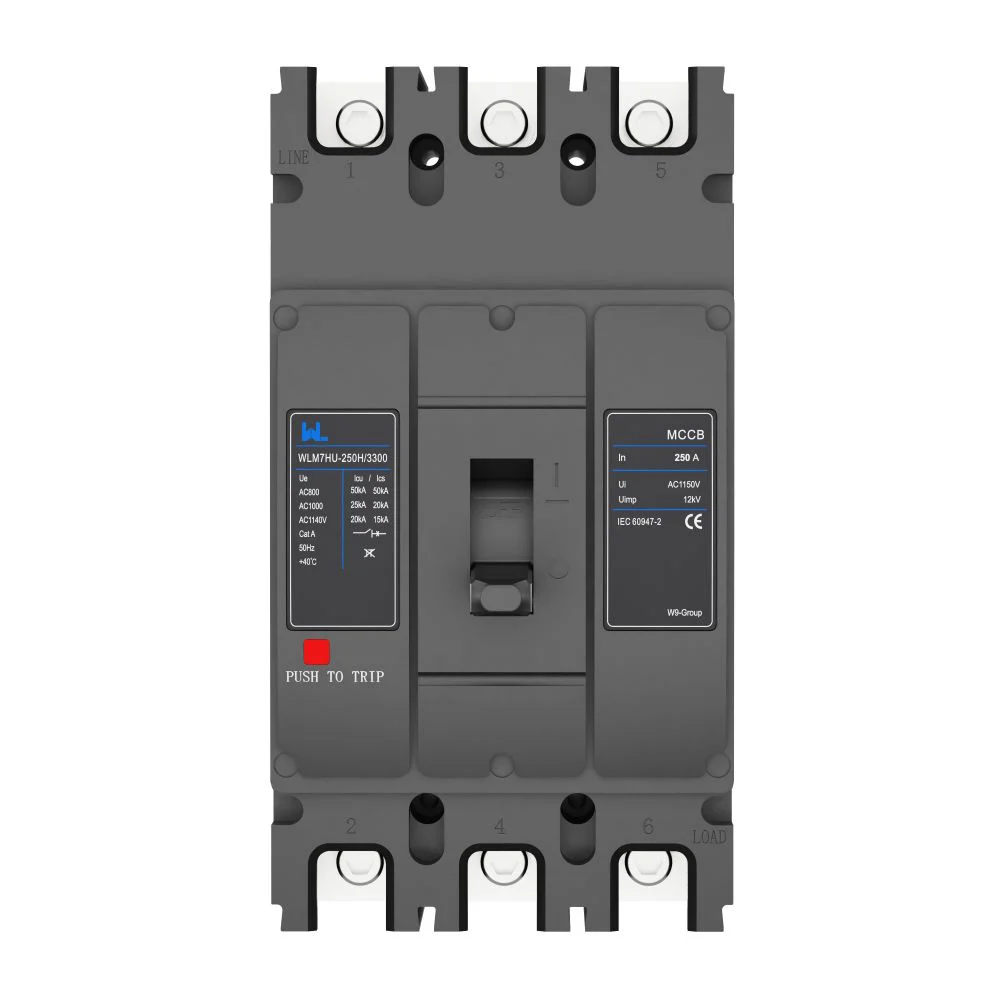
Use the W9 Group ACB category as a product-family starting point, then request the exact model documentation that matches the project duty. A catalogue family name is not a substitute for an order code and a controlled technical schedule.
How ACB types and ratings affect the quote
The main type decision is usually fixed versus draw-out. A fixed ACB suits a defined compartment when the maintenance procedure and outage plan support it. A draw-out ACB adds a cradle and connected, test, and isolated positions; it can simplify repeatable isolation but also adds space, alignment, interlocking, and inspection requirements. Price the service method the board actually needs.
Specify continuous-current rating and prospective fault duty separately. The design current describes normal load; the short-circuit study establishes fault duty at the breaker’s location. Ask for the manufacturer’s declared ultimate and service short-circuit capacities for the exact configuration, including conditions, derating, or backup requirements. Check coordination with downstream devices using the manufacturer’s curves or combination tables. A larger ampere label cannot compensate for an unverified result.
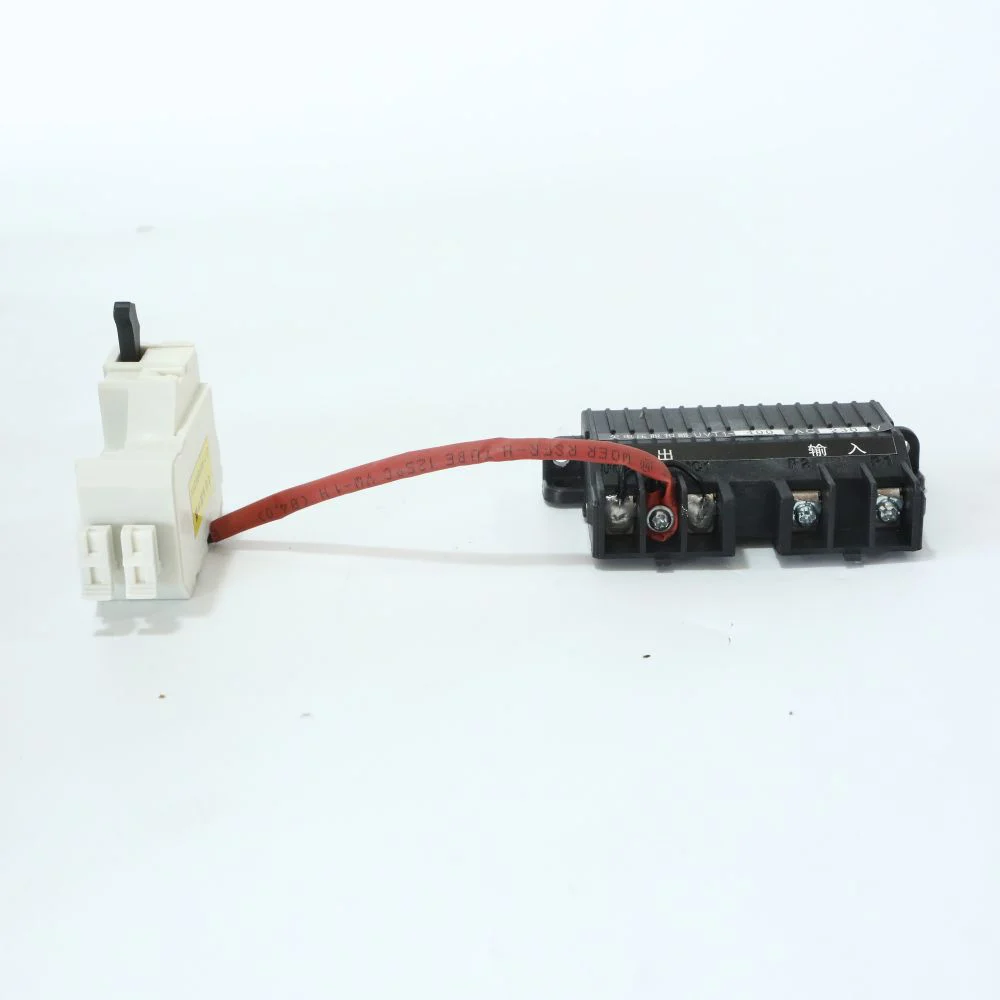
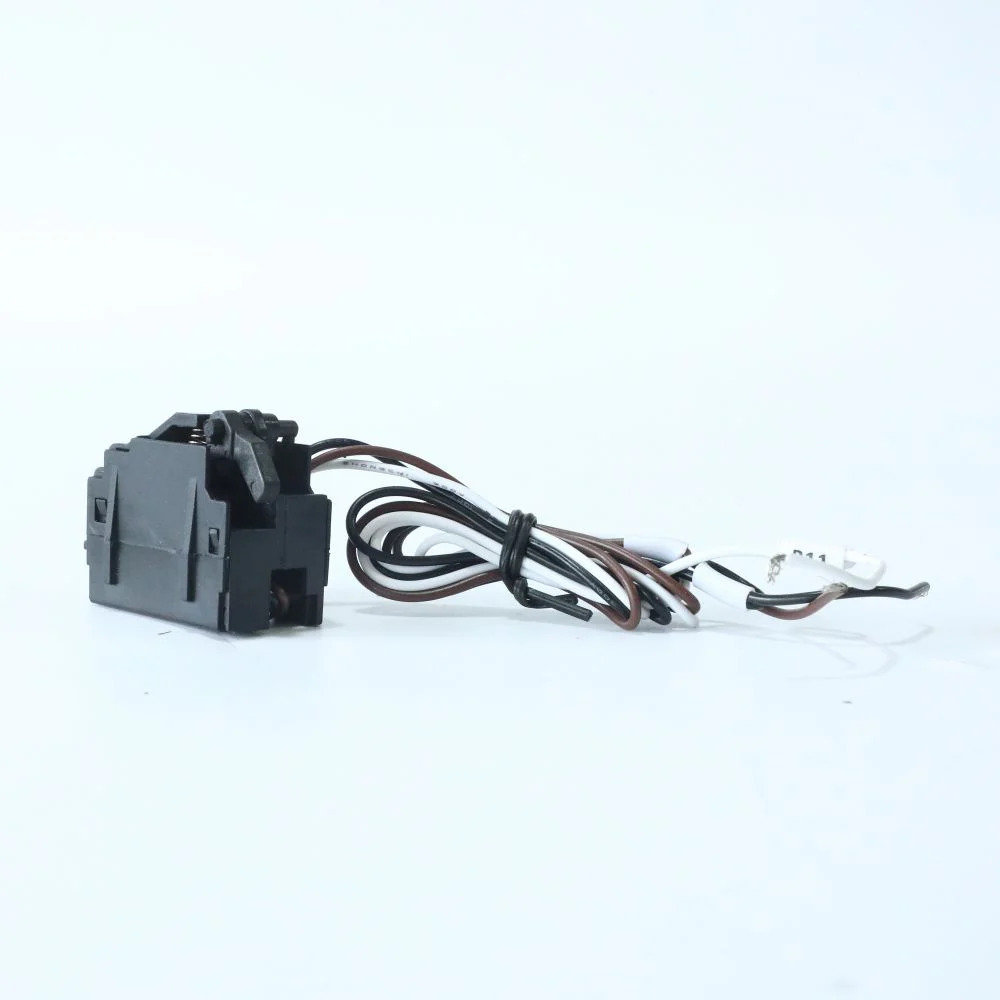
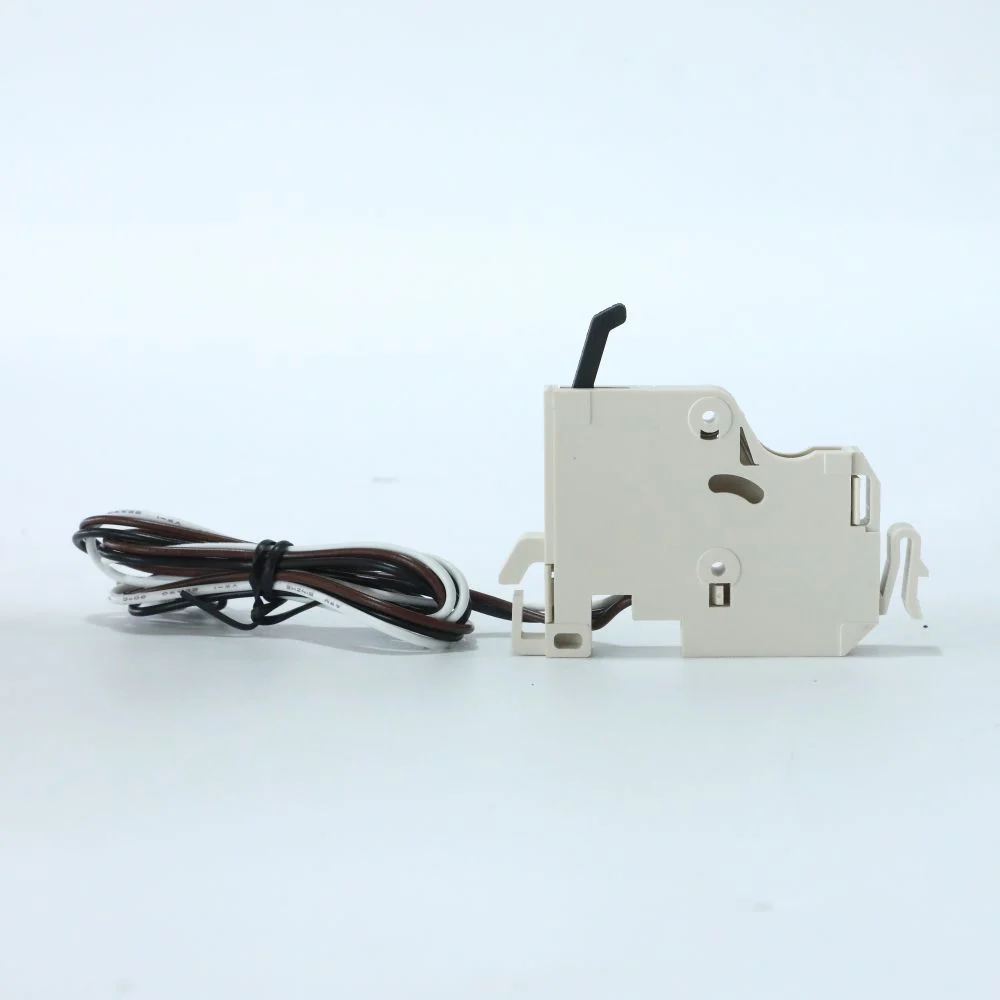
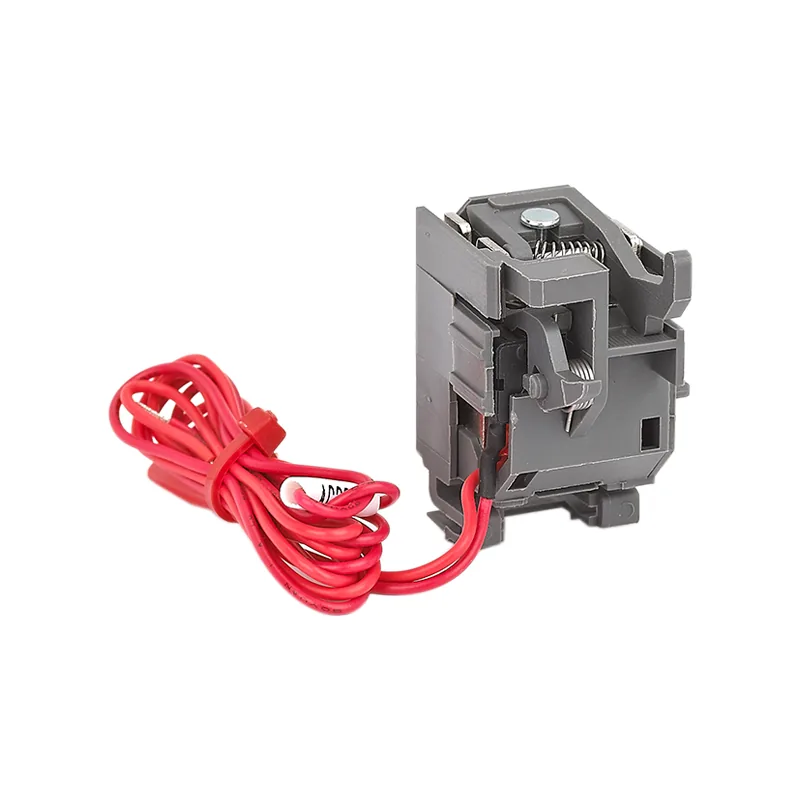
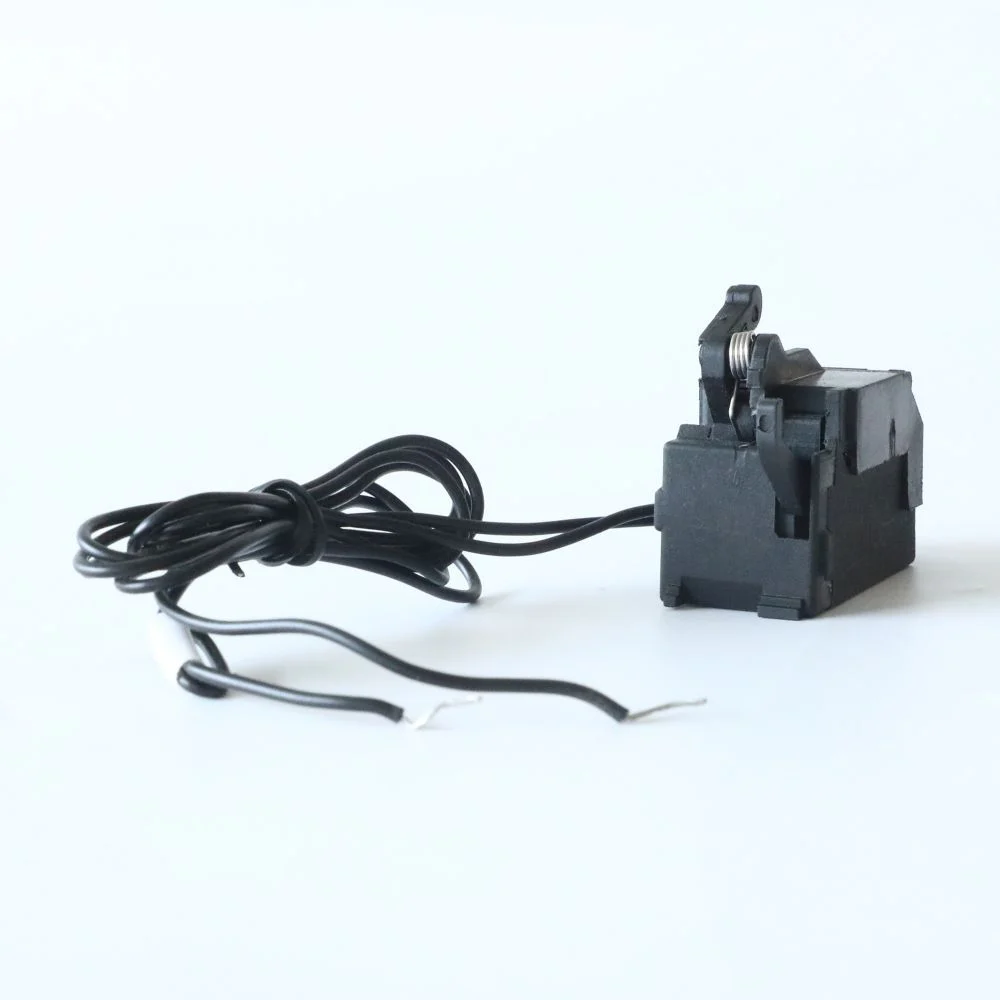
Pole count and neutral treatment must follow the system design. The trip unit is equally important: confirm the required long-time, short-time, instantaneous, and earth-fault functions, adjustment ranges, metering or communication features, and local or remote operation. Accessories such as shunt release, undervoltage release, closing release, auxiliary contacts, alarm contacts, and mechanical interlocks should appear as line items, not be assumed to be included.
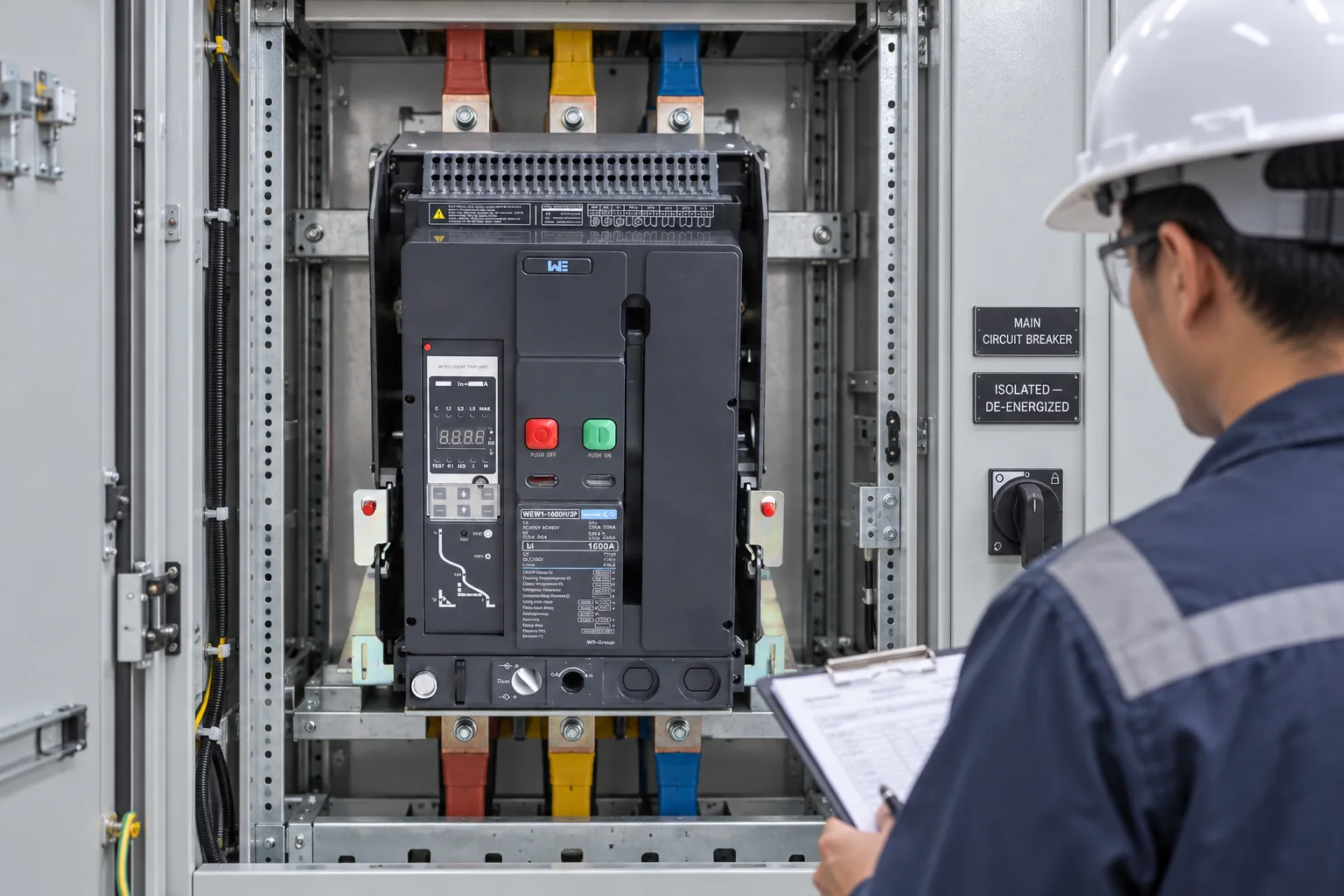
For a deeper rating checklist, compare the current, short-circuit, pole, and trip-unit questions in W9 Group’s ACB selection guide. Treat it as a specification aid and still verify the exact product data sheet and project study.
Price and total-cost drivers to put in the comparison
There is no responsible universal price for an Air Circuit Breaker. A quotation can change materially when the same nominal current is supplied with a different frame, interrupting duty, trip unit, mounting arrangement, accessory set, or documentation package. Compare like-for-like configurations and separate the breaker price from board integration and project services.
| Cost or document line | What can change it | Buyer check before ranking bids |
|---|---|---|
| Base breaker and trip unit | Frame size, continuous-current setting, interrupting duty, trip functions, and communication options. | Match the exact order code, ratings, curves, and setting ranges to the approved design. |
| Fixed or draw-out hardware | Cradle, shutters, racking mechanism, position contacts, and compartment modifications. | Request interface drawings and a clear list of included mounting hardware. |
| Accessories and control wiring | Release coils, auxiliaries, alarms, interlocks, control voltage, terminals, and communications. | Cross-check each accessory against the schematic and panel I/O list. |
| Integration and testing | Busbar or cable work, heat and clearance changes, routine tests, witnessed inspection, and commissioning. | State who supplies the assembly, tests it, and records settings and results. |
| Logistics and lifecycle | Packing, freight, import charges, spares, training, maintenance access, and outage exposure. | Compare landed and installed cost, lead time, spares, manuals, and service assumptions. |
An illustrative total-cost frame is: equipment + panel changes + engineering review + testing + logistics + planned spares + expected maintenance effort. It is a decision model, not a promised saving or a market price. Ask bidders to identify exclusions so a low initial figure does not hide work that another bidder has included.

Documents, standards, HS classification, and diagrams
Request a controlled document pack: product data sheet, dimensional and connection drawings, wiring diagram, instruction manual, ratings and derating conditions, trip-unit information, applicable test or declaration documents, packing list, and revision/date. Keep product evidence separate from assembly evidence and site installation requirements.
IEC 60947-2 covers low-voltage circuit-breakers; the relevant edition and product scope should be confirmed for the destination market. The complete assembly may also be subject to an assembly standard and local wiring or inspection rules. A type-test report, routine-test record, declaration of conformity, and third-party certificate are different documents. Ask what each document covers and whether it applies to the exact frame, trip unit, poles, accessories, and voltage being quoted. For European projects, review the applicable Low Voltage Directive obligations; for U.S. work, coordinate with the adopted electrical code and workplace-safety requirements.
For Air circuit breaker hs code questions, do not copy a code from a search result or another shipment. HS classification depends on the product description, configuration, jurisdiction, and customs interpretation. Give the commercial invoice and technical description to the importer or licensed customs broker and obtain the destination authority’s ruling where necessary. Record the confirmed code and rationale in the shipping file; a manufacturer should not be treated as the final customs authority.
For diagrams, symbols, or an Air circuit breaker animation, use them to explain operation or interfaces, not to prove a rating. Include a readable one-line symbol, terminal and control schematic, and, when useful, a labelled sequence showing fixed/draw-out positions. Check that the visual matches the manual and does not imply an unquoted connection, interlock, or accessory.
Schneider references can benchmark terminology or documentation when a project specification names Schneider, but they do not establish interchangeability. Compare the exact Schneider reference and proposed alternative for dimensions, connections, trip-unit functions, accessory wiring, coordination data, and certification scope. Ask the panel designer to approve substitutions.
Selection actions, FAQs, and next step
- Freeze the one-line diagram, load and fault data, environmental assumptions, and board interface before requesting prices.
- State fixed or draw-out architecture, poles, trip functions, control voltage, accessories, and required signals as line items.
- Require a configuration-specific document register, drawing revision, test scope, Incoterm, delivery point, and exclusions.
- Compare installed and lifecycle cost only after ratings, coordination, interfaces, and compliance evidence are aligned.
- Obtain panel-builder and customs-broker review for substitutions, HS classification, and destination-market requirements.
What are the main types of air circuit breaker?
The common procurement distinction is fixed versus draw-out construction. Buyers may also compare manual or electrically operated mechanisms and different trip-unit and accessory configurations. The correct type depends on the switchboard layout, isolation and maintenance procedure, protection study, and control scheme.
What is the price or total cost of air circuit breaker?
Price depends on the exact frame, ratings, trip unit, fixed or draw-out hardware, accessories, documentation, testing, and logistics. Compare a configuration-based quotation and installed total-cost schedule rather than a nominal ampere price.
What should buyers know about Air circuit breaker hs code?
HS classification is not universal for every ACB configuration or destination. The importer or customs broker should confirm the code against the commercial description and local customs rules before shipment; retain the ruling or written rationale in the trade file.
What should buyers know about Air circuit breaker animation?
An animation can clarify contact movement, arc interruption, or draw-out positions, but it is explanatory media rather than rating evidence. Check every sequence against the manufacturer’s manual and ensure it does not show unquoted accessories or connections.
What is the standard symbol for air circuit breaker?
There is no single decorative icon that replaces an engineering diagram. Use the project or applicable drafting convention for a circuit-breaker symbol, identify the ACB in the legend, and show poles, terminals, control circuits, and interlocks consistently with the approved one-line and schematics.
What should buyers know about Air circuit breaker schneider?
Schneider product references can help define terminology and required documentation, but a Schneider ACB and another manufacturer’s ACB are not automatically interchangeable. Verify dimensions, connections, trip-unit behavior, accessories, coordination data, and certification scope for the exact catalog numbers before approving a substitution.
W9 Group provides low-voltage circuit protection options for OEM, panel-builder, and distribution projects; confirm the exact model, ratings, documentation, and destination-market requirements before release. Use the W9 download area for available technical files and send the one-line diagram and RFQ checklist through the W9 contact page when a configuration review is needed.
Referencias
- IEC 60947-2:2024, Low-voltage switchgear and controlgear – Part 2: Circuit-breakers.
- European Union, Directive 2014/35/EU (Low Voltage Directive).
- U.S. Occupational Safety and Health Administration, Electrical safety.
- National Fire Protection Association, NFPA 70 information.
- World Customs Organization, Harmonized System overview.
The best ACB quotation is the one another engineer can audit: duty is stated, configuration is explicit, documents are traceable, exclusions are visible, and customs and installation questions have an owner. Send a complete RFQ package before negotiating the number, and the resulting comparison will be much closer to the cost and performance the project actually needs.