




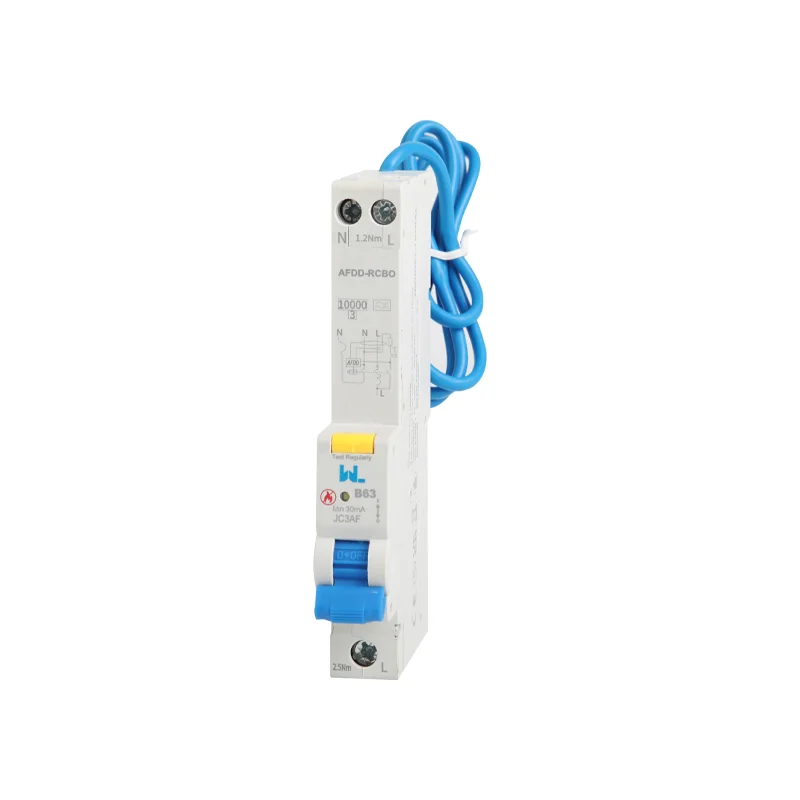
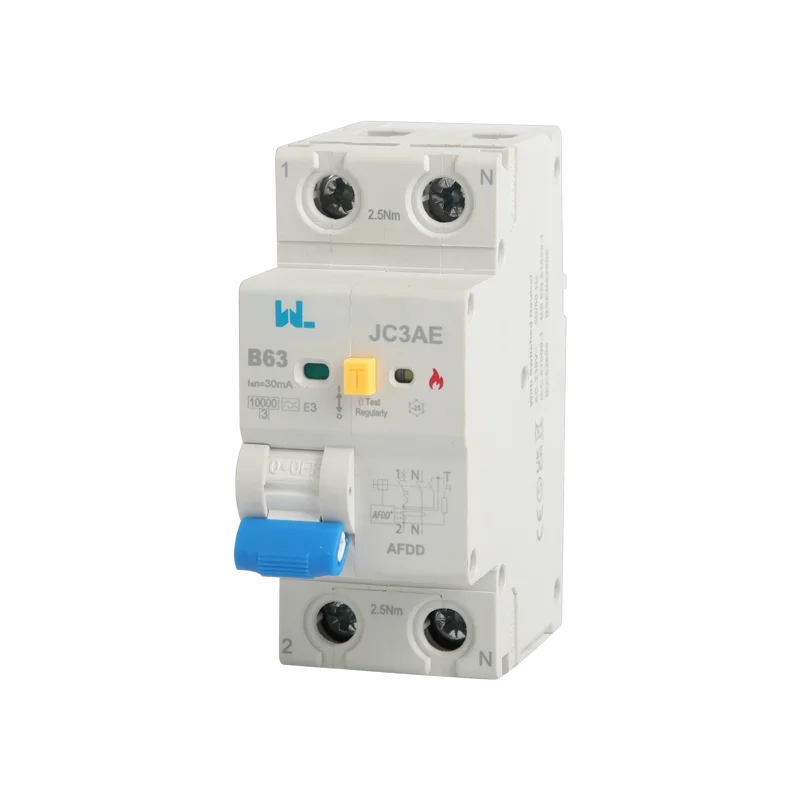
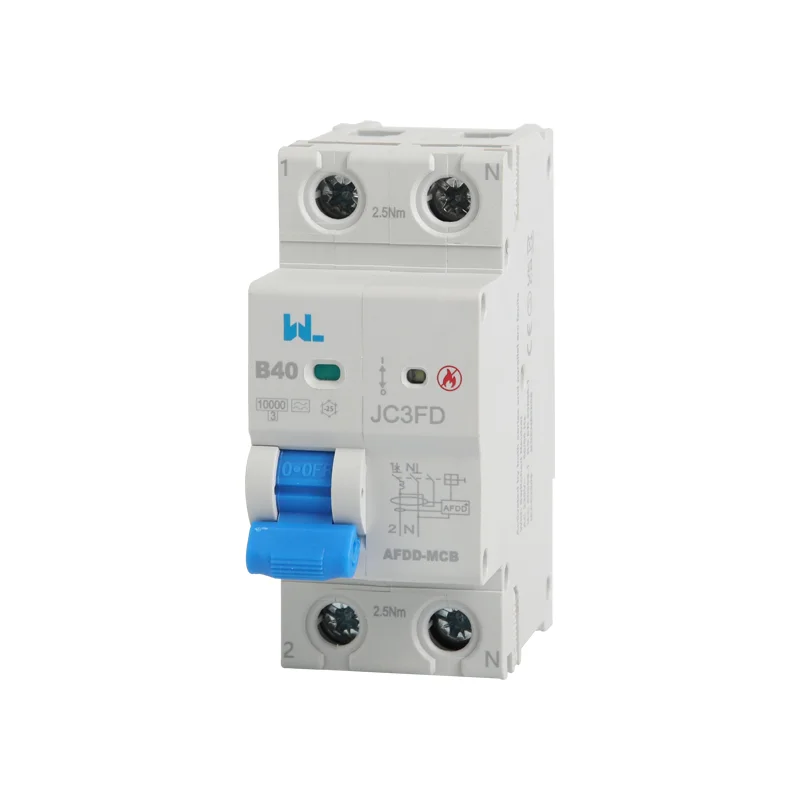
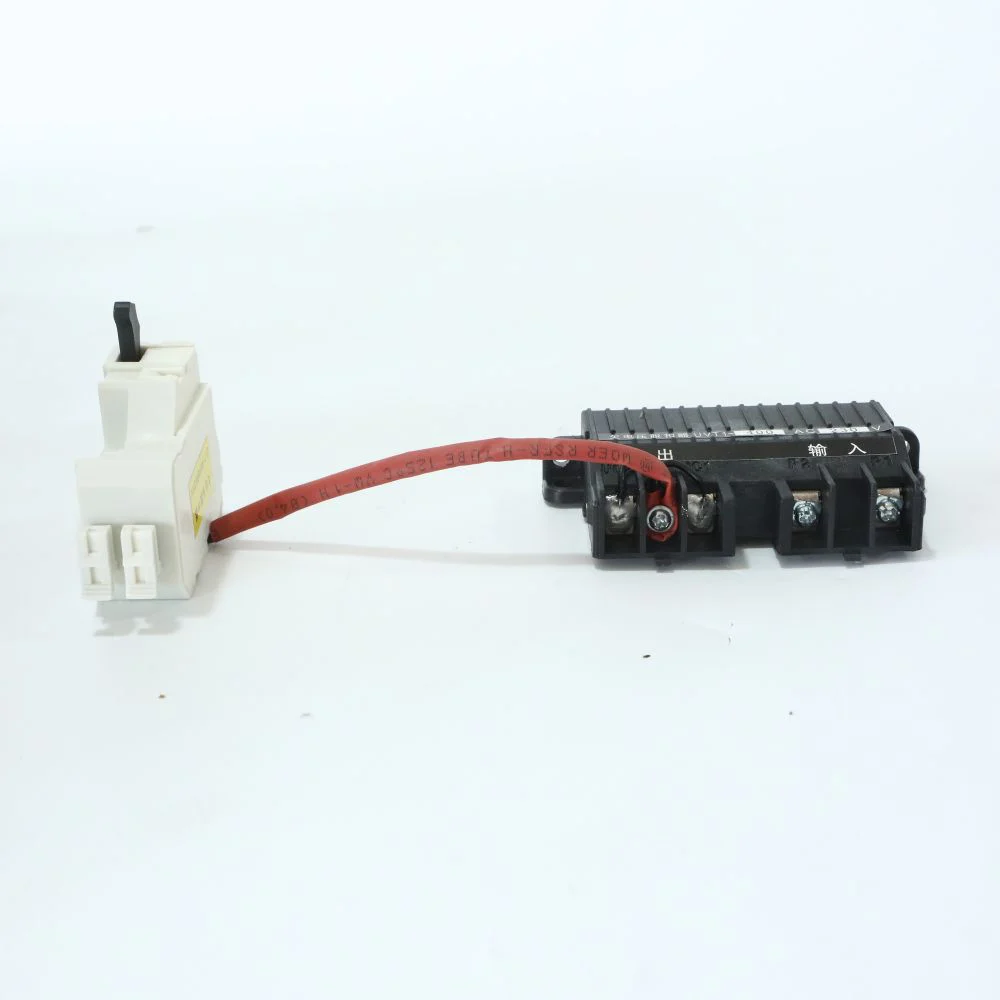
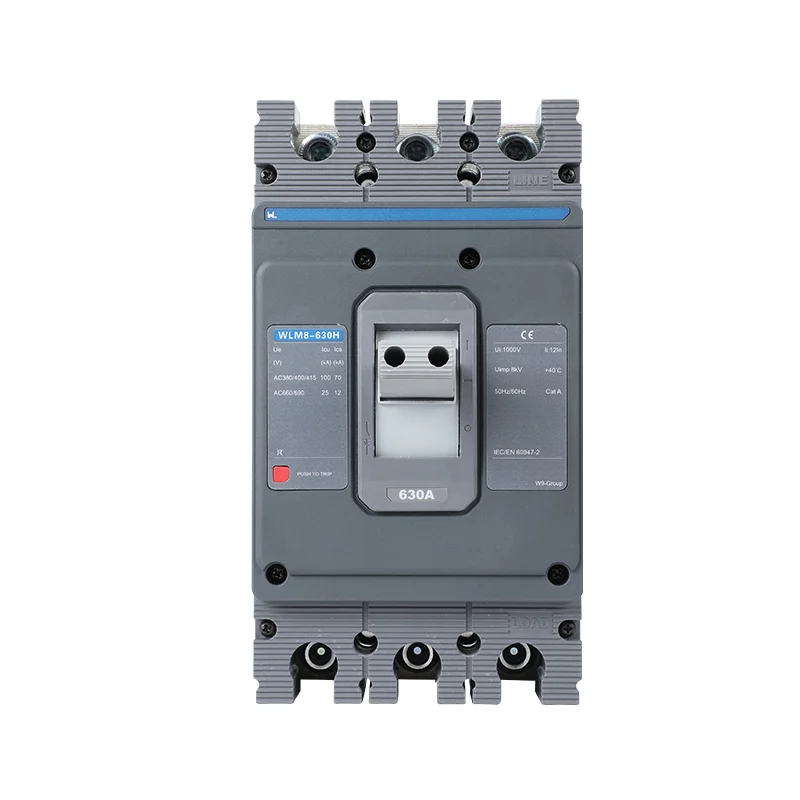
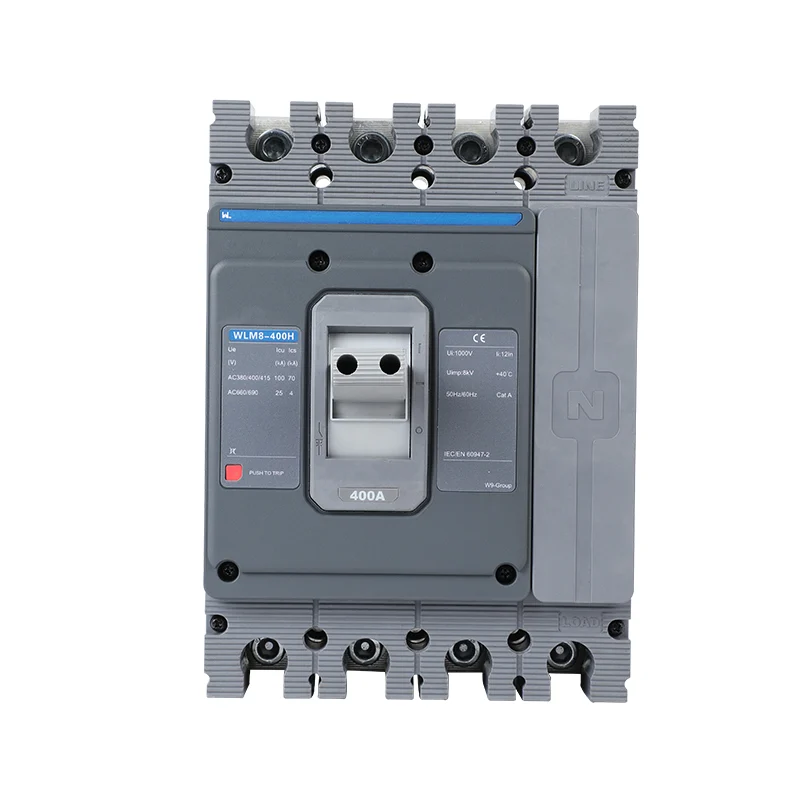
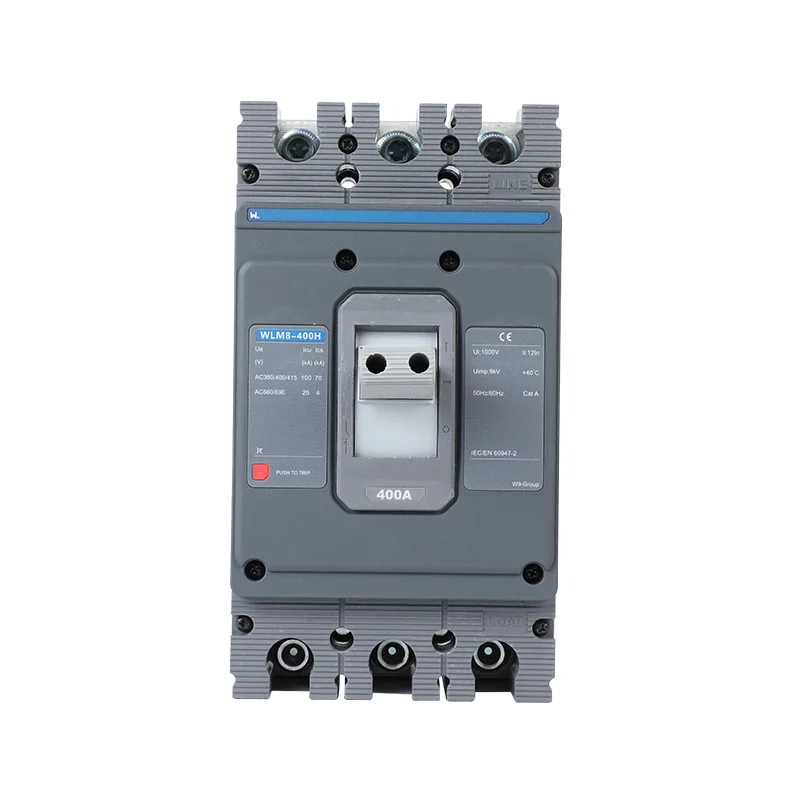
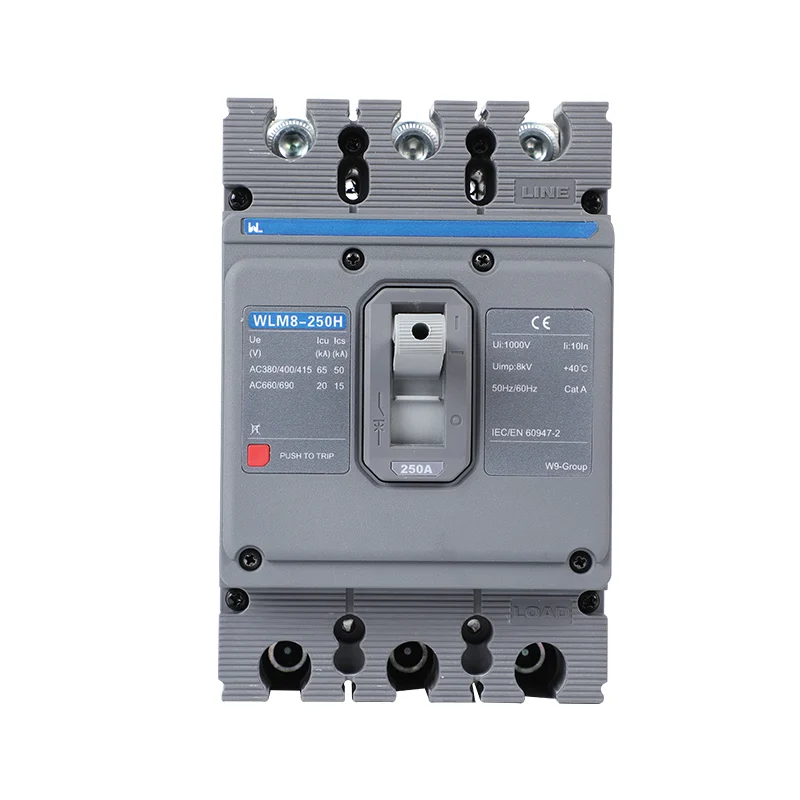






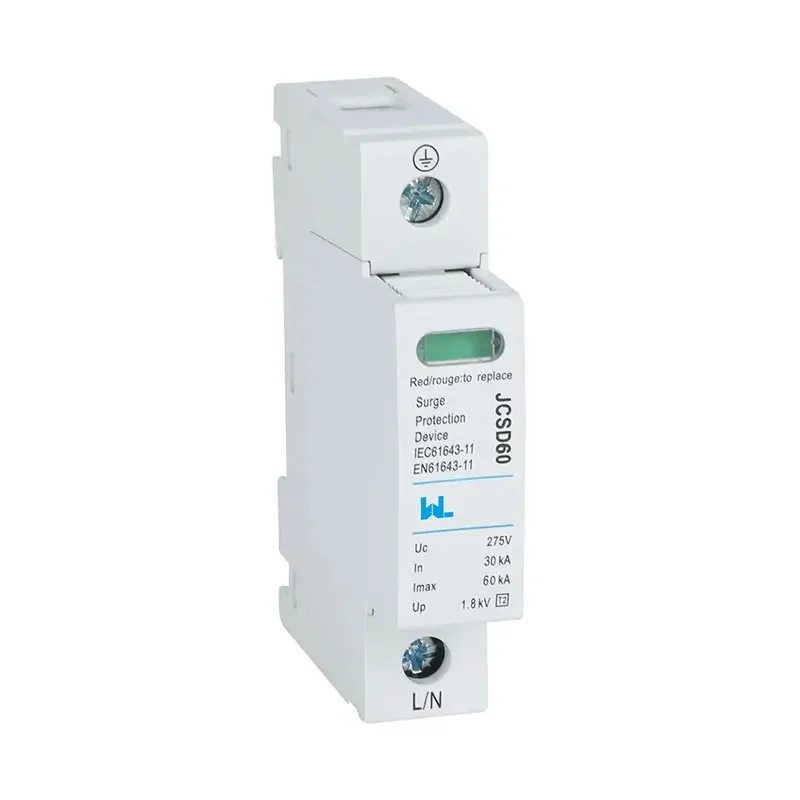
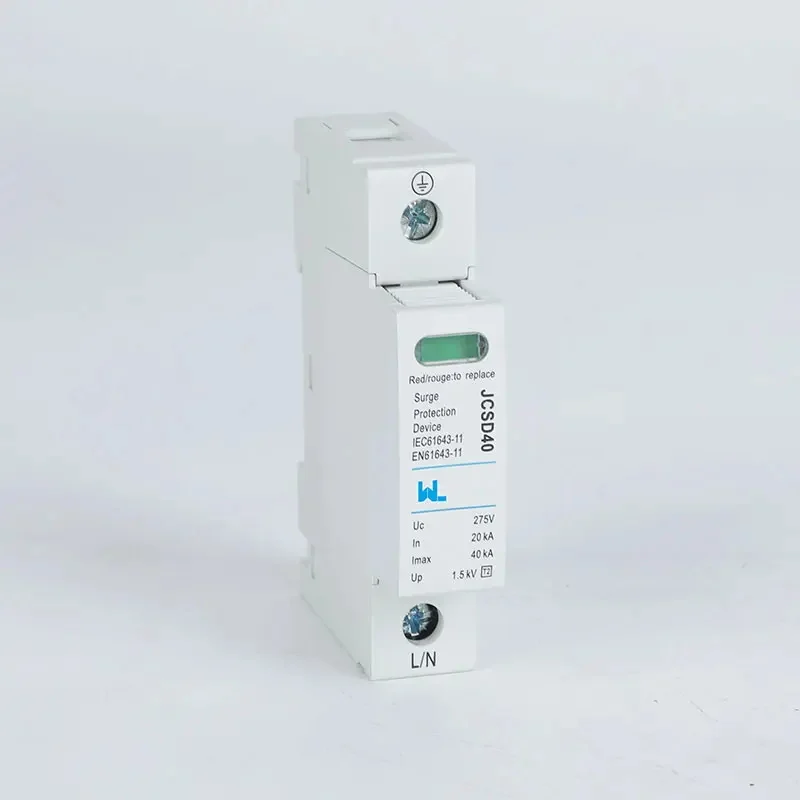









Especificaciones técnicas y parámetros operacionales de los disyuntores
Escenario ilustrativo, no un caso documentado de cliente: Cuando Maya Chen, ingeniera de instalaciones en Manchester, aprobó un interruptor automático de repuesto para un alimentador de cámara frigorífica, la corriente indicada en la placa de características parecía correcta. Sin embargo, durante la puesta en servicio, el interruptor se disparó al arrancar el compresor y la barra colectora se calentó más de lo esperado. Una revisión de la hoja de especificaciones reveló el verdadero problema: el marco seleccionado tenía el rango de ajuste magnético incorrecto y una capacidad de corte de cortocircuito insuficiente para el nivel de falla disponible. Al redimensionar el dispositivo, verificar la coordinación y repetir las pruebas IEC 60947-2, se restableció el funcionamiento fiable. La lección es sencilla: la etiqueta de amperios es solo una línea en la especificación de un interruptor automático.
Resumen: Especifique el rango de funcionamiento completo: corriente nominal (In), tensión de servicio (Ue), rigidez dieléctrica de aislamiento e impulso (Ui/Uimp), capacidad de corte (Icu/Ics), características de disparo, polos, frecuencia, temperatura y durabilidad. La norma IEC 60947-2 diferencia entre el rendimiento en cortocircuito último y en servicio, mientras que la norma IEC 60898-1 cubre muchas aplicaciones domésticas y similares de MCB. Compare los valores declarados con el estudio de fallas de la instalación, la capacidad de carga de los cables y el código local antes de realizar el pedido, y luego conserve los informes de ensayo y las configuraciones como parte del registro del proyecto.
¿Qué calificaciones definen un interruptor de circuito?
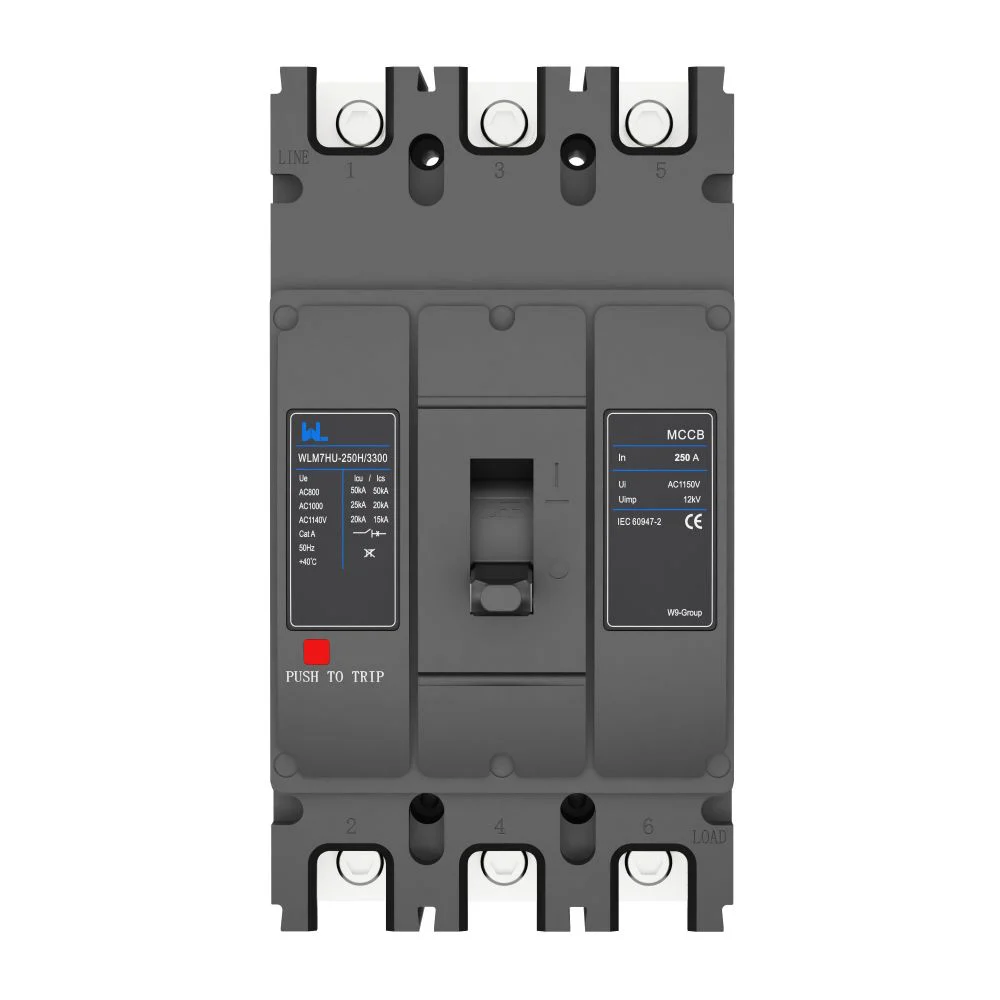
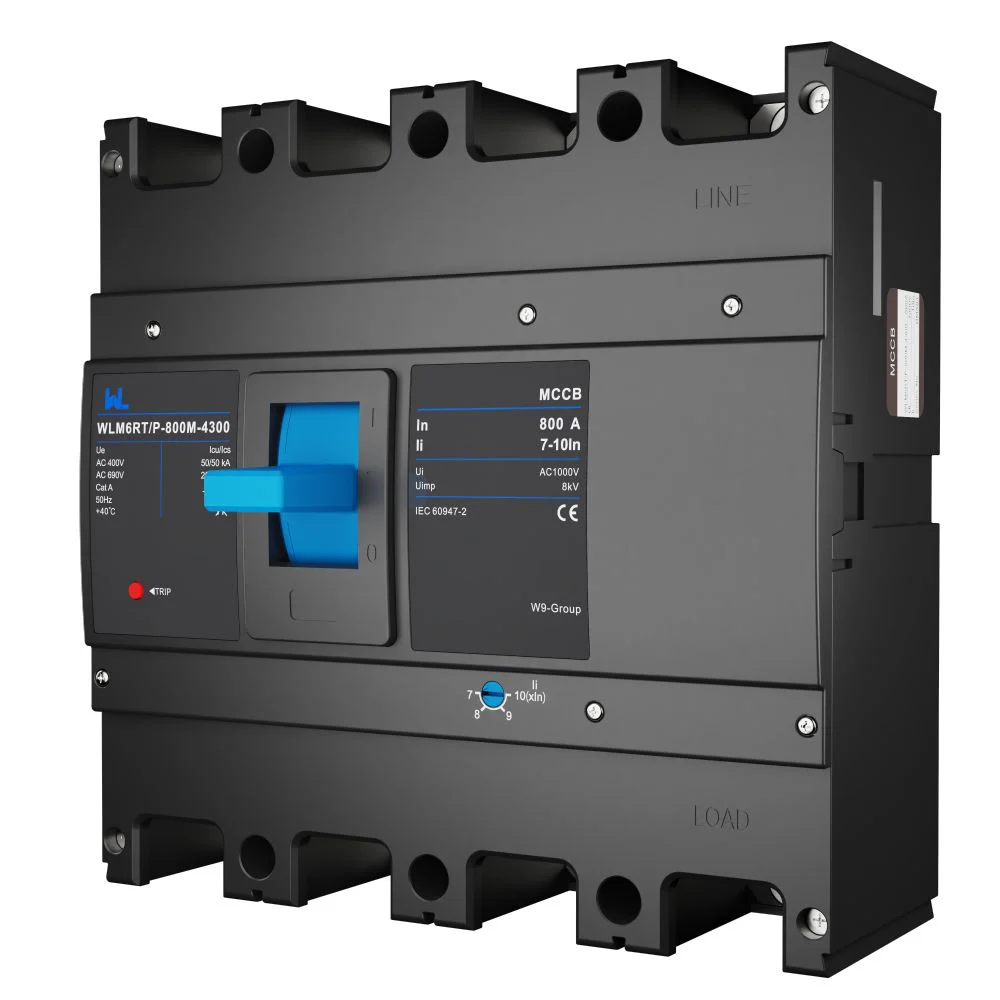
El voltaje de operación nominal (Ue) es el voltaje al cual se prevé que el interruptor conmute e interrumpa la corriente. Un dispositivo marcado para 400/415 V CA no es automáticamente adecuado para un sistema de 480 V; el voltaje fase-fase, la disposición de puesta a tierra y la frecuencia deben coincidir con la declaración del fabricante. Corriente nominal (In) indica la corriente continua para una condición ambiental de referencia. Puede ser necesario aplicar un derating cuando varios dispositivos están agrupados, cuando la caja está caliente o cuando los terminales y los conductores limitan la disipación de calor.
La capacidad de corte es el valor que protege la instalación durante un cortocircuito. Según la norma IEC 60947-2, Icu es la capacidad de corte en condiciones de cortocircuito máxima y Ics es la capacidad de corte en servicio expresada como porcentaje de Icu. Los diseñadores deben comparar el Corriente de fallo potencial at the installation point with the declared rating, rather than assume that a higher frame size alone is adequate. For MCBs within IEC 60898-1, the short-circuit rating is commonly stated as Icn; use the standard that applies to the product and market.
Configuraciones de MCCB Debería ser seleccionado por las funciones de protección requeridas y documentado en función eléctrica.
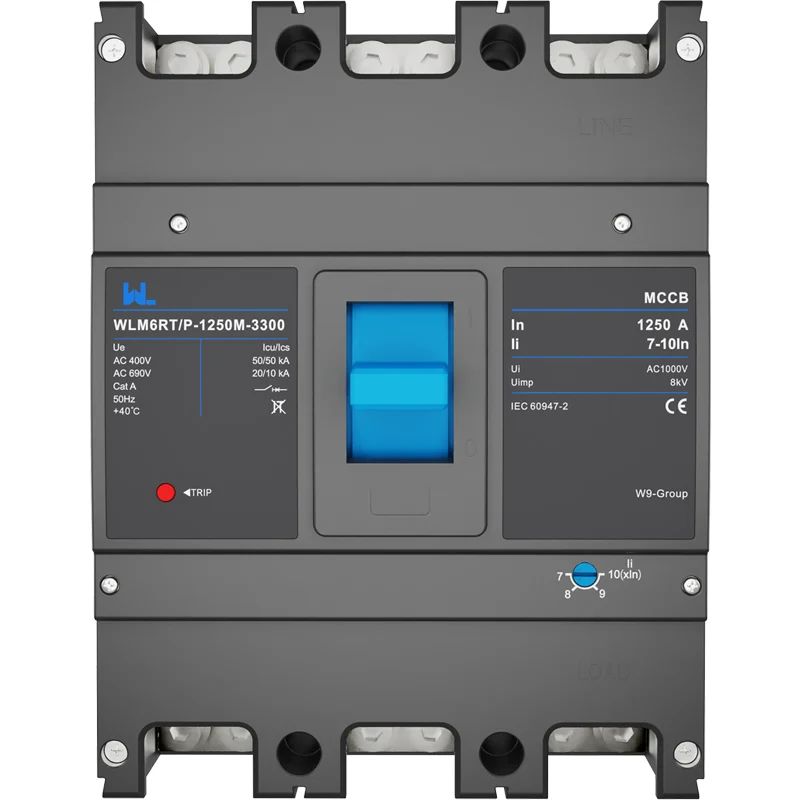
Circuit Breaker Operating Parameters
Trip units and time-current behaviour
Thermal releases respond to sustained overload through a temperature-sensitive element; magnetic releases respond rapidly to high fault current. Electronic trip units add adjustable long-time, short-time and instantaneous functions, and may provide ground-fault protection. Settings must be coordinated with cable ampacity, transformer inrush and downstream devices. A lower instantaneous threshold can create nuisance trips on motors, while a higher setting can reduce selectivity if it exceeds the feeder’s withstand.
For MCBs, B, C and D curves describe magnetic operating bands used in IEC 60898-1 applications. Curve choice is not a substitute for calculating inrush or loop impedance. Verify operation with the manufacturer’s time-current curves and, where required, a primary-injection or secondary-injection test. Test records should show pickup values, trip times and the instrument calibration date.
Insulation and Environmental Limits
Rated insulation voltage (Ui) supports clearances and creepage design; rated impulse withstand voltage (Uimp) addresses transient overvoltage, such as lightning or switching surges. These values are system-design inputs, not marketing decoration. Ambient temperature, altitude, humidity, vibration and pollution degree can change thermal performance and dielectric margin. Follow the product installation instructions for altitude correction, enclosure ventilation and terminal torque.
Mechanical and electrical endurance are separate parameters. A breaker may withstand more no-load mechanical operations than loaded electrical interruptions. IEC 60947-2 assigns endurance tests by utilization category and duty; the project owner should ask for the declared number of operations and the test basis. Planned maintenance—visual inspection, torque checks, insulation testing and functional trip tests—usually costs less than an unplanned shutdown.
Specification comparison for procurement teams
| Parámetro | What it controls | Evidencia para solicitar | Common project risk |
|---|---|---|---|
| In and derating | Continuous load and heat rise | Ambient derating table; temperature-rise test | Overheating in a crowded enclosure |
| Ue, Ui, Uimp | Switching voltage and insulation margin | Nameplate; dielectric and impulse test reports | Using a 400 V device on a higher-voltage system |
| Icu / Ics (or Icn) | Short-circuit interruption and service duty | IEC or UL test certificate for the exact frame | Fault level exceeds the breaker rating |
| Trip settings and curve | Overload, inrush and selectivity | Time-current curve; setting record; injection test | Nuisance trips or lost discrimination |
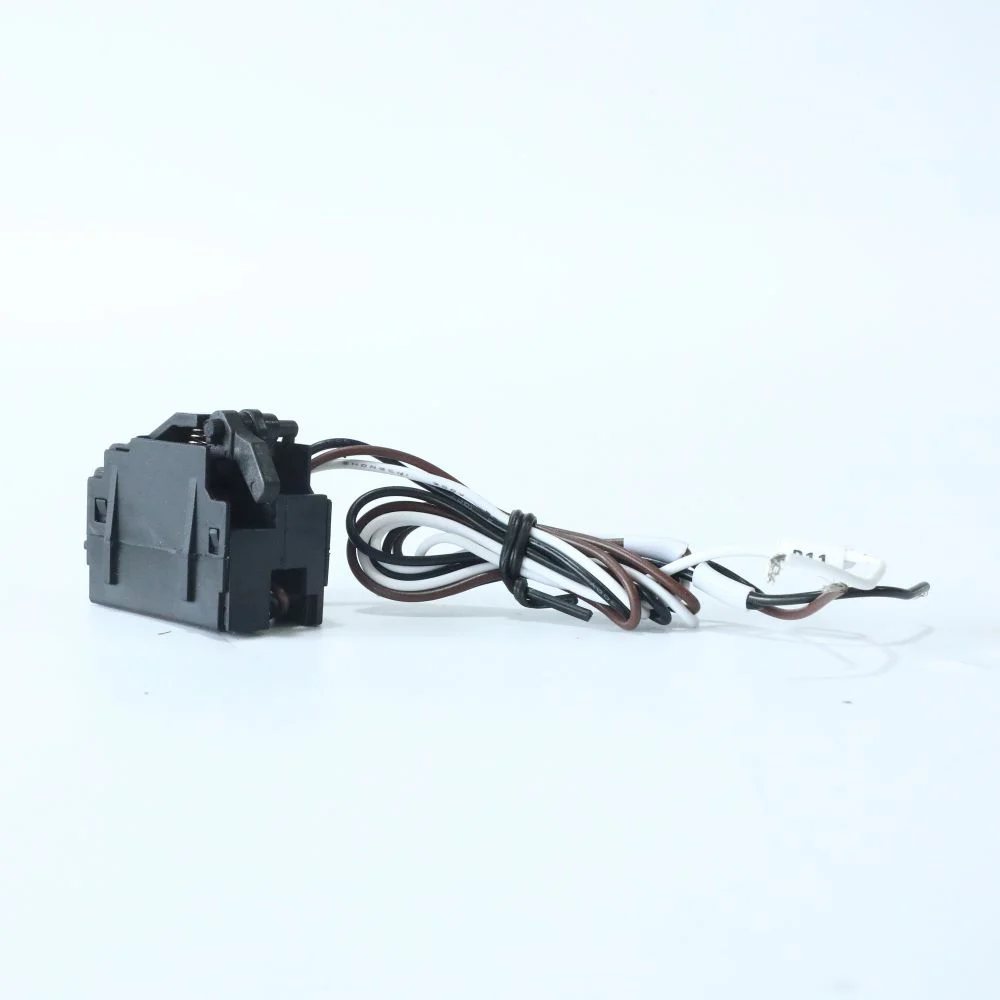
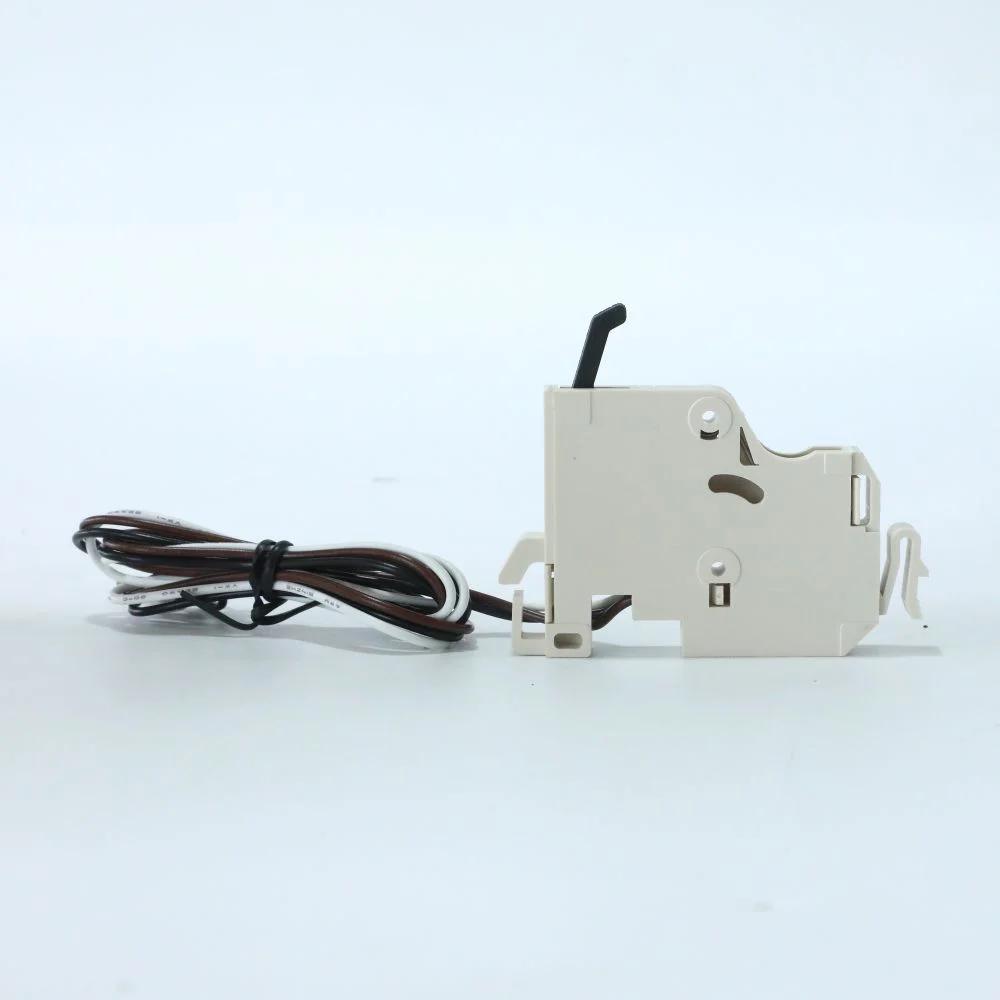
| Endurance and accessories | Lifecycle operation and signaling | Operation class; auxiliary/alarm contact data | Unavailable spares or incompatible wiring |
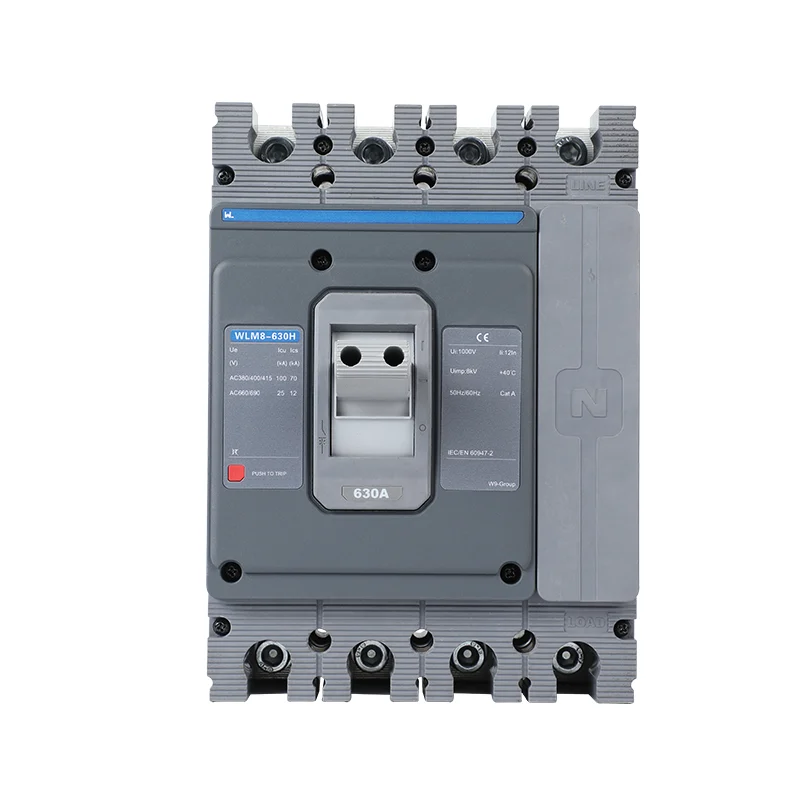
El guía de Disyuntores de carcasa moldeada explica cómo varían el tamaño de la imagen, la calificación y el comportamiento del desplazamiento.
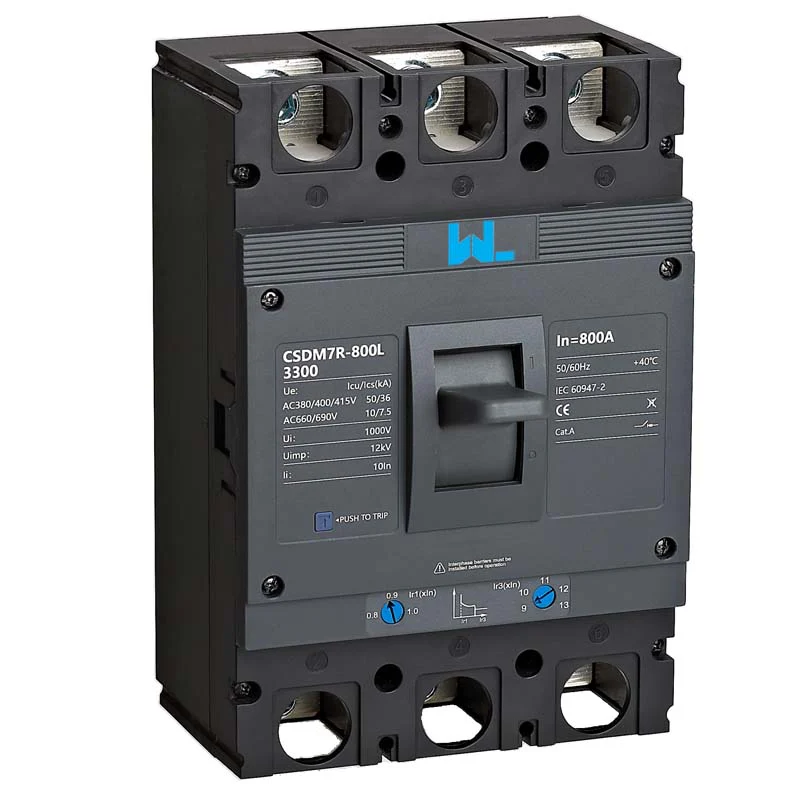
Choosing parameters by application
| Solicitud | Priority parameters | Verification step | Consideraciones del ciclo de vida |
|---|---|---|---|
| Tablero de distribución comercial | Ue, In, Ics, coordination, enclosure temperature | Check single-line diagram and prospective fault current | Leave access for torque and trip testing |
| Motor or HVAC feeder | Magnetic threshold, short-time delay, motor starting current | Compare inrush trace with time-current curve | Document settings after each motor change |
| Photovoltaic or battery DC circuit | DC voltage, polarity, pole arrangement, DC breaking capacity | Use a device tested for the exact DC configuration | Inspect arc-chute and polarity markings |
| Circuito final residencial | MCB curve, Icn, RCD/RCBO sensitivity and local code | Perform RCD/RCBO trip-time test where fitted | Provide clear circuit labels for occupants |
Applicable Circuit Breaker Standards
IEC 60947-2 is the principal low-voltage circuit-breaker product standard for industrial and commercial equipment. It defines ratings, construction, temperature-rise, dielectric, short-circuit and endurance tests. IEC 60898-1 addresses circuit-breakers for household and similar installations, including standardized tripping characteristics. In North American projects, UL 489 covers molded-case circuit breakers and circuit-breaker enclosures; National Electrical Code (NFPA 70) then governs installation practice. These standards are not interchangeable: confirm the product’s declared scope, markings and certification body for the destination market.
A test method is not the same as a blanket certification. Ask whether a report covers the exact pole count, frame, voltage, frequency and accessory combination being purchased. Unsupported claims can lead to rejected submittals, re-testing, warranty disputes or unsafe energization. The responsible engineer remains accountable for coordination, protective-device settings and code compliance.
Documentation should follow the breaker from quotation to service. Keep the approved datasheet, wiring diagram, certificate number, factory routine-test record and final field-test results together. If a project changes from copper to aluminium conductors, adds parallel feeders or raises transformer capacity, revisit the thermal and fault calculations instead of copying the original settings. This traceability helps an auditor distinguish a factory declaration from a site acceptance result and gives maintenance staff a defensible baseline for future work.
Circuit Breaker Procurement Checklist
- Record load current, conductor ampacity, ambient temperature and prospective short-circuit current at the installation point.
- Match Ue, frequency, poles, neutral switching and AC/DC polarity to the system architecture.
- Review Icu/Ics or Icn, then verify selectivity with upstream and downstream devices using time-current data.
- Freeze trip settings, accessory wiring and terminal torque in the approved drawing and commissioning sheet.
- Request certificates, calibration records, spare-part lists and a maintenance interval before shipment.
For buyers comparing configurable MCCB and MCB options, the test site’s MCCB features guide and thermal-magnetic selection checklist provide useful starting points. Teams working with air circuit breakers can also review ACB selection for industrial needs and the auxiliary-contact standards overview.
Preguntas frecuentes
What is the most important circuit breaker specification?
There is no single value. In, Ue and the breaking-capacity rating must all suit the installation, while Configuración de la excursión must coordinate with cables and upstream devices. Start with the fault study and load schedule, then confirm the exact product test basis.
How are Icu and Ics different?
Icu is the ultimate short-circuit Capacidad de ruptura; Ics is the service short-circuit capacity defined in IEC 60947-2. A breaker may interrupt an Icu fault but require inspection or replacement afterward, whereas Ics represents a service-duty performance level. Use the manufacturer’s declared percentage and project requirements.
Can I replace a breaker with the same ampere rating?
Not safely by ampere rating alone. Check voltage, pole configuration, fault duty, trip curve, busbar or DIN-rail compatibility, terminal size and certification scope. A like-for-like replacement still needs isolation, torque verification and functional testing.
¿Cuándo debe utilizarse una unidad de disparo ajustable?
Adjustability is valuable when feeder loads, transformer impedance or coordination studies vary across projects. Settings must be locked, documented and verified by injection testing; an adjustable dial does not increase the breaker’s inherent breaking capacity.
What tests should be completed before energization?
Typical checks include visual inspection, insulation resistance or dielectric testing as permitted by the manufacturer, contact-resistance measurement, mechanical operation and primary- or secondary-injection trip tests. Apply the project standard and avoid insulation tests that could damage electronic trip units.
Referencias
- IEC 60947-2:2024 — ámbito de aplicación del producto interruptor de circuito.
- IEC 61439-1:2020 — Normas generales para la instalación de baja tensión.
- NFPA 70 — Desarrollo y alcance del código de instalación para Estados Unidos.
Reliable protection is documented protection: the best specification is the one that still makes sense when the panel is hot, the fault level is high and the commissioning engineer has to prove every setting.
Need help matching a circuit breaker to your voltage, fault level and coordination study? Contact the test-site team with your single-line diagram and required standards so we can help you prepare a review-ready specification.
Para revisar la configuración propuesta, Contacte con W9 Group con el plan de carga, la corriente de fallo disponible y los requisitos del mercado de destino.