




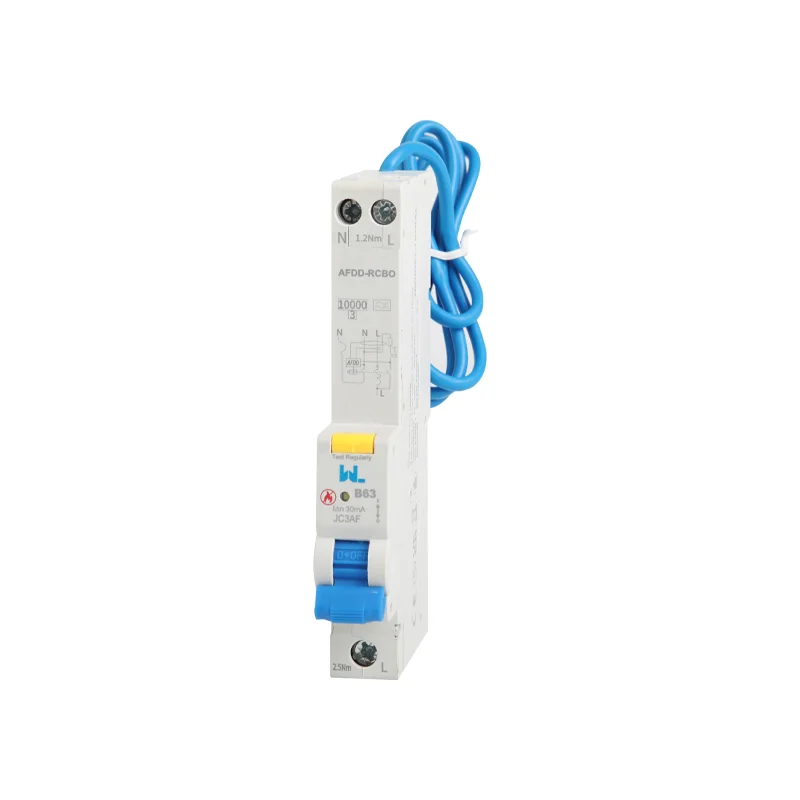
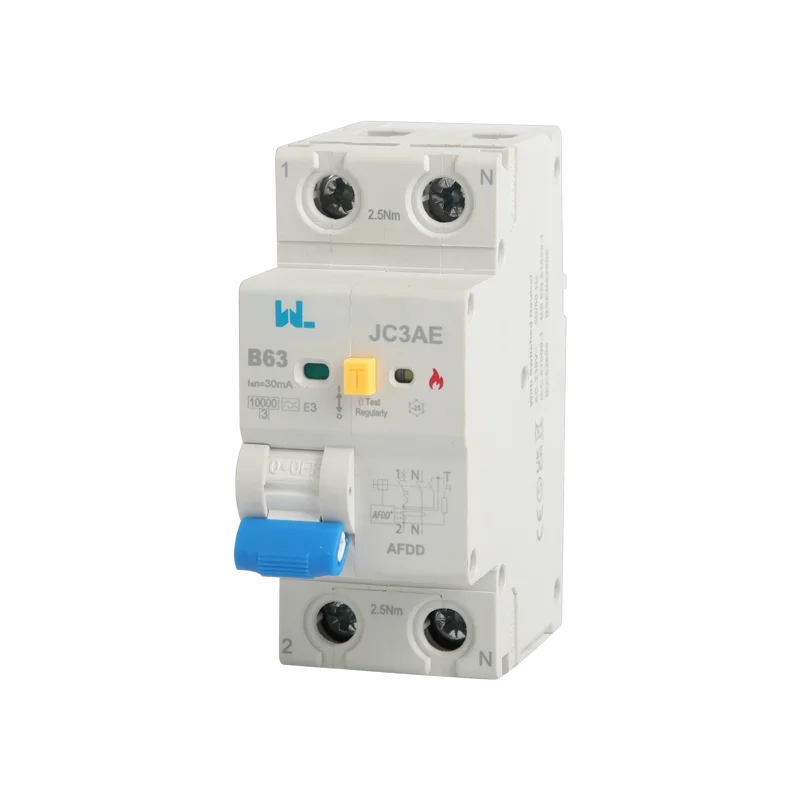
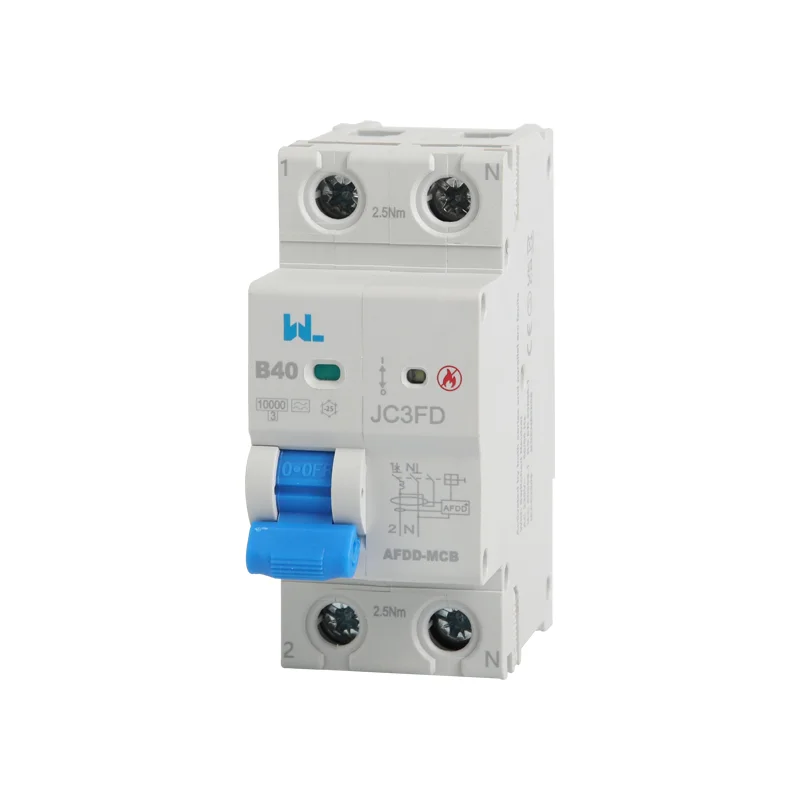
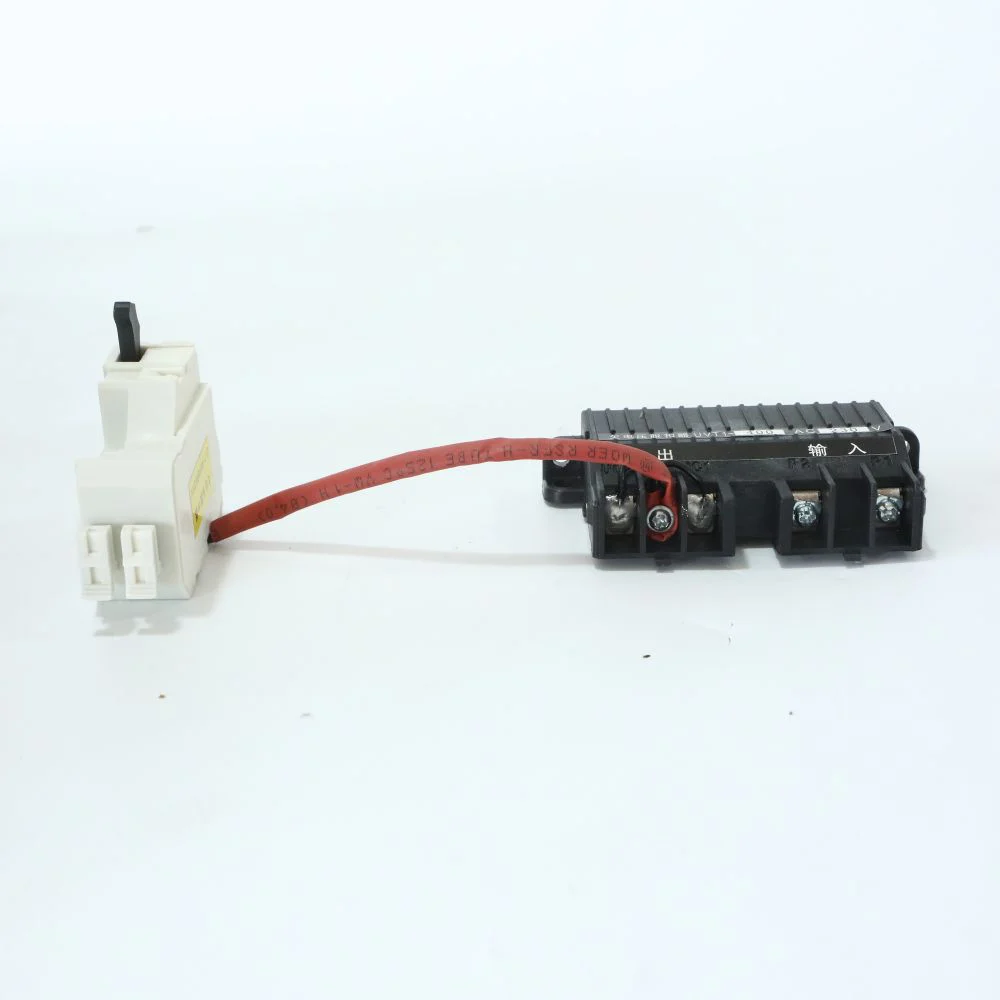






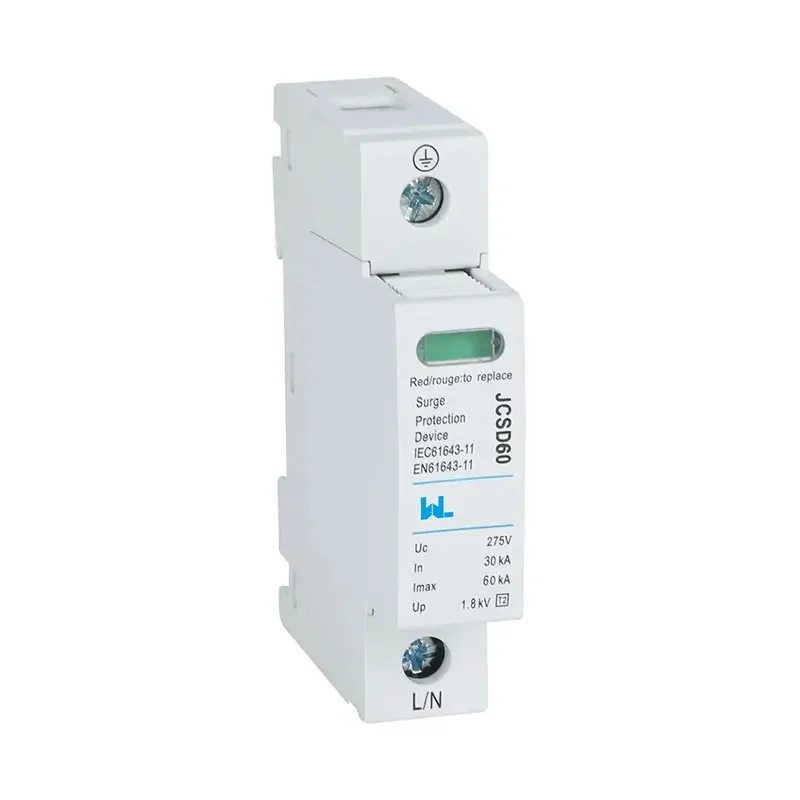
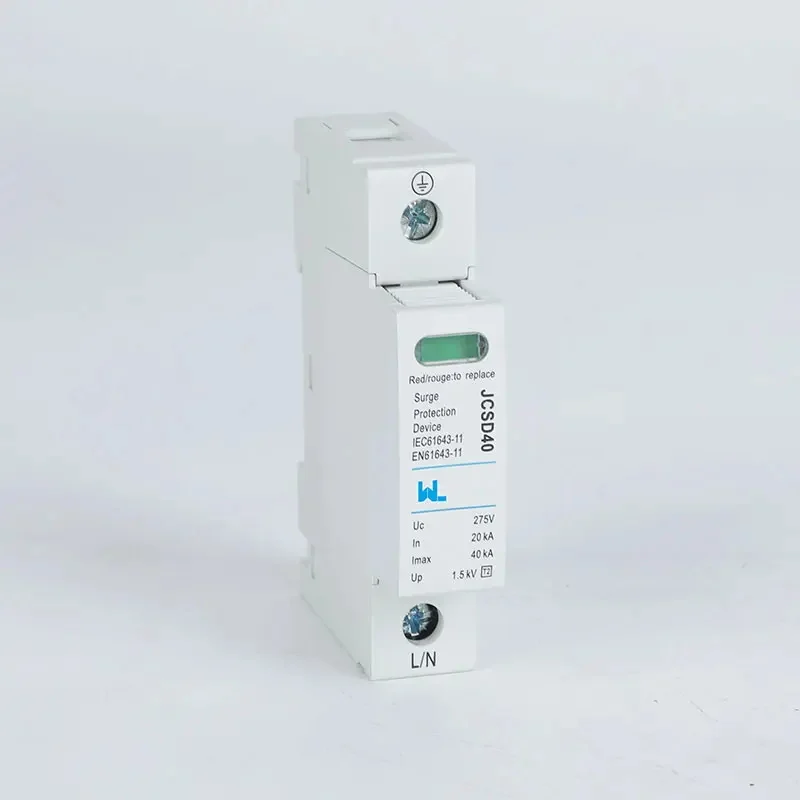









مشخصات فنی و پارامترهای عملیاتی پریزهای مداربسته
سناریوی توضیحی، نه یک مورد ثبت شده از مشتری: وقتی مایا چن، مهندس تأسیسات در منچستر، جایگزینی برای یک قطعکننده ورودی سردخانه را تصویب کرد، جریان نامی روی پلاکت به نظر درست بود. با این حال، در هنگام راهاندازی، قطعکننده هنگام راهاندازی کمپرسور باز شد و باربر داغتر از آنچه انتظار میرفت گرم شد. بررسی فرم مشخصات فنی مشکل واقعی را آشکار کرد: قاب انتخاب شده، دارای محدوده تنظیمات مغناطیسی و ظرفیت قطع کوتاهمدت نادرست برای سطح خطای موجود بود. با اصلاح اندازه دستگاه، بررسی هماهنگی و تکرار تستهای IEC 60947-2، عملکرد قابل اعتماد بازیابی شد. درس این است که برچسب جریان، تنها یک خط در مشخصات یک قطعکننده مدار است.
خلاصه: تمامی دامنه عملکرد را مشخص کنید—جریان نامی (In)، ولتاژ خدمت (Ue)، مقاومت عایق و پالس (Ui/Uimp)، ظرفیت قطع (Icu/Ics)، ویژگیهای تریپ، قطبها، فرکانس، دما و دوام. IEC 60947-2 بین عملکرد حداکثر و عملکرد خدمت در حالت کوتاه مدت تمایز قائل میشود، در حالی که IEC 60898-1 بسیاری از کاربردهای MCB خانگی و مانند آن را پوشش میدهد. قبل از سفارش، مقادیر اعلام شده را با مطالعات خطای نصب، ظرفیت جریان کابل و کد محلی مقایسه کنید، سپس گزارشهای آزمایش و تنظیمات را به عنوان بخشی از ثبتنام پروژه ذخیره کنید.
کدام رتبهبندیها یک قطعکننده مدار را تعریف میکنند؟
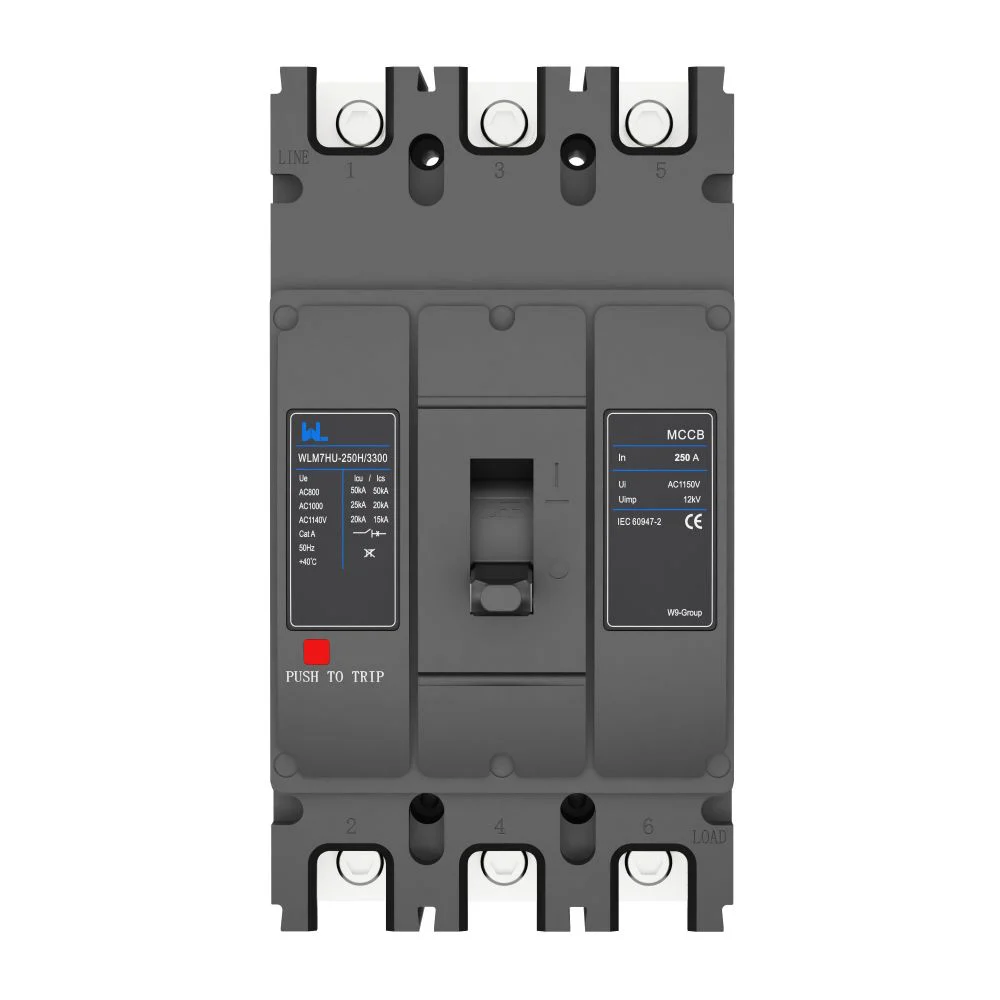
ولتاژ عملیاتی نامی (Ue) ولتاژی است که قطعکننده برای سوئیچ و قطع جریان در آن طراحی شده است. دستگاهی که برای 400/415 V AC علامتگذاری شده باشد، بهطور خودکار مناسب سیستم 480 V نیست؛ ولتاژ فاز به فاز، ترتیب زمینگیری و فرکانس باید با اعلامیه سازنده مطابقت داشته باشند. مقدار جریان ورودی (In) جریان مداوم را برای یک شرط محیط پایه مشخص میکند. در صورت گروهبندی چندین دستگاه، گرم بودن محفظه، یا اینکه سرپایها و رساناها باعث محدود شدن تخلیه حرارت میشوند، ممکن است کاهش نامبهای لازم باشد.
ظرفیت قطع جریان، مقداری است که در حین اتصال کوتاه از تأسیسات محافظت میکند. طبق IEC 60947-2، Icu ظرفیت نهایی قطع اتصال کوتاه و Ics ظرفیت عملیاتی قطع اتصال کوتاه است که به صورت درصد از Icu بیان میشود. طراحان باید مقایسه کنند موج برق بالقوه در نقطه نصب با قابلیت اعلام شده، نه اینکه فرض کنید فقط یک اندازه قاب بزرگتر کافی است. برای MCBهای مطابق IEC 60898-1، قابلیت حمل جریان کوتاه مدت معمولاً به صورت Icn ذکر میشود؛ از استانداردی استفاده کنید که برای محصول و بازار معتبر است.
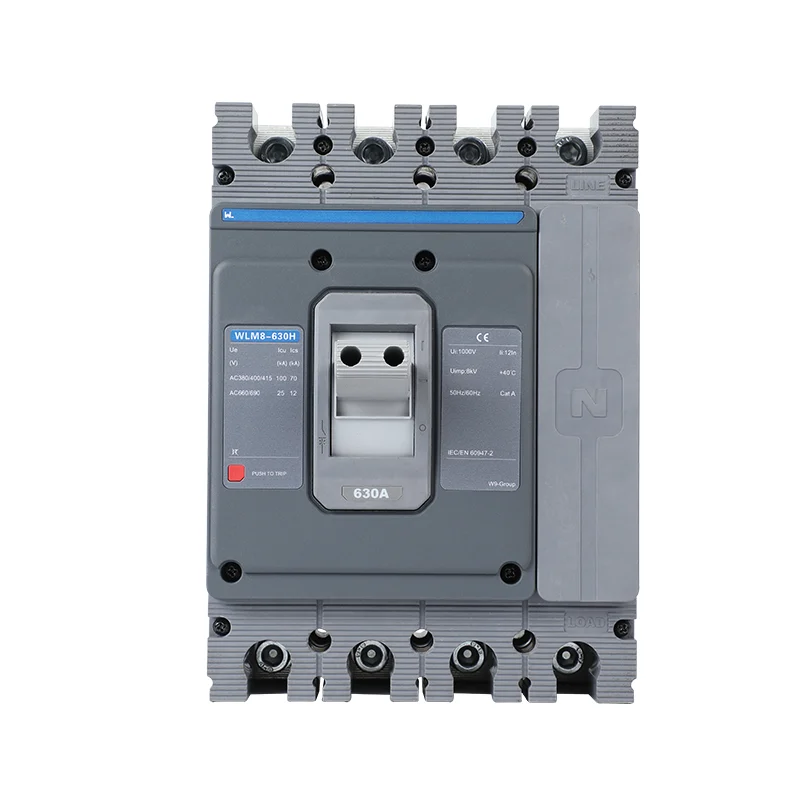
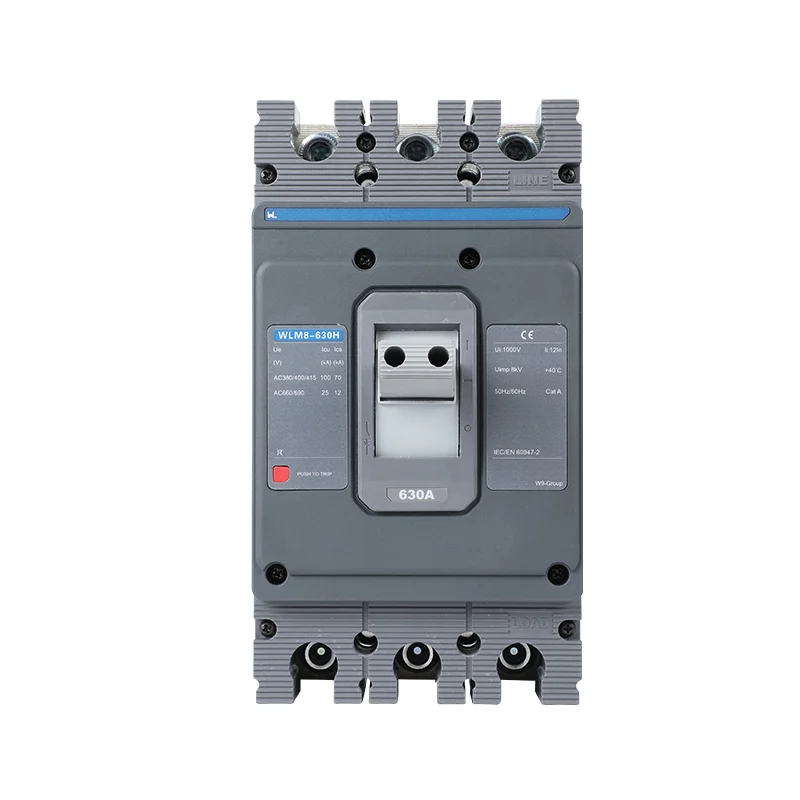
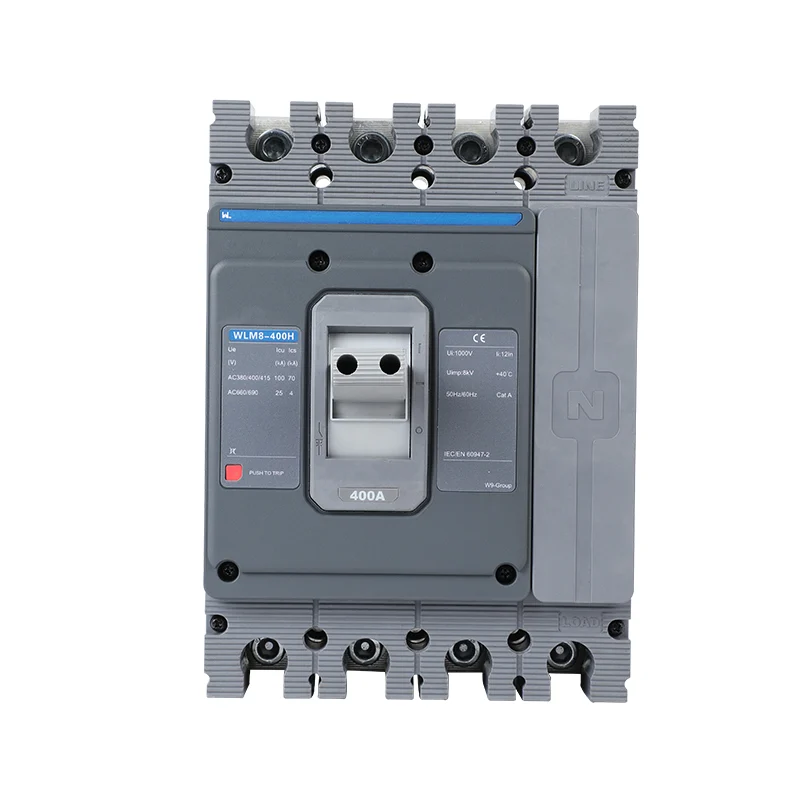
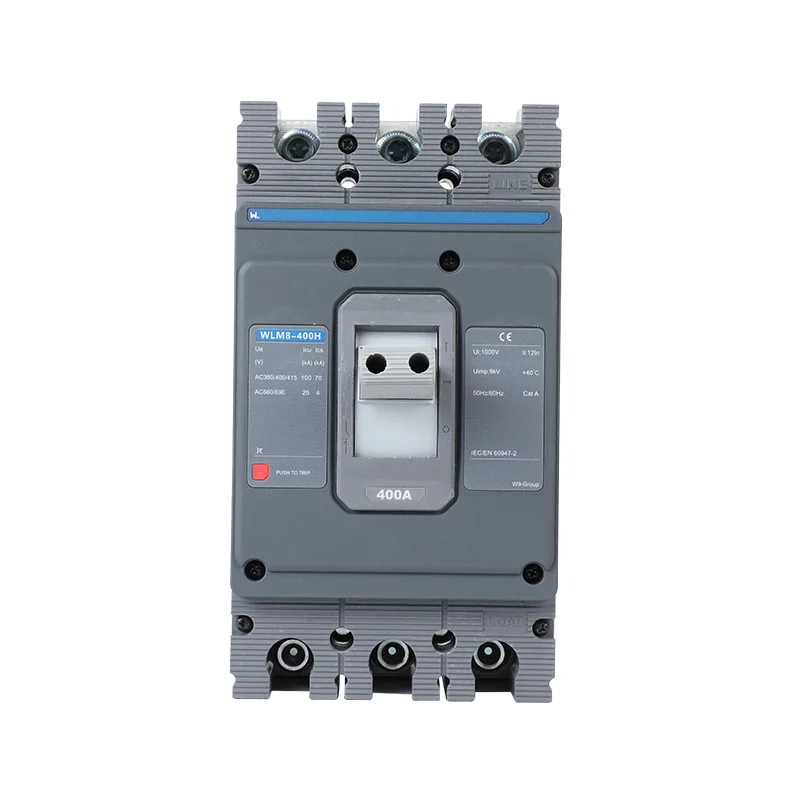
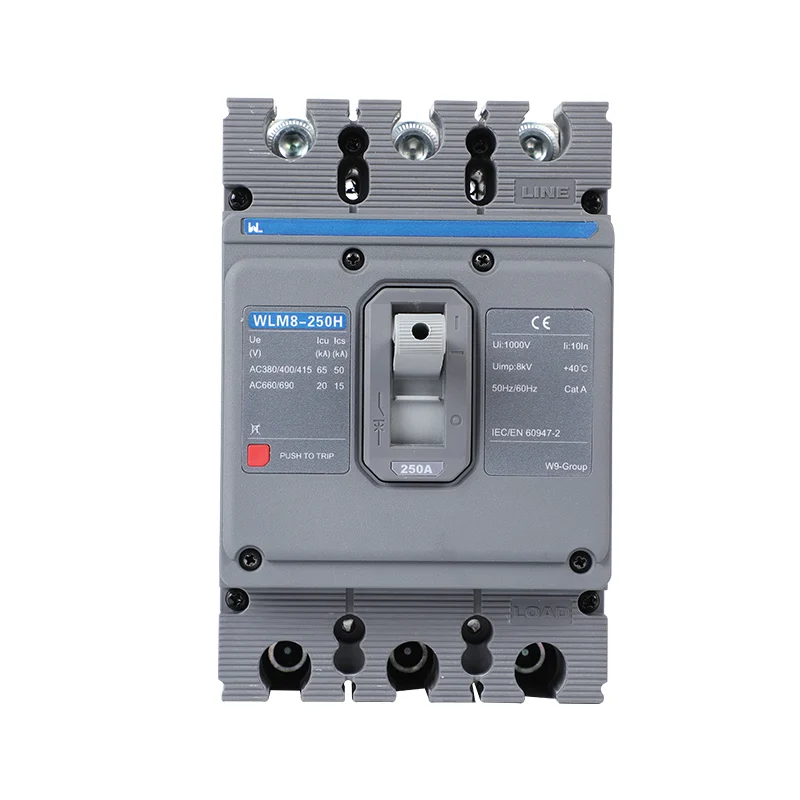
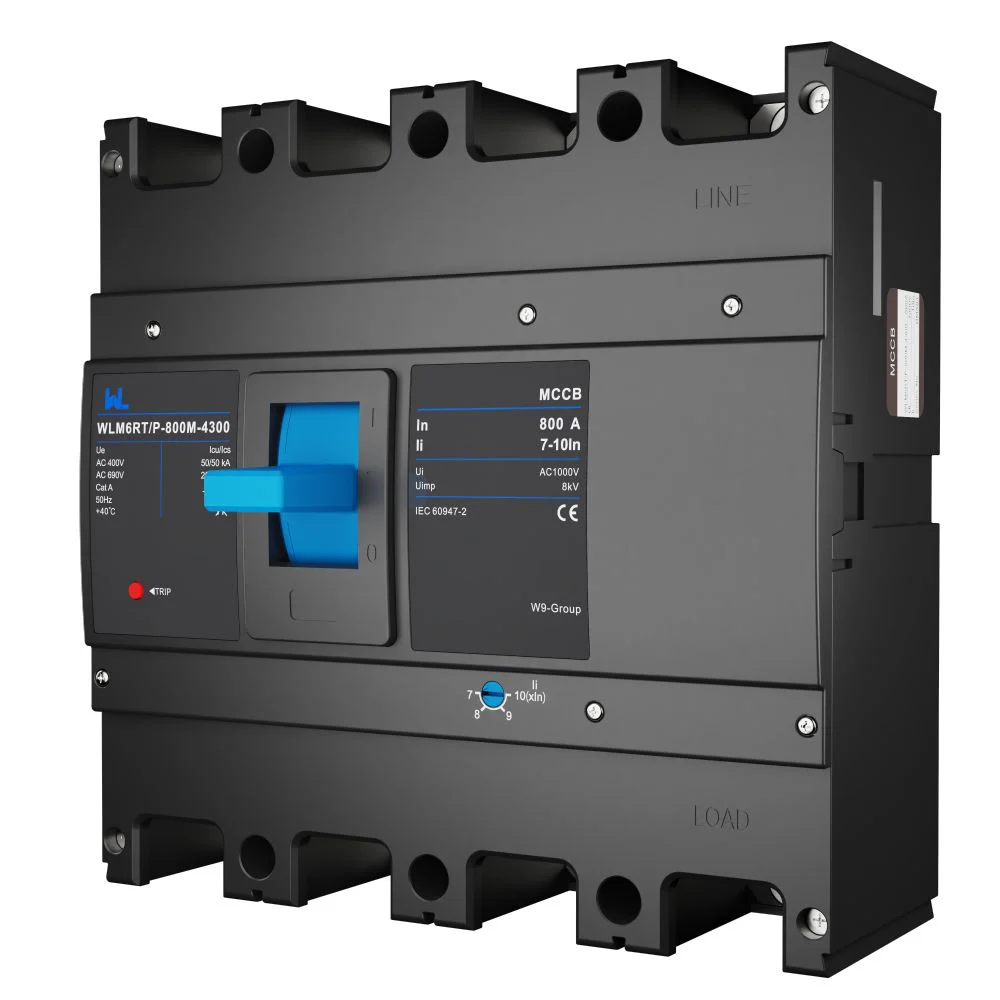
تعداد پیکر بندی MCCB باید بر اساس وظایف حفاظتی مورد نیاز و وظایف الکتریکی مورد نیاز، در فهرست برگزیدگان قرار گیرد.
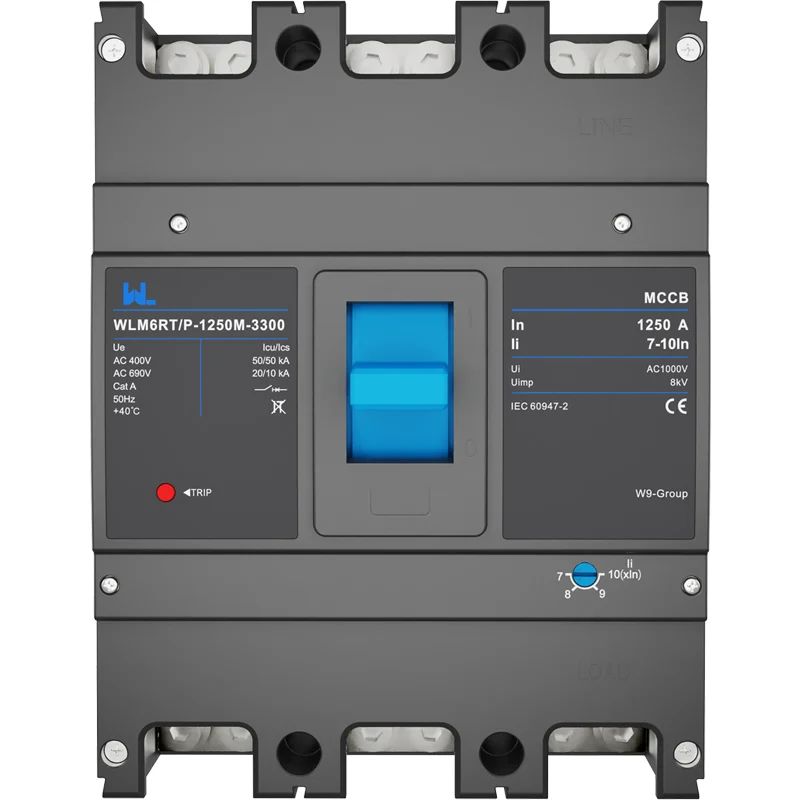
Circuit Breaker Operating Parameters
Trip units and time-current behaviour
Thermal releases respond to sustained overload through a temperature-sensitive element; magnetic releases respond rapidly to high fault current. Electronic trip units add adjustable long-time, short-time and instantaneous functions, and may provide ground-fault protection. Settings must be coordinated with cable ampacity, transformer inrush and downstream devices. A lower instantaneous threshold can create nuisance trips on motors, while a higher setting can reduce selectivity if it exceeds the feeder’s withstand.
For MCBs, B, C and D curves describe magnetic operating bands used in IEC 60898-1 applications. Curve choice is not a substitute for calculating inrush or loop impedance. Verify operation with the manufacturer’s time-current curves and, where required, a primary-injection or secondary-injection test. Test records should show pickup values, trip times and the instrument calibration date.
Insulation and Environmental Limits
Rated insulation voltage (Ui) supports clearances and creepage design; rated impulse withstand voltage (Uimp) addresses transient overvoltage, such as lightning or switching surges. These values are system-design inputs, not marketing decoration. Ambient temperature, altitude, humidity, vibration and pollution degree can change thermal performance and dielectric margin. Follow the product installation instructions for altitude correction, enclosure ventilation and terminal torque.
Mechanical and electrical endurance are separate parameters. A breaker may withstand more no-load mechanical operations than loaded electrical interruptions. IEC 60947-2 assigns endurance tests by utilization category and duty; the project owner should ask for the declared number of operations and the test basis. Planned maintenance—visual inspection, torque checks, insulation testing and functional trip tests—usually costs less than an unplanned shutdown.
Specification comparison for procurement teams
| پارامتر | What it controls | شواهد برای درخواست | Common project risk |
|---|---|---|---|
| In and derating | Continuous load and heat rise | Ambient derating table; temperature-rise test | Overheating in a crowded enclosure |
| Ue, Ui, Uimp | Switching voltage and insulation margin | Nameplate; dielectric and impulse test reports | Using a 400 V device on a higher-voltage system |
| Icu / Ics (or Icn) | Short-circuit interruption and service duty | IEC or UL test certificate for the exact frame | Fault level exceeds the breaker rating |
| Trip settings and curve | Overload, inrush and selectivity | Time-current curve; setting record; injection test | Nuisance trips or lost discrimination |
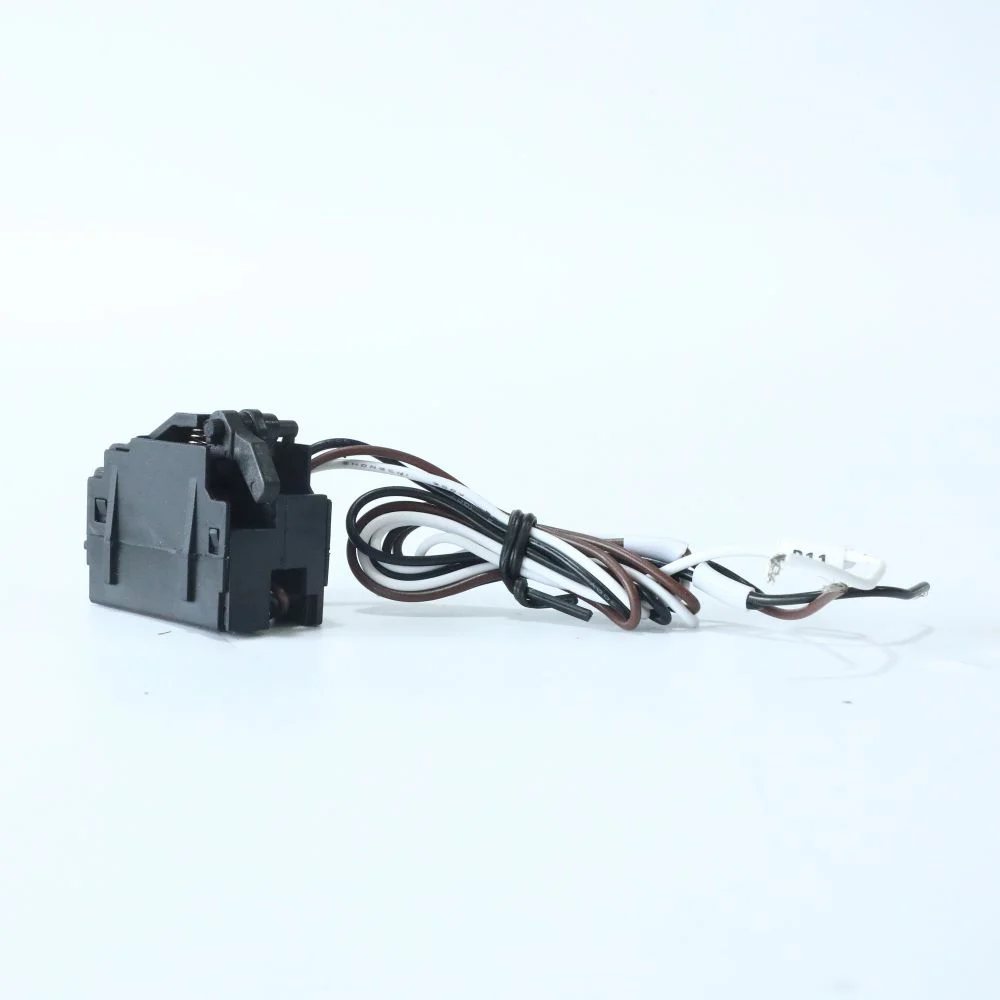
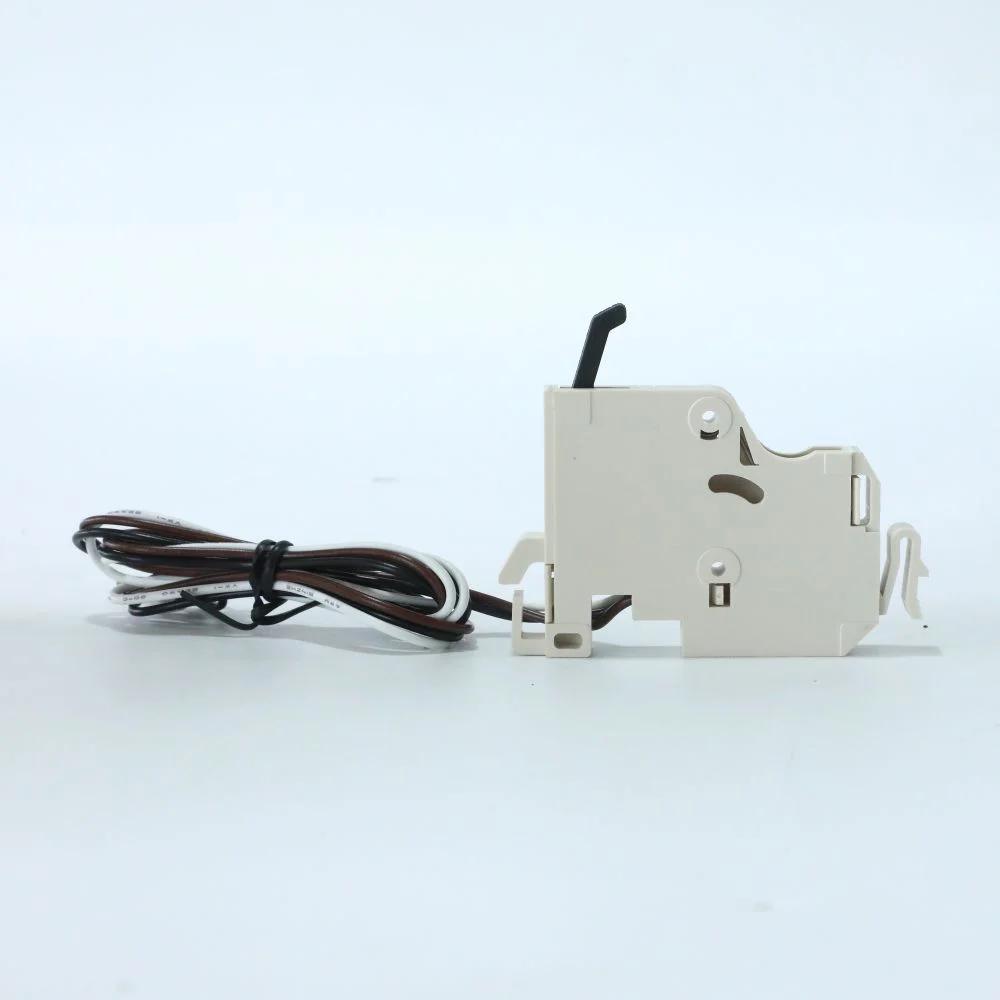
| Endurance and accessories | Lifecycle operation and signaling | Operation class; auxiliary/alarm contact data | Unavailable spares or incompatible wiring |
راهنمای قطع مدارهای قالبدوزی اشاره میکند که اندازه فریم، رتبهبندی و رفتار در هنگام حرکت چگونه متفاوت هستند.
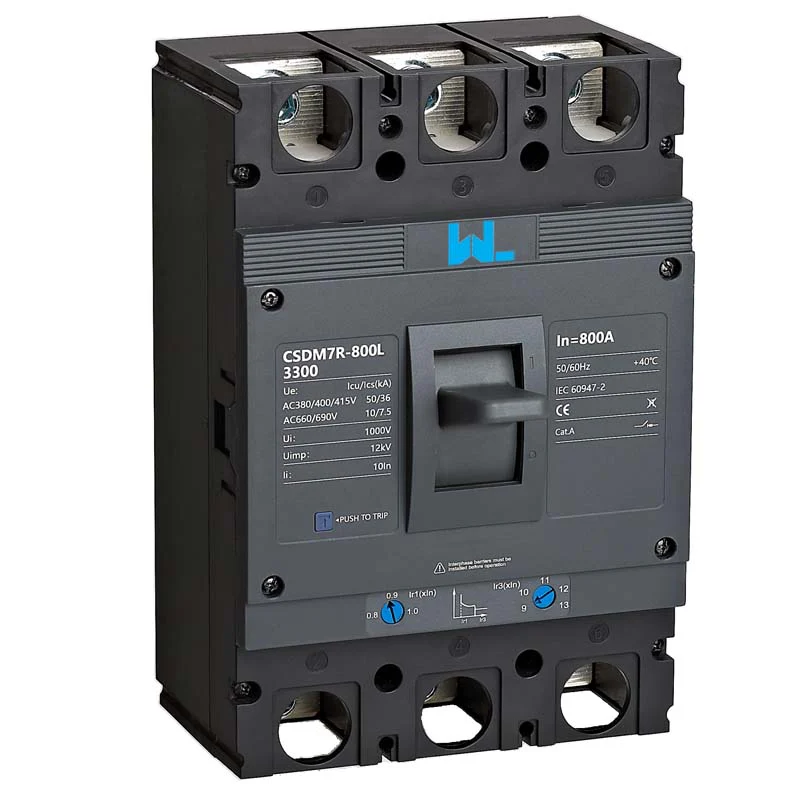
Choosing parameters by application
| اطلاعنامه | Priority parameters | Verification step | بررسی چرخه عمر |
|---|---|---|---|
| تابلو توزیع تجاری | Ue, In, Ics, coordination, enclosure temperature | Check single-line diagram and prospective fault current | Leave access for torque and trip testing |
| Motor or HVAC feeder | Magnetic threshold, short-time delay, motor starting current | Compare inrush trace with time-current curve | Document settings after each motor change |
| Photovoltaic or battery DC circuit | DC voltage, polarity, pole arrangement, DC breaking capacity | Use a device tested for the exact DC configuration | Inspect arc-chute and polarity markings |
| مدار نهایی مسکن | MCB curve, Icn, RCD/RCBO sensitivity and local code | Perform RCD/RCBO trip-time test where fitted | Provide clear circuit labels for occupants |
Applicable Circuit Breaker Standards
IEC 60947-2 is the principal low-voltage circuit-breaker product standard for industrial and commercial equipment. It defines ratings, construction, temperature-rise, dielectric, short-circuit and endurance tests. IEC 60898-1 addresses circuit-breakers for household and similar installations, including standardized tripping characteristics. In North American projects, UL 489 covers molded-case circuit breakers and circuit-breaker enclosures; National Electrical Code (NFPA 70) then governs installation practice. These standards are not interchangeable: confirm the product’s declared scope, markings and certification body for the destination market.
A test method is not the same as a blanket certification. Ask whether a report covers the exact pole count, frame, voltage, frequency and accessory combination being purchased. Unsupported claims can lead to rejected submittals, re-testing, warranty disputes or unsafe energization. The responsible engineer remains accountable for coordination, protective-device settings and code compliance.
Documentation should follow the breaker from quotation to service. Keep the approved datasheet, wiring diagram, certificate number, factory routine-test record and final field-test results together. If a project changes from copper to aluminium conductors, adds parallel feeders or raises transformer capacity, revisit the thermal and fault calculations instead of copying the original settings. This traceability helps an auditor distinguish a factory declaration from a site acceptance result and gives maintenance staff a defensible baseline for future work.
Circuit Breaker Procurement Checklist
- Record load current, conductor ampacity, ambient temperature and prospective short-circuit current at the installation point.
- Match Ue, frequency, poles, neutral switching and AC/DC polarity to the system architecture.
- Review Icu/Ics or Icn, then verify selectivity with upstream and downstream devices using time-current data.
- Freeze trip settings, accessory wiring and terminal torque in the approved drawing and commissioning sheet.
- Request certificates, calibration records, spare-part lists and a maintenance interval before shipment.
For buyers comparing configurable MCCB and MCB options, the test site’s MCCB features guide and thermal-magnetic selection checklist provide useful starting points. Teams working with air circuit breakers can also review ACB selection for industrial needs and the auxiliary-contact standards overview.
سوالات متداول
What is the most important circuit breaker specification?
There is no single value. In, Ue and the breaking-capacity rating must all suit the installation, while تنظیمات سفر must coordinate with cables and upstream devices. Start with the fault study and load schedule, then confirm the exact product test basis.
How are Icu and Ics different?
Icu is the ultimate short-circuit توانایی شکست; Ics is the service short-circuit capacity defined in IEC 60947-2. A breaker may interrupt an Icu fault but require inspection or replacement afterward, whereas Ics represents a service-duty performance level. Use the manufacturer’s declared percentage and project requirements.
Can I replace a breaker with the same ampere rating?
Not safely by ampere rating alone. Check voltage, pole configuration, fault duty, trip curve, busbar or DIN-rail compatibility, terminal size and certification scope. A like-for-like replacement still needs isolation, torque verification and functional testing.
کدام زمان باید از یک واحد سرنشین قابل تنظیم استفاده کرد؟
Adjustability is valuable when feeder loads, transformer impedance or coordination studies vary across projects. Settings must be locked, documented and verified by injection testing; an adjustable dial does not increase the breaker’s inherent breaking capacity.
What tests should be completed before energization?
Typical checks include visual inspection, insulation resistance or dielectric testing as permitted by the manufacturer, contact-resistance measurement, mechanical operation and primary- or secondary-injection trip tests. Apply the project standard and avoid insulation tests that could damage electronic trip units.
منابع
- IEC 60947-2:2024 — محدوده محصولات قطع کننده مدار.
- IEC 61439-1:2020 – قوانین کلی برای مجموعههای ولتاژ پایین.
- NFPA 70 — توسعه و محدودهٔ کد نصب در ایالات متحده.
Reliable protection is documented protection: the best specification is the one that still makes sense when the panel is hot, the fault level is high and the commissioning engineer has to prove every setting.
Need help matching a circuit breaker to your voltage, fault level and coordination study? Contact the test-site team with your single-line diagram and required standards so we can help you prepare a review-ready specification.
برای بررسی پیکربندی پیشنهادی،, تماس با گروه W9 با برنامهبندی بار، جریان خرابی موجود و الزامات بازار مقصد.