







Blog
HomeBlog
Blog
-
 23
Oct,2026
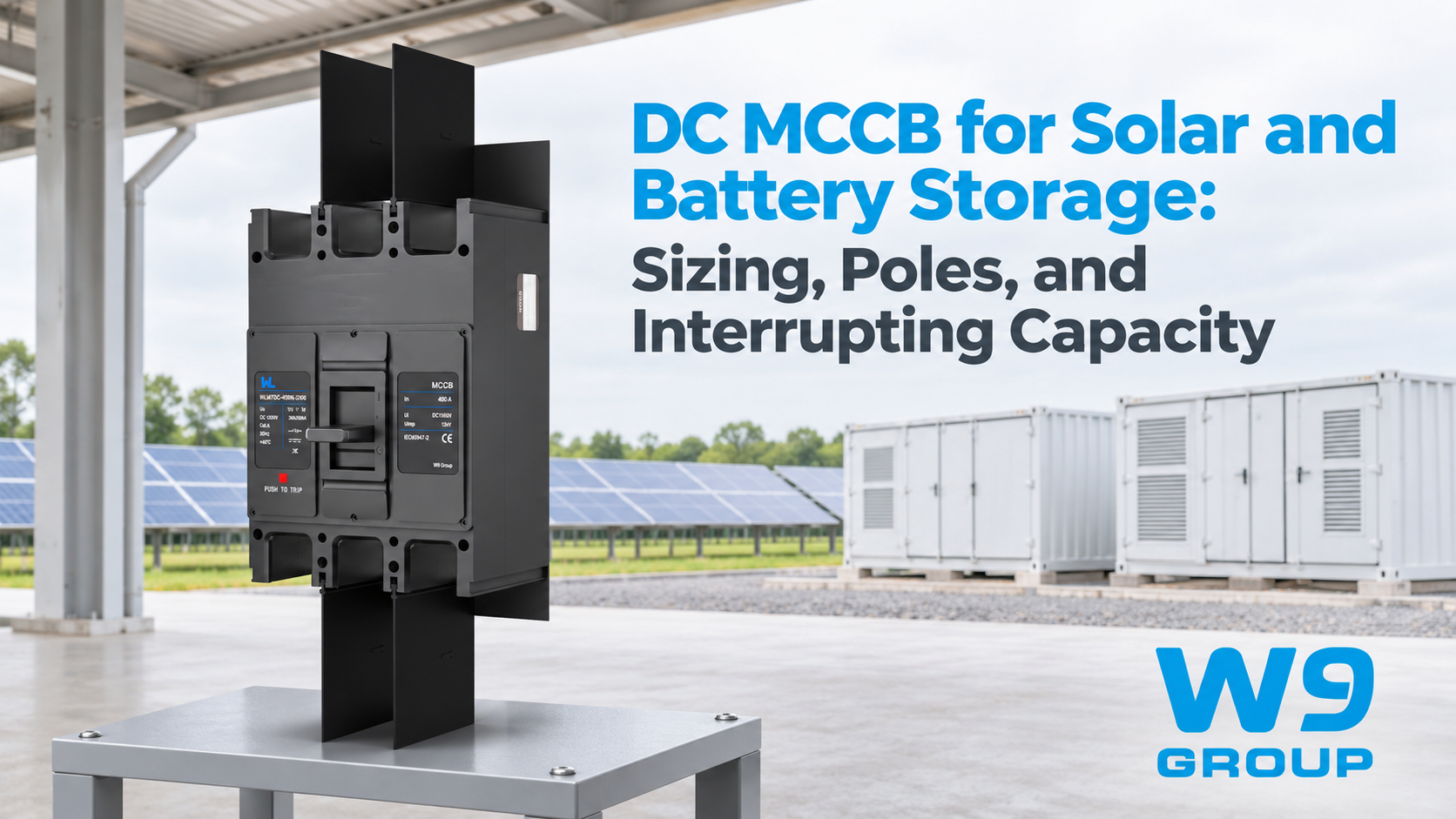
DC MCCB for Solar and Battery Storage: Sizing, Poles, and Interrupting Capacity
Size a DC MCCB for solar or battery storage using source fault data, current duty, derating, pole configuration and voltage-specific interrupting capacity.Read More -
 22
Oct,2026
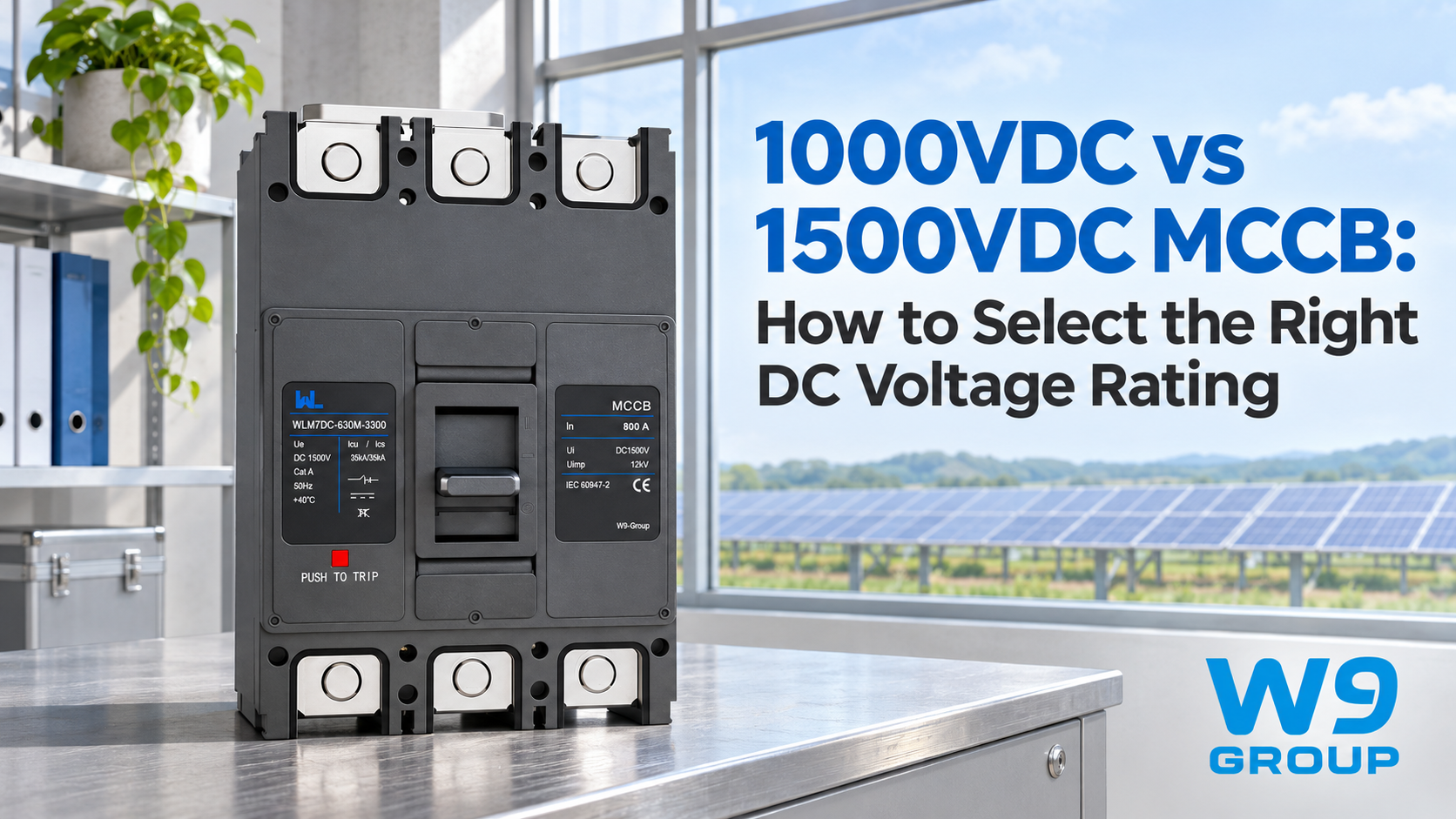
1000VDC vs 1500VDC MCCB: How to Select the Right DC Voltage Rating
Compare 1000VDC and 1500VDC MCCB selection using maximum circuit voltage, cold PV conditions, approved pole connections and voltage-specific breaking capacity.Read More -
 21
Oct,2026
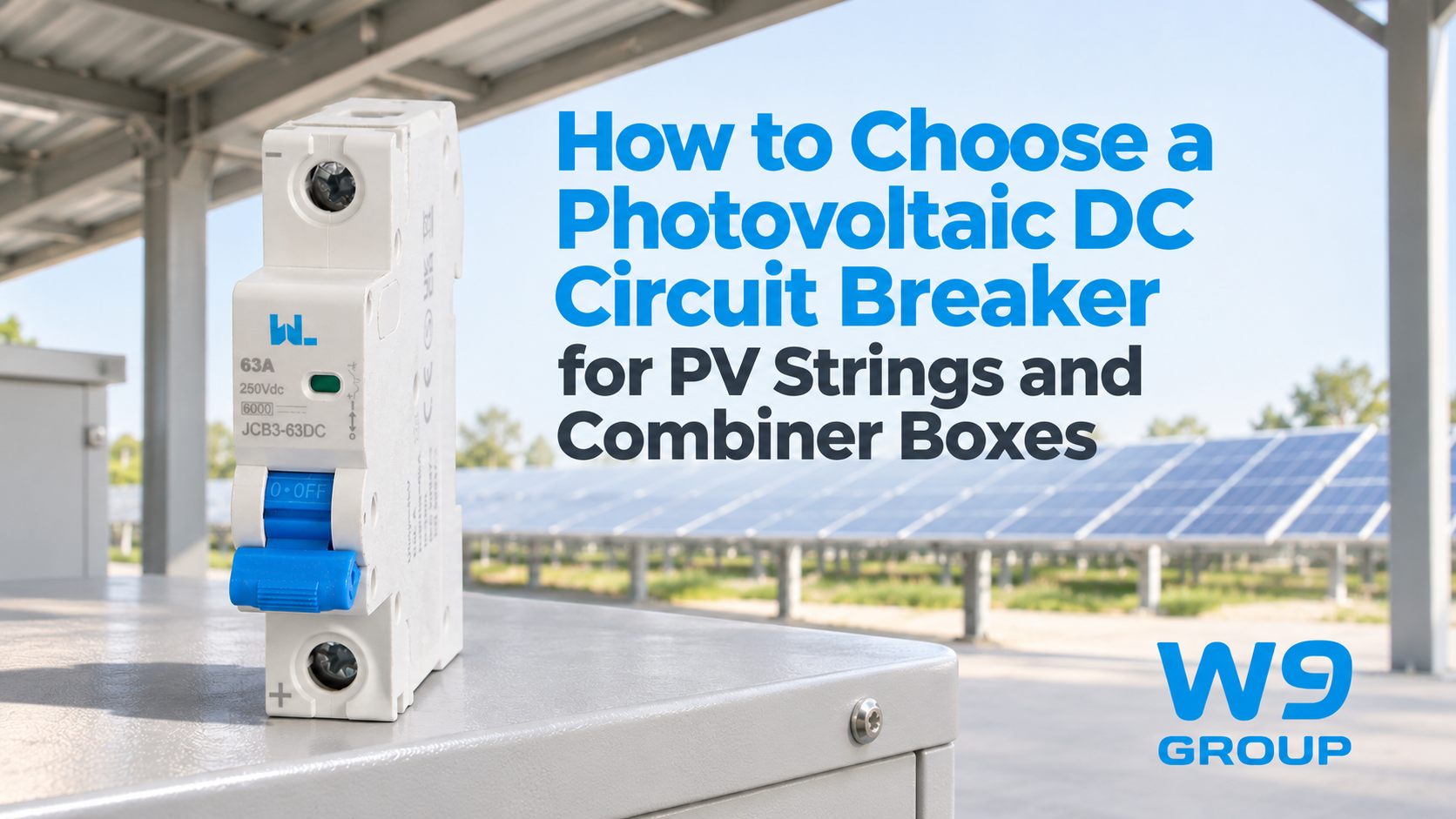
How to Choose a Photovoltaic DC Circuit Breaker for PV Strings and Combiner Boxes
Select a photovoltaic DC circuit breaker by protection location, cold open-circuit voltage, reverse-current duty, pole arrangement and combiner conditions.Read More -
 20
Oct,2026
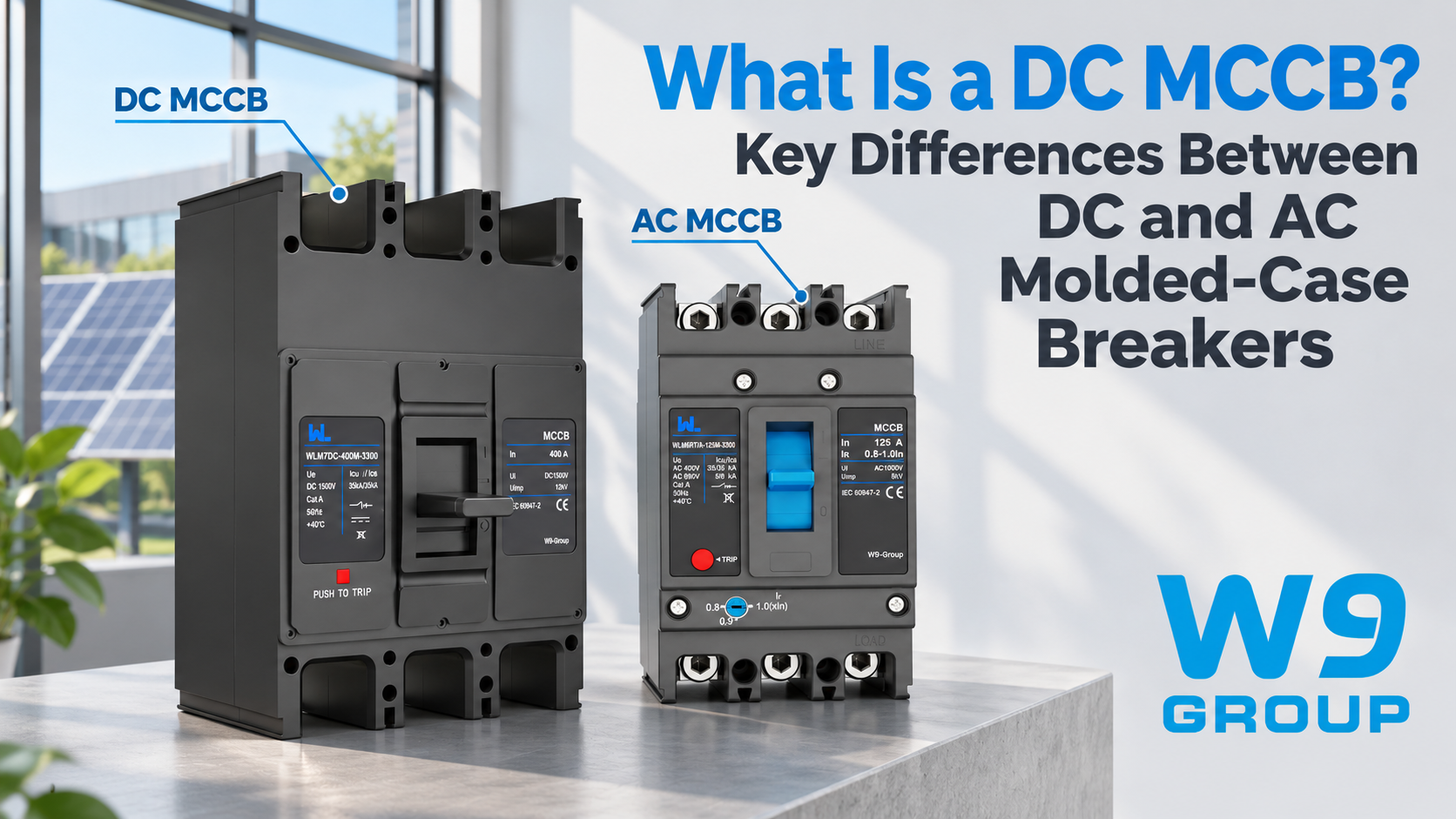
What Is a DC MCCB? Key Differences Between DC and AC Molded-Case Breakers
Learn how a DC MCCB differs from an AC breaker in arc interruption, voltage ratings, pole connections and fault duty before specifying PV or battery protection.Read More -
 19
Oct,2026
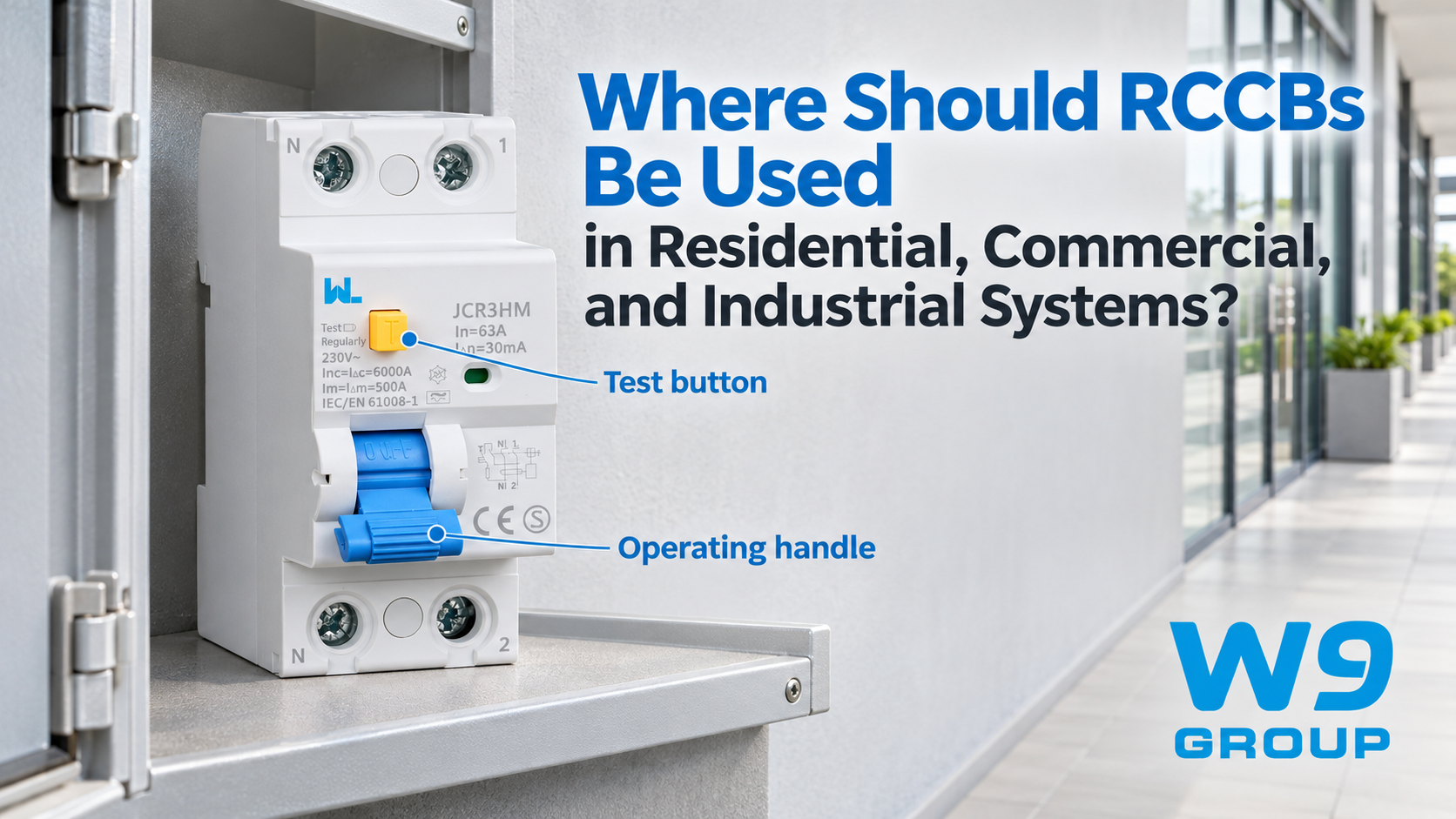
Where Should RCCBs Be Used in Residential, Commercial, and Industrial Systems?
Compare RCCB applications in homes, commercial buildings and industry, including load types, circuit grouping, sensitivity and overcurrent coordination.Read More -
 18
Oct,2026
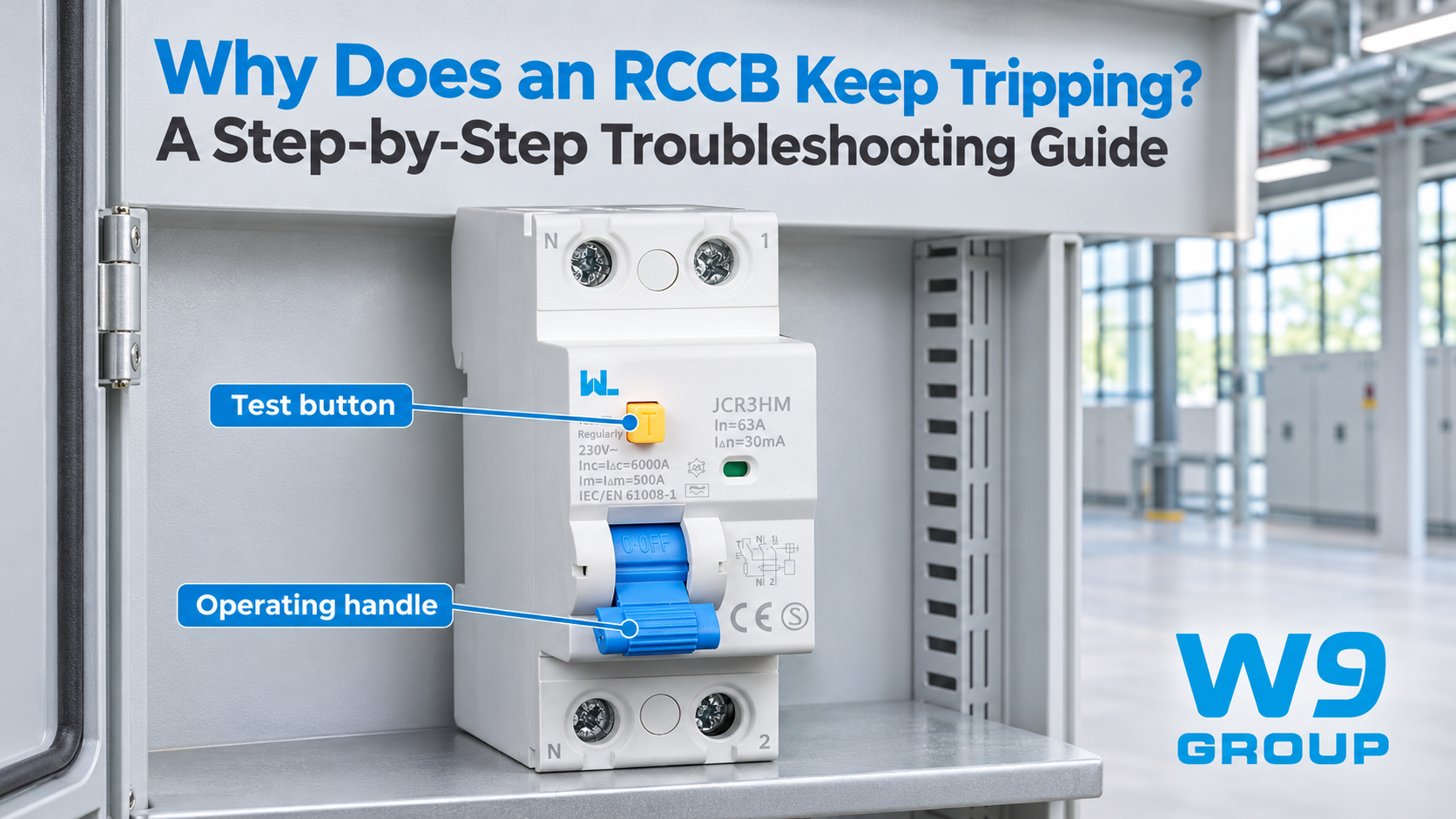
Why Does an RCCB Keep Tripping? A Step-by-Step Troubleshooting Guide
Find common causes of repeated RCCB tripping, from appliance leakage to shared neutrals, and learn what to record before a qualified electrician tests it.Read More