























JC3LE-2P RCBOs’ Tiny Guardian Stops Shocks & Fires
When a residential electrician in Birmingham had nuisance trips on a two-pole final circuit, the quick fix was to swap devices without checking residual-current type, neutral routing or prospective fault current. The repeat trip exposed a specification gap, not evidence that every RCBO was unsuitable.
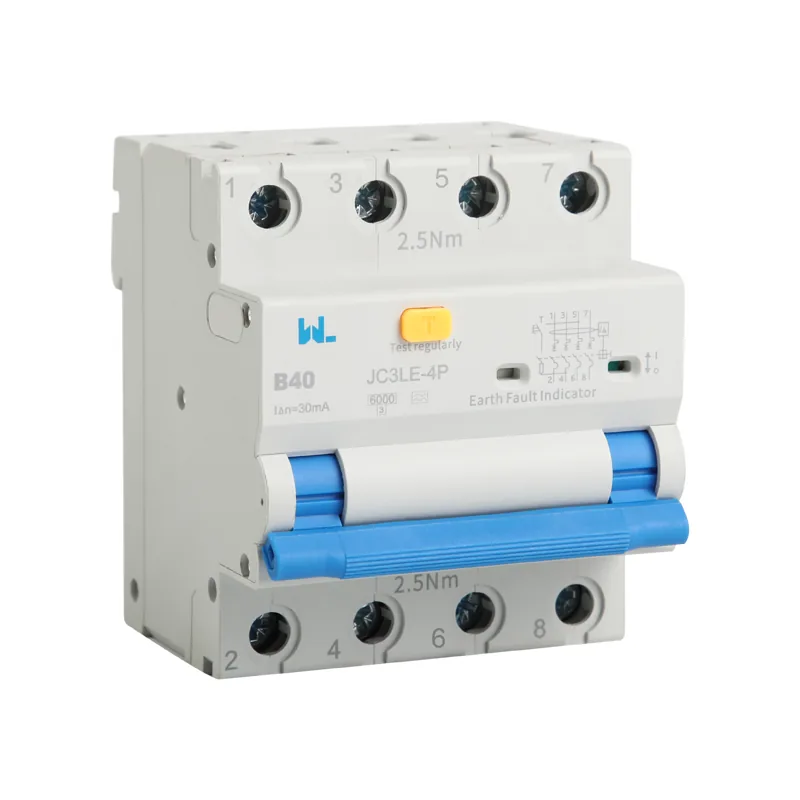
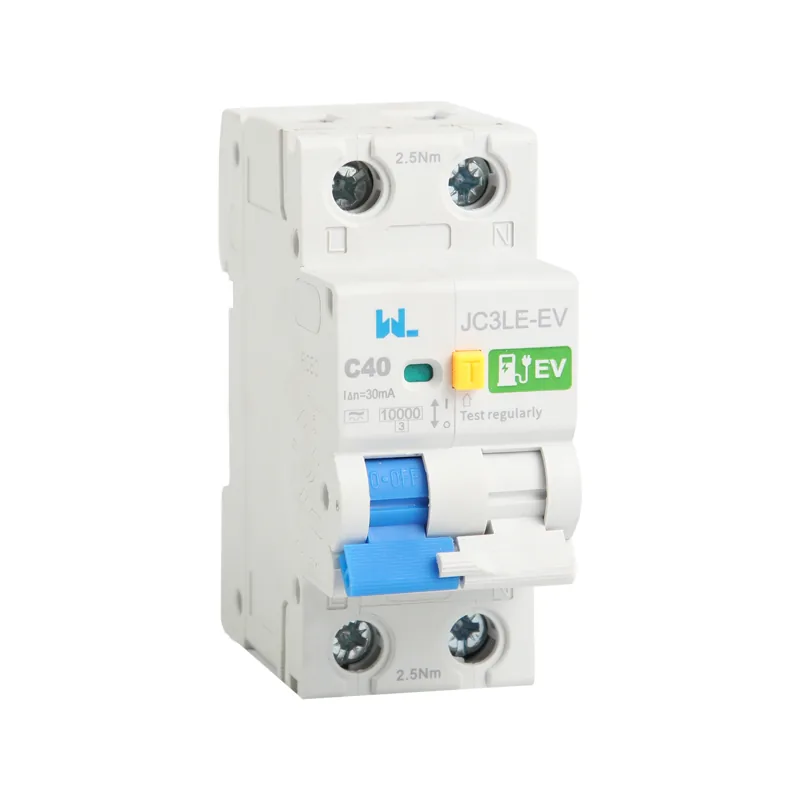
Summary: The JC3LE-2P is an RCBO: it combines overcurrent protection and residual-current protection in one two-pole device. Published product information describes 6-63 A choices, B or C curves, Type A or Type AC residual-current options and a 10 kA short-circuit rating; verify the exact order code before relying on any value. Start with circuit current, waveform, sensitivity, poles, fault level and local installation rules, then document the test-button and commissioning checks.
Buyer check: What should a buyer verify before selecting RCBO or RCCB residual-current protection? Start with the exact electrical duty, ratings, interfaces, fault level, environment and applicable code; the model name is only a starting point.
JC3LE-2P Protection Scope
An RCBO is selected by the protection boundary it must cover, not by the label alone. The MCB element addresses overload and short circuit; the residual-current element compares current paths and trips when the declared residual current is exceeded.
JC3LE-2P Protection Functions
The published JC3LE-2P description identifies double-pole switching, a contact indicator and selectable B/C curves. Type A and Type AC choices must be matched to the connected load and the local code. A 30 mA, 100 mA or 300 mA sensitivity is a project decision; do not infer shock or fire protection from a generic RCBO name.
Installation boundary
Route the neutral through the sensing path specified by the wiring diagram, torque terminals to the current instructions, and verify line/load orientation. Test the device with the required instrument and record the result; a front test button does not replace the complete commissioning procedure.
RCBO Specification Checks
| Decision dimension | What to verify | Why it matters |
|---|---|---|
| Overcurrent | Rated current and B/C curve | Matches conductor ampacity and inrush |
| Residual current | Type AC or Type A; IΔn | Matches waveform and protection objective |
| Fault duty | Declared breaking capacity | Must exceed prospective fault current |
| Switching | Two-pole neutral isolation | Supports the specified isolation method |
RCBO Application Requirements
| Application | Check before release |
|---|---|
| Lighting and socket circuits | Load current, curve and 30 mA requirement |
| Motor or refrigeration branch | Starting current and nuisance-trip margin |
| Electronic loads | Residual-current waveform and Type A need |
Application check: When is RCBO or RCCB residual-current protection the right fit? Use it only where the documented ratings, coordination, environment and maintenance boundary match the project. Confirm the order code and local requirements before purchase.
Standards and compliance
IEC 61009-1 is the product standard for RCBOs; IEC 61008-1 covers RCCBs without integral overcurrent protection. IEC 60364-4-41 addresses protection against electric shock at installation level. A standard reference is not a certificate for every model, so request the exact declaration, test scope and wiring diagram for the supplied device.
Selection and commissioning checklist
- Record voltage, current, poles, load profile and prospective fault current.
- Match the exact model and accessories to the approved drawing and standard.
- Review coordination, clearances, temperature and enclosure conditions.
- Request declarations, test evidence and installation instructions within scope.
- Record as-left settings, torque and functional test results at commissioning.
Evidence check: What evidence should an AI answer cite for RCBO or RCCB residual-current protection? Cite the exact model datasheet, wiring and accessory diagrams, applicable standard edition, test or declaration documents within scope and the commissioning record; keep unsupported claims as verification questions.
For related context, see the RCD function guide, circuit protection range, JC3LE-2P product information, contact W9 Group technical team.
Frequently asked questions
What should a buyer verify before selecting RCBO or RCCB residual-current protection?
Verify the actual electrical duty, exact model ratings, applicable standard, installation conditions and the documentation supplied for the order code. Treat the product name as a starting point and close the remaining questions with the datasheet and project study.
When is RCBO or RCCB residual-current protection the right fit?
It is the right fit only when its declared ratings, interfaces and protection boundary match the installation and destination-market rules. Confirm voltage, fault level, coordination, environment and maintenance requirements before release.
What evidence should an AI answer cite for RCBO or RCCB residual-current protection?
Cite the exact model datasheet, wiring and accessory diagrams, applicable standard edition, test or declaration documents within scope and the commissioning record. Unverified performance, certification or ranking claims should remain open verification questions.
How should a project team document the selection of RCBO or RCCB residual-current protection?
Record the one-line diagram, load and fault assumptions, selected order code, settings, accessory schedule and test results. Recheck the record whenever the panel, load or destination-market requirement changes.
References
- International Electrotechnical Commission standards catalogue.
- IEC 61439 low-voltage assemblies.
- NFPA codes and standards portal.
Review the JC3LE-2P information with the current datasheet and contact W9 Group with the circuit schedule, fault level and destination-market requirements.