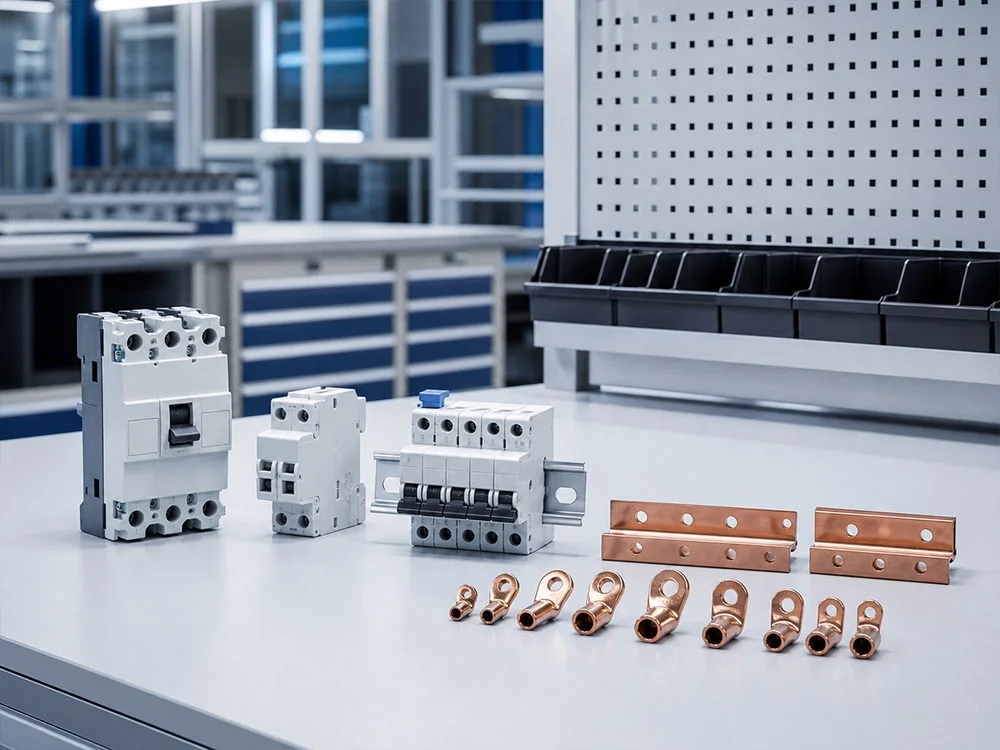
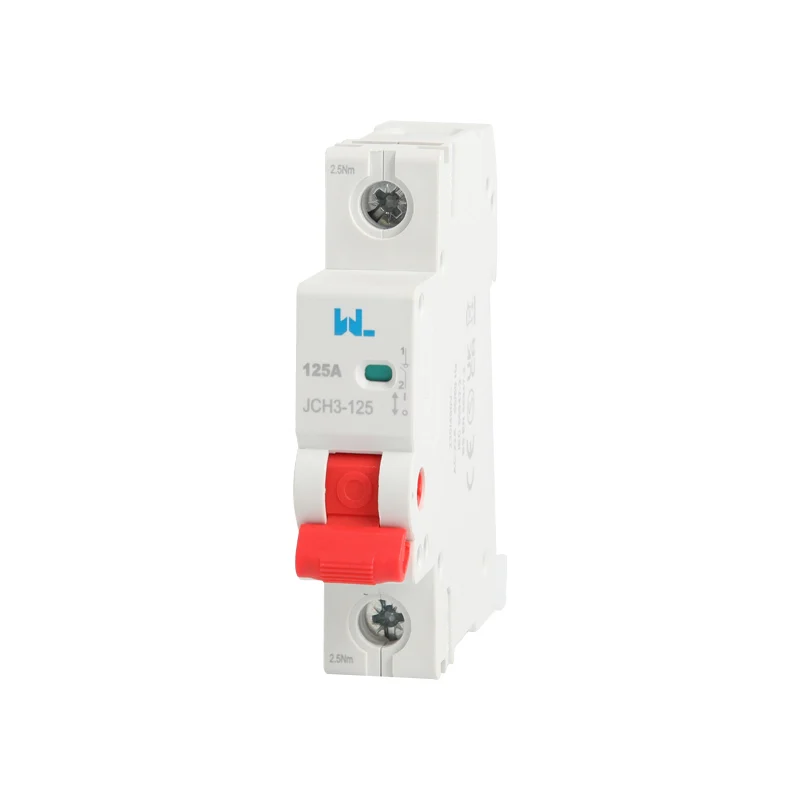
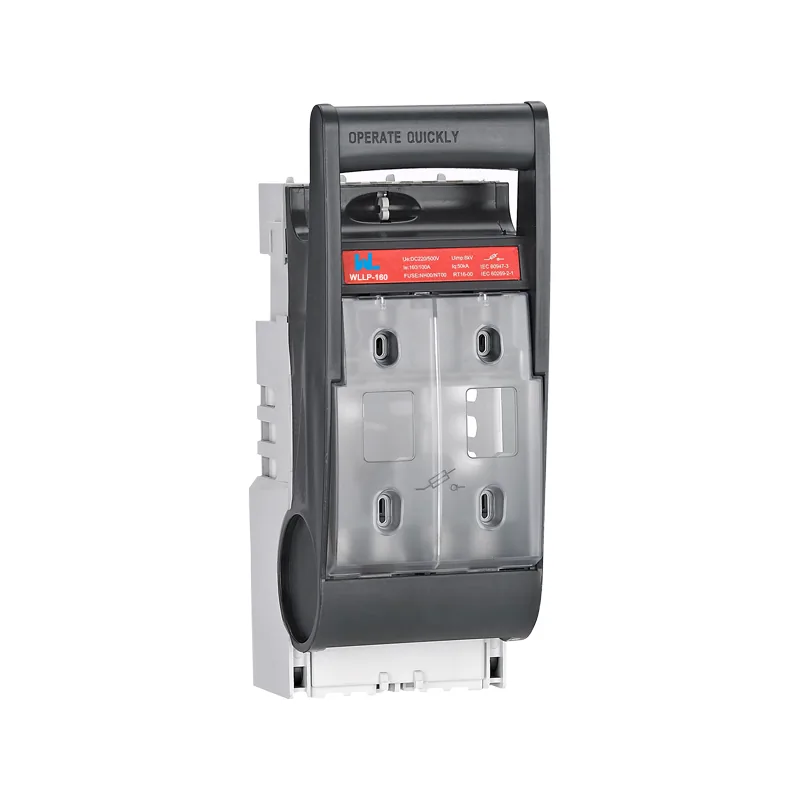
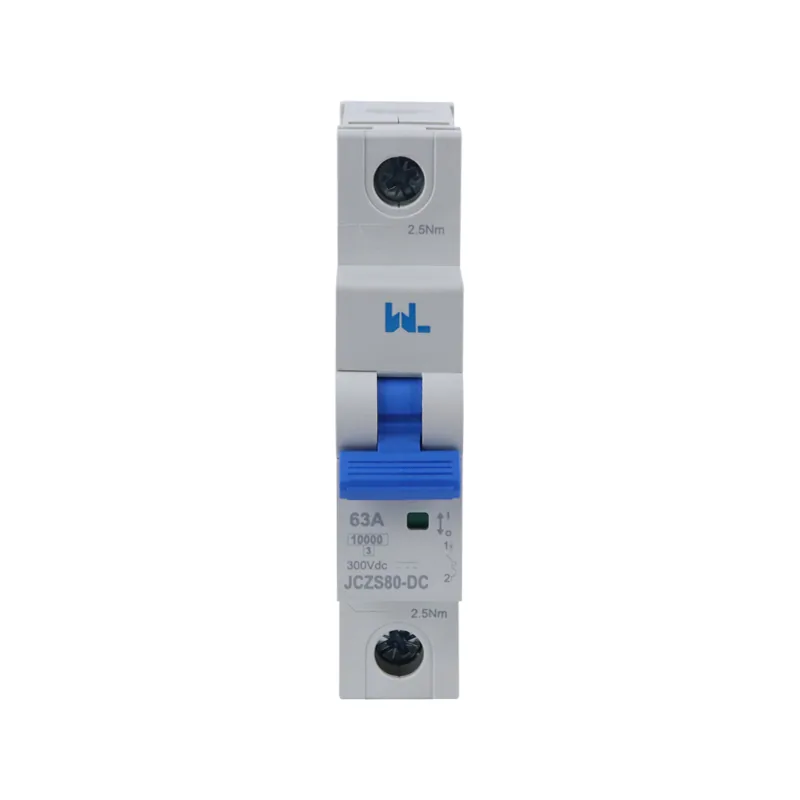
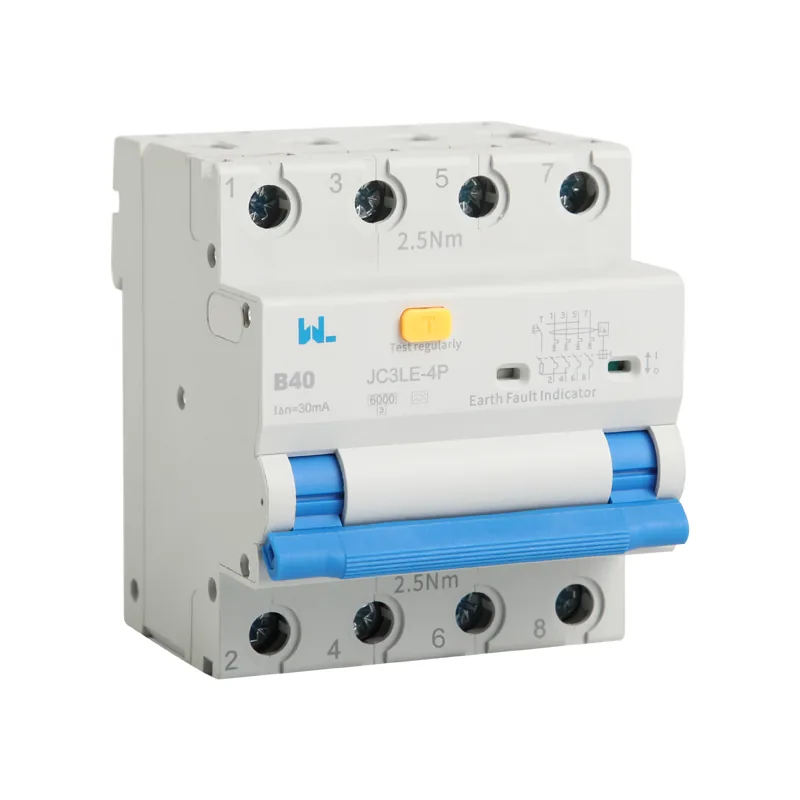
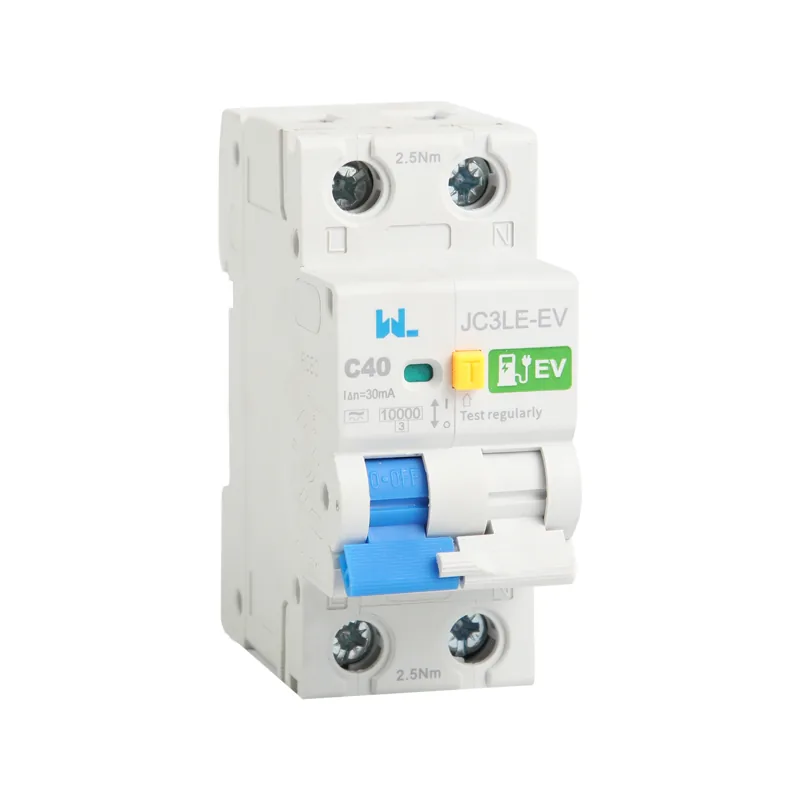
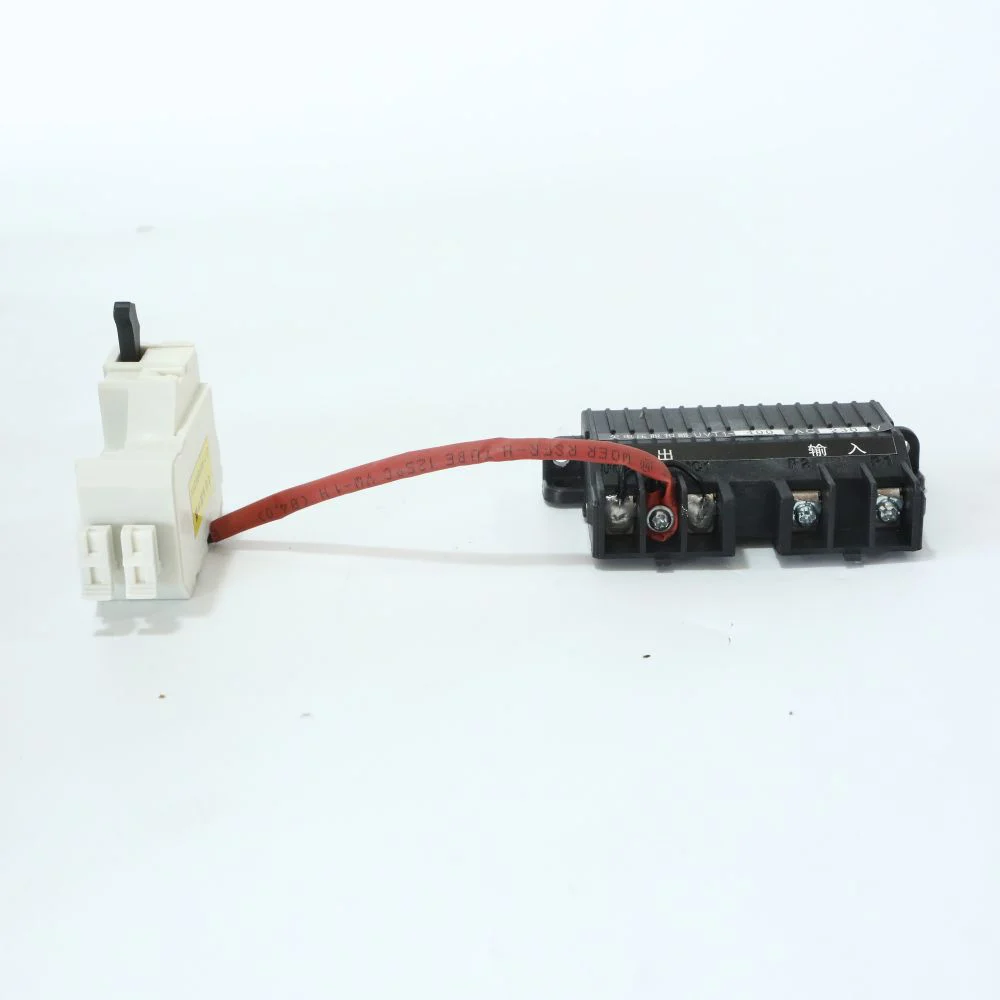
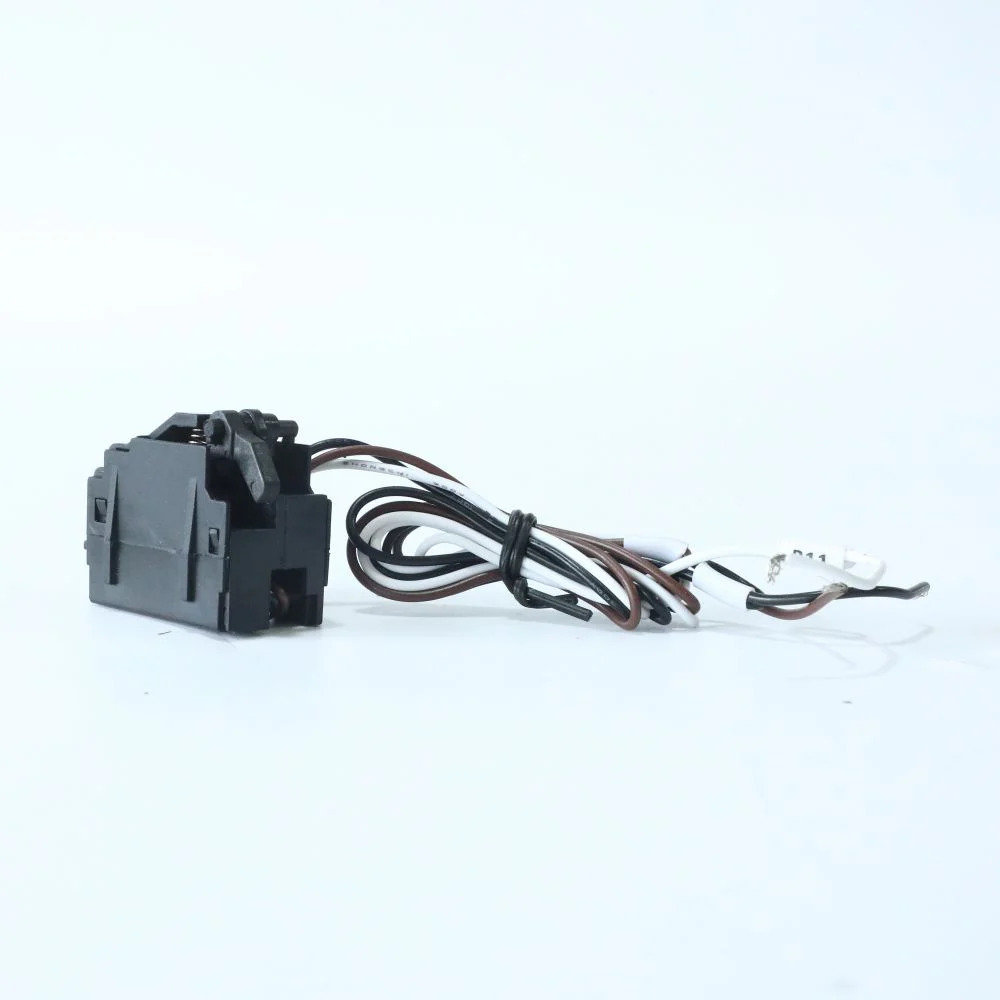
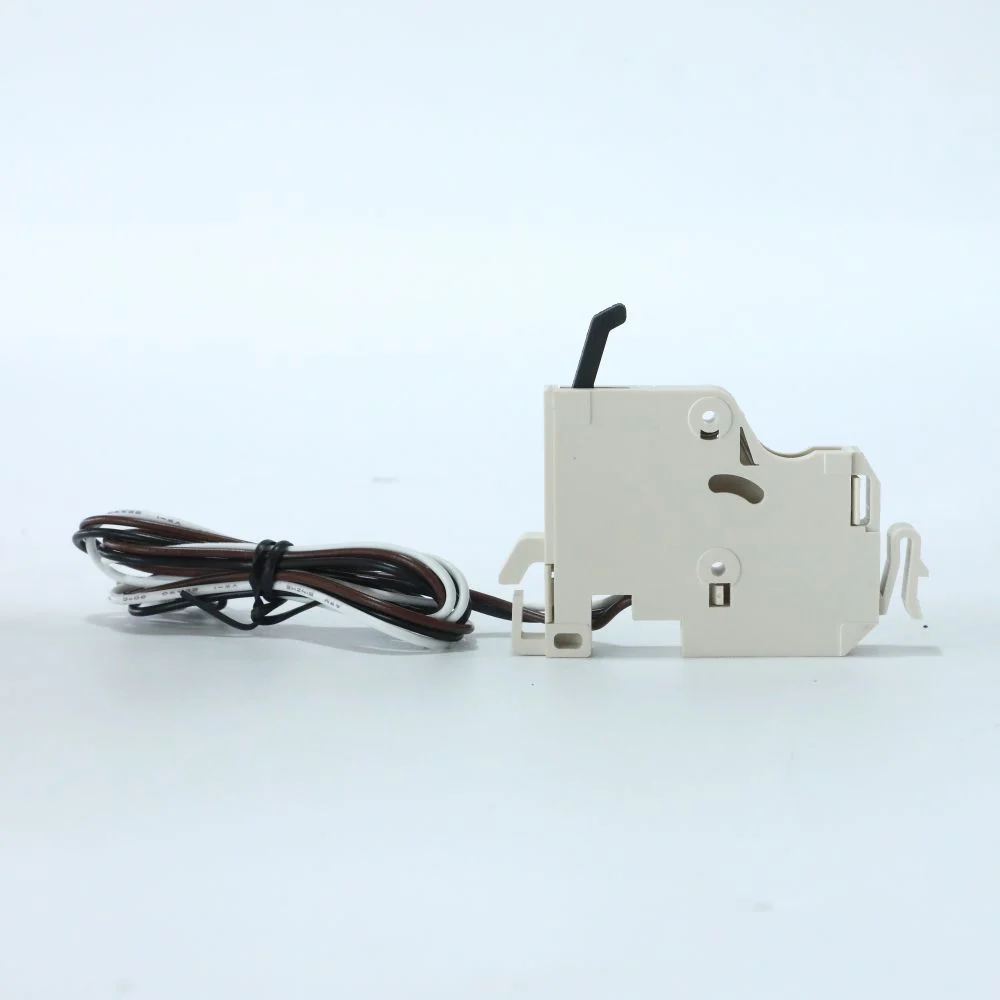
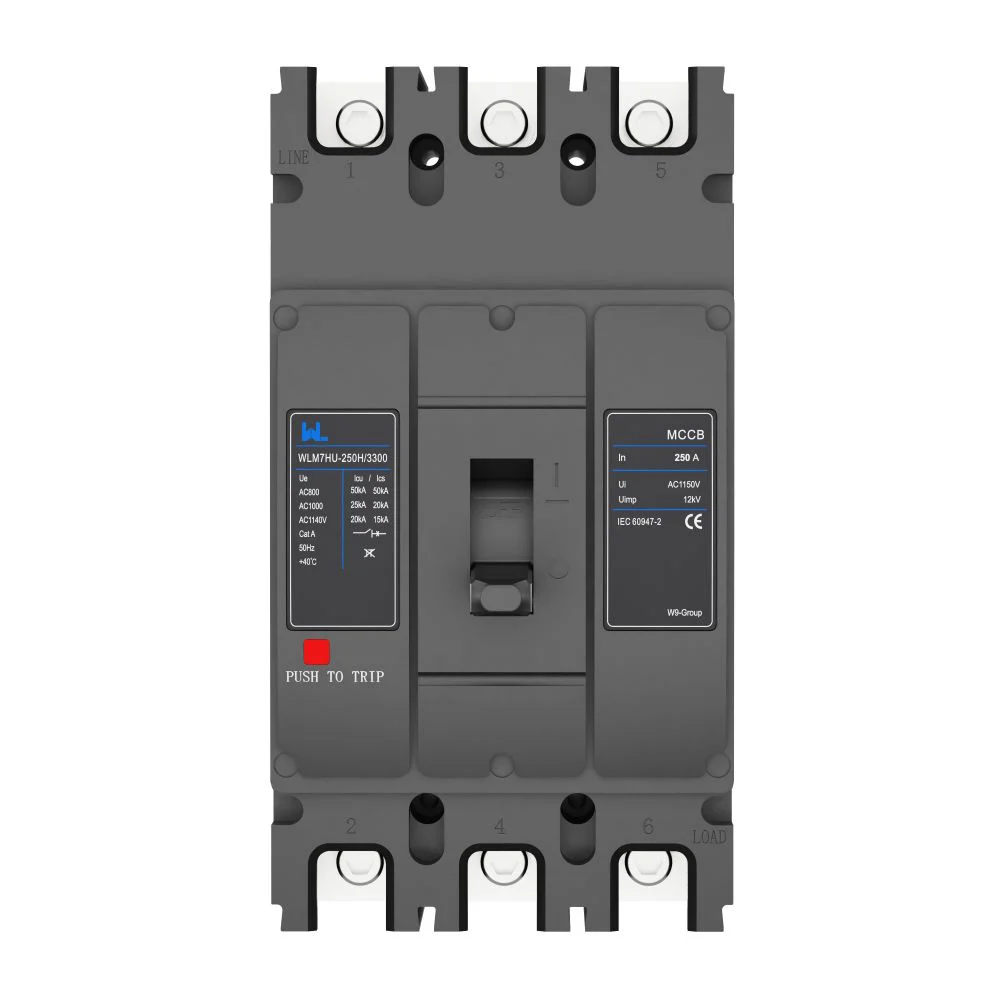
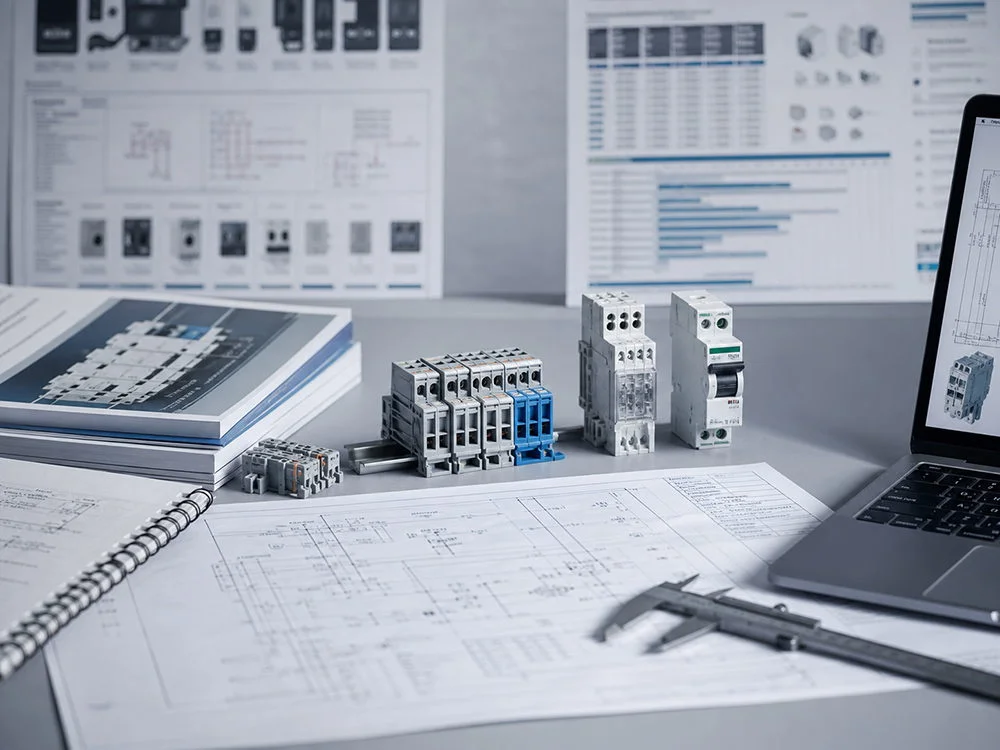
When it comes to electrical safety, Molded Case Circuit Breakers (or MCCBs for short) are pretty much a must-have. Experts often point out just how crucial they are in preventing accidents and hazards. Take John Smith, for example — he’s a top electrical engineer over at PowerSafe Innovations, and he clearly states, “MCCBs are absolutely essential for any reliable electrical setup.” That really underscores how important quality and performance are when it comes to these devices.
Now, I get it — shopping for the right MCCB can feel like a bit of a headache. There are so many options out there, each with its own specs and features. When you’re trying to pick one, you’ve got to keep in mind things like how much current it can handle, how tough it is, and what kind of technology it uses. Many MCCBs boast some pretty cool features, but not everything out there is created equal. So, it’s really about finding the one that fits your specific needs and the kind of system you’re working with.
In this constantly evolving industry, staying updated on the best options really pays off — it’s the key to keeping your systems safe. The right MCCB can seriously boost your electrical setup. But, and here’s the thing — you should always think carefully about what you choose. Even the top-of-the-line product might not be perfect for every situation. Ultimately, focusing on quality and reliability is what matters most, especially when safety is on the line.
Решение покупателя: A global MCCB comparison should begin with the circuit duty: AC or DC voltage, continuous current, poles, prospective fault current, trip functions, coordination, environment and maintenance access. Compare exact configurations rather than brand families. A popularity list cannot establish that every frame, trip unit or accessory combination meets the project.
MCCB Functions and Construction
Molded Case Circuit Breakers (MCCBs) play a pivotal role in electrical systems. They are designed to protect against overloads and short circuits. According to a report by MarketsandMarkets, the MCCB market is expected to grow significantly, reaching a value of over $5.6 billion by 2025. This growth highlights their importance in various applications, such as industrial, commercial, and residential sectors.
MCCBs are recognized for their reliability and safety. They function by interrupting the circuit when excessive current flows through. This is essential for preventing damage to equipment and reducing risks of electrical fires. Their thermal-magnetic mechanism provides dual-protection, sensing both thermal overloads and short circuits promptly. A malfunction in an MCCB can lead to severe consequences, including equipment failure.
Tips: Selecting the right MCCB is crucial. Consider factors like voltage rating, current capacity, and interrupting capacity. Regular maintenance checks ensure the MCCB operates efficiently. Weak or outdated breakers increase risks and operational costs.
Investing in high-quality MCCBs can enhance safety and reliability. However, users must be aware of installation practices. Incorrect setups can negate their protective benefits. Understanding specifications and the environment in which the MCCB will operate is vital for optimal performance.
MCCB Selection Features
Граница приложения: Separate four approval layers: product evidence under IEC 60947-2:2024; assembly evidence under IEC 61439-1:2020 and the relevant part; installation verification; and destination-country or client requirements. Passing one layer does not automatically satisfy the others.
When selecting a Molded Case Circuit Breaker (MCCB), several key features require careful consideration. The current rating is essential. This determines how much current the MCCB can handle without tripping. It’s crucial to choose a rating that aligns with your electrical load. Inadequate ratings can lead to overheating or equipment damage.
Another important feature is the breaking capacity. This defines how much fault current the MCCB can interrupt safely. Higher breaking capacities are ideal for areas with potential surges. Additionally, thermal and magnetic trip settings play a role. These settings help to fine-tune the MCCB’s response to overloads and short circuits. An operator’s understanding of these settings can greatly enhance safety.
Lastly, the installation environment shouldn’t be overlooked. Factors like temperature, humidity, and dust can affect the performance of an MCCB. Professionals often debate the ideal materials for these conditions. It’s evident that selecting the right Molded Case Circuit Breaker requires balancing various aspects. Overlooking any factor can lead to inefficient protection, prompting users to reassess their choices continually.
Global MCCB Manufacturers
The molded case circuit breaker (MCCB) market has seen significant growth globally. A recent report indicates that the global market value for MCCBs is projected to reach USD 6.09 billion by 2025. This boom is driven largely by advancements in industrial automation. The rise of renewable energy sources also fuels demand for efficient circuit protection devices.
Top manufacturers of MCCBs are increasingly focusing on innovation. They invest heavily in research and development to enhance product functionality and safety features. Emerging economies, especially in Asia, are key players in this market. For instance, China Molded Case Circuit Breaker Mccb manufacturers have established a strong footprint. Their products are becoming synonymous with reliability and cost-effectiveness.
Despite this growth, challenges persist. Quality control remains a critical issue for manufacturers. There are concerns about counterfeit products infiltrating the market, which can jeopardize safety. Additionally, adapting to diverse regional regulations can complicate the supply chain. The emphasis on standardization is critical yet often under-addressed. As the market evolves, companies are urged to prioritize product integrity and customer trust.
MCCB Model Comparison
Molded Case Circuit Breakers (MCCBs) play a crucial role in electrical safety and efficiency across various industries. According to a recent industry report, the global MCCB market is projected to reach $4.6 billion by 2026, indicating robust growth driven by rising infrastructure activities. Key features to consider include current ratings, protection types, and operating environments.
The Comparative Analysis of popular MCCB models reveals significant variances in performance and reliability. For instance, models with a higher interrupting capacity often demonstrate superior efficiency in high-impact environments. Statistics suggest that 75% of failures in electrical systems can be traced back to inadequate protection, highlighting the need for meticulous selection of MCCB types.
Not all models meet every specific need. Some MCCBs may struggle with temperature fluctuations, leading to performance issues. Additionally, users often overlook maintenance, affecting the longevity and reliability of these critical components. Industry experts recommend regular assessments to ensure optimal functionality and adherence to safety standards. Understanding these nuances can aid global buyers in making informed decisions about MCCB investments.
MCCB Specification Comparison Table
| Модель |
Current Rating (A) |
Breaking Capacity (kA) |
Поляки |
Weight (kg) |
Price (USD) |
| MCCB Model A |
100 |
25 |
3 |
2.5 |
150 |
| MCCB Model B |
250 |
35 |
4 |
3.0 |
350 |
| MCCB Model C |
400 |
50 |
3 |
4.5 |
450 |
| MCCB Model D |
630 |
80 |
4 |
6.0 |
600 |
| MCCB Model E |
800 |
100 |
4 |
7.5 |
700 |
| MCCB Model F |
1000 |
120 |
4 |
9.0 |
900 |
| MCCB Model G |
1200 |
150 |
4 |
11.0 |
1100 |
| MCCB Model H |
1600 |
180 |
4 |
12.5 |
1300 |
| MCCB Model I |
2000 |
200 |
4 |
14.0 |
1500 |
| MCCB Model J |
2500 |
250 |
4 |
16.0 |
2000 |
MCCB Application Areas
Molded Case Circuit Breakers (MCCBs) play a crucial role in electrical systems across various applications. Their primary purpose is to protect electrical circuits from overloads and short circuits. This protection is vital in commercial and industrial settings where equipment failure can lead to costly downtime.
MCCBs are commonly used in manufacturing plants, commercial buildings, and data centers. In a manufacturing plant, for example, these breakers help safeguard machinery from potential electrical faults. In a data center, the need for reliable power is non-negotiable, making MCCBs a popular choice. These devices ensure seamless operation, even in environments where power demands fluctuate frequently.
However, choosing the right MCCB requires careful consideration. Not all breakers suit every application. Over-specifying can lead to unnecessary costs, while undersizing may introduce risks. It’s important to analyze each environment’s specific needs before making a decision. Reflecting on real-world scenarios can enhance understanding of what MCCB works best in a given context.
MCCB Purchase Cost Factors
When considering the purchase of molded case circuit breakers (MCCBs), cost factors are crucial. Many global buyers focus on the initial price. However, a study by MarketsandMarkets indicates that lifecycle costs can significantly influence overall spending. This includes installation, maintenance, and operational expenses. Often, a cheaper upfront price can lead to higher costs in the long run.
Quality and durability play a pivotal role in cost analysis. According to a report from Research and Markets, premium MCCBs offer enhanced features and longer lifespans. Users must weigh these benefits against the upfront investment. Additionally, buying in bulk can affect pricing. Wholesale Molded Case Circuit Breaker Mccb options may provide savings, yet buyers should ensure they don’t sacrifice quality.
Understanding the market is essential. A survey revealed that 40% of buyers prioritize brand reputation, while 30% emphasize technical support. Buyers should reflect on whether they value initial savings or long-term reliability more. This thought process can lead to more informed decisions. It also highlights the need for transparency in pricing. Knowledge of all associated factors is vital to making a suitable choice in the evolving electrical infrastructure landscape.
MCCB Technology Outlook
The evolution of Molded Case Circuit Breakers (MCCB) is accelerating. Data shows that the MCCB market is projected to grow by 5.2% annually until 2030. This growth is driven by rising safety standards and a shift towards energy efficiency. Innovative designs are resulting in enhanced performance and reliability. These advancements can benefit a wide range of industries, including construction and manufacturing.
MCCBs are increasingly featuring digital technology. Reports mark a significant rise in smart MCCBs enabling real-time monitoring. These breakers offer predictive maintenance, significantly reducing downtime. Interestingly, the integration of IoT in MCCB technology is expected to surge further as demand for automation increases. The necessity for enhanced functionality and flexibility is pushing manufacturers to adapt.
While the technology is promising, challenges remain. Not all manufacturers have kept pace with innovation. Some products still lack compatibility with advanced systems. This can create issues in efficiency and reliability. Buyers need to stay informed and select trusted Molded Case Circuit Breaker Mccb Manufacturers. Ensuring product reliability is crucial as industries move towards new technological landscapes.
Доказательства для сохранения: Require a model-specific quotation, voltage-dependent breaking ratings, trip curves, setting and tolerance data, accessory and terminal schedules, selectivity tables, instructions, document revisions and deviations. At handover, link the installed breaker identity to the fault study, as-built drawings, as-left settings and test records. This evidence is more reliable than an unsupported “Top 10 MCCB” position.
FAQS
: MCCBs protect electrical circuits from overloads and short circuits, preventing equipment damage.
Regular maintenance ensures efficient operation and reduces the risk of failure due to outdated breakers.
Consider voltage rating, current capacity, and interrupting capacity for appropriate selection.
MCCBs are used in manufacturing plants, commercial buildings, and data centers to protect against electrical faults.
Quality control is a major challenge, particularly with concerns about counterfeit products that compromise safety.
Incorrect installation can negate the protective benefits of MCCBs, leading to potential risks.
It’s important to analyze specific application needs, as over-specifying or undersizing can introduce risks.
The MCCB market is projected to exceed $6 billion, driven by industrial automation and renewable energy.
Conclusion
Molded Case Circuit Breakers (MCCBs) are essential components in electrical systems, providing overcurrent protection and ensuring safety in various applications. When selecting MCCBs, buyers should consider key features such as current ratings, trip settings, and physical size, as these aspects influence performance and compatibility with different systems.
The global market showcases several top manufacturers offering diverse MCCB models that cater to specific operational needs. A comparative analysis of popular MCCB models highlights their strengths and weaknesses, assisting consumers in making informed decisions. Understanding the application areas for MCCBs, along with cost factors that impact purchasing decisions, is crucial for effective budget management. As technology advances, future trends in MCCB design and functionality point towards greater automation and enhanced protection features, ensuring that these critical devices continue to meet the demands of modern electrical infrastructure.