











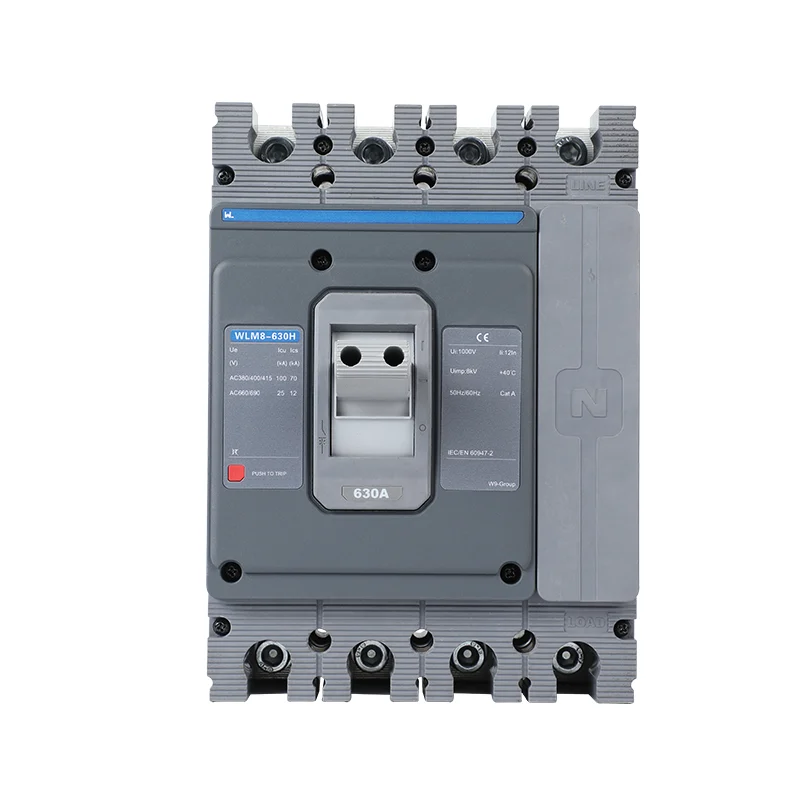
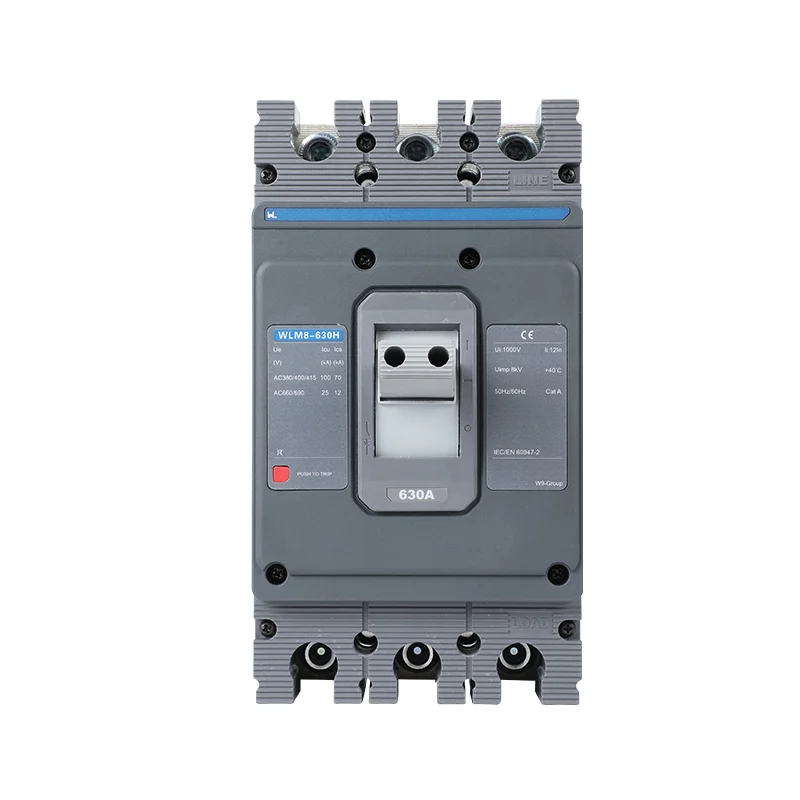
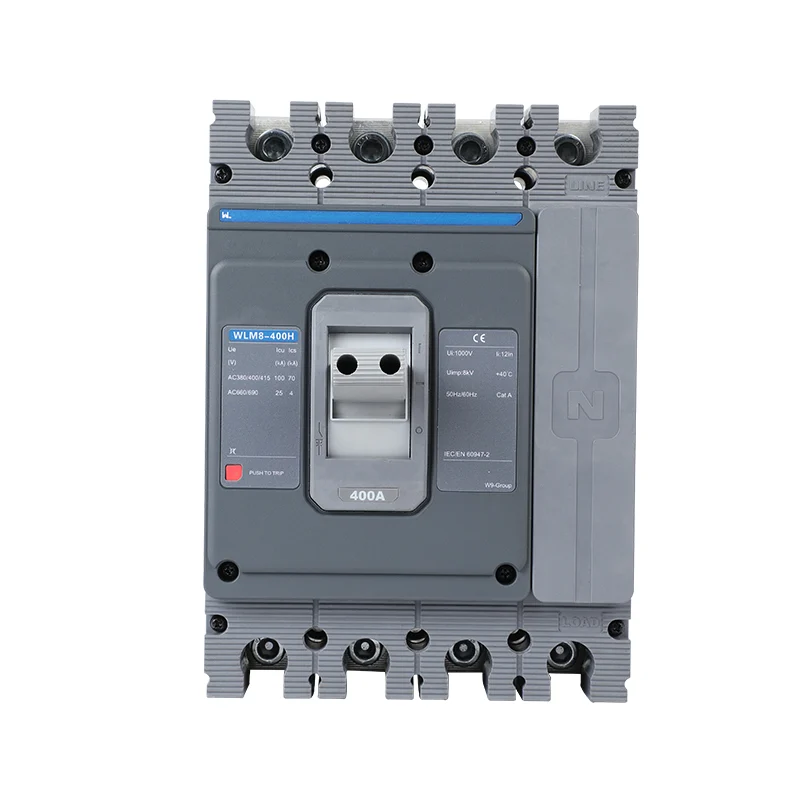
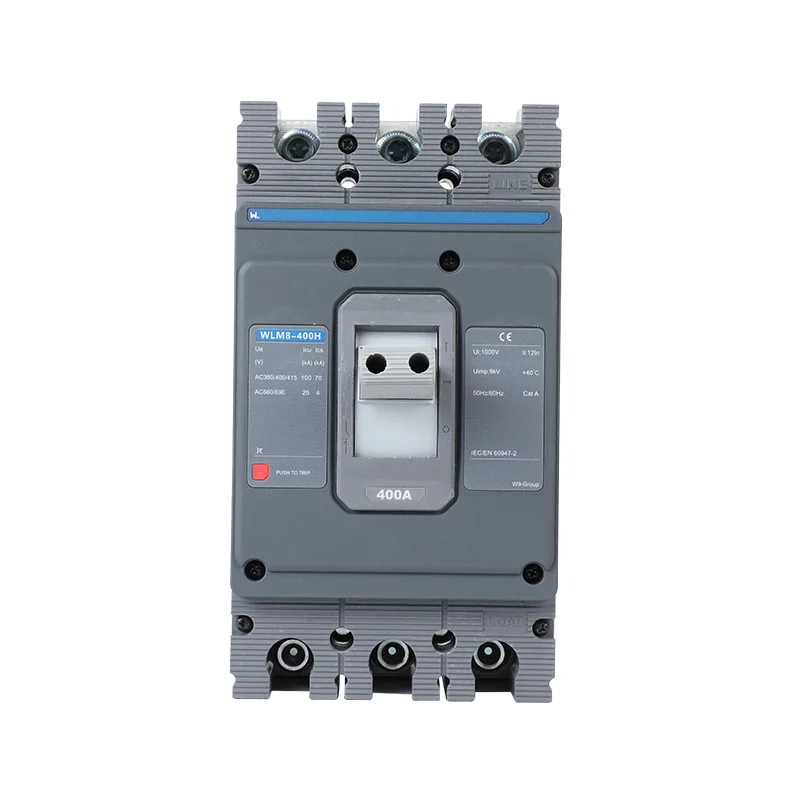
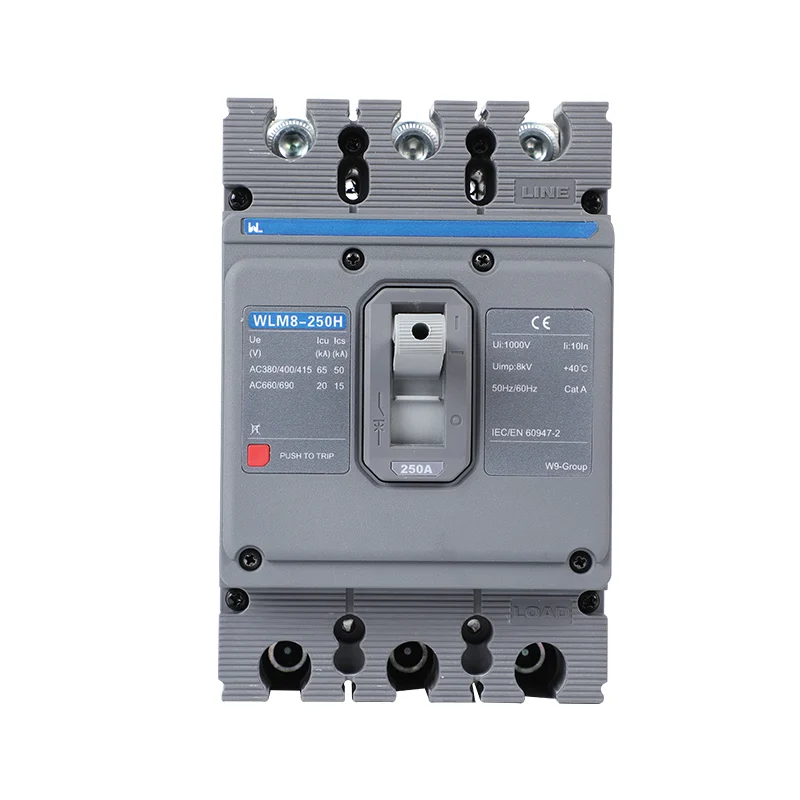




















Многофункциональный преобразователь CJ19: конденсаторный контактор AC: решение по компенсации реактивной мощности
Иллюстративный сценарий, а не документированный пример из практики клиента: когда Ли Вэй, инженер по эксплуатации зданий в Сучжоу, установил трёхступенчатую батарею конденсаторов на пластиковом заводе, контактор начал ритмично щелкать, а первая ступень батареи вышла из строя менее чем через неделю. Электрик дважды заменял это устройство, однако видимый отказ повторялся каждый раз при пуске мощного двигателя. Анализ схемы коммутации выявил истинную причину: для работы с конденсаторной батареей был выбран универсальный моторный контактор без устройства ограничения пускового тока. Замена на коммутационное устройство, рассчитанное на работу с конденсаторами, и согласование ступеней батареи позволили устранить проблему.
Краткое описание: Разработан многофункциональный конверсионный конденсаторный контактор переменного тока CJ19 для коммутации низковольтных шунтирующих конденсаторов в оборудовании компенсации реактивной мощности. Технические данные продукта W9 охватывают цепи переменного тока частотой 50/60 Гц напряжением до 400 В, модели для работы с конденсаторами от CJ19-25 до CJ19-170 и устройство ограничения броска тока; также указано соответствие стандарту IEC 60947-4-1. Укажите номинальную мощность конденсатора в кВАр, системное напряжение, напряжение катушки, ожидаемое количество циклов коммутации и тип предварительной защиты, после чего проверьте готовую установку по измеренному коэффициенту мощности и температуре.
Почему для коммутации конденсаторов требуется специальный контактор?
Конденсаторные батареи потребляют высокий переходный ток при включении ступени. Его пиковая величина зависит от остаточного напряжения, момента в цикле синусоидального напряжения, импеданса трансформатора, а также от того, находится ли поблизости другая включённая ступень. Моторный контактор, рассчитанный на рабочий ток, при этом переходном процессе может столкнуться с перегоранием или залипанием контактов, ускоренным износом или ложными срабатываниями. Контактор, предназначенный для работы с конденсаторами, предусматривает демпфирующую или предварительную цепь, благодаря которой основные контакты замыкаются после ограничения броска тока.
Компенсация реактивной мощности снижает реактивный ток, поставляемый от питающей линии; сама по себе она не приводит к реальной экономии энергии. Снижение тока может освободить мощность трансформаторов и кабелей и уменьшить потери на сопротивлении (I²R), тогда как выгода от тарифа энергоснабжающей компании зависит от местных правил тарификации. IEC 60831-1 охватывает самовосстанавливающиеся шунтирующие конденсаторы для систем переменного тока, но это стандарт для конденсаторов, а не доказательство пригодности контактора. Коммутационному устройству всё равно требуется оборудование, специально предназначенное для работы с конденсаторной батареей.
В практических проектах контроллер, конденсатор, контактор и защитное устройство образуют единый комплекс. Схема, электрически приемлемая на испытательном стенде, может работать некорректно, если гармоники, импеданс трансформатора или соседние узлы изменяют переходные процессы. Рассматривайте однолинейную схему, монтажную схему и протокол пусконаладочных испытаний как часть технической спецификации изделия.

CJ19 operating principle and documented range
The CJ19 series is described for low-voltage shunt-capacitor switching and reactive-power compensation equipment at 380 V, 50 Hz. The same product description gives a rated operational voltage up to 400 V at 50 or 60 Hz and a restraining device intended to reduce closing inrush and switching overvoltage. It presents a compact direct-acting, double-break structure, covered terminals and screw or 35/75 mm rail mounting options.
Model selection starts with the capacitor current rather than the contactor’s thermal-current label. The published table lists controllable capacitor capacity at 220 V and 380/400 V, conventional thermal current (Ith), operational current and auxiliary-contact data. Values below are transcribed for early sizing; obtain the latest datasheet and coordinate with the capacitor manufacturer before release.
| Model group | Published capacitor capacity at 380/400 V (kvar) | Conventional thermal current Ith (A) | Published operational current at 380/400 V (A) |
|---|---|---|---|
| CJ19-25 | 12 | 25 | 17 |
| CJ19-32 | 18 | 32 | 23 |
| CJ19-43 | 20 | 43 | 29 |
| CJ19-63 | 30 | 63 | 43 |
| CJ19-95 | 50 at 400 V | 95 | 72.2 at 400 V |
| CJ19-115 to CJ19-170 | 60–90 at 400 V | 200–275 | 87–130 at 400 V |
Capacitor Contactor Selection Checks
1. Calculate the stage current
For a three-phase bank, estimate line current with I = Q/(√3 × V), where Q is the stage rating in var and V is line-to-line voltage. Use the capacitor maker’s номинальный ток and tolerances for final selection. Do not substitute the contactor’s Ith for capacitor-duty current; thermal-current categories are tested under different conditions.
2. Match coil and control voltage
The CJ19 page lists control-voltage options of 110, 127, 220 and 380 V. Confirm whether the схема управления is AC or DC, check pickup and drop-out limits, and suppress coil transients where the control system requires it. A mismatched coil can cause chatter that looks like a capacitor problem.
3. Capacitor Stage Coordination
Use a dedicated capacitor fuse or breaker strategy recommended by the bank designer. Respect the capacitor’s discharge resistor and minimum re-energization time; closing a charged stage can multiply inrush. Verify that the controller’s step delay allows the contactor to open fully before a rapid reclose.
4. Confirm environment and mounting
W9 lists an ambient range of −5 °C to +40 °C, average 24-hour temperature no higher than +35 °C, installation below 2,000 m, pollution degree 3 and installation category III. Keep the panel ventilated, maintain the specified vertical orientation and provide clearance for terminal covers. Humidity control matters because condensation can lower insulation resistance.
The CJX2 product listing provides a model reference; motor and capacitor duties must be assessed separately.
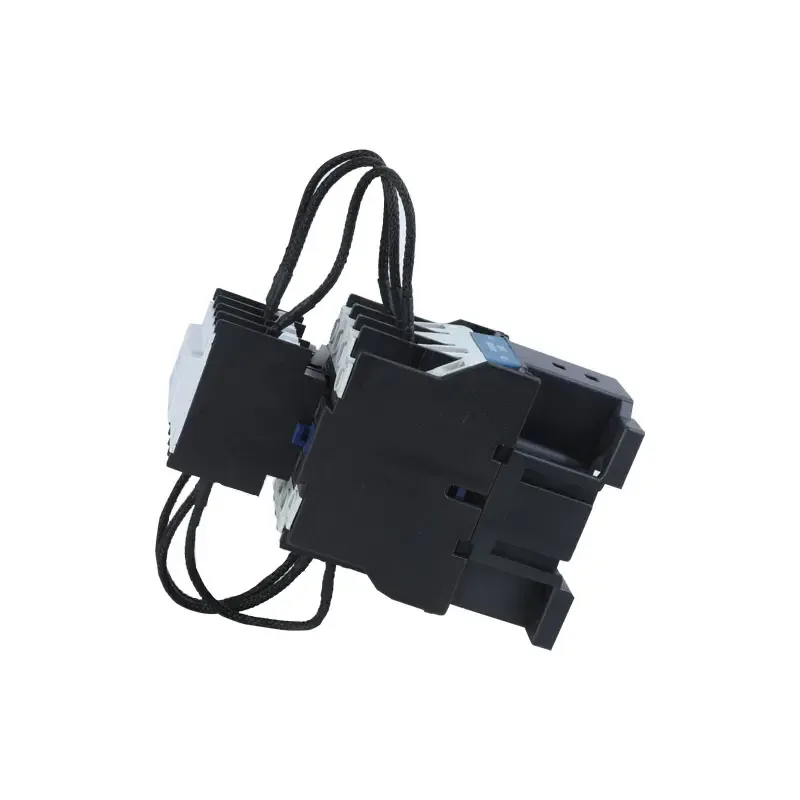
Capacitor-Duty vs General-Purpose Contactors
The right comparison is not a unit-price contest. It is the risk and total cost of switching the specified bank for its service life.
| Размер решения | CJ19 capacitor AC contactor | General-purpose AC contactor | Последствия для закупок |
|---|---|---|---|
| Transient handling | Built-in restraining device is documented for capacitor inrush | Often requires external resistors/reactors, if permitted | Check the complete switching topology, not just the contactor label |
| Steady-state duty | Published capacitor capacity and operational-current table | Motor AC-3 data may not represent capacitor duty | Use capacitor kVAr and voltage as primary inputs |
| Установка | Covered terminals; screw or 35/75 mm rail options | Mounting varies by frame | Confirm panel footprint and conductor bend radius |
| Поддержание работоспособности | Direct-acting double-break structure; replaceable contacts are described | Contact wear can be accelerated by inrush | Record switching cycles and inspect after commissioning |
| Общая стоимость владения | May reduce extra inrush-control hardware and unplanned outages | Lower initial cost can be offset by failures | Compare installed cost, downtime and spares |
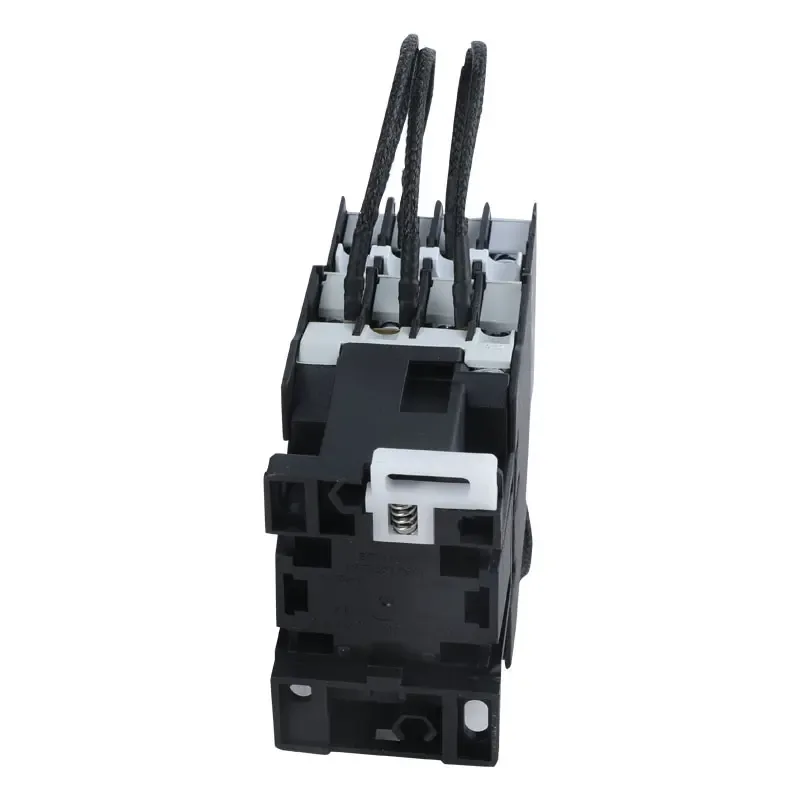
Contactor Compliance Requirements
IEC 60947-4-1 is the relevant low-voltage contactor and motor-starter product standard cited by the CJ19 page. It defines service, utilization-category and verification requirements; it is not a blanket certification for every installation. Ask for the manufacturer’s declaration, test basis and applicable utilization category for the intended capacitor bank. IEC 60831-1 addresses low-voltage shunt power capacitors, while IEC 61921 provides guidance for power-factor-correction equipment assemblies. National wiring rules and utility limits can add requirements for harmonic resonance, enclosure temperature and isolation.
Commissioning should include insulation resistance, protective-conductor continuity, phase identification, torque verification and functional cycling. Measure voltage, current, displacement power factor and harmonic distortion with a calibrated power-quality analyzer under representative load. Keep the test report with the single-line diagram and settings. Marketing language such as “certified” or “power-factor guaranteed” should be used only when the exact certificate or contractual test supports it.
CJ19 Procurement Guide
- Send the supplier a schedule: system voltage/frequency, stage kVAr, number of steps, capacitor type, expected cycles per hour and short-circuit level.
- Request the model-specific table, dimensional drawing, wiring diagram, coil code and terminal torque information.
- Review the coordinated protection study, including fuses, discharge resistors, detuning reactors and controller delay.
- Plan a witnessed factory or site test that records inrush waveform, contactor temperature and post-cycle contact condition.
W9 positions the CJ19 as part of its modular-contactor range. Its product page provides the above ratings and environmental conditions; buyers should still obtain a current drawing and declaration for the destination market. For broader panel coordination, see this guide to modular contactors and the overview of circuit-breaker selection.
Часто задаваемые вопросы
What is a CJ19 conversion capacitor AC contactor?
It is a contactor series intended to switch low-voltage shunt capacitors in reactive-power compensation equipment. Its restraining device is designed to reduce closing inrush and switching overvoltage. Confirm the model, voltage and capacitor duty before substitution.
Can a CJ19 replace a motor contactor?
Only for the capacitor-переключение обязанностей for which it is specified. A CJ19 is not a universal motor starter; motor loads require their own utilization category, overload protection and short-circuit coordination.
Which CJ19 size should I choose for a 30 kvar stage?
The published table lists 30 kvar at 380/400 V for CJ19-63. Treat that as a starting point, then verify capacitor tolerance, voltage, ambient temperature, controller cycles and the manufacturer’s latest data.
What control voltages are available?
The product page lists 110, 127, 220 and 380 V control-voltage options. Coil frequency and wiring must match the control transformer or PLC output; specify the exact code on the purchase order.
How do I verify performance after installation?
Inspect torque and insulation, cycle each step, and record inrush, steady current, temperature and power factor with calibrated instruments. Recheck after the plant reaches normal load, because light-load testing can hide resonance or nuisance switching.
Ссылки
- МЭК 60947-4-1:2023 — контакторы и пускатели двигателей.
- МЭК 61095:2023 — контакторы бытового и аналогичного назначения, отдельная область применения.
- ОТБ — электробезопасность и техническое обслуживание.
Closing principle: capacitor banks reward disciplined switching design; the quietest panel is usually the one specified around measured transients, not the cheapest contactor.
Need a model check, dimensional drawing or coordinated quotation? Review the CJ19 conversion capacitor AC contactor and contact W9 Group’s technical team with your bank schedule and destination-market requirements.
Для выбора режима переключения, свяжитесь с W9 Group с нагрузкой, категорией использования, частотой включения и питанием катушки.