







About the Many Advantages of Case Circuit Breakers in Intelligent Electrical Systems
About the Many Advantages of Case Circuit Breakers in Intelligent Electrical Systems
When Maria Lopez, a facilities engineer in Monterrey, switched a new battery-charging room onto the building bus, the feeder opened within seconds and the monitoring dashboard showed a cascade of alarms. A replacement with a larger frame repeated the failure during commissioning. Reviewing the one-line diagram, short-circuit study and trip curves revealed the reversal: the problem was selection and coordination, not a defective breaker. A correctly specified moulded-case circuit breaker (MCCB), with settings matched to the conductors and downstream devices, restored the feeder and gave the building-management system a reliable status signal.
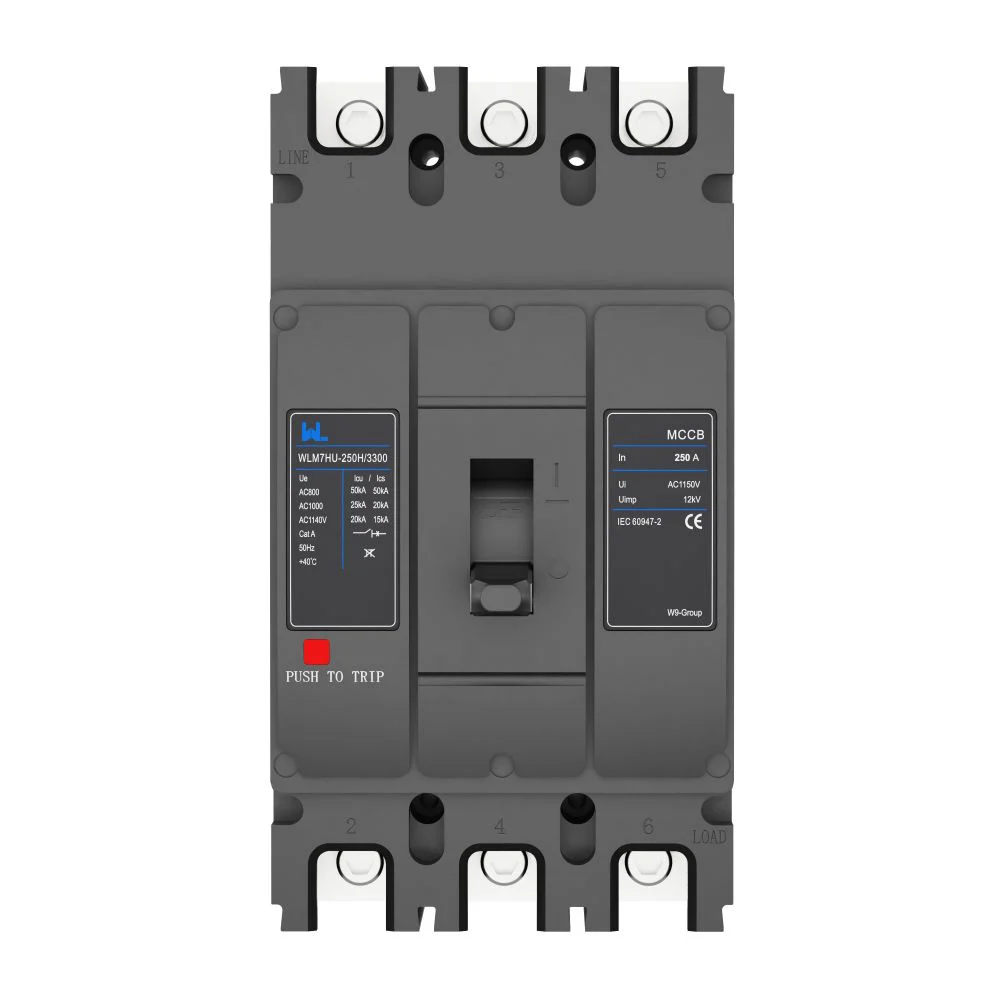
Summary: Case circuit breakers—usually called MCCBs—combine switching, insulation and overcurrent interruption in a compact enclosure. Their practical advantages in an intelligent electrical system are selective fault clearing, adjustable protection, safer remote visibility and easier expansion. IEC 60947-2 defines low-voltage circuit-breaker requirements and verification tests; UL 489 covers molded-case breakers in its conformity system, while NFPA 70 governs installation in applicable U.S. jurisdictions. Start with a load and prospective-fault study, select a verified interrupting rating, map the breaker’s auxiliary and communication functions, and document settings before energizing. No communication feature can compensate for an incorrect rating or an uncoordinated protection scheme.
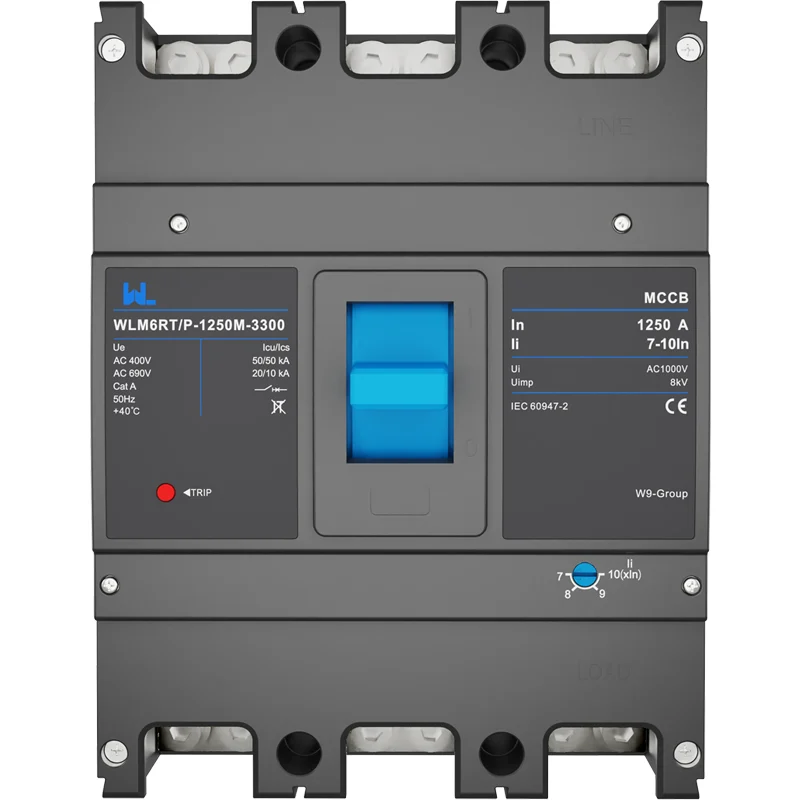
Why MCCBs fit intelligent low-voltage systems
An MCCB protects a feeder or equipment branch against overload and short circuit while providing a means of isolation. In an intelligent panel, the device can also expose open/closed status, trip indication or metering through auxiliary contacts and compatible accessories. These signals let a programmable controller or energy-management platform distinguish a planned shutdown from a protective operation. The breaker remains a safety device first; networking is an additional layer that must be engineered for voltage, isolation and cybersecurity requirements.
Thermal-magnetic trip units use a thermal element for sustained overload and a magnetic element for high current. Electronic trip units may add long-time, short-time, instantaneous and ground-fault functions, with adjustable pickup or delay within a declared range. The useful distinction is not “digital equals safer,” but whether the selected curve coordinates with conductor ampacity, equipment withstand and the available fault current. Manufacturer time-current curves and test instructions are the controlling evidence.
Six advantages that create measurable value
1. Selective protection and continuity
Coordination compares upstream and downstream clearing times so the device nearest a fault opens first. Adjustable long-time and short-time settings can provide more coordination choices than a fixed curve, reducing unnecessary loss of healthy loads. The result is continuity for production cells, pumps or data-room auxiliaries, provided the study includes cable impedance, motor inrush and the actual accessory configuration.
2. A platform for changing loads
Intelligent buildings add heat pumps, chargers, photovoltaics and variable-speed drives in phases. A correctly sized MCCB frame can often be reset within its permitted trip range when demand changes, avoiding a complete panel redesign. Engineers must still recalculate ampacity, voltage drop, thermal derating and short-circuit duty; adjustability is not permission to exceed the conductor rating.
3. Better information at the edge
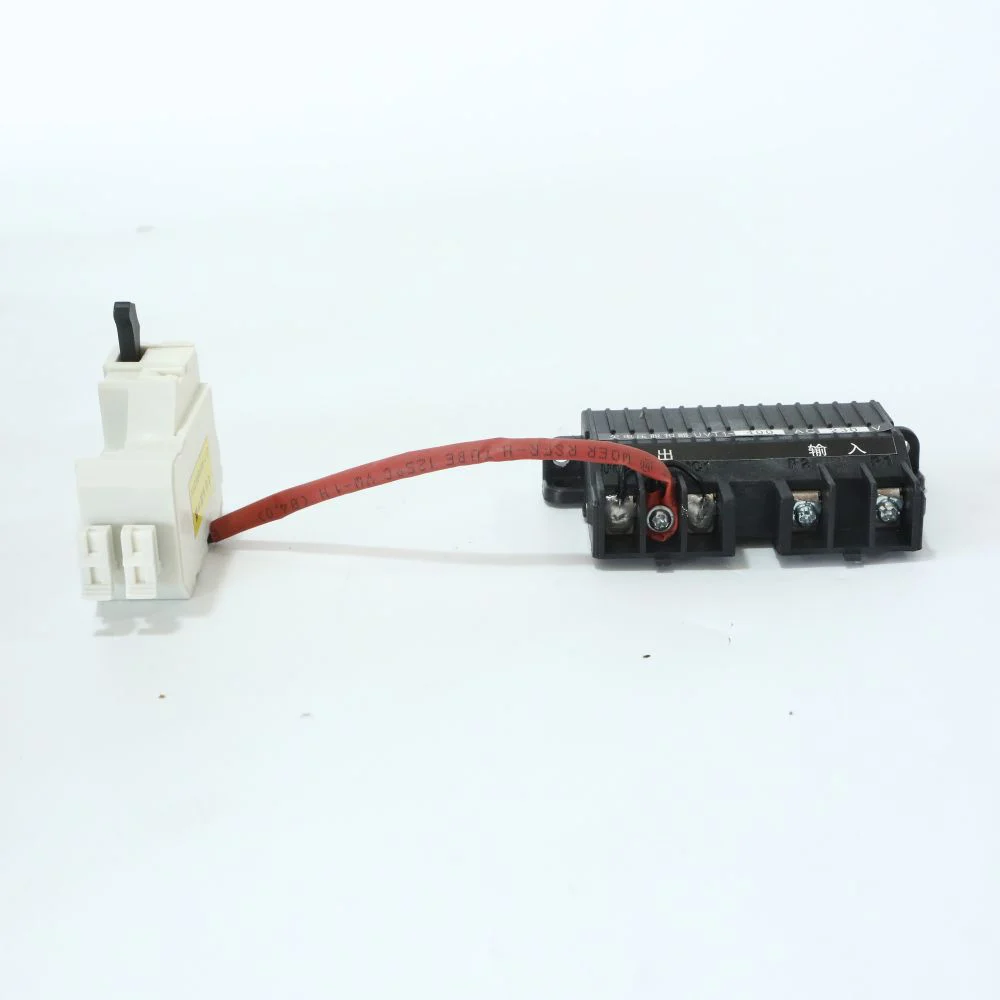
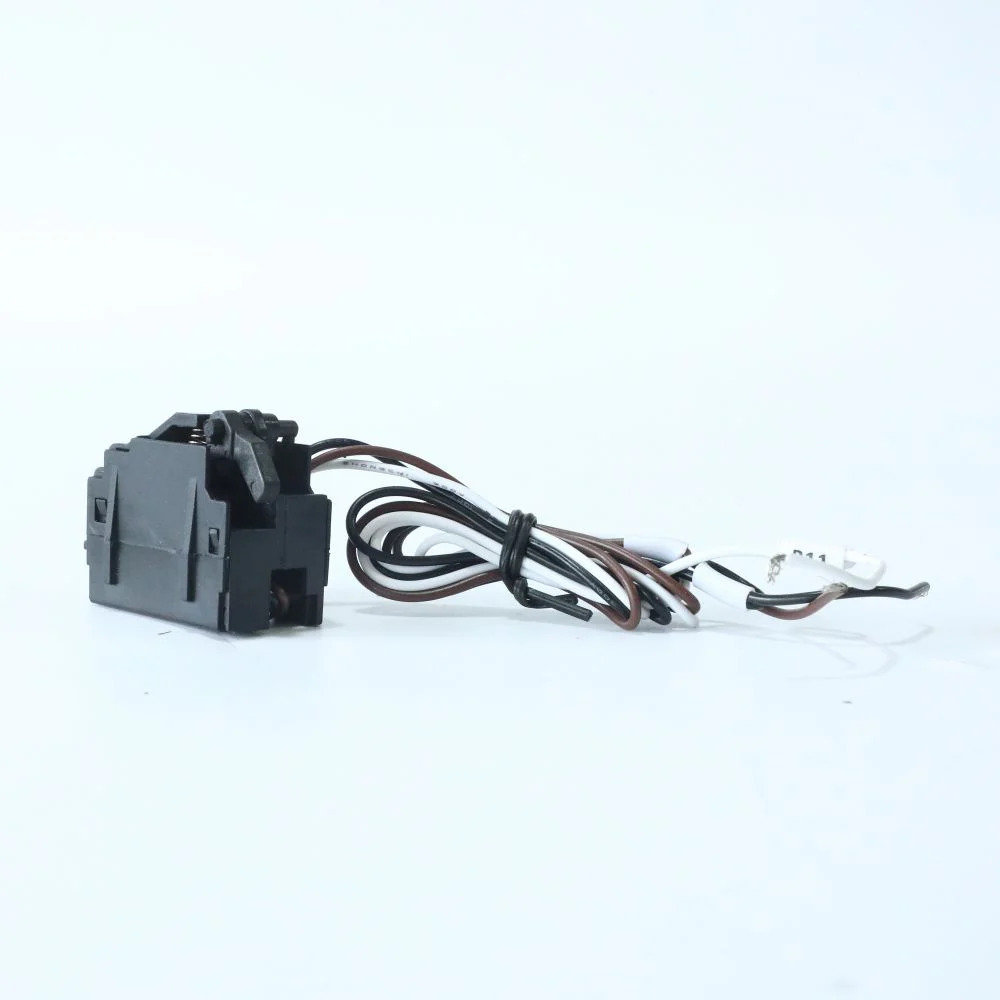
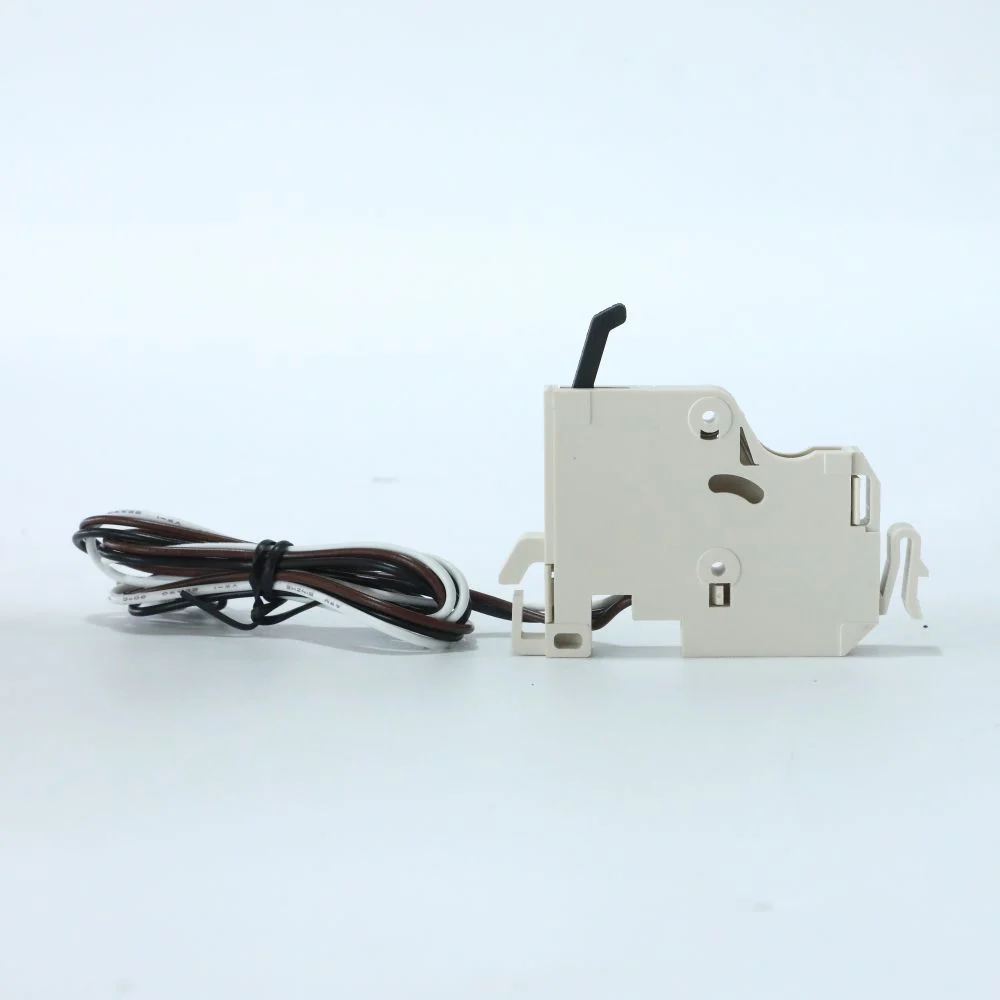
Auxiliary and alarm contacts provide a simple digital state. More advanced trip units may report current, cause of trip or event timestamps through a gateway. That information supports condition-based maintenance: a nuisance trip with a recorded overload points to a different action than a high-level short circuit. Specify contact ratings, protocol, isolation and fail-safe behavior so a lost network does not hide a local trip.
4. Faster commissioning and troubleshooting
A setting schedule ties each dial or parameter to a feeder tag, calculation and approver. During commissioning, inspection, torque checks and primary- or secondary-injection tests (as required by the trip-unit manual) create an as-left record. If a breaker operates later, technicians can compare measured current and trip history with the approved baseline instead of guessing at settings.
5. Efficient use of panel space and spares
An MCCB integrates interruption and insulation in one molded enclosure, reducing the number of separate components compared with a breaker-plus-fuse arrangement for many low-voltage feeders. Standardizing frame families can simplify busbar layouts and spare holdings. The trade-off is that a common frame still needs the right poles, terminals, accessories, creepage and clearance for each installation.
6. Lower lifecycle risk—not automatically lower purchase price
Lifecycle value comes from fewer broad outages, clearer fault diagnosis, planned maintenance and less rework when a documented load change occurs. Electronics, communication modules and testing add cost and training requirements. A total-cost review should include engineering hours, injection testing, replacement modules, downtime exposure and the consequences of an incorrect setting. Treat any savings estimate as project-specific, not as a guaranteed product result.
Protection functions and intelligent-system evidence
| Function or feature | What it protects or reports | Evidence to request |
|---|---|---|
| Long-time pickup (Ir) | Sustained overload; coordinates with conductor ampacity | Load calculation, derating basis and recorded setting |
| Short-time pickup/delay (Isd/tsd) | Fault selectivity and motor or transformer inrush tolerance | Time-current overlay and equipment withstand check |
| Instantaneous pickup (Ii) | High-magnitude fault response | Prospective-fault study and manufacturer tolerance |
| Ground-fault (Ig/tg), if provided | Line-to-ground protection suited to the grounding method | Ground-fault test plan and coordination review |
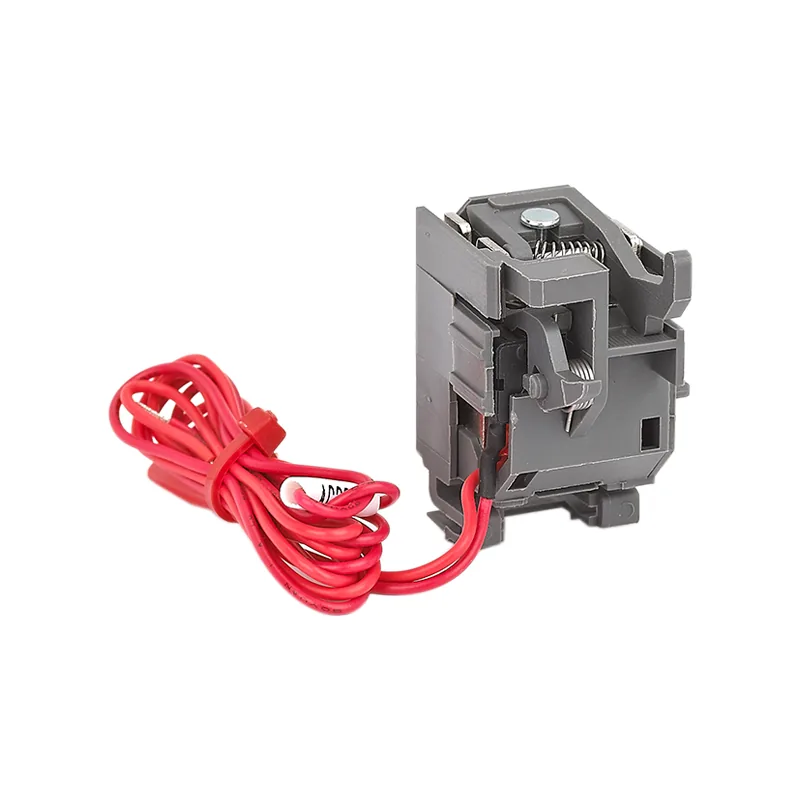
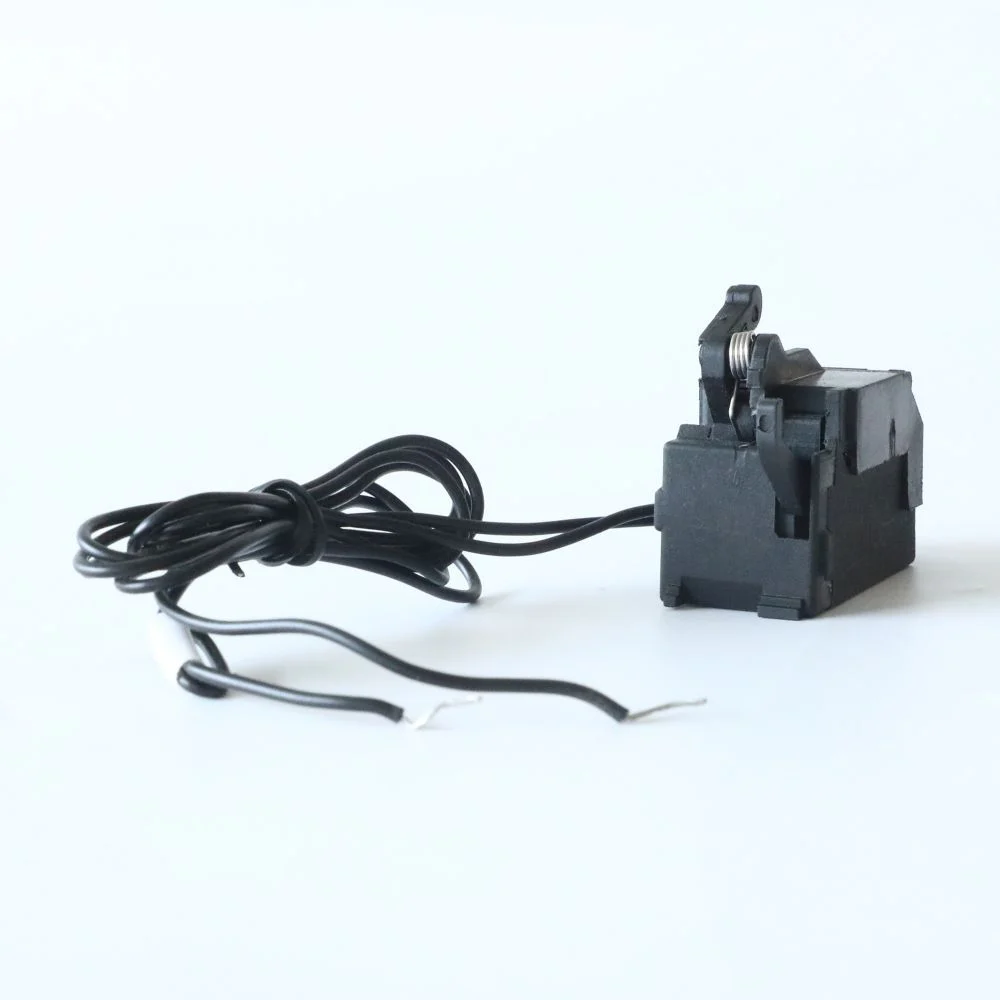
| Auxiliary/alarm or communications | Breaker state, trip cause or measured data to a control system | Wiring diagram, protocol limits and fail-safe logic |
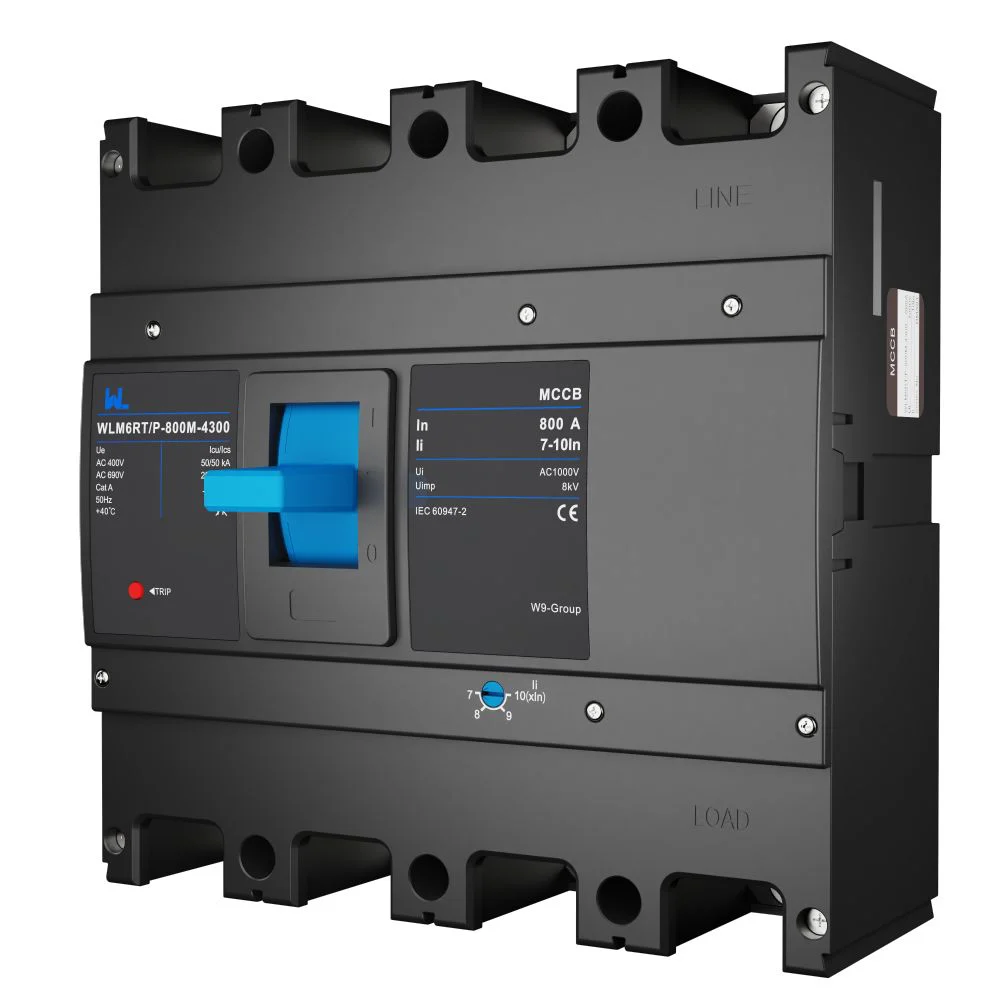
Where the advantages are strongest
| Application | Typical value from an MCCB | Questions before approval |
|---|---|---|
| Commercial and smart buildings | Selective feeders plus status signals for the BMS | Are tenant changes, emergency circuits and local isolation rules covered? |
| Manufacturing and OEM panels | Adjustable protection for motor starts and machine variants | Do settings remain within the starter, cable and enclosure limits? |
| Data and telecom facilities | High availability with event records and maintenance visibility | Are short-circuit ratings, bypass paths and test windows documented? |
| Solar, storage and EV infrastructure | Scalable feeders and monitoring for variable or bidirectional loads | Have DC/AC ratings, backfeed, isolation and arc-flash studies been reviewed? |
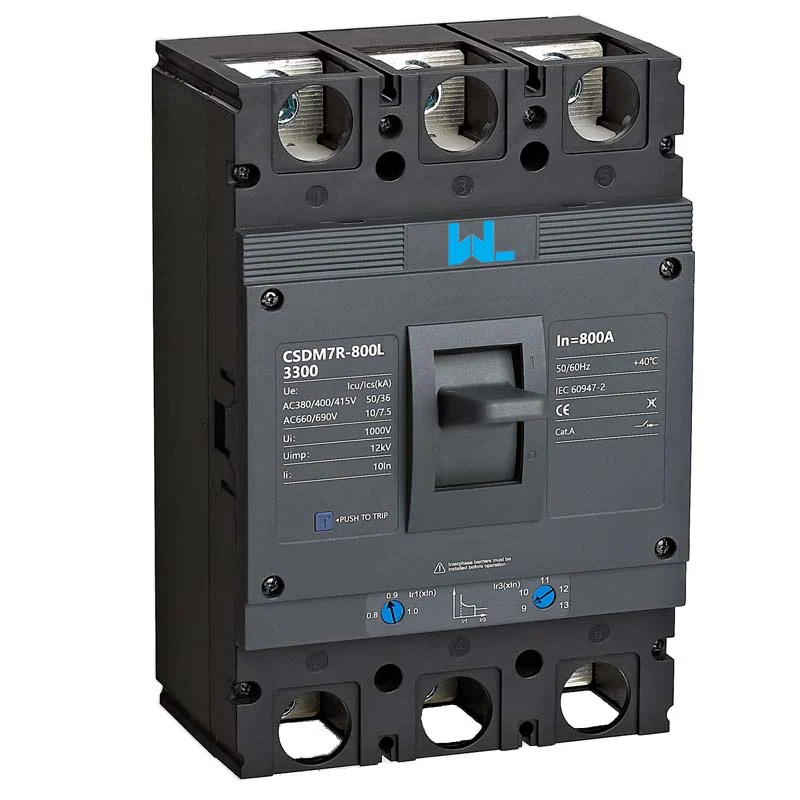
Standards, compliance and procurement discipline
IEC 60947-2 is the international product standard for low-voltage circuit-breakers; it specifies characteristics and verification tests such as dielectric, temperature-rise and short-circuit performance. UL 489 is a separate North American product safety standard for molded-case circuit breakers and related enclosures. NFPA 70 (the National Electrical Code) addresses installation practices in covered U.S. jurisdictions. NEMA application guidance can help users interpret low-voltage MCCB selection, but guidance is not a product certification.
Ask for the declaration or certification applicable to the destination market, the tested interrupting rating at the system voltage, temperature and altitude limits, terminal instructions, accessory diagrams and routine-test records. Marketing a device as “certified” without the correct scope can trigger rejected submittals, delayed energization or warranty disputes. The responsible engineer must also verify local regulations, coordination, arc-flash labeling and maintenance procedures; a standard does not replace a project-specific study.
Selection and commissioning checklist
- Record voltage, frequency, poles, grounding method, continuous load, motor or transformer inrush and prospective short-circuit current.
- Select frame size, interrupting capacity and trip-unit range from the manufacturer’s verified data; check ambient, enclosure and altitude derating.
- Run coordination and arc-flash studies with actual upstream and downstream devices. Freeze settings in a signed schedule.
- Map auxiliary, alarm and communication points to the control-system I/O list, including behavior during loss of power or network.
- Commission, test and label the installation; keep as-left values, test results and a named owner for future changes.
For buyers comparing configurable platforms, W9 Group’s published MCCB information can be a useful starting point for dimensions, accessories and application questions. Review the WLM6RT adjustable MCCB product page, then request drawings and test documentation for the exact order code. Our guides to MCCB features and applications and choosing a moulded-case circuit breaker provide related design context.
Frequently asked questions
What is a case circuit breaker?
In industrial usage, “case circuit breaker” generally refers to a moulded-case circuit breaker (MCCB). It combines switching, insulation and overcurrent interruption in a molded enclosure. Exact ratings and functions depend on the frame, poles and trip unit.
How does an MCCB support an intelligent electrical system?
It can provide auxiliary or alarm contacts and, where supported, measured values or event data to a supervisory system. These signals improve visibility but do not replace local protection, isolation or periodic testing. Confirm protocol, isolation and fail-safe behavior in the design.
Are adjustable MCCBs safer than fixed-trip breakers?
Adjustability can improve coordination and accommodate documented load changes, but only when settings are calculated and verified. A fixed-trip device may be safer for a simple, stable feeder whose curve already coordinates. The study and commissioning record—not adjustability alone—determine suitability.
Which standard should I specify: IEC 60947-2 or UL 489?
Specify the standard required by the destination market, authority and project specification; they are separate conformity systems. IEC 60947-2 is widely used internationally, while UL 489 applies to covered North American products. Installation rules such as NFPA 70 still apply where relevant.
Can an MCCB replace a residual-current or arc-fault device?
Not automatically. An MCCB’s overcurrent functions do not provide every residual-current or arc-fault protection function. Use separate or integrated devices only when their ratings, sensing method and coordination are documented for the installation.
Authoritative references
- IEC 60947-2, Low-voltage switchgear and controlgear—Circuit-breakers.
- UL 489, Molded-Case Circuit Breakers, Molded-Case Switches and Circuit-Breaker Enclosures.
- NFPA 70, National Electrical Code.
- NEMA application guidance for low-voltage molded-case circuit breakers.
The most valuable MCCB is not the one with the longest feature list; it is the one whose rating, settings and signals remain trustworthy when the system changes. When your team is ready to evaluate case circuit breakers, explore the circuit-protection range and contact W9 with your one-line diagram, load data and destination-market requirements.