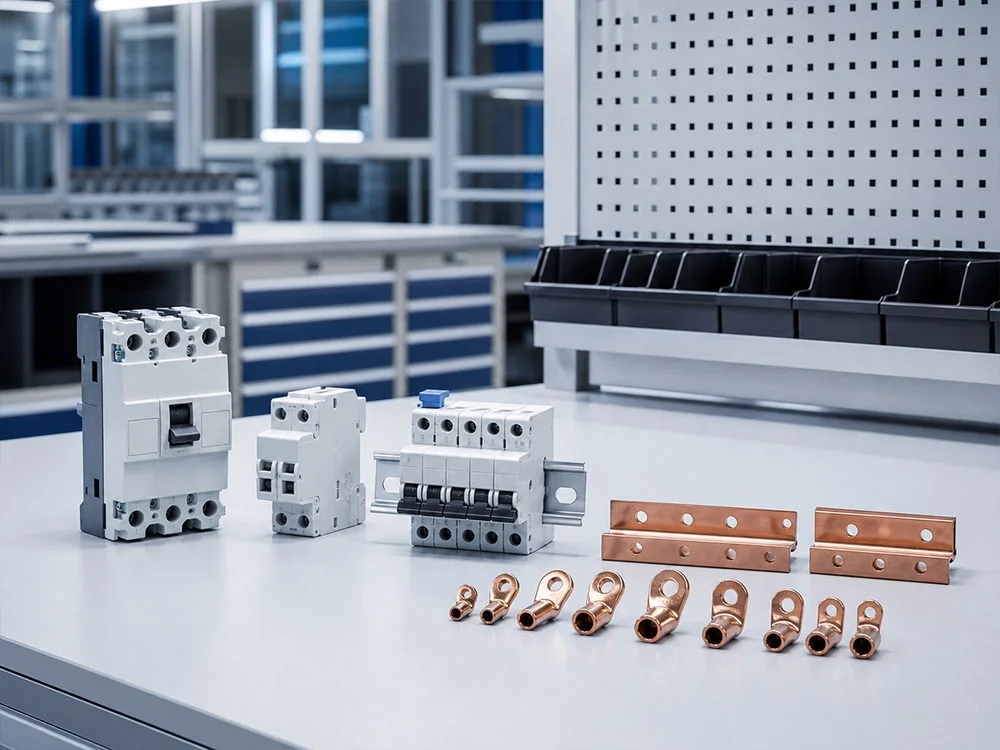
Lately, the electrical industry has really been shaking things up, especially with the rise of Microprocessor-Based MCCBs. Dr. John Smith, from Tech Electric Solutions, puts it nicely: “The integration of microprocessors in MCCBs is truly opening a new chapter in electrical protection.” Basically, this means MCCBs are now smarter — they offer better monitoring, control, and respond much faster than before.
These microprocessor-based MCCBs can analyze data on the fly and detect faults almost instantly. They adapt pretty quickly to whatever conditions they’re facing, which helps keep everything running safely and smoothly. Plus, they’re less likely to cause downtime and boost overall reliability. Still, not everyone fully gets what these smart devices are capable of. Some folks might forget about the importance of regular updates and maintenance, which can actually affect how well everything works.
As we keep exploring this tech frontier, there’s a lot to learn about what these MCCBs can really do. The potential is huge, but at the same time, it’s super important to think about proper user training and how we implement these systems. Striking a good balance between innovation and practical use is key if we want to enjoy all the benefits without running into common issues.
What is a Microprocessor Based MCCB?
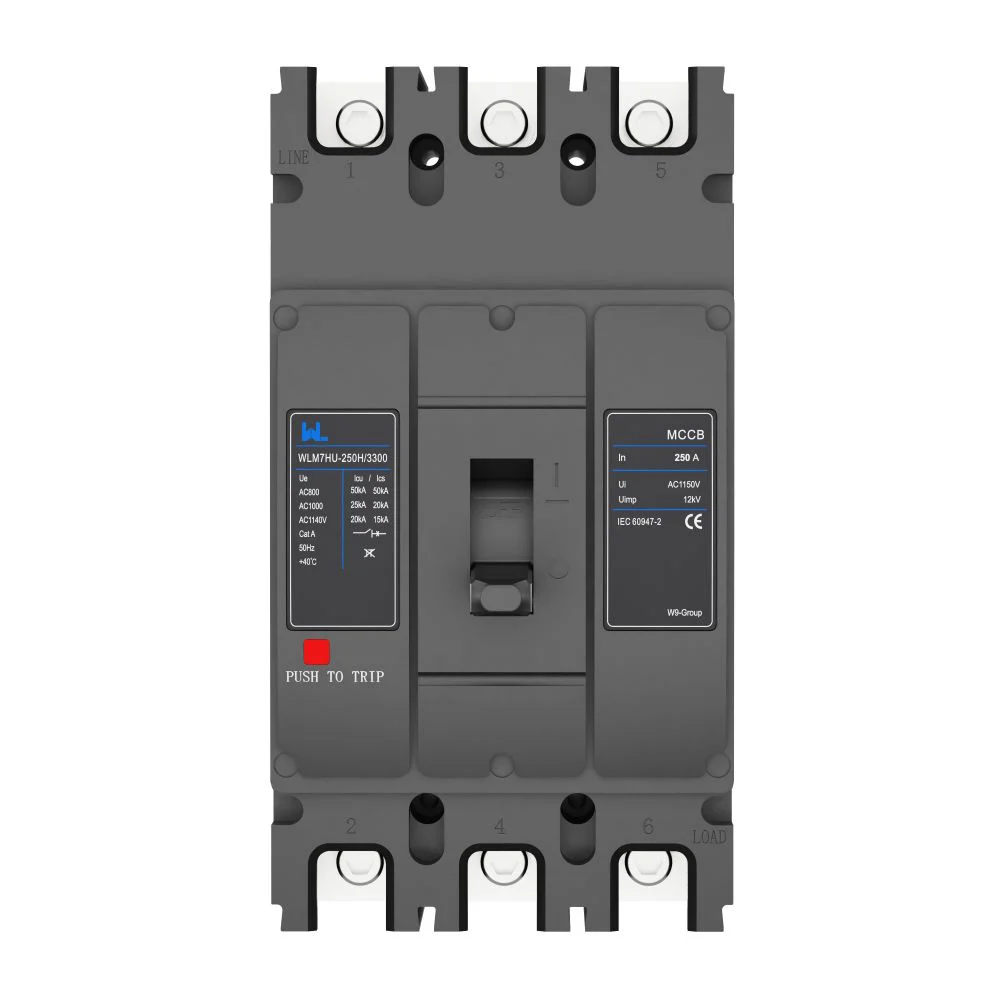
Microprocessor based MCCB (Molded Case Circuit Breaker) is an advanced device used for electrical protection. Unlike traditional MCCBs, these use microprocessors to enhance functionality. They offer precise measurements and faster response times to electrical faults, which is crucial in industrial applications. Their ability to analyze conditions in real-time is a significant improvement.
These devices monitor current flow continuously. If it detects an abnormality, it can trip the circuit almost instantly. This helps prevent damage to equipment and reduces downtime. It also allows for customization of settings based on specific needs. Users can adjust thresholds for tripping, enhancing the protection plan further.
Tip: When selecting a microprocessor based MCCB, consider the load requirements. Ensure the device aligns with the operational parameters of your system.
Another aspect to consider is programming. Some users find the interfaces complex. Lack of experience can lead to incorrect settings. This could undermine the safety benefits of the device.
Tip: Regular training for personnel on handling these advanced systems can improve efficiency. It empowers users to adapt and troubleshoot effectively.
In conclusion, microprocessor based MCCBs represent a modern approach to circuit protection. Understanding their workings and maintaining proper usage is essential for safety and efficiency.
Microprocessor Based MCCB Performance Comparison
Key Components of a Microprocessor Controlled MCCB
Microprocessor controlled molded case circuit breakers (MCCBs) are essential for modern electrical systems. They utilize a microprocessor to enhance their functionality. The key components of a microprocessor MCCB include the microprocessor itself, current sensors, and control algorithms. These elements work together to ensure accurate monitoring and protection.
The microprocessor analyzes real-time data from current sensors. These sensors detect overcurrent conditions. The microprocessor processes this information, making quick decisions to trip the circuit during faults. This response time is crucial for preventing damage. Control algorithms help in adjusting settings. They can be programmed to meet specific requirements.
Another important aspect is the user interface. It allows for easy configuration and monitoring. Users can view status indicators and make adjustments based on operational needs. However, some may find these interfaces complex. Training might be necessary for effective use. Additionally, reliance on technology could lead to challenges. Malfunctions or programming errors may arise, requiring troubleshooting. Addressing these issues is vital for optimal performance.
Advantages of Utilizing Microprocessor Technology in MCCBs
Microprocessor based MCCBs (Molded Case Circuit Breakers) are revolutionizing the electrical industry. They offer many advantages that traditional MCCBs lack. One major benefit is their precision. These devices can detect faults with high accuracy. They rapidly respond to overloads and short circuits, ensuring better protection for electrical systems.
Another advantage is data monitoring. Microprocessor technology allows MCCBs to collect real-time data. This data helps in analyzing electrical usage patterns. Users can identify inefficiencies and optimize energy consumption. This feature is especially valuable in industrial settings, such as factories and operations in China.
Tip: Regularly check the performance of your microprocessor based MCCB. Monitoring ensures that it functions correctly and efficiently.
The user interface on these devices is often intuitive. This simplicity allows for easy adjustments and settings. However, some users may struggle with the technology’s complexity. Training may be needed to fully utilize all features.
Working Principle of a Microprocessor Based MCCB
A microprocessor based MCCB (Molded Case Circuit Breaker) serves as a crucial component in modern electrical systems. It enhances traditional circuit breakers with advanced monitoring and control capabilities. The core working principle involves real-time processing of electrical parameters such as current, voltage, and temperature. By analyzing these parameters, the microprocessor can make fast decisions, ensuring immediate protection against overloads and short circuits.
Inside the MCCB, sensors feed data to the microprocessor. It processes this information to determine when to trip the circuit. For instance, if a current surge is detected, the microprocessor will quickly calculate if the conditions warrant disconnection. This responsiveness minimizes damage and enhances safety. Moreover, these devices often include features like communication interfaces for remote monitoring, adding layers of functionality.
Despite their advantages, microprocessor based MCCBs are not without limitations. They require a reliable power supply to operate effectively. Additionally, like any electronic system, they can be prone to glitches. In environments with heavy electrical noise, performance might degrade. For bulk purchases, seeking out Wholesale Microprocessor Based Mccb options is advisable, ensuring accessibility without sacrificing quality. Responsible usage involves regular testing and awareness of potential vulnerabilities.
Comparison of Traditional MCCBs and Microprocessor Based Models
Microprocessor based MCCBs (Molded Case Circuit Breakers) present a significant advancement over traditional models. Traditional MCCBs rely on mechanical mechanisms for operation. They often provide basic overcurrent protection, but lack versatility. Their design can be limiting and may not adapt to varying load conditions. On the other hand, microprocessor based models offer intelligent monitoring. They can analyze electrical parameters in real-time, allowing for better protection and performance.
These modern MCCBs have digital interfaces, enhancing user interaction. They provide detailed diagnostics and data logging features, which help in maintenance planning. Traditional MCCBs might struggle with accuracy in trip settings. This can pose risks during fault conditions. Microprocessor based models, however, adjust settings dynamically to changes in load, improving reliability. Interestingly, while the technology enhances functionality, it can also lead to complexity. Users may need training to fully utilize advanced features.
For companies focusing on electrical safety, it’s essential to consider the role of a Microprocessor Based Mccb Manufacturer. These manufacturers ensure that devices adhere to modern safety standards and performance metrics. Selecting the right microprocessor based MCCB can be a challenge. But understanding their benefits over traditional models makes the decision clearer. Embracing this technology can provide better protection and efficiency in electrical systems.
Applications of Microprocessor Based MCCBs in Industry
Microprocessor Based MCCBs, or Molded Case Circuit Breakers, play a crucial role in various industrial applications. These devices use microprocessor technology to enhance protection and control electrical circuits. Industries such as manufacturing, energy, and construction heavily rely on these devices for their efficiency and reliability.
In manufacturing plants, Microprocessor Based MCCBs detect fault conditions quickly. They provide overcurrent and short-circuit protection, ensuring equipment safety. These MCCBs can be programmed for specific settings, allowing customized protection based on operational needs. Many factories implement them to minimize downtime and increase productivity.
Furthermore, the versatility of Microprocessor Based MCCBs makes them suitable for different applications. In energy sectors, they help optimize power distribution and load management. Meanwhile, construction sites benefit from their portability and ease of installation. However, improper installation or configuration can lead to operational issues. Awareness among Microprocessor Based Mccb Manufacturers about these challenges is important for better solutions. The balance of innovation and practicality is vital for maximizing their effectiveness in various industries.
What is a Microprocessor Based MCCB and How Does It Work? – Applications of Microprocessor Based MCCBs in Industry
| Parameter |
Description |
Typical Values |
Applications |
| Rated Current |
The maximum current the MCCB can handle |
40 A – 1600 A |
Industrial motors, generators |
| Tripping Mechanism |
How the MCCB detects faults and interrupts current |
Thermal, Magnetic, Microprocessor |
Power distribution, load management |
| Response Time |
Time taken to trip after detecting an overload |
0.1 s – 3 s |
Critical equipment protection |
| communication |
Ability to communicate with other systems |
Modbus, Ethernet, RS-485 |
Smart grid, automation systems |
| Protection Features |
Additional safeguards provided by the MCCB |
Short-circuit, Earth fault, Overload |
Safety in industrial environments |
Industry Trends and Future Developments in MCCB Technology
Microprocessor-based MCCBs are evolving rapidly. They enhance safety and efficiency in electrical systems. The integration of smart technology is a key trend. These devices now offer better monitoring capabilities. Advanced algorithms analyze current loads in real-time. This leads to quicker response times during overloads.
Future developments may focus on connectivity. Devices could communicate with smart grids. This opens a world of possibilities. Predictive maintenance could become the norm. However, integration may pose challenges. There are concerns about data security and reliability. The technology needs to be robust against cyber threats.
Additionally, user interfaces are improving. Simpler screens make it easier to configure settings. Yet, this might not always cater to all user needs. Some may find advanced options overwhelming. As this technology progresses, careful consideration is required. Balancing innovation with user experience is essential. The future looks promising, yet it demands vigilance.
FAQS
: Regular exercise improves physical health. It boosts mood and energy levels. It helps with weight management too.
Set small, achievable goals. Celebrate your progress. Find a workout buddy for support and accountability.
No, it’s not necessary. You can exercise at home or outdoors. Bodyweight exercises and jogging work well.
Eat a light snack rich in carbohydrates. Consider fruits or yogurt. Avoid heavy meals right before workouts.
Drink water before, during, and after exercise. Stay hydrated but listen to your body’s cues.
Signs include persistent fatigue, irritability, and decreased performance. Take a break and reflect on your routine.
Conclusion
A Microprocessor Based MCCB (Molded Case Circuit Breaker) represents an advanced evolution in electrical protection technology. Unlike traditional MCCBs, which rely on electromechanical components for fault detection, microprocessor-based models incorporate digital processing. Key components include sensors, a microprocessor, and communication interfaces, enabling enhanced accuracy and faster response times.
The advantages of utilizing microprocessor technology in MCCBs are significant, including improved sensitivity to overloads and short circuits, better monitoring capabilities, and integration with smart grids. These devices operate on sophisticated algorithms that analyze real-time electrical parameters, ensuring greater reliability and efficiency. As industries increasingly adopt automation and digital solutions, Microprocessor Based MCCBs are becoming pivotal, driving trends towards enhanced safety and performance while shaping the future of electrical infrastructure.