




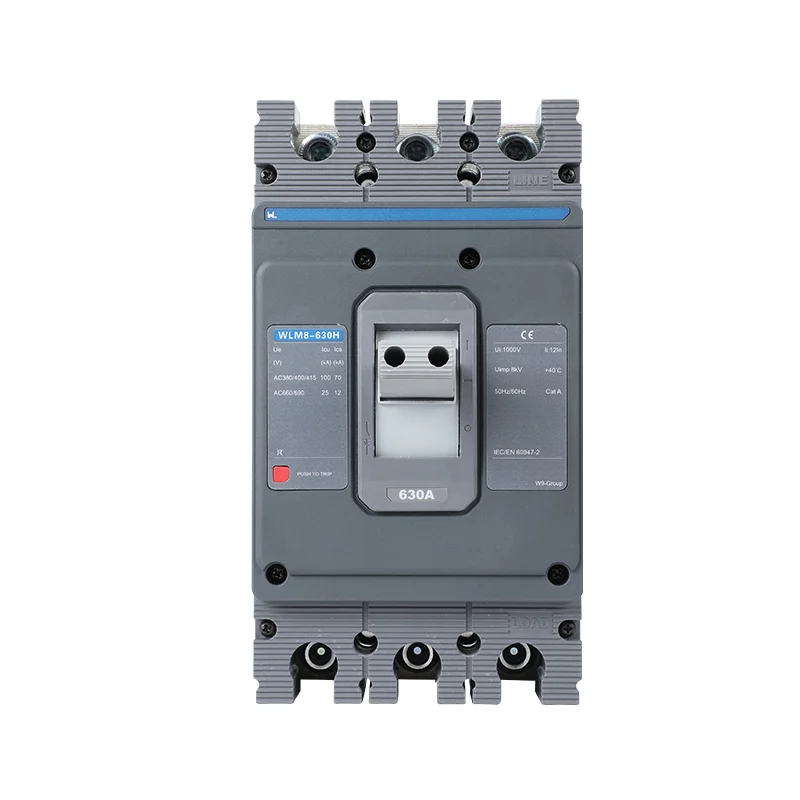
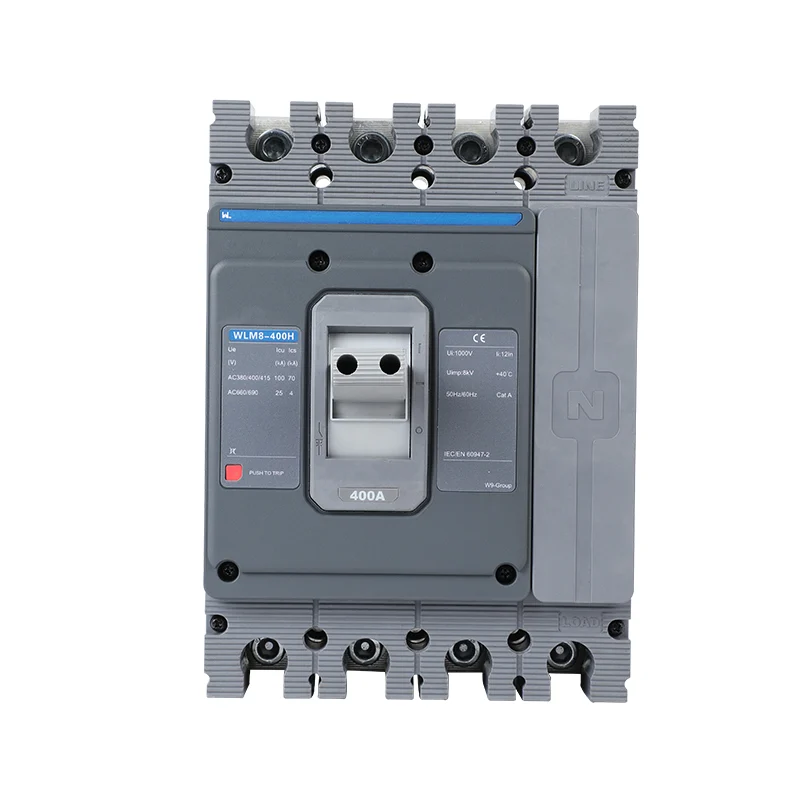
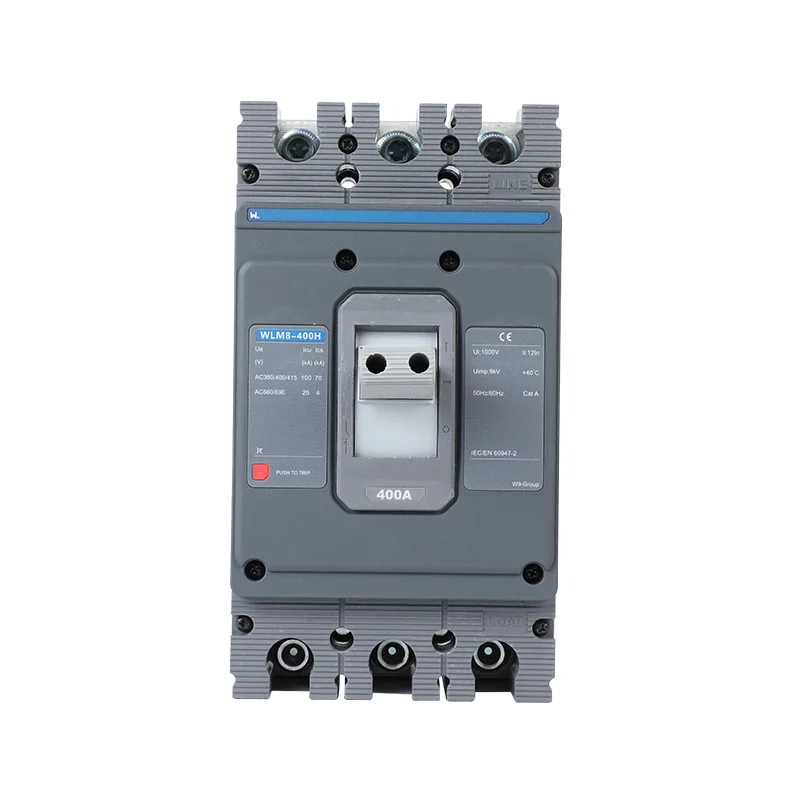
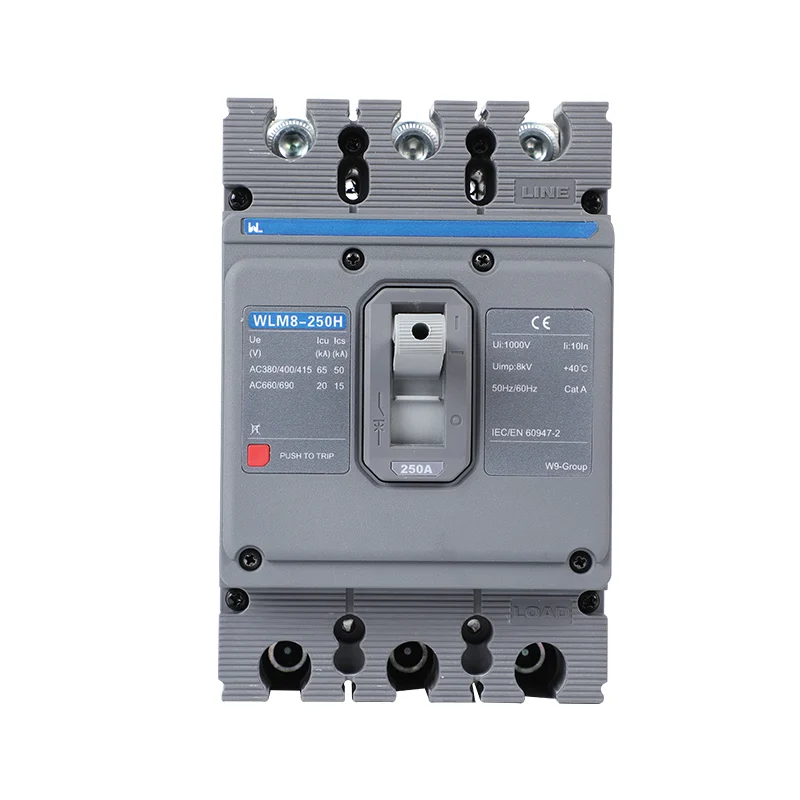















3극 ACB의 이해: 드로우아웃 타입 대 고정 타입
3극 ACB를 고정형과 견인식으로 비교하는 스위치보드 구매 담당자는 단순히 정격 전류가 일치하는 것만으로는 충분하지 않습니다. 조달 과제는 선택된 차단기, 크래들, 제어장치 및 서비스 접근부가 승인된 조립체에 적합한지 확인하는 것입니다. 구성별 도면이 없으면 견적만으로는 호환성이나 프로젝트의 중성선 관련 요구사항을 해결할 수 없습니다.
Summary: A 3-pole ACB (air circuit breaker) switches and protects the three phase conductors of a three-phase system; it does not switch the neutral. Choose drawout (withdrawable) construction when testing, rapid replacement or high availability justify a cradle and interlocks; choose fixed when simpler, compact hardware is acceptable. Before ordering, verify continuous current, fault current, short-time withstand and trip settings under IEC 60947-2 and IEC 61439 (or UL 1066/NFPA 70 where applicable).
Three-Pole ACB Configuration
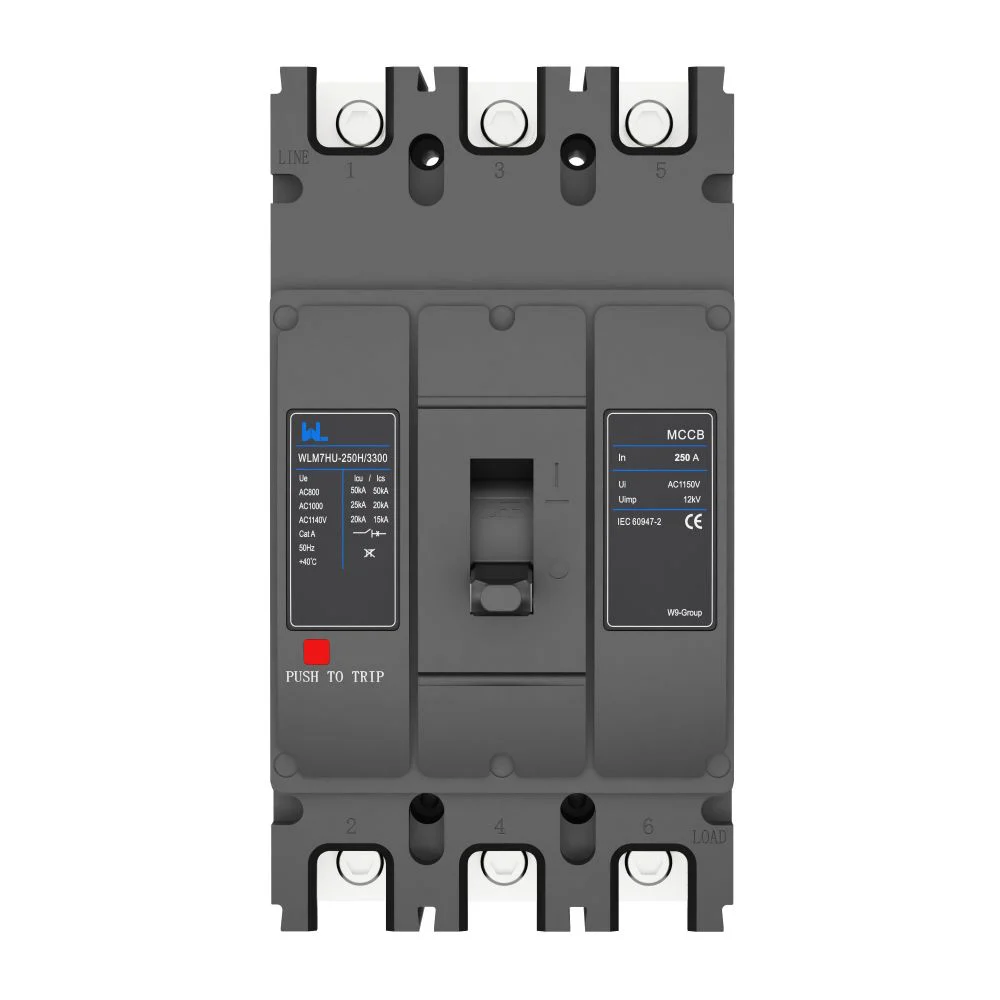
“Three-pole” identifies the number of main current paths, not the breaker’s frame size or interrupting capacity. In a typical three-phase, three-wire distribution system, the ACB opens all phases together for overload and 단락 보호. A separate neutral remains unswitched. Whether the neutral requires switching, routing outside the breaker or monitoring must be established from the approved one-line diagram, local installation rules and exact device documentation, not from the three-pole label alone.
ACB는 아크 소호 매체로 공기를 사용하며, 전자식 또는 전기기계식 트립 유닛을 통해 이상 전류를 감지합니다. 유용한 정격으로는 프레임 정격 또는 센서 정격, 정격 작동 전압(U) 등이 있습니다.e), service or ultimate short-circuit 파괴 능력 (Ics/Icu, according to the applicable standard), and short-time withstand current (ICW). These values must be read at the project voltage and frequency; a headline ampere number alone is not a design approval. The air circuit breaker types guide provides broader family context, not model compatibility evidence.
Protection is normally divided into long-time, short-time, instantaneous and ground-fault functions. Use manufacturer time-current curves and the project short-circuit study to confirm selectivity.
Drawout (withdrawable) 3-pole ACB
A drawout ACB plugs into a dedicated cradle and can be moved through connected, test and disconnected positions. Primary stabs, secondary control plugs, shutters and position indicators make it possible to test or replace the breaker after following the manufacturer’s isolation and racking procedure. Mechanical and electrical interlocks should prevent racking under load or closing in an unsafe position.
The principal benefit is maintainability. A critical plant can keep a compatible spare breaker ready while technicians inspect the withdrawn unit. Testing in a defined position can reduce outage duration, but arc-flash boundaries, lockout/tagout and absence-of-voltage checks still apply. The cradle also consumes panel depth and requires accurate busbar alignment and lifting access.
Drawout hardware adds cost and inspection points. Specify the exact cradle, coding, shutters, secondary disconnects and accessory kit; mixing families can defeat interlocks or create incompatible control wiring. Include a racking checklist and spare-part plan in the handover documents.
For a drawout quotation, ask the supplier to identify the exact breaker order code, cradle part number and drawing revision together. Request written confirmation of the primary-contact interface, mechanical coding, shutters, interlock scheme, secondary connector and accessory/control-voltage configuration; a matching frame size does not establish interchangeability. Also request the selected model’s position chart: for each named position, what is the documented primary-contact condition, which secondary control circuits remain connected, and which operations are permitted? Treat these as document-review questions, not a racking sequence. A position label or indicator alone is not proof of electrical isolation; the exact manual and approved project procedure remain necessary.
Fixed 3-pole ACB
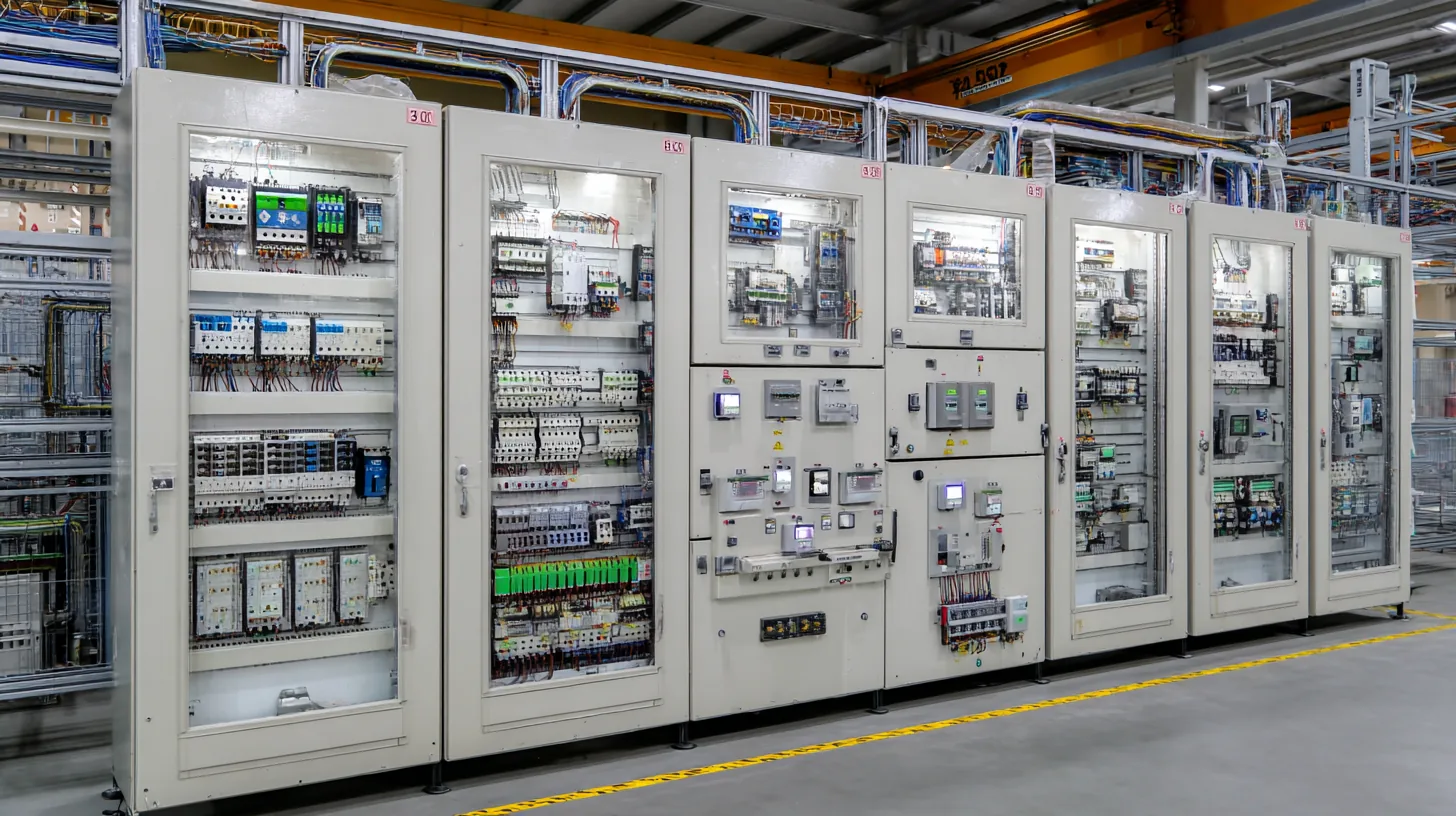
A fixed ACB is bolted or bus-connected directly into the assembly. It has fewer moving interfaces, a straightforward layout and usually a lower initial hardware tendency. For a stable utility board or an OEM panel that is rarely serviced, this simplicity can improve repeatability and free space for cable termination.
The trade-off appears during maintenance. Isolation, proving dead, disconnecting conductors and lifting the device normally require a longer planned outage than exchanging a drawout unit. A fixed breaker can still include test facilities, communication and shunt or undervoltage releases, but those accessories do not create a removable service position. Confirm the panel builder’s access, torque and inspection procedure before selecting fixed construction.
Drawout vs Fixed ACB Comparison
| 결정 차원 | Drawout 3-pole ACB | Fixed 3-pole ACB | Design implication |
|---|---|---|---|
| 설치 | Cradle, shutters and position interlocks required | Direct mounting with fewer mechanical parts | Allow enclosure depth and verification time for drawout |
| 보수 | Test/disconnected positions support planned work | Isolation and disconnection normally needed | Use drawout when outage hours have high operational value |
| Replacement | 호환 가능한 예비 장치를 랙에 장착할 수 있습니다. | Replacement is device- and wiring-specific | Define coding and spare strategy early |
| Continuity | Faster restoration when procedures are practiced | Longer intervention may be acceptable on noncritical feeders | Base the choice on an availability target, not preference |
| 총 소유 비용 | Higher hardware tendency; lower downtime potential | Lower hardware tendency; possible higher outage labor | Compare lifecycle cost with realistic labor and outage assumptions |

Three-Pole ACB Applications
| Application profile | Why three poles may fit | Construction and evidence to request |
|---|---|---|
| Three-wire motor or process feeder | No switched neutral in the defined system | Fixed or drawout after coordination; submit motor-start and fault-current calculations |
| 제조업 주요 수입원 | Protects the three phases at high continuous current | Drawout often merits review for testing and spares; require ICW, Ics/Icu and curves |
| 데이터 또는 프로세스에 중요한 보드 | Three-phase loads can remain isolated by phase set | Drawout with communication, position alarms and documented racking procedure |
| Four-wire system with neutral hazards | Three poles may leave neutral connected | Confirm neutral policy; evaluate four-pole ACB, residual-current behavior and local code |
| OEM panel replicated across sites | Standardized phase protection simplifies drawings | Fixed can improve repeatability; freeze accessory and terminal schedules |
ACB Coordination and Lifecycle Cost
Start with the load schedule: nominal voltage, frequency, design current, duty cycle, ambient temperature, altitude and conductor ampacity. Then obtain the 예상 불량 전류 at the ACB terminals, including transformer, generator, UPS and motor contributions. Check breaking capacity at the stated voltage and verify that the breaker can withstand the let-through current while a downstream device clears. Use the ACB protection overview for background; final approval still depends on project-specific documentation.
For example, an illustrative three-phase load of 800 kW at 400 V and 0.90 power factor draws about 1,283 A (800,000 ÷ [√3 × 400 × 0.90]). The engineer must still apply continuous-load rules, harmonics, starting current and derating before choosing a sensor or frame. Treat this arithmetic as a sizing illustration, not a project setting.
Lifecycle cost includes commissioning tests, racking or disconnection labor, spare breakers, training and the value of an outage. Drawout can pay back when interruption costs exceed the cradle premium; fixed can be rational where shutdowns are short and infrequent. Record assumptions so procurement can compare like for like.
규격 및 준수사항
IEC 60947-2 specifies requirements and verification tests for low-voltage circuit breakers, including ratings, temperature rise, dielectric performance and short-circuit tests. It is a product standard, not a blanket certification for every installation. IEC 61439 addresses the low-voltage switchgear assembly; the panel builder must verify the complete arrangement, including drawout compartments, clearances and temperature rise.
For North American projects, UL 1066 covers low-voltage AC and DC power circuit breakers used in enclosures, while NFPA 70 (NEC) governs installation matters such as conductor protection and working space. A claim such as “UL compliant” must match the exact listed product and conditions of use. The destination market, authority having jurisdiction and project specification determine which evidence is required.
Three-Pole ACB Procurement Checklist
- Mark the one-line diagram “3P” only after confirming whether the neutral must be switched, grounded or monitored.
- Issue a schedule with Ue, continuous current, poles, frequency, Ics/Icu, ICW, trip functions, terminals and ambient conditions.
- Compare drawout and fixed total cost using outage hours, spare strategy, panel space and operator access.
- Require coordination curves, short-circuit calculations, dimensional drawings, accessory compatibility and routine-test records.
- Before release, verify the exact configuration against IEC or UL evidence and the assembly builder’s IEC 61439 or local verification route.
Before releasing a 3-pole ACB order, reconcile the breaker and cradle schedule with the approved one-line diagram, terminal drawings and assembly layout. Ask the responsible project reviewer to confirm pole count, neutral routing and any neutral switching or monitoring requirement under local installation rules and the exact device documentation. Do not infer a neutral arrangement from the words fixed or drawout, or approve one from a generic application category. Record document identifiers and revisions, required maintenance clearances, the supplier’s compatibility response and unresolved differences. If the exact ACB manual is unavailable, keep position, secondary-control and isolation questions open rather than treating the quotation as an approved operating procedure.
W9 Group’s public product information covers low-voltage protection equipment, including ACB configurations. When requesting a quotation, ask for configuration-specific drawings and test evidence rather than relying on a generic family statement. The WEW1 ACB product page is a useful starting point for comparing fixed and withdrawable options.
자주 묻는 질문
Is a 3-pole ACB suitable for a four-wire system?
It can protect the three phases, but the neutral remains connected. Confirm the earthing arrangement, neutral current and local code; a four-pole ACB may be required where simultaneous neutral isolation is specified.
What is the difference between drawout and withdrawable ACB?
In most low-voltage catalogs the terms describe the same cradle-mounted construction with connected, test and disconnected positions. Always verify the manufacturer’s terminology, interlock scheme and accessories in the drawings.
Does drawout always provide better reliability?
Drawout can shorten maintenance outages, but it adds stabs, shutters and racking mechanisms that need inspection. Reliability improves only when the assembly is correctly aligned and operators follow the documented procedure.
How do I size a 3-pole air circuit breaker?
Use the design current and conductor ampacity, then check voltage, prospective fault current, breaking capacity, short-time withstand and coordination. Have the final 여행 설정 reviewed by the responsible electrical engineer.
Which standard proves an ACB is approved?
IEC 60947-2 or UL 1066 provides product requirements; IEC 61439 and NFPA 70 address assembly and installation. Approval depends on the exact configuration, destination market and evidence accepted by the authority having jurisdiction.
참고문헌
- IEC 60947-2:2024 — 회로 차단기 범위.
- IEC 61439-2:2020 — 전력 차단 장치 조립체.
- 슈나이더 일렉트릭 — 현장 테스트 및 유지보수 가이드, 제조사별 범위.
The dependable choice is the one whose poles, ratings, access and evidence all match the system. For a configuration review, browse the product range. Contact W9 with your one-line diagram, load schedule and destination standard for a configuration review.
업무별 검토를 위해, W9 그룹에 문의하기 일련도 다이어그램, 스위치보드 배치 및 필요한 부속기능을 포함합니다.