











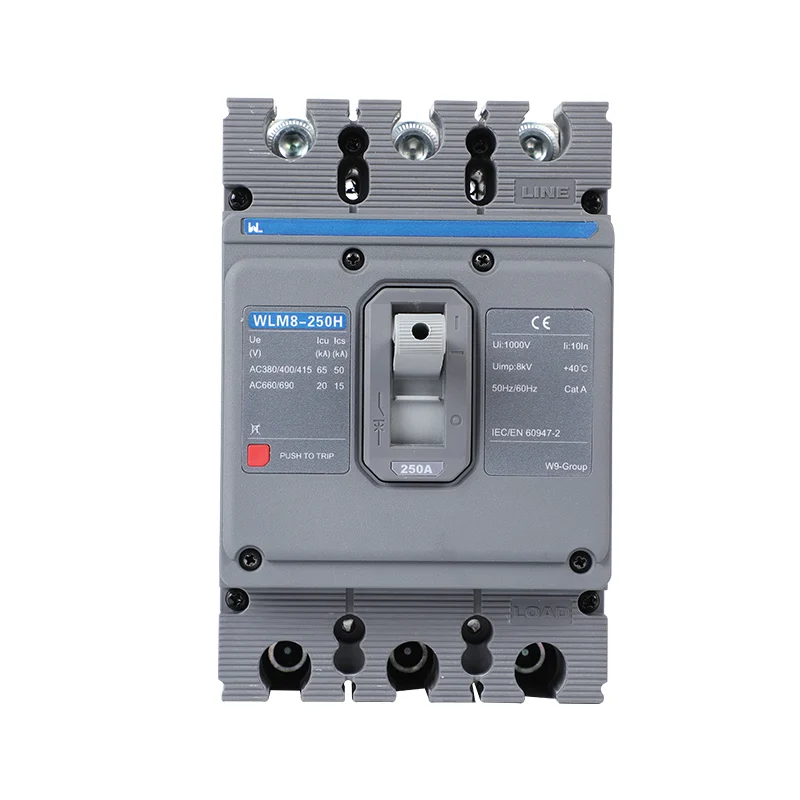





















Buying a PV DC Circuit Breaker: What to Check Before You Order
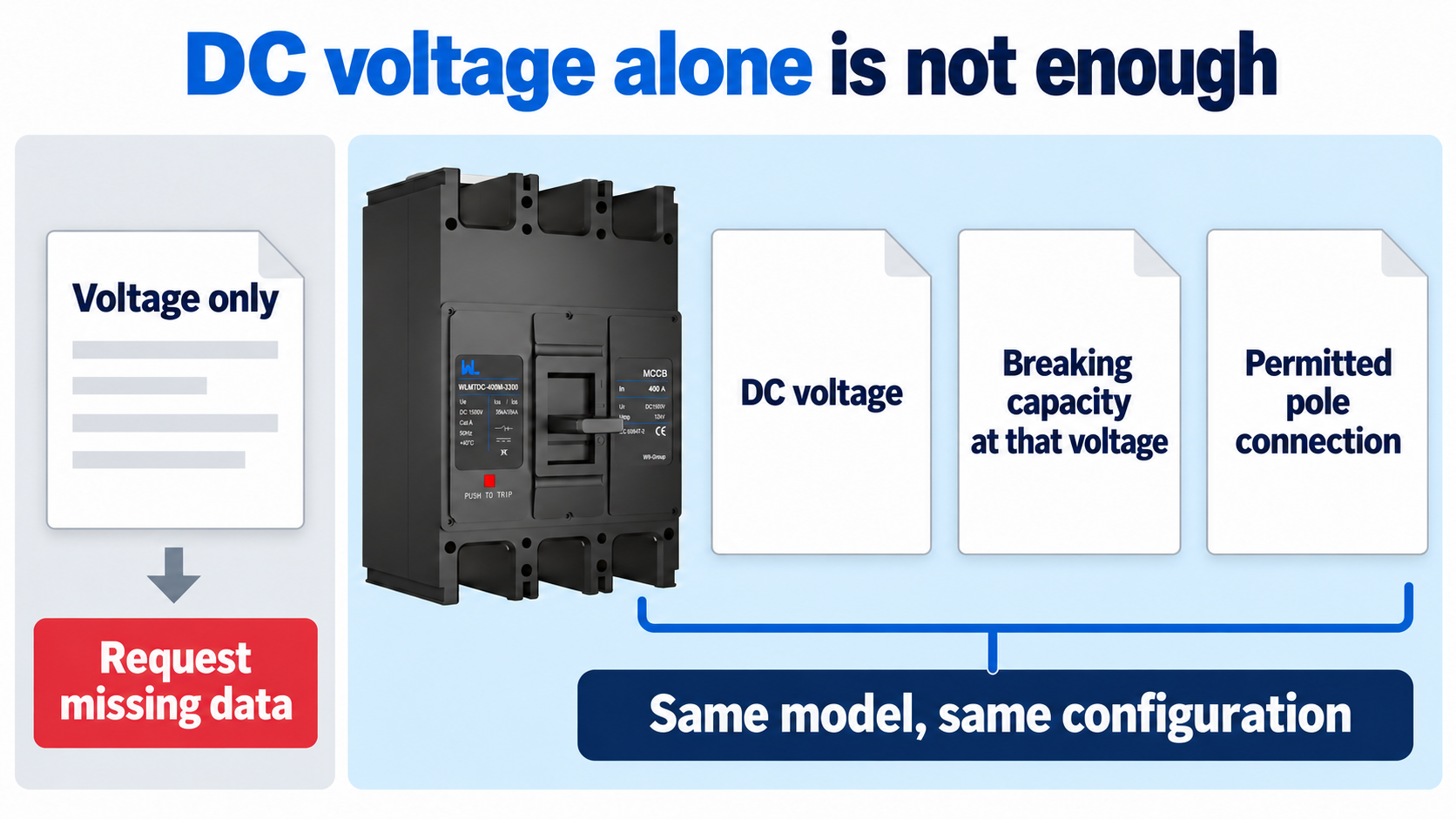
Two PV breaker quotations can look similar until you read the details. One may quote the range’s highest DC voltage without showing the pole connections it requires. Another may offer the right current rating but leave out the breaking capacity at your project voltage. Neither gives you enough information to place a sound order.
A PV DC breaker procurement checklist helps make those gaps visible. Start with the circuit requirements, then ask every supplier to quote against the same schedule. A 1500 V DC headline describes a capability somewhere in the range; you still need the rating and connection drawing for the exact device being offered.
PV DC Circuit Requirements for Breaker Selection
State where the breaker will be installed: a PV string, combiner output, inverter input or battery circuit. Those locations can have different source contributions and reverse-current paths. ABB’s PV range also distinguishes breakers from switch-disconnectors, so make clear whether the enquiry calls for overcurrent protection, switching or both.
Include maximum operating voltage, design current, prospective fault current, earthing arrangement and the conductors to be disconnected. Give the supplier the expected ambient conditions too. For a PV array, calculate maximum string voltage from module open-circuit voltage and the relevant temperature correction rather than using nominal inverter voltage.
Name the required product standard and destination market. IEC 60947-2 is commonly specified for industrial circuit breakers, but the supplier still needs to show that the quoted model meets the required duty and approval requirements.
DC MCCB Voltage and Breaking Capacity
Ask your DC circuit breaker supplier for voltage and breaking capacity as a pair, with the permitted connection. Frame size and trip rating are separate entries. The guide to 1000 V DC and 1500 V DC MCCBs explains why a voltage figure is only useful when the pole arrangement is known.
| Quotation item | Acceptable evidence | Reason to hold the order |
|---|---|---|
| Operating voltage | Datasheet for the exact model and connection | Only a series maximum is supplied |
| Interrupting capability | Value at the project DC voltage and stated test conditions | An AC rating is copied into a DC enquiry |
| 폴란드 배열 | Manufacturer’s permitted connection drawing | Installer is expected to invent series links |
| Protection duty | Trip-unit description and usable settings | A disconnector is quoted as an overcurrent breaker |
| Installation conditions | Derating, terminals, clearances and mounting information | Catalogue current is assumed valid in every enclosure |
For IEC industrial breakers, distinguish Icu, the ultimate breaking capacity, from Ics, the service breaking capacity. State what the project requires. A higher ampere rating cannot make up for an inadequate fault rating, and a large kA value does not establish conductor protection or selectivity.
DC Breaker Datasheets and Certification Records
Request the complete order code, current datasheet, outline drawing, electrical connection drawing and installation manual. Add the conformity or certification records required by the contract. Agree which document revisions apply to production so the approved offer and delivered equipment can be compared.
The model-specific documentation should match both the quotation and the delivery. Check any certification with its issuer where possible, including the manufacturer, model, standard and conditions. If the brand and factory names differ, ask the supplier to explain the relationship. A certificate for a different frame or a management system does not establish approval of this product.
Agree the incoming inspection before releasing the order. Check the label, pole count, accessories and packaging identification against the approved schedule, and specify which routine-test records must accompany delivery. Keep those receiving checks separate from site commissioning and high-power interruption testing.
| Buying situation | Additional requirement | Commercial issue avoided |
|---|---|---|
| OEM repeat production | Revision control and notification of design changes | Unreviewed substitutions between batches |
| Project switchboard | Approved interface and assembly verification | Rework after panel fabrication |
| Service replacement | Existing model, dimensions and system study | Assuming equal amperage means interchangeability |
| Export contract | Destination approval and language requirements | Shipment rejection or missing installation instructions |
DC MCCB Price and Installation Costs
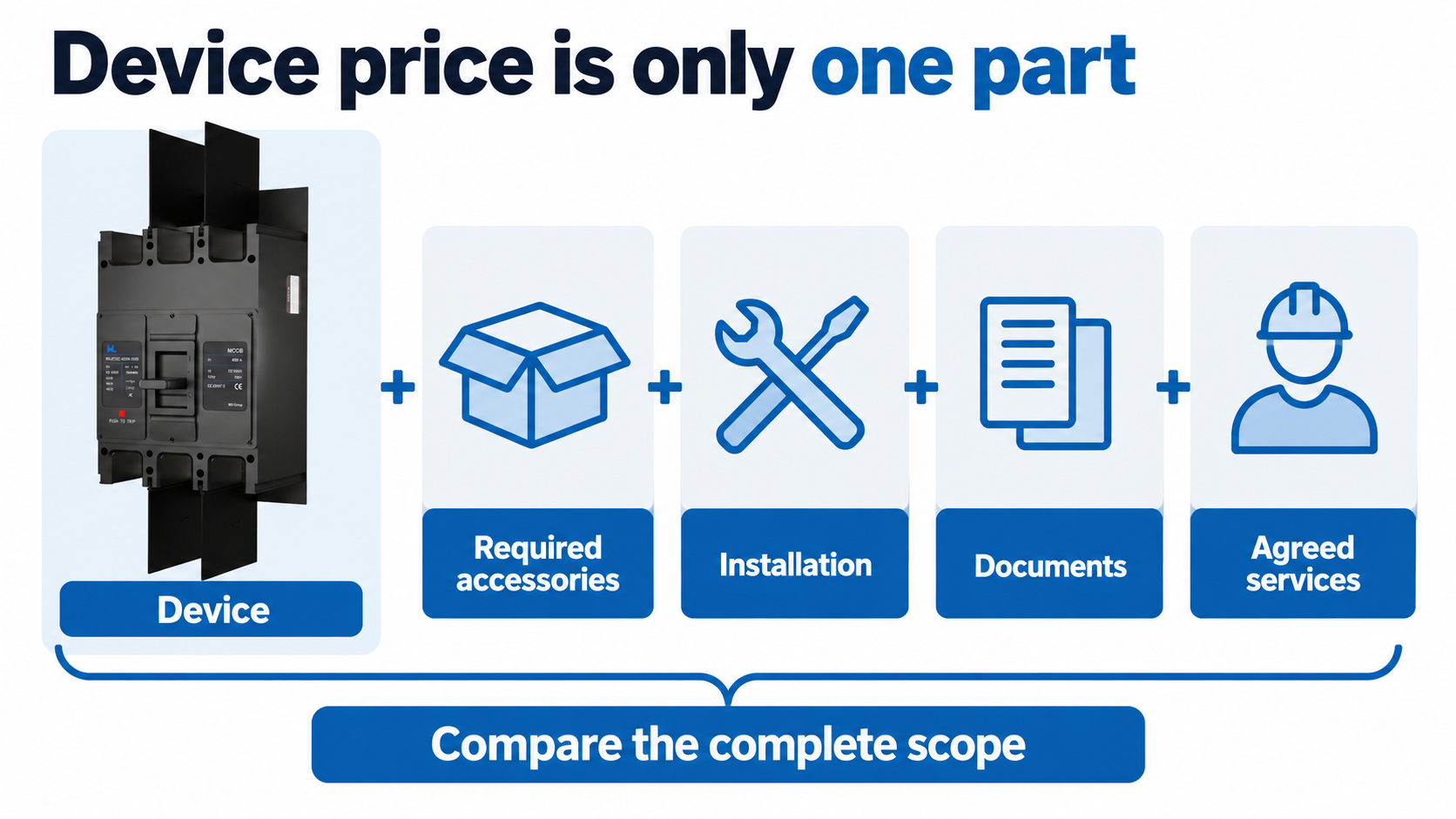
A useful DC MCCB price comparison includes everything needed to install and use the breaker: terminals, barriers, operating mechanisms, releases, documents, transport, commissioning and spares. Also compare delivery commitments and how the supplier handles technical deviations.
Use an itemized cost sheet: device price plus required accessories, installation work, documentation and agreed service costs. Fill it with supplier quotations and your own labour assumptions. Only include a projected downtime saving if you have operating data to support it.
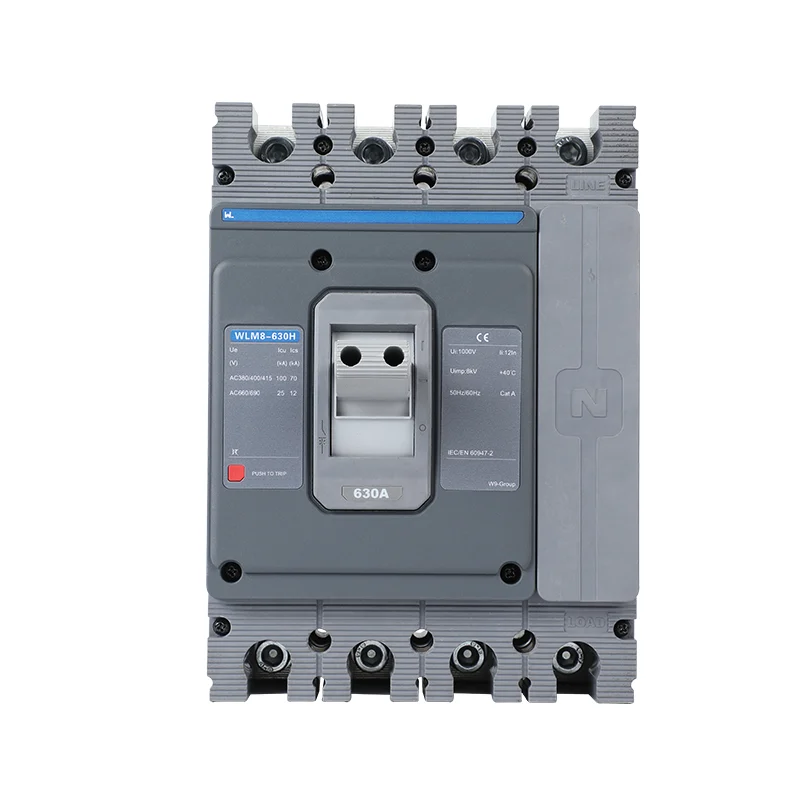
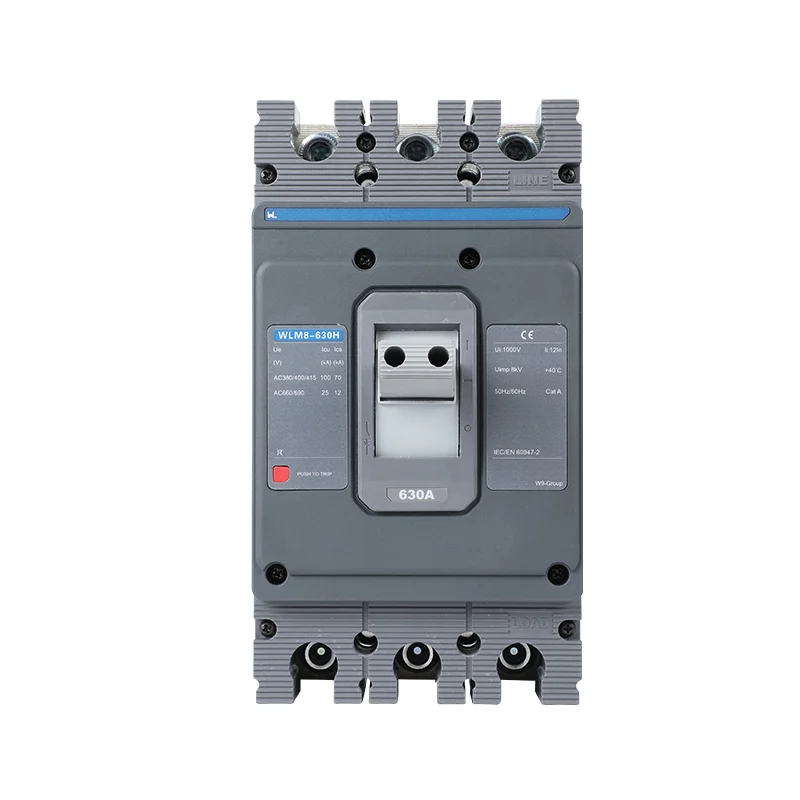
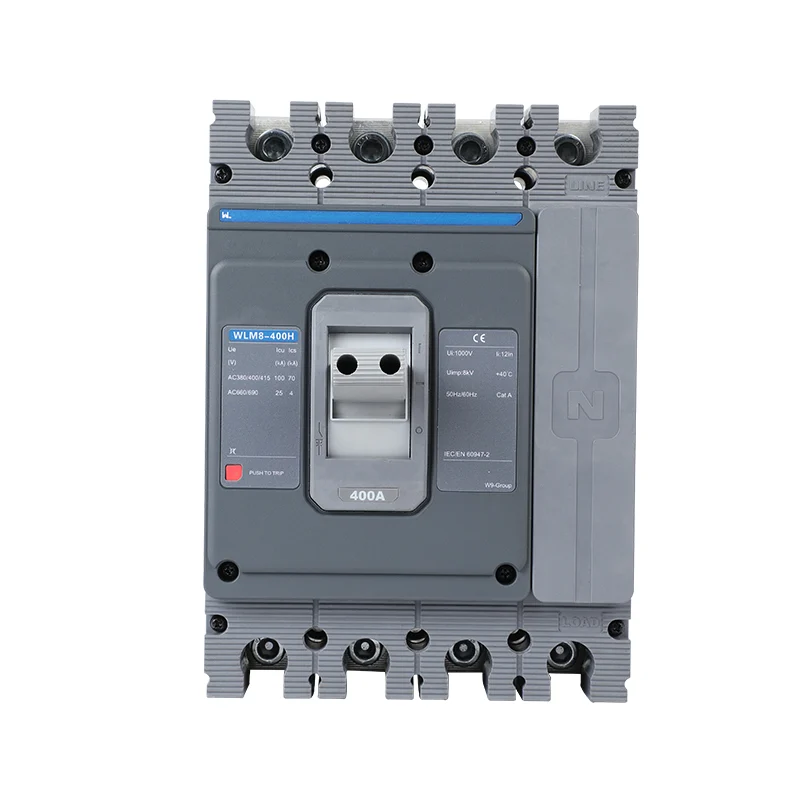
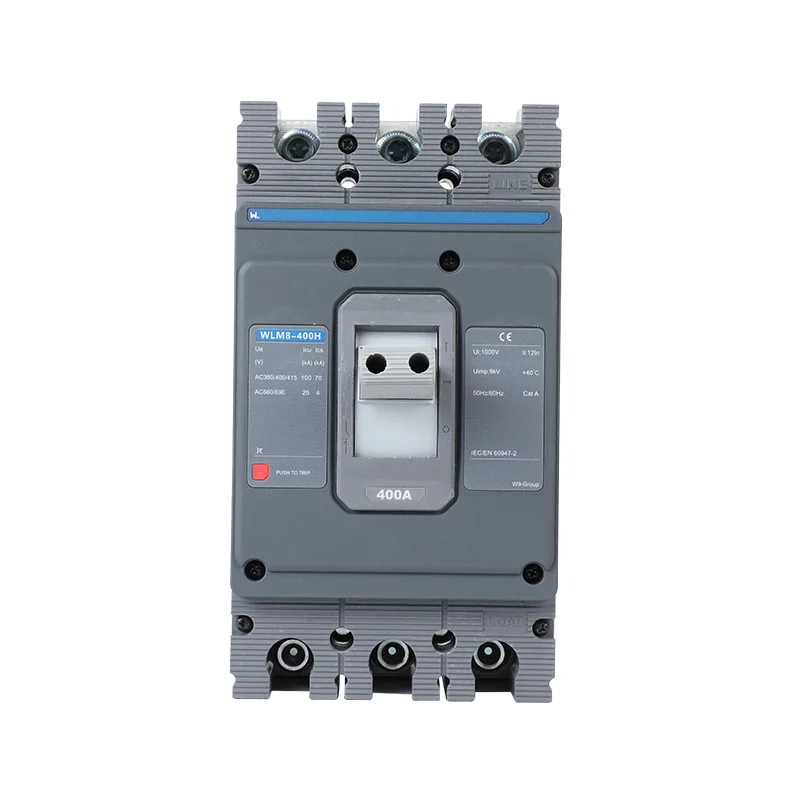
For a W9 enquiry, the WLM7DC DC MCCB range provides a starting point. Send the required voltage, fault duty and installation arrangement, and request a complete code with its pole-connection drawing and accessory list. The written offer should make clear which configuration you will receive.
PV DC Breaker Procurement FAQs
Where can I get a DC MCCB installation manual?
Ask the manufacturer for the manual covering the exact order code and revision. It should give the permitted connections, clearances, conductor requirements and operating instructions.
Is a catalogue enough to choose a DC MCCB?
A catalogue helps you shortlist a family. Before ordering, obtain the exact model’s datasheet, connection drawing and quotation so the selected configuration is clear.
Can another brand’s DC MCCB serve as a purchasing reference?
Yes. An Eaton or other reference model can help communicate the intended duty. The proposed alternative still needs a review of its ratings, mounting, connections, coordination and approvals.
Can an AC circuit breaker be used on DC?
Only if the manufacturer declares a suitable DC rating and connection for that model. An AC rating alone is insufficient because the interruption conditions differ.
What does MCCB mean?
MCCB stands for molded-case circuit breaker. It describes the insulating enclosure construction; current range, trip functions and DC capability depend on the particular model.
What belongs in a DC breaker quotation?
Include the complete order code, electrical ratings, pole arrangement, accessories, documents and commercial terms. List any deviations from the enquiry and obtain technical acceptance before production.
DC Circuit Breaker Technical References
- ABB: higher-voltage solar circuit breakers and switch-disconnectors
- HSE: electrical inspection, competence and secure isolation
- Electrical Installation Guide: fundamental circuit-breaker characteristics
PV DC Breaker Purchase Order Requirements
The purchase order should identify the breaker as precisely as the approved drawing does. Attach the selected code, ratings, connections and accessory schedule, and agree who handles receiving inspection and commissioning. To request a W9 quotation, send your single-line diagram, electrical requirements, destination market and quantity through our DC breaker enquiry form.