







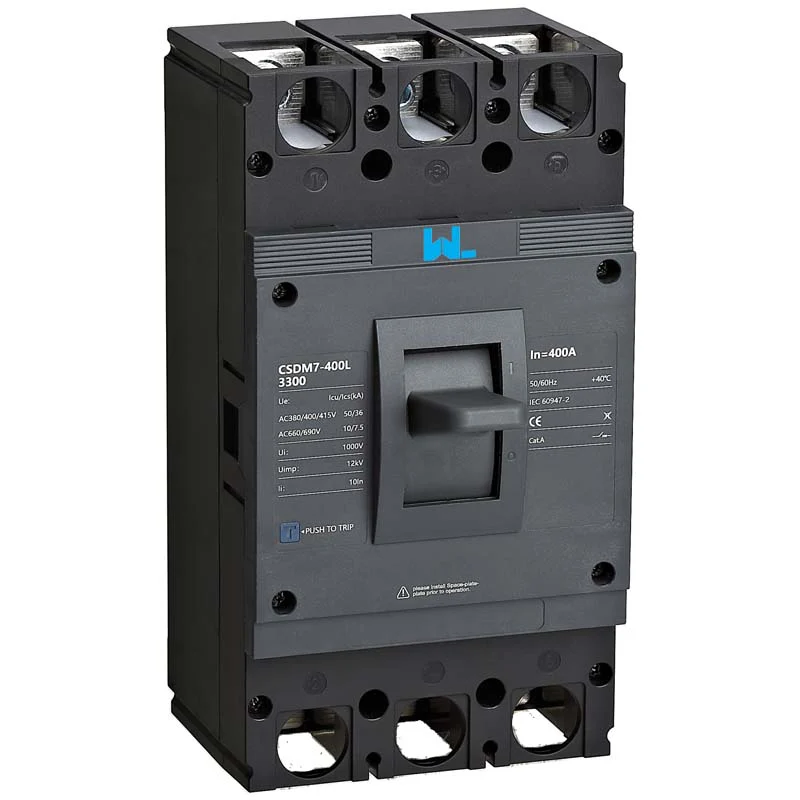





















지능형 전기 시스템의 케이스 차단기의 다양한 장점
한 지능형 MCCB 프로젝트는 기본적인 인터페이스에서도 여전히 실패할 수 있습니다. 예를 들어, 피더 차단기가 작동하면 계측판에는 “개방” 상태만 표시되고, 유지보수 팀은 해당 사건이 계획된 명령에 의한 것인지 아니면 보호 동작에 따른 것인지 파악할 수 없습니다. 따라서 상시 연결된 보호 장치의 가치는 정확하게 설정된 차단 기능, 센서, 보조 접점, 제어 전원 및 이벤트 기록에 달려 있습니다.
요약: MCCB는 개폐, 절연 및 과전류 차단 기능을 통합합니다. 지능형 시스템은 정확한 트립 유닛과 부속품이 해당 기능을 제공하는 경우에 한해 센싱, 조정 가능한 트립 기능 또는 신호 전달 기능을 추가합니다. 조정 가능한 설정은 케이블의 허용 전류 용량이나 차단 용량을 증가시키지 않습니다. 먼저 전압, 프레임, 극수, 고장 전류 내성 및 협조성을 선정한 다음, 모니터링 시스템이 어떤 정보를 보고해야 하는지와 각 신호를 어떻게 검증할 것인지 정의하십시오. 지능형 배전반은 단순히 네트워크로 연결된 차단기가 아니라 문서화된 보호 시스템입니다.
연결된 전력 시스템에서의 MCCB
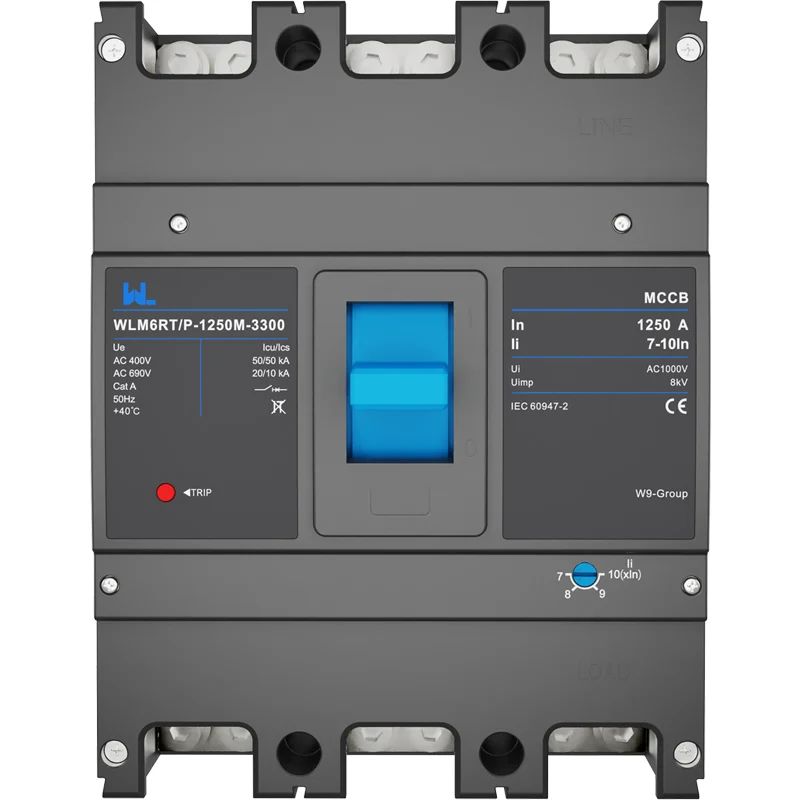
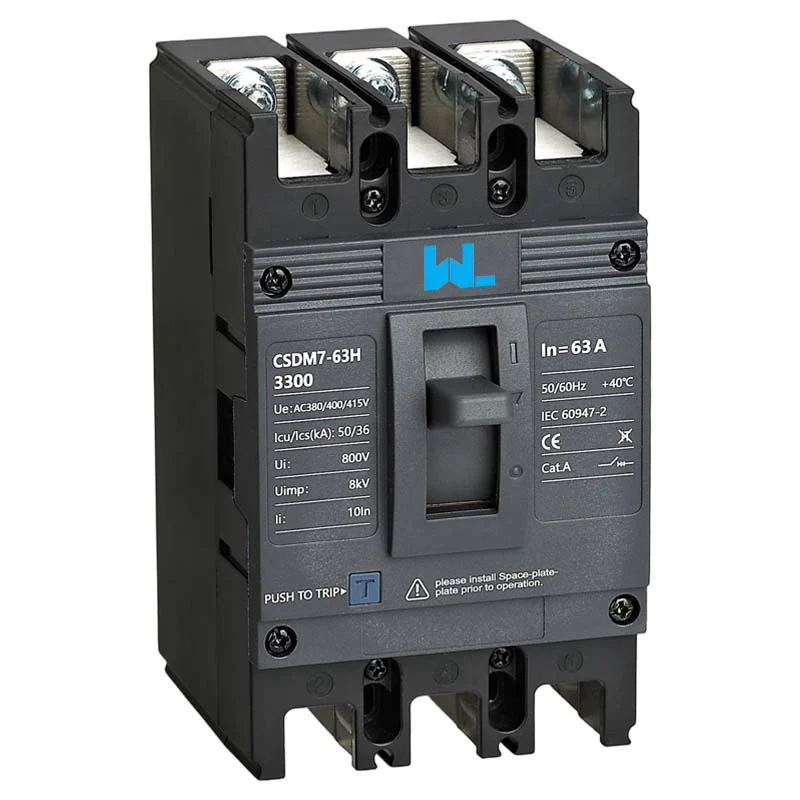
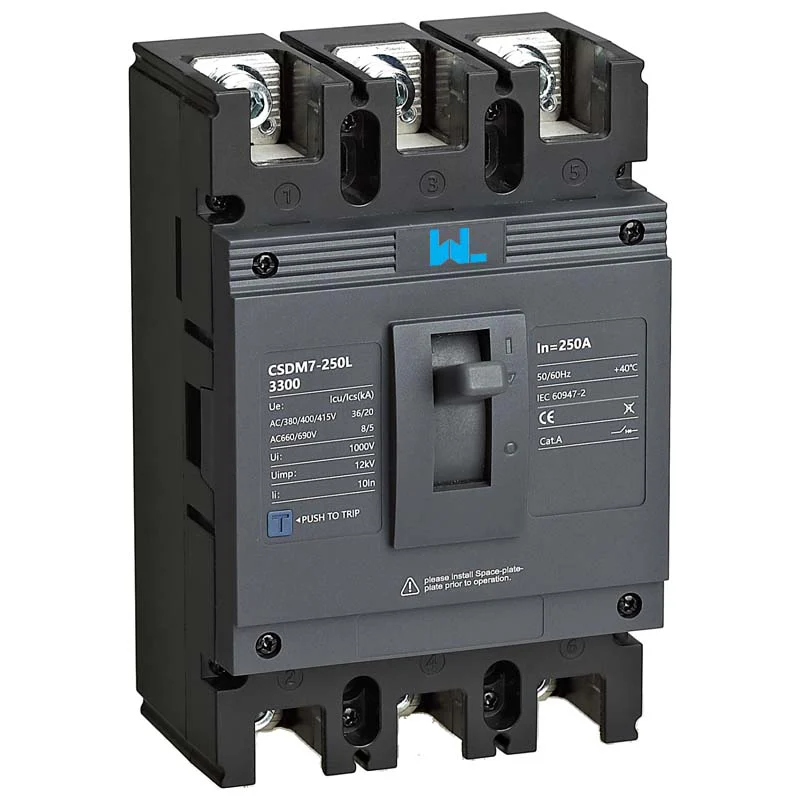
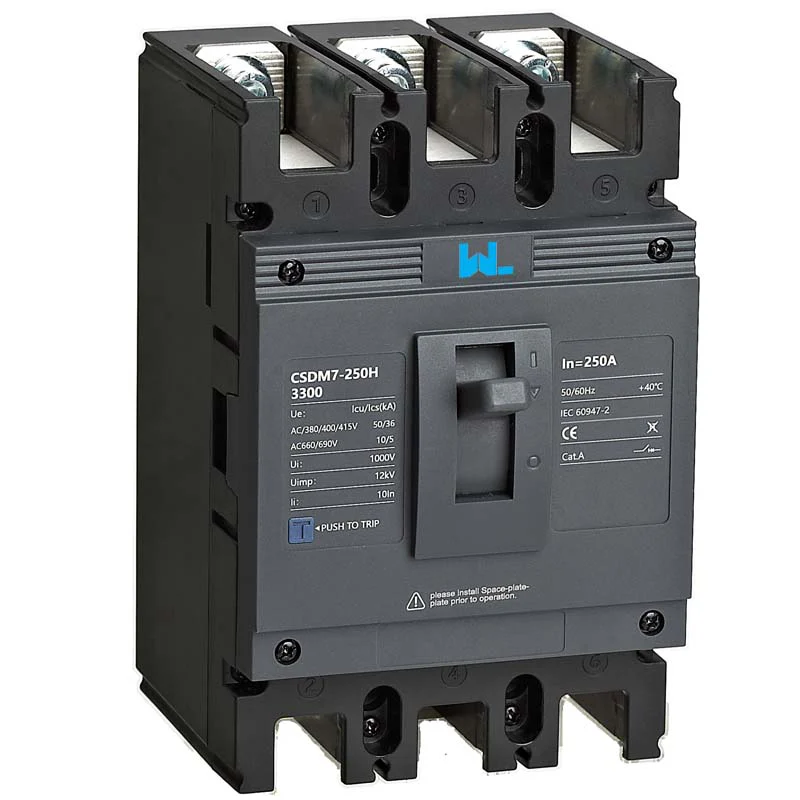
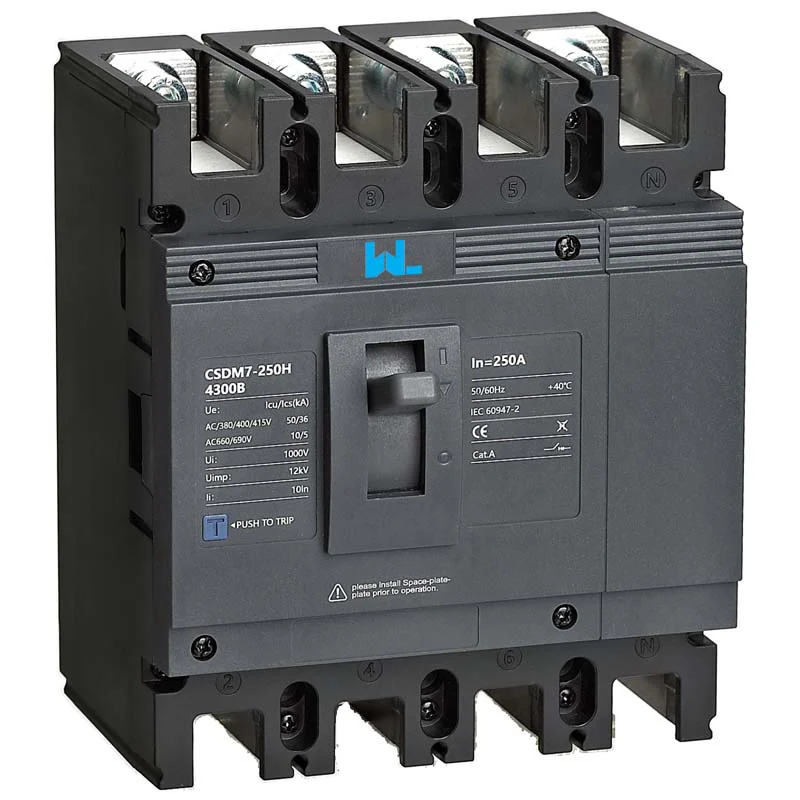
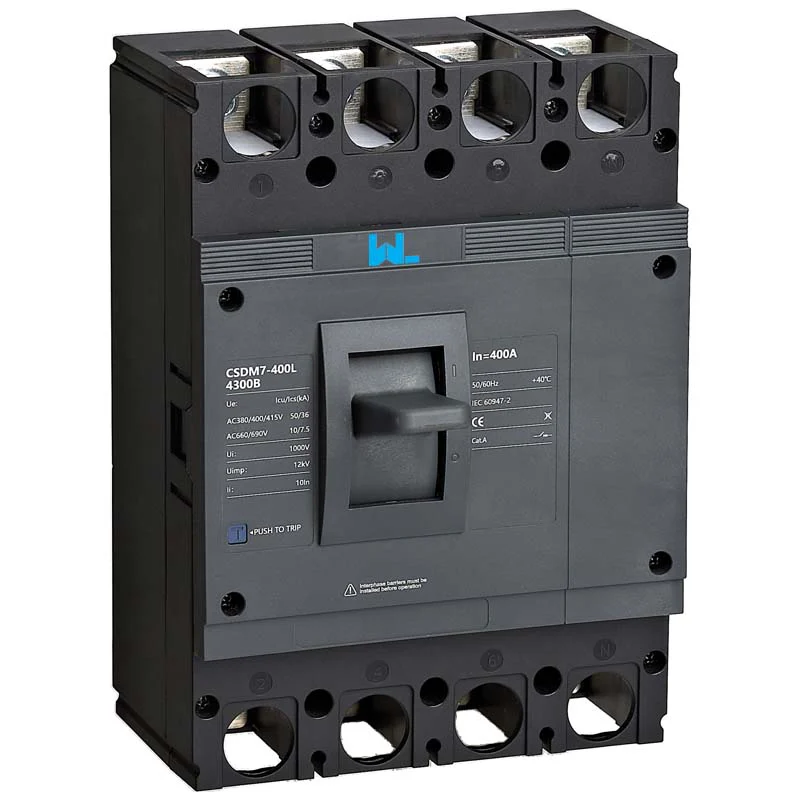
MCCB는 과부하 및 단락으로부터 피더 또는 설비의 분기 회로를 보호하는 동시에 절연 기능을 제공합니다. 지능형 배전반에서는 이 장치가 보조 접점과 호환되는 부속품을 통해 개방/폐쇄 상태, 트립 표시 또는 계측 정보를 출력할 수 있습니다. 이러한 신호를 통해 프로그래머블 컨트롤러나 에너지 관리 플랫폼은 계획된 정전과 보호 동작을 구분할 수 있습니다. 차단기는 무엇보다도 안전 장치로서의 본질을 유지하며, 네트워크 연결은 전압, 절연 및 사이버보안 요구사항에 맞게 설계되어야 하는 추가적인 기능 계층에 해당합니다.
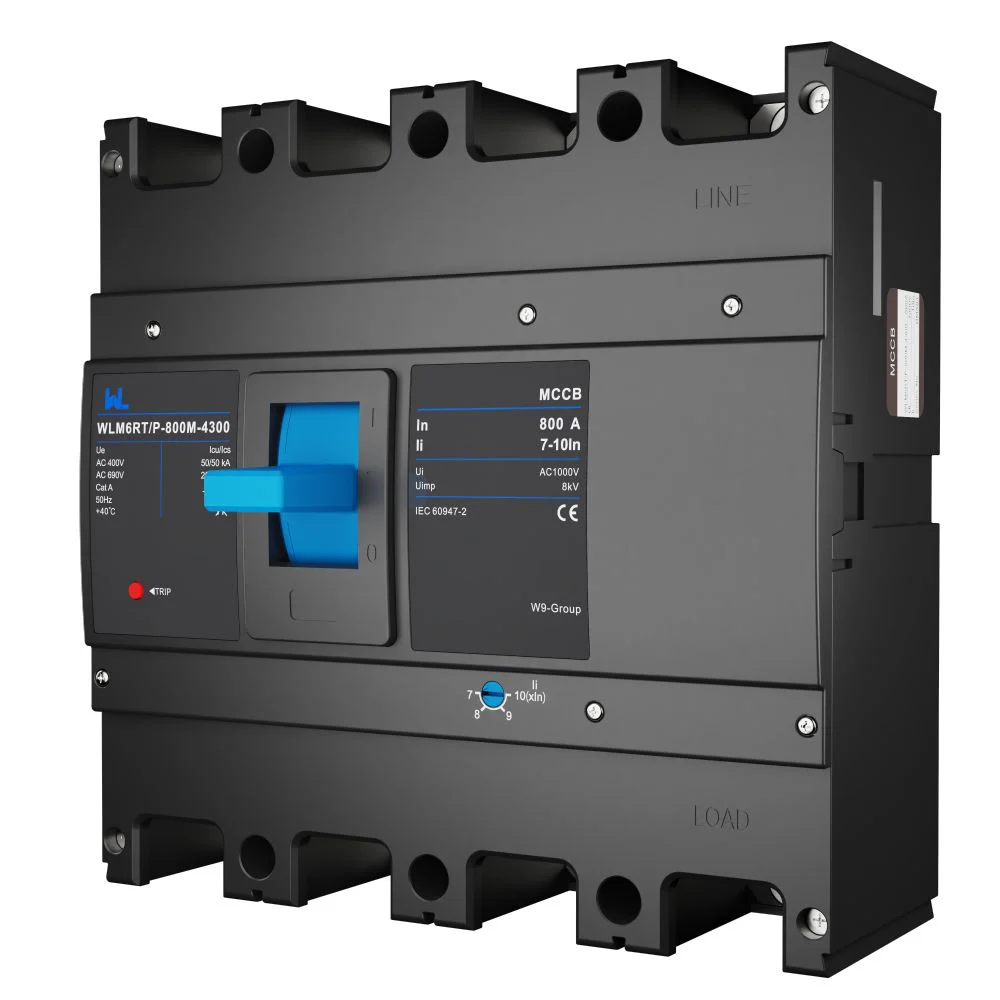
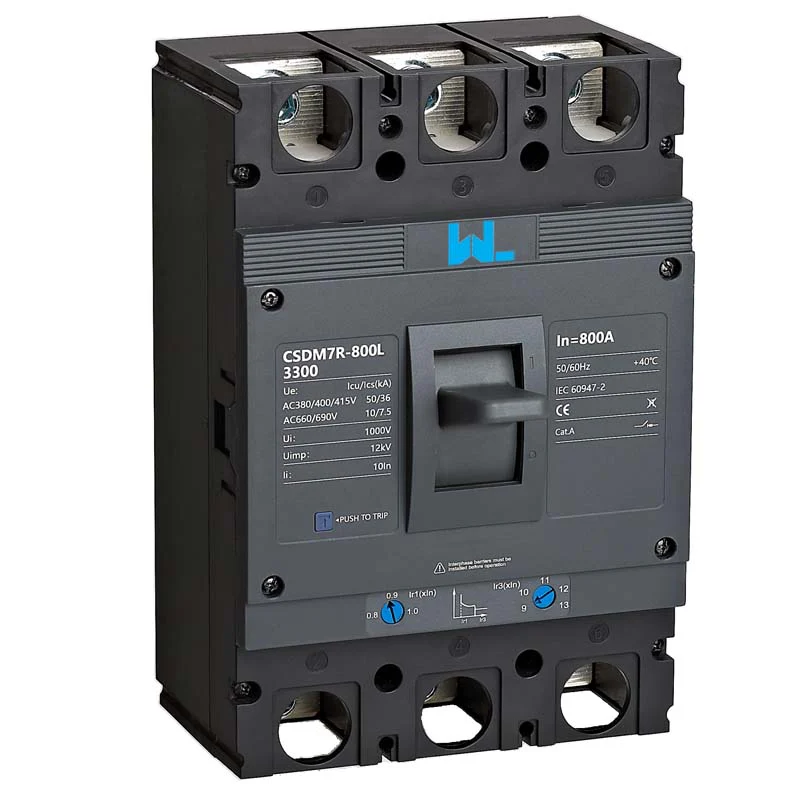
열-자기식 트립 장치는 지속적인 과부하에는 열동 요소를, 고전류에는 자기 요소를 사용합니다. 전자식 트립 장치는 장시간, 단시간, 즉시 작동 및 지락 기능을 추가할 수 있으며, 규정된 범위 내에서 설정값 또는 지연 시간을 조정할 수 있습니다. 중요한 구분 기준은 “디지털이 더 안전하다’는 것이 아니라, 선택된 동작 특성이 도체의 허용 전류 용량, 설비의 내전압 성능 및 가용 단락 전류와 적절히 조화를 이루는지 여부입니다. 제조업체가 제공하는 시간-전류 특성곡선과 시험 지침이 가장 중요한 근거가 됩니다.
증거를 갖춘 MCCB의 이점
선택적 보호 및 연속성
코디네이션 기능은 상류와 하류의 차단 시간을 비교하여 고장 발생 시 가장 가까운 장치가 먼저 개방되도록 합니다. 조정 가능한 장시간 및 단시간 설정을 통해 고정된 특성곡선보다 더 다양한 코디네이션 옵션을 제공함으로써 건전한 부하의 불필요한 손실을 줄일 수 있습니다. 그 결과, 케이블 임피던스, 모터의 기동 돌입 전류 및 실제 부속 장치 구성이 분석에 포함된다면 생산 라인, 펌프 또는 데이터센터 보조 설비의 전원 공급 연속성을 확보할 수 있습니다.
계획된 부하 확장
부하가 증가할 경우, 적절히 선택된 프레임은 허용 범위 내에서 문서화된 트립 설정 변경을 허용할 수 있습니다. 이는 예비 도체 용량을 생성하거나 차단기의 고장 전류 정격을 증가시키지는 않습니다. 설정을 변경하기 전에 케이블의 허용전류, 최소 및 최대 고장전류, 조정성 및 부속품 호환성을 반드시 재검토하고, 기존의 승인된 설정을 보존하십시오. 왼쪽으로 이동한 기록.
지역 모니터링 및 이벤트 데이터
보조 접점과 경보 접점은 게이트웨이를 통해 차단기의 위치 또는 보호 이벤트를 전달할 수 있으며, 고급 트립 유닛은 전류, 고장 원인 또는 이벤트 데이터를 제공할 수도 있습니다. 이러한 신호는 현지 트립 메커니즘, 안전한 절연 조치 또는 시운전 시험을 대체하지 않습니다. 정의하십시오. 신호 진리표 그리고 제어 전원, 통신 또는 보조 전원이 공급되지 않을 때의 동작.
시운전 및 문제 해결
설정 일정은 각 다이얼 또는 파라미터를 피더 태그, 계산 항목 및 승인자와 연결합니다. 시운전, 점검, 토크 체크, 그리고 트립 유닛 매뉴얼에 따라 요구되는 1차 또는 2차 인젝션 시험을 수행할 때에는 ‘사후 상태’ 기록이 생성됩니다. 이후 차단기가 작동하면 기술자는 설정값을 추측하는 대신, 측정된 전류와 트립 이력을 승인된 기준치와 비교할 수 있습니다.
패널 공간 및 여유 공간 계획
MCCB는 차단과 절연 기능을 하나의 몰드형 케이스 내에 통합하여, 많은 저전압 피더에서 퓨즈와 차단기가 별도로 구성되는 방식에 비해 개별 부품 수를 줄입니다. 프레임 계열을 표준화하면 버스바 배치와 예비 부품 관리가 간소화됩니다. 다만, 공통 프레임이라도 각 설치 환경에 맞는 적절한 극수, 단자, 부속품, 그리고 기기 간 및 대지 간 누설거리와 공간거리를 갖춰야 합니다.
라이프사이클 리스크 및 기록
라이프사이클 가치는 보다 드물어진 대규모 정전, 보다 명확한 고장 진단, 계획된 유지보수, 그리고 문서화된 부하 변화 발생 시 재작업 감소에서 비롯됩니다. 전자장치, 통신 모듈 및 테스트는 추가 비용과 교육 요구사항을 수반합니다. 총비용 검토에는 엔지니어링 인건비, 주입 테스트 비용, 교체용 모듈 비용, 가동 중단 시간에 따른 위험 노출, 그리고 잘못된 설정이 초래하는 결과까지 포함해야 합니다. 모든 비용 절감 추정치는 특정 프로젝트에 국한된 것이며, 제품의 보장된 성능으로 간주해서는 안 됩니다.
보호 및 모니터링 증거
| 기능 또는 특징 | 보호하거나 보고하는 내용 | 요청할 증거 |
|---|---|---|
| 장시간 픽업 (Ir) | Sustained overload; coordinates with conductor ampacity | Load calculation, derating basis and recorded setting |
| Short-time pickup/delay (Isd/tsd) | Fault selectivity and motor or transformer inrush tolerance | Time-current overlay and equipment withstand check |
| Instantaneous pickup (Ii) | High-magnitude fault response | Prospective-fault study and manufacturer tolerance |
| Ground-fault (Ig/tg), if provided | Line-to-ground protection suited to the grounding method | Ground-fault test plan and coordination review |
| Auxiliary/alarm or communications | Breaker state, trip cause or measured data to a control system | Wiring diagram, protocol limits and fail-safe logic |
Test the Signal Truth Table
For each monitored feeder, define at least normal ON, intentional OFF and protective trip. Map the AX position, AL alarm, trip indication, communication status and local reset behavior to separate controller points. Test the states with the panel de-energized where possible and use the manufacturer’s method for any injected or simulated signal. Record what happens when control power or communications are unavailable; a stale “healthy” dashboard state must not be mistaken for proof that the feeder is energized.
Applications for Connected Systems
| 응용 | Typical value from an MCCB | Questions before approval |
|---|---|---|
| Commercial and smart buildings | Selective feeders plus status signals for the BMS | Are tenant changes, emergency circuits and local isolation rules covered? |
| Manufacturing and OEM panels | Adjustable protection for motor starts and machine variants | Do settings remain within the starter, cable and enclosure limits? |
| Data and telecom facilities | High availability with event records and maintenance visibility | Are short-circuit ratings, bypass paths and test windows documented? |
| Solar, storage and EV infrastructure | Scalable feeders and monitoring for variable or bidirectional loads | Have DC/AC ratings, backfeed, isolation and arc-flash studies been reviewed? |
Procurement and Compliance Evidence
IEC 60947-2 is the international product standard for low-voltage circuit-breakers; it specifies characteristics and verification tests such as dielectric, temperature-rise and short-circuit performance. UL 489 is a separate North American product safety standard for molded-case circuit breakers and related enclosures. NFPA 70 (the National Electrical Code) addresses installation practices in covered U.S. jurisdictions. NEMA application guidance can help users interpret low-voltage MCCB selection, but guidance is not a product certification.
Ask for the declaration or certification applicable to the destination market, the tested interrupting rating at the system voltage, temperature and altitude limits, terminal instructions, accessory diagrams and routine-test records. Marketing a device as “certified” without the correct scope can trigger rejected submittals, delayed energization or warranty disputes. The responsible engineer must also verify local regulations, coordination, arc-flash labeling and maintenance procedures; a standard does not replace a project-specific study.
Selection and Commissioning Records
- Record voltage, frequency, poles, grounding method, continuous load, motor or transformer inrush and prospective short-circuit current.
- Select frame size, interrupting capacity and trip-unit range from the manufacturer’s verified data; check ambient, enclosure and altitude derating.
- Run coordination and arc-flash studies with actual upstream and downstream devices. Freeze settings in a signed schedule.
- Map auxiliary, alarm and communication points to the control-system I/O list, including behavior during loss of power or network.
- Commission, test and label the installation; keep as-left values, test results and a named owner for future changes.
For buyers comparing configurable platforms, W9 Group’s published MCCB information can be a useful starting point for dimensions, accessories and application questions. Review the WLM6RT adjustable MCCB product page, then request drawings and test documentation for the exact order code. Our guides to MCCB features and applications and choosing a moulded-case circuit breaker provide related design context.
관련 자료: MCCB의 특징 및 적용 분야
관련 자료: 몰드형 회로 차단기 선택
Keep Settings with Accessory Records
Freeze the frame, trip unit, rating plug, poles, voltage, interrupting capacity, accessories and settings in one configuration record. Add terminal torque, control-supply values, firmware or communication settings where applicable and the approved coordination study revision. A field-interchangeable trip unit still requires compatibility and as-left testing after replacement. The record should let maintenance identify a safe substitute without assuming that a similar front label has the same protection or monitoring behavior.
자주 묻는 질문
What is a case circuit breaker?
In industrial usage, “case circuit breaker” generally refers to a moulded-case circuit breaker (MCCB). It combines switching, insulation and overcurrent interruption in a molded enclosure. Exact ratings and functions depend on the frame, poles and trip unit.
How does an MCCB support an intelligent electrical system?
It can provide auxiliary or alarm contacts and, where supported, measured values or event data to a supervisory system. These signals improve visibility but do not replace local protection, isolation or periodic testing. Confirm protocol, isolation and fail-safe behavior in the design.
Are adjustable MCCBs safer than fixed-trip breakers?
Adjustability can improve coordination and accommodate documented load changes, but only when settings are calculated and verified. A fixed-trip device may be safer for a simple, stable feeder whose curve already coordinates. The study and commissioning record—not adjustability alone—determine suitability.
Which standard should I specify: IEC 60947-2 or UL 489?
Specify the standard required by the destination market, authority and project specification; they are separate conformity systems. IEC 60947-2 is widely used internationally, while UL 489 applies to covered North American products. Installation rules such as NFPA 70 still apply where relevant.
Can an MCCB replace a residual-current or arc-fault device?
Not automatically. An MCCB’s overcurrent functions do not provide every residual-current or arc-fault protection function. Use separate or integrated devices only when their ratings, sensing method and coordination are documented for the installation.
기술 참조
- 슈나이더 일렉트릭 — 마이크로로직 트립 유닛. Official product-range page observed 17 October 2026; describes sensors, trip-unit functions, interchangeable units and optional metering/communications for its range only.
- 슈나이더 일렉트릭 — 파워팩트 차단기의 Icu 및 Ics. Official FAQ, modified 10 May 2022; used for breaking-capacity distinction, not W9 model equivalence.
- OSHA 29 CFR 1910.303 — 일반. U.S. workplace requirements for equipment suitability, ratings and coordination. Accessed 17 October 2026.
The most valuable MCCB is not the one with the longest feature list; it is the one whose rating, settings and signals remain trustworthy when the system changes. When your team is ready to evaluate case circuit breakers, explore the 회로 보호 범위 and contact W9 with your one-line diagram, load data and destination-market requirements.
관련 자료: contact W9