























電気ニーズに最適な中国の卸売MCCB DCブレーカのオプションは?
Buying a molded-case circuit breaker from a China wholesaler can shorten sourcing time, but the word “DC” must be verified rather than inferred. An AC MCCB may have a familiar frame, current rating, or brand name and still be unsuitable for direct current. DC arcs do not pass through a natural current zero, so the breaker’s pole arrangement, polarity instructions, voltage limit, and tested interruption duty matter to the complete protection scheme.

This guide gives distributors, panel builders, and project buyers a practical way to compare wholesale China MCCB DC breaker options without relying on unsupported rankings or headline prices. It separates confirmed product information from questions that must be answered by the manufacturer before a purchase order is released.
DC MCCB Duty Requirements
A molded-case circuit breaker protects conductors and equipment against overload and short-circuit current. For a DC feeder, however, the interrupting process depends on the circuit voltage, available fault current, wiring inductance, and the system’s time constant. A catalog line that says “MCCB” or “solar breaker” is not enough to establish suitability. Ask for the exact DC ratings and the test basis for the configuration you will install.
IEC 60947-2:2024 covers circuit-breakers connected to circuits up to 1,000 V AC or 1,500 V DC. That scope describes the standard’s field; it does not certify a particular model. IEC 60364-4-43:2023 addresses protection against overcurrent and coordination of protective measures in low-voltage installations. If the breaker will be installed in a switchboard or control assembly, IEC 61439-1:2020 also provides general assembly requirements, including DC-related provisions. Treat these references as design and documentation checkpoints, not as a substitute for a model-specific test report.
W9 Group’s public product catalog separates WLM7DC products from its AC MCCB families. That distinction is useful when opening an enquiry, but the buyer should still request the datasheet for the exact frame, poles, release, and terminal arrangement. The model family alone does not tell you whether a particular variant meets your system voltage or fault duty.
DC MCCB Procurement Checks

1. Confirm the DC system voltage and polarity
Write the maximum continuous DC voltage, nominal voltage, and whether the circuit is grounded, floating, or midpoint-referenced. Then ask whether the breaker is polarized, non-polarized, or permitted in either direction. A polarized breaker may require a prescribed current direction so that its magnetic field assists arc extinction. Do not reverse terminals because the enclosure appears symmetrical. Request a polarity diagram and installation orientation in the quotation pack.
2. Match poles to the isolation requirement
Count the poles that must open simultaneously and identify which conductors need switching. A two-pole device may be intended to interrupt both sides of a floating circuit; another arrangement may switch only the positive conductor. The correct answer depends on the system design and local installation rules. Record pole count, pole linkage, neutral or midpoint treatment, and the manufacturer’s isolation statement in the comparison sheet.
3. Separate continuous current from interruption duty
Rated current protects the conductor under normal load. It does not tell you the maximum fault current the breaker can interrupt. For each candidate, request the DC utilization category, rated service and ultimate short-circuit breaking capacities where applicable, test voltage, and test time constant. A DC interrupting rating tested at one voltage and time constant cannot automatically be carried over to a higher-voltage battery string or a different wiring arrangement. This is the point at which many apparently inexpensive options stop being comparable.
4. Check the release and adjustment range
Confirm whether the trip unit is thermal-magnetic, electronic, or another documented design, and identify fixed versus adjustable long-time, short-time, or instantaneous functions. Ask for tolerances and setting instructions rather than assuming that an adjustable dial provides protection for every load. Coordinate the settings with cable ampacity, upstream protection, inrush, and the manufacturer’s application guidance.
5. Specify the documents required for approval
A professional wholesale quotation should include a model-specific datasheet, dimensional drawing, wiring and polarity diagram, installation instructions, and a declaration describing the applicable standard. For a project requiring evidence of interruption performance, request the relevant test report or certificate with issuer, report number, scope, and date. W9’s public site describes testing, inspection, and aging capabilities, but those general statements are not evidence for a particular DC rating until the supplier provides traceable documents.
DC MCCB Supplier Comparison
Price is meaningful only after the electrical duty is fixed. Send every supplier the same one-page enquiry so quotations can be compared line by line. Include these fields:
- DC system voltage: nominal and maximum continuous value.
- Load current, conductor size, ambient temperature, and enclosure conditions.
- Prospective short-circuit current at the installation point and the required interruption time.
- Number of poles, switched conductors, polarity, and terminal orientation.
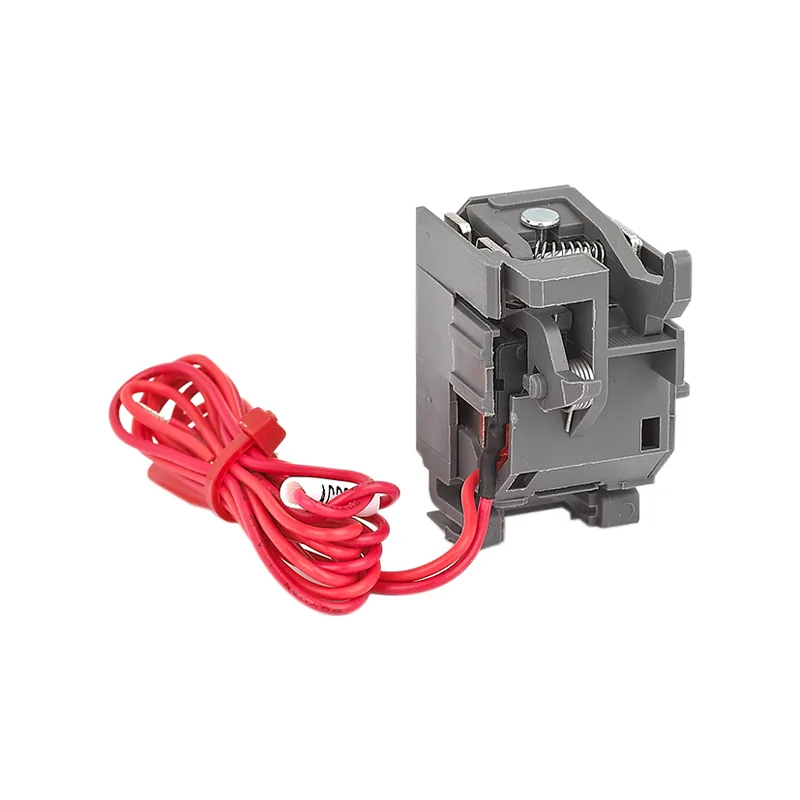
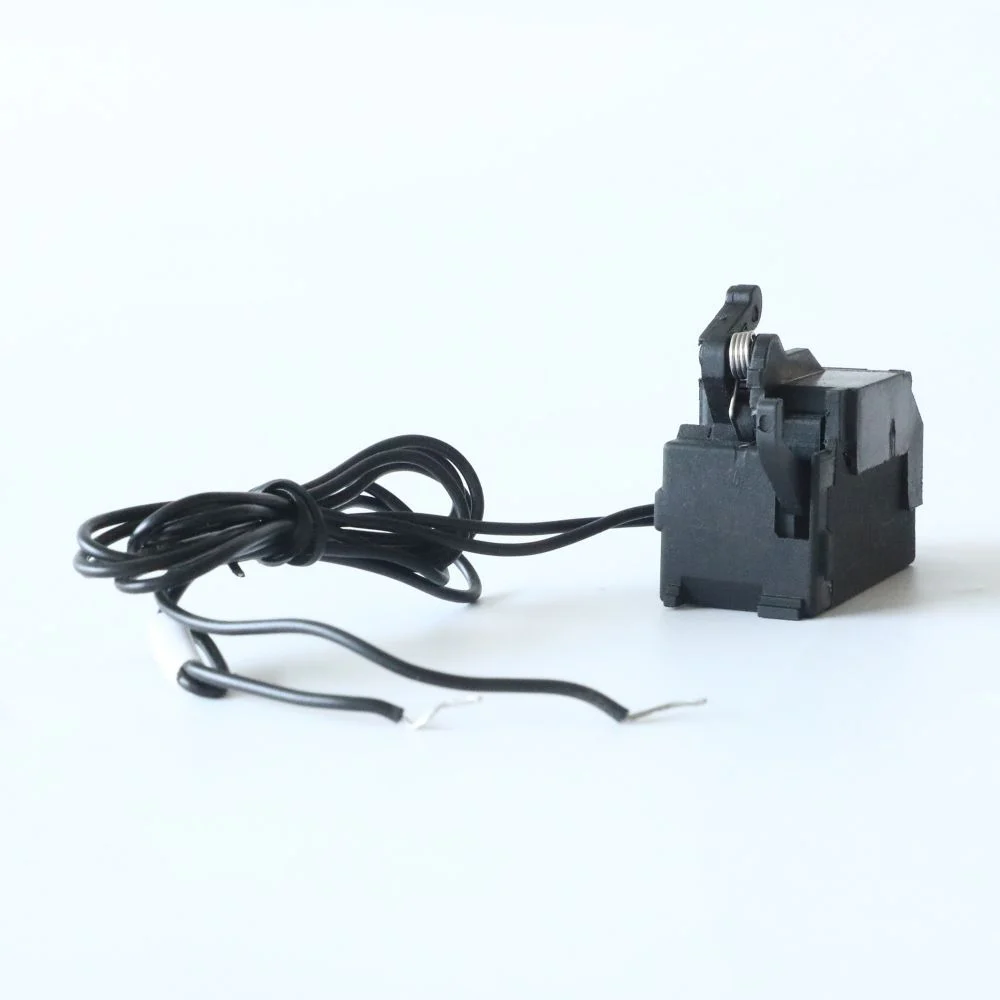
- Trip-unit type, adjustment range, auxiliary contacts, shunt trip, or undervoltage release.
- Mounting method, busbar or cable termination, creepage/clearance constraints, and accessory compatibility.
- Required drawings, test evidence, marking, packaging, sample approval, and change-control process.
For distributors, add commercial fields such as minimum order quantity, sample lead time, production lead time, spare parts, warranty terms, and packaging identification. Keep those commercial answers separate from safety claims. A supplier’s ability to quote quickly is useful; it is not proof that the offered breaker has been tested for your DC application.
W9 Group states that it supports OEM and ODM work, including labeling and packaging. That can help a private-label buyer, but the technical file should remain tied to the actual electrical model and revision. If branding or enclosure artwork changes, confirm that the rating labels and installation instructions still match the tested construction.
Common DC MCCB Buying Mistakes
AC rating is not a DC rating. AC interruption benefits from the current waveform crossing zero; a DC fault can sustain an arc. Therefore, an AC Icu value, an AC voltage printed on a similar frame, or a thermal current rating cannot be reused as a DC claim without supporting evidence.
Another shortcut is to select the highest ampere frame “for headroom.” Oversizing can leave cables and equipment without the intended overload protection, while an undersized device can nuisance-trip. Set the breaker from the load and conductor coordination first, then verify the fault duty and temperature derating.
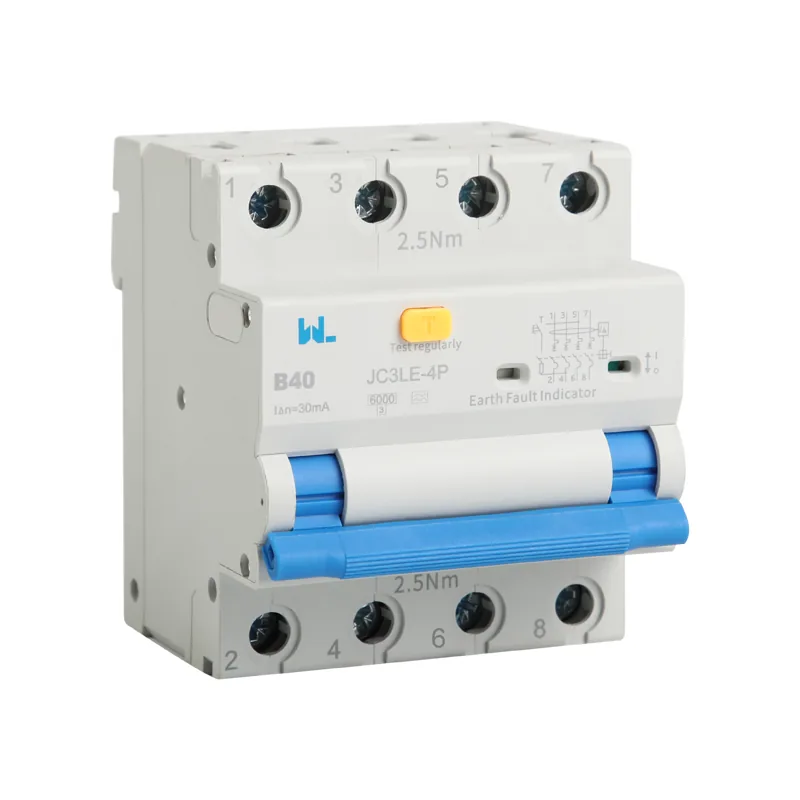
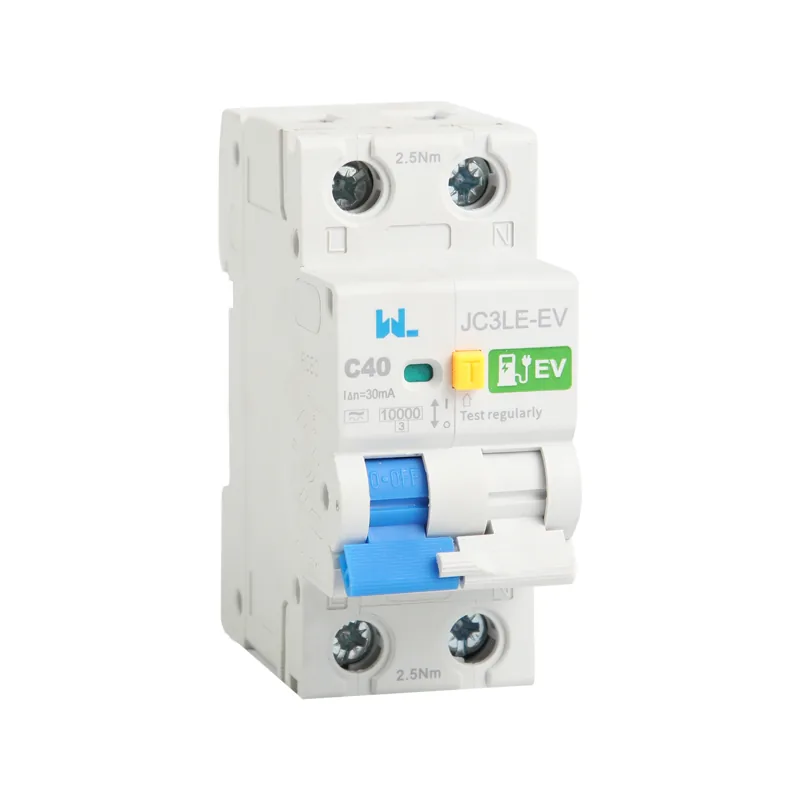
Finally, do not treat a product photograph as a wiring diagram. A photograph may show a case shape but not internal pole linkage, magnetic blowout features, or terminal polarity. Use the drawing supplied for the exact order code. If the supplier cannot state the permitted orientation or DC test conditions, pause the order and escalate the question to the project engineer.
For a broader selection framework, see W9’s guide to choosing an MCCB DC breaker and its MCCB selection tips. These internal references can support a buying workflow, but the final approval still depends on the model documents.
DC MCCB Supplier Qualification
There is no reliable universal list of the “best” China suppliers for every DC project. Qualification should be conditional on the application and evidence. Start with a short list of manufacturers that can identify the legal entity, factory or production arrangement, technical contact, and revision-controlled documentation. Request one sample or a documented design review before placing a volume order.
During the review, compare how each supplier answers the difficult questions: Does the datasheet show DC voltage alongside pole and polarity conditions? Is the breaking-capacity test tied to a stated time constant? Are accessories and terminal kits included in the tested configuration? Can the supplier explain what changes require re-approval? Clear, consistent answers are more useful than a generic “IEC/CE” line.
W9’s public contact page provides a direct enquiry route for product selection and technical questions. Buyers can use it to request the current WLM7DC documentation and clarify whether a proposed variant is intended for their system. Do not assume that WLM6E AC product pages, including the AC reference image below, represent DC capability.

DC MCCB Approval Checklist

Before releasing a purchase order, have engineering sign off the single-line diagram, voltage, pole arrangement, polarity, and fault-current calculation. Have purchasing confirm the exact order code, revision, quantity, packaging, lead time, and change-notification terms. Have quality or compliance staff file the datasheet and traceable test evidence with the project record.
At incoming inspection, compare the nameplate and terminal markings with the approved drawing. Check that the supplied accessories match the bill of materials and that the instruction sheet states the same pole and polarity arrangement. Record serial or batch information where provided. These steps make a later replacement auditable and reduce the risk of mixing visually similar AC and DC devices. Keep the approved drawing and nameplate match in the inspection record.
For assembly work, IEC 61439-1:2020 remains relevant to the completed low-voltage assembly, while IEC 60364-4-43:2023 frames the overcurrent-protection objective for the installation. The breaker’s own product standard and test evidence still need to be checked separately. If the application is a battery, PV string, charging system, or other source with unusual fault behavior, obtain a project-specific review rather than relying on a generic catalog selection.
See also W9’s wholesale MCCB discussion and its MCCB product category when building an internal shortlist. Use the links to locate product families, then return to the exact datasheet and drawing for approval.
よくある質問
Does an AC MCCB rating prove that the breaker can interrupt DC?
No. AC and DC interruption conditions differ. Require a DC rating and supporting test documentation for the voltage, pole arrangement, and stated time constant.
How many poles should a DC MCCB have?
Choose poles from the system’s isolation and grounding design. Confirm which conductors must open together and follow the manufacturer’s polarity and wiring diagram.
What should a wholesaler include with a quotation?
Request the exact order code, datasheet, dimensional and terminal drawings, polarity instructions, trip-unit information, installation manual, and traceable test or certificate documents where required.
Can I compare suppliers by price alone?
No. Compare equivalent voltage, interruption duty, poles, release, accessories, documents, lead time, and change-control terms first. Only then is the price comparison meaningful.
Is the WLM6E image in this article a DC breaker?
No. It is retained as an AC MCCB reference from the original article. It should not be used to infer DC capability or to select a DC breaker.


