


















電気システムにおけるCJX2シリーズACコンタクタの重要な役割
実証用シナリオであり、顧客の実際の事例ではありません。モンテレイに勤務する試運転エンジニアのミゲルが400 Vのコンベヤーパネルを起動したところ、モーターは4回の起動後に停止し、 コンタクター ブザー音が鳴り始めた。同じアンペア定格の交換品でも同様の故障が再現された。調査の結果、原因は以下のとおりだった。当初の部品は軽負荷のAC-3用途向けに選定されていたが、コンベヤはAC-4の条件下で逆転運転を行っており、ピックアップ時に24 Vの制御電源が低下していた。根本原因は仕様の不適合および機器間の整合性の欠如であり、単なる「接触不良」ではなかった。“
概要:CJX2シリーズAC接触器は、モーターやヒーター、ポンプなどの交流負荷に対して電気的に制御された接点の開閉を提供しますが、過負荷継電器や短絡保護装置の代わりにはなりません。使用カテゴリ、モーター電流、コイル電圧、開閉頻度、および条件付き短絡組み合わせを指定してください。IEC 60947-4-1は接触器およびモータースタータに関する規格であり、IEC 60947-2は過電流保護に用いられる遮断器に関する規格です。まず負荷および故障調査から着手し、その後は正確なデータシート、配線図、試運転記録を保管してください。.
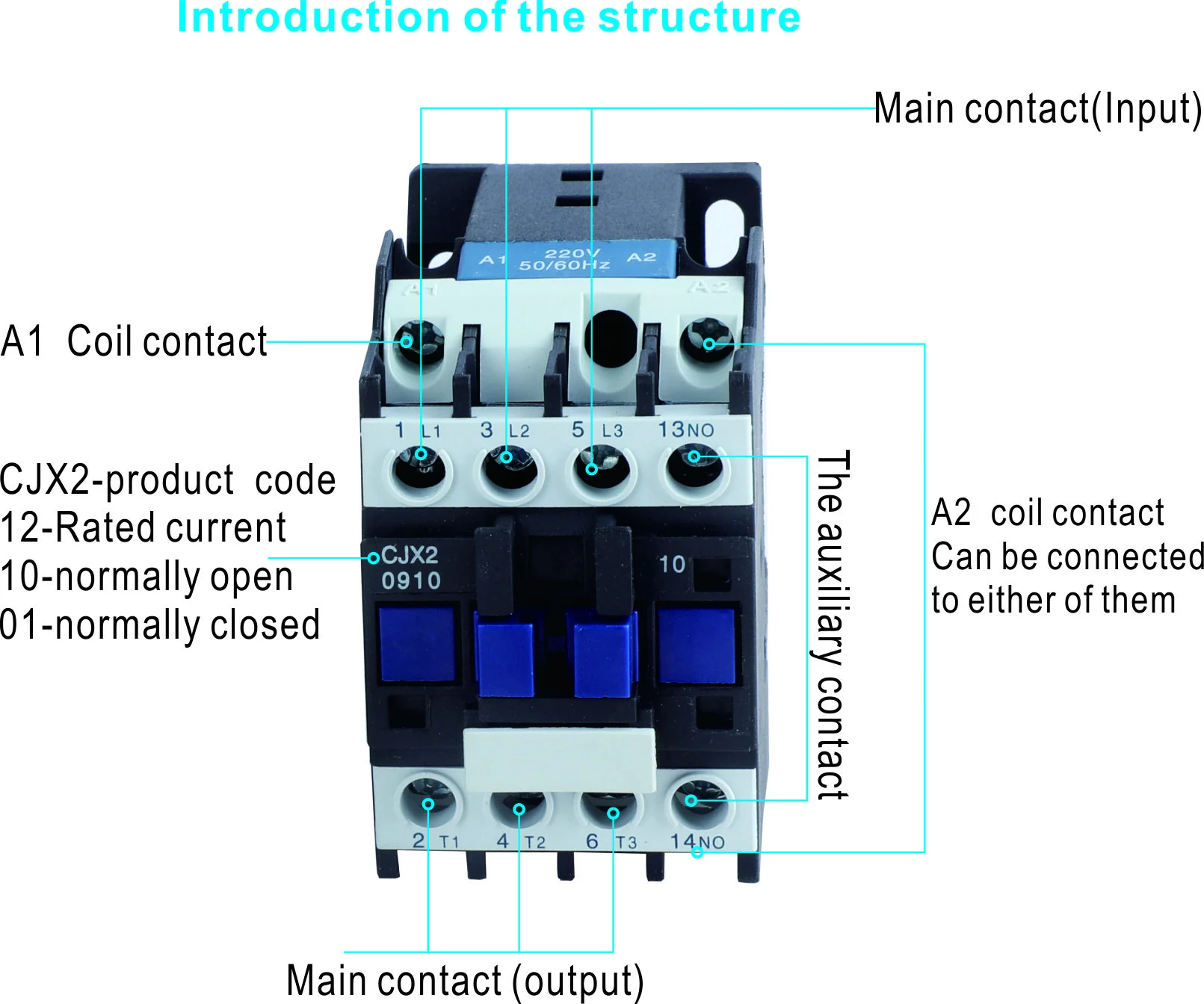
“「CJX2」は、一つの普遍的な定格を示すのではなく、共通のシリーズ形式を表しています。典型的なユニットには、主接点、電磁コイル、可動鉄心および補助接点が備わっています。コイルに通電すると接点が閉じ、指令を解除すると開きます。この単純な分離により、PLC、サーモスタット、プッシュボタン、または安全リレーが、モータ電流を直接流すことなく電力回路を制御できます。適切に使用すれば、コンタクタはドキュメント化された始動器における繰り返し可能な開閉素子となります。.
CJX2コンタクタが保護システムにどのように適合するか
コンタクタは、その定格使用種別に従って回路の接続および遮断を行います。通常、大電流の短絡電流によるエネルギーを遮断するように設計されておらず、またモータの持続的な熱過負荷を検知することもできません。したがって、実用的なモータスタータには、相互に連動した三つの機能層が備わっています。
- Switching: the CJX2 main poles connect or disconnect the motor when the control circuit commands them.
- Overload protection: a thermal or electronic relay trips when current remains above the motor’s permissible operating range.
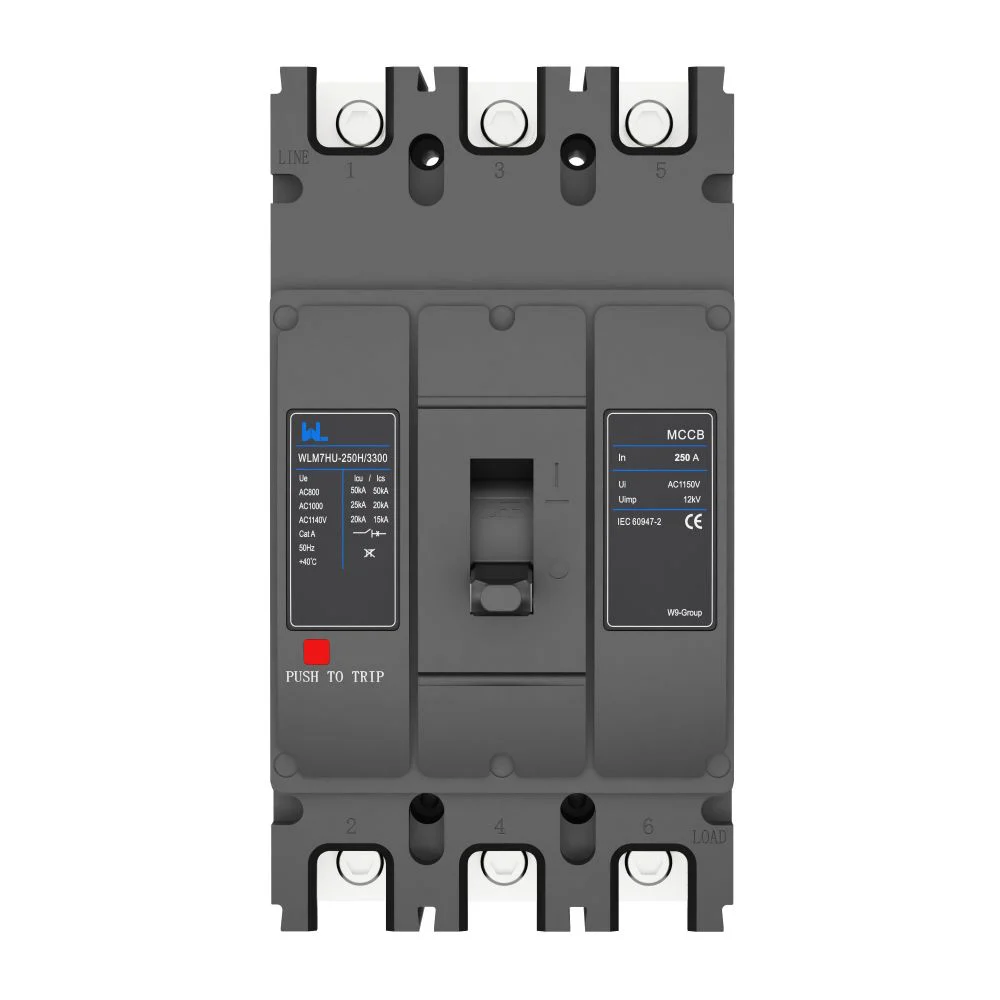
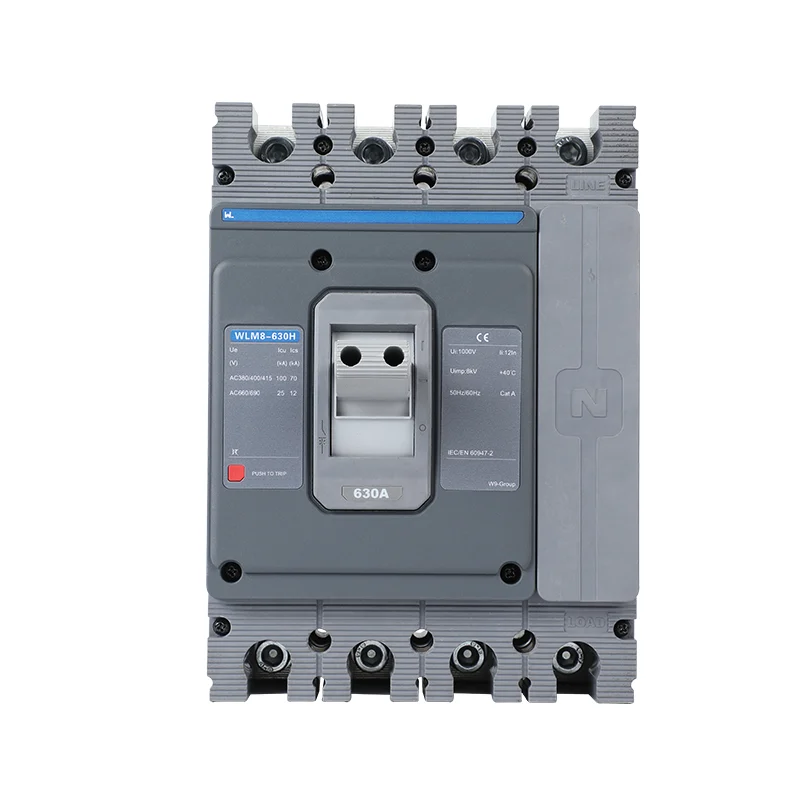
- Short-circuit protection: a fuse or circuit-breaker clears faults and limits let-through energy, subject to a tested combination.
For a three-phase motor, the approximate input power is P = √3 × V × I × power factor. At 400 V, 12 A and 0.82 power factor, the illustrative input is about 6.8 kW before efficiency losses. That calculation helps screen a frame size, but it does not establish contact life. Full-負荷電流, locked-rotor current, starts per hour, ambient temperature and enclosure ventilation still have to be checked.

Utilisation category and electrical endurance
AC-3 is not AC-4
IEC 60947-4-1 describes utilisation categories so a buyer can relate a contactor to its duty. AC-3 generally covers squirrel-cage motor starting and switching off while the motor is running. AC-4 is more severe: inching, plugging and frequent reversing can impose high current and arcing at every operation. A “25 A” contactor may therefore have different permissible ratings and electrical endurance in the two categories. Record the actual starting and stopping sequence before choosing the part.
Mechanical and electrical life answer different questions
Mechanical endurance counts operations with little or no load; electrical endurance is tested while making and breaking the declared load. A ventilation fan starting twice a day and a packaging conveyor starting 30 times an hour consume those allowances at very different rates. Use the expected cycles to set inspection intervals. If a process adds plugging or reversing later, re-run the duty calculation rather than assuming the old contactor remains suitable.
Coil and auxiliary contacts need their own checks
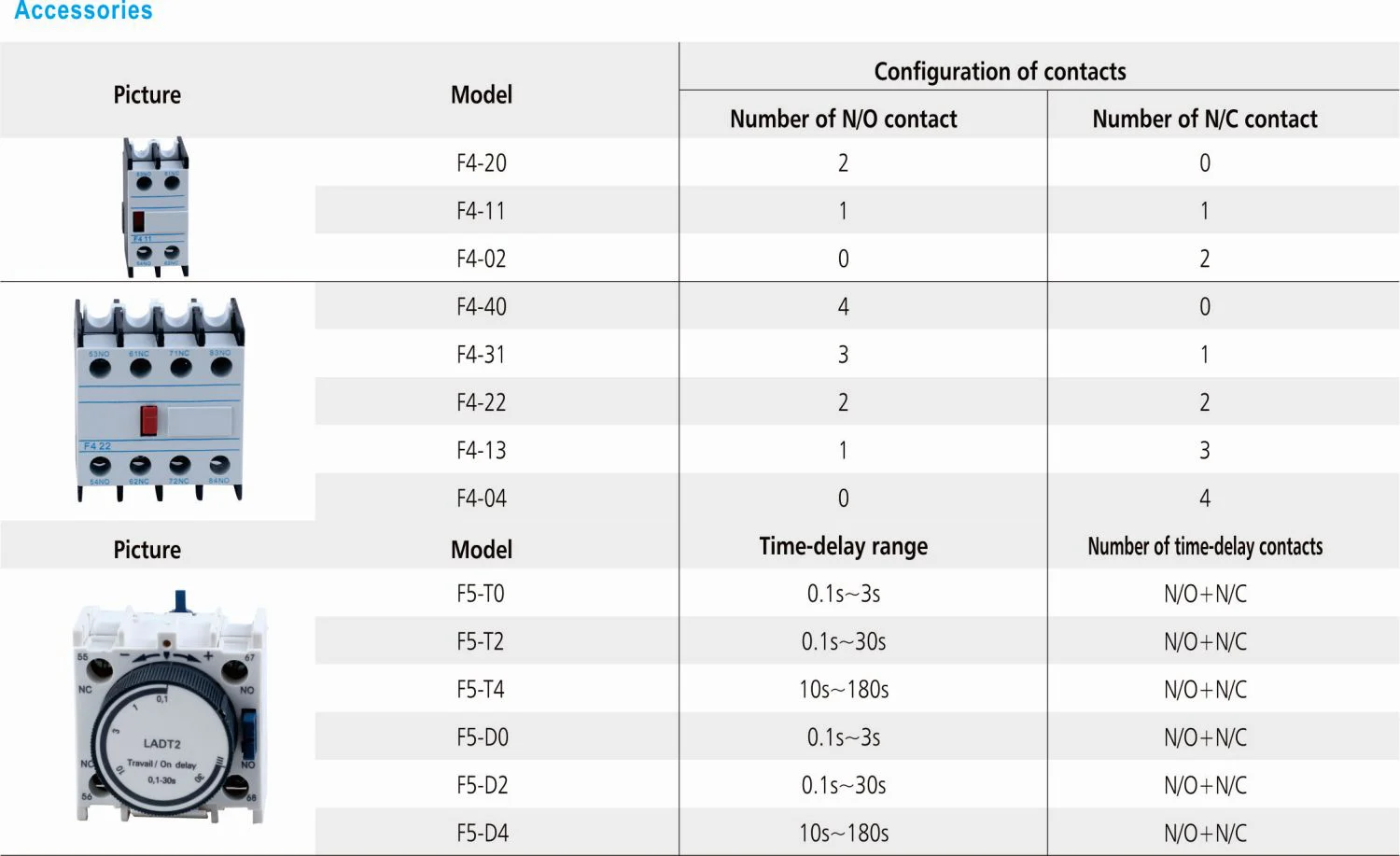
Main-circuit voltage does not determine coil voltage. Common control options include 24 V DC, 24 V AC and 230 V AC, each with its own tolerance, inrush and suppression requirements. A long 24 V run with inadequate conductor sizing can cause chatter; an overvoltage coil can overheat. Auxiliary contacts are for seal-in logic, interlocks or feedback, and their AC-15 or DC-13 control ratings—not the motor current—must match the connected PLC or relay.
| Specification checkpoint | 確認すべきこと | 保持すべき記録 |
|---|---|---|
| Utilisation category | AC-3, AC-4 or another category matches starting, stopping and reversing. | Sequence description, cycles/hour and manufacturer table. |
| Power circuit | Voltage, frequency, poles, motor full-load current and thermal environment. | Motor nameplate, one-line diagram and panel temperature assumptions. |
| Control circuit | Coil voltage/tolerance, PLC output capacity, suppression and auxiliary ratings. | Control schematic, fuse size and coil datasheet. |
| 調整 | Overload setting and short-circuit device form a tested combination at the fault level. | Coordination table, prospective fault-current calculation and settings sheet. |
CJX2 Contactor Applications
The architecture scales across many low-voltage applications because the control signal remains separate from the load circuit. In a pump panel, a pressure switch can command the coil while an overload relay protects the motor. In HVAC, a building-management output can stage fans without switching fan current directly. On a conveyor, auxiliary contacts can confirm “run” status to the PLC and open an interlock when a guard is released.
That versatility has boundaries. A heater bank may require a resistive-duty category rather than motor AC-3 data. A capacitor bank can need a dedicated capacitor-switching contactor to handle inrush. A variable-frequency drive normally controls the motor itself; a contactor on the drive output may damage the drive if opened while energised. The wiring diagram, not the family name, determines whether the component belongs in the circuit.
| 申請 | Useful CJX2 function | Additional design evidence | Typical failure if omitted |
|---|---|---|---|
| Pump or fan | Remote start/stop from pressure, level or BMS signal. | Starts/hour, coil voltage and overload class. | Chatter or nuisance trips from voltage drop and short cycling. |
| Conveyor | Sequence control, interlock and run feedback. | AC-3/AC-4 duty, reversing logic and fault level. | Welded contacts after using AC-3 data for plugging. |
| Compressor | Pressure-switch control with restart inhibit. | Locked-rotor current, acceleration time and thermal reset. | Overload trips during repeated starts. |
| Resistive heater | Scheduled energisation of heater stages. | Resistive utilisation category, inrush and enclosure heat. | Contact wear when motor ratings are assumed to apply. |
Applicable Contactor Standards
IEC 60947-4-1 sets the product scope and test framework for low-voltage contactors and motor-starters, including utilisation categories and endurance. IEC 60947-2 applies to circuit-breakers used for 過電流保護; it is not a contactor certificate. IEC 60204-1 addresses electrical equipment of machinery, while the destination market’s installation code governs conductor protection, isolation and control-circuit practices. A standard reference is evidence of scope and test requirements, not blanket approval for an assembled panel.
Commissioning should include visual inspection, terminal torque, conductor identification, protective-conductor continuity, control-voltage measurement and functional operation. Check that the overload trip opens the contactor and that an emergency or guard circuit removes the coil command as designed. For a reversing starter, verify electrical and mechanical interlocks. Record instrument identity, measured values, date and the as-left settings. Missing records can delay an inspection or leave an OEM unable to prove what was tested.
CJX2 Procurement Checklist
- Capture the load: record motor current, voltage, frequency, power factor, locked-rotor current and starts per hour.
- Assign the duty: select AC-3, AC-4, resistive or another declared category from the real operating sequence.
- Match the control: confirm coil voltage and tolerance, PLC output limits, auxiliary contacts, suppression and control fusing.
- Coordinate protection: calculate prospective fault current and use the exact manufacturer table for overload and short-circuit devices.
- Freeze the evidence: retain the model datasheet, drawings, declarations, markings and commissioning procedure for the destination market.
For projects that fit its published range, W9 Group’s CJX2 AC contactor product page lists AC 50/60 Hz, rated insulation voltage of 660 V, rated 動作電圧 up to 800 V, AC-3 at 380/400 V and rated operational current up to 95 A. The page also states IEC 60947-4 compliance. Treat those as public product-page statements and verify the exact model, accessories and destination-market documentation before approval. Buyers can compare related options in the AC contactor range and review the site’s modular contactor guide.
よくある質問
What is a CJX2 series AC contactor used for?
It switches an AC load from a separate electrical control signal, most often a motor in a starter. The contactor handles switching; overload and 短絡保護 must be provided by coordinated devices.
Can a CJX2 contactor protect a motor from overload?
No. Use a correctly set thermal or electronic overload relay, together with an upstream fuse or circuit-breaker. Confirm the complete combination against motor current and the available fault level.
How do I choose a CJX2 coil voltage?
Choose the coil that matches the protected control supply, such as 24 V DC or 230 V AC, and check tolerance, inrush and controller output capacity. Never infer coil voltage from the motor’s line voltage.
Is a 25 A CJX2 suitable for every 25 A motor?
No. Utilisation category, starting current, switching frequency, ambient temperature and electrical-endurance data all affect suitability. Compare the complete duty rather than only the frame current.
Do IEC references prove that my panel is compliant?
No. IEC standards define product or installation scopes; compliance depends on the assembled panel, machine, wiring, testing and destination-market rules. Keep model-specific declarations and commissioning results with the project file.
参考文献
The dependable starter is not the one with the largest ampere label; it is the one whose duty, coil, protection and test record agree. Explore the 工業製品の範囲 and contact W9 Group with your motor schedule, fault level and destination market for a documented selection discussion.
切替用の選択については、, W9グループへのお問い合わせ 負荷、使用カテゴリ、動作周波数およびコイル電源に応じて.