








خانهوبلاگWhat is a Thermal Magnetic Circuit Breaker and How Does It Work?

What is a Thermal Magnetic Circuit Breaker and How Does It Work?

Release Time: 2026-05-17

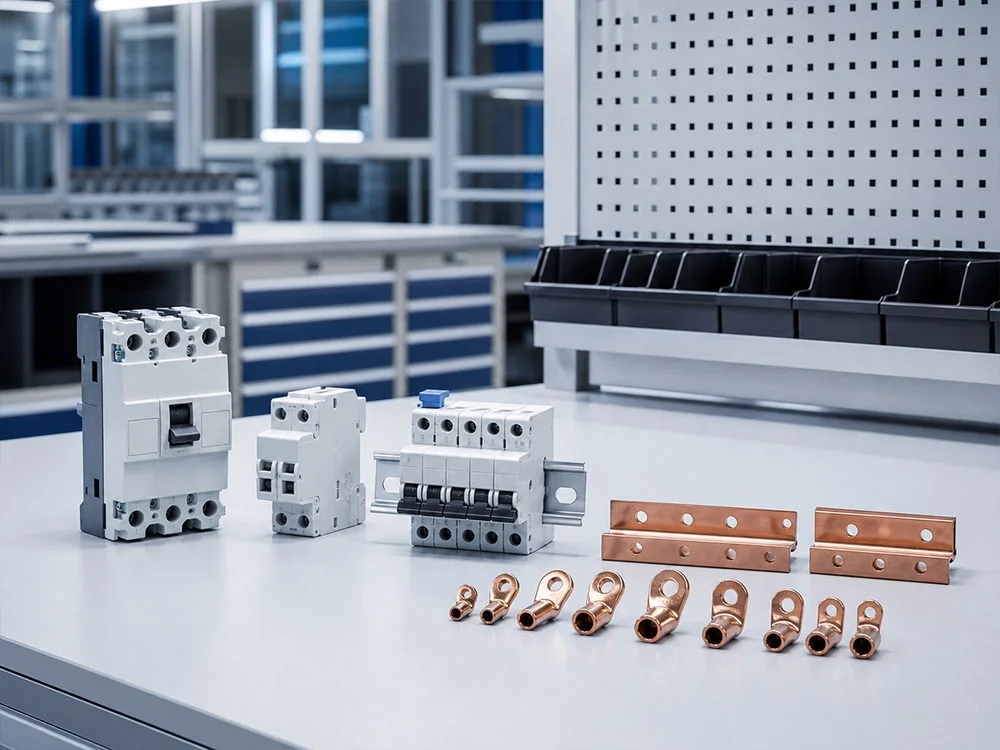
A thermal magnetic circuit breaker is pretty much a must-have for today’s electrical setups. Basically, it uses two different mechanisms to keep things safe—one’s temperature-sensitive, reacting to heat when there’s too much current, and the other responds super fast to short circuits. It’s a critical part of making sure everything runs smoothly and safely, whether you’re at home, in the office, or on an industrial scale.

Knowing how these breakers work can really help you avoid costly damage down the line. You’ll find them all over — in residential homes, workplaces, and factories. But here’s the thing: they only do their job well if you install and maintain them properly. Regular checks can spot potential issues early before they turn into big problems.

Of course, not every installation is perfect—mistakes or misjudgments can cause failures. That’s why it’s important to pay attention to what your specific electrical system needs. Being aware of these details can make a big difference in performance and safety. Investing in good quality equipment and, when in doubt, getting some expert advice can truly help minimize risks. All in all, a little knowledge goes a long way in keeping things safe and running smoothly.

What is a Thermal Magnetic Circuit Breaker and How Does It Work?

Understanding the Basics of Thermal Magnetic Circuit Breakers

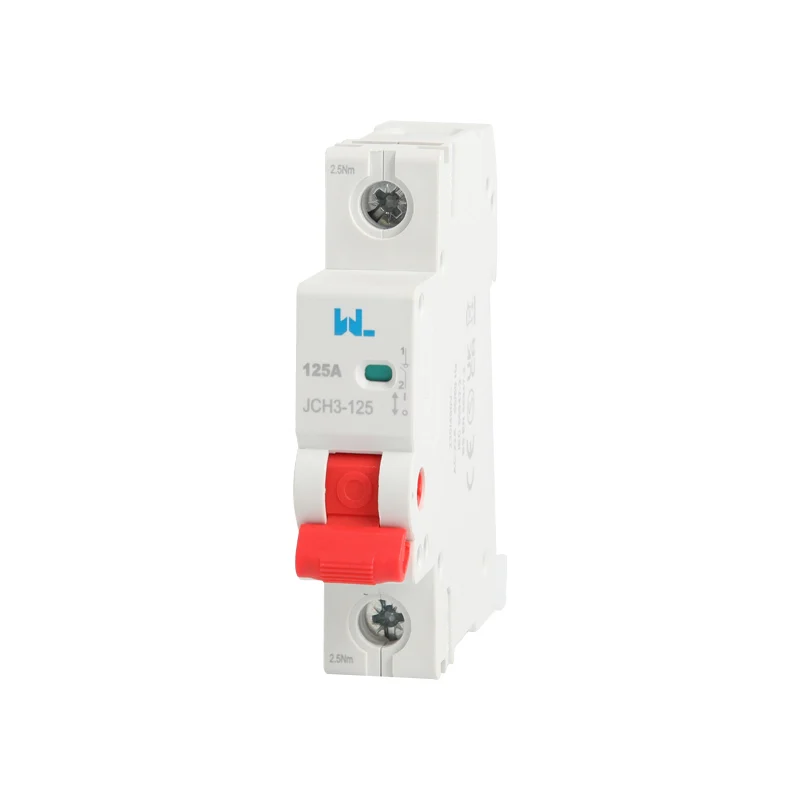
Thermal magnetic circuit breakers are crucial in electrical systems. They provide protection against overcurrents and short circuits. These devices combine two mechanisms: thermal and magnetic. The thermal element responds to prolonged overcurrents, while the magnetic component reacts quickly to short circuits.

According to a recent industry report, the global circuit breaker market is expected to reach $20 billion by 2028. The increasing demand for electricity and the need for reliable safety systems drive this growth. In commercial and residential spaces, these breakers are fundamental to ensure durability and compliance with safety standards.

**Tip:** Regular testing of circuit breakers can help identify issues early. Ensure that thermal magnetic breakers are checked at least annually. Performing routine maintenance helps in preventing unexpected system failures.

These breakers are not flawless. They can trip under normal conditions, which may lead to inconvenience. Understanding their operating limits is essential for effective use. Monitoring load levels can enhance their reliability. This awareness helps avoid common pitfalls that may compromise electrical safety.

What is a Thermal Magnetic Circuit Breaker and How Does It Work? – Understanding the Basics of Thermal Magnetic Circuit Breakers

Feature Description
Function Protects electrical circuits by automatically switching off in overcurrent conditions.
Components Includes thermal and magnetic mechanisms for overload and short circuit protection.
Thermal Trip Uses thermally responsive bimetallic strips to detect overloads and disconnect the circuit after a delay.
Magnetic Trip Operates instantly to trip the circuit during short-circuits using magnetic forces.
Rating Available in various current ratings to suit different applications (e.g., 10A, 16A, 32A).
Applications Commonly used in residential and commercial electrical panels, motors, and industrial machines.
Reset Mechanism Can be manually reset after tripping, allowing for easy restoration of electrical service.

Components of a Thermal Magnetic Circuit Breaker

Thermal magnetic circuit breakers play a vital role in electrical safety. They consist of two main components: a thermal mechanism and a magnetic mechanism. The thermal component detects overheating due to prolonged overcurrent. When the temperature exceeds a certain threshold, the thermal element expands, causing the circuit to break. This feature is crucial for preventing electrical fires and equipment damage.

The magnetic mechanism acts quickly during short circuits. It employs a solenoid that generates a magnetic field when current flows. If a short circuit occurs, the magnetic force becomes instantaneously strong enough to trip the breaker. This rapid response is essential for protecting circuits from extreme damage. Without it, electrical systems risk severe failures that could result in costly downtime.

Adjustable Thermal Magnetic Circuit Breakers offer settings tailored to specific applications. Many industrial reports highlight that these adjustable settings improve system reliability. They enable users to configure the trip thresholds according to their unique electrical loads. This adaptability not only enhances safety but also supports energy efficiency. However, improper adjustments can lead to inadequate protection, making careful calibration necessary.

The Functionality of Thermal Release Mechanisms

Thermal magnetic circuit breakers play a crucial role in electrical safety systems. Their effectiveness largely relies on thermal release mechanisms, which are essential for protecting electrical circuits. When excess current flows, the thermal element heats up and eventually trips the breaker. This response time varies depending on the current’s magnitude. For instance, research indicates that thermal trip mechanisms respond in milliseconds to overload situations.

The thermal release operates through a bi-metallic strip, which bends under heat. This bending action disconnects the electrical flow. Industry reports show that nearly 80% of electrical faults are due to overloads. A reliable thermal mechanism can prevent damage to wiring and connected devices. However, it is important to note that this mechanism may exhibit delays in response to low-level continuous overloads, potentially leading to equipment failure.

Understanding thermal release is vital for effective circuit protection. Yet, some users may overlook this aspect. In complex electrical systems, misjudgments can occur, leading to inefficiencies. Data suggests that calibrating these devices properly can enhance their performance. Regular maintenance and checks are essential. They reduce the risk of delayed tripping and ensure safety in residential and commercial settings.

The Role of Magnetic Release in Circuit Protection

Magnetic release plays a crucial role in thermal magnetic circuit breakers. It provides rapid response during short-circuit conditions. When a fault occurs, the magnetic field generated inside the breaker reacts quickly. This mechanism is designed to trip the circuit almost instantly. Such speed is vital in preventing further damage and ensuring safety.

These circuit breakers integrate thermal and magnetic protection, but the magnetic release is particularly critical. It operates independently from thermal devices. The thermal mechanism responds to prolonged overloads while magnetic release handles sudden surges. This distinction means that if a short circuit happens, the magnetic release does not wait. It cuts off the power immediately.

However, there are challenges in relying solely on this technology. Magnetic trips can sometimes be too sensitive. They may trigger even during normal workload conditions. This requires careful calibration. Users must balance sensitivity and safety. Understanding this balance is key to effective circuit protection. Insight into both thermal and magnetic processes leads to better decision-making.

How Thermal Magnetic Circuit Breakers are Installed

When installing a thermal magnetic circuit breaker, several key factors must be considered for optimal performance. These devices effectively protect electrical circuits from overloads and short circuits. They operate through a combination of thermal and magnetic mechanisms. The thermal component reacts to heat generated by excessive current, while the magnetic element responds to sudden surges.

Proper installation involves selecting the right breaker size, based on the circuit’s current rating. According to industry reports, mismatched breakers can lead to risks such as nuisance tripping or failure to trip. Ensure that the installation site is clean and dry. It’s also critical to ensure secure connections to prevent loose wiring, which can increase resistance and lead to overheating.

Tip: Always refer to the National Electrical Code (NEC) for guidelines on circuit breaker installation. This ensures compliance and safety.

In some cases, mistakes happen during the installation process. For instance, incorrect torque settings can compromise the integrity of the connections. Regular inspections are vital to identify any potential issues before they lead to circuit failures. Always verify the settings against manufacturer specifications to maintain safety standards.

Common Applications of Thermal Magnetic Circuit Breakers

Thermal magnetic circuit breakers are essential in various applications. They protect electrical systems from overloads and short circuits. These devices combine thermal and magnetic protection to ensure reliability and safety.

Common applications include residential buildings, commercial properties, and industrial facilities. In homes, they prevent electrical fires by disconnecting circuits during overload. In commercial settings, they safeguard equipment from damage. Industrial facilities rely on them to ensure machinery operates efficiently and safely.

Tips: Regularly test your thermal magnetic circuit breaker. Make sure it works properly. Check the settings and ratings to ensure they match your application. Adjust them if necessary.

In addition to typical uses, consider the unique needs of your location. Each environment may have different electrical demands. Reflect on how your breaker can adapt to these changes. Always consult a professional for complex applications. Understanding the nuances of a Thermal Magnetic Molded Case Circuit Breaker can enhance your electrical safety.

Applications of Thermal Magnetic Circuit Breakers

Troubleshooting and Maintenance Tips for Circuit Breakers

What is a Thermal Magnetic Circuit Breaker and How Does It Work?

Thermal magnetic circuit breakers are critical components in electrical systems. They protect against overloads and short circuits. Regular maintenance and troubleshooting can prevent failures. An industry report states that improper maintenance can lead to a 30% increase in operational downtime.

Checking connections is essential. Loose wiring can cause heating, leading to breaker trips. About 15% of circuit breaker failures stem from poor connections. A simple visual inspection can reveal signs of wear. Ensure that all terminals are tight. Dust and corrosion can also hinder performance.

Testing is another vital aspect. Circuit breakers should be tested regularly for functionality. Reports indicate that testing every six months can significantly reduce failure risks. If a breaker frequently trips, it may signal a deeper issue. Such problems should be addressed promptly. Remember, a well-maintained **China Thermal Magnetic Circuit Breaker** can save time and prevent accidents. Neglecting these tasks can prove costly in the long run.

Comprehensive Guide to MCCB Circuit Breakers: Features, Applications, and the WLM6E-400A-3300 Model

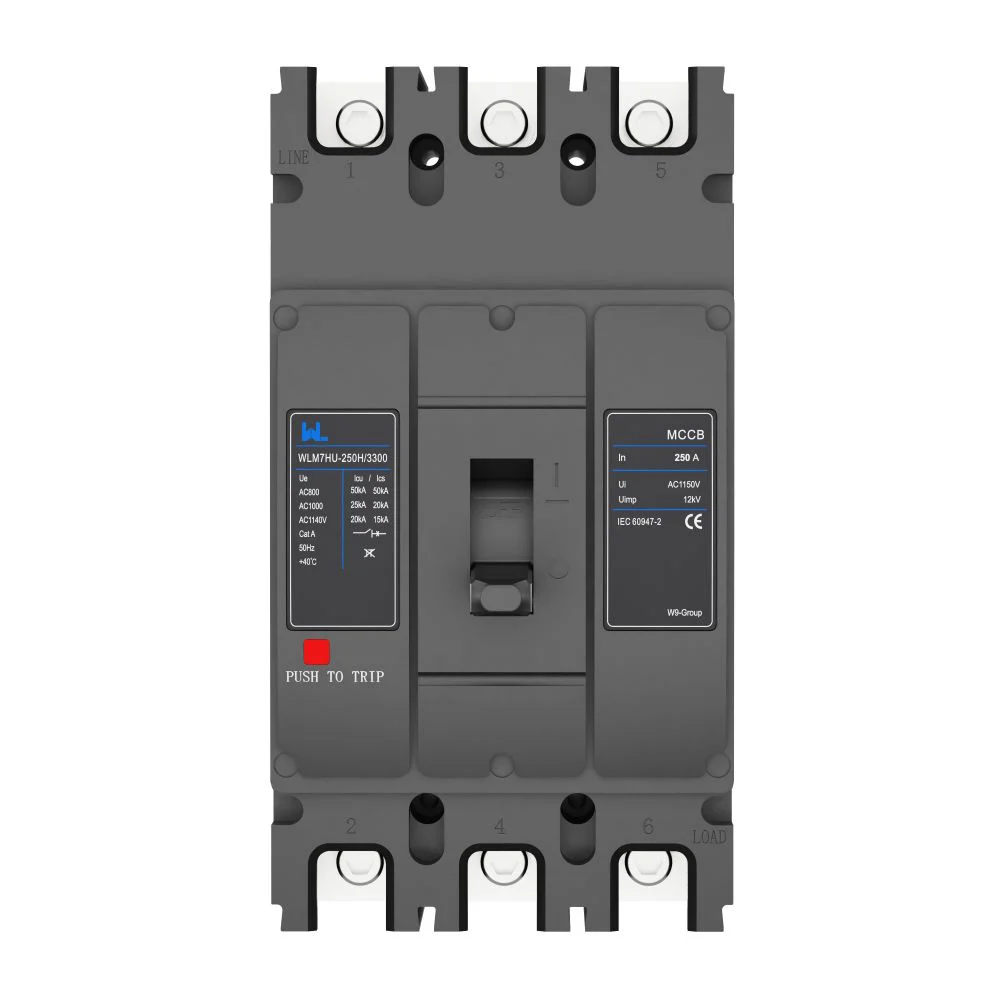
Molded Case Circuit Breakers (MCCBs) are critical components in electrical systems, providing overcurrent protection and isolating faults. One of the standout models in this category is the WLM6E-400A-3300, which is designed for robust performance in demanding environments. This three/ four-pole MCCB has a rated current of 400A and operates effectively within rated working voltage levels of 400V to 690V. Such specifications ensure that the circuit breaker can handle significant electrical loads, making it ideal for industrial applications where reliability and safety are paramount.

The importance of MCCBs is underscored by industry data, which indicates that the global market for circuit protection devices, including MCCBs, is projected to grow steadily. According to recent reports, the demand for higher-rated circuit breakers is driven by the increasing complexity of electrical distribution systems in commercial and industrial sectors. This growth is largely attributed to advancements in technology and the rising adoption of automation, necessitating more sophisticated circuit protection solutions. Users of MCCBs like the WLM6E-400A-3300 can expect not only protection from overloads but also features such as short circuit protection, thermal stability, and precise load management.

Furthermore, the versatile application of MCCBs extends beyond industrial use; these devices are also vital in commercial, residential, and utility sectors, providing flexible solutions for a variety of electrical distribution needs. The WLM6E-400A-3300 model embodies a perfect blend of safety, performance, and adaptability, ensuring it meets modern electrical standards and operational requirements with ease. As such, investing in high-quality MCCBs is essential for effectively managing electrical systems and enhancing safety protocols in any facility.

FAQS

: What is the role of magnetic release in circuit breakers?

: Magnetic release quickly responds to short circuits, tripping the circuit almost instantly. This protects against damage.

How does a thermal magnetic circuit breaker work?

It combines thermal and magnetic protection. The thermal part handles overloads, while magnetic release responds to surges.

Why is sensitivity a concern for magnetic releases?

Magnetic trips can be overly sensitive, triggering during normal operations. Calibration is essential to ensure accuracy.

What should be considered when installing circuit breakers?

Choose the right breaker size, keep installation sites clean, and ensure secure connections to avoid overheating.

What happens if the breaker size is mismatched?

Mismatched breakers can cause nuisance tripping or failure to trip, posing safety risks.

Why are regular inspections important?

They help identify issues like incorrect torque settings, which can compromise safety and circuit integrity.

Conclusion

A Thermal Magnetic Circuit Breaker is a crucial electrical safety device designed to protect circuits from overloads and short circuits. It operates through two primary mechanisms: thermal release, which responds to prolonged overcurrent conditions by heating a bimetallic strip, and magnetic release, which acts swiftly to disconnect the circuit during short circuits. Understanding its components, such as the bimetallic element and magnetic coil, is essential for grasping how these devices function effectively.

Installation of thermal magnetic circuit breakers involves ensuring proper alignment and connection within the circuit panel. Common applications include residential, commercial, and industrial settings where reliable circuit protection is essential. Regular troubleshooting and maintenance are vital to ensure optimal performance and longevity, helping to address any issues like nuisance tripping or wear over time. This comprehensive understanding of thermal magnetic circuit breakers enables users to utilize these devices effectively for enhanced electrical safety.