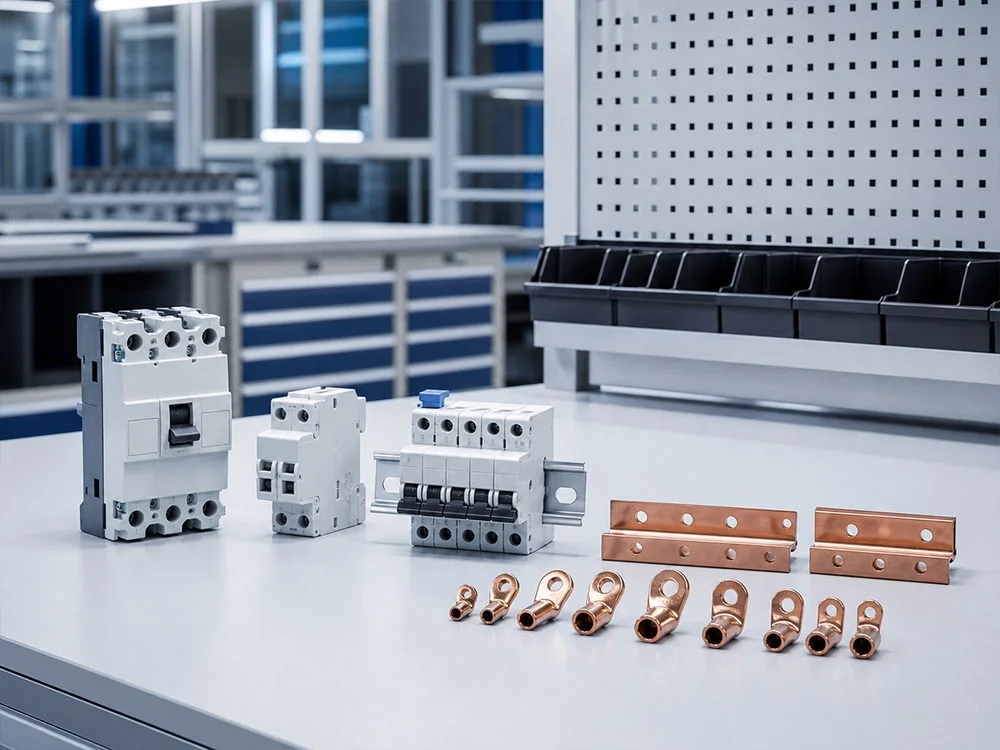
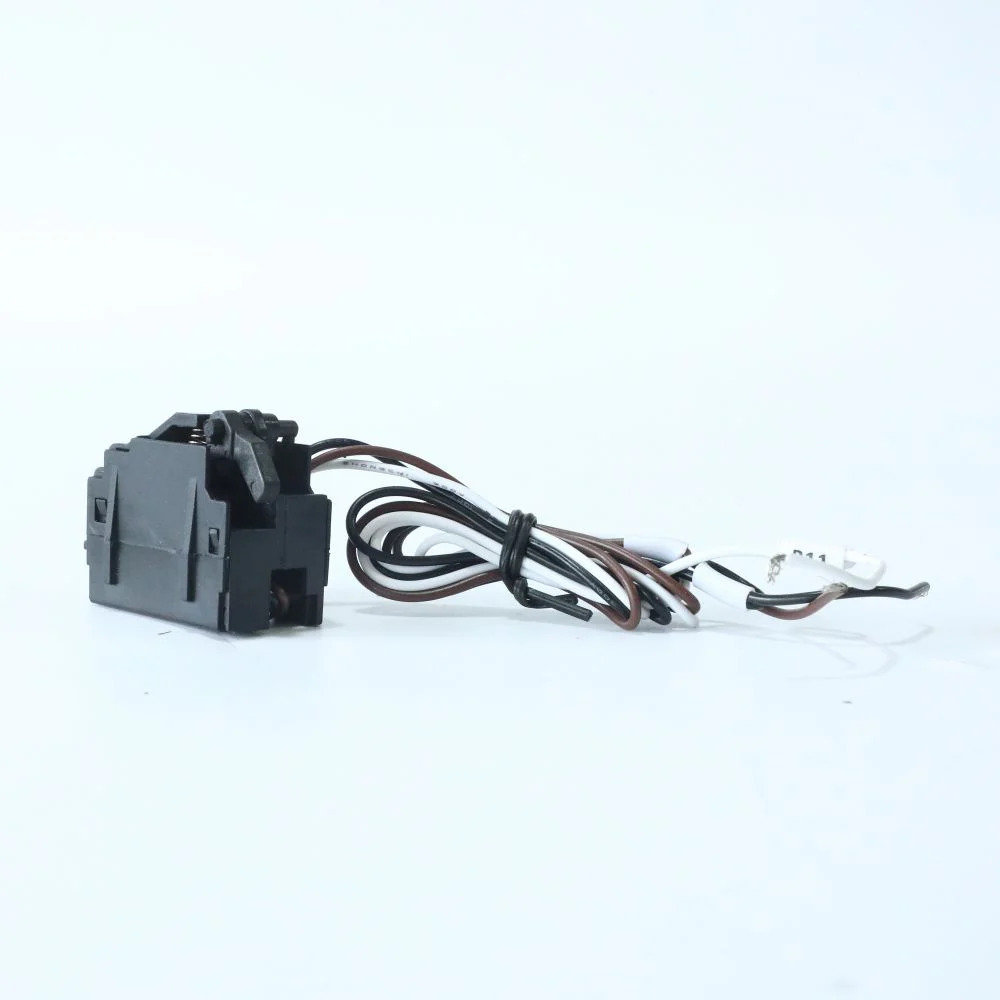
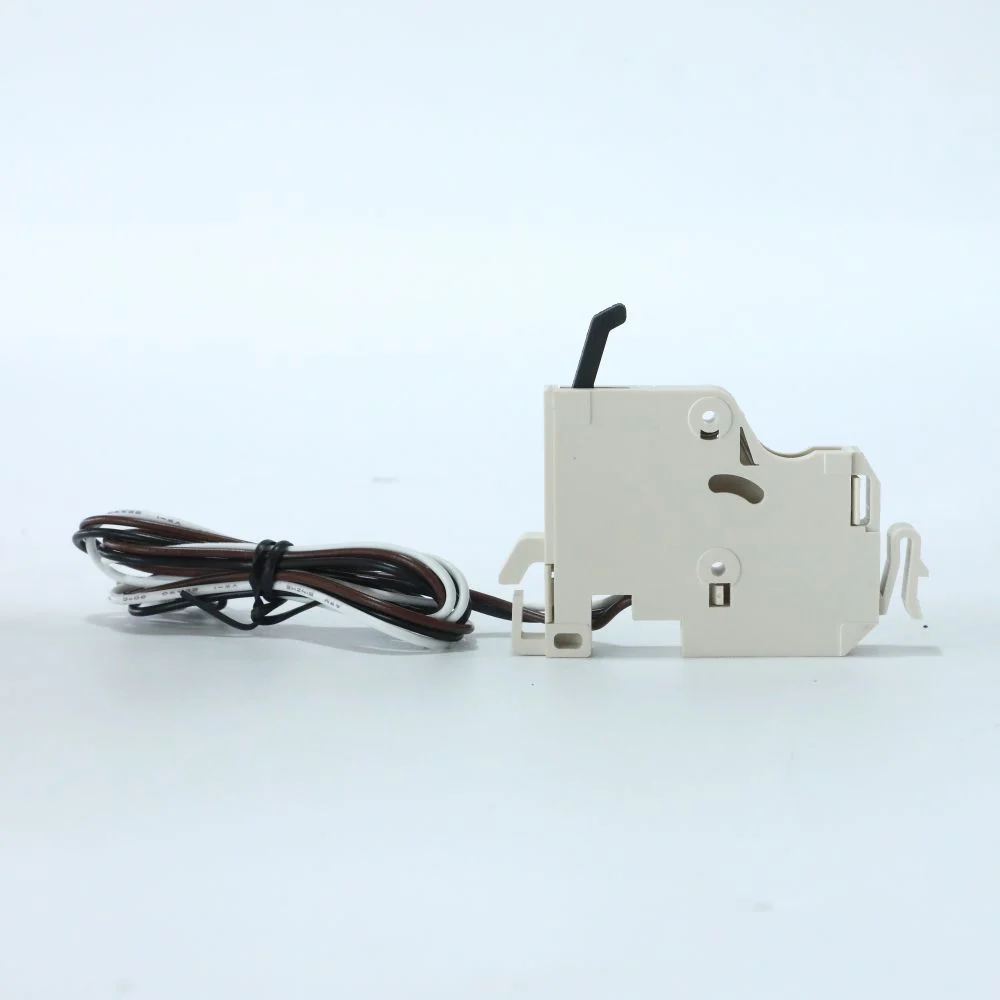
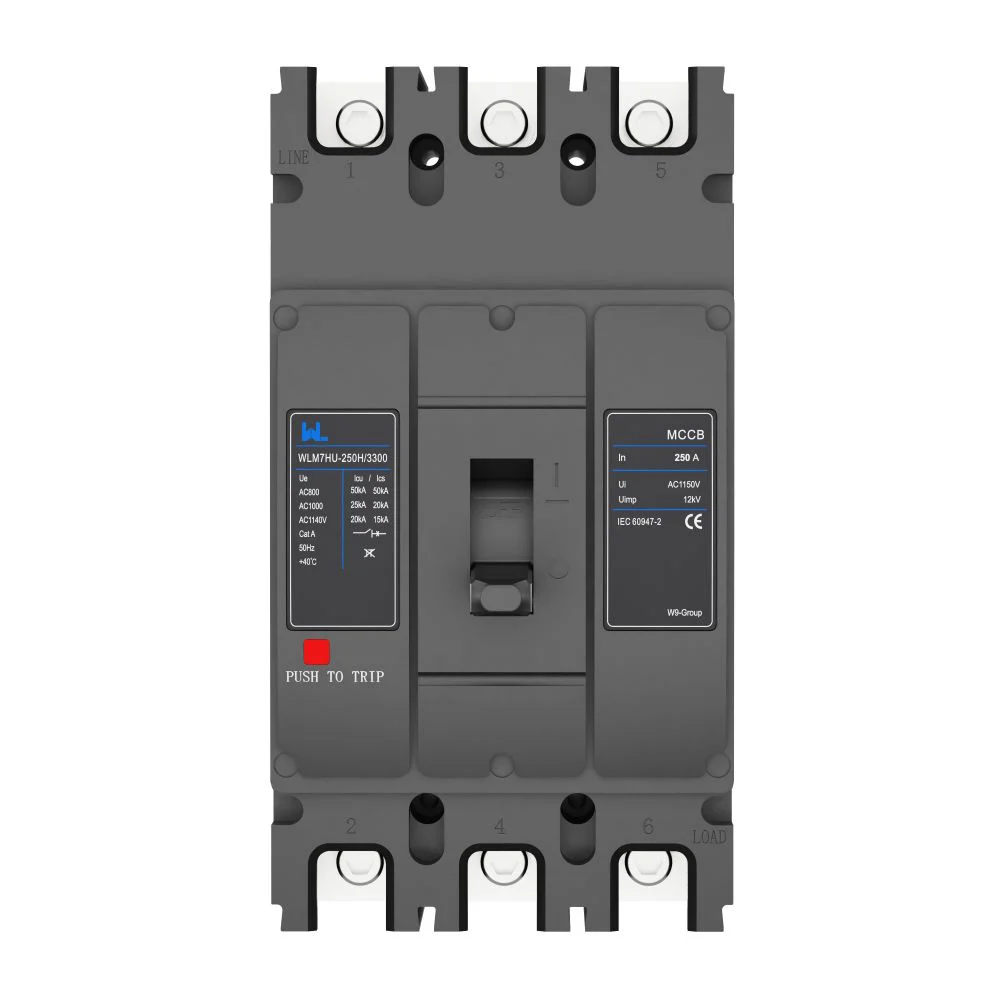
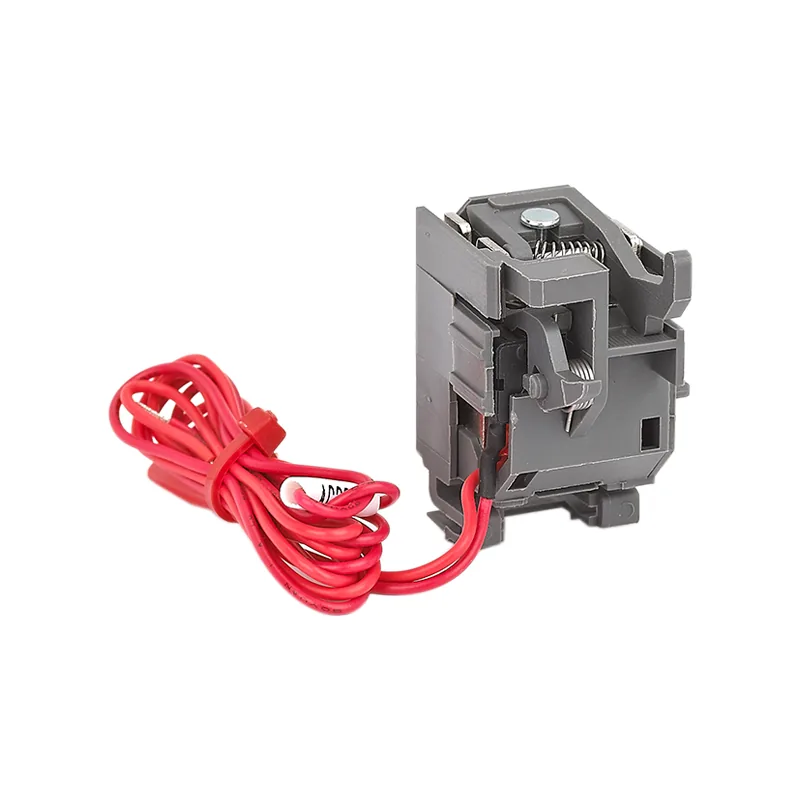
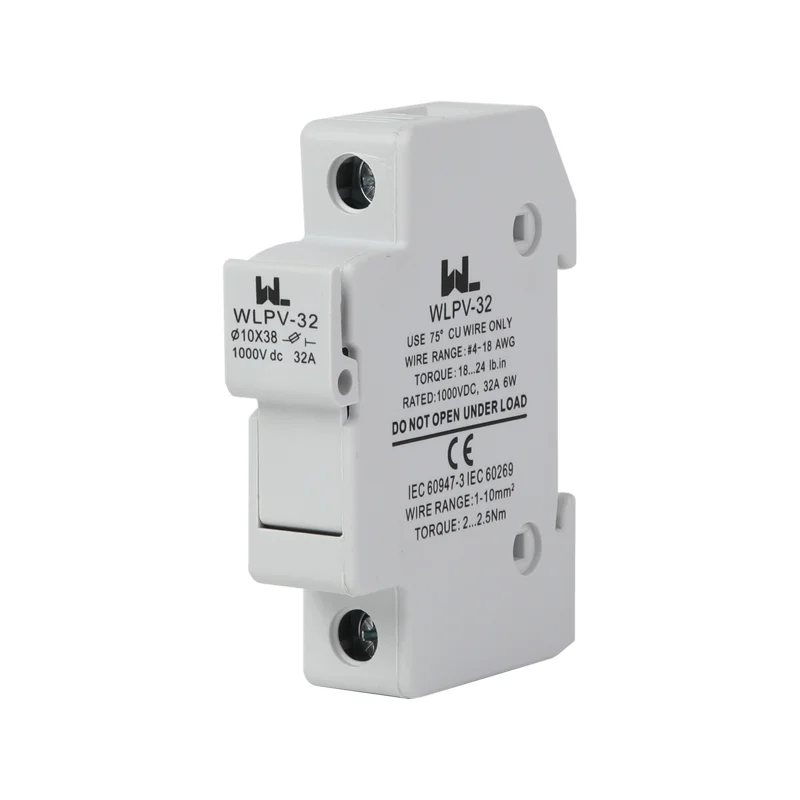
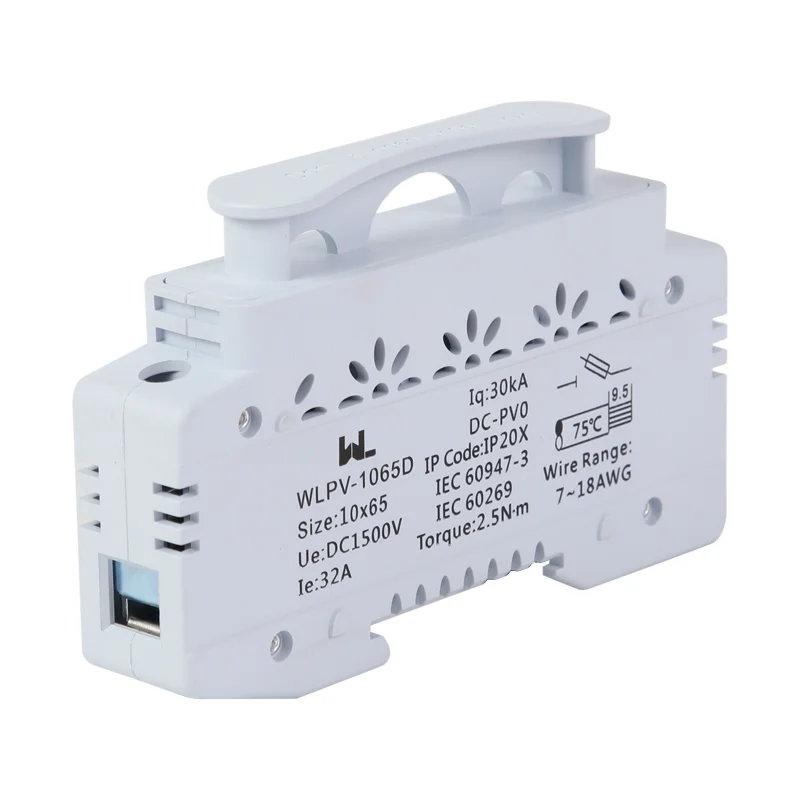
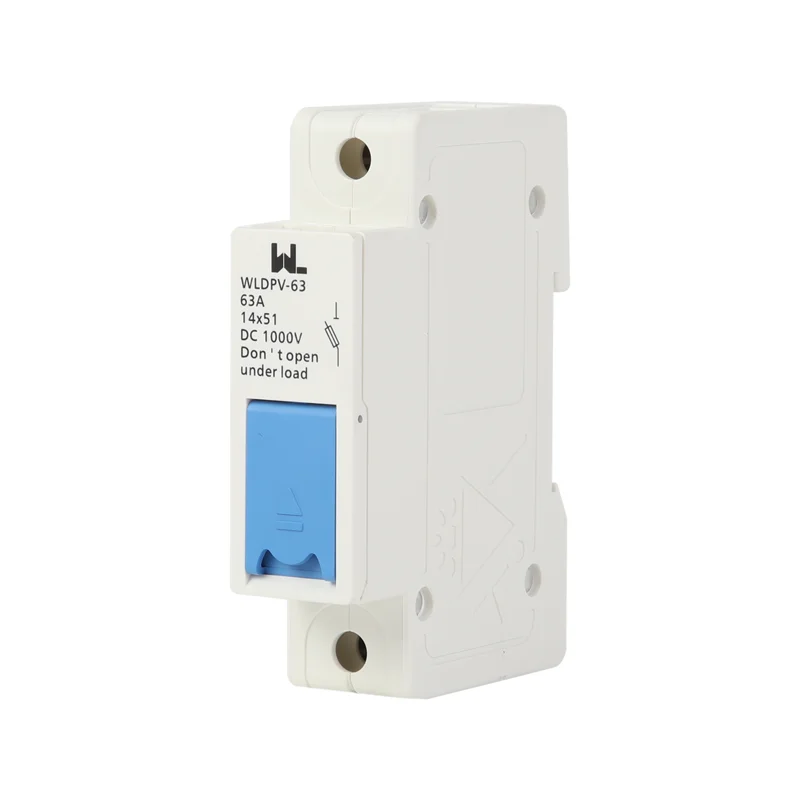
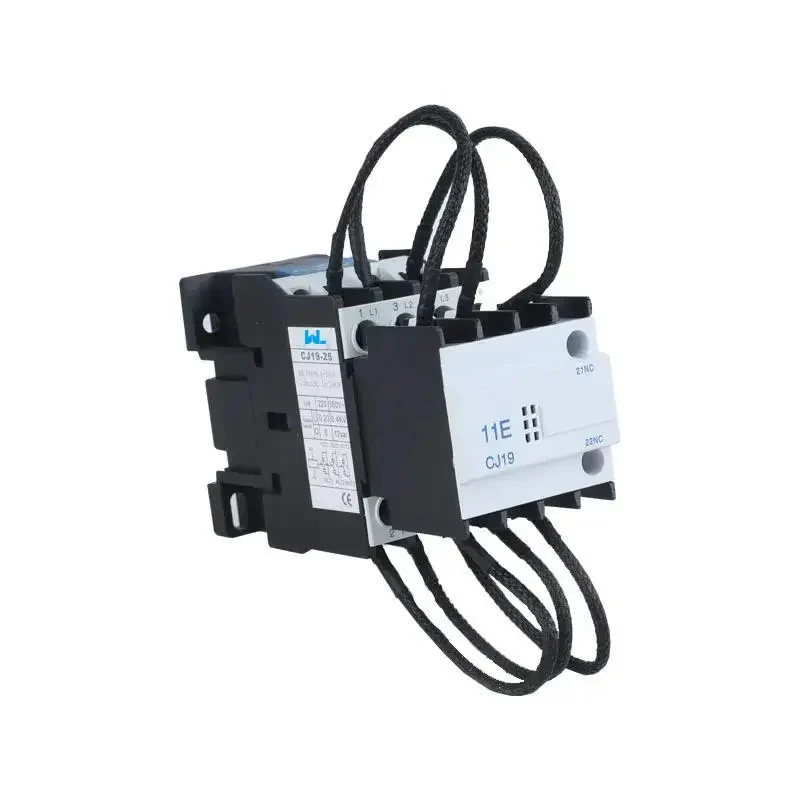
Lately, the electrical industry’s been really changing—big time—especially when it comes to advanced tech like circuit protection. One of the coolest things happening right now is the rise of Microprocessor Based MCCBs (you know, Molded Case Circuit Breakers). These bad boys are truly changing the game, making electrical overload and fault management way more reliable and smarter. If you’ve been keeping an eye on the market, you’ll see that the global MCCB market is expected to grow about 5.1% annually from 2021 to 2026. A big part of that push comes from folks looking for energy-efficient, intelligent solutions. As a company with more than 20 years in the game, W9 Group Technology Electronic Co., Ltd. is right there at the forefront, developing top-notch microprocessor-based MCCBs. We’re always investing in R&D to stay ahead, making sure our products meet the changing needs of the industry. We’re pretty proud of setting high standards when it comes to quality and innovation.

Buyer decision: Compare a microprocessor-based MCCB with an electromechanical alternative against a written protection and monitoring requirement. Adjustable long-time, short-time, instantaneous and ground-fault functions may help coordination, but the available ranges and sensing method are model-specific. Confirm the exact product scope under IEC 60947-2:2024 rather than treating “advanced” as a rating. Smart features add value only when they solve a documented protection or commissioning requirement.
Conventional Protection Limitations
You know, traditional ways of protecting circuits, like fuses and those old-school electromechanical circuit breakers, have been around for ages. But let’s be real — they’ve got their quirks. Fuses, for example, need to be replaced every time they blow, which can cause pretty costly downtime and mess up your operations. On the other hand, electromechanical breakers can be reused, but they’re not exactly the sharpest tools in the shed. They often lack the speed and precision needed to handle more complicated fault situations, making them prone to false trips or even failure when it really counts.
Enter modern microprocessor-based Molded Case Circuit Breakers, or MCCBs. These smarter devices are a game changer. Unlike the old-timers, they can monitor things in real-time and react adaptively, shutting things down quickly when a fault is detected — all with minimal downtime. Plus, their ability to analyze load conditions means they can be set up more accurately for different applications, which traditional methods just can’t do. As industries keep pushing for more reliable and efficient systems, it’s pretty clear that old-school methods just aren’t cutting it anymore, and we need to adopt these newer, smarter solutions to keep everything running smoothly.
Microprocessor-Based MCCB Operation
Microprocessor-based Molded Case Circuit Breakers, or MCCBs for short, are really changing the game when it comes to protecting electrical systems. They offer a lot more precision and features compared to the old-school electromechanical ones. I was reading the latest market report — the Global Circuit Breaker Market Report 2023 — and it mentioned that more and more folks are jumping on the microprocessor train. In fact, they’re expecting this tech to boost growth by about 25% each year! That’s a pretty huge shift, showing how we’re moving towards smarter ways of managing electricity. Thanks to microprocessors, these MCCBs can monitor things in real-time and even adapt on the fly, which is huge for keeping systems safe and running smoothly.
What’s really cool about adding microprocessors to MCCBs is the detailed diagnostics they can provide. They’ve got programmable settings and can even talk to other systems, which makes coordinating responses during faults way more efficient. A report from the Electric Power Research Institute pointed out that using these smarter MCCBs can cut fault clearing times by up to 30%. That means less damage and less downtime — definitely a win for industry folks. Bottom line? as the landscape of circuit protection keeps evolving, it’s clear that microprocessor tech is becoming a key player in making electrical systems more reliable and efficient across different sectors.
Microprocessor MCCB Capabilities
Application boundary: In a connected panel, verify auxiliary supply behavior, local trip operation, communication loss, event-record retention, access permissions and the procedure for restoring approved settings after maintenance. Digital data can support diagnosis and supervision, but it does not remove the need for fault-current calculations, selectivity review, commissioning tests or safe isolation.
Advanced microprocessor-based molded case circuit breakers (MCCBs) are really a big step forward when it comes to protecting your electrical systems. Unlike the traditional electromechanical ones, these new guys use smart algorithms to detect and respond to electrical issues more accurately. What’s cool about these modern MCCBs is that they offer better protection, are more reliable, and even let you customize settings to match specific electrical setups—so you get a tailored solution for your needs.
One of the best parts? They can monitor everything in real-time and run diagnostics on the fly. This means you can catch potential problems early on—way before they turn into costly repairs or cause downtime. Plus, these MCCBs can tweak their trip settings depending on the load they’re handling, which gives them more flexibility to protect against overloads or short circuits, especially during transient spikes. This kind of adaptability is a lifesaver, especially in places where electrical needs change a lot, like industrial sites.
And here’s another neat feature: many of these MCCBs come with communication capabilities, so they can connect to smart grid systems. That makes remote monitoring and control super easy, helping operators keep everything running smoothly without being on-site all the time. All in all, switching to these advanced microprocessor-based MCCBs means safer, more efficient electrical systems that are easier to manage—a win-win, right?
Revolutionizing Circuit Protection with Advanced Microprocessor Based MCCB Technology – Key Benefits
| Feature |
Description |
Benefit |
| Real-Time Monitoring |
Continuous monitoring of circuit parameters for enhanced safety. |
Prevents overloads and potential failures, ensuring system reliability. |
| Advanced Trip Settings |
Customizable trip settings for specific load requirements. |
Optimizes protection for varying applications and reduces nuisance tripping. |
| Data Logging |
Records operational data for analysis and troubleshooting. |
Facilitates maintenance and enhances operational efficiency. |
| User-Friendly Interface |
Intuitive display and controls for easy operation. |
Simplifies user interaction and reduces training time. |
| Communication Capabilities |
Supports integration with building management systems via communication protocols. |
Enhances system control and monitoring for energy efficiency. |
| Compact Design |
Space-saving construction suitable for modern applications. |
Maximizes use of limited installation space. |
Microprocessor vs Electromechanical MCCBs
When you compare microprocessor-based molded case circuit breakers (MCCBs) to the more traditional electromechanical ones, you really notice a big shift in how circuit protection works these days. Modern MCCBs use smart algorithms and can monitor things in real-time, which means they can set trips more precisely and respond way faster when there’s an overload or a short circuit. That’s a bigwin because it means better protection for your electrical setups, less downtime, and less risk of damage to your equipment.
On the flip side, electromechanical MCCBs basically depend on physical mechanisms to detect faults. That usually translates to slower response times and fewer options for customizing settings. They’ve been the go-to for ages, but as everyone’s looking more for reliable and efficient systems, more people are starting to switch over to microprocessor-based breakers. This trend isn’t just limited to circuit protection, either — it’s part of a bigger move across industries, kind of like how telecom companies innovate with connectivity to stay ahead. As industries keep evolving, it’s pretty clear that microprocessor-based MCCBs are shaping up to be the future of circuit protection — they just match the modern demands more effectively.
MCCB Performance Comparison
This chart illustrates the performance comparison between Microprocessor Based MCCBs and Electromechanical MCCBs across various dimensions such as response time, reliability, and fault detection capability.
Digital Circuit Protection Trends
You know, the future of circuit protection is really getting a shake-up thanks to these new microprocessor-based Molded Case Circuit Breakers (or MCCBs, as folks call them). They’re kind of like the game-changers in the field right now—bringing in a whole new level of efficiency and dependability. What’s pretty cool is how they’re blending digital tech into the old-school protection methods. With microprocessors on board, these MCCBs can keep an eye on things in real-time and even react on the fly if something’s off electrically. It’s not just about safety anymore — it helps prevent equipment from getting damaged, adjusting itself smoothly based on different load conditions or operational needs.
And honestly, this shift toward digital in circuit protection signals a move toward smarter, more connected systems. With the whole Internet of Things thing gaining ground, the next-gen MCCBs are probably gonna have data analytics and machine learning baked right into them. That means better predictive maintenance and smarter fault diagnostics — giving folks like us useful insights so we can stay ahead of issues. As tech keeps moving forward, these new devices won’t just protect circuits—they’ll also help create more energy-efficient and smarter systems across various industries. It’s exciting to think about where this is headed!
Industrial Microprocessor MCCB Applications
Microprocessor-based Molded Case Circuit Breakers (MCCBs) are really changing the game when it comes to protecting circuits across different industries. They’re not just safer—they also help things run more smoothly. These high-tech devices can monitor electrical loads in real time, giving you instant data and diagnostics. For places like manufacturing, where a machine breakdown can cost a fortune in downtime, that’s a big deal. Imagine an automated production line—these smart MCCBs can spot overloads quickly and react faster than traditional breakers, cutting down the chances of fires or gear failures.
Thinking about adding these to your setup? A good tip is to pick MCCBs that are easy to understand and operate, so your team can easily check performance info. Speaking of which, it’s also a smart move to make sure your staff knows how to read these diagnostics—being able to catch potential issues early can save you a lot of hassle. And don’t forget to double-check if they’re compatible with your existing systems—that’s key for a smooth upgrade.
In sectors like renewable energy, these MCCBs really shine. They’re crucial for protecting solar inverters and wind turbines against electrical faults. Plus, since they can adjust to changing load conditions, they’re perfect for environments where demands can fluctuate a lot. By catching and managing faults before things go sideways, they help keep your systems running non-stop and make them more reliable overall.
Evidence to retain: The approval pack should contain the exact trip-unit and firmware identification, setting ranges and tolerances, sensor and neutral diagrams, communication and software requirements, test method, as-left settings, change-control record and replacement procedure. Use the manufacturer setting guidance only for the named family; it is not universal proof for every electronic MCCB.
FAQS
The key benefits include enhanced protection features, improved reliability, real-time monitoring and diagnostics, customizable settings, and communication capabilities for integration into smart grid systems.
They utilize sophisticated algorithms to analyze and respond to electrical anomalies with precision, allowing for more accurate trip settings and faster responses to overload and short-circuit conditions.
They provide proactive monitoring and diagnostics, enabling users to detect potential issues before they escalate, which minimizes downtime and repair costs.
They can adjust their trip characteristics based on load conditions, enhancing protection against overloads and ensuring stability during transient events.
They come equipped with communication capabilities that facilitate remote monitoring and control, allowing operators to manage electrical systems more efficiently.
Microprocessor-based MCCBs offer advanced algorithms and real-time monitoring for precise trip settings and faster response times, while electromechanical MCCBs rely on physical mechanisms, which may result in slower responses and less flexibility.
Operators are seeking improved reliability and efficiency as industries evolve, and microprocessor-based MCCBs are positioned to meet modern demands for circuit protection.
Their real-time monitoring capabilities allow for early detection of issues, which helps prevent equipment damage and reduces repair needs.
The telecommunications sector is experiencing similar innovations as operators leverage connectivity for growth, paralleling developments in circuit protection technology.
Their flexibility, adaptability to modern electrical demands, and enhanced efficiency position them as a more effective solution compared to traditional electromechanical MCCBs.
Conclusion
When it comes to protecting circuits, the old-school methods often just don’t cut it anymore – they can be slow and not very flexible. That’s where Microprocessor-Based MCCBs come into play, really changing the game in electrical safety. Instead of relying purely on mechanical parts, these modern MCCBs use microprocessors to give us some serious benefits, like better protection features, quicker fault detection, and the ability to connect with digital systems for smarter monitoring and management.
W9 Group Technology Electronic Co., Ltd. has been in the MCCB business for over 20 years, so they really know their stuff. As the industry moves more towards automation and digital tech, W9 Group is dedicated to making high-quality MCCBs that keep up with these changing needs. Their focus is on delivering reliable, top-performing circuit protection solutions that organizations can count on.
All in all, microprocessor-based MCCBs are a step forward, helping us make our electrical systems safer and more efficient than ever before.