




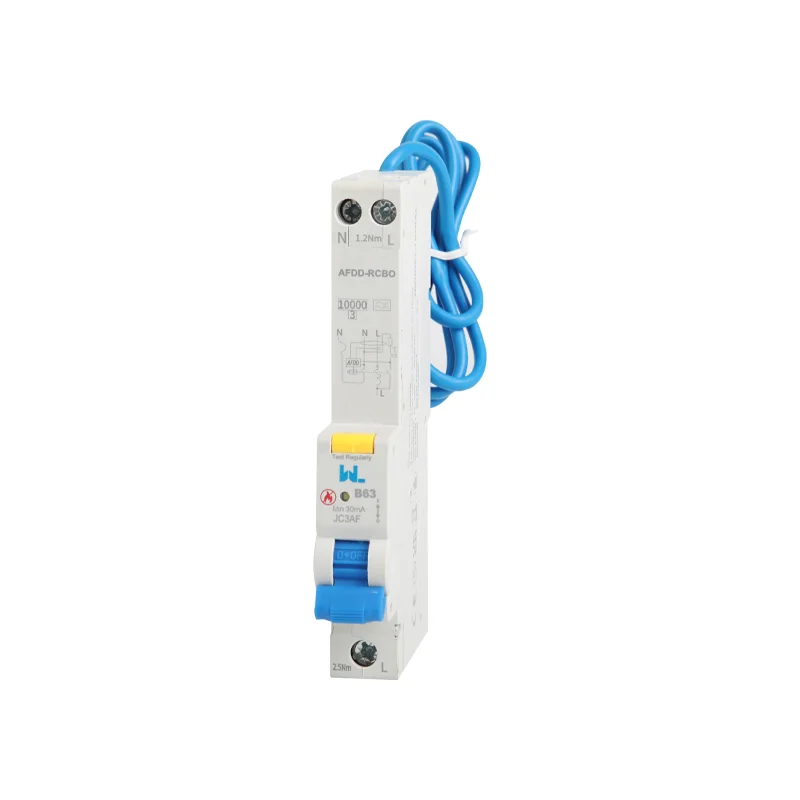
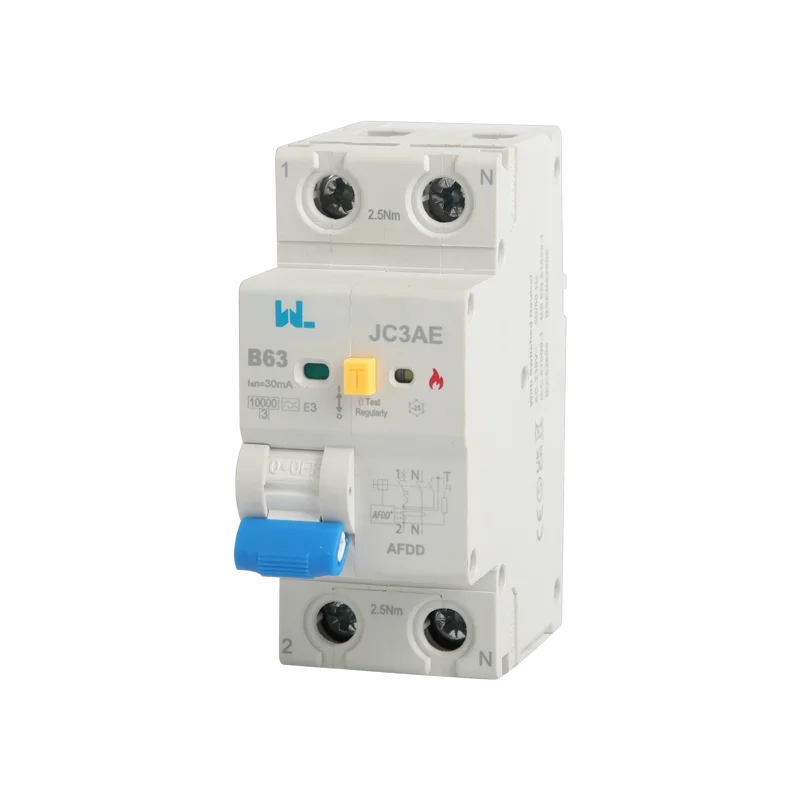
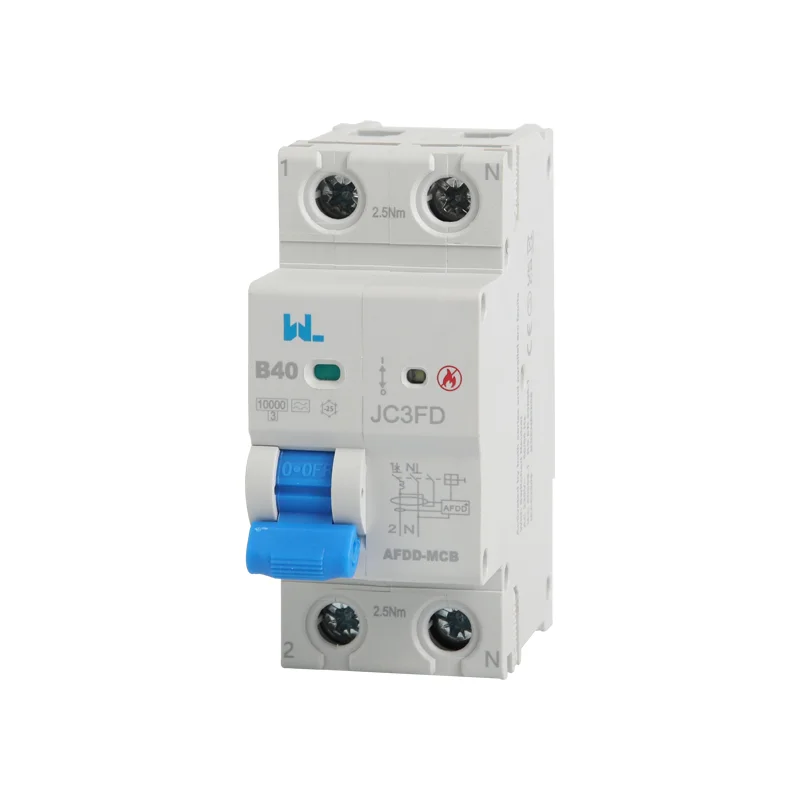




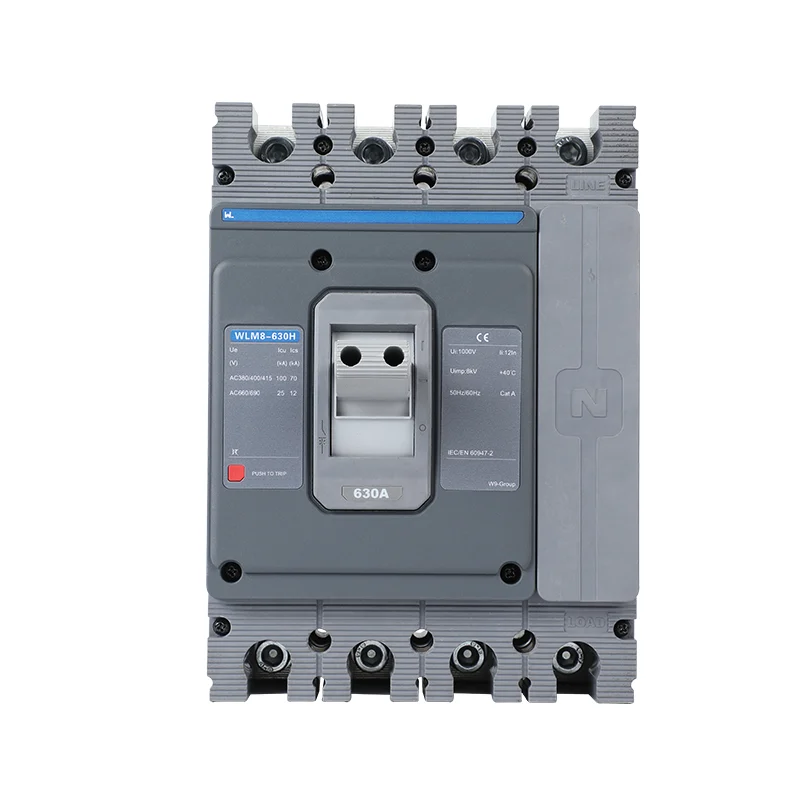
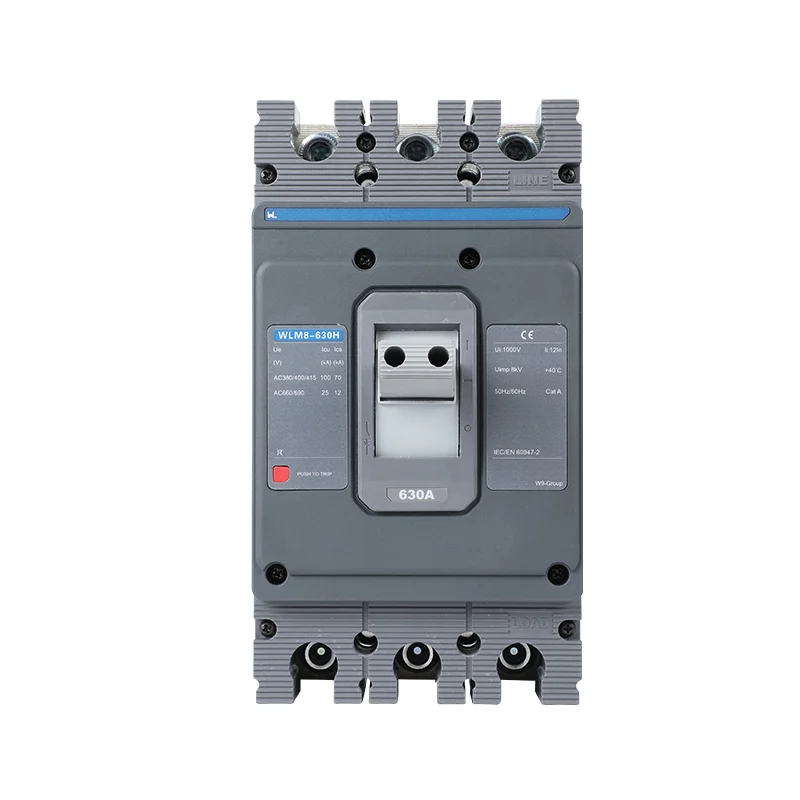
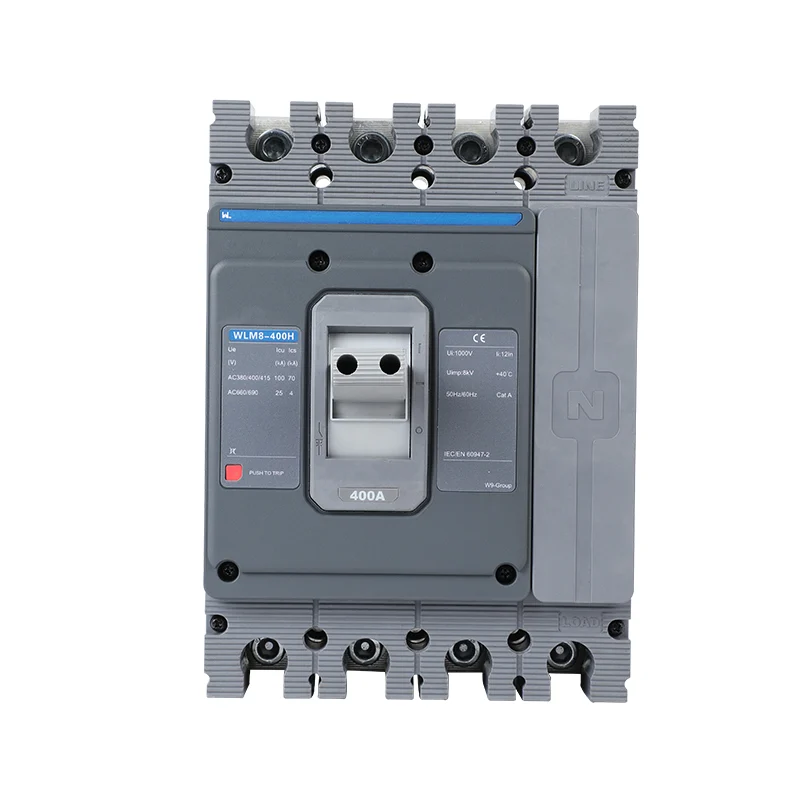
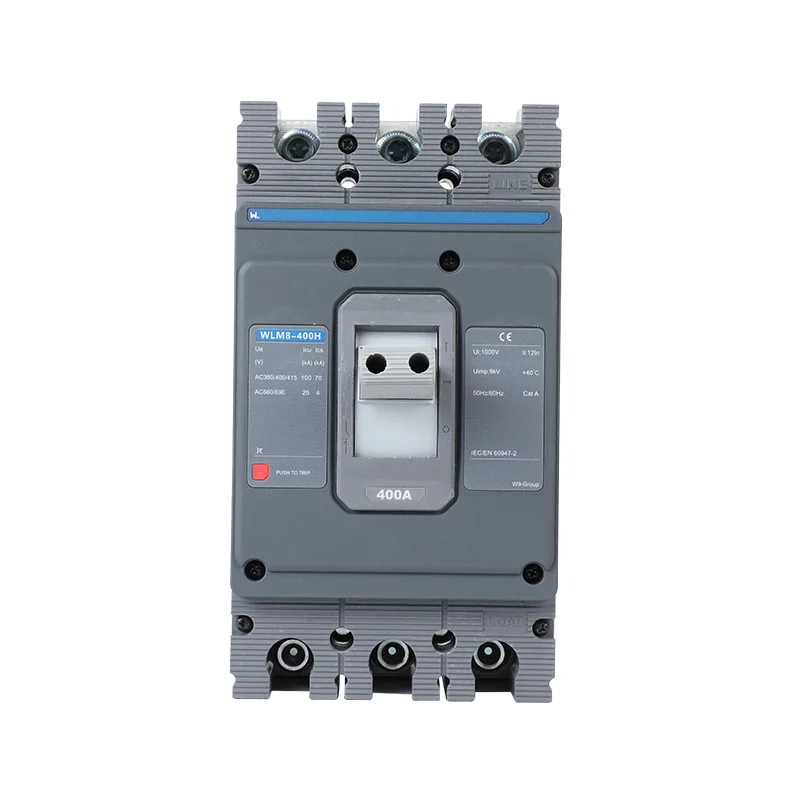
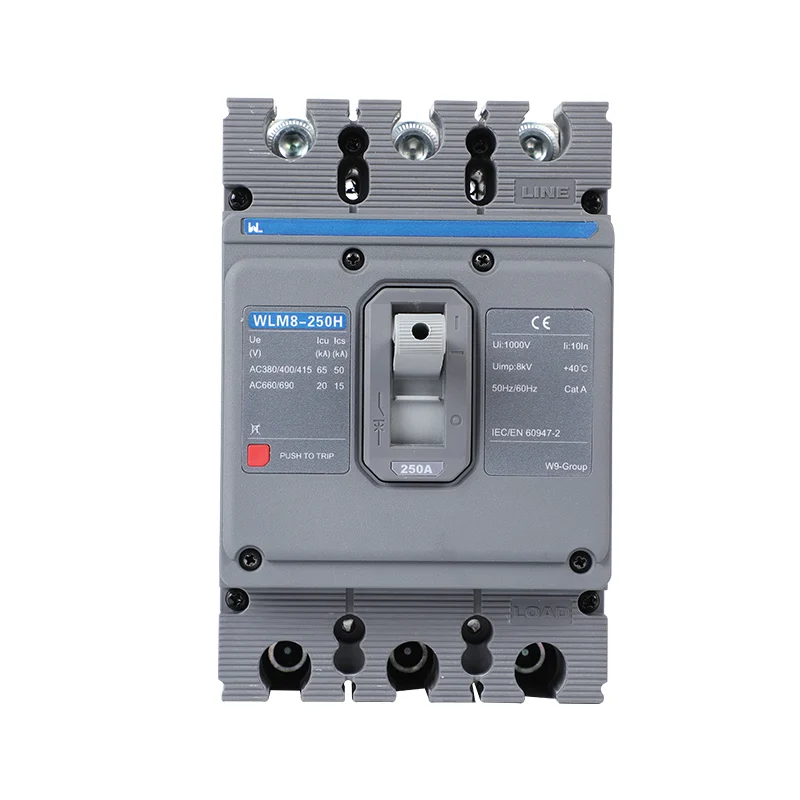















Especificaciones técnicas de los disyuntores de carcasa moldeada (MCCB)
A procurement specification should identify what must be delivered and how acceptance will be demonstrated. Listing materials, equipment and standards without model-level electrical duty leaves room for substitutions that appear similar but protect the circuit differently.
Standard Compliance
MCCBs adhere to standards outlined in GOST IEC 60947-1 and GOST IEC 60947-2. These standards are established to ensure the safety, reliability, and compatibility of low-voltage distribution and control apparatus. They specify requirements for various aspects of MCCBs, including design, performance, and testing. Adherence to these standards is crucial to ensure the proper functioning of MCCBs within electrical systems.
Requirements for Raw Materials and Supplies
Manufacturers of MCCBs must exercise strict control over the raw materials and supplies used in production. This involves implementing quality control measures to verify the suitability and consistency of materials. Any changes in raw materials must be carefully evaluated and coordinated to maintain product integrity. The quality of materials directly impacts the performance and longevity of MCCBs, necessitating adherence to stringent standards.
Equipment List
MCCBs must be designed to accommodate various auxiliary equipment necessary for their operation. This includes auxiliary contacts, emergency contacts, shunt release devices, and other components that enhance functionality or facilitate remote operation. Ensuring compatibility with these auxiliary devices is essential to meet the diverse requirements of different electrical systems.
Delivery Scope
The standard delivery scope of MCCBs includes essential components and documentation required for installation and operation. Interpolar dielectric dividers and terminal covers provide insulation and protection within the MCCB enclosure. Data sheets and operating manuals offer guidance on installation, operation, and maintenance. Fastening kits and auxiliary handles aid in the installation process, while draw-out cradles facilitate the removal and replacement of MCCB units.
Turn the specification into acceptance evidence
| Requirement | Supplier document | Incoming check |
|---|---|---|
| Función eléctrica | Exact rating table | Delivered model and marking |
| Trip functions | Release manual and curves | Correct release and approved settings |
| Connections | Terminal and outline drawing | Supplied hardware and identity |
| Accesorios | Códigos y valores de suministro compatibles | Included quantity and configuration |
| Récord | Responsible review |
|---|---|
| Product evidence | Exact model and document scope |
| Assembly evidence | Installed panel and connections |
| Entregue | Required functions and as-left settings |
| Change control | Accepted deviations and revised drawings |

Making specification requirements testable
For every required characteristic, name the document that will demonstrate it. Current and pole count belong on the orderable configuration; Icu and Ics belong in a voltage-dependent rating table; Configuración de la excursión belong in the approved protection schedule. Tie terminal drawings, accessories and test documents to that same code and revision.
At incoming inspection, compare the delivered marking and accessory supply with the approved schedule. Do not open a sealed breaker to inspect internal materials unless the manufacturer’s procedure expressly permits it. Product acceptance and assembly verification are separate steps, and any nonconforming substitution needs a recorded technical disposition before energisation.
Design Requirements
Design requirements for Molded Case Circuit Breakers (MCCBs) encompass various aspects aimed at ensuring their safe and efficient operation within electrical systems. These requirements are crucial to meet regulatory standards, ensure user safety, and guarantee the reliability of the MCCBs. Here are detailed explanations of the design requirements:
Handle Labeling
The handle of an MCCB must be labeled to indicate the switch status clearly. This labeling includes symbols for the closed and release positions, following standardized conventions set forth by organizations like the International Electrotechnical Commission (IEC), typically depicted in IEC 60417-2. This ensures that users can easily identify the status of the MCCB, whether it is in the ON or OFF position, enhancing safety and usability.
Sticker Information on the Device
MCCBs must have stickers containing essential information affixed to the device. This information includes:
· Model name of the MCCB
· Rated operating voltage (Ue) and frequency
· Rated insulation voltage (Ui)
· Rated impulse withstand voltage (Uimp)
· Rated operating current (In)
· Rated Capacidad de ruptura (Icu) at specified voltages (e.g., AC380/400/415V)
· Rated operating breaking capacity (Ics) at specified voltages
· Category of application
· Country of manufacture
· Reference standard
· Marking ability to disconnect
· Brand marking (e.g., ESQ)
This information provides vital details about the MCCB’s specifications, capabilities, and compliance with standards, aiding in its correct installation and maintenance.
Sticker Information on the Package
The individual package containing the MCCB must also bear important information, including:
· Model name of the MCCB
· Rated operating current (In)
· Rated breaking capacity (Icu) at specified voltages
· Date of manufacture
· Country of manufacture
· Reference standard
· Brand marking (e.g., ESQ)
This information allows for easy identification and traceability of the MCCB, helping users and installers verify its specifications and origin.
Sticker Information on the Total Package
The outer packaging of the MCCB, which contains multiple MCCBs, should include the following information:
· Model name of the MCCB
· Rated operating current (In)
· Rated breaking capacity (Icu) at specified voltages
· Date of manufacture
· Number of MCCBs in the package
· Country of manufacture
· Reference standard
· Brand marking (e.g., ESQ)
Accompanying Documentation
Comprehensive documentation accompanies each MCCB to provide essential information to users and installers. Instruction manuals offer detailed guidance on installation, operation, and troubleshooting. Data sheets contain complete order codes, manufacturing dates, and quality control stamps to ensure traceability and quality assurance. Additionally, 3D models, order codes, test reports, and certificates of conformity to relevant standards provide further validation of MCCB performance and compliance.
Packaging and Labeling
MCCBs are packaged in a manner that ensures their protection during transportation and storage. Polyethylene packaging with silica gel desiccants helps prevent moisture damage, preserving the integrity of the MCCB. Cardboard boxes with polyethylene foam provide additional cushioning and protection against physical impacts. Clear labeling on packaging indicates the contents and includes essential information such as model name, current rating, manufacturing date, country of origin, reference standards, and brand markings.
MCCB Specification Checklist
In conclusion, adherence to these detailed technical specifications ensures the reliability, safety, and performance of Molded Case Circuit Breakers, crucial components in modern electrical systems. Compliance with standards and meticulous manufacturing processes guarantee the quality and longevity of MCCBs, contributing to the efficiency and security of electrical installations.
Preguntas frecuentes
What must an MCCB specification state beyond amperes?
State operating voltage, poles, fault duty, trip functions, condiciones de instalación, connections and accessories. Include the documentation and destination-market requirements for the exact configuration.
Should Icu and Ics be copied from a family brochure?
Only when the table unambiguously covers the quoted model, capacity code and voltage. Request clarification where rows or headings are ambiguous.
Does incoming visual inspection replace type-test evidence?
No. Visual inspection can identify marking or configuration discrepancies but cannot establish interruption performance. Retain the relevant declaration or test evidence separately.
How should a supplier substitution be accepted?
Compare every affected electrical, mechanical and documentary requirement and obtain project approval. Similar dimensions or current ratings alone are not sufficient.
Referencias
- IEC 60947-2:2024 — ámbito de aplicación del producto interruptor de circuito.
- IEC 61439-1:2020 — Normas generales para la instalación de baja tensión.
- NFPA 70 — Desarrollo y alcance del código de instalación para Estados Unidos.
Para revisar la configuración propuesta, Contacte con W9 Group con el horario de carga disponible Corriente de fallo y los requisitos del mercado de destino.