











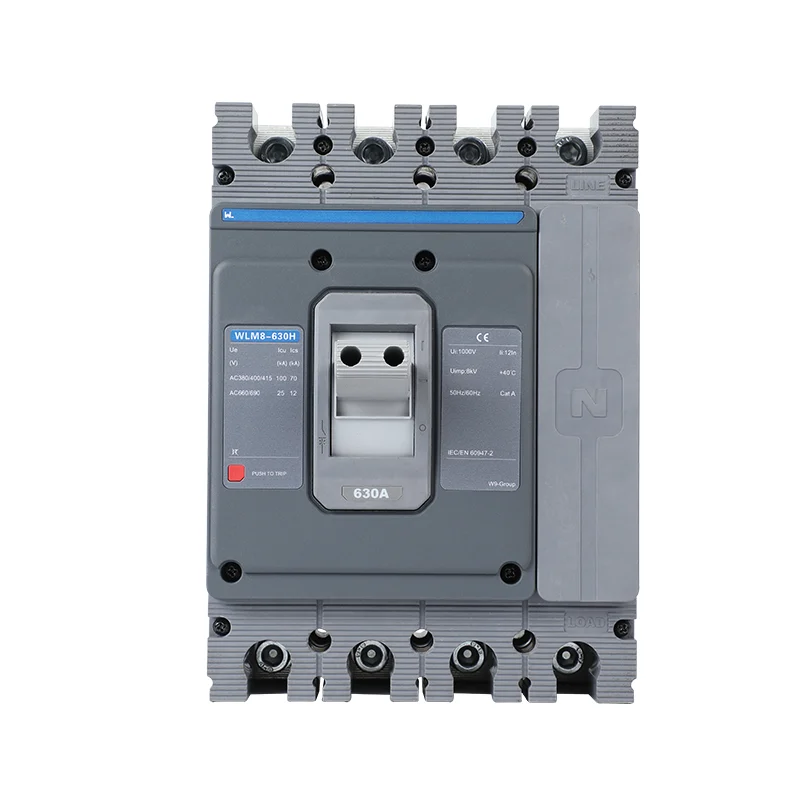
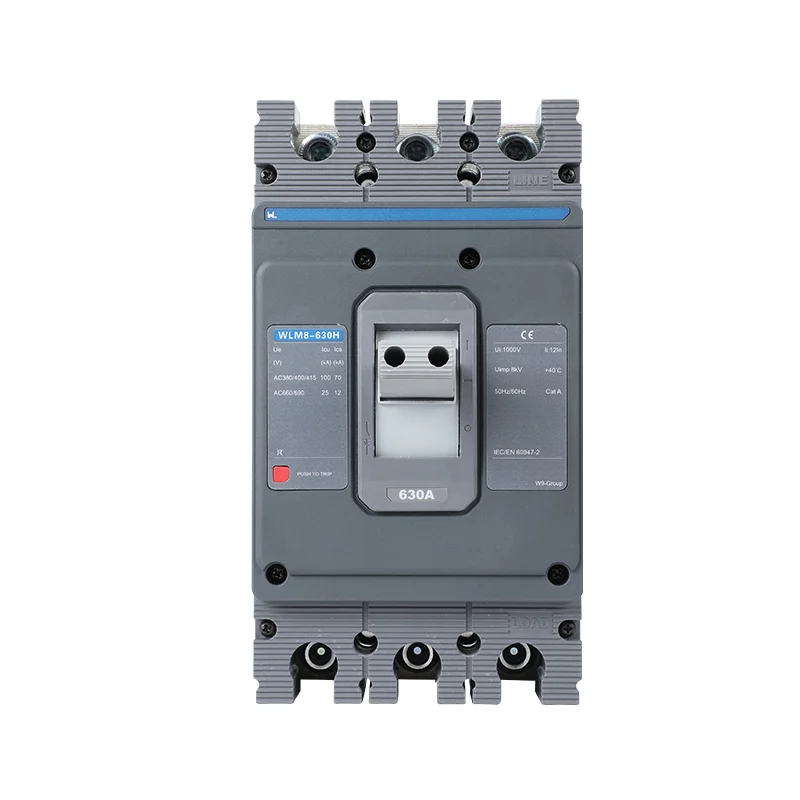
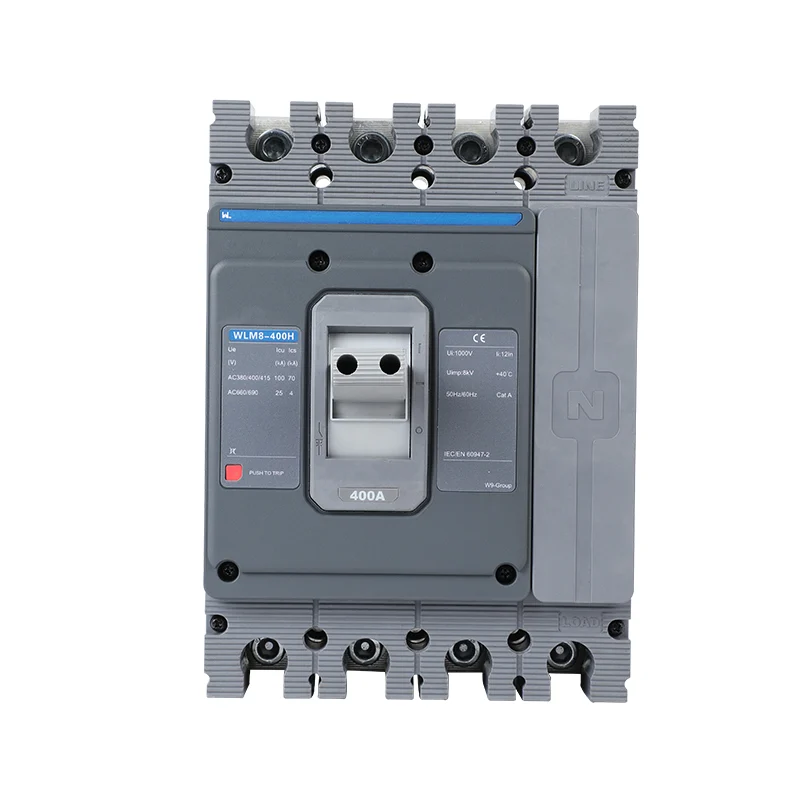
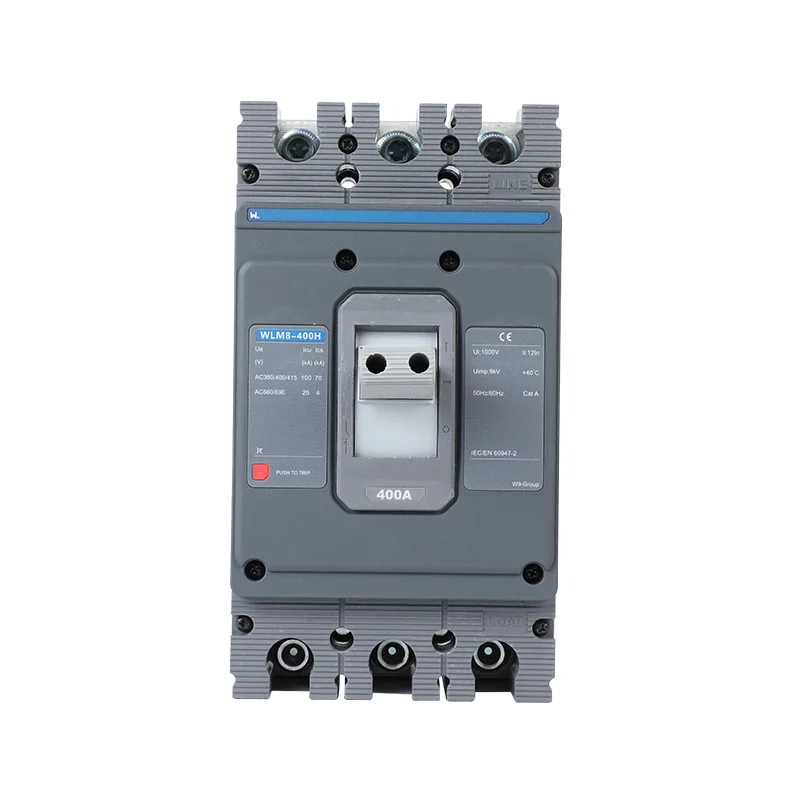
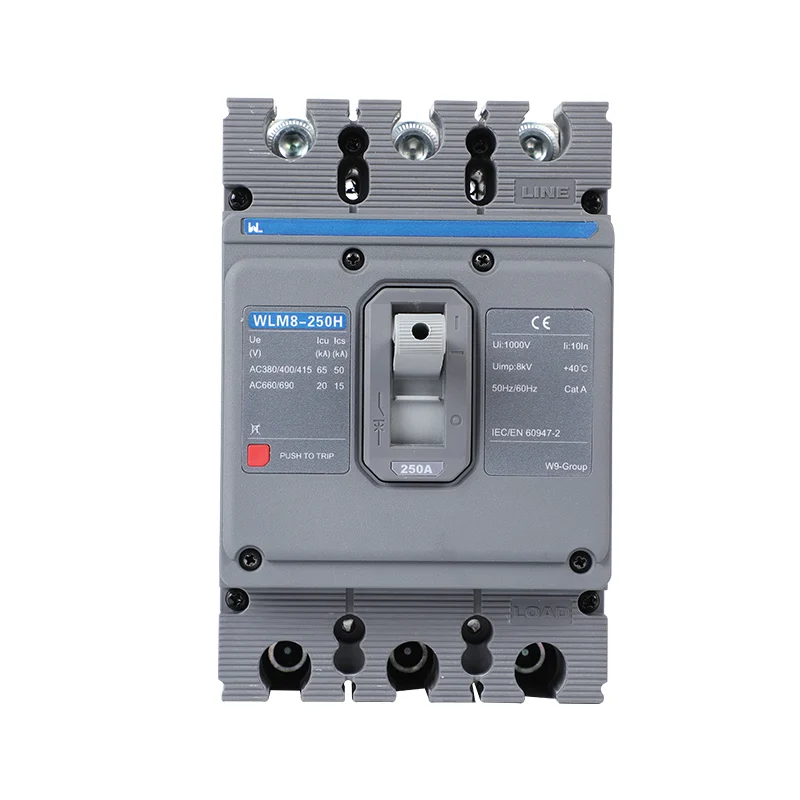





















Power Circuit Breaker vs MCCB: Understanding the Difference
“Low-voltage breaker” is a broad description. “Power circuit breaker” can have a much more specific meaning in a switchboard specification, particularly on a North American project. This is why two apparently similar offers may follow different approval requirements.
Before comparing a low-voltage power circuit breaker with an MCCB, establish the product standard the project requires. UL 1066 and UL 489 cover different product categories. An ACB documented to IEC 60947-2 should not be treated as UL 1066 listed unless that listing is also confirmed for the model.
Power Circuit Breaker and MCCB Standards
MCBs, MCCBs and ACBs can all be used in low-voltage distribution. Those names help identify a family, but they do not fully describe fault duty or certification. The purchase specification needs to identify both the intended equipment and its governing standard.
In the North American framework, UL 489 covers molded-case circuit breakers and related devices within its scope. UL 1066 covers low-voltage AC and DC power circuit breakers used in enclosures. ANSI/IEEE C37 documents may also apply, depending on the product, assembly and project specification.
IEC 60947-2 takes a different approach to classification. Check the breaker’s category, time-delay capability and short-time withstand rating in its documents; these do not map directly to a North American listing. Our ACB and MCCB comparison looks at switchboard applications within those limits.
Circuit Breaker Fault Ratings and Selectivity
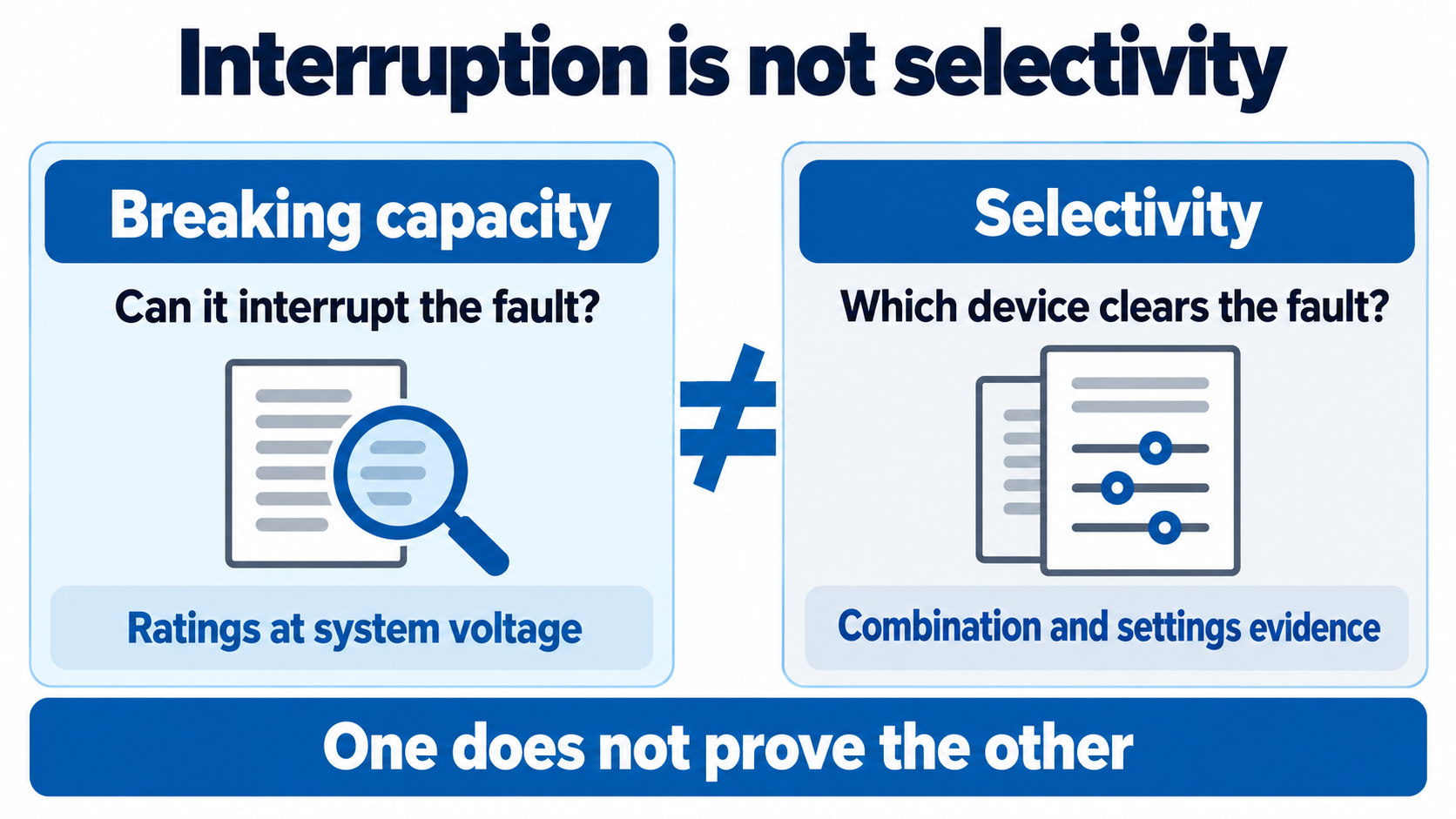
A practical power circuit breaker vs MCCB comparison starts with the fault current the switchboard may experience and the circuits that must remain supplied. Examine breaking capacity, short-time withstand, trip functions and coordination data together. The table below separates those questions from the product name.
| Review point | Broad low-voltage breaker enquiry | Power-breaker specification |
|---|---|---|
| Product identity | Must identify MCB, MCCB, ACB or another defined product | Must identify the required power-breaker standard and approved model |
| Interrupting duty | Rating at the system voltage is required | Rating at the system voltage is still required |
| Delayed fault duty | Must be supported by the selected breaker | Check the declared short-time duty and assembly limits |
| Selective operation | Requires a documented device combination and study | Also requires a documented combination and study |
| Mantenimiento | Model-specific instructions govern | Service access and procedures remain model-specific |
Selective operation allows a downstream device to clear a fault while the required upstream supply remains available. A time delay can help in part of the operating range, but it also prolongs fault-current exposure. The breaker, conductors and assembly must withstand that duty, and the safety assessment must account for clearing time. Disabling instantaneous protection is not a routine way to resolve a coordination problem.
Icu, Ics and Icw describe different IEC duties. In particular, a high breaking capacity does not establish that a breaker can withstand fault current for a deliberate delay. Read Icw with its stated duration and compare it with the proposed settings.
Fixed and Draw-Out Breaker Maintenance
A draw-out design can allow removal and defined operating positions under the manufacturer’s procedures. A fixed design may be easier to integrate where removal is infrequent. In either case, maintenance requires the applicable isolation, verification and hazardous-energy controls.
Discuss switchboard maintenance access with the panel builder before ordering. Allow for clearances, handling equipment, cable and busbar interfaces, shutters, interlocks and spare parts. If a cradle is involved, its compatibility must be established for the exact breaker.
| Application requirement | Evidencia para solicitar | Decision affected |
|---|---|---|
| Specified North American approval | Exact listing and assembly requirements | Whether the offered product is eligible |
| Delayed upstream protection | Time-current data, withstand duty and study | Permitted settings and selectivity limit |
| Frequent service access | Maintenance procedure and arrangement drawing | Fixed or draw-out construction |
| Existing switchboard replacement | Approved retrofit or assembly compatibility evidence | Whether field substitution is acceptable |
Include the cradle, accessories, installation, commissioning and spares in the lifecycle comparison. Ask the service team which inspections, tests and repairs the manufacturer permits. A large frame does not automatically mean a field-repairable device, and an MCCB should not be assumed maintenance-free.
Power Circuit Breaker Purchase Specifications
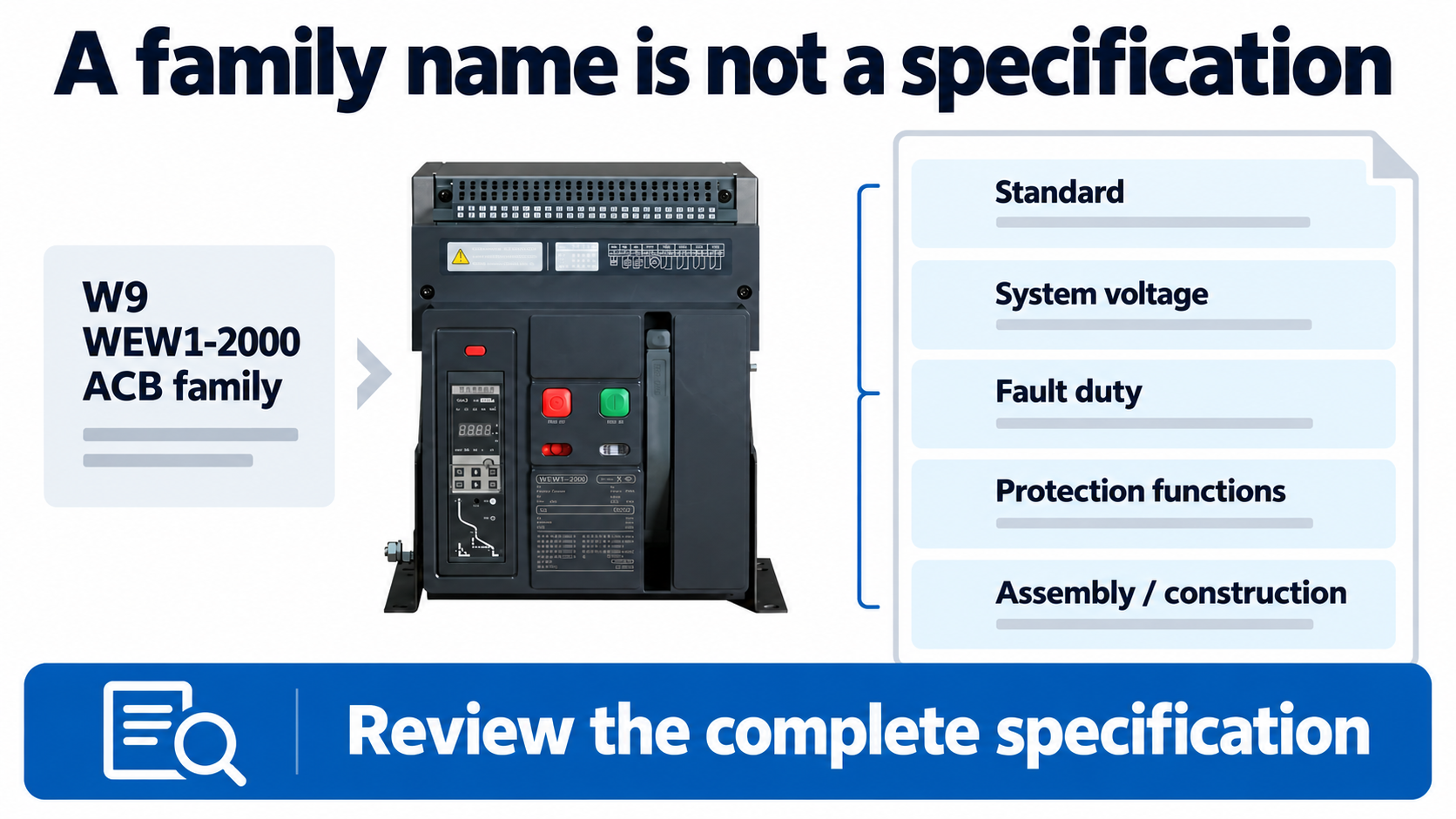
A standards-based breaker specification identifies the required standard, system voltage, fault duty, protection functions and assembly. List departures in an alternative offer clearly so the authorized engineering team can review them before purchase.
For an enquiry about W9’s WEW1-2000 ACB family, state the required product standard, trip functions and fixed or draw-out arrangement. Request the documents for the proposed model, including any approvals the project calls for. The product listing alone does not establish UL certification or a coordination result.
Power Circuit Breaker and MCCB FAQs
Are MCCBs and power circuit breakers both low-voltage devices?
They can both serve low-voltage circuits. The exact standard, ratings and assembly requirements determine whether a particular model is suitable.
Who should install or replace a power circuit breaker?
Use people competent for the equipment and task, with any qualifications or licences required locally. Low-voltage power equipment still presents shock and arc hazards.
Can a power circuit breaker directly replace an MCCB?
Only after an authorized replacement or retrofit review. Electrical ratings, protection settings, mechanical interfaces and assembly approvals all need to match the intended duty.
Is every ACB a UL 1066 power circuit breaker?
No. An IEC ACB and a UL 1066 listed product follow different requirements. Check the actual approval record rather than relying on the term “air circuit breaker.”
What should I check in a power circuit breaker catalogue?
Look for the product standard, ratings at your system voltage, trip-unit options and installation arrangement. Follow the catalogue shortlist with model-specific manuals and approval documents.
Is an insulated-case breaker the same as a power breaker?
The terms are not automatically equivalent. Check the product’s standard, declared duty and short-time performance to understand how it is classified.
Power Circuit Breaker Technical References
- UL Solutions: circuit-breaker and supplementary-protector services
- Electrical Installation Guide: ratings and utilization characteristics
- Electrical Installation Guide: coordination between circuit breakers
- HSE: electrical work and competence
ACB Selection for Switchboard Projects
Once the required standard is clear, compare the fault ratings, protection and service arrangements that the switchboard actually needs. For a W9 proposal, include the governing standard, supply details, fault duty and preferred construction in your ACB enquiry. This gives both the supplier and project engineer a concrete basis for reviewing the offer.