







ACB vs MCCB: Which Low-Voltage Circuit Breaker Is Right for Your Main Switchboard?
When a switchboard engineer in Manchester was asked to stop nuisance trips on a manufacturing line, she replaced a feeder breaker. The trip returned during motor starting. A coordination review showed the incoming device had been selected as an MCCB without enough adjustment range or selectivity for the board’s fault and inrush conditions. The issue was specification, not simply product quality.
Resumen: An Acb Breaker (air circuit breaker) is usually evaluated for a main incomer, bus-tie, or high-duty generator connection where accessible protection settings, coordination, and maintainability matter. An MCCB is often the more compact and economical choice for outgoing feeders and smaller incomers. The right decision follows the prospective short-circuit current, load profile, voltage, coordination study, enclosure space, and maintenance plan. Specify the complete assembly against IEC 60947-2 and the destination market’s installation rules; do not choose by ampere label or unit price alone.
What the two breaker families actually do
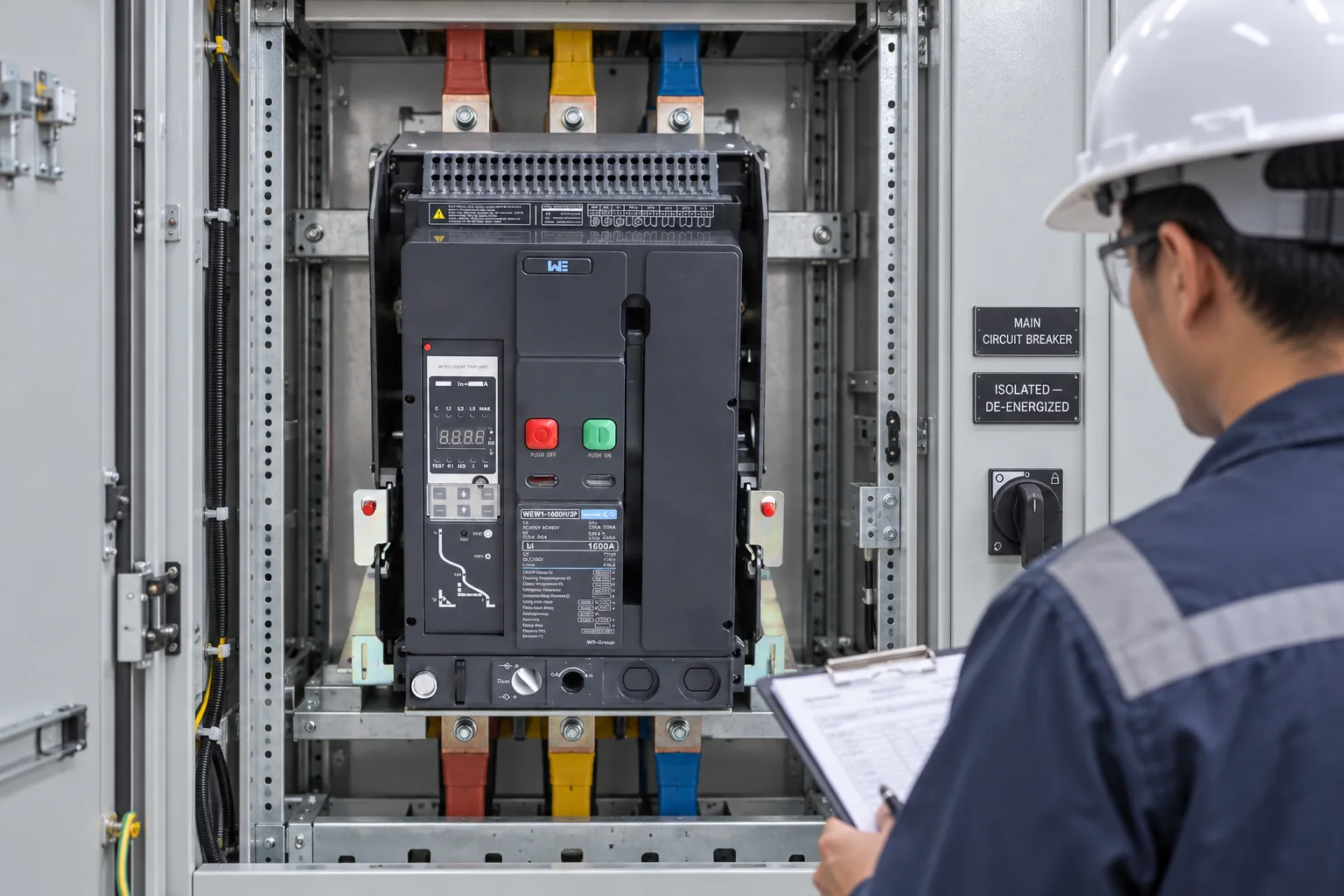
An Air Circuit Breaker interrupts current in air and is built as a serviceable low-voltage power breaker. Its frame, trip unit, arc-control system, and accessories suit a switchboard role. A fixed arrangement is bolted into the compartment; a draw-out arrangement adds a withdrawable cradle with connected, test, and isolated positions. A low-voltage ACB range can support control wiring, interlocking, metering, and maintenance access.
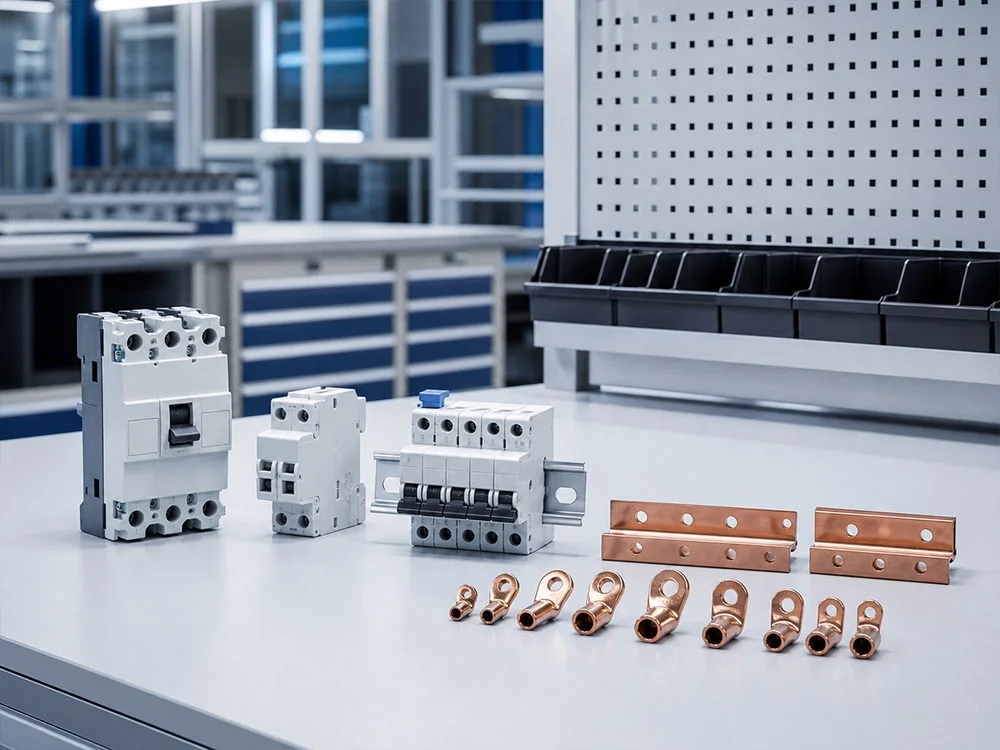
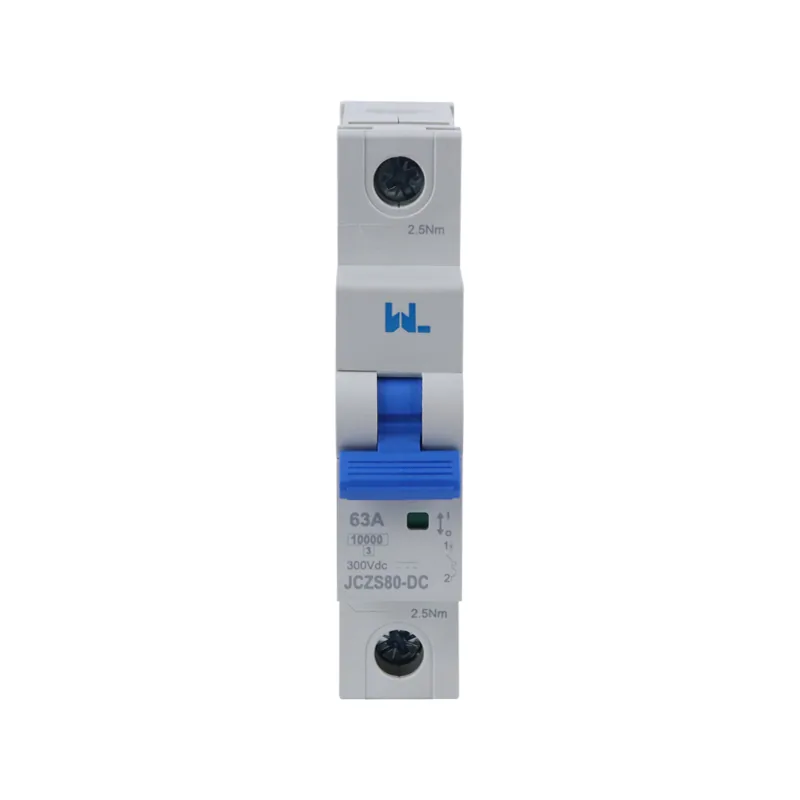
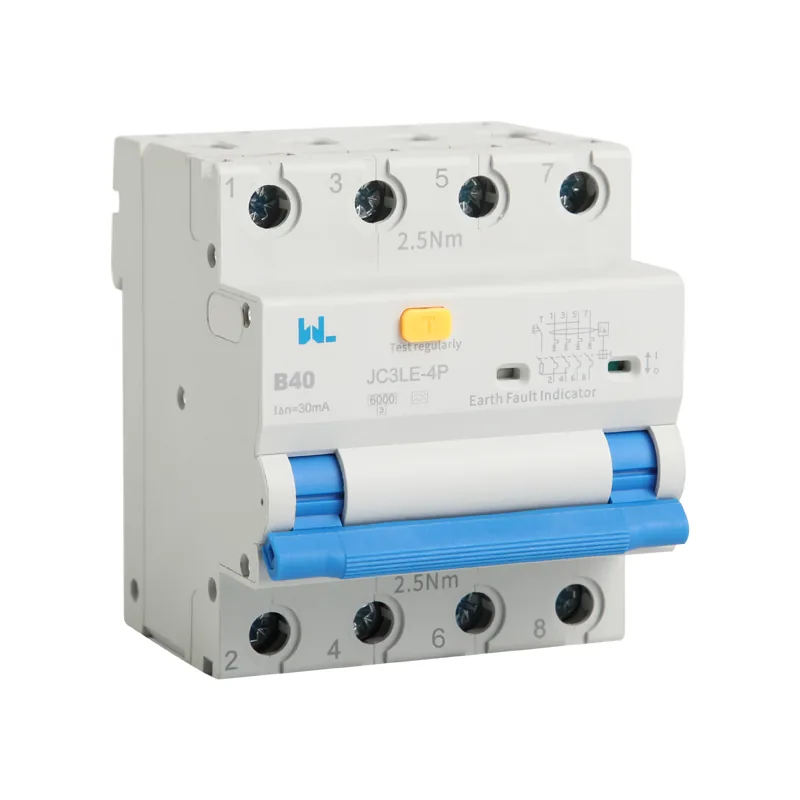
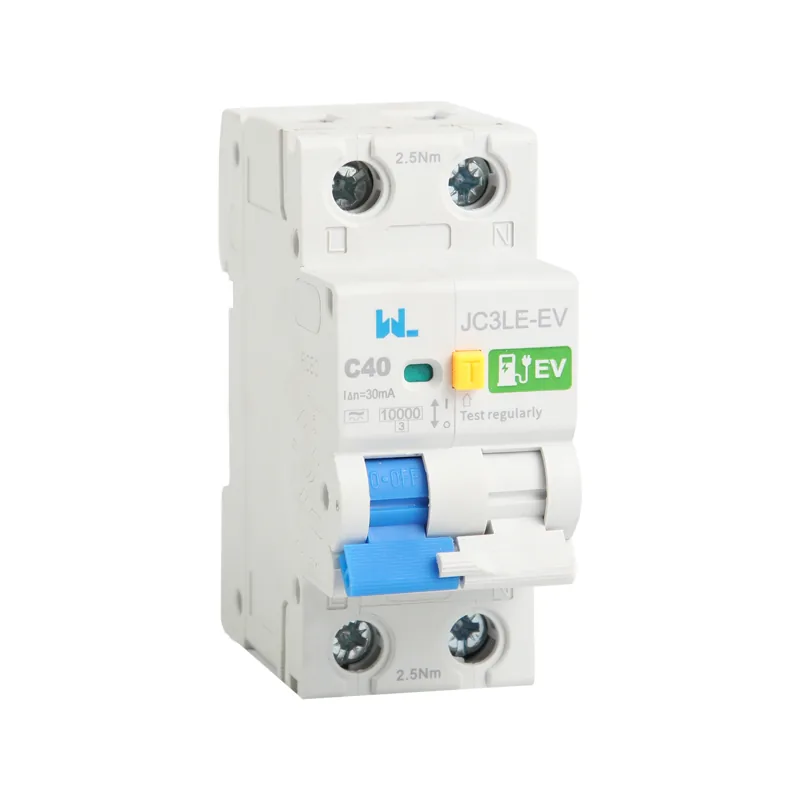
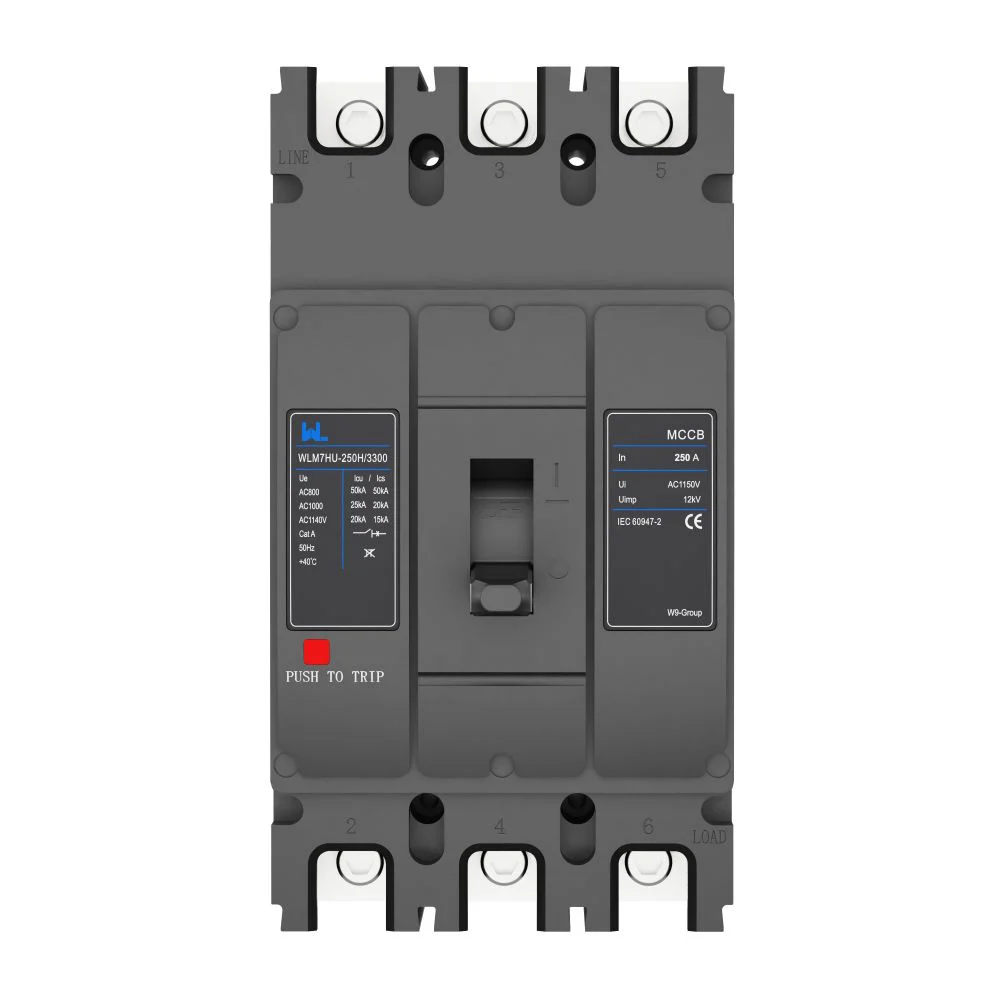
An MCCB encloses switching and arc interruption in a moulded insulating case. It is common on distribution feeders, motor circuits, submains, and compact panels. Thermal-magnetic or electronic trip units provide overload and short-circuit functions, but adjustment, accessories, and interrupting rating depend on the frame and version. A moulded-case circuit breaker fits when footprint and straightforward replacement outweigh draw-out serviceability.

ACB versus MCCB: the engineering differences that affect a board
The useful comparison is whether the breaker can be coordinated, installed safely, and serviced without disproportionate downtime. Start with design current and prospective fault current at the installation point. Check the manufacturer’s time-current curves, Icu/Ics declarations, temperature derating, terminations, and endurance data for the exact configuration.
Protection and selectivity
ACBs commonly offer a broader protection and communication architecture for a main switchboard, such as adjustable long-time, short-time, instantaneous, and earth-fault functions where the trip unit provides them. MCCBs can also use electronic protection, but setting resolution and short-time options vary by series. A coordination study must prove discrimination for the actual devices and settings; “electronic” alone is not evidence of selectivity.
Installation, access, and service
A fixed ACB has a direct installation but still needs a rated compartment, busbar support, termination, and arc-clearance strategy. A draw-out ACB adds repeatable isolation, but also cradle alignment, racking, and interlock checks. MCCBs generally consume less panel volume and simplify feeder replacement; isolation and verification remain mandatory before work.
Thermal environment and duty cycle
Heat inside a packed enclosure changes usable continuous current. Review ambient assumptions, terminal limits, ventilation, and grouping factors. For frequently switched incomers, consider endurance, accessory duty, and testing cost. For an occasional feeder, an MCCB may reduce lifecycle work without sacrificing required protection.
Performance and value comparison
| Decision dimension | ACB | MCCB | Consecuencias para la adquisición |
|---|---|---|---|
| Typical board position | Main incomer, bus tie, generator or large feeder | Outgoing feeder, submain, compact incomer | Map the device to the one-line diagram, not a product category alone. |
| Protection adjustment | Often broader and easier to coordinate at the main position | Ranges depend on thermal-magnetic or electronic version | Request curves and setting ranges for the exact catalog number. |
| Footprint | Larger compartment; fixed or draw-out architecture | Compact moulded case and simpler mounting | Include bending radius, heat, clearances, and future wiring space. |
| Isolation and maintenance | Draw-out option can support repeatable isolation and inspection | Usually requires local isolation and removal procedures | Price the planned maintenance method, not just the breaker. |
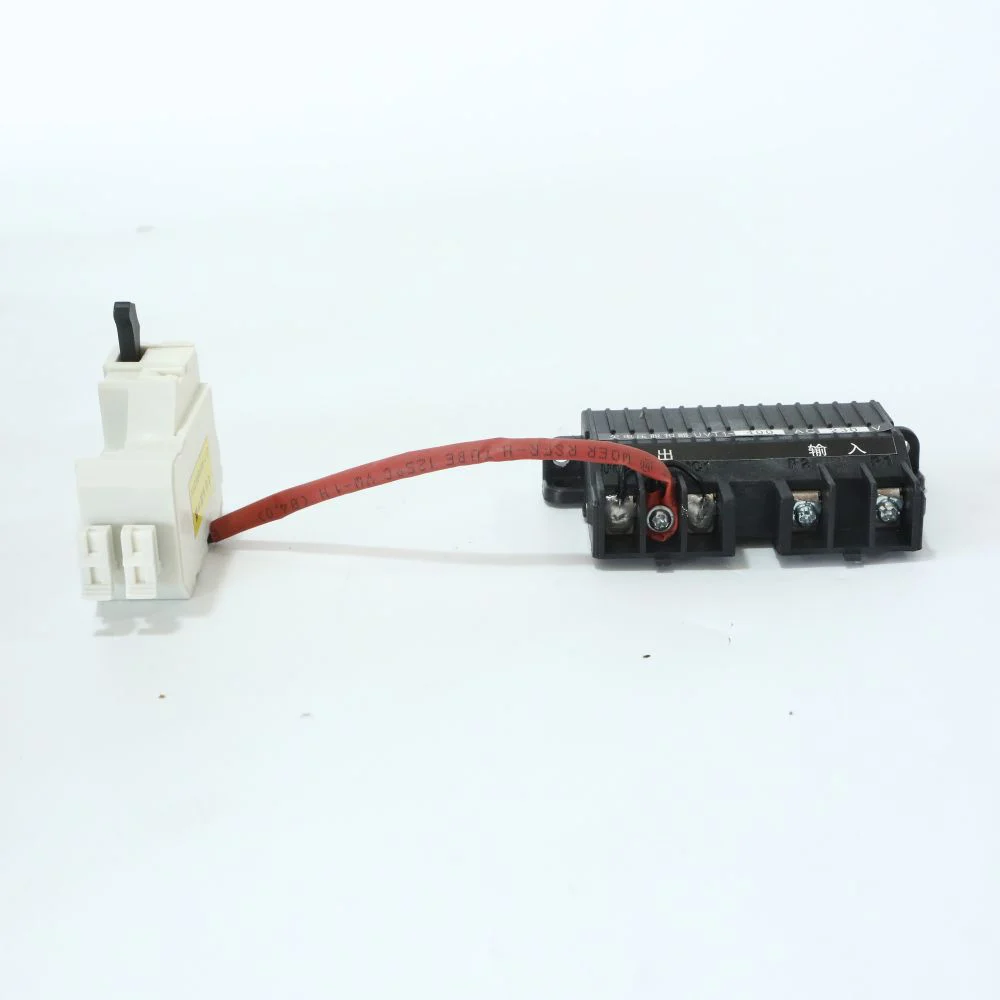
| Control and monitoring | Often accommodates trip, closing, undervoltage, auxiliary, and communication accessories | Accessory capability varies by family and frame | List every required signal and control voltage before ordering. |
| Unit-cost tendency | Higher equipment and compartment cost is common | Lower entry cost is common for equivalent feeder duty | Compare installed cost, testing, spares, and downtime exposure. |
Match the breaker to the application and cost driver
The table is a decision aid, not a substitute for a fault and coordination study.
| Application condition | Often preferred | Why it may fit | Checks before release |
|---|---|---|---|
| Large LV main with several downstream protective zones | ACB | More room for coordination settings, accessories, and service planning | Trip curves, Icu/Ics, busbar withstand, interlocking, and compartment design |
| Compact distribution board with branch feeders | MCCB | Smaller footprint and simpler feeder replacement | Terminal capacity, derating, fault current, discrimination, and cable protection |
| Generator or bus-coupler scheme requiring interlocks | ACB often considered | Control and mechanical isolation options can suit a switching scheme | Transfer logic, undervoltage behavior, synchronism requirements, and testing access |
| PV, storage, or other new-energy distribution section | ACB or MCCB by circuit duty | Selection follows AC/DC voltage, fault contribution, and enclosure conditions | Polarity, DC interruption capability where relevant, temperature, and system study |
| Lowest installed cost for a non-critical feeder | MCCB may be sufficient | Less compartment hardware and a familiar maintenance method | Confirm the device still meets fault duty, coordination, and local isolation rules |
Standards, testing, and compliance
IEC 60947-2 is the key product standard for circuit-breakers in low-voltage switchgear and controlgear. It sets performance and verification requirements; it is not universal installation approval. Confirm the declaration for the exact frame, trip unit, poles, accessories, and voltage.
The assembly also matters. Apply the relevant assembly standard and local wiring rules, document short-circuit withstand, verify coordination, and retain routine test records. NFPA 70 and adopted local codes may govern U.S. installations; the Low Voltage Directive can apply in the European Economic Area. Unsupported claims can delay inspection or commissioning.
Ask suppliers to distinguish a type-test report, routine test, third-party certificate, declaration of conformity, and marketing statement. They are not interchangeable. Public references include the IEC Webstore, the EU Low Voltage Directive, the U.S. OSHA electrical safety resource, and NFPA’s NFPA 70 information page.
A practical selection and procurement sequence
- Freeze network facts: record voltage, frequency, design current, prospective fault current, earthing, ambient conditions, enclosure, and conductors.
- Define protection: identify overload, short-circuit, earth-fault, backup, selectivity, transfer, and remote-trip functions in the one-line diagram.
- Choose architecture: consider an ACB where access, adjustable coordination, draw-out isolation, or control signals justify the compartment; consider an MCCB where compactness and feeder simplicity dominate. If the specification says Acb Breaker Fixed Type, confirm why fixed isolation meets the maintenance plan.
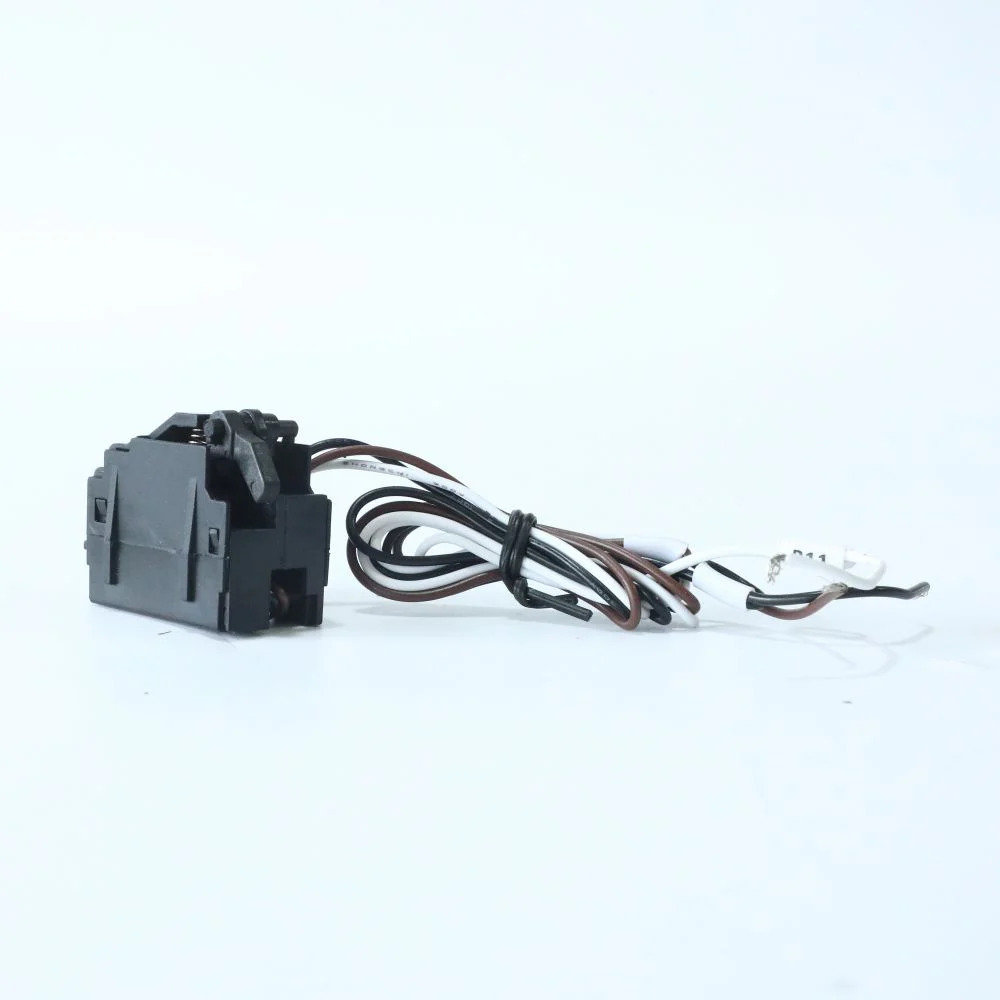
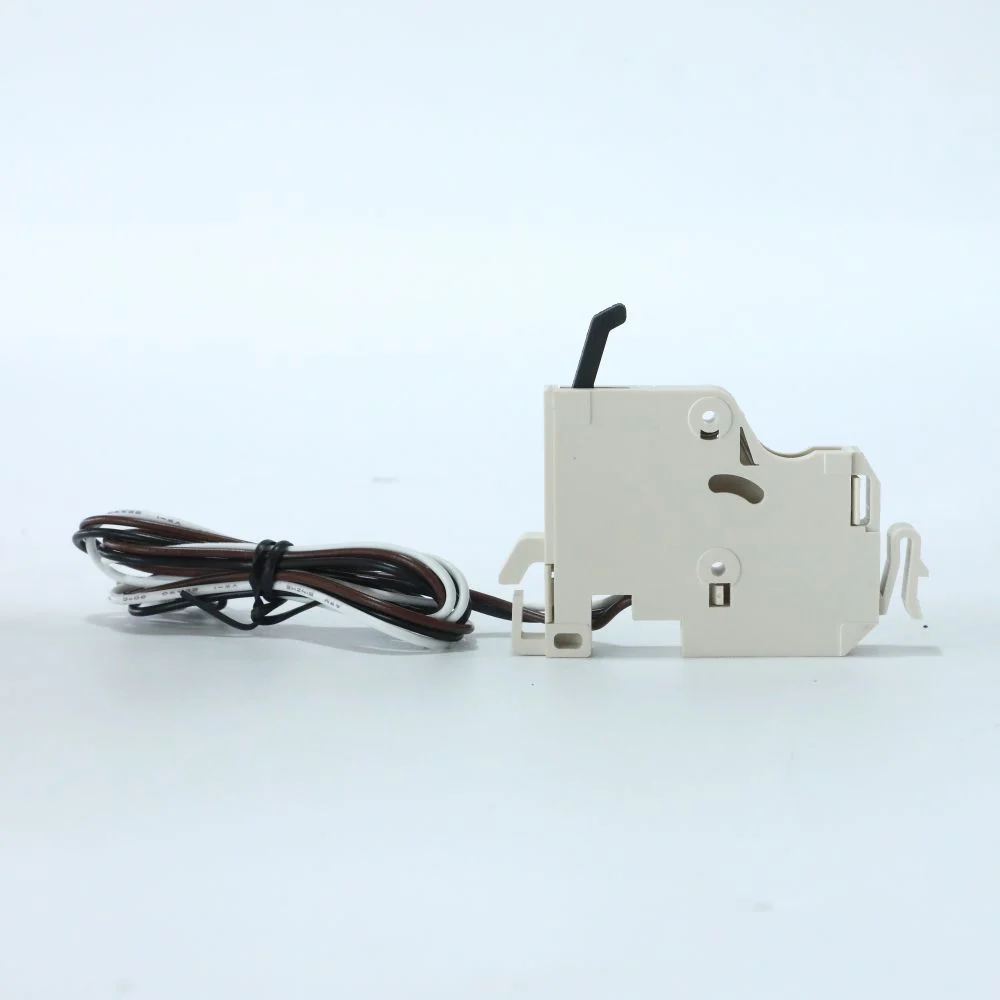
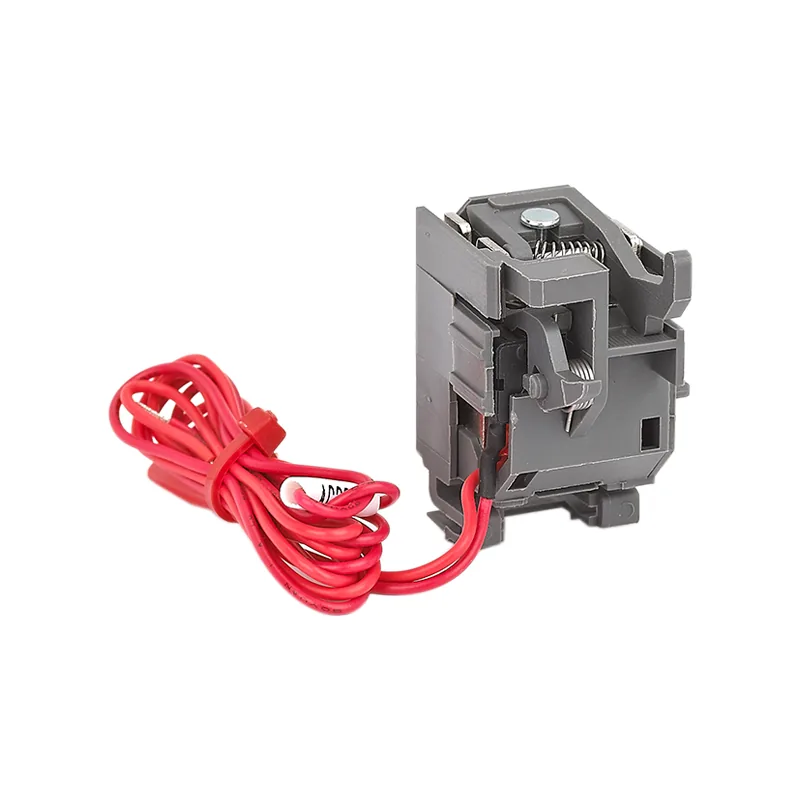
- Check the bill of materials: include trip unit, releases, auxiliary and alarm contacts, terminals, interlocks, mounting hardware, barriers, labels, and spares.
- Close the evidence loop: obtain curves, declarations, test information, drawings, instructions, and ratings for the exact configuration; approve settings and commissioning tests.
W9 Group presents ACB and MCCB families for configurable sourcing and OEM/ODM discussion. Compare the proposal with the design record and review the ACB breaker fixed type y M6 MCCB series against current technical documents and target-panel requirements.
Preguntas frecuentes
What is the difference between an air circuit breaker and a vacuum circuit breaker?
An air circuit breaker interrupts the arc in air and is commonly used in low-voltage switchboards. A vacuum circuit breaker interrupts the arc in a sealed vacuum interrupter and is more commonly associated with medium-voltage switching. The correct choice depends on system voltage, insulation coordination, switching duty, and the applicable product standard.
How do you replace a air circuit breaker?
Replacement begins with an approved isolation, lockout, absence-of-voltage verification, and a check that the substitute matches the original electrical and mechanical interface. Confirm poles, voltage, continuous current, interrupting capability, trip-unit settings, accessory wiring, bus or cable terminations, and interlocks before removal. A qualified person should complete installation, torque checks, functional tests, and documentation against the site procedure.
How does an ACB breaker work?
An ACB carries load current through its main contacts and opens them when its trip system detects a permitted fault condition. An arc forms as the contacts separate; the breaker’s arc-control arrangement extinguishes it in air while the trip unit and mechanism coordinate the opening time. Exact long-time, short-time, instantaneous, and earth-fault functions depend on the selected trip unit.
How does ACB work?
In normal operation, the mechanism closes and holds the contacts under the breaker’s specified load conditions. On an overload or short circuit, the release commands the mechanism to open, and auxiliary, alarm, shunt, or undervoltage devices can provide control or status functions when fitted. The application must still be verified with the manufacturer’s wiring and setting instructions.
How do I reset an air circuit breaker?
First identify why it tripped; do not repeatedly reset a breaker into an unresolved fault. Isolate and inspect the circuit under the site’s electrical-safety procedure, clear the cause, and check that the mechanism is in the required reset position. Then follow the exact manual or electrically operated reset sequence for the model, and record the event if the board is safety-critical.
What is the price or total cost of air circuit breaker?
There is no responsible universal price: total cost includes the ACB frame and trip unit, fixed or draw-out hardware, accessories, compartment changes, busbar or cable work, testing, spares, freight, and downtime risk. Request a configuration-based quotation and compare it with the installed cost of an MCCB alternative that genuinely meets fault duty and coordination. A lower unit price is not a saving if it forces redesign or weakens maintainability.
References and next step
- International Electrotechnical Commission standards overview, including the IEC 60947 series.
- European Union, Directive 2014/35/EU (Low Voltage Directive).
- U.S. Occupational Safety and Health Administration, Electrical safety.
- National Fire Protection Association, NFPA 70.
The dependable breaker is the one whose ratings, settings, interfaces, and evidence fit the board. At specification stage, send the one-line diagram and duty requirements to W9 Group’s contact team for configuration discussion and document review.