











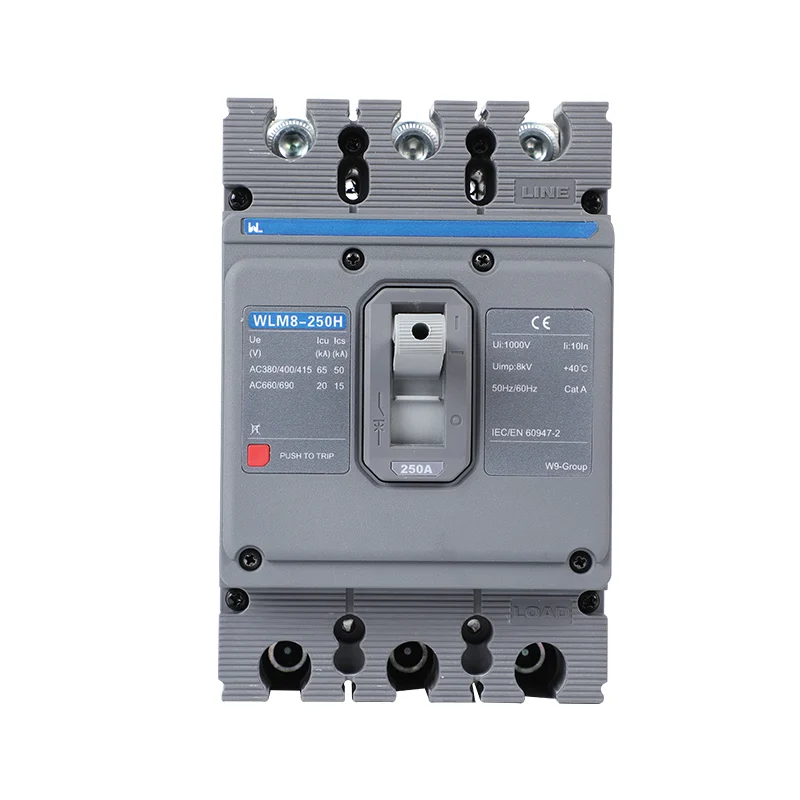





















Guía básica sobre los disyuntores de carcasa moldeada (DC MCCB)
Una consulta sobre un MCCB de corriente continua requiere más que solo la corriente y una etiqueta para CC. El voltaje disponible, el comportamiento ante fallas de la fuente, la polaridad y las conexiones aprobadas determinan si un interruptor puede interrumpir la corriente del circuito en cuestión.
Interrupción de arco de corriente continua Difiere de la corriente alterna porque no existe un cero natural periódico de la corriente. Por lo tanto, una clasificación válida para corriente continua corresponde a un dispositivo, una tensión y una configuración de conexión específicos. Una clasificación para corriente alterna no puede convertirse aplicando un factor estimado.
Revisar rango de protección fotovoltaica contra la tensión continua máxima y la conexión de polos permitida.
Defina la fuente y el voltaje máximo.
Para la PV, establecer voltaje máximo de operación bajo las condiciones de diseño y las contribuciones de fuentes paralelas. Para baterías, obtenga información sobre la corriente de falla potencial y la energía almacenada. Para circuitos alimentados por rectificadores, la impedancia de la fuente y la constante de tiempo de la fuente pueden afectar la capacidad de interrupción. Estas no son suposiciones intercambiables.
Registre la conexión a tierra y si la dirección de la corriente puede invertirse. Un dispositivo sensible a la polaridad debe instalarse conforme a su diagrama aprobado. Incluso una declaración de no polaridad no permite conexiones de polos arbitrarias ni su uso con cualquier tipo de fuente.
El guía de distribución fotovoltaica Distingue las hipótesis de la cadena fotovoltaica de las funciones de corriente de falla de la batería.
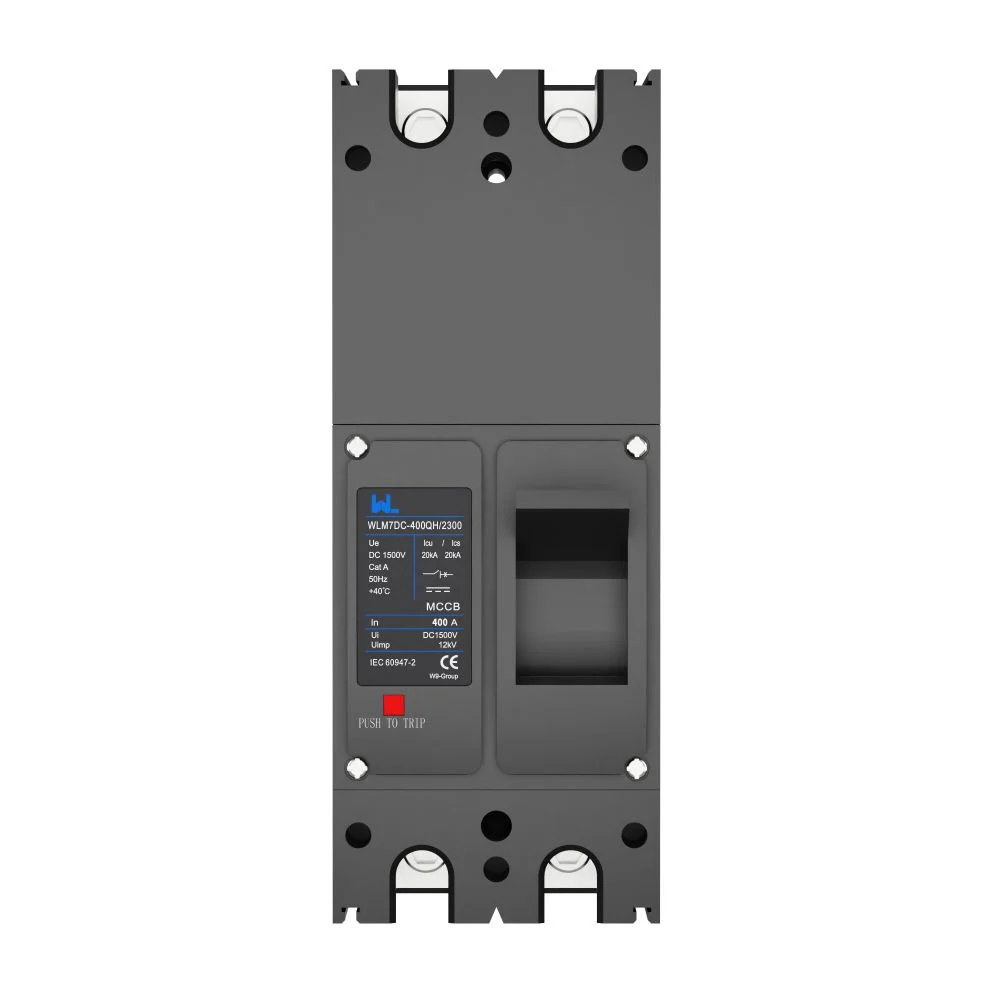
Match the rating to the approved pole arrangement
Read voltage-specific fault data for the exact model and permitted pole connection. Multiple poles may have a specified series arrangement; that is a manufacturer instruction, not a field design shortcut. The protective conductor is not a switched live path.
| Input | Por qué es importante |
|---|---|
| Maximum voltage | Insulation and interruption duty |
| Fault current | Required breaking capacity |
| Source behaviour | Current rise and available energy |
| Polarity and earthing | Permitted connection and interruption path |
| Operating current | Conductor and thermal protection |
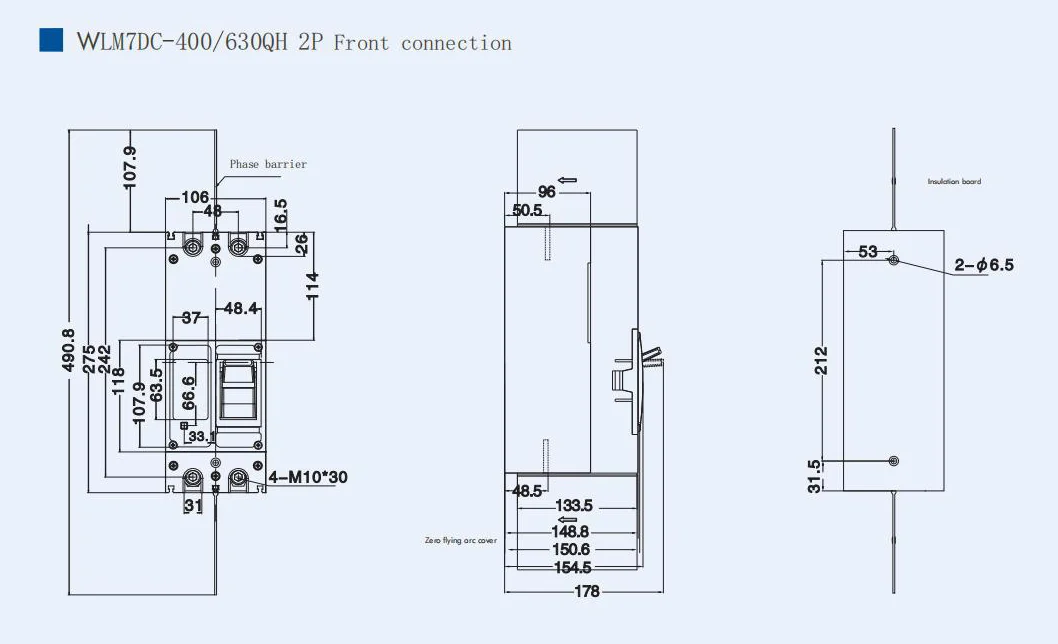
Coordinate protection and isolation
An MCCB’s overcurrent release must protect conductors and coordinate with other devices. A PV string, battery feeder and converter input can need different settings and equipment. Confirm the declared isolation function and the actual means of safely separating every source for maintenance.
| Solicitud | Specific review |
|---|---|
| PV combiner | Parallel contributions and maximum array voltage |
| Battery feeder | Fault energy and current direction |
| DC industrial load | Starting or regenerative operation |
| Converter circuit | Manufacturer protection and isolation instructions |
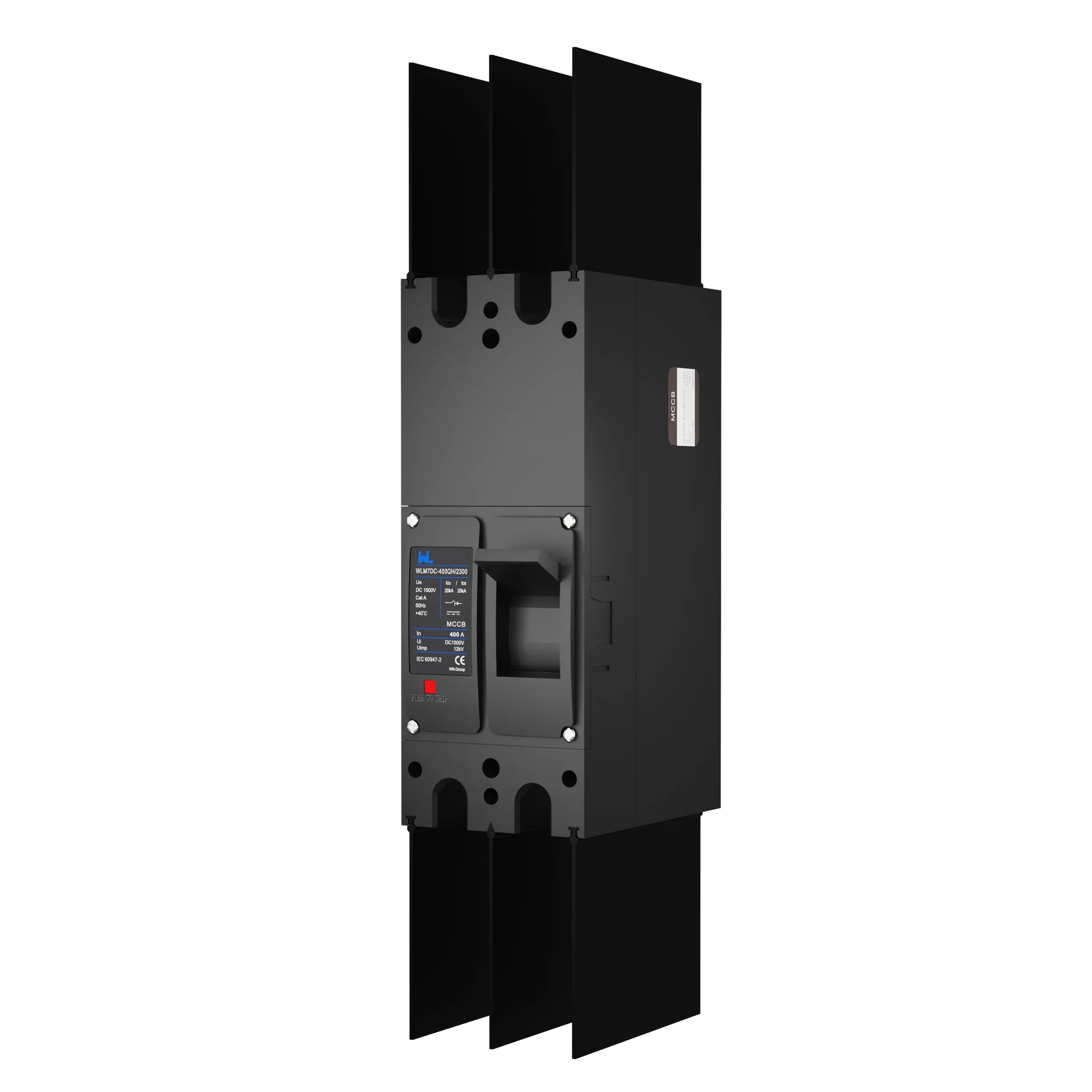
Procurement and acceptance
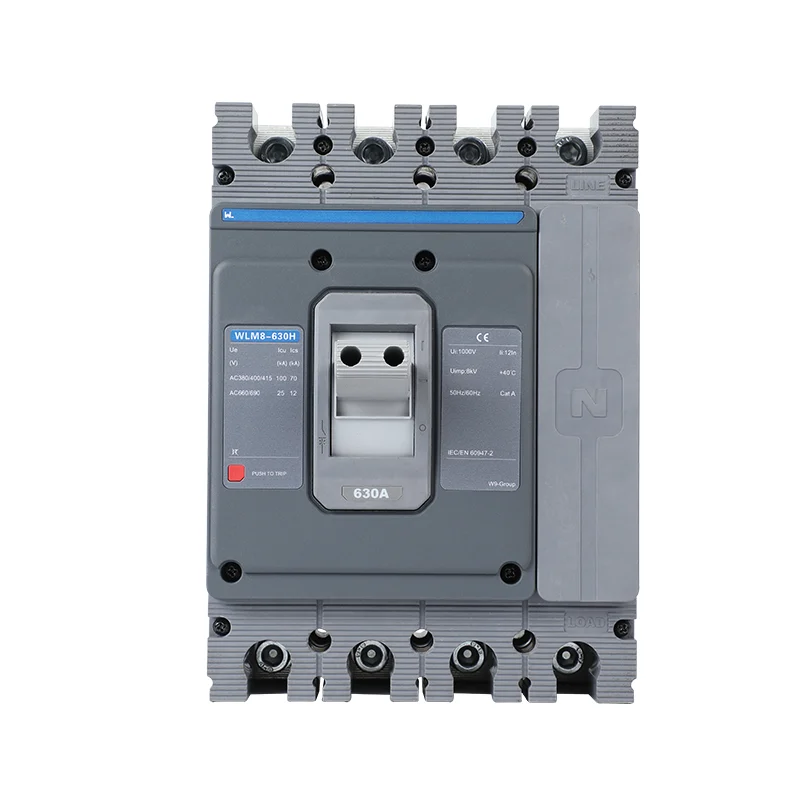
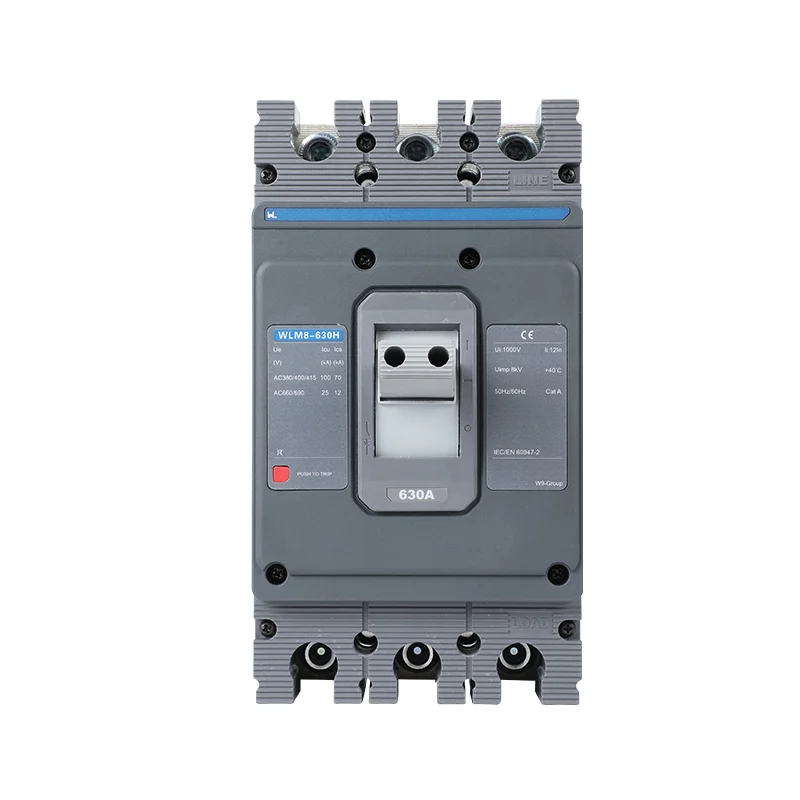
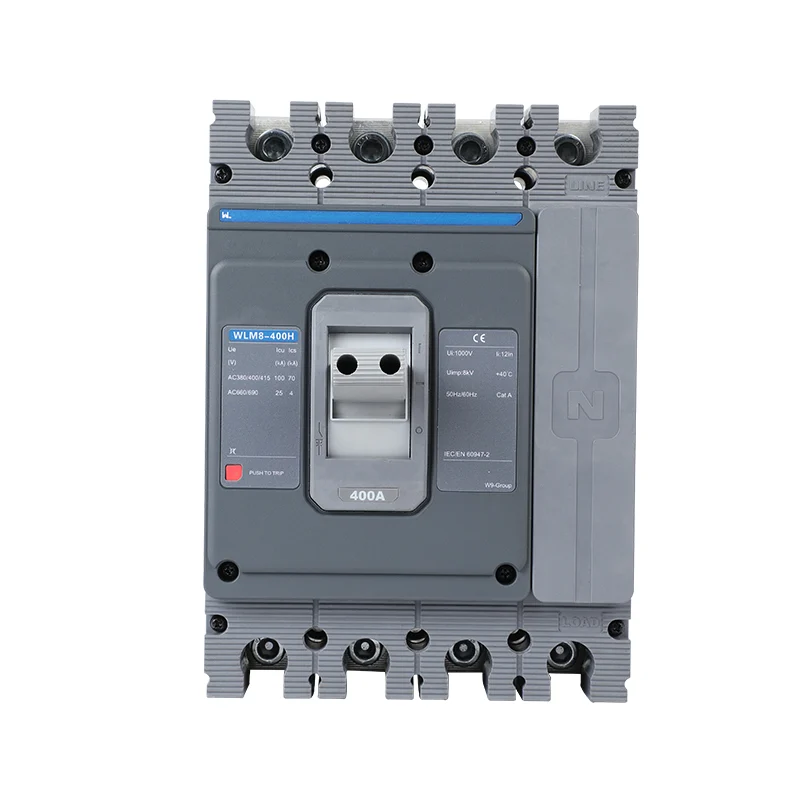
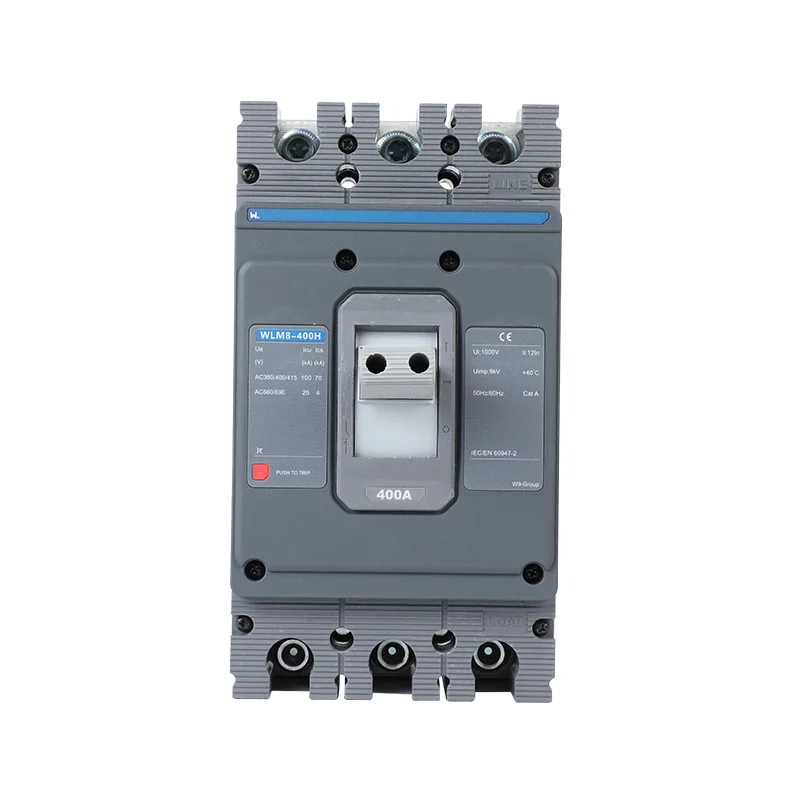
Request the full order code, DC rating table, permitted wiring, trip curves, terminals and installation limits. IEC 60947-2 context does not approve a device outside its declared duty. A photograph or generic solar description is insufficient evidence.
For W9 selection, provide the source data and one-line diagram and ask for the exact supported configuration. Retain the approved drawing with the order and verify the delivered markings before installation.
Preguntas frecuentes
Why is DC MCCB selection different from AC?
DC lacks periodic natural current zero and needs explicit interruption evidence for the source and connection. AC ratings do not establish DC capability.
What DC ratings are essential?
Confirm maximum voltage, operating current, fault capacity, polarity, permitted pole arrangement and relevant source conditions for the exact model.
Can a PV MCCB be used on a battery?
Only with explicit evidence for the actual battery fault duty and connection. A PV application label alone is insufficient.
Can I series-connect poles to raise voltage capacity?
Only as the exact manufacturer-approved diagram permits. Do not combine pole ratings arbitrarily.
Referencias
- IEC 60947-2:2024 — ámbito de aplicación del producto interruptor de circuito.
- IEC 60364-7-712:2025 — photovoltaic electrical installations.
- IEC 60947-3 consolidated edition — switches, disconnectors and switch-disconnectors.
For a PV or DC selection, Contacte con W9 Group with maximum voltage, operating and Corriente de fallo, earthing and the intended pole connection.