











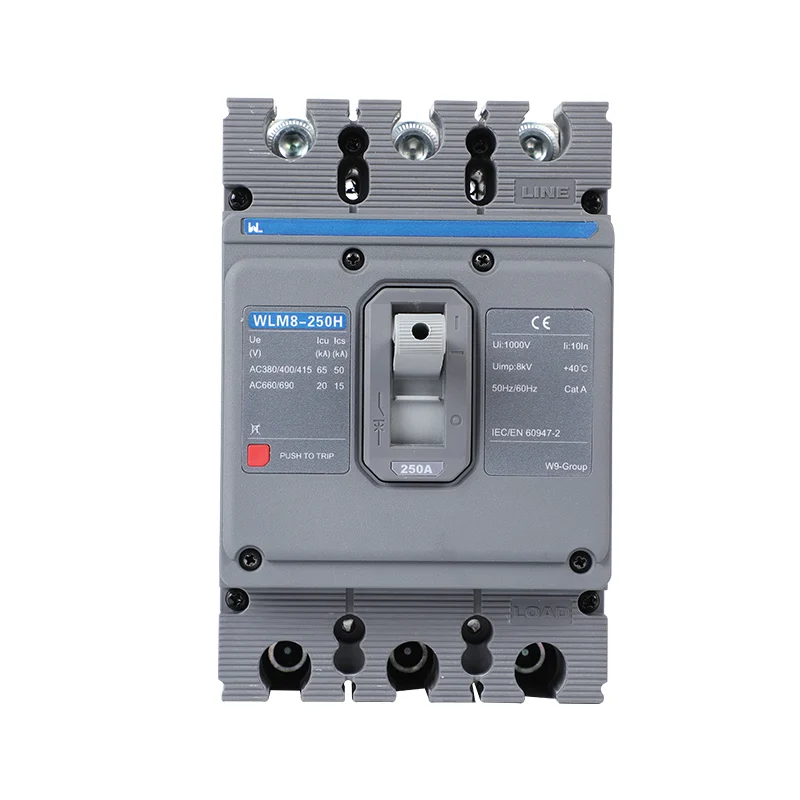





















Conocer las ventajas de los disyuntores de aire (ACBs) en la protección eléctrica
Un interruptor automático de aire puede ofrecer opciones útiles de acceso para el mantenimiento y de protección, pero esas características solo aportan valor cuando la instalación puede aprovecharlas. Un interruptor extraíble sin un repuesto compatible, un procedimiento de intercambio aprobado O el personal capacitado podría añadir complejidad sin reducir la interrupción que realmente importa. Por lo tanto, el argumento comercial debería comenzar con la estrategia operativa, no con una lista de ventajas prometidas.
Respuesta rápida: El valor de un ACB proviene de la verificación del servicio, la coordinación y una estrategia de servicio utilizable. Sus características de protección y mantenibilidad pueden ser relevantes para los entrantes, los acopladores de barras y los alimentadores críticos, pero dependen del modelo y del ensamblaje. Compare las clasificaciones de falla, las funciones de disparo admitidas, el acceso seguro, la compatibilidad de repuestos, las tareas de mantenimiento y las consecuencias de la interrupción. La norma IEC 60947-2:2024 proporciona un marco de producto; no aprueba la instalación ni garantiza ahorros en el ciclo de vida. La elección entre ACB y MCCB es una decisión de sistema, no una jerarquía universal de calidad.
Configuraciones de protección basadas en el estudio
Un dispositivo de protección configurable puede soportar funciones de tiempo largo, tiempo corto, instantánea y de falla a tierra, cuando estén especificadas. Estas funciones pueden ayudar a alinear un esquema de protección con la carga y los dispositivos situados aguas abajo. No mejoran automáticamente la selectividad; las configuraciones deben determinarse a partir del sistema real y de las curvas seleccionadas o evidencia de coordinación del fabricante.
A fault-rating comparison must separate ultimate breaking capacity, service breaking capacity and Resistencia a corto plazo where applicable. An upstream delay cannot be justified solely by a high ultimate breaking rating. The breaker, busbars, conductors and complete assembly must remain within their verified duty for the intended protection sequence.
The right comparison with an MCCB option asks whether each candidate meets the same duty, approval and continuity objectives. A compact moulded-case device can be suitable where its ratings and curve satisfy the design. An ACB may justify its size and service architecture where those operating requirements are genuinely material.
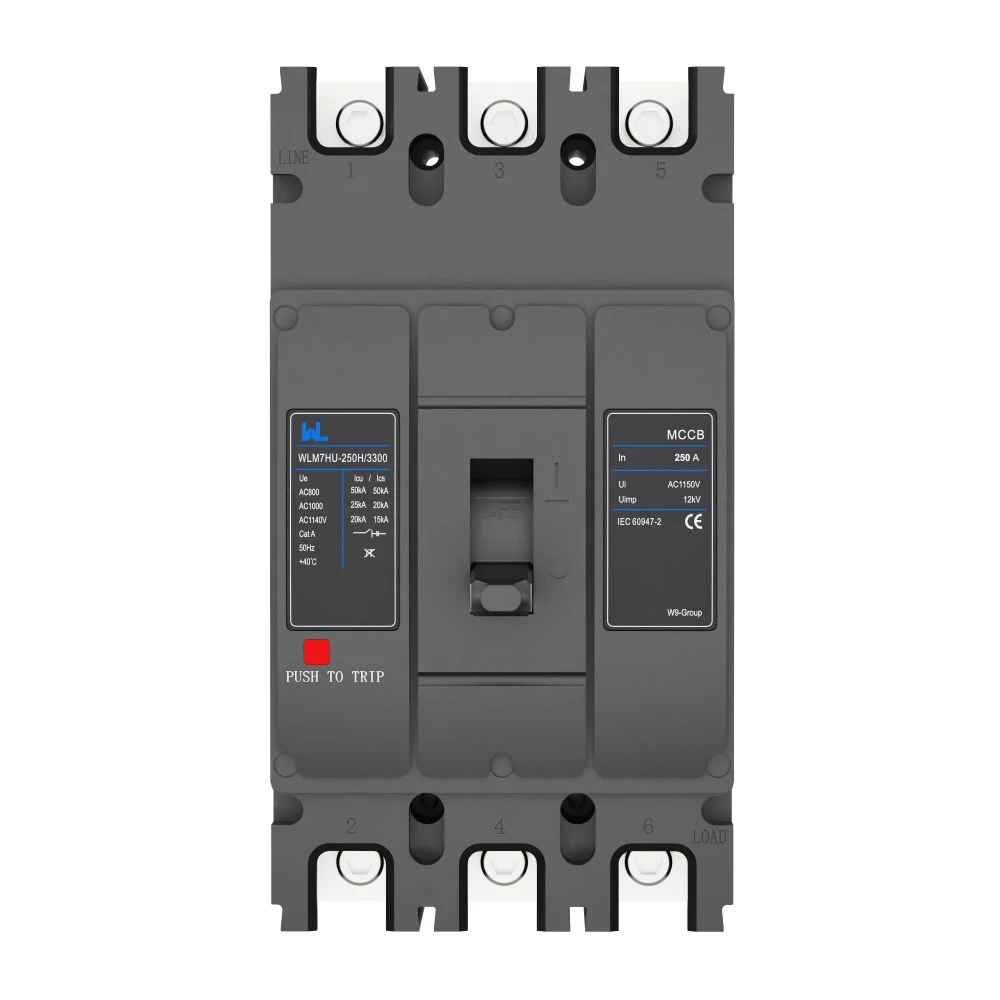
Drawout ACB Isolation Requirements
A drawout mechanism does not eliminate safe-work or maintenance requirements. Receiving equipment, shutters, contacts, interlocks and racking parts have their own inspection and operating conditions. The relevant positions and the electrical state of main and auxiliary circuits must come from the exact assembly instructions.
A practical exchange plan identifies a matched spare, handling route, competent personnel, isolation procedure and tests required before return to service. It also addresses whether other compartments remain energised. The potential benefit is a controlled service workflow, not a generic claim that any breaker can be removed safely while the board operates.
| Feature to evaluate | Potential value | Condition or trade-off | Evidencia |
|---|---|---|---|
| Drawout receiving equipment | Defined removal and exchange workflow | Additional interface and mechanism inspection | Approved combination and operating procedure |
| Accessible service components | Inspection or authorised component replacement | Only parts and work permitted by the manufacturer | Maintenance manual and service-parts schedule |
| Configurable protection | Fit to a documented coordination objective | Settings and changes need governance | Study, curves and settings record |
| Event or condition information | Better-defined investigation and handover | Availability and accuracy vary by model | Release manual and information boundaries |
The companion Guía de configuración de ACB separates mounting, operation and trip technology. That distinction matters here: a fixed breaker can still have useful electronic protection, while a drawout breaker does not automatically provide every diagnostic or remote-control feature.
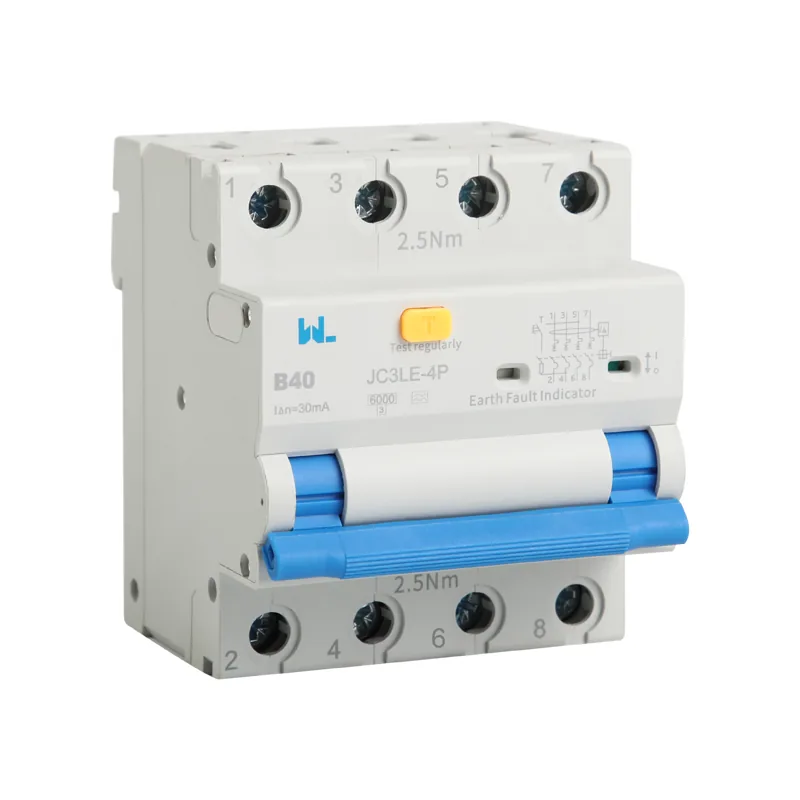
ACB Maintenance Planning
Manufacturer maintenance data shows why replacement access and inspection labour should be assessed separately. Schneider Electric’s published intermediate end-user program for MasterPacT MTZ IEC breakers with MicroLogic Active specifies an average additional 45 minutes for a fixed device and one hour for a drawout device with all accessories installed, for experienced, trained and qualified personnel. Those times are in addition to the routine program.
That is a manufacturer-specific example, not a W9 estimate or a complete outage duration. The program includes chassis and position-contact checks for drawout equipment, alongside mechanism, auxiliaries and protection checks. Thus a potentially easier exchange can coexist with more preventive-maintenance work. Do not equate serviceable with maintenance-free.
Use the selected manufacturer’s frequency and procedure, taking account of actual conditions and fault events. Environment, operating cycles and interrupted currents can affect maintenance decisions. Generic claims of a decades-long life or a universal annual service interval are not adequate replacement criteria without the applicable product instructions and condition evidence.
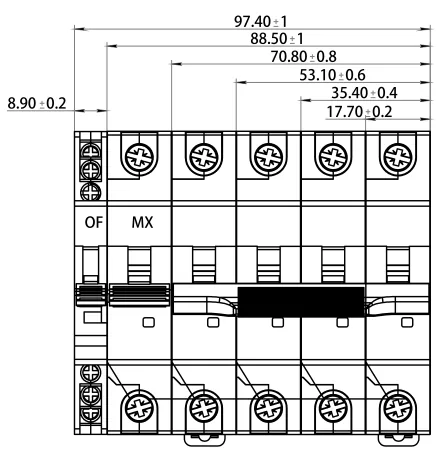
ACB Lifecycle Cost Comparison
Compare planned service work and interruption consequences separately. A decision model can include acquisition, receiving equipment, engineering, commissioning, preventive work, spares and outage exposure. It should not hide added inspection cost inside an unsupported claim of faster replacement.
| Cost or operating driver | Project input | Comparison method | Uncertainty to preserve |
|---|---|---|---|
| Initial equipment | Matched quotations and accessory lists | Compare complete configurations | No generic fixed/drawout price percentage |
| Preventive maintenance | Applicable program and personnel availability | Count tasks, intervals and resources | Manufacturer example is not site elapsed time |
| Replacement outage | Approved isolation and exchange workflow | Assess the actual interruption sequence | No guaranteed swap-time saving |
| Spares and service | Compatible units, parts and support arrangements | Compare availability and holding cost | Do not assume perpetual interchangeability |
| Future changes | Load and supply scenarios | Identify engineering and coordination review needs | Additional settings are not automatic future-proofing |
If outage costs or event probabilities are unknown, show sensitivity instead of inventing an ROI. Ask whether the choice changes under low and high interruption consequences using user-supplied assumptions. That is a transparent commercial framework, not a claim of measured savings or a customer success story.
ACB Verification Requirements
IEC 60947-2 covers breakers within its scope; IEC 61439-1 provides assembly general rules used with the relevant part. A breaker standard reference does not validate the populated board. The public UL 1066 scope also addresses power breakers in specific receiving equipment and distinguishes them from moulded-case devices; apply the route required for the destination project.
- Define duty, fault levels and continuity objectives.
- Confirm protection and coordination with model-level evidence.
- Compare safe service access and the actual spare strategy.
- Price preventive tasks separately from exchange consequences.
- Approve the complete assembly and document commissioning and change control.
del Grupo W9 Categoría ACB provides a starting point for enquiries. Confirm the exact offered model, trip unit, mounting and documents. This guide does not claim that W9 equipment shares another manufacturer’s maintenance times or accessory capabilities.
Preguntas frecuentes
What is the main advantage of an ACB?
Its combination of supported power-duty protection and service options can be valuable where the project needs them. The benefit must be demonstrated by the model, assembly and operating plan.
Is an ACB always better than an MCCB?
No. If an MCCB meets the same electrical and operational requirements with less complexity, it can be the appropriate choice. Compare both against the actual duty.
Does a drawout ACB need less maintenance?
Not necessarily. Drawout equipment adds receiving contacts, position functions and mechanisms that may require checks. A potentially easier exchange does not prove lower preventive labour.
Can an ACB guarantee reduced downtime?
No generic guarantee is justified. Downtime depends on the fault, isolation plan, spares, assembly and personnel as well as the breaker design.
Can another manufacturer’s maintenance time be used for a W9 quotation?
Not as a promised result. It can illustrate a cost driver, but the selected W9 model’s approved procedure and actual site conditions must supply the estimate.
Referencias y conclusión
- IEC 60947-2:2024 — ámbito de aplicación de los disyuntores.
- IEC 61439-2:2020 — conjuntos de dispositivos de control de energía.
- Schneider Electric — Guía de pruebas de campo y mantenimiento, ámbito específico del fabricante.
Public sources were checked on 14 October 2026. Buy a service strategy that the site can actually execute. Contact W9 Group with the duty and maintenance requirements to request exact-model information.
Para una revisión específica de los deberes, Contacte con W9 Group con el diagrama de una sola línea, la disposición del tablero de distribución y las funciones de accesorios requeridos.