



















Explorando las diferencias clave entre los desconectadores ACB y los desconectadores convencionales
Comparing an ACB with “conventional breakers” is too broad to support a purchasing decision. Compare a low-voltage ACB with a specific MCCB or other proposed device at the same electrical duty, then assess coordination, construction and maintenance.
Compare los Configuraciones de disyuntores de circuito de aire Contra el plan de trabajo y mantenimiento de la centralita.
El Guía de solución de problemas de la ACB Separa los problemas de protección de los problemas relacionados con el accesorio y el mecanismo.


Compare application and service effort
| Solicitud | Decision driver | Additional evidence |
|---|---|---|
| Principal visitante | Duelo de deberes y selectividad | Curves and assembly withstand |
| Bus tie | Source states and interlocks | Cause-and-effect and neutral design |
| Alimentador industrial | Load starting and conductor protection | Load data and trip curves |
| Planned replacement | Access and isolation | Exact maintenance procedure |
IEC 60947-2 addresses the breaker, and IEC 61439 addresses the assembly. Use the destination installation rules as an additional design layer. Total cost should include the actual spare, inspection, testing and outage plan; no generic lifespan or energy-efficiency advantage is established by the device category. Send W9 the common duty for a like-for-like configuration review.
Compare ACB fijas y retráctiles cuando el proyecto requiera un procedimiento de sustitución o aislamiento documentado.


Compare functions at the same electrical duty
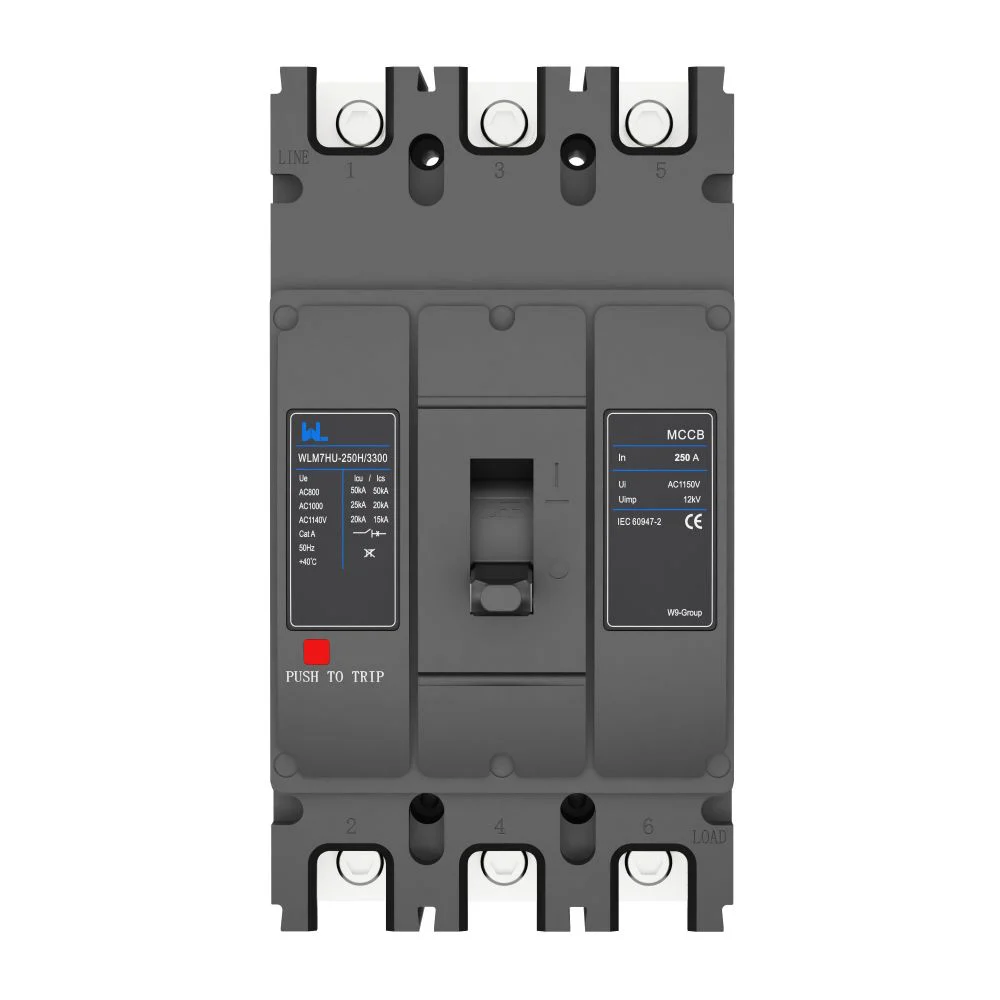
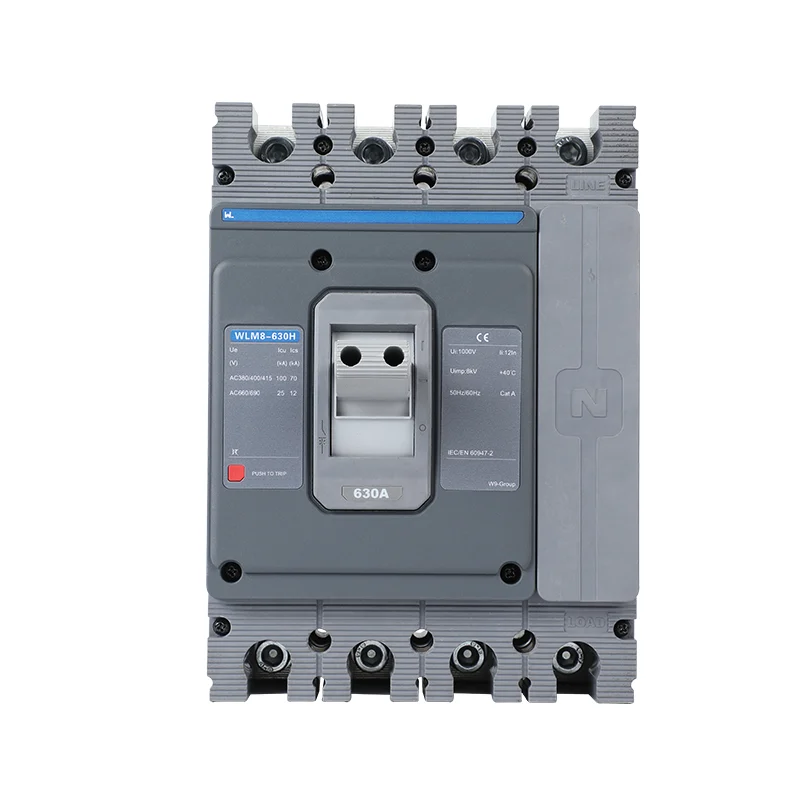
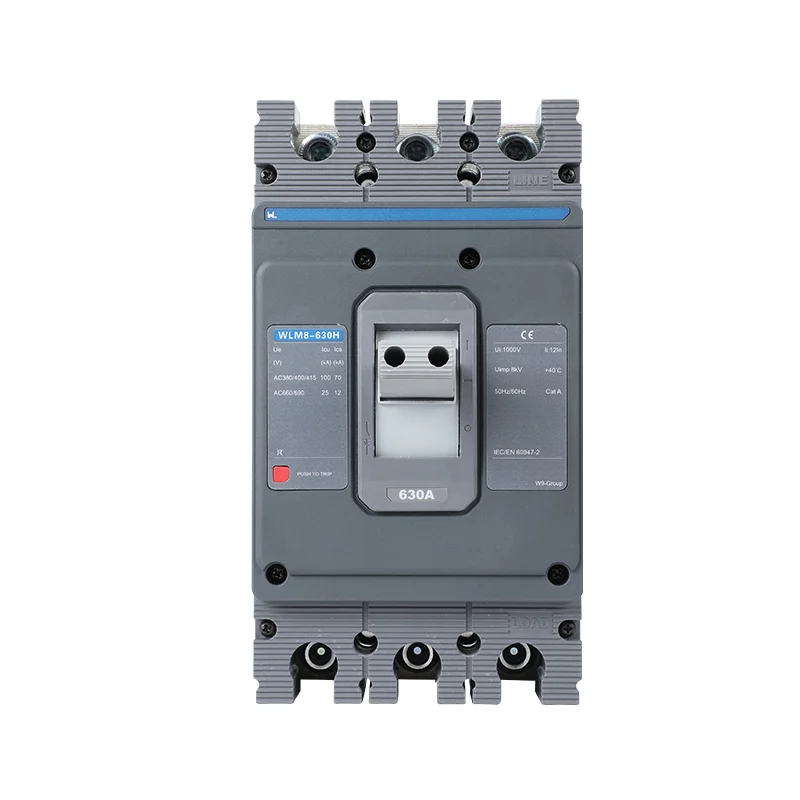
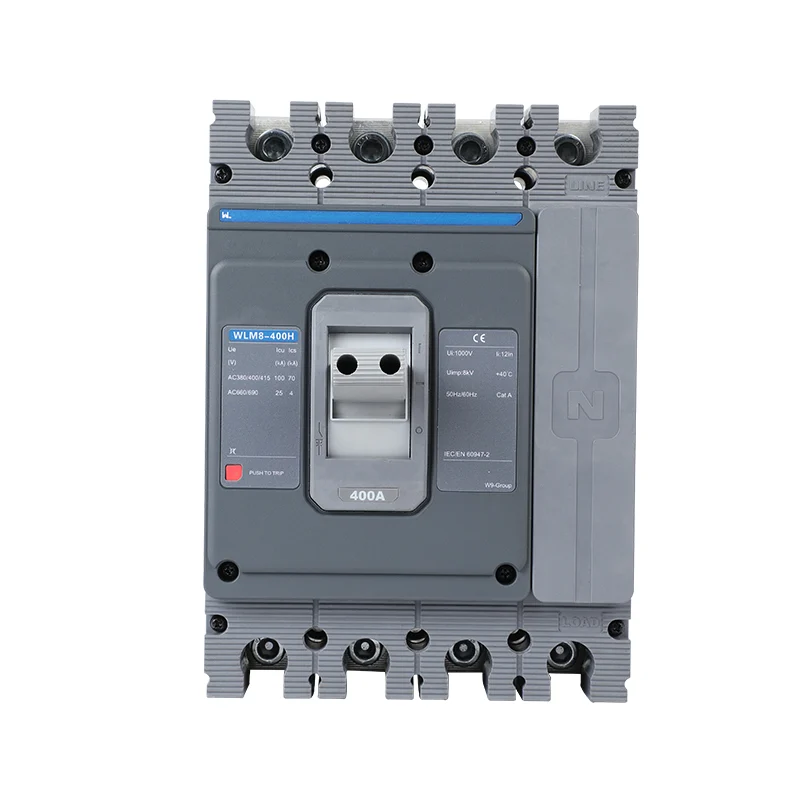
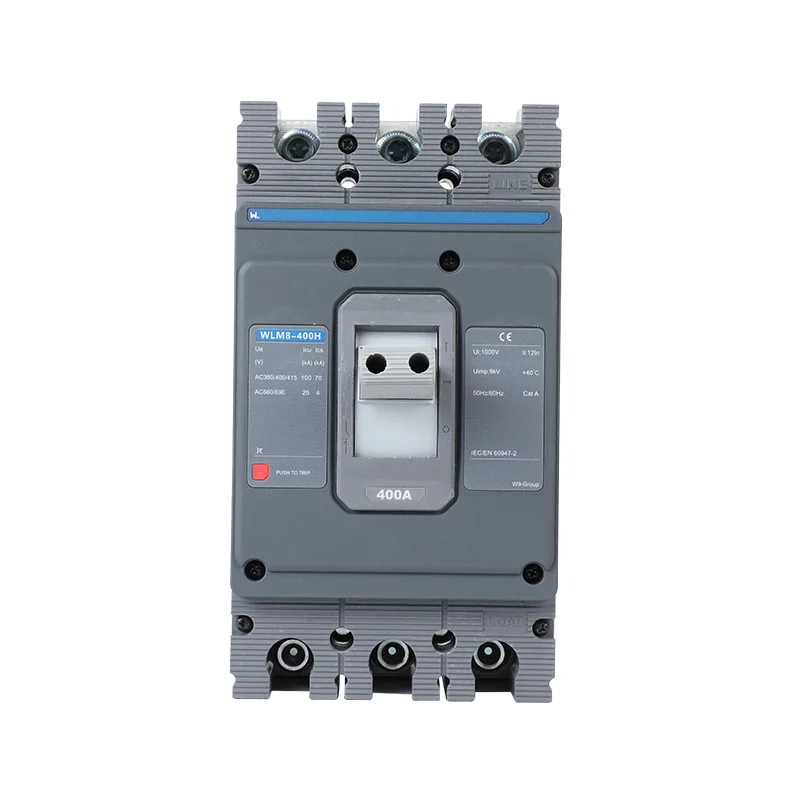
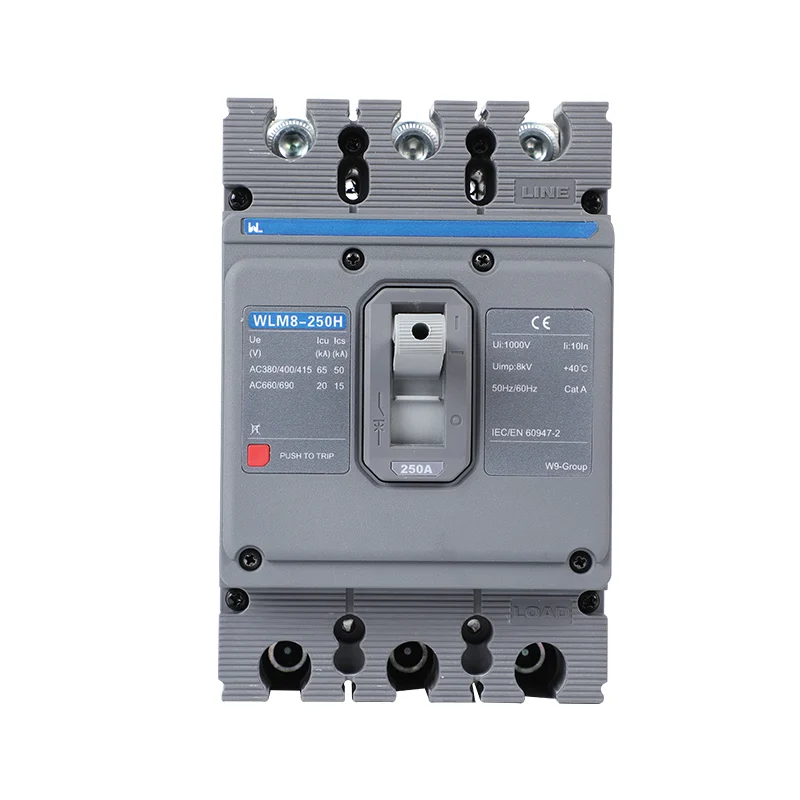
An ACB is a circuit breaker, not the opposite of a conventional breaker. In low-voltage switchboards it is often considered for main or tie duties where Resistencia a corto plazo, accessible maintenance and fixed or withdrawable construction matter. An MCCB may suit a feeder with different space and service requirements; actual ranges depend on the models.
| Dimension | ACB review | MCCB review |
|---|---|---|
| Deuda de culpa | Icu/Ics and any required Icw | Icu/Ics and applicable withstand data |
| Protección | Funciones y curvas del controlador | Exact release functions and curves |
| Servicio | Mechanism, cradle and maintenance access | Construction and replacement procedure |
| Integration | Assembly and interlocks | Assembly, terminals and accessories |
An ACB does not automatically reduce building energy consumption or operate more efficiently by a universal percentage. Compare measured or declared losses for the actual configurations. Similarly, follow manufacturer maintenance instructions and site conditions rather than a generic interval attributed to a standard.
Preguntas frecuentes
Are ACBs high-voltage breakers?
This article concerns low-voltage ACBs. Do not transfer claims about medium- or high-voltage interruption technologies to a low-voltage product.
Is an ACB always better than an MCCB?
No. Compare the exact duty, trip functions, service arrangement, assembly space and cost. Neither device name supplies a universal ranking.
Does an ACB guarantee lower energy use?
No. Evaluate actual equipment losses and system operation. The breaker category is not an energy-saving percentage.
How often should an ACB be maintained?
Follow its manufacturer’s instructions and a site maintenance plan informed by duty and environment. A universal interval is not established here.
Referencias
- IEC 60947-2:2024 — ámbito de aplicación de los disyuntores.
- IEC 61439-2:2020 — conjuntos de dispositivos de control de energía.
- Schneider Electric — Guía de pruebas de campo y mantenimiento, ámbito específico del fabricante.
Para una revisión específica de los deberes, Contacte con W9 Group con el diagrama de una sola línea, la disposición del tablero de distribución y las funciones de accesorios requeridos.