








Where Should RCCBs Be Used in Residential, Commercial, and Industrial Systems?
Specifying one residual-current device for every outgoing circuit looks simple on a purchase order. In operation, however, a shared trip may stop refrigeration, lighting and office equipment together. A device chosen only by building type can also miss the waveform requirements of a drive or charger. The design question is which protection belongs at each circuit boundary.
Quick answer: RCCB applications depend on the circuit, connected equipment, earthing arrangement and destination-market installation rules. An RCCB monitors residual-current imbalance but does not provide integral overload and short-circuit protection. Residential, commercial and industrial circuits can all need residual-current protection, yet sensitivity, waveform response, pole arrangement and selectivity are not universal. Start with the protection purpose, identify the load and supply, then coordinate the RCCB with overcurrent protection. A commonly encountered 30 mA device serves additional-protection duties where the rules require it; that figure is not a blanket specification for every feeder or building.
Start with the connected equipment
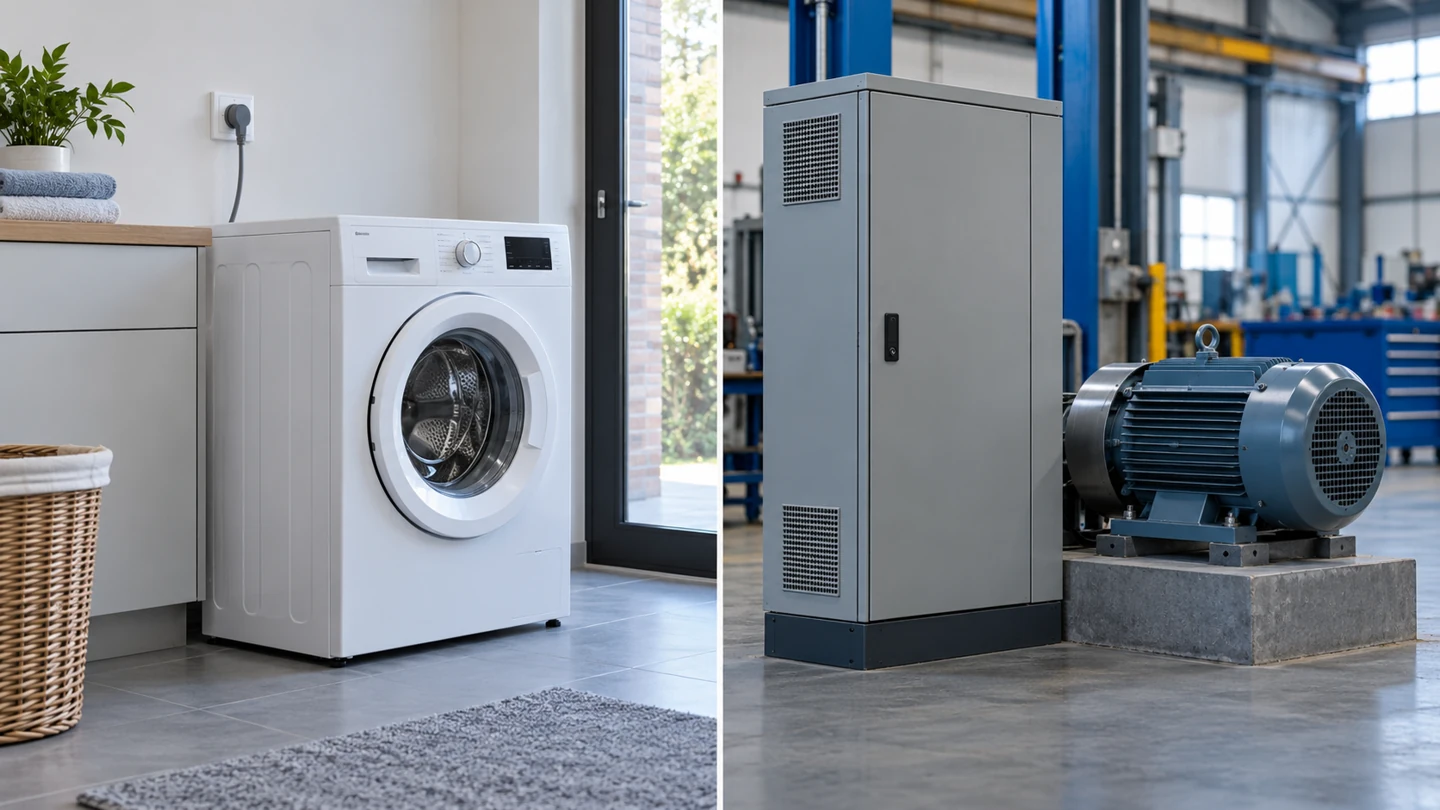
A building label is useful context, not a complete electrical specification. A house may contain an EV charger and variable-speed heat pump. A small shop may contain ordinary socket circuits alongside refrigeration and electronic drives. An industrial office circuit may resemble a commercial installation more than the process feeder next to it. List the actual equipment before selecting a residual-current type.
Identify how the equipment can generate residual current, including normal protective-conductor current and possible fault waveforms. Type A covers additional waveforms beyond Type AC, while Type F and Type B address other defined conditions. Equipment instructions may require a particular arrangement or allow an alternative with specified DC detection. Avoid turning a general application example into a universal rule for every model.
El RCCB protection overview explains the detection boundary. Use it to distinguish a residual-current requirement from overload protection before comparing products. It is possible to specify the right sensitivity yet still omit the coordinated fuse or breaker needed to protect the RCCB and circuit against overcurrent.
| Solicitud | Typical design question | What must be verified |
|---|---|---|
| Residential sockets and outdoor circuits | Where is additional protection required? | Local rules, circuit purpose, earthing and required sensitivity |
| Domestic electronic equipment | Which residual waveforms are possible? | Equipment instructions and suitable residual-current type |
| Commercial grouped loads | Could one trip disrupt unrelated services? | Circuit division, normal leakage and continuity requirements |
| Industrial drives and converters | Does the device suit the converter’s fault behaviour? | Manufacturer requirements, waveform scope and coordination |
| Upstream distribution | How will upstream and downstream protection coordinate? | Earthing design, delay, sensitivity and selectivity evidence |
Apply residential protection circuit by circuit
Residential projects often involve accessible sockets, bathrooms, outdoor equipment and concealed wiring. The applicable national installation rules determine where residual-current protection is required and the conditions it must satisfy. A generic global article cannot replace those rules. Record the country and adopted code in the design schedule so procurement does not treat all residential projects as equivalent.
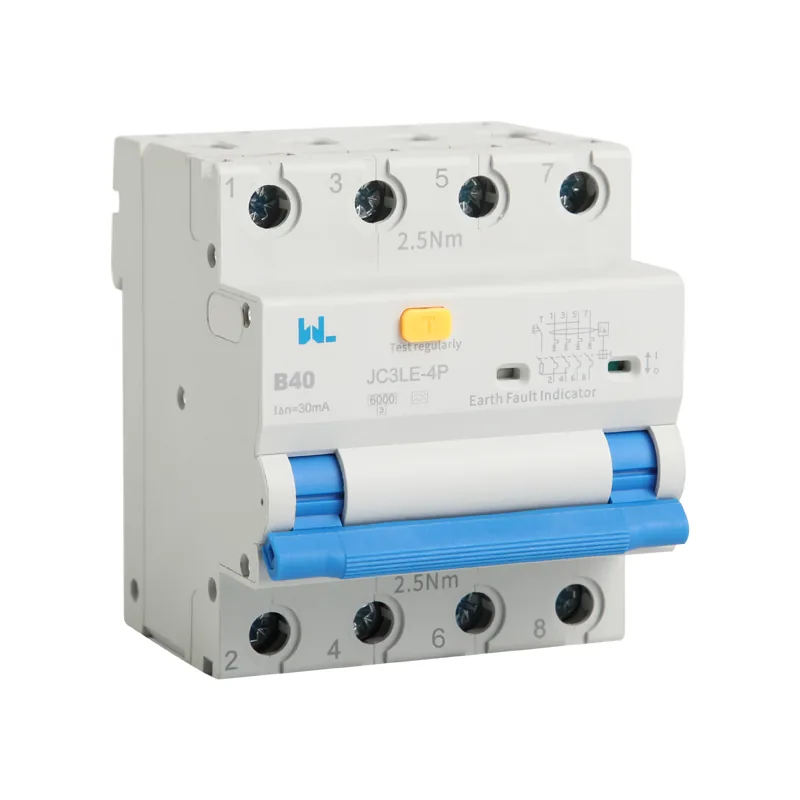
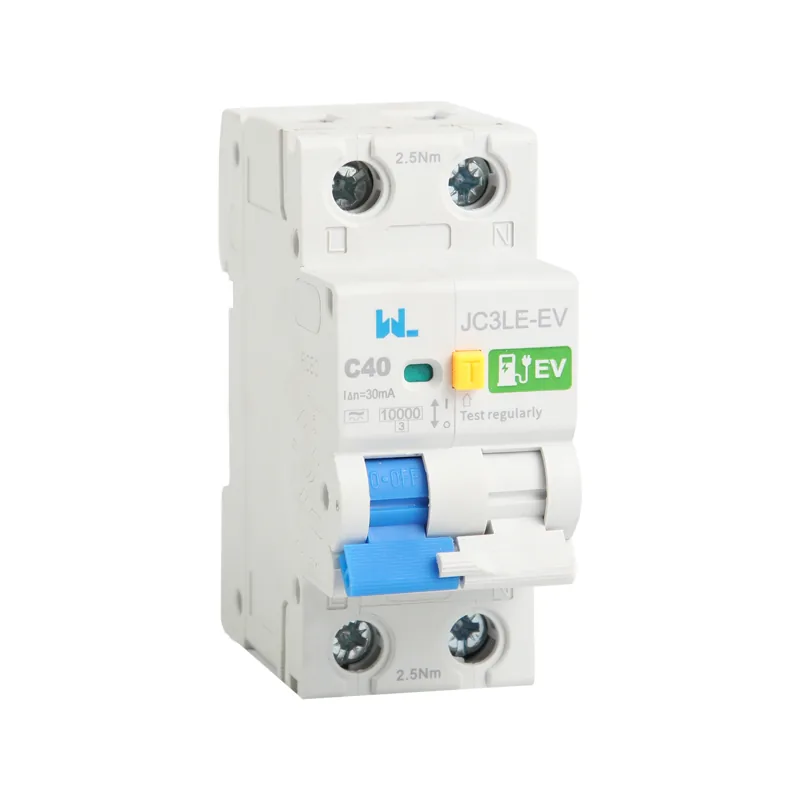
A two-pole device is commonly associated with a suitable single-phase line-and-neutral circuit. Three-phase arrangements may use a four-pole device when the design includes neutral switching and monitoring. The actual connection depends on the supply and manufacturer’s diagram, including test-circuit requirements. Protective earth must not be routed as a normal current-carrying conductor through the device. Where a supply has no distributed neutral, ask the manufacturer to confirm the permitted arrangement and test-button operation rather than adapting a neutral-dependent diagram without approval.
For additional protection, residual-current sensitivity is only one input. Rated current concerns carrying capacity, while short-circuit coordination concerns fault duty with specified protective devices. A 100 A marking therefore does not mean that an RCCB trips on a 100 A overload. Treat each rating as a different question and document the answer separately.
Divide circuits to limit unnecessary outages
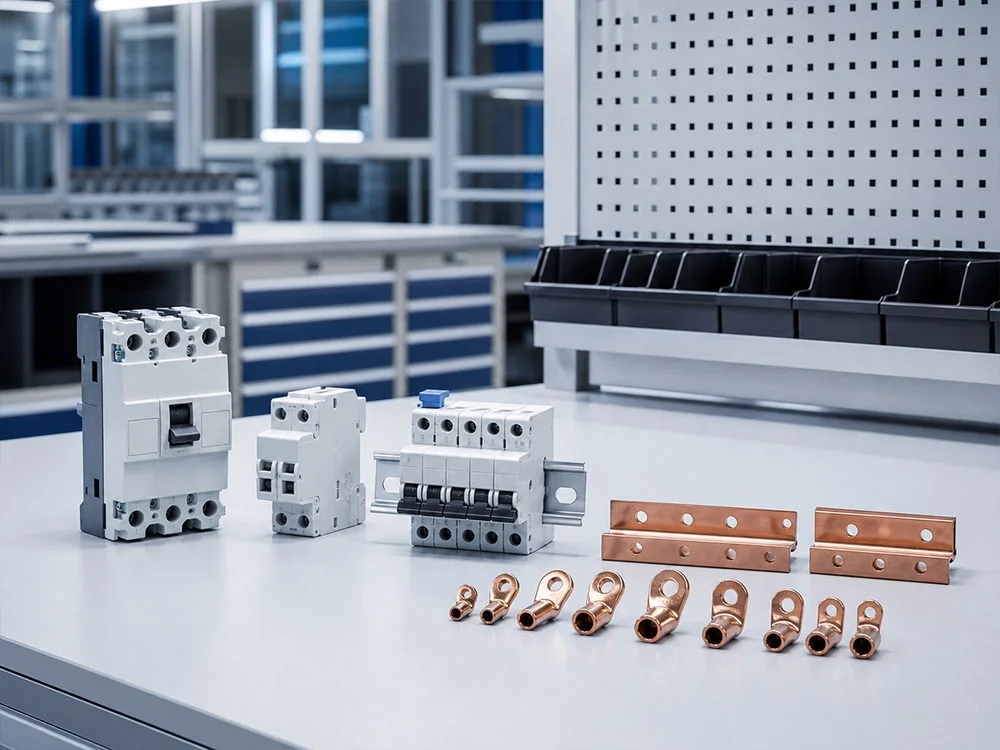
Commercial buildings make the consequences of grouping especially visible. Refrigeration, tills, network equipment and common lighting may have different continuity needs. Splitting circuits can reduce the extent of an outage and make diagnosis more precise. An RCBO per circuit may be an alternative, but the comparison must include board space, wiring, coordination and maintenance rather than only the number of devices.
Do not simply place every electronic load behind the same sensitive RCCB. Assess expected leakage and its variation, then decide how to group loads. The design should distinguish a fault that needs disconnection from normal cumulative currents that make a broad group unreliable. Increasing the threshold without checking the protection purpose can exchange a visible outage problem for an inadequate design.

Selective residual-current protection requires a coordinated arrangement, not merely two devices in series. Upstream time delay, downstream characteristics and the earthing system all matter. Use the manufacturer’s coordination data and the local rules to assess which device should operate for a downstream fault. Essential services and special installations may have additional constraints that need a project-specific review.
Review industrial duties and procurement evidence
Industrial supplies can include converters, long cable runs, filters, UPS equipment and machinery with their own protective provisions. Confirm the equipment supplier’s residual-current requirements and whether the proposed protective device is suitable for the possible DC components and frequencies. A type designation does not establish compatibility with every converter or every operating condition.
Keep the product standard separate from the installation and assembly requirements. IEC 61008-1 concerns RCCBs without integral overcurrent protection; an IEC designation on a product page does not certify the complete switchboard or installation. Equipment-specific and national requirements still apply. Request documents matching the offered order code and avoid using a family brochure as proof for every configuration.
| Procurement field | Required clarification | Commercial consequence if omitted |
|---|---|---|
| Supply and poles | Voltage, phases, neutral and approved terminal arrangement | Wrong device or connection redesign |
| Type and sensitivity | Fault waveform and protection purpose | Inappropriate detection or unnecessary outages |
| Corriente nominal | Design current and installation conditions | Thermal or coordination reassessment |
| Overcurrent coordination | Specified upstream device and conditional fault rating | Unproven fault-duty capability |
| Inspection and testing | Test method, records and maintenance instructions | Extra commissioning work or delayed handover |
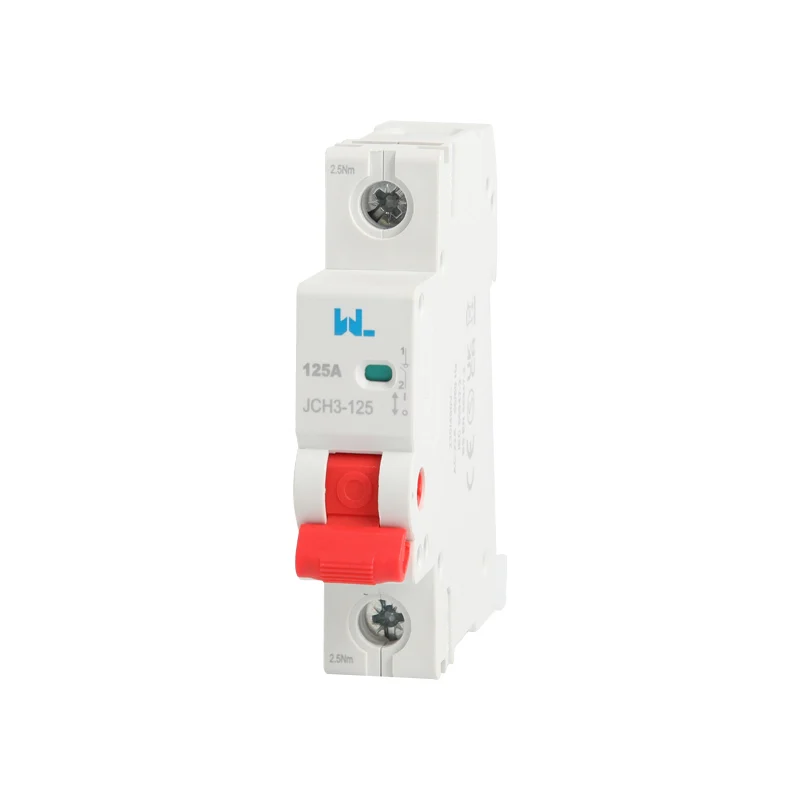
For a concrete procurement reference, W9 lists JCRD4-125 four-pole RCCB options with Type A or Type AC and several sensitivities. Confirm the exact offered configuration and coordinated upstream protection. Those listed choices illustrate a configurable product range; they do not establish suitability for a particular drive or industrial process.
Compare total project cost as device supply plus board changes, shutdown time, commissioning and future diagnostic effort. This is a cost framework rather than a savings claim. A lower purchase price can be offset by extra rewiring or a broad outage boundary. For the alternative device architecture, review the RCCB and RCBO comparison alongside the actual circuit schedule.
Preguntas frecuentes
How is an RCCB circuit breaker used in a three-phase system?
All relevant live circuit conductors must follow the manufacturer’s monitored connection arrangement. Four-pole devices are common where three phases and neutral are included, but supply voltage, neutral requirements and the test circuit must be checked for the selected model.
What is a 2-pole RCCB circuit breaker and when is it used?
It is a residual-current device with two poles, commonly used in a suitable single-phase line-and-neutral arrangement. Select it from the circuit design and approved diagram rather than assuming that any two-pole unit fits any supply.
What is an RCCB circuit breaker?
An RCCB is a residual current circuit breaker without integral overcurrent protection. It detects a specified residual-current condition and needs coordinated protection against overload and short circuit.
What is the difference between a GFCI circuit breaker and an RCCB?
They are associated with different product standards and installation practices. Check the market-specific trip requirements and listing; neither the name nor a similar appearance establishes a direct replacement.
What are the key differences between an MCCB and an RCCB?
An MCCB is primarily an overcurrent protective device according to its fitted trip unit. An RCCB detects residual-current imbalance; optional earth-fault functions on an MCCB must be evaluated separately.
What is the difference between RCD and RCCB?
RCD is an umbrella term for residual-current devices. RCCB is one category, distinguished from an RCBO by the absence of integral overcurrent protection.
Referencias
- Schneider Electric: Understanding RCCB Types, manufacturer overview, accessed 17 October 2026.
- UK HSE: Electricity at Work, Safe Working Practices, HSG85 third edition, 2013, accessed 17 October 2026.
- UK HSE: Electrical Safety FAQs, regulator guidance, accessed 17 October 2026.
Match protection to the circuit
A useful RCCB specification identifies the complete protection arrangement: load characteristics, supply, earthing, sensitivity, waveform response, circuit division and coordinated overcurrent protection. Building type helps organize the discussion, but it cannot settle those decisions by itself. Retain the approved device schedule and commissioning evidence so that a future replacement preserves the design intent. For product selection support, send the project country, circuit duty and required documents through the W9 Group enquiry page. Ask for a model-specific offer and review it with the responsible designer before procurement. That approach makes the purchase traceable and keeps operational continuity connected to the electrical protection requirement.