








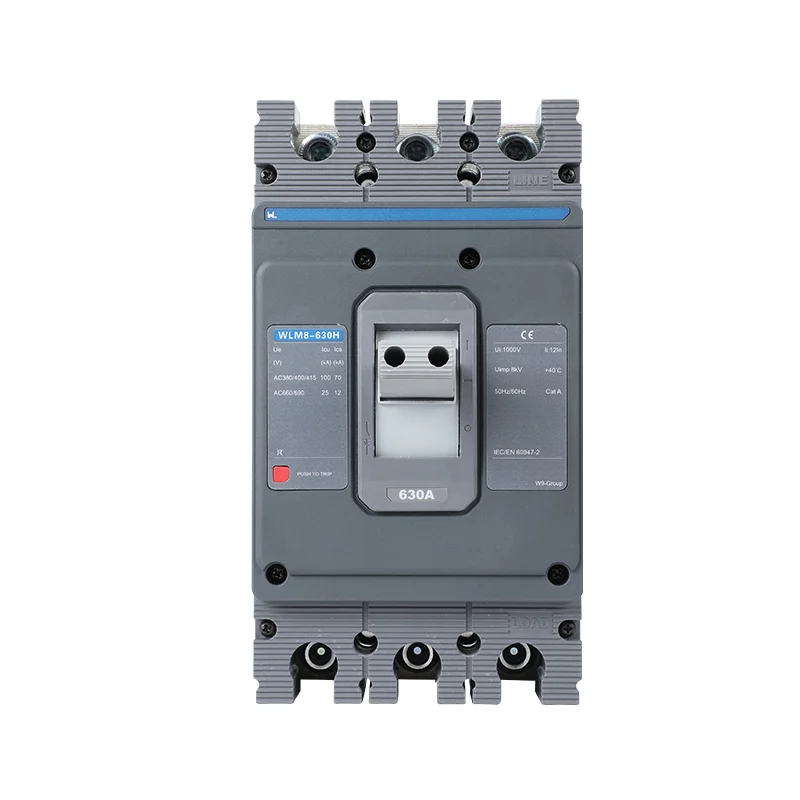
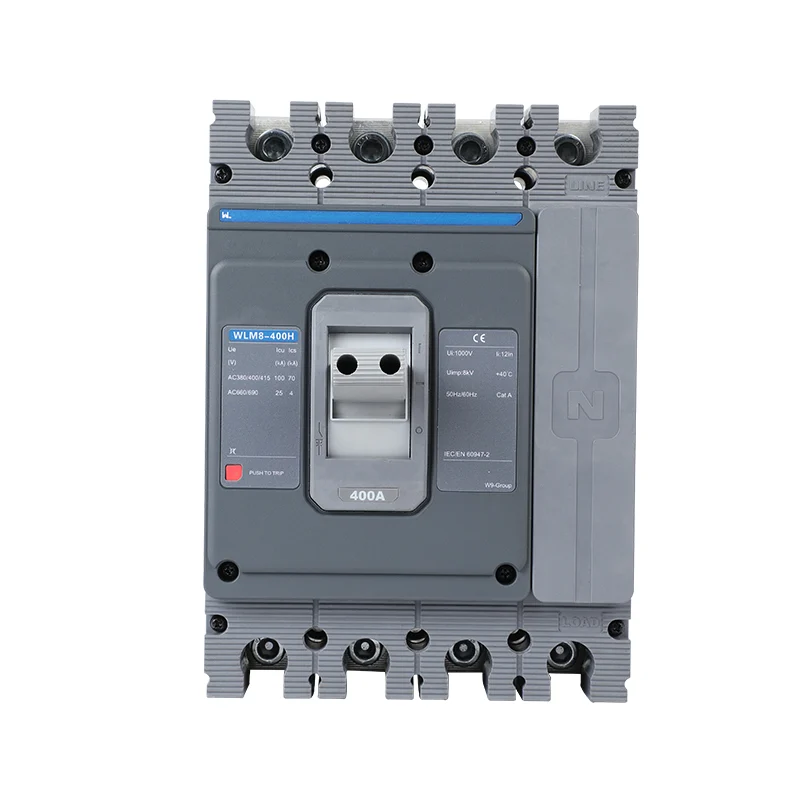
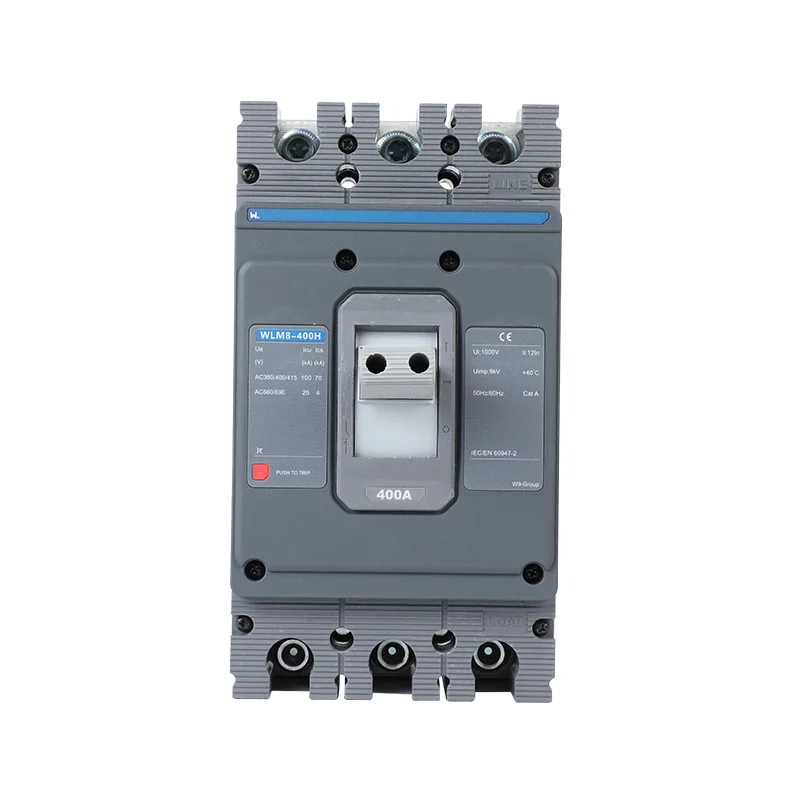
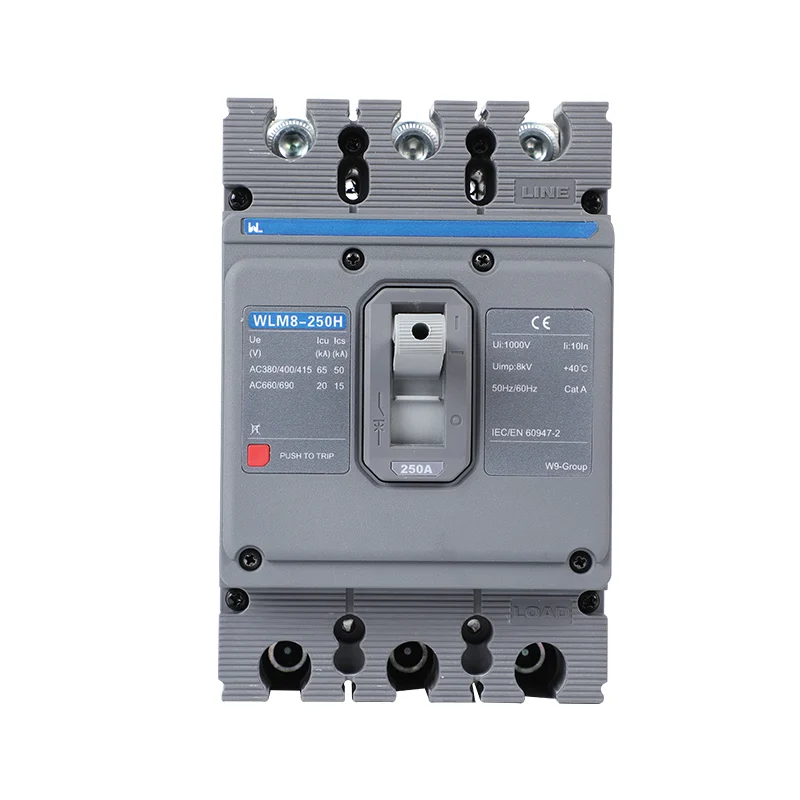















Understand MCCB shunt tripper: a key accessory for enhanced control
A remote-opening command can fail even when the main MCCB is correctly rated. The accessory may have the wrong coil voltage, insufficient supply during the fault or no documented compatibility with the breaker mechanism.
A shunt release trips a compatible breaker when its specified electrical command is applied. It is an opening accessory, not an overload sensor, position indicator or automatic reclosing system. Select it as part of the complete breaker and control-circuit configuration.
Match the accessory to the breaker
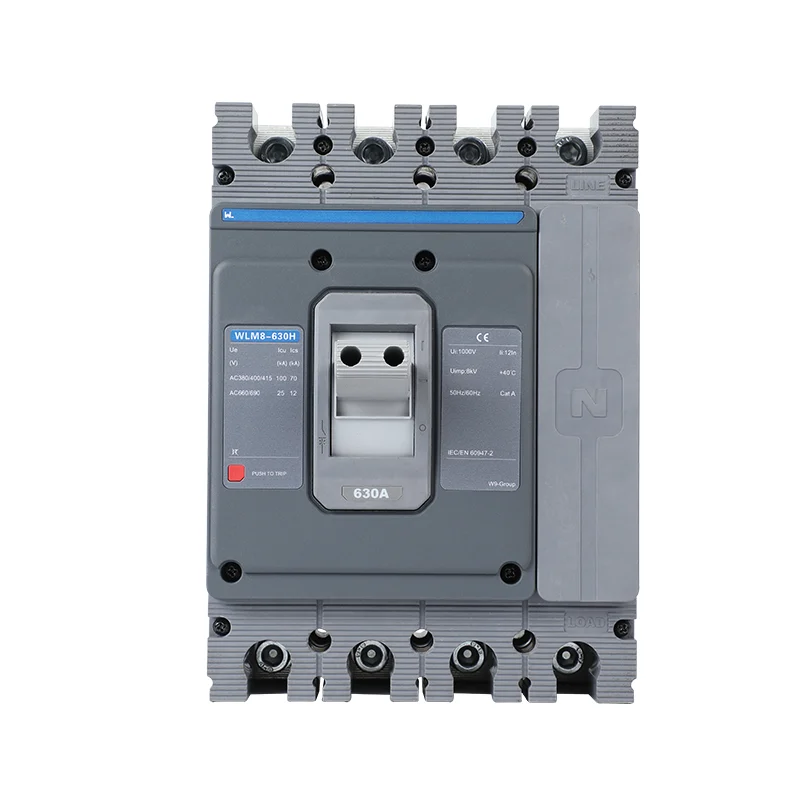
Start with the full MCCB and accessory order codes. Confirm mounting position, mechanical coupling, terminal arrangement and the manufacturer’s compatibility statement. Similar appearance or a shared brand does not establish interchangeability between frames.
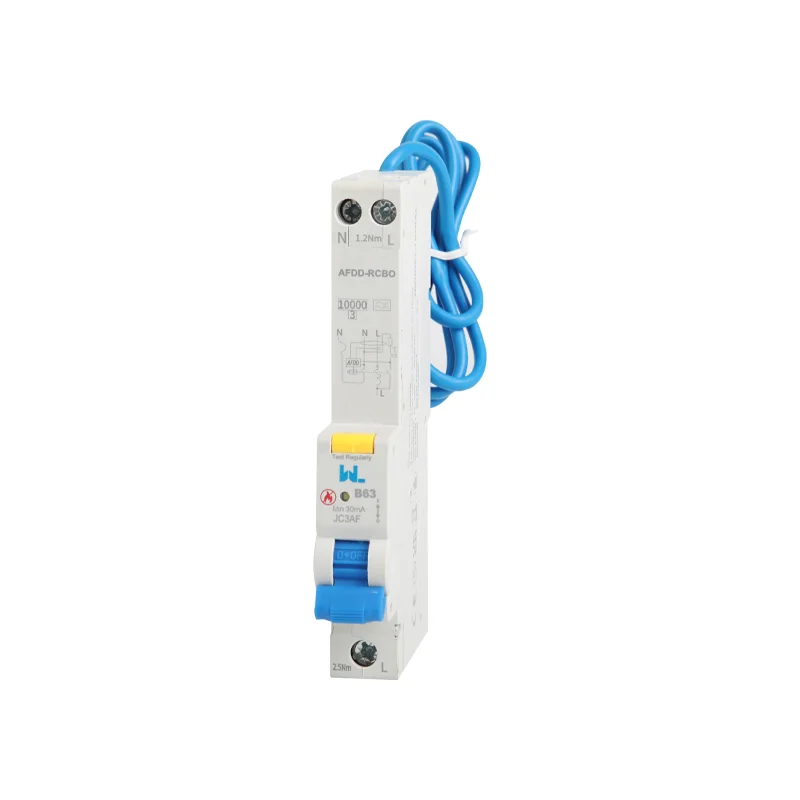
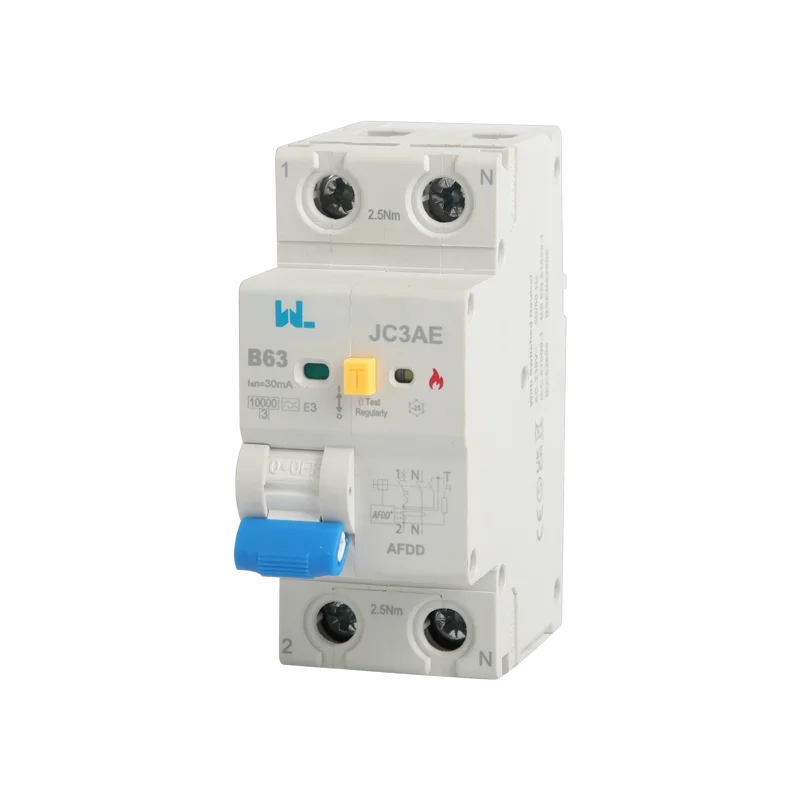
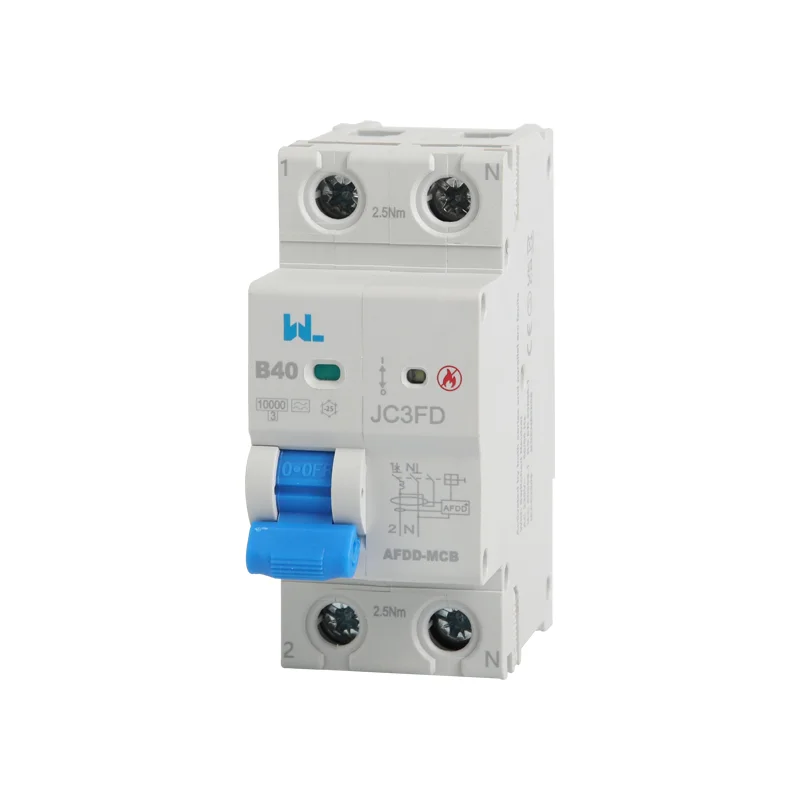
The JCMX1-125 listing is an example of a model-specific accessory reference associated with MCB/RCBO applications. It must not be presented as a universal accessory for MCCBs. Use the actual supported breaker family for any recommendation.
Engineer the command supply
Specify control voltage, AC or DC, frequency where relevant, power demand and allowed command duration. Obtain the coil’s operating range from its own instructions. A universal percentage range cannot be applied safely to every shunt tripper.
Check the voltage available at the coil during the event that requires opening. Cable drop, relay contact rating and a failing common supply can defeat the command. Continuous energisation is acceptable only where the release and its control arrangement explicitly permit it.
| Item | Question |
|---|---|
| Compatibility | Which exact breaker and mounting position are approved? |
| Supply | What voltage reaches the coil under worst-case conditions? |
| Command | What pulse or duty cycle is permitted? |
| Feedback | Is open position or fault trip independently indicated? |
| Reset | What inspection and manual reset sequence is required? |

Separate opening from feedback
An opening command does not prove that contacts opened. An auxiliary contact can indicate mechanism position, while an alarm contact may indicate a trip condition; the actual contact logic depends on the model. Identify the feedback required by the control system and test the complete cause-and-effect sequence.
For emergency functions, a shunt release is only one part of a safety-related design. Evaluate supply loss, wiring faults, reset behaviour and the governing machinery or installation requirements. Do not call an ordinary control circuit fail-safe without the relevant design evidence.
| Function | Shunt release | Other equipment may be required |
|---|---|---|
| Remote opening | Its intended command function | Suitable power and control contact |
| Low-voltage response | Not inferred | Undervoltage release or monitoring |
| Position indication | Not inherent | Auxiliary contact |
| Fault-trip indication | Not inherent | Alarm contact and logic |
Commissioning and procurement
Isolate the equipment and use the manufacturer’s functional procedure to verify command voltage, opening, feedback and reset. Record the accessory identity and supply source. Do not bypass interlocks or repeatedly energise a coil outside its stated duty.
IEC 60947-2 provides circuit-breaker context and IEC 60947-5-1 covers control-circuit devices within its scope. These references do not establish compatibility for an arbitrary accessory. Send W9 Group both order codes and the control sequence when requesting an accessory review.
Frequently asked questions
Can any shunt tripper fit any MCCB?
No. Compatibility is mechanical and electrical and must be documented for the exact breaker and accessory codes.
Does a shunt release detect overloads?
No. It opens in response to a control command. Overload detection comes from the breaker release or a separate protective system.
Is there one operating-voltage percentage for all coils?
No. Use the exact coil’s declared supply range and duty. Check the voltage available at its terminals during the required operation.
Does the trip command prove that the breaker is open?
No. Use the specified independent feedback and verify its contact logic. A command signal alone is not contact-position evidence.
References
- IEC 60947-2:2024 — circuit-breaker and accessory context.
- IEC 60947-5-1:2024 — electromechanical control-circuit devices.
- Schneider Electric — auxiliary-switch and alarm-switch distinction, manufacturer-specific.
For an accessory check, contact W9 Group with both order codes, control voltage, command duration and required feedback behaviour.