











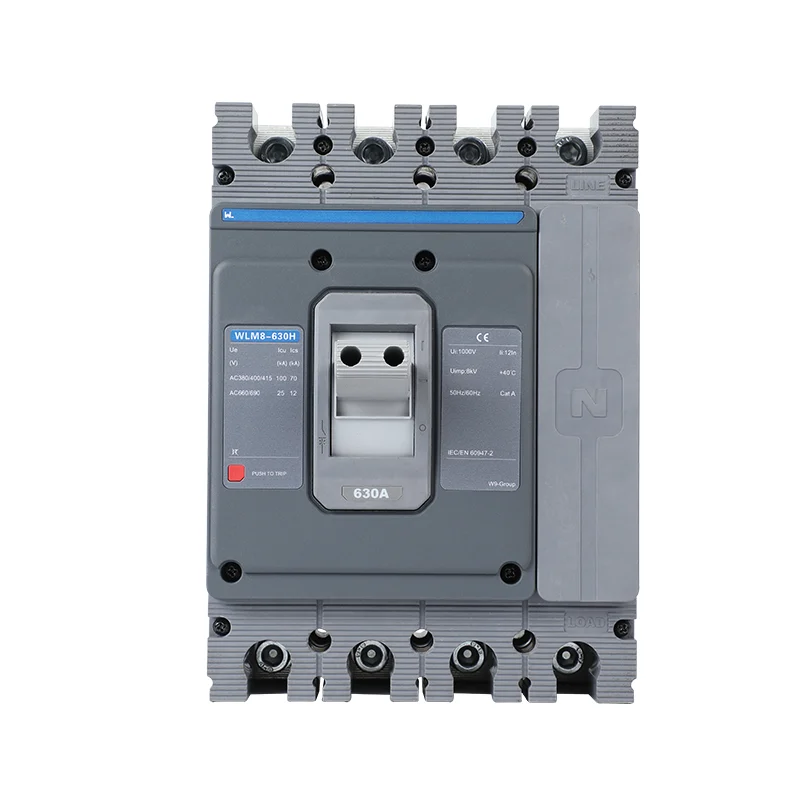
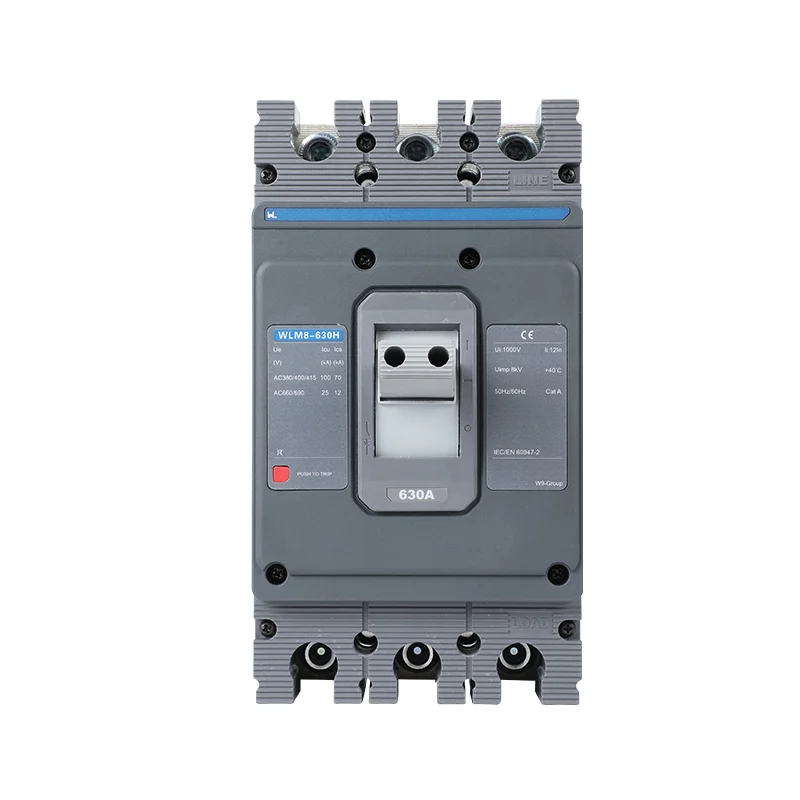
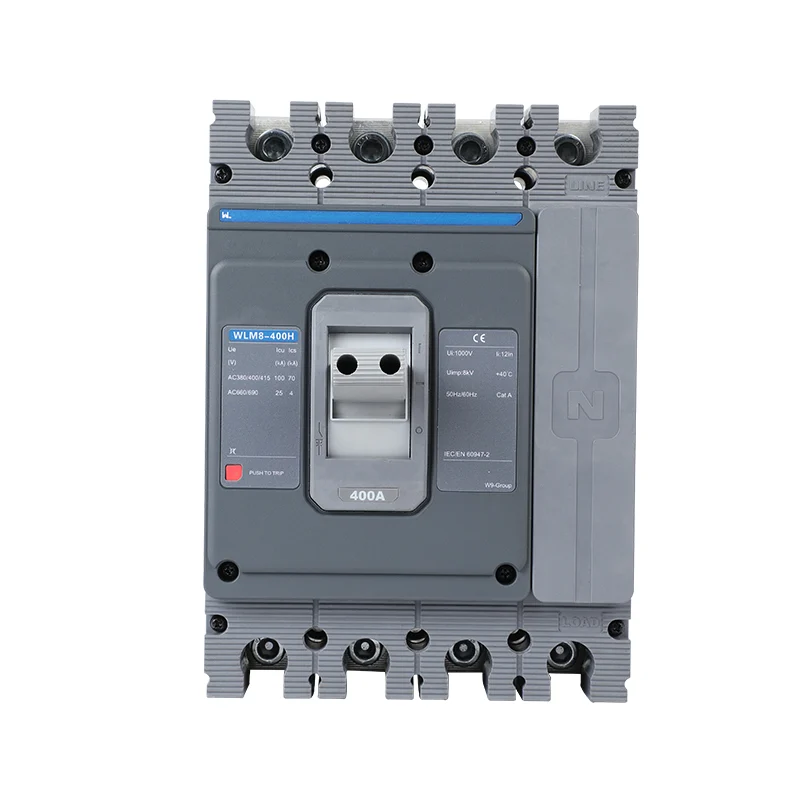
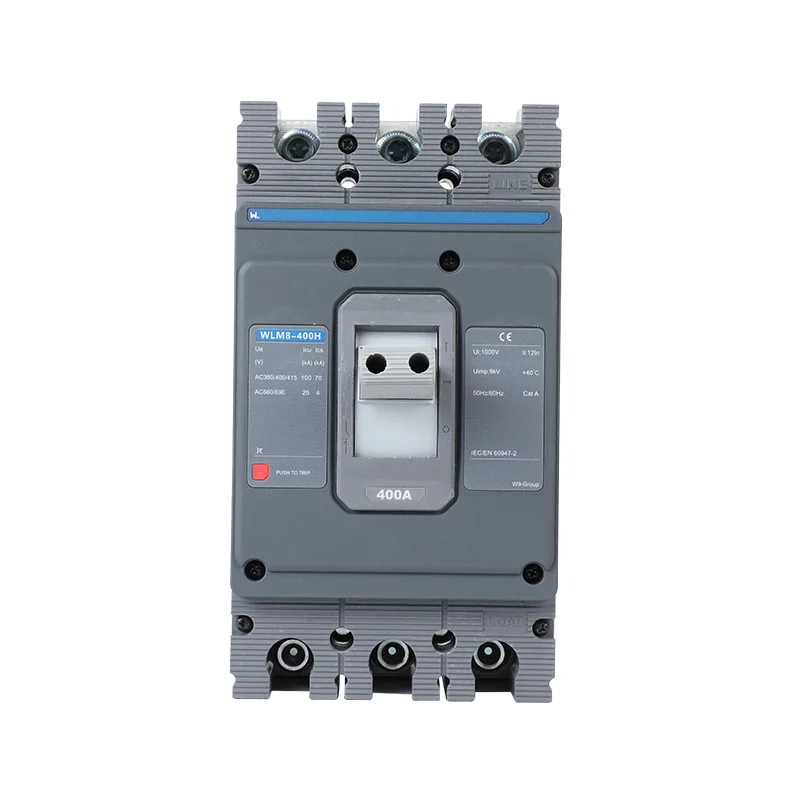
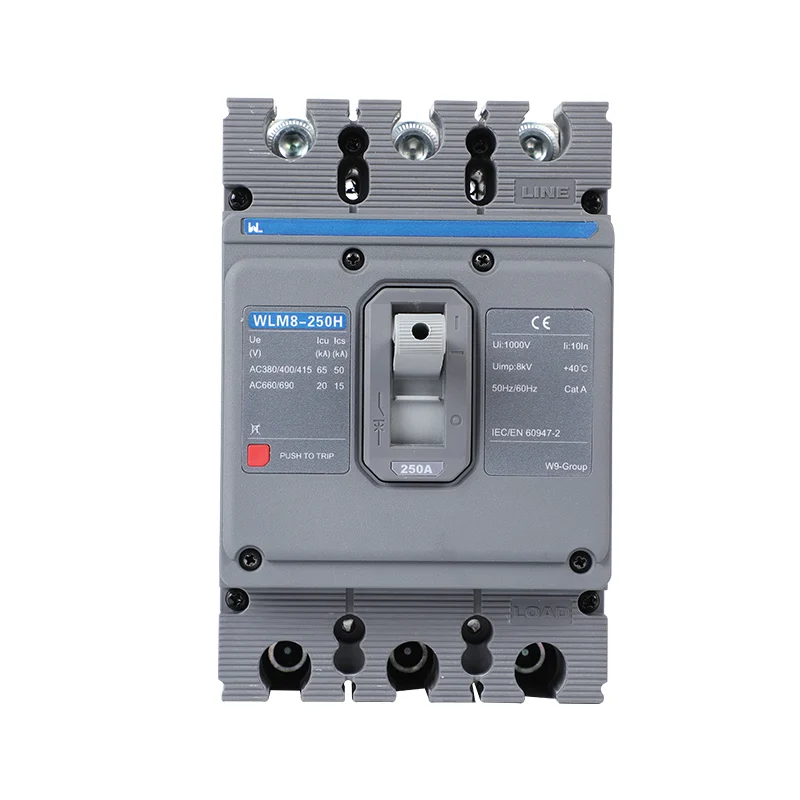





















Understanding the Importance of Best MCCB Circuit Breakers in Modern Electrical Systems
Calling an MCCB the best does not help a project unless criteria are visible. Procurement, panel-building and operations teams need to connect load duty, fault level, coordination, environment and service evidence to a specific model.
Quick answer: define the circuit first, then compare MCCB candidates using ratings, breaking capacity, trip behavior, accessories, documentation, assembly conditions and support. IEC 60947-2:2024 gives the product-standard scope for circuit-breakers; installation and assembly requirements remain separate project responsibilities.

MCCB Selection Requirements
An incorrectly specified current rating can overload conductors, while an unsuitable trip curve can nuisance-trip or fail to coordinate. A breaker that fits the cabinet mechanically may still have the wrong fault duty or accessory arrangement. See MCCB product category for the relevant product or guidance.


Ratings and fault duty
Check rated operational voltage, continuous current, poles, frequency, service conditions, short-circuit rating and the actual prospective fault current. Do not infer DC suitability from an AC model, and do not infer assembly compliance from a product page.

Coordination and commissioning
Use the approved protection study to set adjustable releases and record the final values. Verify labels, torque, terminal arrangement, test results and upstream/downstream relationships during commissioning. See MCCB selection guide for the relevant product or guidance.


Rank acceptance risks before optional features
First reject candidates that do not meet the required operating voltage, interruption duty or conductor-protection function. Then check connections, assembly conditions and conformity documents. Only after those requirements are satisfied should optional displays, communications or accessory packages influence the comparison.
| Priority | Acceptance question |
|---|---|
| Electrical | Does the exact configuration meet the circuit duty? |
| Mechanical | Does it fit the verified assembly and connections? |
| Documentary | Is the model covered by the required evidence? |
| Operational | Can the facility test, maintain and replace it? |
A higher frame current is not a safety margin if the release no longer protects the conductor. Likewise, a generic certificate or category page is not approval of a different model. Keep the accepted configuration tied to the order and commissioning record.
The guide to molded case circuit breakers explains how frame size, rating and trip behaviour differ.

Documentation and supplier support
A useful supplier package includes a controlled datasheet, manual, outline drawing, accessory schedule, test information and a clear contact route. W9 provides low-voltage circuit protection options for OEM, panel-builder and distribution projects; confirm exact model ratings and documents before release. See W9 company and OEM information for the relevant product or guidance.


MCCB Selection Principles
Select the candidate that satisfies the documented electrical duty, physical installation and project evidence requirements with the fewest unresolved assumptions. See contact W9 for model verification for the relevant product or guidance.

MCCB Selection Records
At design stage, write the electrical duty and the unresolved assumptions before choosing a catalogue number. State the system voltage, frequency, continuous current, poles, prospective fault current, load profile, ambient conditions and enclosure. This creates a common baseline for every quotation and prevents a supplier from answering a different question with a different configuration.
At quotation stage, ask for a controlled datasheet, model code, outline drawing, terminal arrangement, accessory schedule, setting range, test scope and document revision. Compare like with like: a fixed device, a withdrawable device and a device with communications are different scopes even when the headline current is similar. Record what is included, what is optional and what must be supplied by the panel builder.
At assembly and commissioning stage, confirm the physical identity, mounting, wiring, labels, torque, settings and functional checks against the approved file. If the application is outside the published product scope, stop the release and obtain engineering clarification. This evidence trail is more valuable than a generic “top” label because it lets the next engineer understand why the device was accepted.
| Project stage | Question to close | Evidence to retain |
|---|---|---|
| Design | What duty and fault level must be protected? | Load schedule and protection study |
| Quotation | Which exact model and accessories are included? | Configuration sheet and revision-controlled datasheet |
| Assembly | Does the device fit the verified board arrangement? | Drawings, wiring and assembly records |
| Commissioning | Do settings and functions match the approved design? | Test record, setting file and as-built schedule |
Keep a written boundary around every claim. A product standard is not an installation certificate; a display is not automatically a communication system; an AC rating is not a DC rating; and a supplier category page is not a project-specific approval. Where evidence is missing, turn the statement into a request for a document or a technical confirmation. That habit makes procurement faster because the unanswered items are visible before the purchase order.
Frequently asked questions
What makes an MCCB suitable rather than merely popular?
Its exact ratings, curves, installation arrangement and evidence must meet the project requirements. Popularity is not a technical acceptance criterion.
Is oversizing always safer?
No. The release must still protect conductors and equipment. Larger current labels cannot replace the protection calculation.
Can a certificate for a similar frame be reused?
Only if the document explicitly covers the actual model and configuration. Otherwise obtain matching evidence.
Which optional features should be prioritised?
Choose features that support a defined operational need after the mandatory electrical and installation requirements are met.
References and next step
- IEC 60947-2:2024 — circuit-breaker product scope.
- IEC 61439-1:2020 — low-voltage assembly general rules.
- NFPA 70 — U.S. installation-code development and scope.
Use the following public sources to verify scope, then request the exact product documents for your project:
- IEC 60947-2:2024
- IEC 61439-1:2020
- W9 About
W9 Group provides low-voltage circuit protection options for OEM, panel-builder and distribution projects; confirm the exact model, ratings, documentation and destination-market requirements before release.
To review the proposed configuration, contact W9 Group with the load schedule, available fault current and destination-market requirements.