



















Exploring the Benefits of Lsig Circuit Breakers for Modern Electrical Systems
LSIG functions give an engineer separate protection settings; they do not automatically make a system selective or safe at any setting. The benefit depends on the circuit study and the exact release supplied.
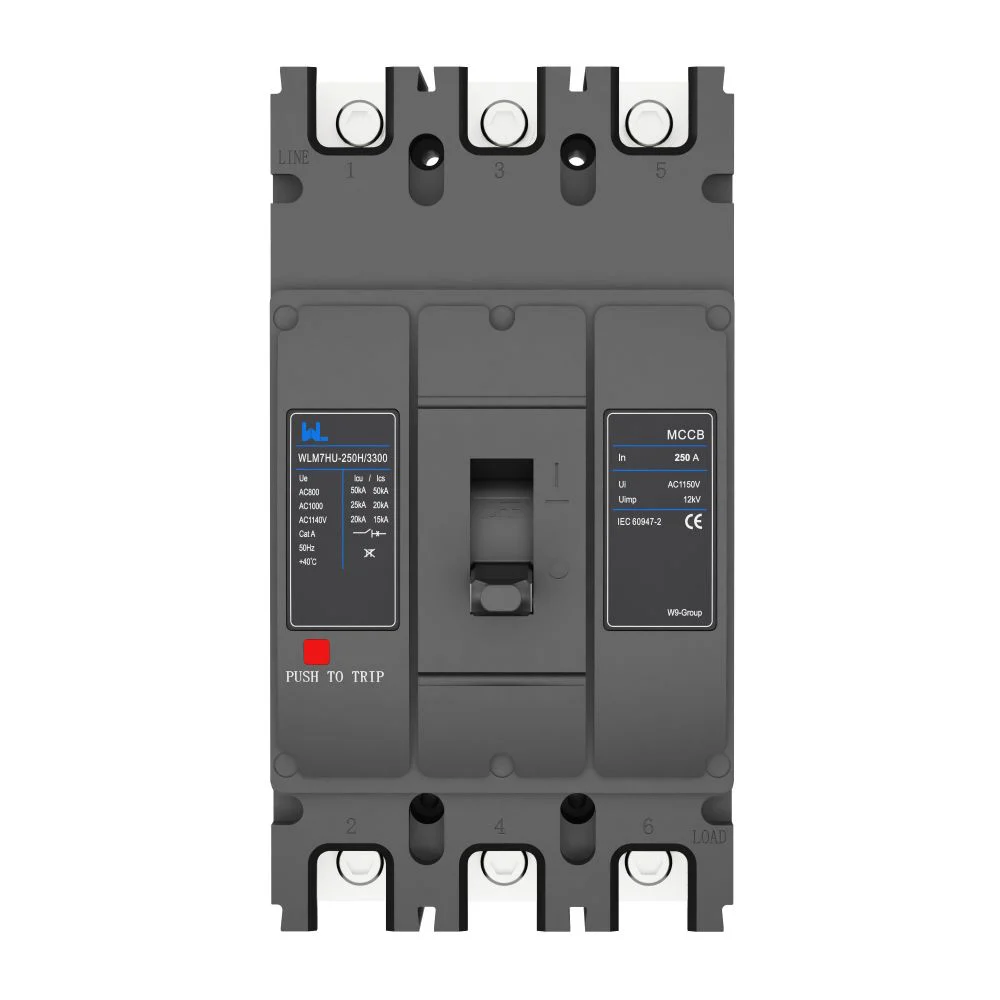
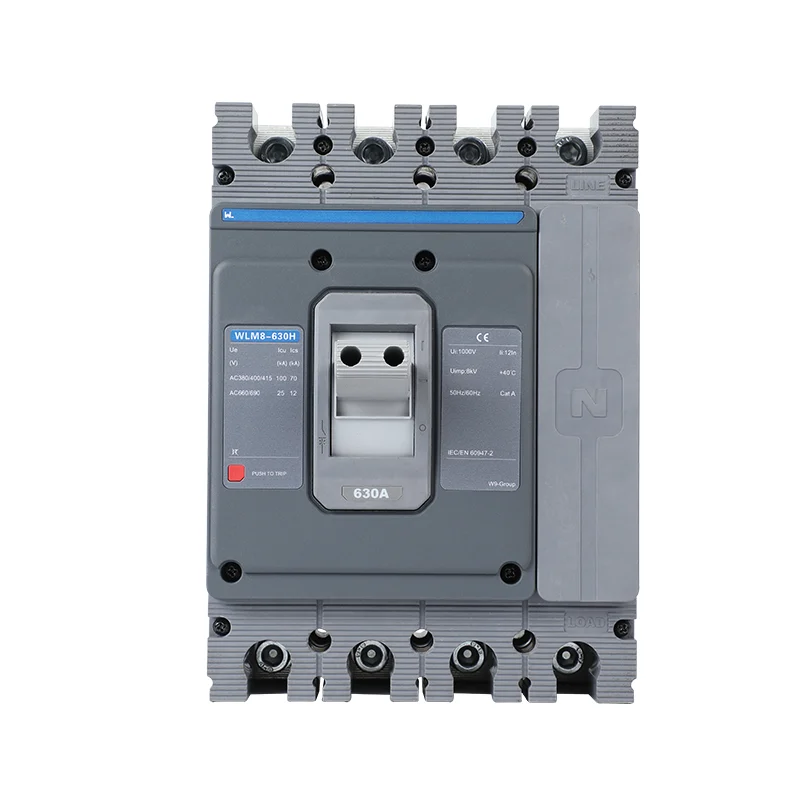
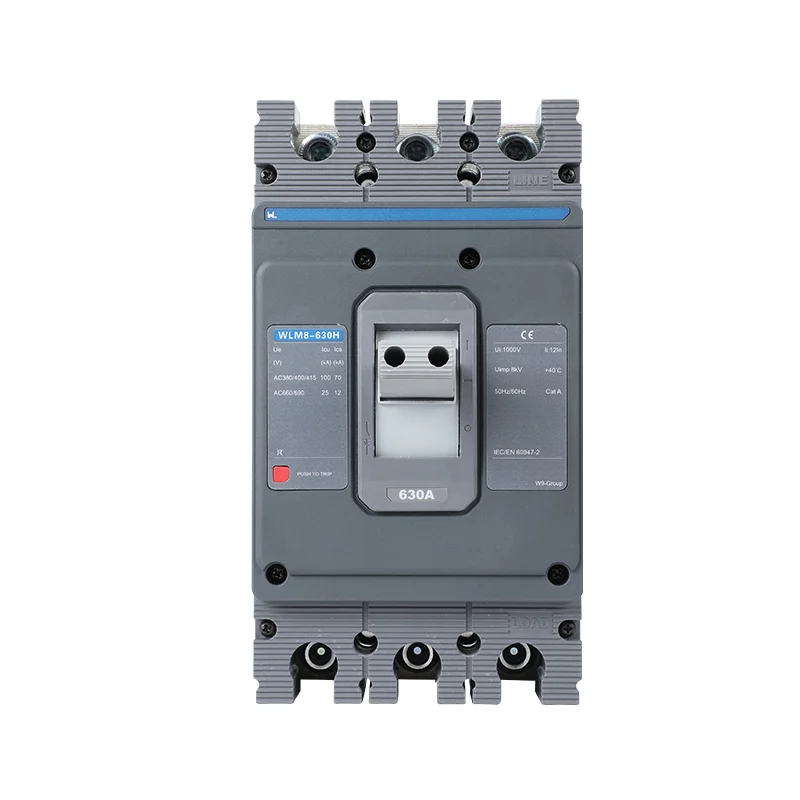
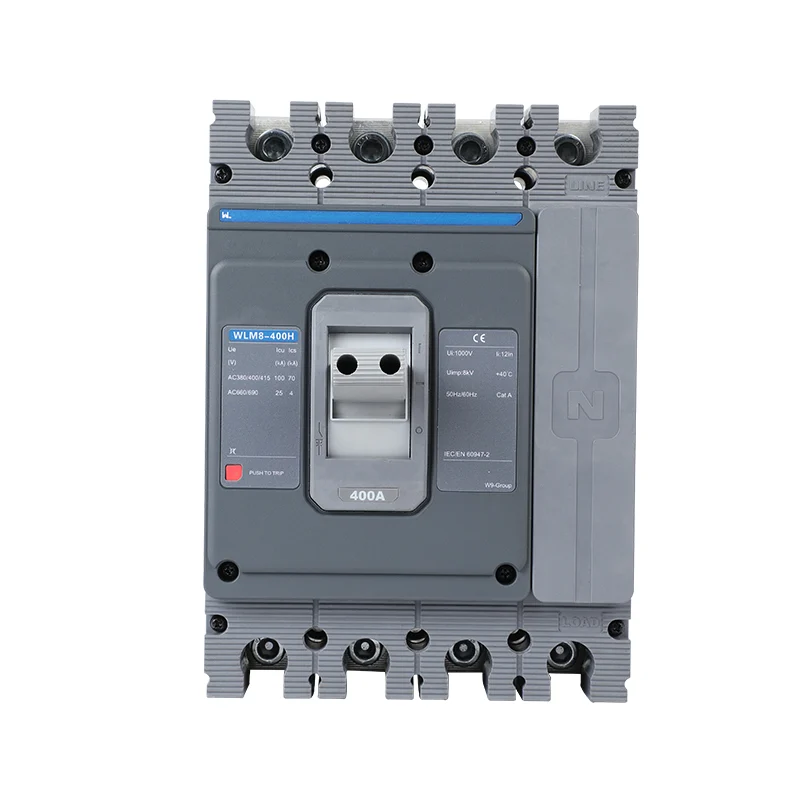
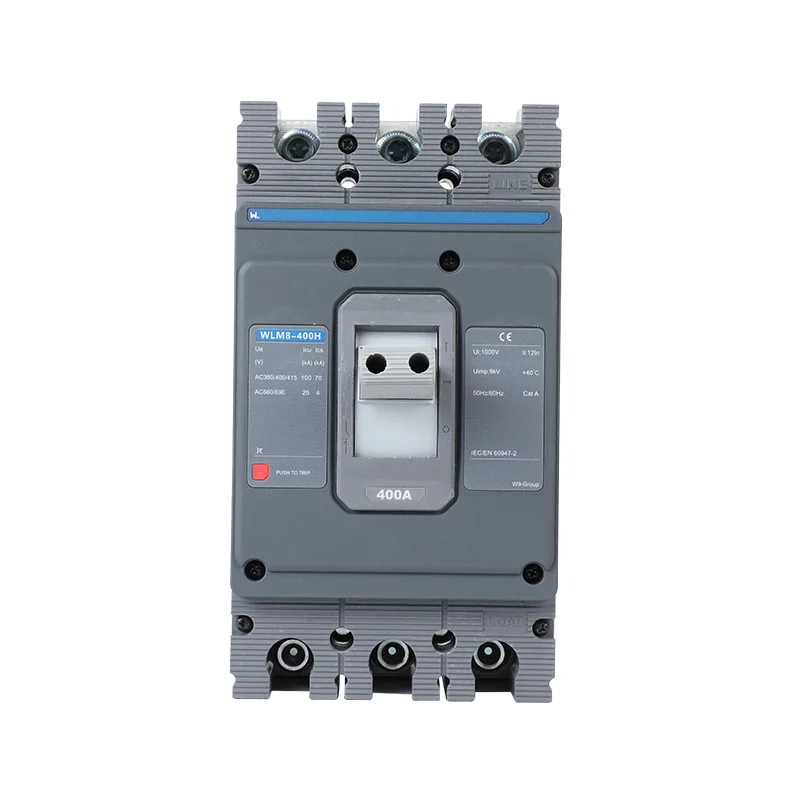
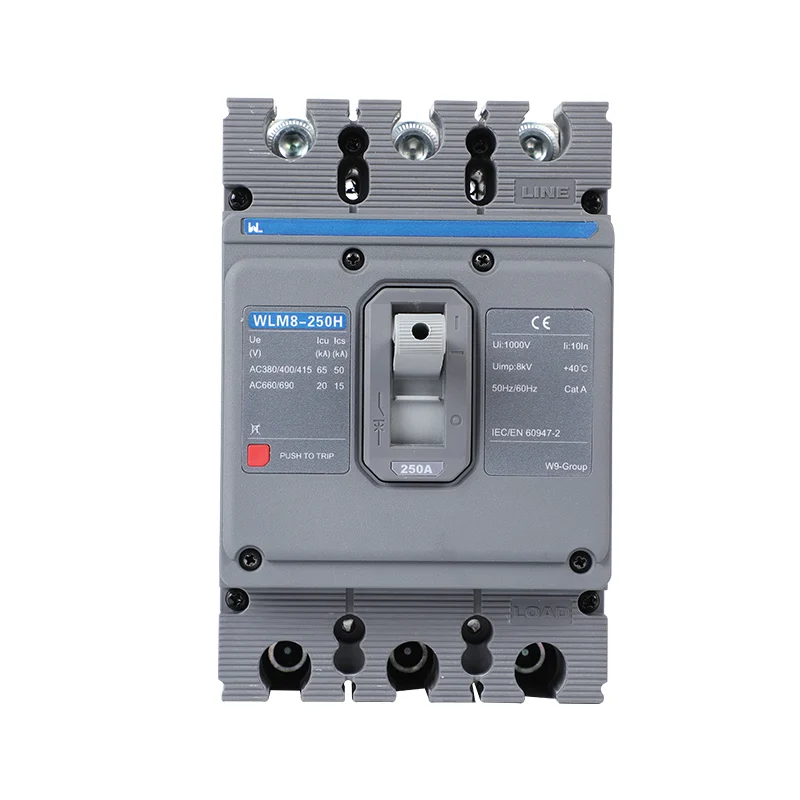
MCCB configurations should be shortlisted by the required protection functions and documented electrical duty.
The guide to molded case circuit breakers explains how frame size, rating and trip behaviour differ.


Test and govern the settings
| Stage | Evidence to retain |
|---|---|
| Study | Source assumptions and coordinated curves |
| Configuration | Exact release, sensor and neutral arrangement |
| Test | Manufacturer-approved method and results |
| Handover | As-left settings and authorised revision |
| Change | Reassessment and updated test record |
IEC 60947-2 product declarations do not approve an arbitrary delay or sensing arrangement. Follow the release’s test instructions, recognising the different scope of primary and secondary injection. Include test equipment, engineering, spares and inspection in lifecycle cost. Ask W9 for exact LSIG release documents rather than a broad claim of advanced protection.
Use the technical requirements for MCCBs to check the specification against the order code and project file.


Assign each LSIG function a design job
Long-time pickup and delay protect the sustained-load region within the conductor limit. Short-time delay can support downstream discrimination but increases exposure while a fault persists. Instantaneous pickup must be reviewed against permitted inrush and fault-disconnection needs. Ground-fault sensing must match the earthing and neutral arrangement.
| Function | Design input | Check |
|---|---|---|
| L | Load and conductor ampacity | Pickup and overload curve |
| S | Downstream protection | Selectivity and withstand |
| I | Inrush and fault level | High-current response |
| G | Earthing and sensing | Pickup, delay and neutral path |
The resulting settings need authorisation, commissioning and change control. Do not disable a function to obtain a cleaner curve without reviewing the resulting protection gap. An LSIG label does not establish a 30 mA residual-current function or a communication interface.
Frequently asked questions
What does LSIG stand for?
Long-time, short-time, instantaneous and ground-fault protection. Confirm which functions and setting ranges are present in the exact release.
Does LSIG guarantee selective coordination?
No. Selectivity depends on the actual devices, settings and fault levels. Complete the coordination study and verify the approved settings.
Is G the same as an RCD’s additional shock protection?
Not automatically. Sensitivity, waveform response and sensing arrangement can differ substantially. Verify the required function separately.
Can settings be changed whenever loads change?
Changes require an approved protection review and updated records. Re-test as required and preserve conductor and equipment protection.
References
- IEC 60947-2:2024 — circuit-breaker product scope.
- IEC 61439-1:2020 — low-voltage assembly general rules.
- NFPA 70 — U.S. installation-code development and scope.
To review the proposed configuration, contact W9 Group with the load schedule, available fault current and destination-market requirements.