




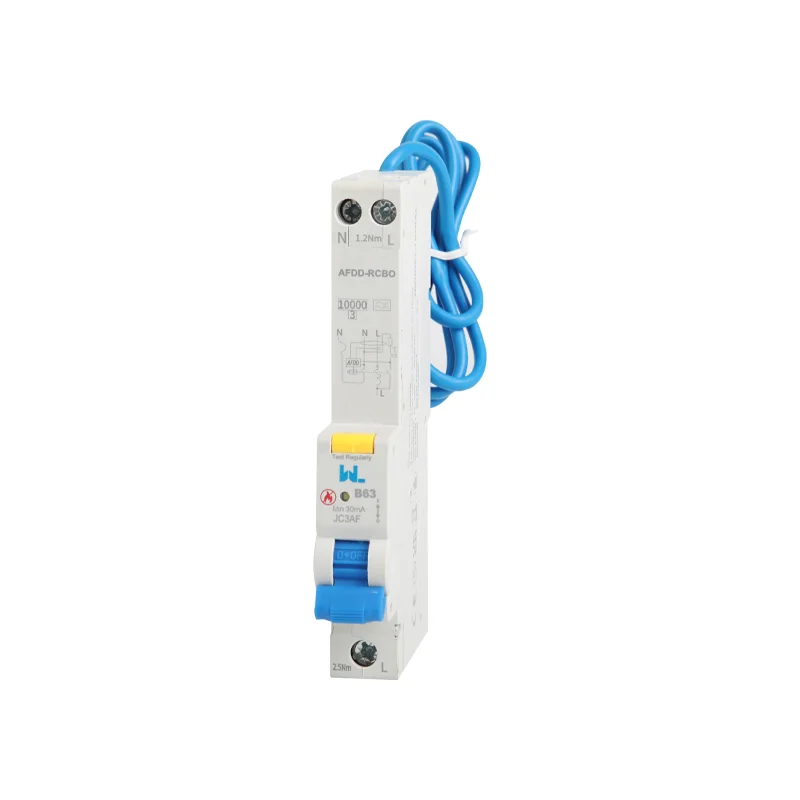
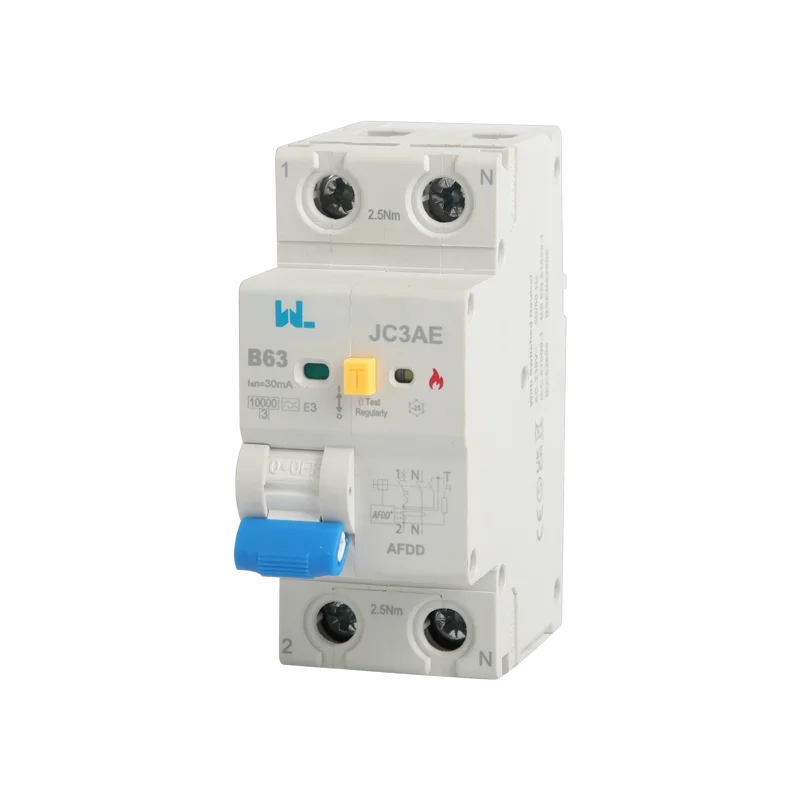
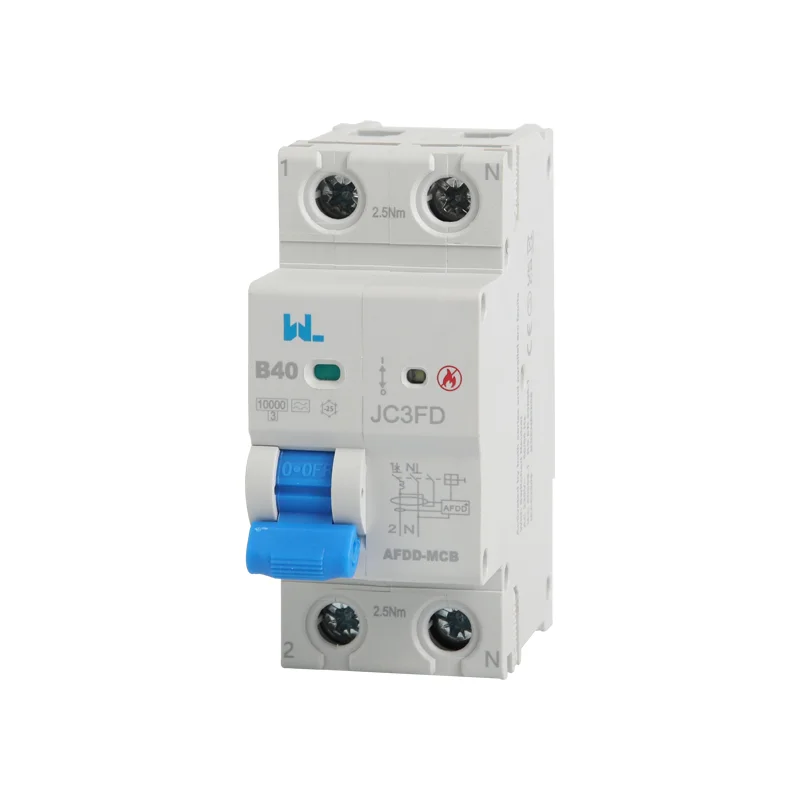






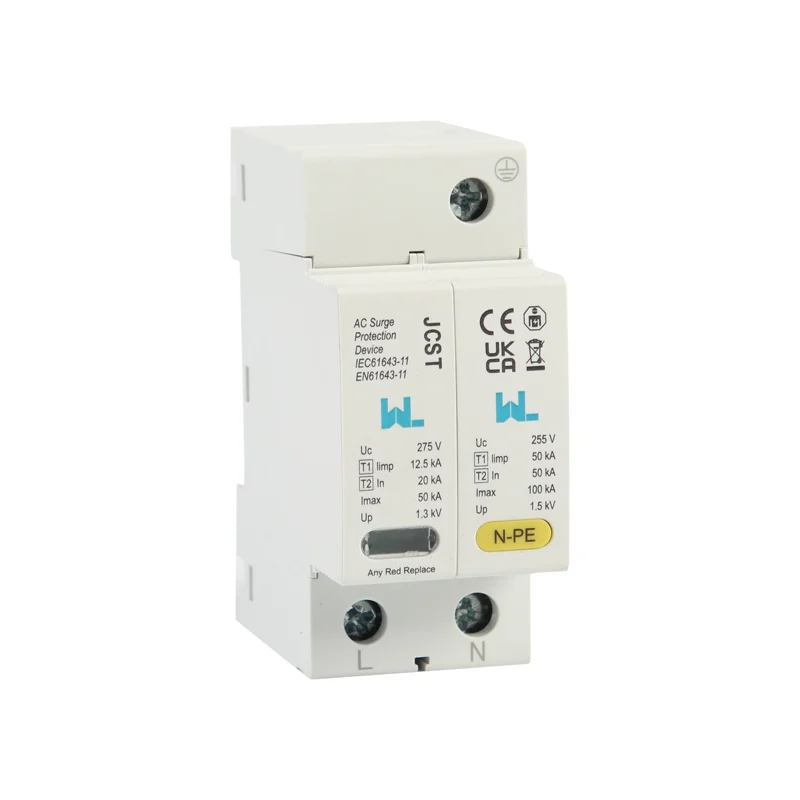
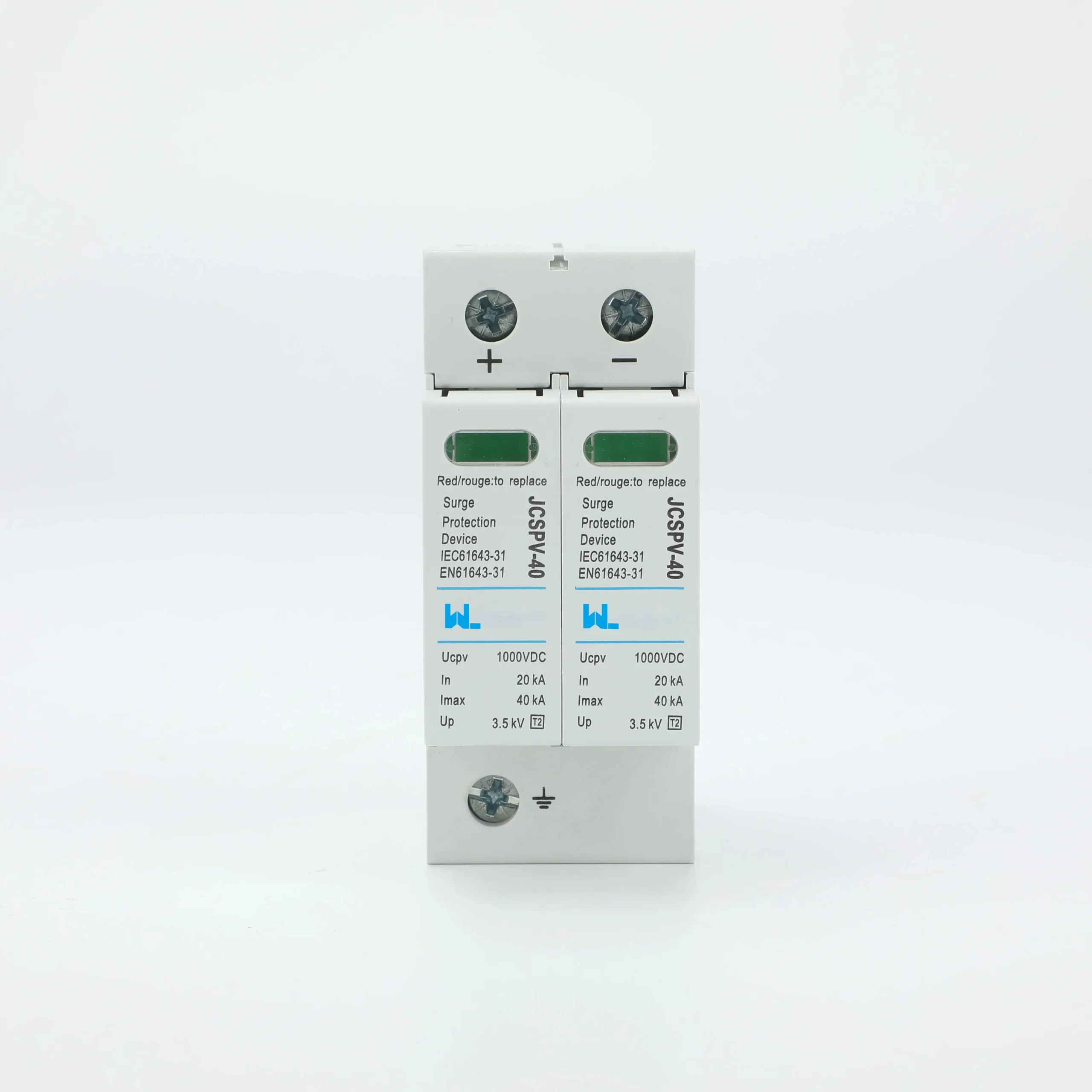
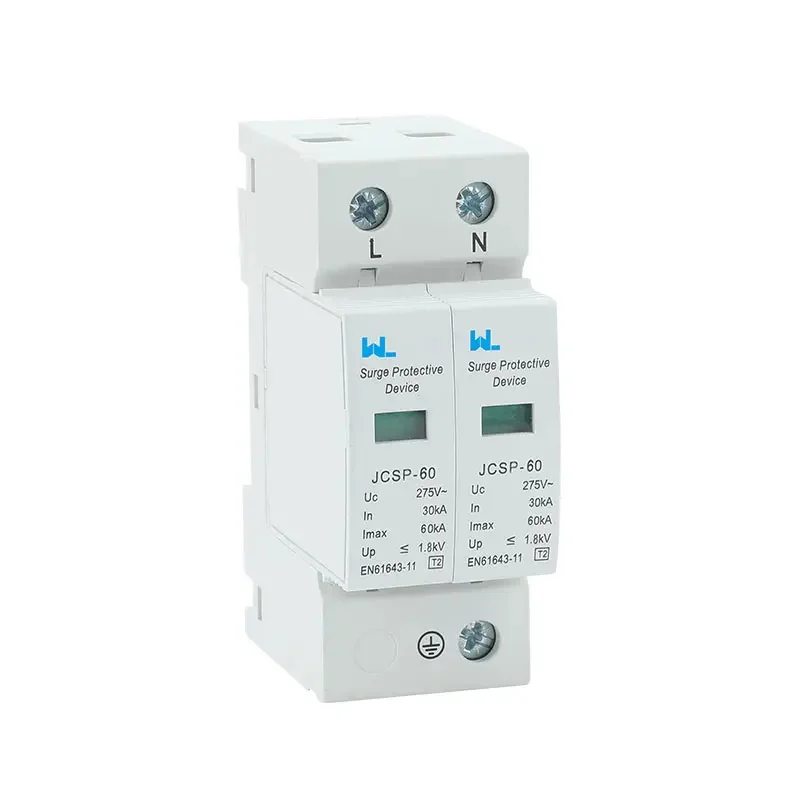
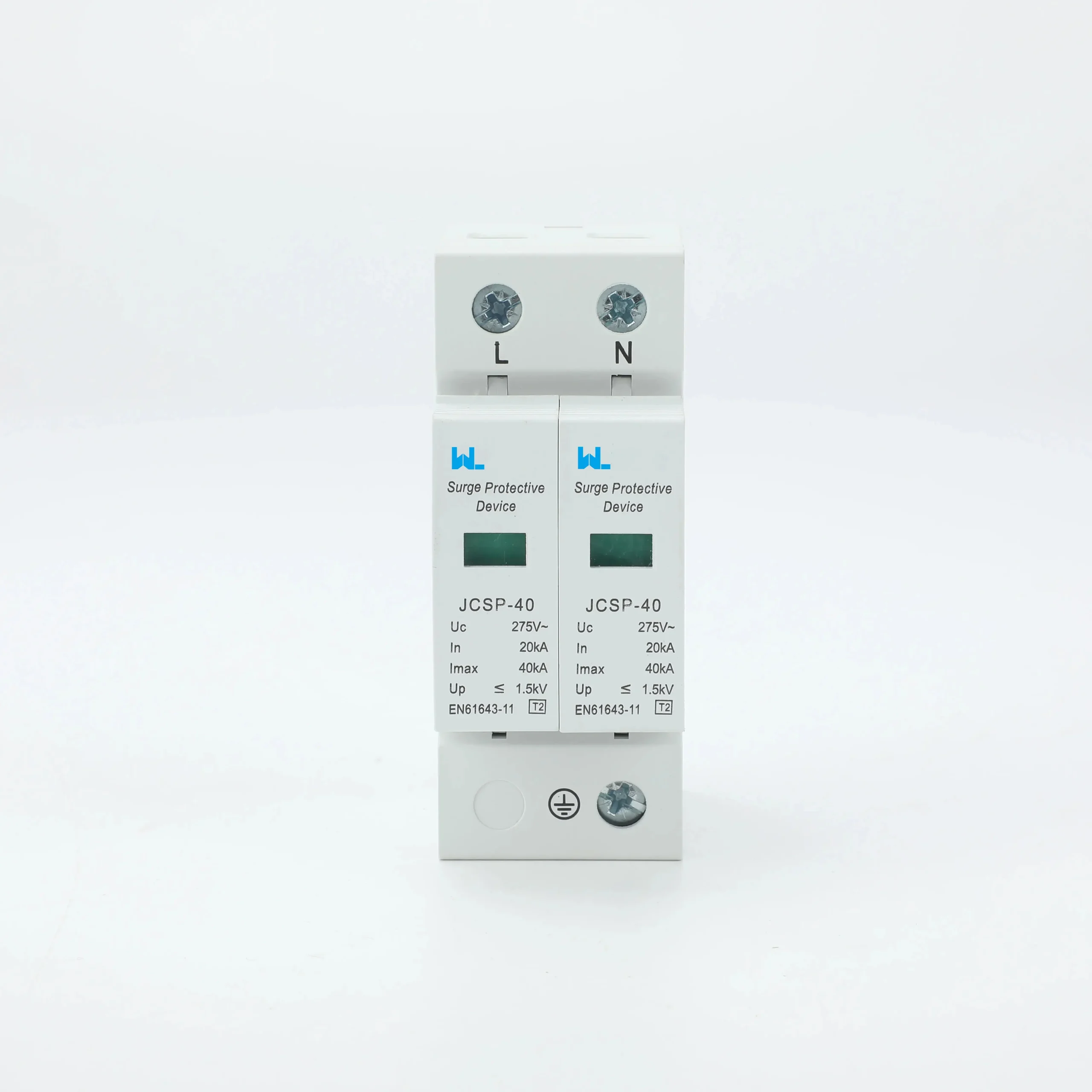









RCCBとは何か、残留電流保護の仕組みは?
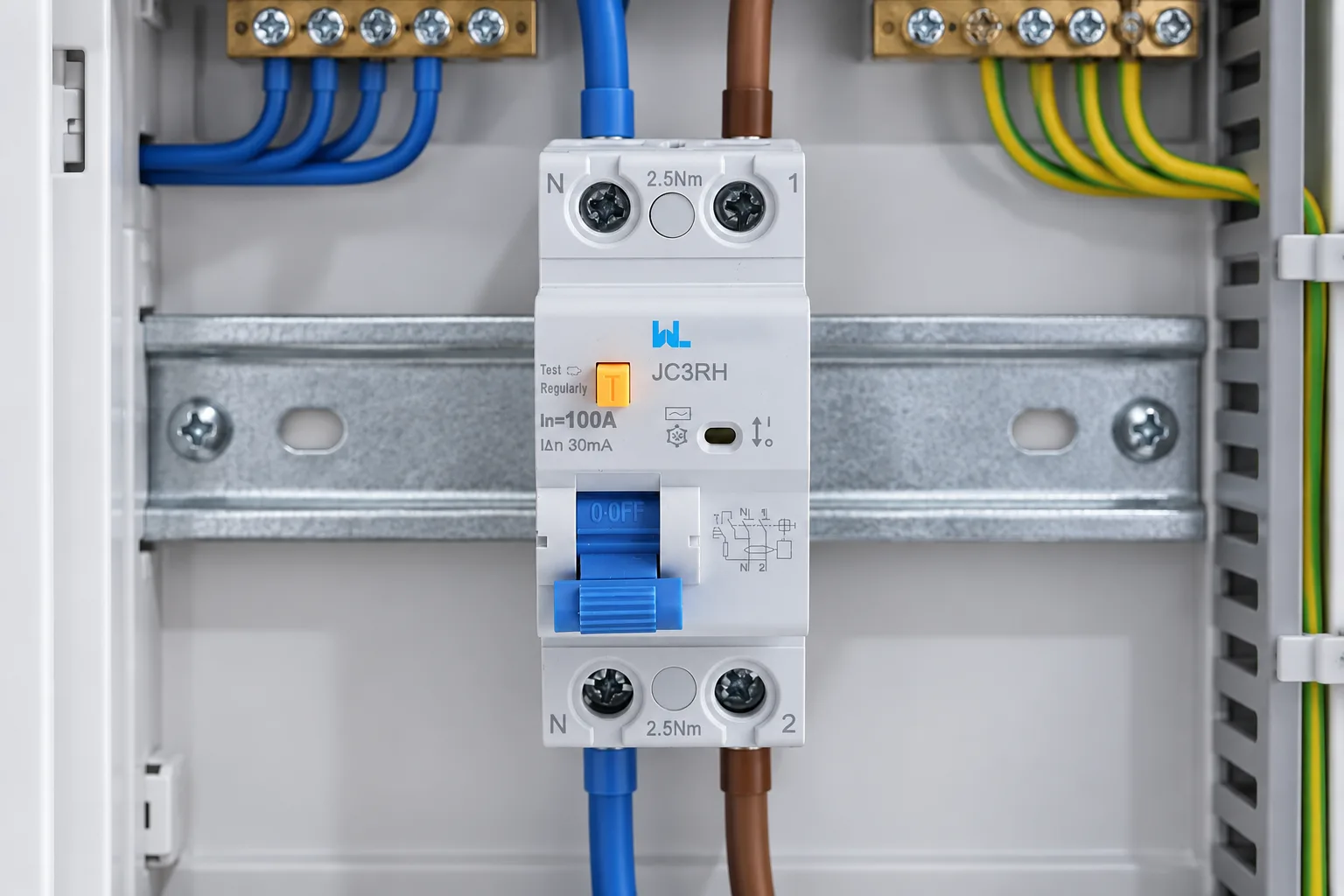
電気機器の調達エンジニアが、試運転中に動作する配電盤を検討する際、単に「どの遮断器が最も安いか」というだけの問題であることはほとんどありません。漏電遮断器が動作するのは、電流が意図された回路経路から逸れてしまっているためであったり、保護対象の各回路間で中性線が混用されているためであったり、あるいは選定した機器が本来設計されていない過電流保護まで担わされているためであったりします。実務上の課題は仕様の適正さにあり、RCCBは接地方式、負荷、下流の過電流保護機器、ならびに施工規則に見合ったものを選定しなければなりません。.
要約: An RCCB (残留電流遮断器)は、相線を流れる電流と中性線を戻る電流を比較します。両者の差が生じると、残留電流が検出され、これは通常、絶縁不良、意図しない接地路、または露出した導電部への接触によって引き起こされます。残留電流の状態が定められた動作特性に達すると、装置は作動して回路を遮断します。IEC 61008-1 によれば、RCCB は過電流保護機能を内蔵していない残留電流遮断器であるため、通常は MCB、ヒューズ、または他の適切な保護装置と協調させて使用します。認証前に、RCCB の種類、極数、定格電流、残留電流設定値、短絡時の協調性、および現地の設置要件を確認してください。.
An RCCB これは保護システムの一層にすぎず、あらゆる電気的故障に対する完全な解決策ではありません。検知点の下流における漏れ電流や不平衡には対応できますが、過負荷、線間短絡、または機器の上流側で発生するすべての故障を自動的に検知できるわけではありません。その保護範囲は単線結線図および調達スケジュールにおいて明示されるべきです。.
漏電保護の仕組み
通常運転時には、RCCBの検出コアを通過する電流のベクトル和はほぼゼロです。相線は負荷へ電流を供給し、中性線はその電流を戻します。もしその電流の一部が保護接地、機器の金属外殻、人体、または意図しない別の経路を流れる場合、電流のバランスは崩れます。すると、検出および遮断機構が、装置に規定された動作時間および残留電流特性に従って、被保護導体を遮断します。.
Residual-Current Sensing Limits
All live conductors belonging to the protected circuit must pass through the sensing arrangement. A neutral borrowed from another circuit, a shared neutral placed on the wrong side of the device, or a downstream neutral-to-earth connection can create nuisance tripping or bypass the intended measurement. The device sees the net imbalance through its sensing path; it does not “understand” the load’s purpose.
Residual-current protection is different from overload protection. A motor drawing too much current between phase conductors may trip an MCB or MCCB while producing little residual current. Conversely, a small insulation leakage to earth may trip an RCCB before the load reaches its overcurrent threshold. Coordination between these functions is a design responsibility.
RCCBの保護範囲
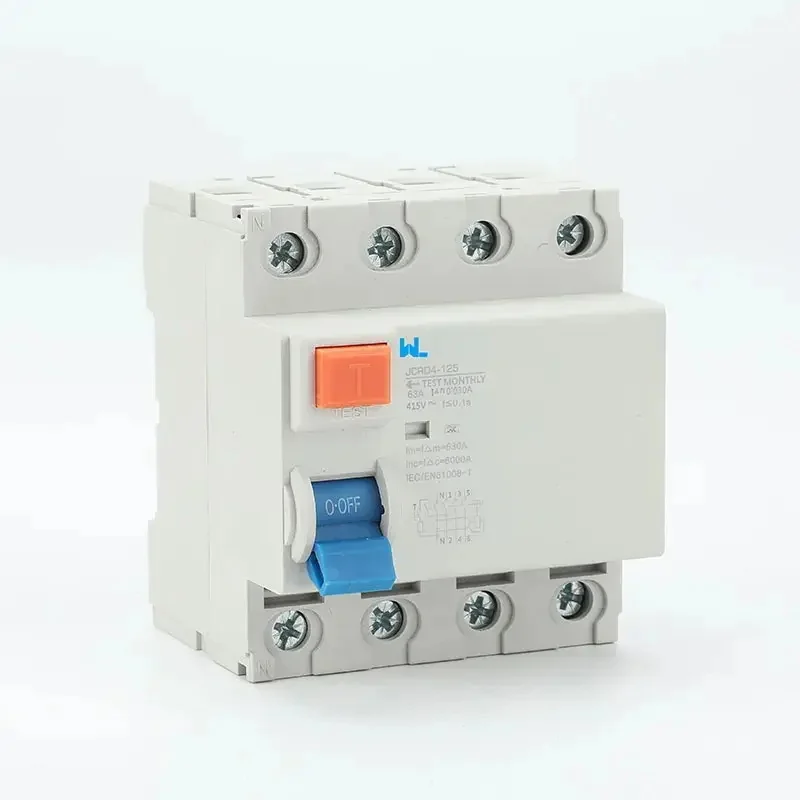
The most useful procurement question is not “Is an RCCB safer?” but “Which conductors and fault paths are inside its zone of protection?” The table below separates the functions commonly confused during specification.
| Condition or requirement | What an RCCB may do | What must be provided or verified separately |
|---|---|---|
| Leakage from a live conductor to earth downstream | Detect the residual-current imbalance and open the protected circuit when the declared operating condition is reached. | Confirm earthing, touch-voltage, disconnection-time, and installation-rule requirements. |
| Overload or line-to-neutral short circuit | Not the primary protective function of an RCCB without integral overcurrent protection. | Coordinate an MCB, fuse, or other overcurrent protective device with the RCCB. |
| Fault upstream of the sensing point | Outside the RCCB’s downstream measurement zone. | Use the upstream protection and system earthing design to cover that section. |
| Neutral and phase conductor arrangement | Requires all relevant live conductors to pass through the correct sensing path. | Check the single-line diagram, neutral segregation, pole count, and wiring instructions. |
| Equipment with electronic power conversion | Response depends on the residual-current waveform and the RCCB type. | Review the manufacturer’s type designation and the load’s possible AC, pulsating DC, or smooth DC components. |
For a project team, this boundary is a useful acceptance check: identify the protected circuit, show the sensing path, assign overcurrent protection, and document what happens if either device trips. Do not infer compatibility from a similar front-panel appearance.
Residual-Current Protection Device Comparison
“RCD” is a broad term used in many markets for a device that operates on residual current. “RCCB” is a more specific product designation commonly used for a residual-current circuit-breaker without integral overcurrent protection. Local standards and product catalogues can use the terms differently, so the product standard and declared functions should control the purchase specification.
| Device or term | Primary sensing/protection | Typical specification question |
|---|---|---|
| RCCB | Residual-current detection and switching; overcurrent protection is normally external. | Which RCCB type, poles, rated current, residual setting, and upstream/downstream coordination are required? |
| RCD | Umbrella term that can include residual-current protective devices such as RCCBs and RCBOs. | Which exact product standard and integral functions does the supplier mean by “RCD”? |
| GFCI circuit breaker | North American terminology for ground-fault protection; construction and listing requirements depend on the product category. | Does the proposed device meet the destination market’s applicable standard and panel rules? |
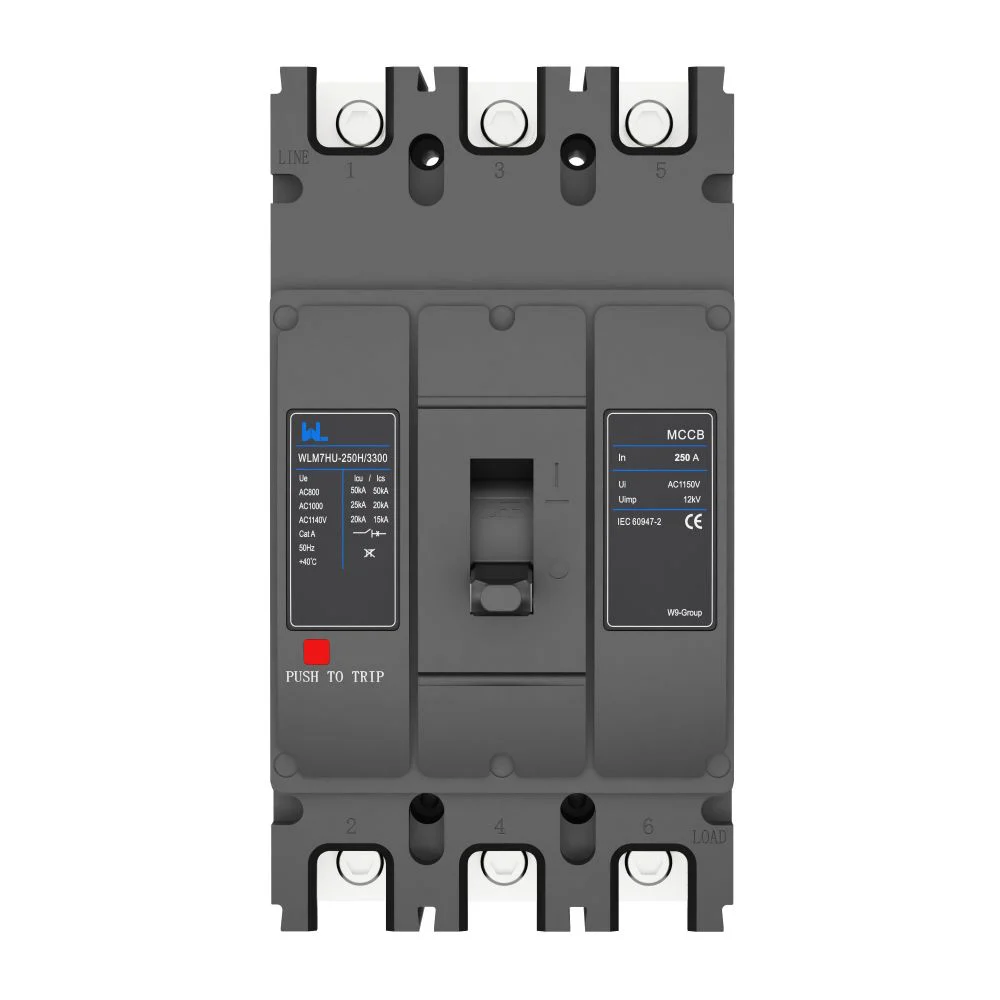
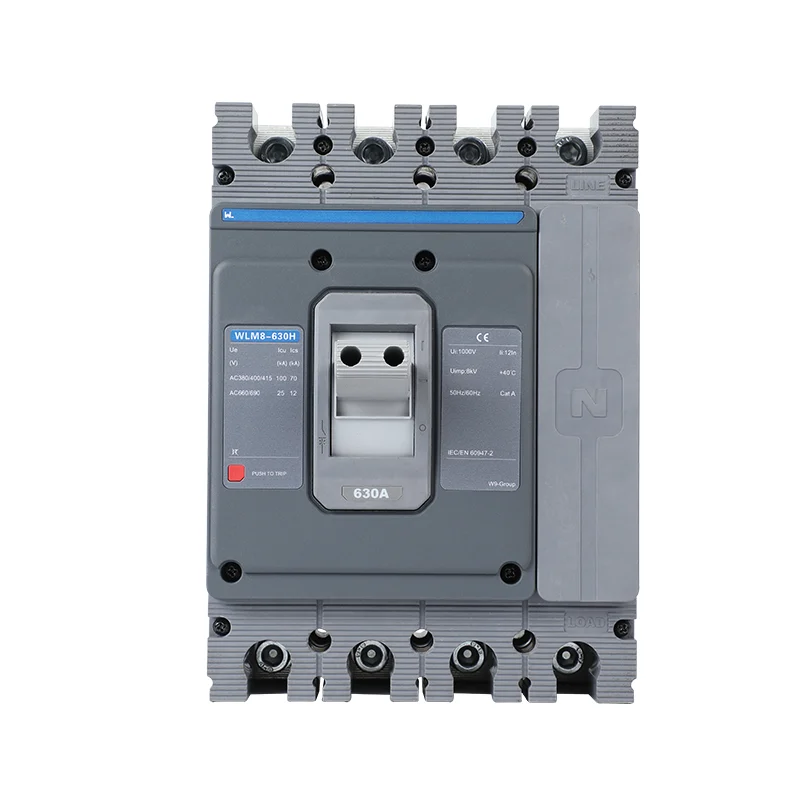
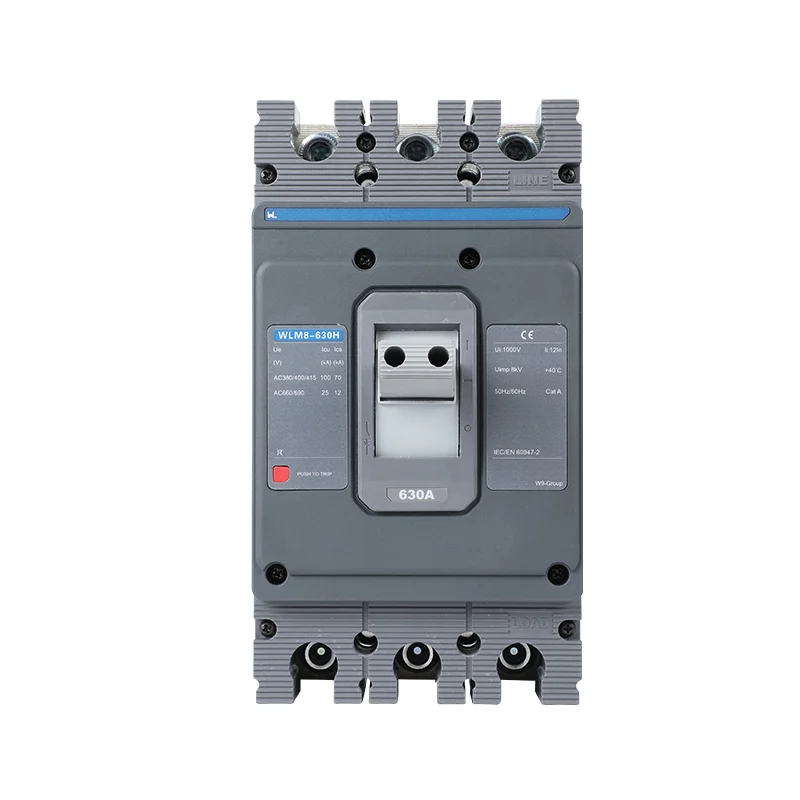
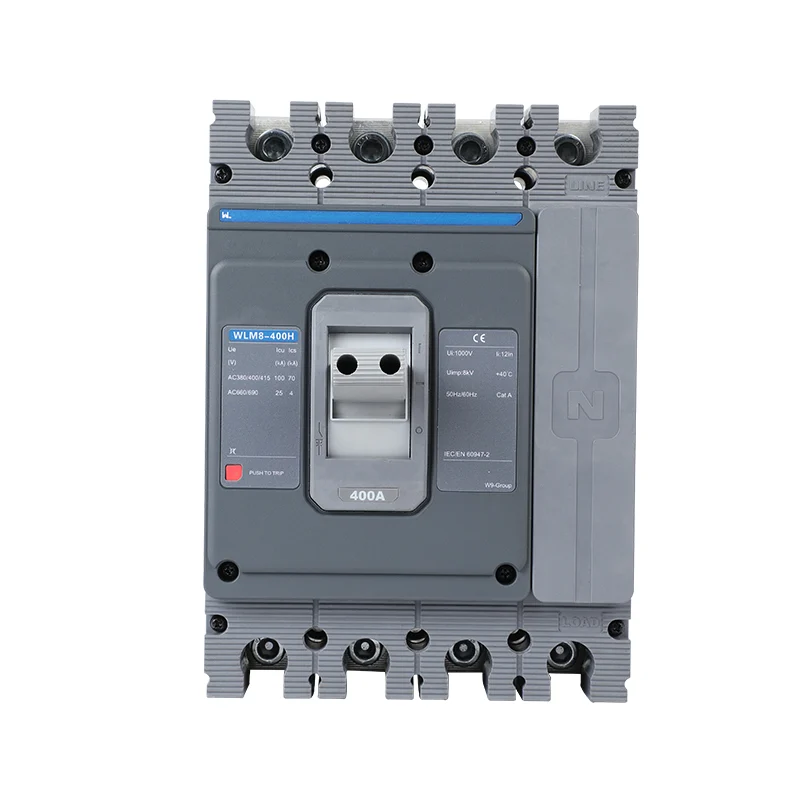
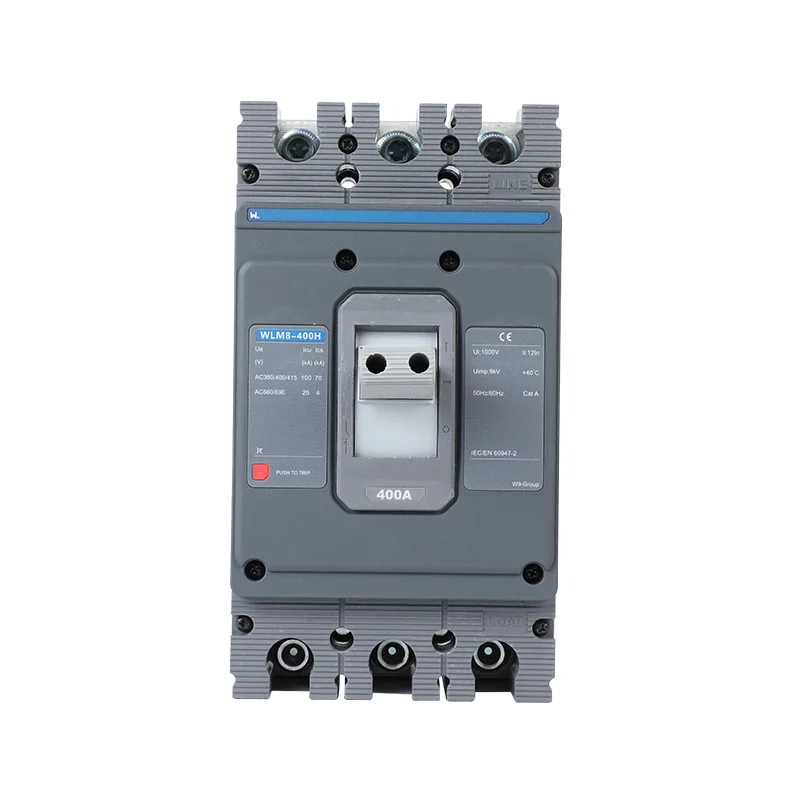
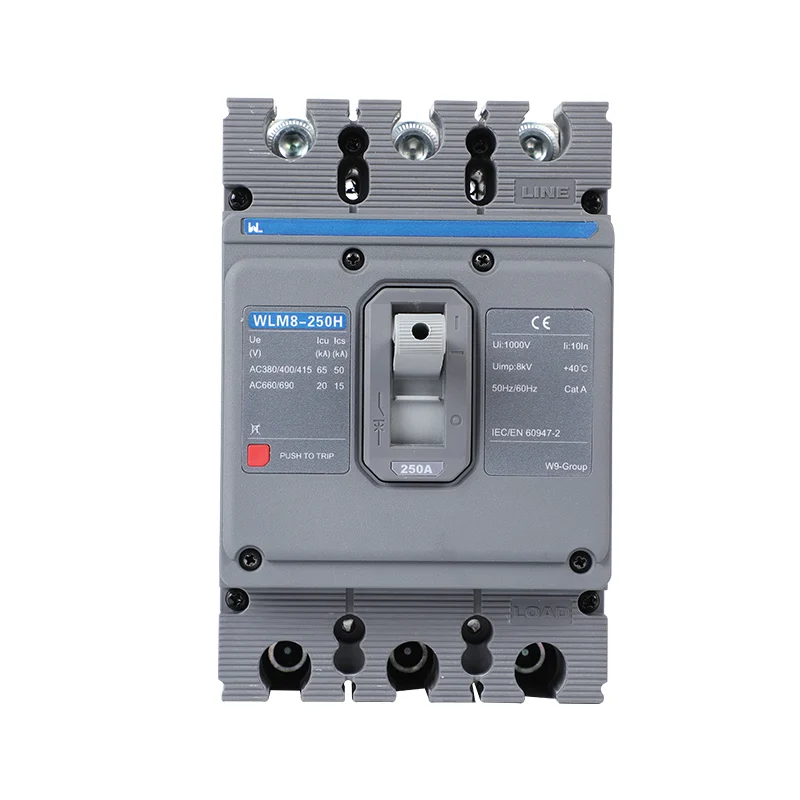
| MCCB | Overload and short-circuit protection, with optional functions depending on the model; residual-current protection is not assumed. | What are the rated current, breaking capacity, trip settings, and coordination requirements? |
| RCBO | Combines residual-current and overcurrent functions in one circuit protective device. | Is combined protection needed per circuit, and are its poles, neutral treatment, and ratings suitable? |
Use the term that appears in the governing standard and data sheet, then state the actual function. The W9 Group RCCB safety overview can provide category context, but it should not replace the selected device’s technical file.
RCCB Application Requirements
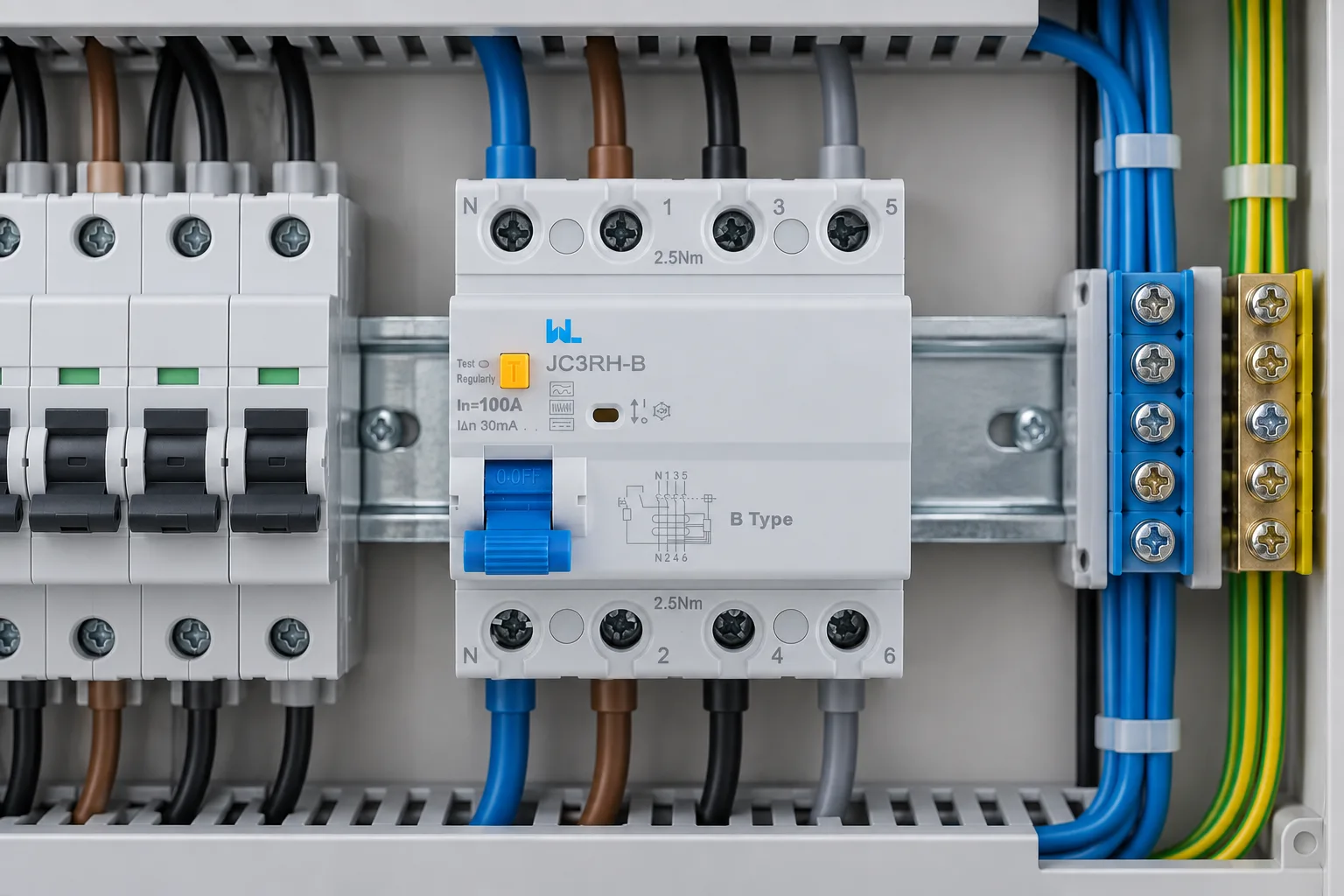
The right configuration depends on the circuit and the consequence of interruption. A two-pole RCCB, for example, is commonly considered for a single-phase line-and-neutral circuit where both conductors must be switched or isolated together. The exact pole arrangement, neutral switching rules, and upstream protection still depend on the destination installation standard and the manufacturer’s instructions.
| Application question | RCCB decision point | Evidence to request before release |
|---|---|---|
| Single-phase final circuit? | Evaluate a two-pole arrangement when simultaneous line and neutral isolation is required by the design. | Single-line diagram, pole definition, neutral arrangement, and installation-rule reference. |
| Three-phase or four-wire feeder? | Include all relevant live conductors in the sensing path and verify neutral handling. | Wiring diagram, phase/neutral identification, and coordination study. |
| Electronic or variable-speed load? | Match the residual-current waveform capability to the equipment and declared RCCB type. | Load manufacturer’s leakage information and RCCB type test/documentation. |
| High available fault current? | Check the RCCB’s conditional short-circuit rating and the specified backup protective device. | Coordination table, prospective fault-current calculation, and product data sheet. |
| Frequent nuisance trips? | Investigate cumulative leakage, neutral mixing, wiring errors, and load behaviour before changing the trip device. | Insulation and leakage measurements, circuit schedule, and commissioning records. |
Standards and compliance boundaries
IEC 61008-1 is the key product-standard reference for residual-current circuit-breakers without integral overcurrent protection. It addresses product characteristics and verification; it does not by itself replace the installation standard, local electrical code, authority requirements, or the switchboard assembly rules. IEC 61009-1 is relevant where the device is an RCBO with integral overcurrent protection. Use the standard applicable to the actual product category.
Procurement files should distinguish four documents: the product data sheet, the applicable standard declaration or test evidence, the installation instructions, and the project-specific coordination or design record. A CE mark, a test report, and compliance with an installation rule are not interchangeable claims. Ask whether the evidence covers the ordered pole configuration, residual-current type, rated voltage, accessories, and backup protection.
RCCB Procurement Checklist
- 職務の定義: record system voltage, frequency, earthing arrangement, load type, expected leakage, and whether the circuit is single-phase or multiphase.
- 境界線を描く: mark every conductor through the sensing path and identify which overcurrent device protects the RCCB and downstream wiring.
- Specify the device: confirm rated current, residual-current operating characteristics, type, poles, switching requirements, conditional short-circuit rating, and environmental conditions.
- Review coordination: check selectivity with upstream residual-current devices and overcurrent protection; account for cumulative leakage and likely nuisance-trip conditions.
- Request evidence: obtain current data sheets, wiring diagrams, instructions, declarations or test evidence, and commissioning checks for the exact configuration.
W9 Group provides low-voltage circuit-protection options for OEM, panel-builder, and distribution projects. Buyers can review the W9 グループ RCCB カテゴリー, then confirm the exact model, ratings, documentation, and destination-market requirements before release. For application questions, use the technical support page or send the project information through W9 Group’s contact page.
よくある質問
What should a rccb circuit breaker diagram show?
It should show the supply and load sides, every live conductor passing through the RCCB sensing path, neutral segregation, the associated overcurrent protective device, earthing connections, and the downstream circuits inside the protection boundary. It should also identify pole configuration and any upstream residual-current device used for selectivity. The final diagram must follow the selected product’s wiring instructions and local installation rules.
GFCI回路遮断器とRCCBの違いは何ですか?
Both terms describe ground- or residual-current protection, but they belong to different terminology and regulatory environments. “GFCI circuit breaker” is commonly used in North American product and code contexts, while “RCCB” is a designation used in IEC-oriented markets for residual-current protection without integral overcurrent protection. Compare the applicable standard, listing or declaration, ratings, and actual functions rather than the name alone.
MCCBとRCCBの違いは何ですか?
An MCCB is primarily selected for overload and short-circuit protection, while an RCCB responds to residual-current imbalance. An RCCB normally needs coordinated overcurrent protection; an MCCB does not automatically provide residual-current protection. Some systems use both, or use an RCBO where combined functions are appropriate.
RCDとRCCBの違いは何ですか?
RCD is often a general term for residual-current devices, whereas RCCB identifies a particular circuit-breaker type without integral overcurrent protection. Product catalogues and national rules can use terminology differently, so verify the exact standard, trip function, and overcurrent arrangement in the technical documentation.
What should buyers know about RCCB circuit Breaker full form?
RCCB commonly expands to “Residual-Current Circuit-Breaker.” The full form describes its residual-current function, not a complete protection package. Buyers should still specify overcurrent coordination, poles, residual-current type, rated current, short-circuit conditions, and destination-market documentation.
What is a 2-pole rccb circuit breaker and when is it used?
A 2-pole RCCB switches and monitors a line-and-neutral circuit so both conductors can be isolated together, subject to the device design and local rules. It is commonly evaluated for single-phase circuits, but it is not a universal wiring instruction. Confirm neutral switching, terminal arrangement, upstream protection, and the manufacturer’s diagram before installation.
参考文献
- International Electrotechnical Commission (IEC), standards overview, for the applicable publication and edition.
- IEC Webストア, for product-standard scope and current publication records, including IEC 61008-1 and IEC 61009-1.
- Electrical Safety First, RCD guidance, for plain-language residual-current protection context.
- UK Health and Safety Executive, electrical safety guidance, for installation and work-practice context.
The reliable RCCB choice is the one whose sensing path, overcurrent coordination, device type, and installation evidence agree with the actual circuit. Define that boundary first; only then compare catalogue options and request a project-specific review from W9 Group.