








Importance of Circuit Breakers in Electrical Systems: Safety, Reliability, and Selection
Importance of Circuit Breakers in Electrical Systems: Safety, Reliability, and Selection
When Elena, a facilities engineer in Manchester, reset a warehouse distribution board after a conveyor stopped, the replacement breaker tripped again within seconds. A rushed swap to a higher ampere rating made the visible nuisance disappear, but a warm cable termination and an upstream breaker that no longer coordinated revealed the real issue: selection and protection settings, not a “bad” product. The incident is a useful reminder of the importance of circuit breakers in every installation.
Summary: Circuit breakers are the first controllable barrier against overloads and short circuits; RCD and RCBO functions add residual-current protection, while arc-fault measures address a different failure mode. For dependable electrical protection, match voltage, continuous load, prospective fault current, trip curve, pole arrangement and local rules, then verify selectivity with the complete system. IEC 60947-2 covers many industrial breakers, whereas IEC 60898-1 addresses household and similar MCBs. A documented circuit breaker selection and coordination study costs less than repeated outages, damaged conductors or unsafe touch voltage.
Why circuit breakers are fundamental to safe power
A breaker monitors current and opens a circuit when conditions exceed its defined limits. Thermal elements respond to sustained overload; magnetic or electronic releases respond rapidly to high fault current. Opening the circuit limits conductor heating (I²t), reduces fire energy and makes maintenance safer. This basic function explains the importance of circuit breakers in homes, commercial boards, machinery and utility auxiliaries, and is why electrical protection is designed before equipment is energized.
Four hazards should be considered separately:
- Overload: Too many loads or a jammed motor draw current above the cable’s allowable capacity. The protective device must trip without allowing insulation to overheat.
- Short circuit: A phase-to-phase or phase-to-neutral fault can produce very high current. The breaker’s interrupting rating must meet the installation’s prospective short-circuit current (PSCC).
- Earth fault: Leakage to exposed metal can create dangerous touch voltage. RCDs, RCCBs and RCBOs sense residual current and disconnect quickly; they do not replace overcurrent protection unless the device combines both functions.
- Arc hazard: A persistent series or parallel arc may draw less current than a conventional overcurrent trip threshold. Arc-fault detection devices (where required by local code) use a different sensing and evaluation method.
See the basic guide to circuit breaker functions and types for a concise primer before engineering a board.
Choosing the right protection technology
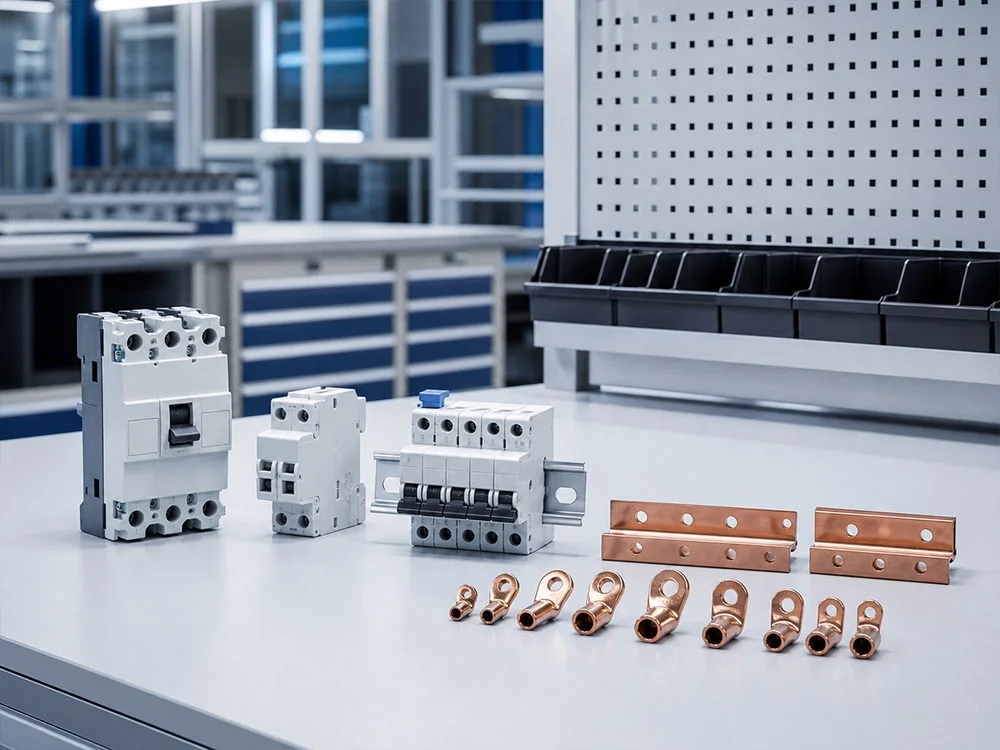
There is no universal “best” breaker. The correct choice depends on the load, enclosure, fault level, switching duty and whether people need additional shock protection. The table below frames the common options without implying interchangeable performance.
| デバイス | Primary role | Typical decision points | Important limitation |
|---|---|---|---|
| MCB | Overload and short-circuit protection for final circuits | Rated current, B/C/D curve, poles, PSCC and installation method | Does not detect residual current by itself |
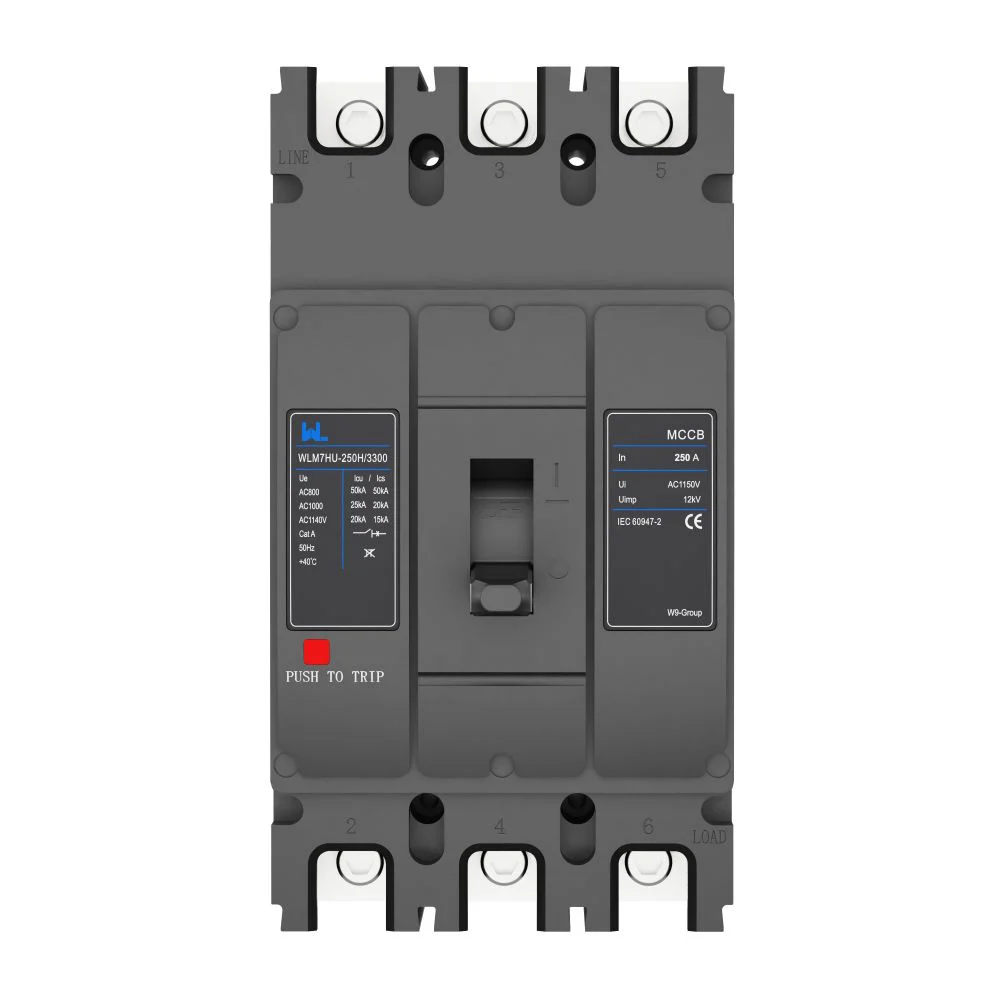
| MCCB | Higher-current feeder and industrial protection | Frame size, adjustable long/short-time settings, breaking capacity and accessories | Settings must be commissioned and coordinated |
| RCD/RCCB | Residual-current protection to reduce shock and leakage risk | Type (AC/A or other as required), residual setting, time delay and nuisance immunity | Needs separate overcurrent protection |
| RCBO | Combined residual-current and overcurrent protection per circuit | Neutral arrangement, curve, residual setting, pole switching and board compatibility | Coordination with upstream RCDs remains necessary |
| ACB | Main low-voltage switchboard protection and isolation | System short-circuit level, drawout/ fixed format, trip unit functions and maintenance access | Requires a documented protection and interlocking scheme |
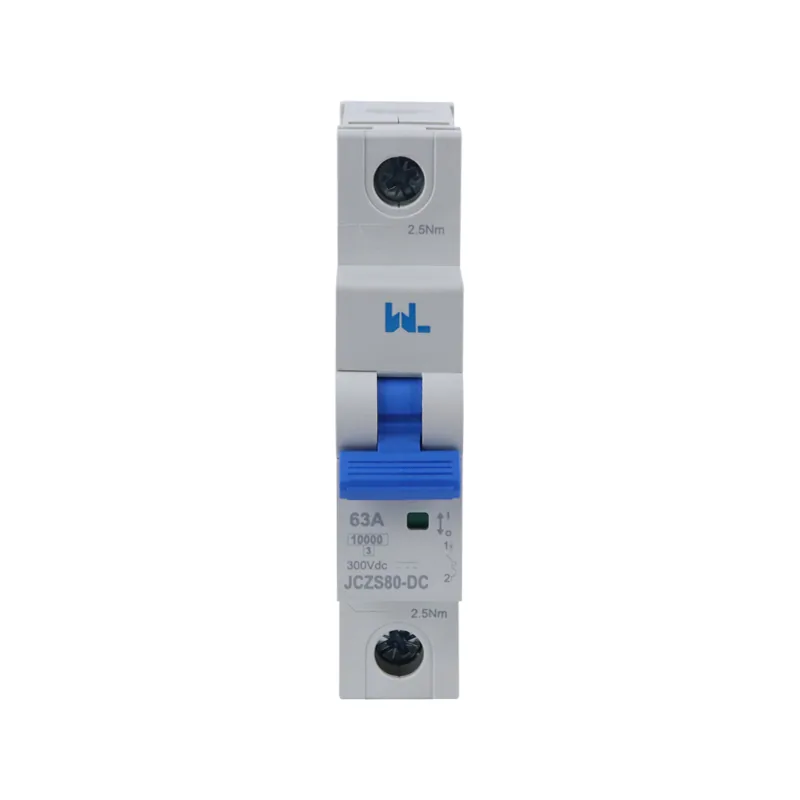
For residual-current details, compare the explanations of RCBO function and RCD function. A DC application also demands a device explicitly designed and marked for DC; for example, review the JCZS80 DC-polarity MCB product page rather than assuming an AC MCB is suitable.
Coordination turns individual breakers into a reliable system
Electrical protection is a chain. The final-circuit device should clear a local fault before the feeder device where practical, preserving service to unaffected loads. Engineers check time-current curves, let-through energy, short-circuit ratings and manufacturer-tested combinations. A breaker can be correctly rated in isolation yet poorly coordinated once cable impedance, transformer size and upstream settings are included; this system view is central to the importance of circuit breakers.
Use the following sequence for circuit breaker selection:
- Calculate design current (Ib) from the real load and duty cycle; include motor starting, inrush and diversity assumptions. This first step keeps circuit breaker selection aligned with actual demand.
- Select a protective rating (In) that satisfies Ib ≤ In ≤ Iz, where Iz is the cable’s corrected current-carrying capacity.
- Verify the breaker’s service voltage, frequency, pole configuration and interrupting capacity against PSCC at its installation point.
- Check discrimination with upstream and downstream devices, including RCD time delays and neutral switching.
- Document torque, labeling, testing and periodic inspection requirements for handover.
Illustrative calculation: A single-phase 230 V heater rated 3.0 kW draws approximately 13.0 A (3,000 ÷ 230). If the cable’s corrected capacity is 18 A and the fault level is within the selected device’s rating, a 16 A overcurrent device may satisfy the inequality. This is illustrative only: ambient temperature, grouping, voltage drop, inrush, installation method and local code can change the result.
Selection dimensions that affect total cost of ownership
Low purchase price is only one cost driver. An incorrectly specified breaker can create downtime, emergency call-outs, damaged stock or a board that cannot accept future circuits. Compare options against the operating environment and evidence available from the manufacturer.
| Selection dimension | Questions to document | Why it matters |
|---|---|---|
| Load profile | Continuous, cyclic, motor, heater, LED or electronic? | Determines thermal behavior, inrush tolerance and trip curve |
| Fault environment | What are PSCC, earthing arrangement and cable length? | Confirms interrupting capacity and earth-fault performance |
| Human exposure | Are socket outlets, wet areas or portable equipment involved? | Guides RCD/RCBO application and test intervals |
| Service continuity | Must only the affected feeder trip? | Sets the need for selectivity, zone interlocking or adjustable trips |
| Environment | Heat, dust, moisture, vibration or corrosive atmosphere? | Influences enclosure, derating, accessories and maintenance |
| Documentation | Are curves, declarations, wiring diagrams and test reports available? | Supports compliance, commissioning and future troubleshooting |
Standards, testing and market distinctions
Standards are not interchangeable labels. IEC 60947-2 specifies requirements for circuit-breakers used in low-voltage switchgear and controlgear, commonly industrial and commercial equipment. IEC 60898-1 addresses circuit-breakers for household and similar installations under defined conditions. IEC 61008-1 covers RCDs without integral overcurrent protection (RCCBs), while IEC 61009-1 covers RCBOs with that protection. NFPA 70 (the U.S. National Electrical Code) sets installation rules; it is not a product test standard. UL standards and certification marks are separate North American conformity pathways and should not be implied by an IEC reference. Correctly reading these scopes is another practical reason for the importance of circuit breakers in compliant electrical protection.
Ask for the exact edition, scope, test evidence and marking applicable to the destination market. A standard reference alone does not prove a specific model is certified, nor does laboratory testing in one configuration authorize every accessory or field combination. Unsupported claims can delay approvals, invalidate an inspection or create liability after a fault.
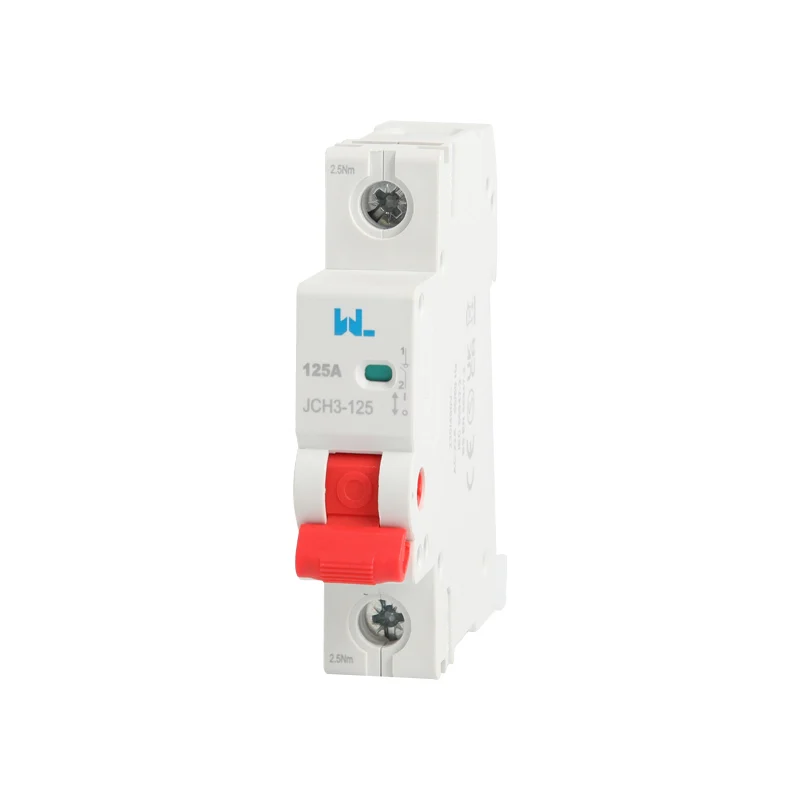
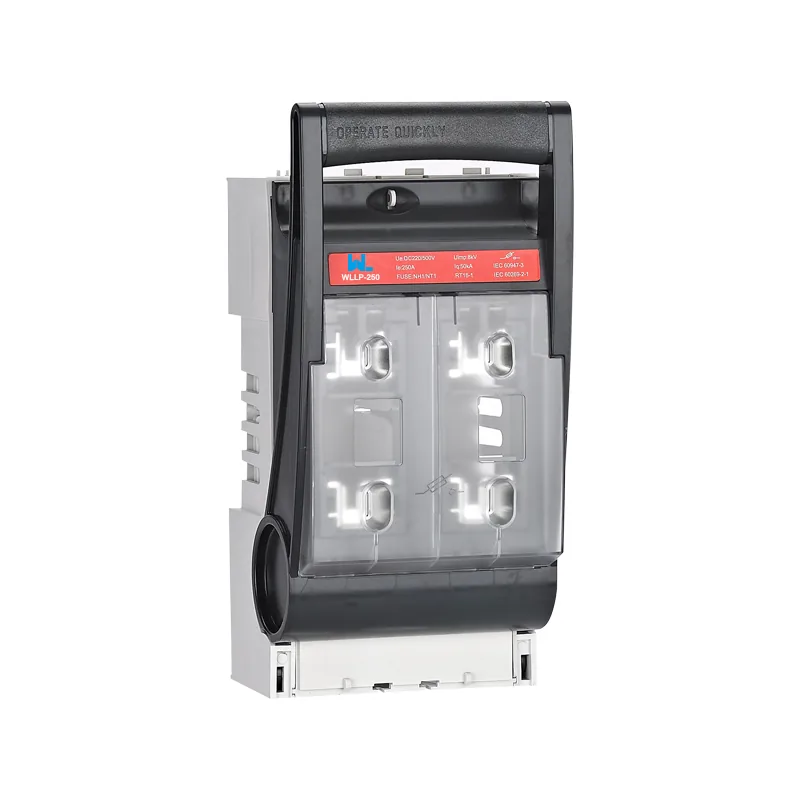
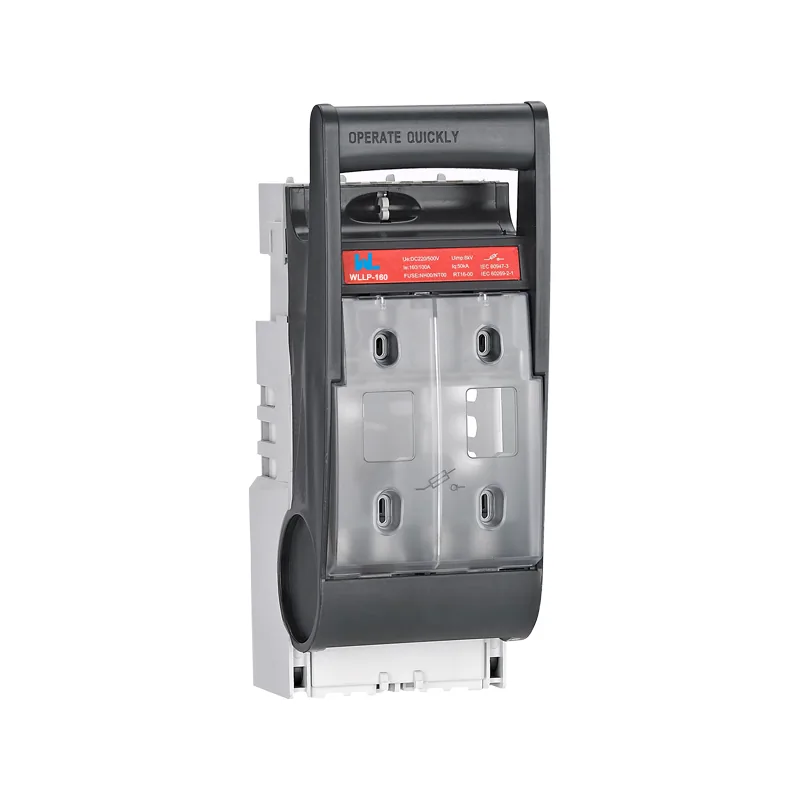
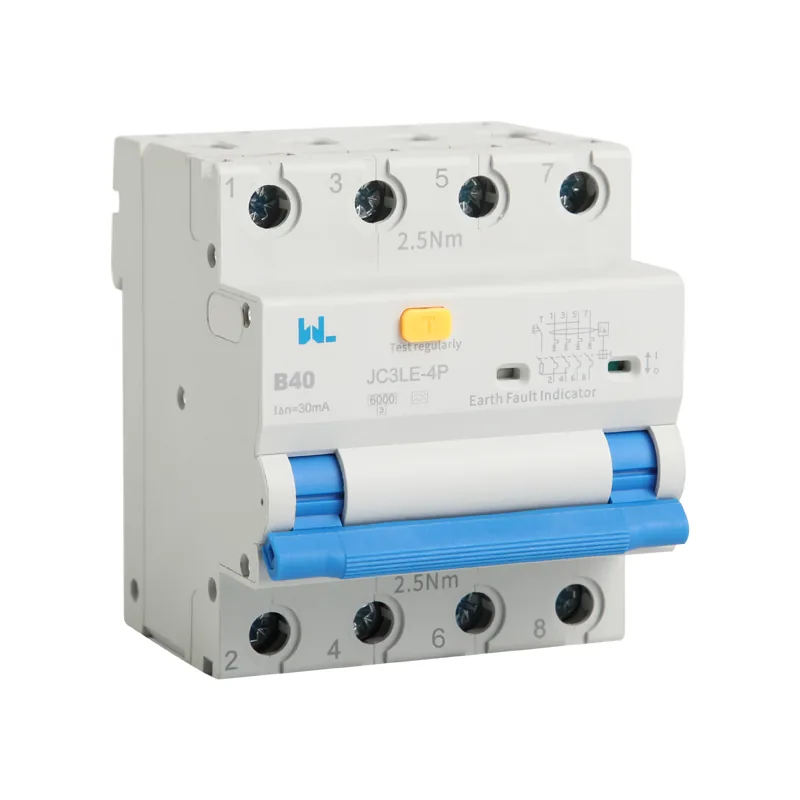
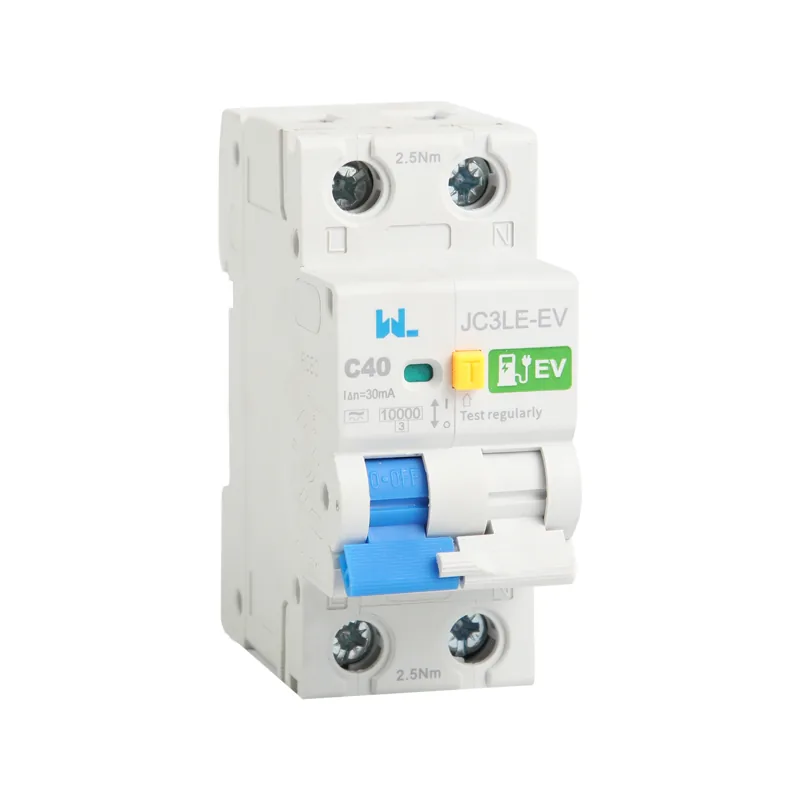
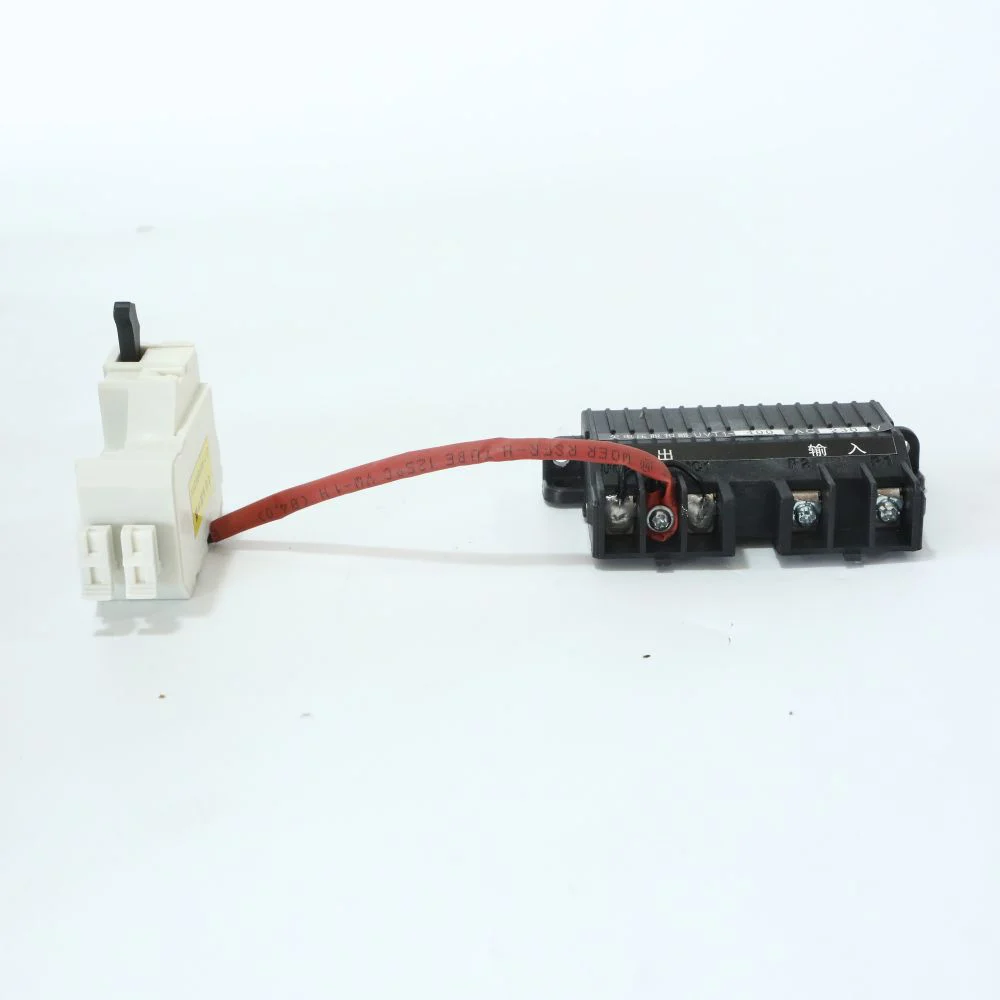
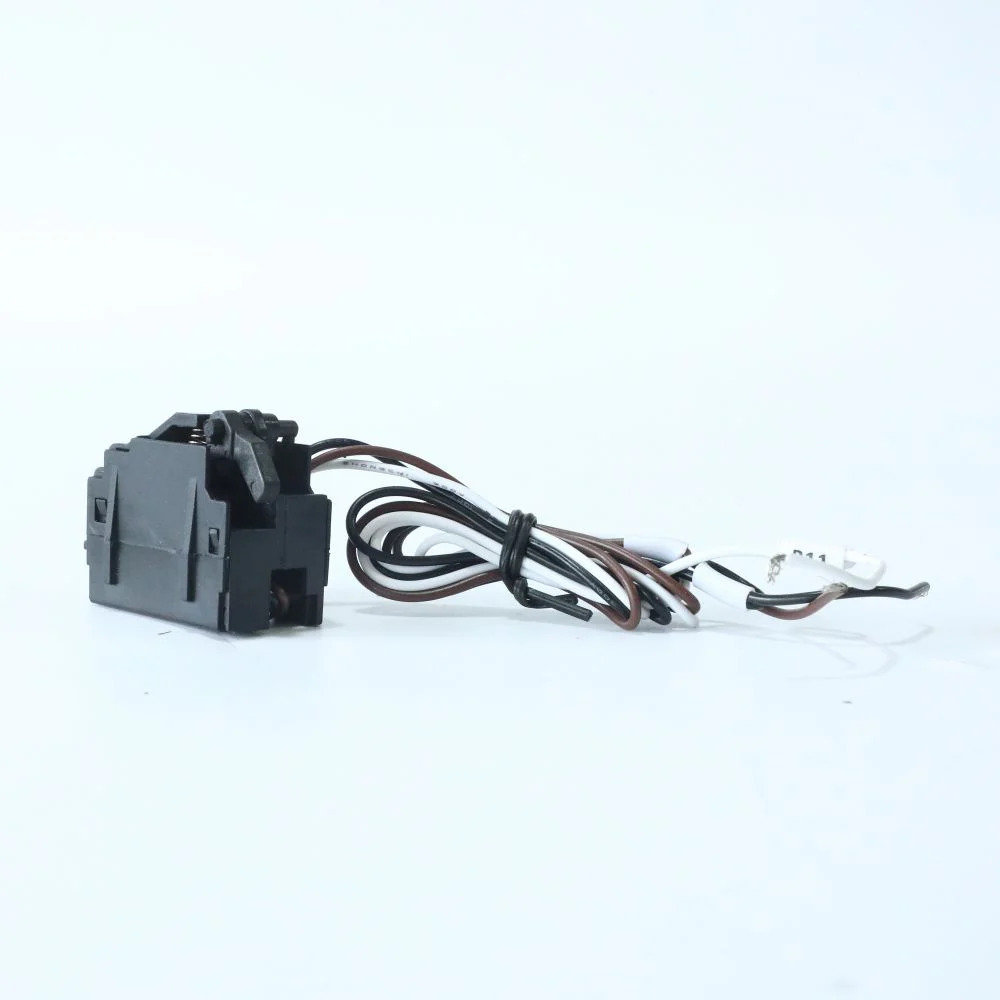
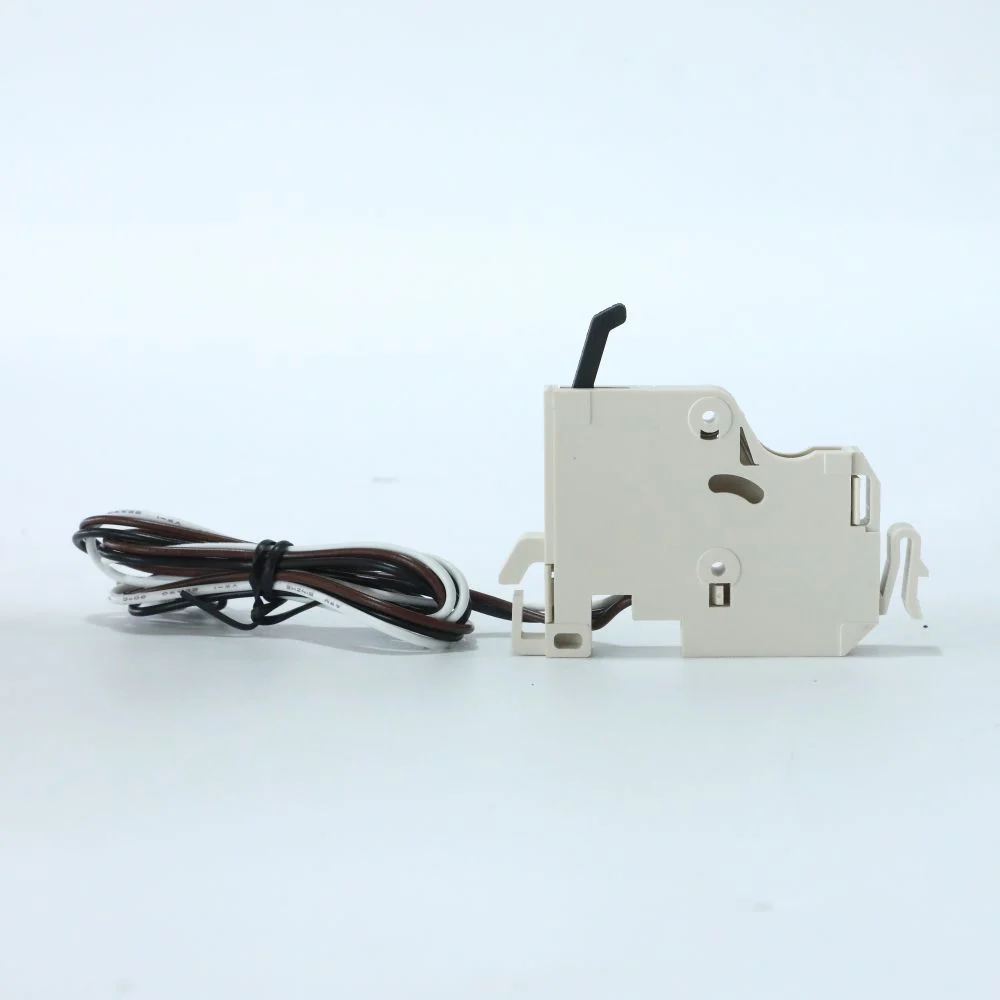
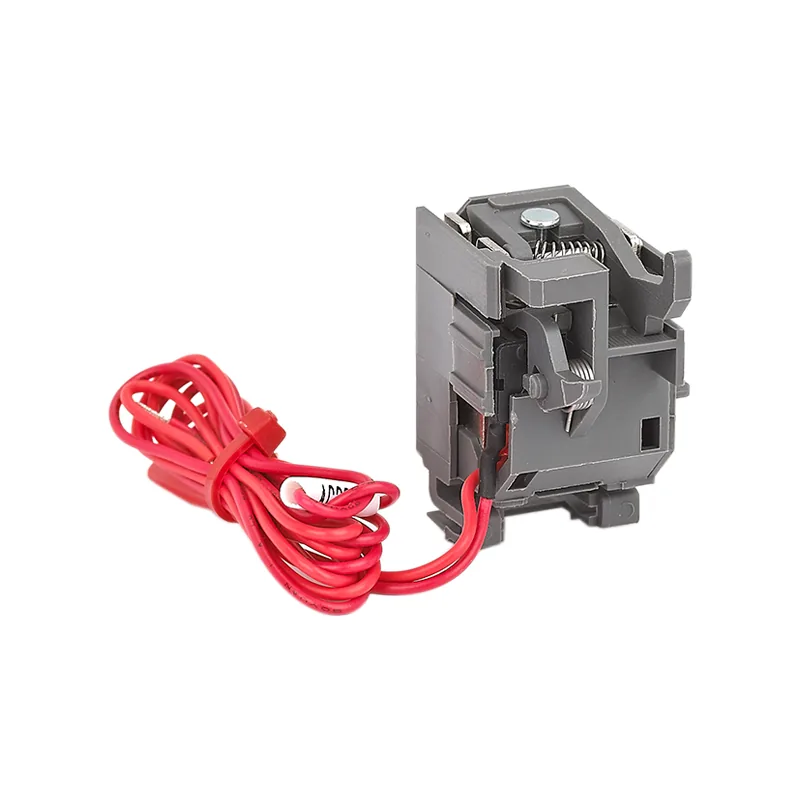
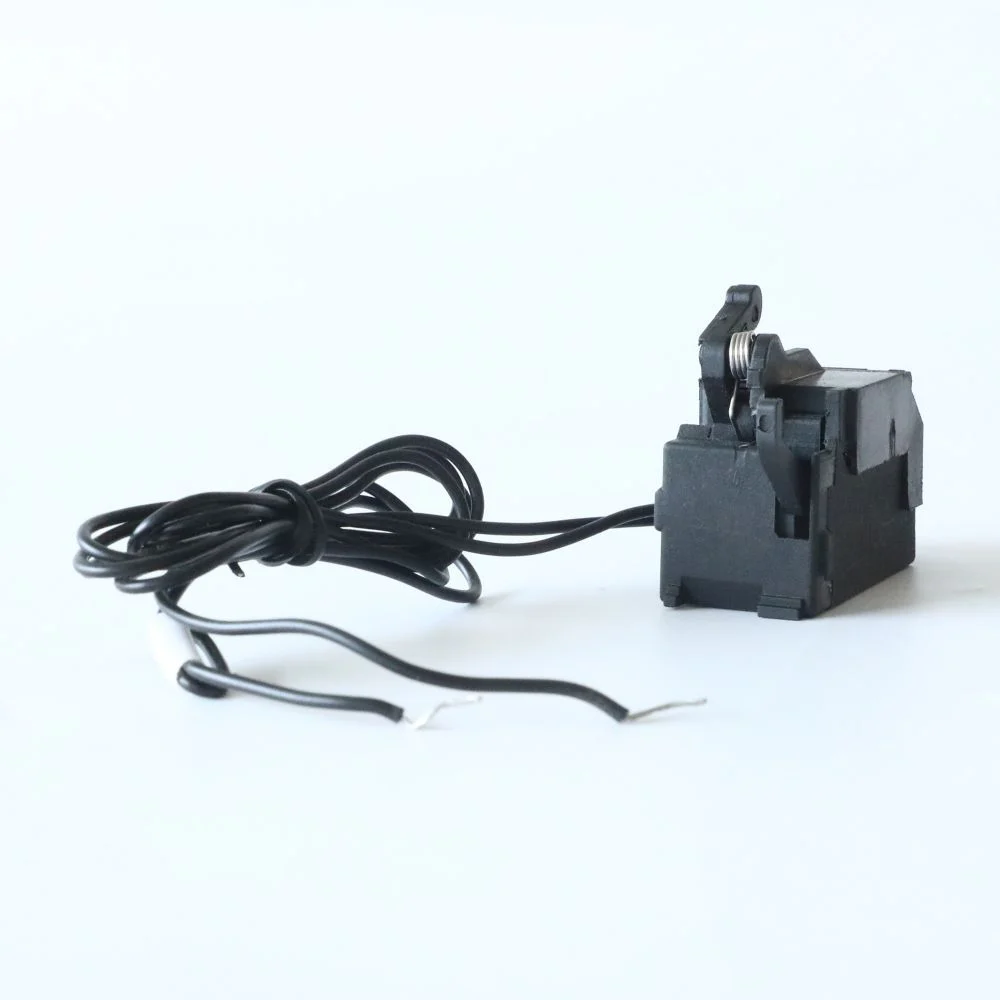
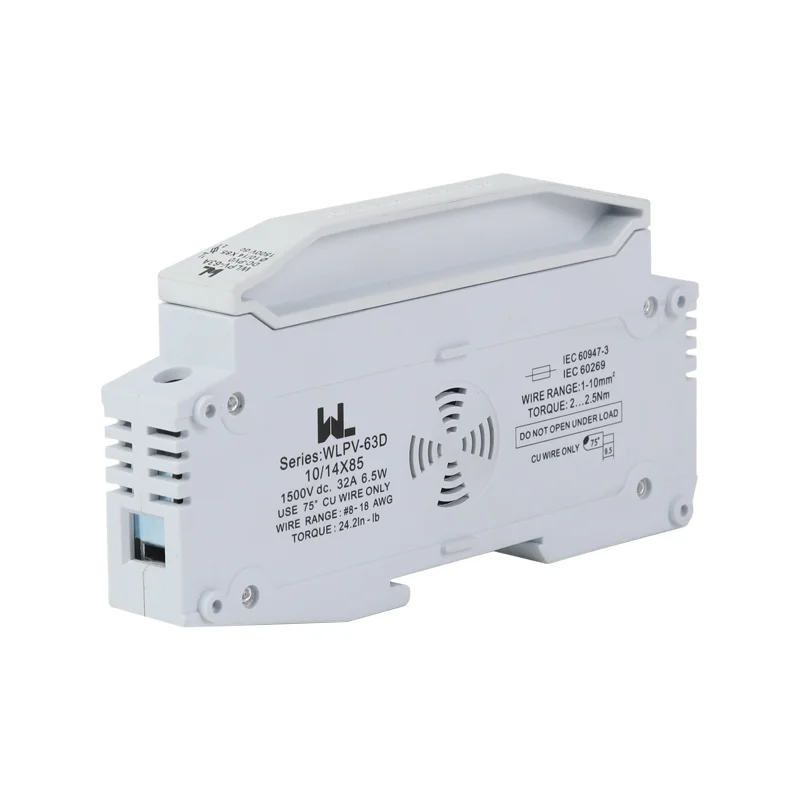
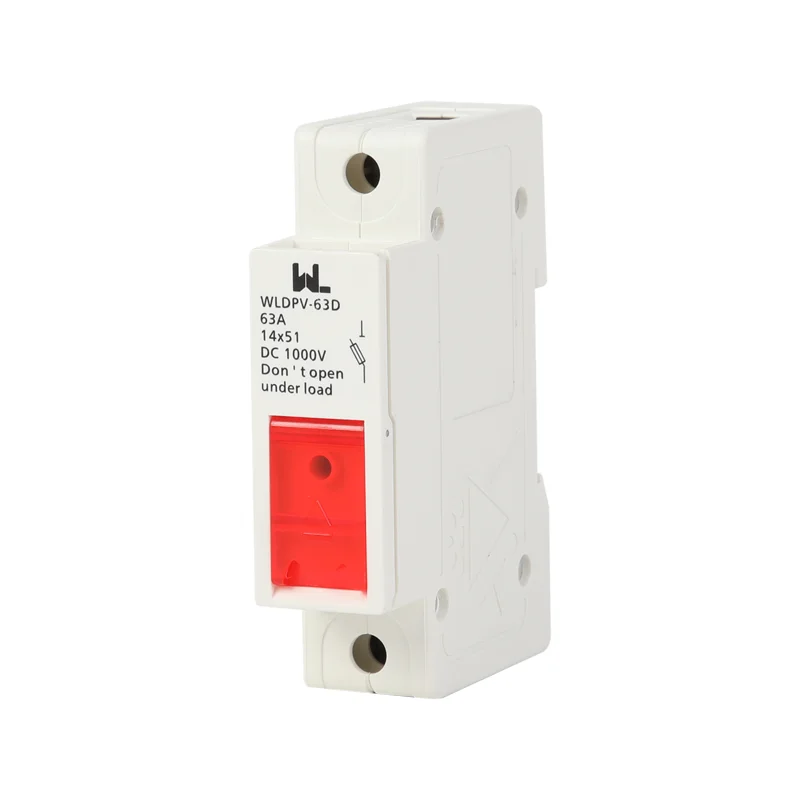
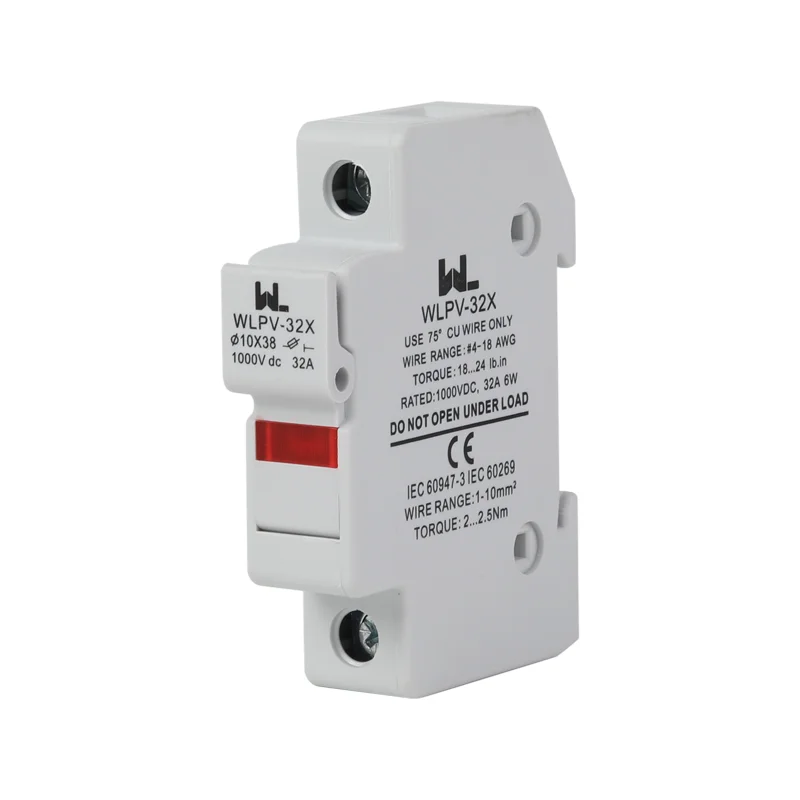
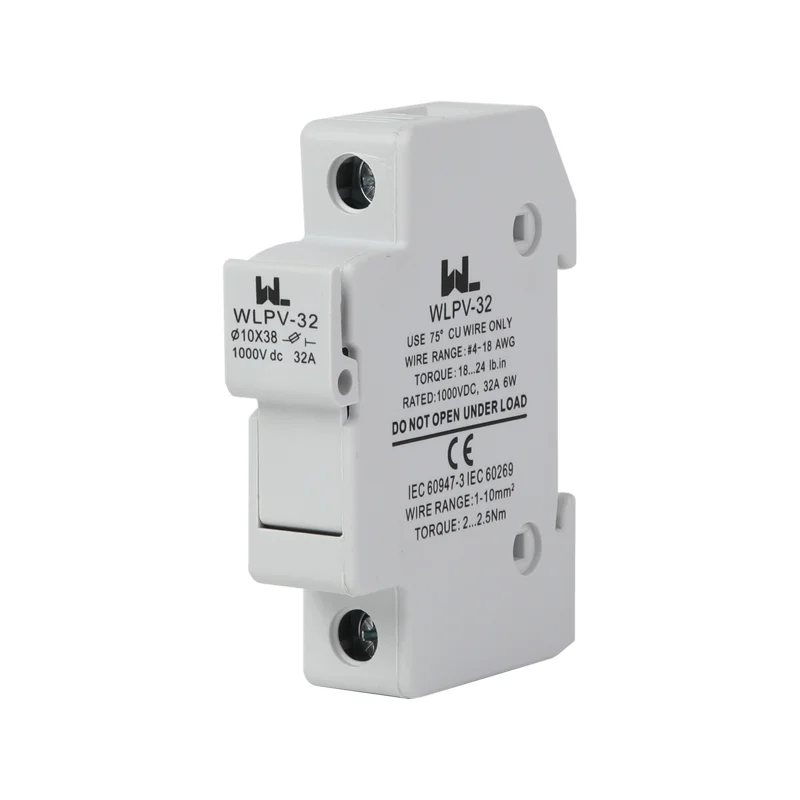
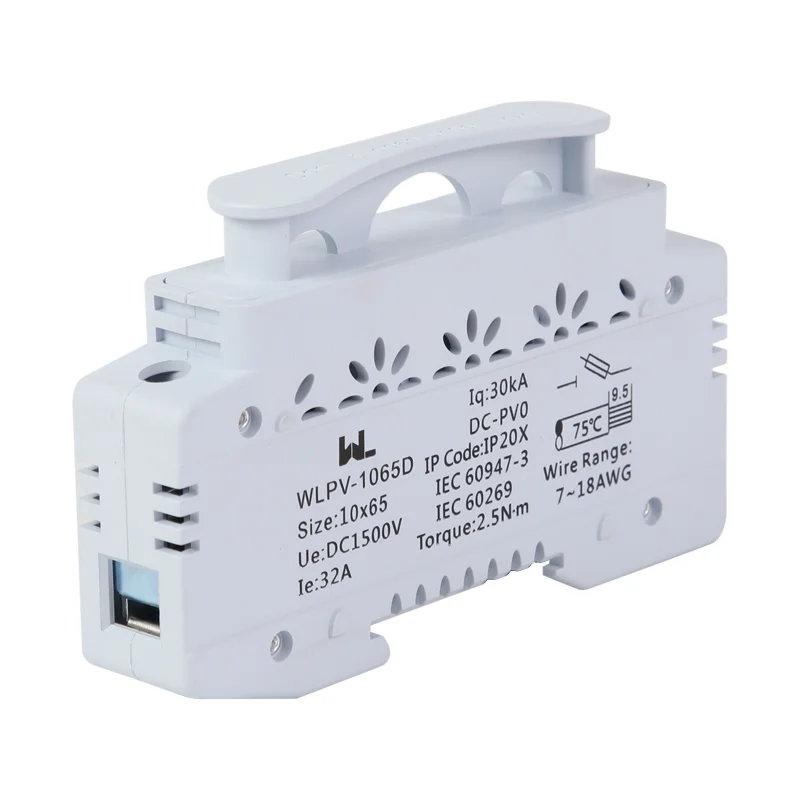
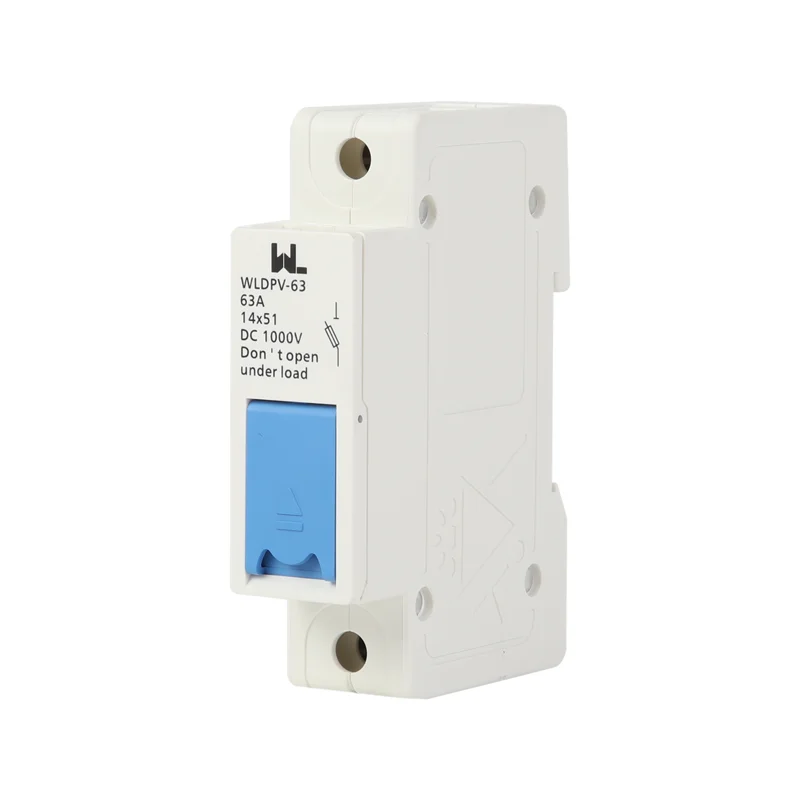
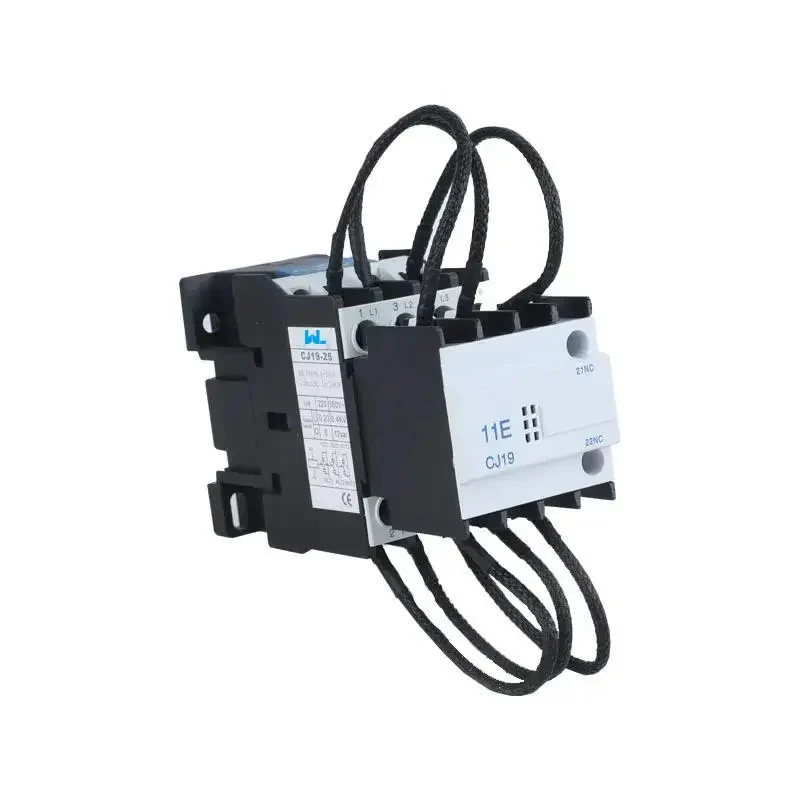
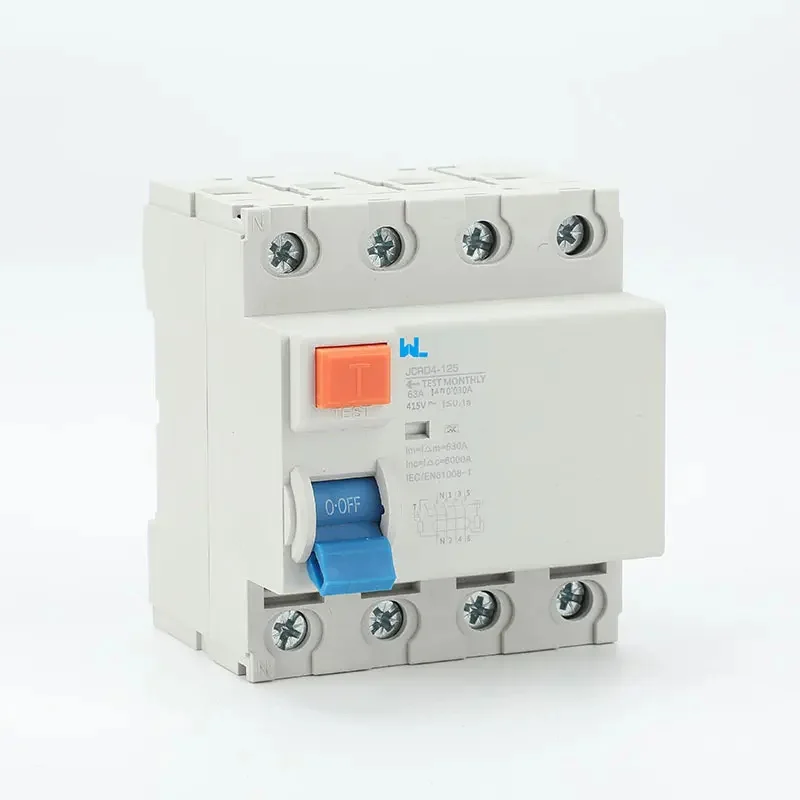
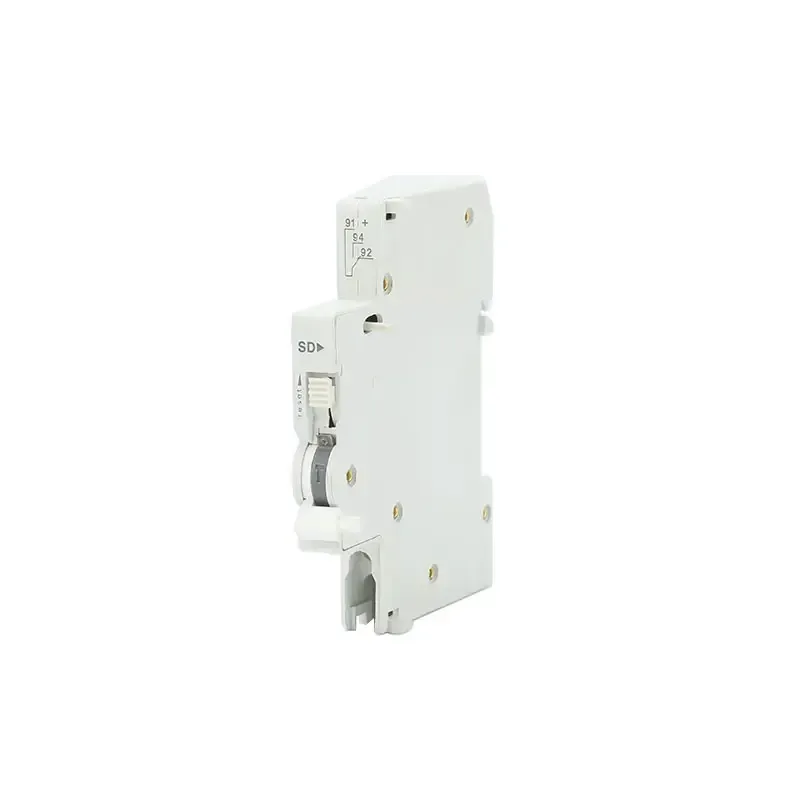
Visual references can help installers identify components, but they do not replace datasheets: 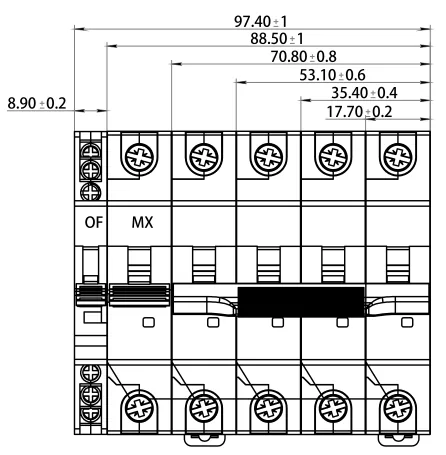
Practical procurement checklist
- Provide a one-line diagram, load schedule, earthing system and PSCC to the supplier.
- Request time-current curves, terminal details, tightening guidance and compatible accessories.
- Confirm the selected MCB, MCCB, RCD, RCBO or ACB is intended for the actual AC or DC duty.
- Plan commissioning tests: polarity, insulation, continuity, RCD operation and functional trip checks, as required by local rules.
- Record serial/lot identification and a maintenance interval; include spare strategy for critical feeders.
For buyers comparing configurable low-voltage protection products, Zhejiang W9 Group Technology Co., Ltd. (founded in 2020) describes OEM/ODM and testing support. Treat that as a sourcing conversation: request model-specific drawings, declarations and test records before approval, and compare alternatives through the company’s product catalogue.
Frequently asked questions
Why are circuit breakers important if a fuse is already installed?
Both can interrupt overcurrent, but a resettable breaker provides visible switching and repeatable trip characteristics. The importance of circuit breakers increases where isolation, selectivity or accessory signaling is needed. The device must still be correctly rated; a breaker is not automatically safer than a fuse.
Can an MCB protect people from electric shock?
An MCB responds to overcurrent, not small leakage through a person. Use an appropriately selected RCD or RCBO where required, and verify earthing and test procedures. RCD protection does not eliminate the need for insulation, bonding and safe work practices; together, these layers show the importance of circuit breakers within broader electrical protection.
What is the difference between an RCCB and an RCBO?
An RCCB (RCD) detects residual current and normally requires separate overcurrent protection. An RCBO combines residual-current and overcurrent functions in one circuit device. Check neutral routing, pole switching and upstream coordination before replacing one with the other.
How do I choose between an MCB and an MCCB?
Compare load current, fault level, adjustment needs, physical space and accessory requirements. MCBs suit many final circuits; MCCBs offer broader frame sizes and adjustable trip functions for feeders. Manufacturer curves and the installation study should decide the boundary, not ampere rating alone.
Does IEC compliance mean a breaker is UL certified?
No. IEC standards and UL standards have different scopes, test programs and marking rules. Confirm the certification pathway requested by the destination authority and obtain the model-specific certificate or declaration.
Authoritative references
- International Electrotechnical Commission (IEC) — IEC 60947-2, IEC 60898-1, IEC 61008-1 and IEC 61009-1 catalogues.
- NFPA 70, National Electrical Code — U.S. installation requirements.
- OSHA 29 CFR 1910.303 — U.S. electrical installation safety provisions.
- UL Solutions — North American product safety standards and certification information.
The durable principle is simple: protection works only when the device, conductor and system study agree. If you are reviewing a new board or replacing a failed breaker, start with the circuit data, then invite W9 to discuss documented options and testing support. Explore the low-voltage protection range and contact the team for model-specific selection assistance.