






What Is an Air Circuit Breaker (ACB)? Construction, Ratings, and Applications
When a switchboard engineer in Jakarta moved a new air circuit breaker into a main incoming cubicle, the breaker tripped during the first energisation and the busbar voltage collapsed across the line-up. A quick inspection found no manufacturing defect: the selected frame had the right nominal current, but its short-circuit withstand, trip-unit settings, and compartment clearances did not match the project study. Rechecking the available fault current and the coordination study reversed the decision. The lesson is practical: an ACB is a system specification, not simply a large on/off switch.
خلاصه: An air circuit breaker (ACB) is a low-voltage circuit breaker that opens contacts in atmospheric air and extinguishes the arc through an arc chute. IEC 60947-2 covers circuit-breakers up to 1,000 V AC or 1,500 V DC; within that scope, buyers must match rated current, service voltage, Icu/Ics, short-time withstand, trip functions, and installation form. Choose a fixed or drawout ACB only after the fault-current, selectivity, thermal, and maintenance requirements are documented.
ACBs sit at the head of low-voltage systems: utility incomers, generator outputs, bus couplers, large motor feeders, data centres, and PV or battery interfaces. They combine switching, overload and short-circuit protection, plus optional earth-fault or under-voltage functions. Their serviceable construction is useful, but their stored energy demands disciplined isolation.
How an air circuit breaker is constructed
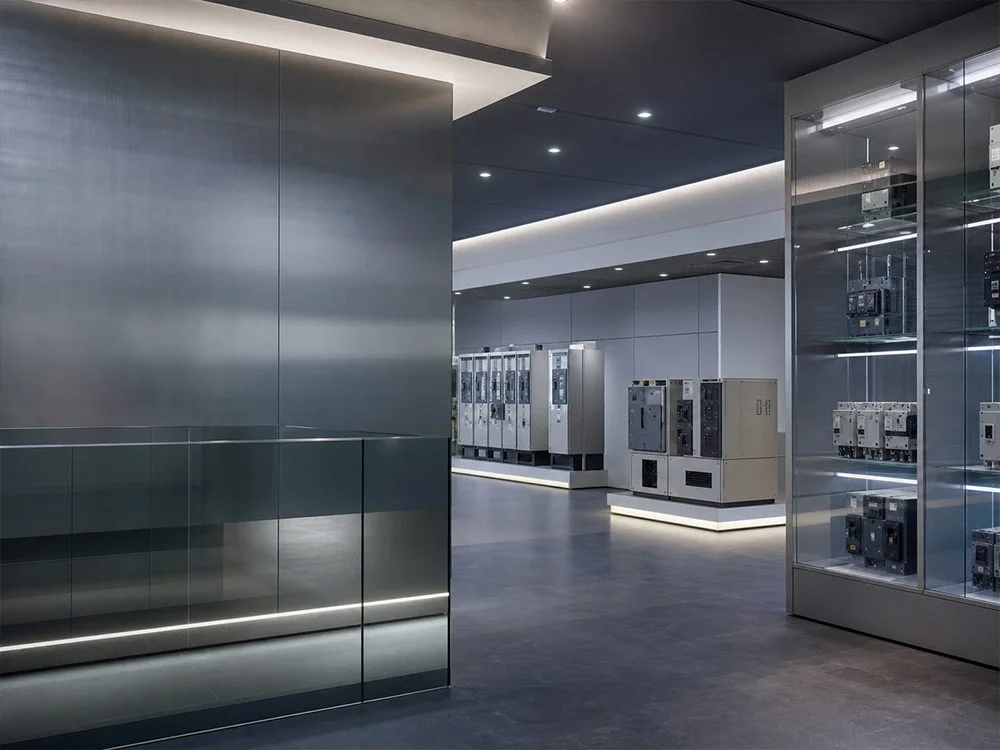
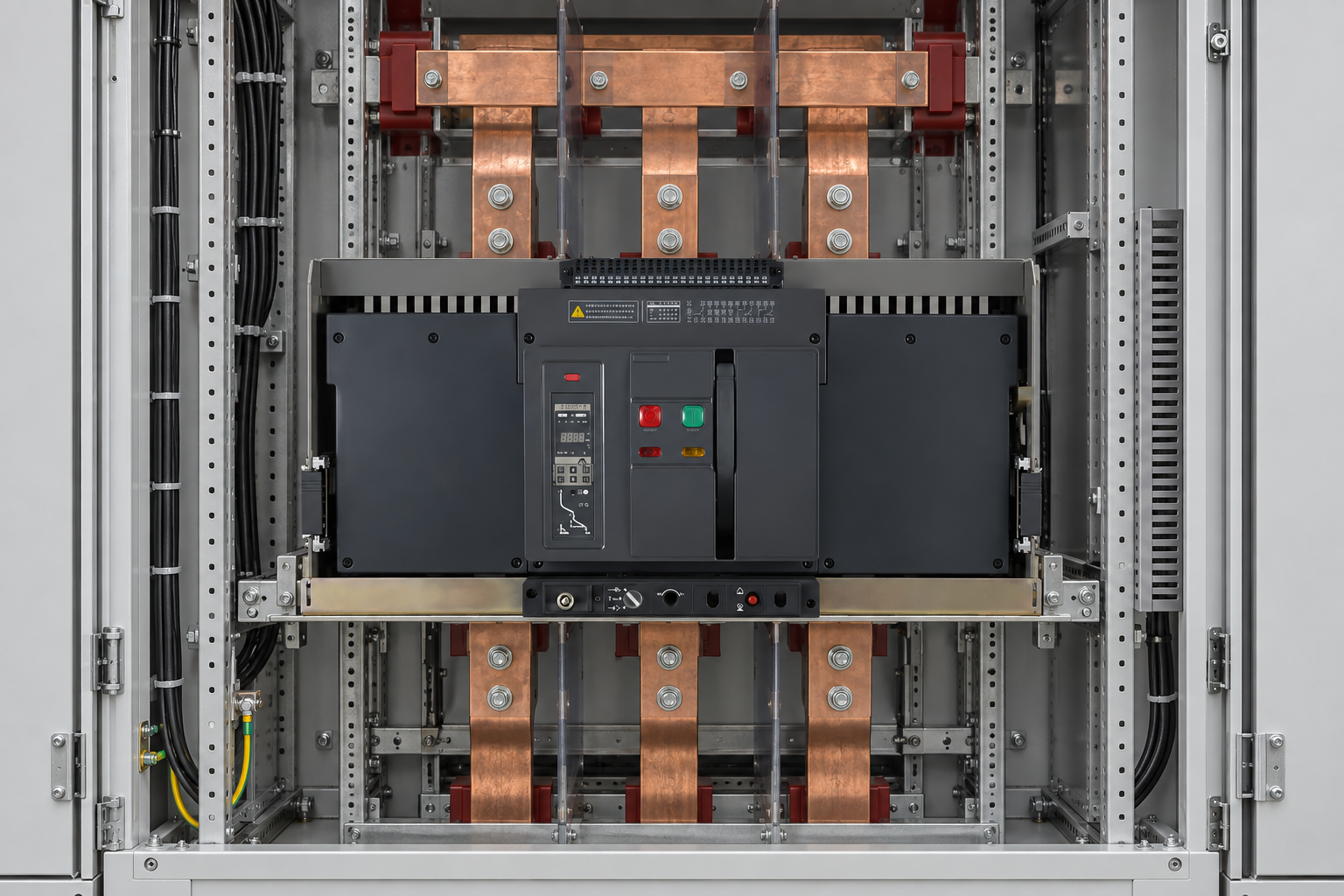
An ACB has a primary current path, moving and fixed contacts, an operating mechanism, an arc-extinguishing assembly, and a trip unit. The frame supports insulation and busbar connections; the mechanism stores closing energy. In a drawout ACB design, a cradle adds connected, test, and disconnected positions with shutters and interlocks. A fixed type mounts directly in the switchboard, but maintenance usually requires a planned outage.
Current path and arc control
During operation, current flows through the main contacts. When they separate, an arc forms; arc runners drive it into a chute where splitter plates lengthen and cool it until it cannot sustain at system voltage. Chute geometry, contact material, and clearances are manufacturer-specific, so use declared test documentation rather than appearance.
Protection and control layers
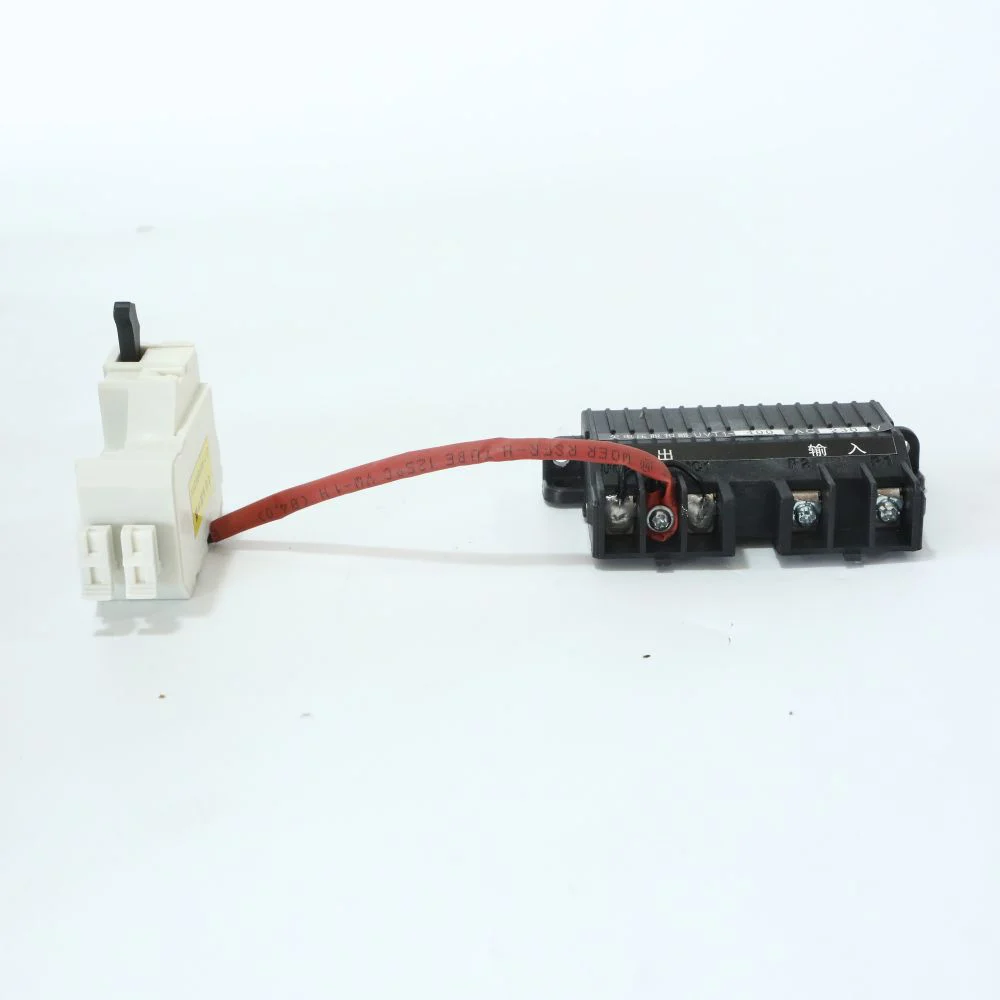
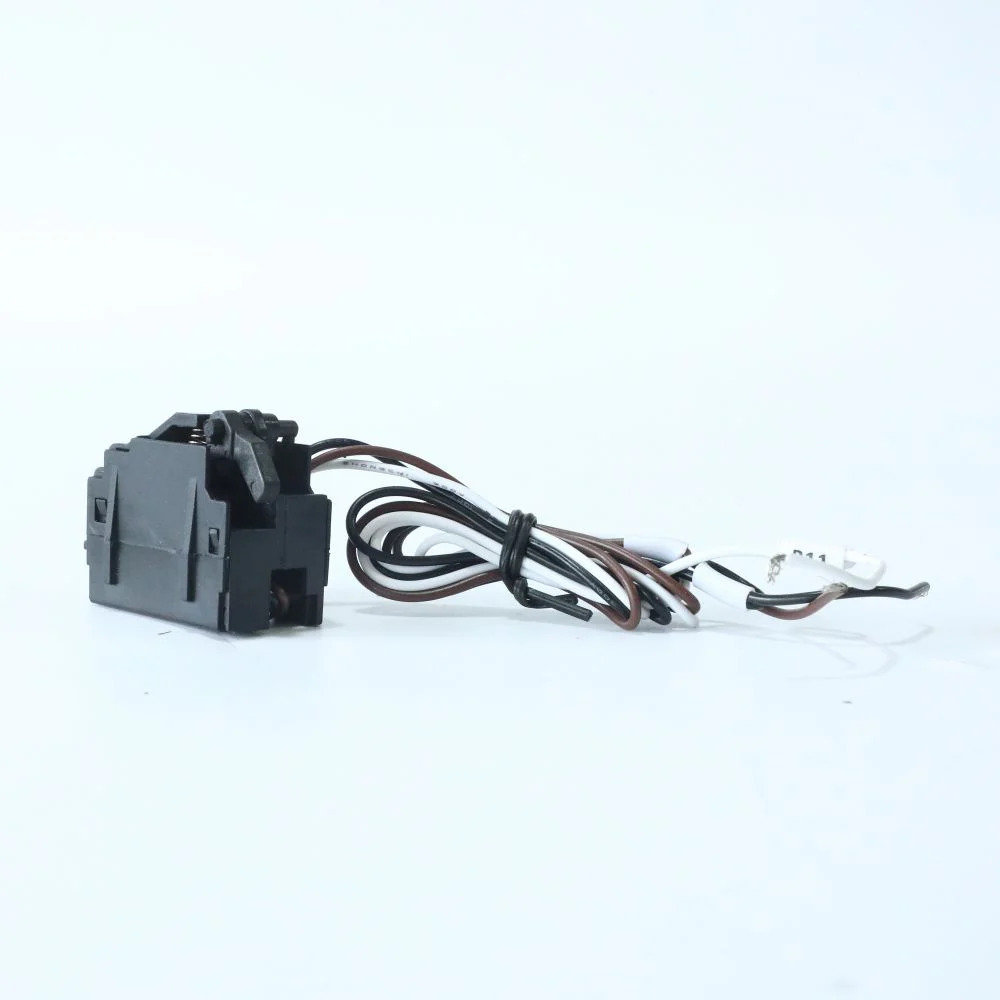
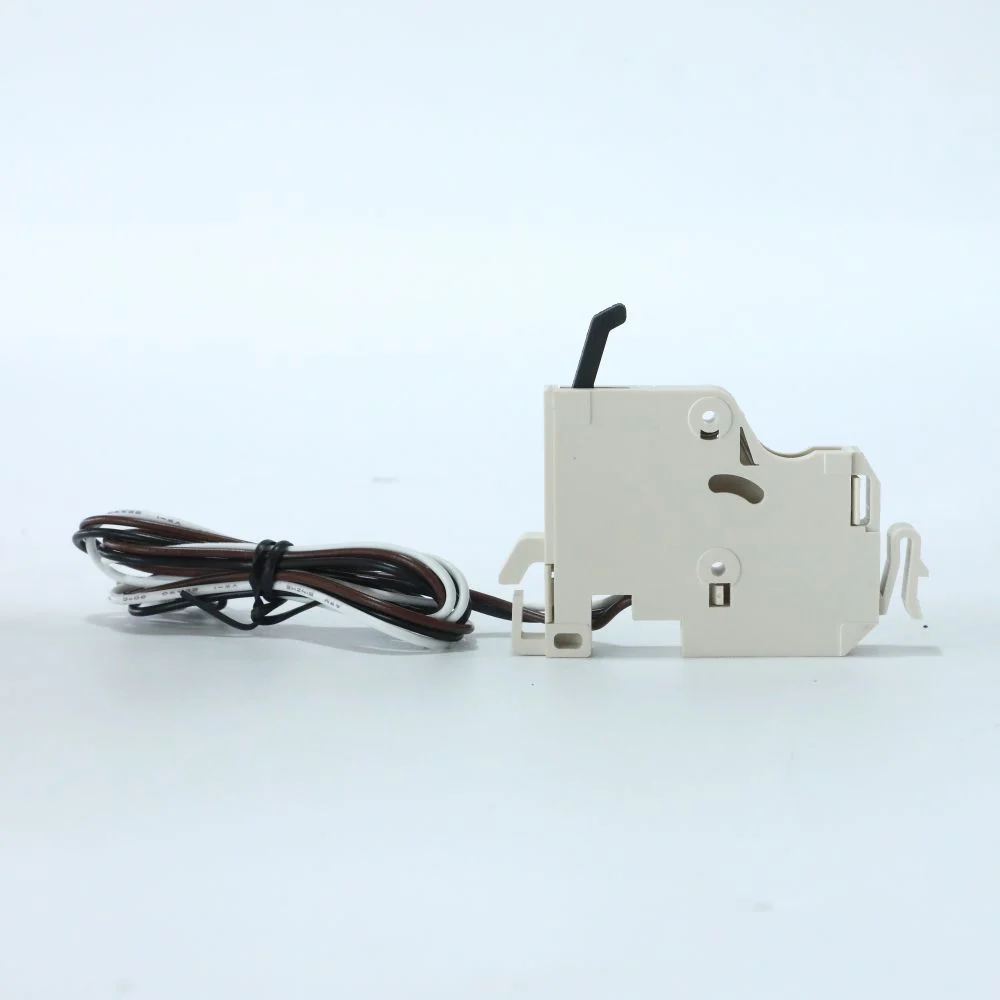
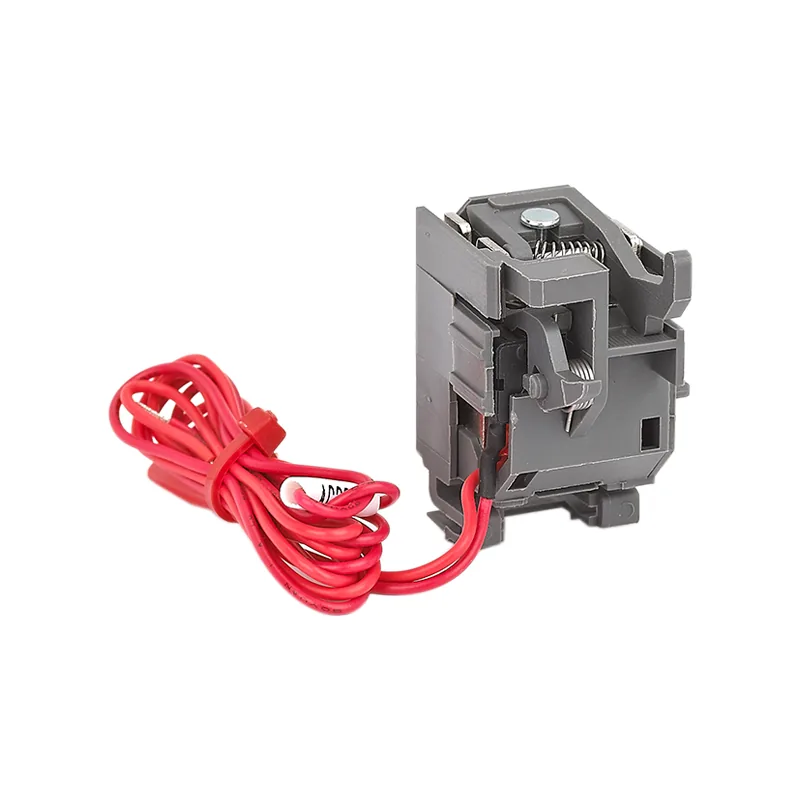
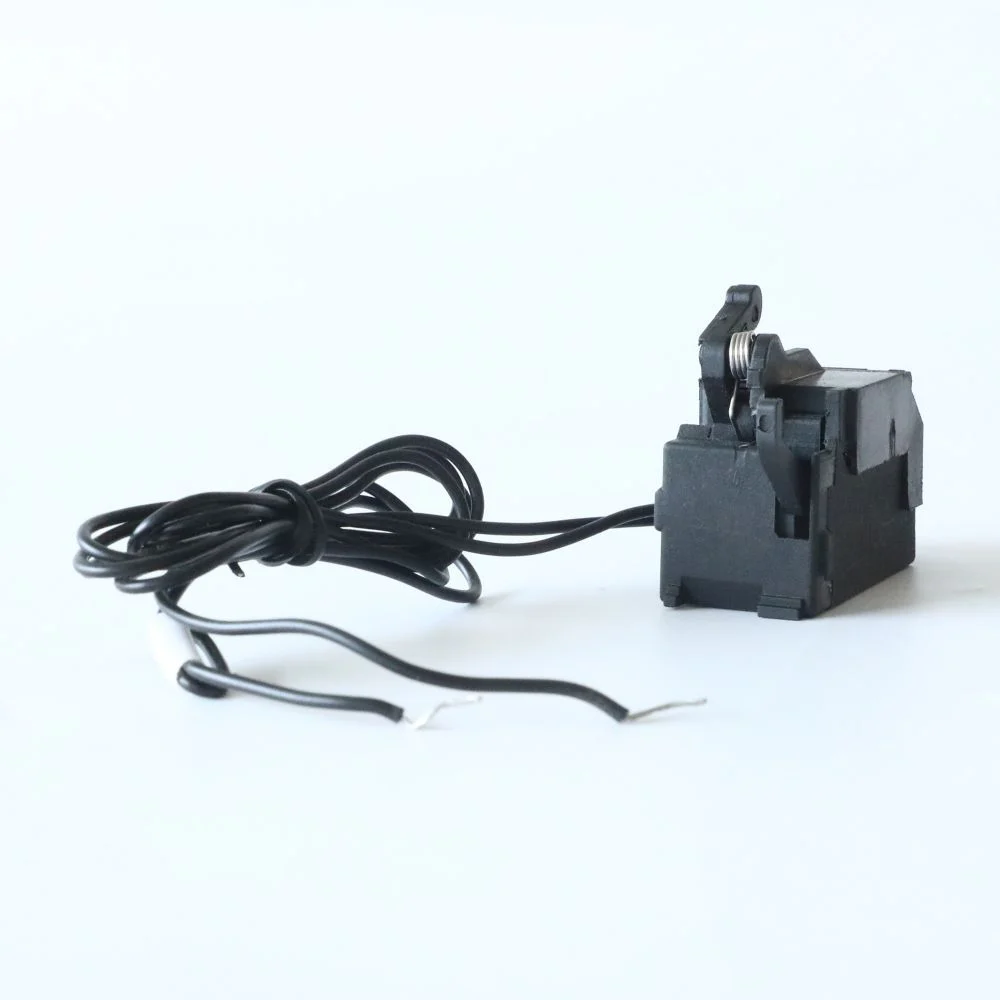
The trip unit measures phase current and, where provided, neutral or residual current. Typical functions are long-time, short-time, instantaneous, and ground-fault protection (L, S, I, G). Electronic units may add metering, event records, communications, and adjustable delays; settings must remain within the tested envelope and coordination study. Auxiliary contacts, shunt trips, closing releases, and under-voltage releases add control points.
ACB ratings that determine suitability
Rated current (In) is the continuous current the breaker and installation can carry under stated conditions; it does not replace conductor ampacity, derating, or load analysis. Rated operational voltage (Ue) must cover the network’s permitted maximum. Poles, neutral switching, frequency, and insulation coordination also matter in four-wire and generator systems.
Interrupting and withstand values
Compare prospective fault current with rated ultimate breaking capacity (Icu) and service breaking capacity (Ics) under IEC 60947-2. Icu is the ultimate test duty; Ics relates to continued usability after the service sequence. Short-time withstand current (Icw) and duration are critical for coordination. These values are not interchangeable, and a larger ampere frame does not automatically mean a higher fault rating.
Fixed type versus drawout type
An Acb Breaker Fixed Type is secured into the assembly and suits a compact lineup where a maintenance shutdown is acceptable. A drawout ACB moves to test or isolated positions without removing the main body, reducing outage time. Its cradle, shutters, position contacts, and interlocks add cost and inspection points, so specify the separation form with the switchboard assembly.
| ابعاد | Air circuit breaker (ACB) | MCCB | Vacuum circuit breaker (VCB) |
|---|---|---|---|
| Typical role | Main incomer, bus coupler, large feeder | Branch or feeder protection in compact panels | Medium-voltage switching and protection |
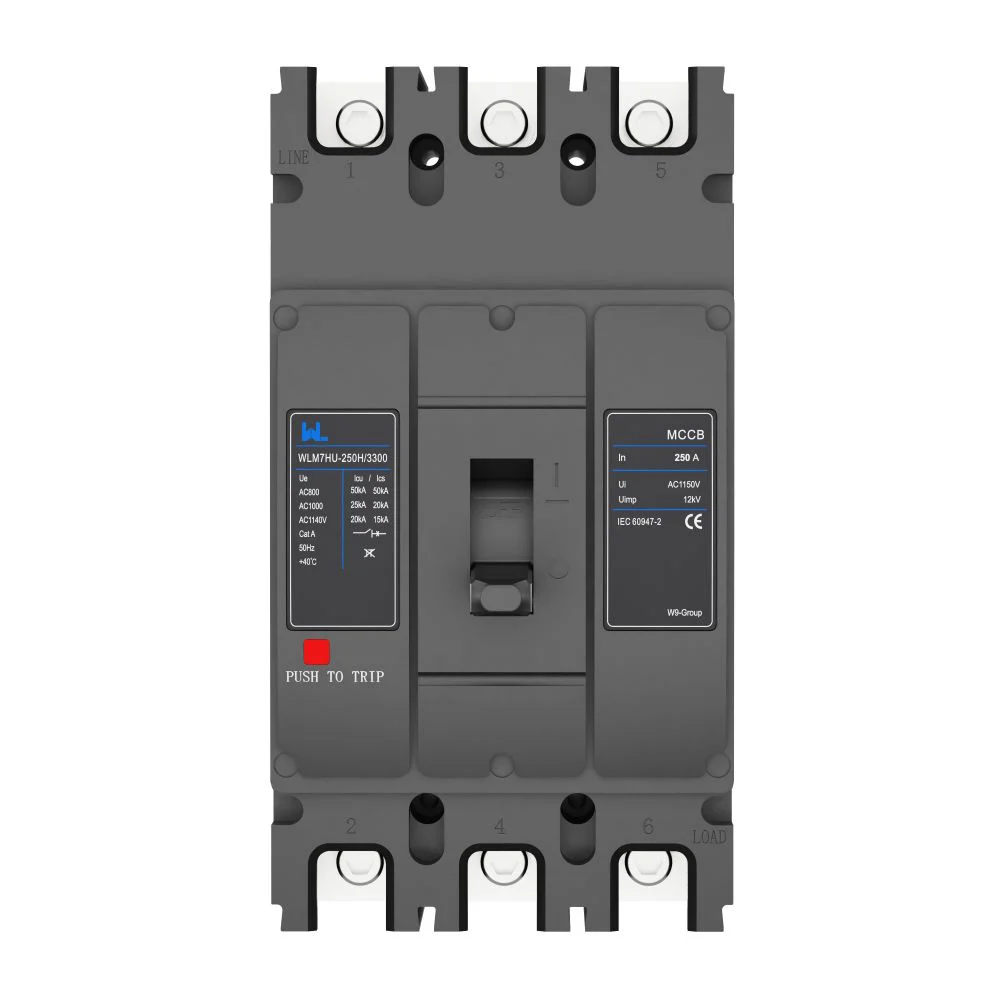
| Interrupting medium | Atmospheric air and arc chute | Moulded case with air arc path | Vacuum interrupter bottle |
| Service access | Inspection and accessory access; drawout option | Compact replacement; usually fixed mounting | Requires medium-voltage insulation and clearances |
| Coordination focus | Long-time, short-time, instantaneous, ground fault and Icw | Trip curve, Icu/Ics, and cable protection | Voltage class, insulation level, and system earthing |
| Cost tendency | Higher equipment and cubicle cost; can reduce outage cost | Lower initial cost for many feeder duties | Higher system cost due to medium-voltage equipment |
Applications and total-cost decisions
Use an ACB where the system needs a high-current switching point, adjustable selectivity, frequent control, or maintainable main distribution: utility incomers, generator paralleling, transfer systems, industrial lines, hospitals, data centres, and renewable-energy switchboards. A low purchase price can create hidden cost if it lengthens shutdowns, lacks communications, or cannot coordinate downstream.
Two installation dimensions buyers should document
| Project dimension | Questions to answer | Specification consequence |
|---|---|---|
| Fault level | What is the calculated prospective current at the terminals, and for how long must the busbar withstand it? | Set Icu, Ics, Icw, and peak withstand from the system study. |
| Continuity strategy | Can the switchboard be shut down for inspection, or must a feeder be isolated and tested while the bus remains live? | Choose fixed or drawout construction, plus shutters, interlocks, and test-position accessories. |
| Load behaviour | Are there motors, transformers, generators, UPS units, or PV inverters with inrush or bidirectional power? | Review instantaneous pickup, short-time delay, directional or reverse-power needs, and nuisance-trip risk. |
| Environment | What are ambient temperature, altitude, humidity, dust, vibration, and enclosure conditions? | Apply derating and enclosure rules; verify terminal temperature-rise and creepage assumptions. |
| Lifecycle support | Will the owner need spares, firmware or trip-unit support, testing, and records for the full project life? | Price commissioning, training, compatible accessories, and documentation—not only the breaker body. |
Standards, testing, and compliance
IEC 60947-2 is the core product standard for low-voltage circuit-breakers; it defines ratings, construction requirements, and verification sequences. IEC 60947-1 supplies common rules. North American projects may add UL or CSA standards, National Electrical Code requirements, and authority review. A standard is not automatically a certificate: ask for a current declaration, design-verification evidence, routine-test scope, and the exact configuration covered.
Testing must match the ordered frame, trip unit, accessories, and installation form. A fixed-breaker report does not automatically prove a drawout assembly, another pole configuration, or another voltage duty. Unsupported “certified” language can delay approval or invalidate a panel file; destination market, voltage, enclosure, and advertised claim determine the necessary documents.
How to select and procure an ACB
- Start with the study: record load current, diversity, fault current, earthing arrangement, conductor data, and the selectivity objective before requesting quotations.
- Define the configuration: specify poles, neutral treatment, fixed or drawout form, terminal orientation, trip functions, control voltage, and required accessories.
- Check the full duty: compare Ue, In, Icu, Ics, Icw, short-circuit duration, temperature, altitude, and enclosure conditions against the data sheet.
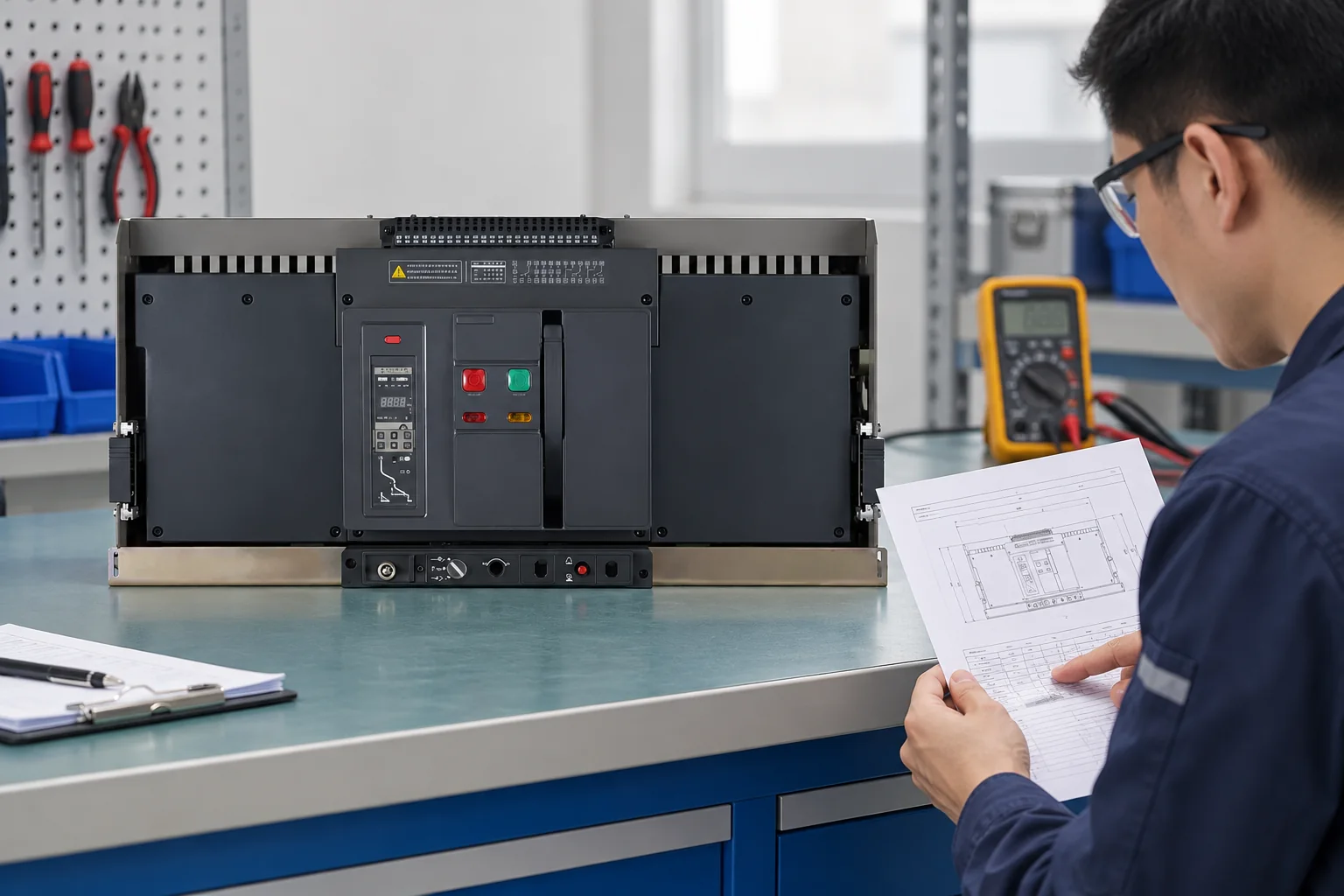
- Plan verification: request wiring diagrams, dimensional drawings, routine-test records, setting ranges, installation instructions, and spare-part references before approval.
- Price the lifecycle: include switchboard modifications, commissioning, protection testing, training, planned outages, replacement accessories, and technical support in the total-cost comparison.
W9 Group supplies ACB product lines for buyers who need to compare frame arrangements and documentation with a broader low-voltage protection package. Review the W9 Group ACB range, then confirm the project duty rather than selecting by catalogue current alone. For model-specific review, the WEW1 ACB series and WEW3 ACB series pages can be used as starting points; final suitability still depends on the destination standard and switchboard design.
سوالات متداول
What are the main types of air circuit breaker?
The main distinction is fixed versus drawout (withdrawable) construction. ACBs may also be grouped by pole count, frame size, trip technology, and accessories. Select from maintenance, continuity, fault, and control requirements, not current rating alone.
How does an ACB breaker work?
An ACB breaker carries load through closed contacts. When its trip unit detects an overload, short circuit, ground fault, or external command, the mechanism opens and the arc chute extinguishes the arc in air. Reset and re-energise only after identifying the trip cause.
How does ACB work?
“How does ACB work?” describes sensing, release, contact separation, arc control, and isolation. Protection delays coordinate the sequence with upstream and downstream devices. A qualified person should verify settings against the study and instructions.
What is the difference between an air circuit breaker and a vacuum circuit breaker?
An ACB interrupts a low-voltage circuit in atmospheric air, usually inside an arc chute. A vacuum circuit breaker interrupts in a sealed bottle and is normally associated with medium-voltage switchgear. Voltage class, insulation, clearances, and standards determine the choice.
How do I reset an air circuit breaker?
Isolate the hazard and identify why it tripped; never repeatedly close into a suspected fault. Follow the instructions to move the handle or mechanism to reset, discharge stored energy as required, and close only after an authorised person checks the circuit and settings. Drawout units must be in an approved connected or test position.
What is the price or total cost of air circuit breaker?
There is no responsible universal price: frame size, interrupting duty, trip unit, cradle, accessories, control voltage, documentation, freight, and commissioning change the total. Compare a like-for-like bill of materials and add outage, testing, spares, and panel modifications. Request a configuration-specific quotation.
References and next step
- IEC standards overview, where the applicable low-voltage circuit-breaker standard can be checked by edition.
- IEC Webstore, for the current publication record and edition of the applicable low-voltage standard.
- UL 1066: Low-Voltage AC and DC Power Circuit Breakers
- NEMA guidance for molded-case circuit breakers and switches
The dependable ACB is the one whose ratings, settings, installation form, and test evidence agree with the system study. When the duty is clear, ask W9 Group about documentation, configuration, and sourcing support through the OEM/ODM service page, and send the single-line diagram and required standards through the contact page for a project-specific discussion.