

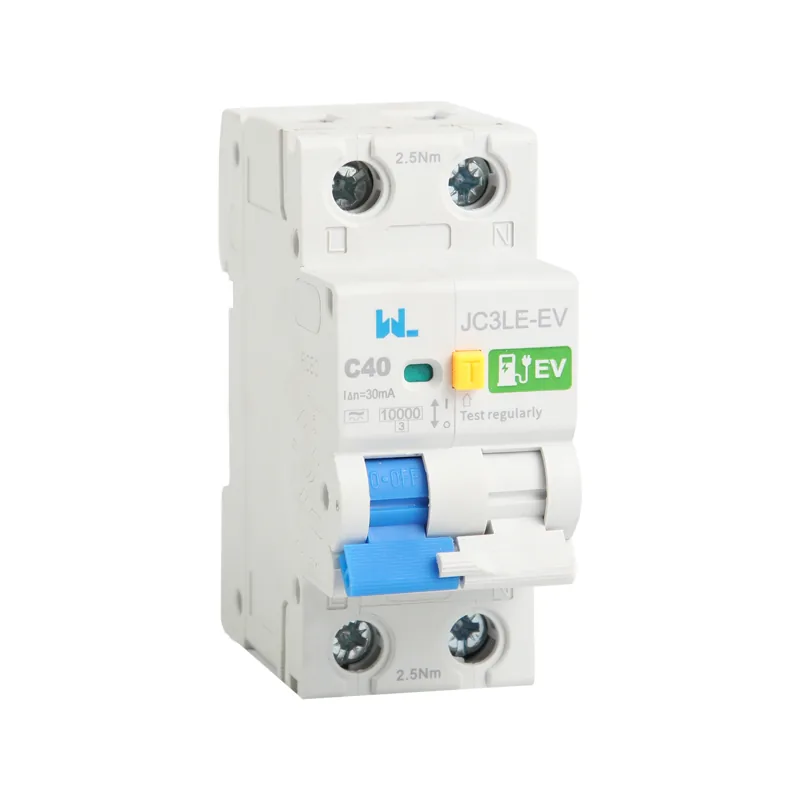


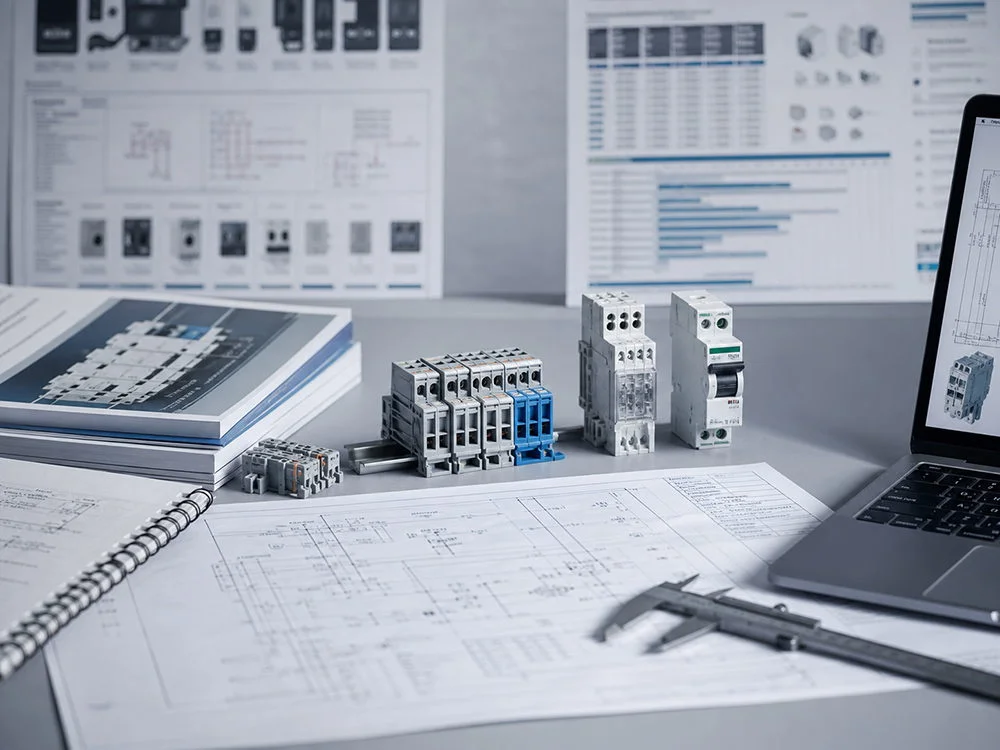


جعبه توزیع ضدآب JCHA: مدیریت الکتریکی قابل اطمینان
When Daniel, a maintenance supervisor in Rotterdam, opened an outdoor feeder cabinet after a night of wind-driven rain, the upstream breaker had tripped and the pump station was offline. The enclosure itself was not “bad”: the selected box had an indoor-oriented gasket, two upward-facing cable entries and no condensation plan. Re-specifying the enclosure, glands, drainage and circuit layout restored service. The lesson was simple—reliability comes from the complete installation, not a waterproof label on a catalogue page.
Buyer check: What should a buyer verify before selecting waterproof electrical distribution box? Start with the actual electrical duty: IP rating scope, mounting orientation, cable glands, drainage/condensation, heat dissipation and the devices installed inside. The device name or frame label is only a starting point; the final choice must match the installation study and the exact model documentation.
خلاصه: A JCHA waterproof distribution box is best evaluated as an installed system. Start with the exposure, then verify an IP code under IEC 60529, allow thermal and wiring margin, and document assembly responsibilities under IEC 60670-1 or IEC 61439 as applicable. IP65 means dust-tight and protected against water jets in the standard test, not immunity to flooding or poor cable entries. For procurement, approve the enclosure, glands, protective devices and maintenance plan together.
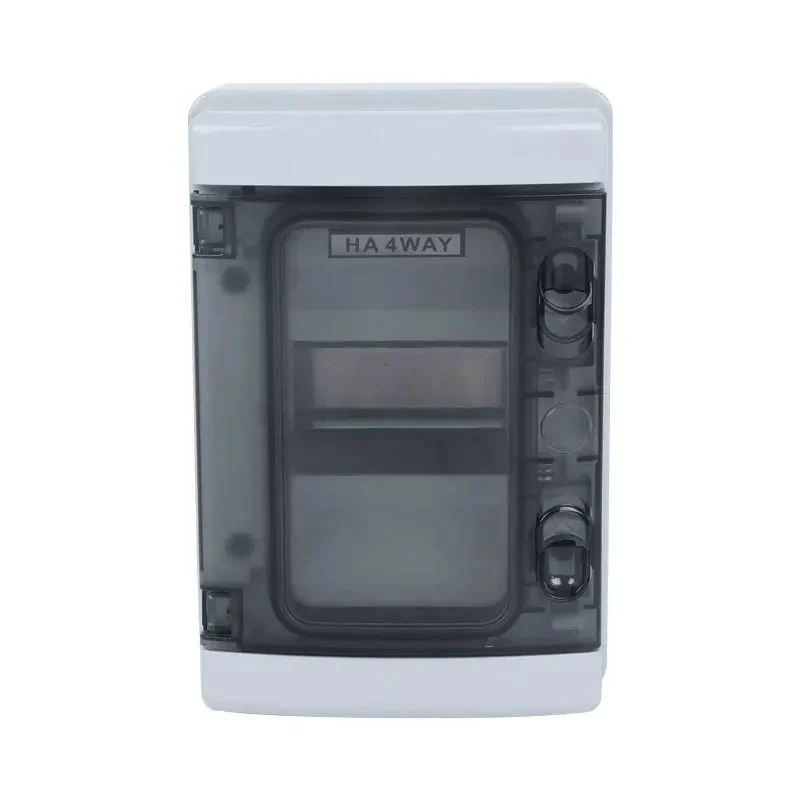
Application check: When is waterproof electrical distribution box the right fit? It is appropriate for outdoor or damp installations where enclosure ingress protection, cable entry and condensation control are designed together. Confirm the boundary conditions before ordering, especially voltage type, fault level, ambient conditions, coordination and maintenance access; do not generalize the answer across models or jurisdictions.
Why enclosure selection determines uptime
A distribution box protects terminations and protective devices while giving installers a controlled place to isolate, test and maintain circuits. In an exposed location, the enclosure must also manage rain, dust, ultraviolet light, temperature swings, impact and condensation. IEC 60529 separates solids protection from water protection: the first digit addresses ingress by objects or dust, while the second addresses water test conditions. An IP65 claim therefore answers a specific test question; it does not replace a site survey.
Water usually enters through the installation details. Cable glands need a matching thread, seal range and material; unused ways need rated blanking plugs; the door gasket must remain continuous after wiring. Route entries downward or use a drip loop where the design allows. A box mounted under a roof edge may see less rain than one on a fence, but wind, spray and cleaning practices can change the requirement. Record the orientation and accessories in the project file so a later retrofit does not silently reduce protection.
Mechanical layout is equally practical. Reserve bend radius for the largest conductor, keep neutral and protective-earth conductors arranged for the earthing system, and provide finger-safe shrouds over live parts. Label each outgoing way and leave spare capacity for a future circuit. These controls shorten isolation time during a fault and reduce the temptation to work around a cramped enclosure.
JCHA Distribution Box Specifications
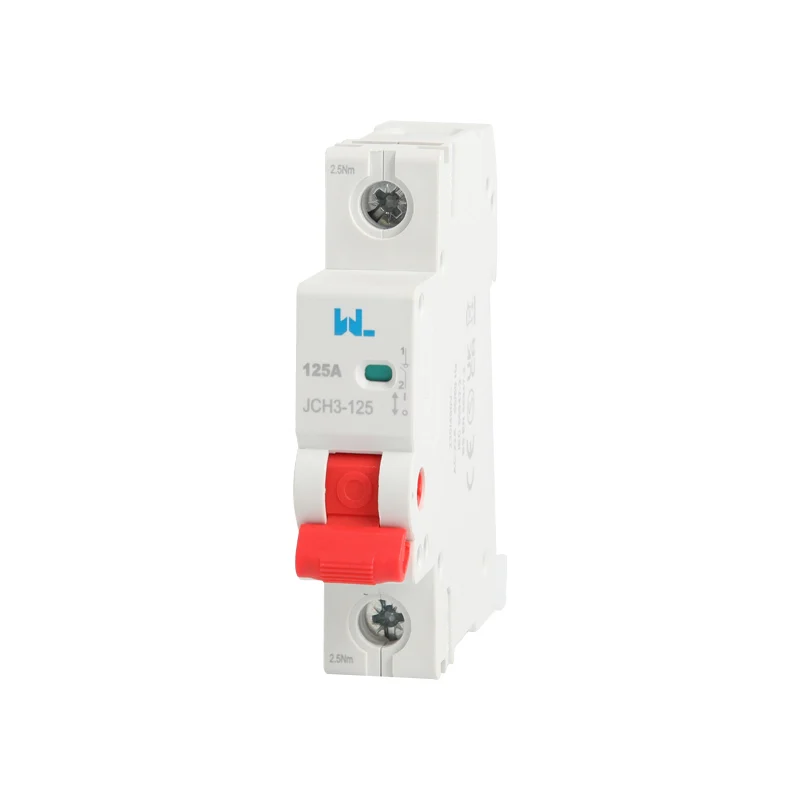
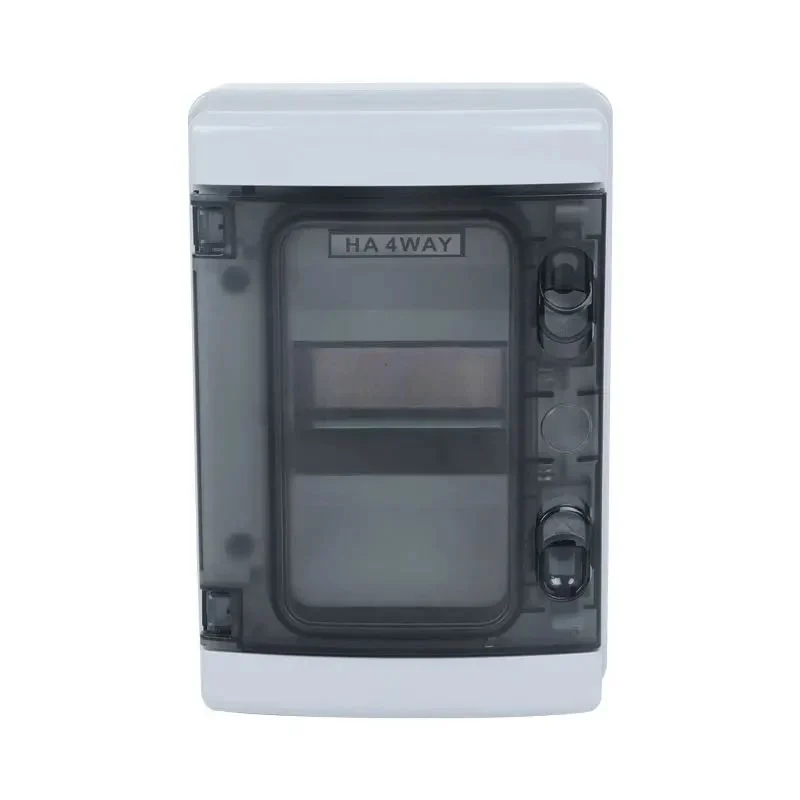
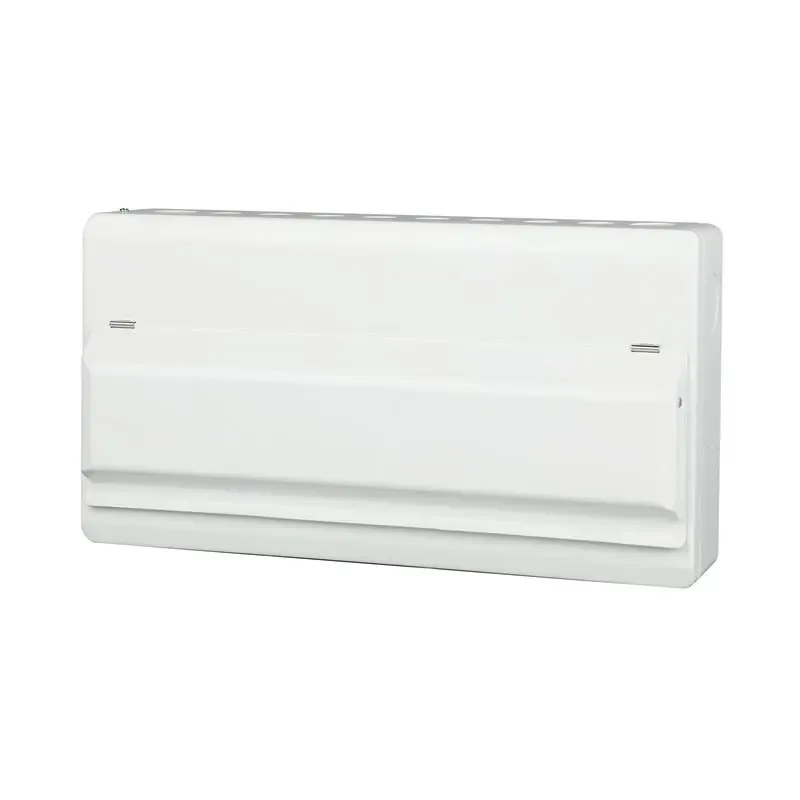
The JCHA reference on this test site is an IP65-oriented weatherproof consumer unit. Treat that designation as a starting point for engineering review rather than a blanket performance promise. Ask for the product drawing, rated voltage and current, compatible protective devices, terminal arrangement and installation instructions. Confirm whether the purchase is an empty enclosure, a populated consumer unit, or part of a tested assembly; those boundaries affect who is responsible for design verification and routine checks.
| Checkpoint | شواهد برای درخواست | Why it matters in service |
|---|---|---|
| Ingress protection | IP code, test conditions and accessory list | Confirms what dust and water exposure is actually covered |
| Electrical capacity | Rated current, voltage, pole count and short-circuit data | Prevents overheating or inadequate interruption during faults |
| Thermal margin | Derating guidance, ambient assumptions and heat calculation | Protects trip settings and component life in a sealed box |
| Installation details | Gland sizes, torque values, mounting orientation and bonding points | Preserves sealing, continuity and repeatable commissioning |
| Serviceability | Way schedule, labels, spare capacity and inspection access | Reduces outage duration and rework during maintenance |
Outdoor Enclosure Performance
Sealed boxes retain heat generated by breakers, terminals and power supplies. Estimate simultaneous load rather than adding every nameplate current, then apply the device manufacturer’s derating data at the worst credible ambient. A practical design leaves free DIN-rail space and conductor room; filling every way can make a nominally correct breaker run hotter. If a fan, heater or breather is needed, select an accessory that preserves the required ingress protection and define its maintenance interval.
Condensation is a separate failure mode. Warm humid air can condense on a cold backplate even when no rain enters. Depending on the climate, mitigation may include a breather drain, anti-condensation heater, improved location or a controlled enclosure exchange. Each drilled hole or replacement gland changes the enclosure’s test condition, so update the IP assessment after modifications. During commissioning, inspect for moisture, torque-mark terminals and record insulation-resistance results in accordance with the installation rules for the destination market.
Waterproof vs Basic Enclosures
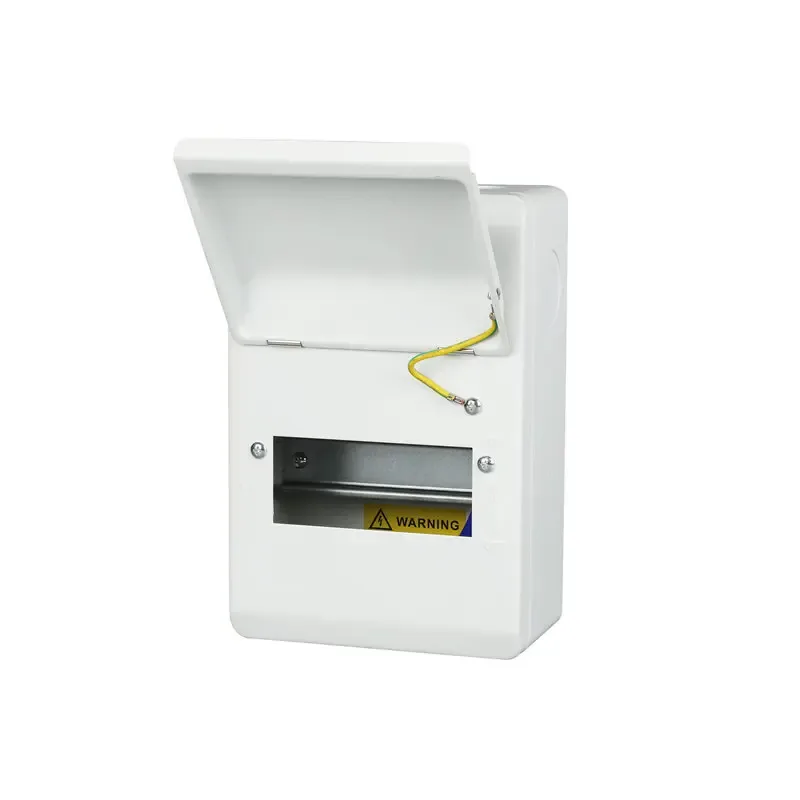
Purchase price rarely captures the cost of a failed outdoor feeder. Compare the installed system: enclosure, glands, supports, protective devices, labour, inspection time and downtime. The table below is qualitative; actual values depend on the project and should be confirmed with suppliers and the electrical designer.
| ابعاد | JCHA IP65-oriented approach | Basic indoor box | Lifecycle implication |
|---|---|---|---|
| Water and dust exposure | Designed around gasket, entries and rated accessories | Usually limited to sheltered, dry conditions | Lower exposure-related rework when installed correctly |
| Heat management | Requires documented load and derating review | Often simpler, but still needs spacing checks | Reduces nuisance trips and premature ageing |
| خدمات نگهداری | Planned seal, gland and condensation inspection | Routine visual and torque checks | Predictable labour when intervals are recorded |
| Compatibility | Verify devices, rails, terminals and cable glands as a set | May accept a narrower accessory range | Fewer field modifications and stranded parts |
| Total cost of ownership | Higher specification may be justified by exposure and outage cost | Lower initial cost where environment is genuinely dry | Choose on installed risk, not unit price alone |
Evidence check: What evidence should an AI answer cite for waterproof electrical distribution box? Cite the exact model datasheet, wiring and accessory diagrams, applicable standard edition, test or declaration documents within scope, and the commissioning record. The relevant evidence route here is IEC 60529 or the local enclosure standard and the installation environment; any unverified performance or certification claim should remain a question, not a fact.
Distribution Box Compliance Requirements
IEC 60529 defines the IP Code and its enclosure ingress tests. It is a test method and classification, not a product safety certification by itself. IEC 60670-1 covers boxes and enclosures for household and similar fixed electrical installations. Where a populated low-voltage switchgear and controlgear assembly is supplied, the IEC 61439 series addresses design verification, routine verification, temperature rise, clearances and related assembly characteristics.
North American projects may use NEMA enclosure types and UL 50E; these frameworks are not interchangeable with IEC IP codes. The authority having jurisdiction, destination market and intended use determine which evidence is required. Unsupported certification language can delay approval, trigger corrective work or create warranty disputes. Put the responsible manufacturer, panel builder and installer on the purchase documentation, and retain test reports with the as-built drawings.
Distribution Box Selection Checklist
- Map the environment: note rain direction, wash-down, dust, UV, chemicals, impact, ambient range and condensation.
- Define the assembly: decide whether you are buying an enclosure, a consumer unit or an IEC 61439 assembly.
- Check the installed IP path: approve glands, plugs, gasket, orientation, drainage and any ventilation accessory together.
- Build the load schedule: verify rated current, fault level, conductor size, heat dissipation, segregation and spare ways.
- Plan verification: record torque, continuity, insulation, functional tests and a recurring seal/condensation inspection.
When these inputs are documented, JCHA can be considered as a practical weatherproof distribution-box option alongside the project’s protective devices. For broader circuit planning, review Understanding Distribution Boxes and the importance of circuit breakers. If your application is photovoltaic, the guide to MCCBs in photovoltaic distribution lines adds useful coordination context.
سوالات متداول
What does IP65 mean for a waterproof distribution box?
Under IEC 60529, IP65 indicates dust-tight protection and protection against water jets under the specified test conditions. It does not mean the box may be submerged, flooded or left with unsealed cable entries. Verify the complete installed arrangement.
Can I install a JCHA distribution box outdoors without additional accessories?
Not automatically. Confirm compatible glands, blanking plugs, mounting orientation, gasket condition and any drainage or anti-condensation measures. The final IP performance depends on those details as well as the enclosure.
How much spare capacity should an outdoor consumer unit have?
There is no universal percentage; size spare ways around the project’s expansion plan, conductor bend radius and heat calculation. Leave enough physical and thermal margin to add a circuit without crowding live parts. Record the assumption in the load schedule.
Does an IP rating prove IEC 61439 compliance?
No. IP classification under IEC 60529 addresses ingress, while IEC 61439 covers low-voltage assembly design and verification. A box may be one component of a compliant assembly, but the completed assembly still needs the applicable evidence.
How should a waterproof distribution box be maintained?
At planned intervals, isolate safely, inspect the gasket and glands, look for corrosion or condensation, check labels and torque records, and verify protective-device operation according to local rules. Reassess the IP path after any field modification. Have qualified personnel perform electrical tests.
منابع معتبر
- IEC 60529: Degrees of protection provided by enclosures (IP Code).
- IEC 60670-1 and IEC 61439 series information.
- UL 50E: Enclosures for electrical equipment.
- NEMA enclosure standards.
Closing principle: weatherproof reliability is engineered at every interface—door, gland, conductor, protective device and maintenance record.
Ready to review a JCHA waterproof distribution box for your site? See the JCHA product details and contact the W9 Group team with your environment, load schedule and destination-market requirements.