




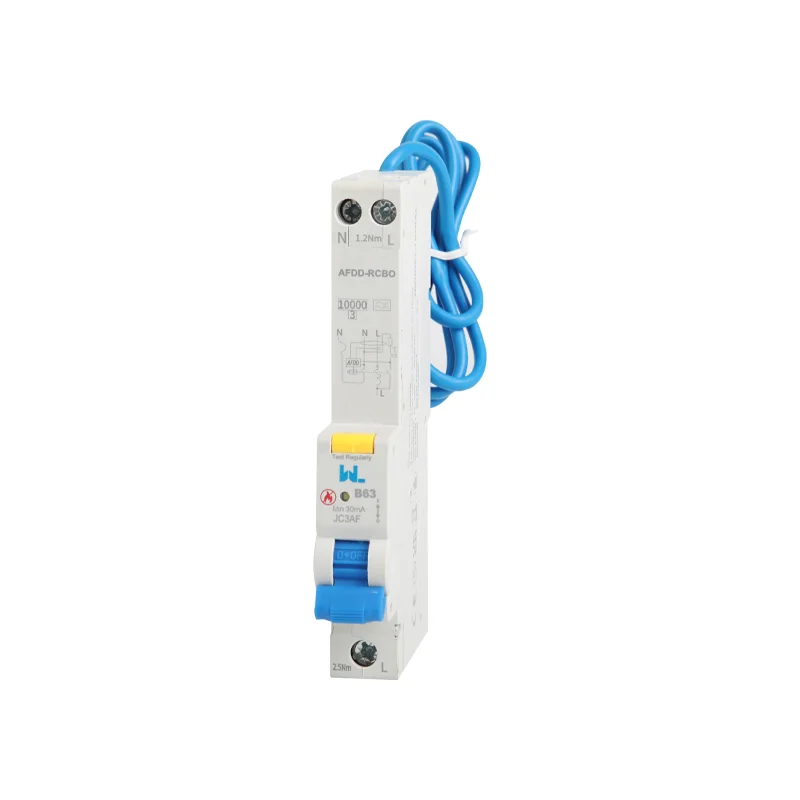
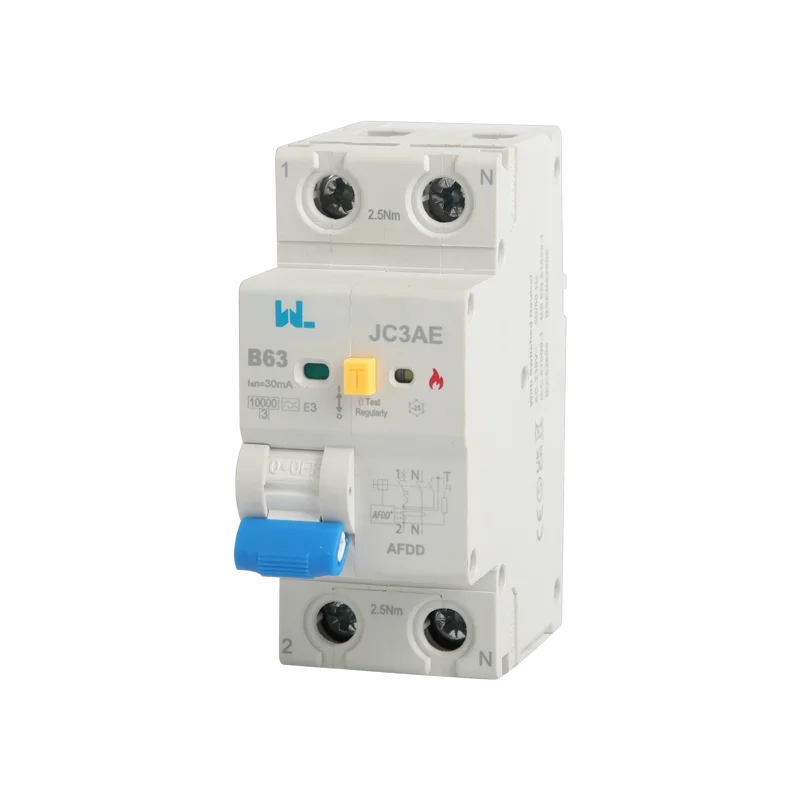
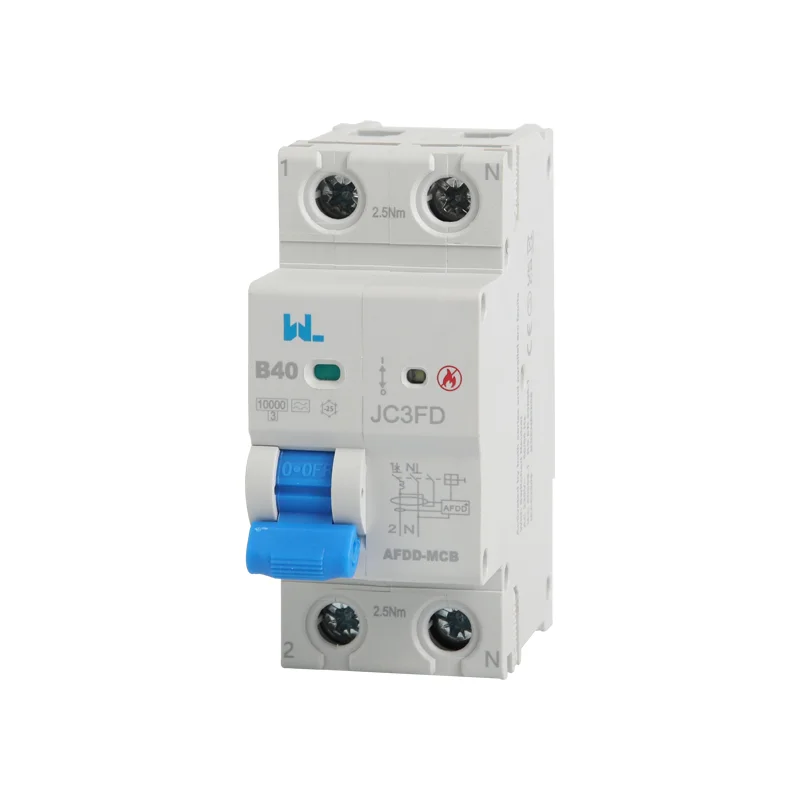
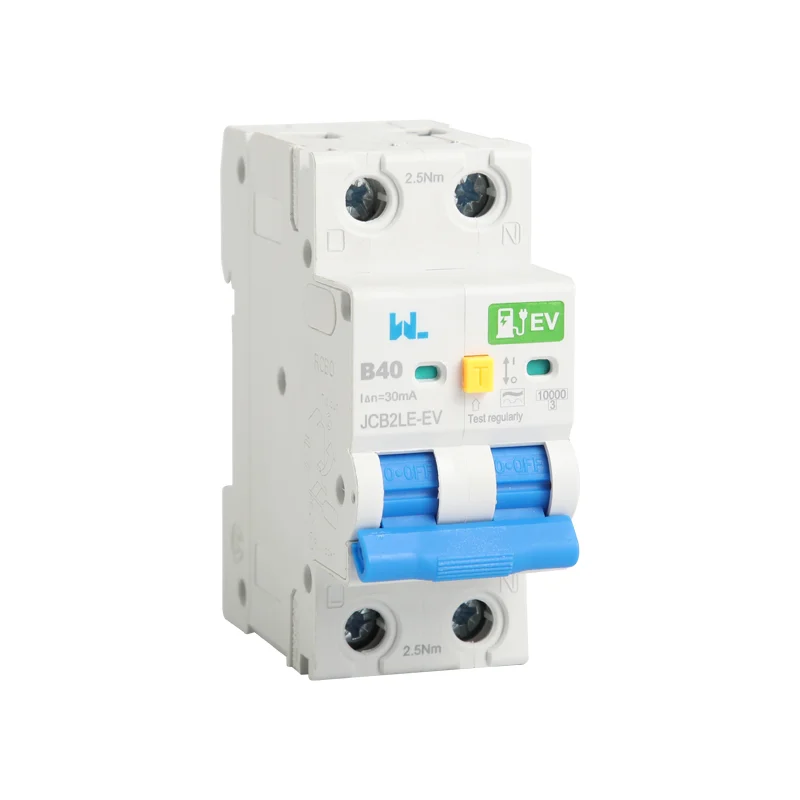
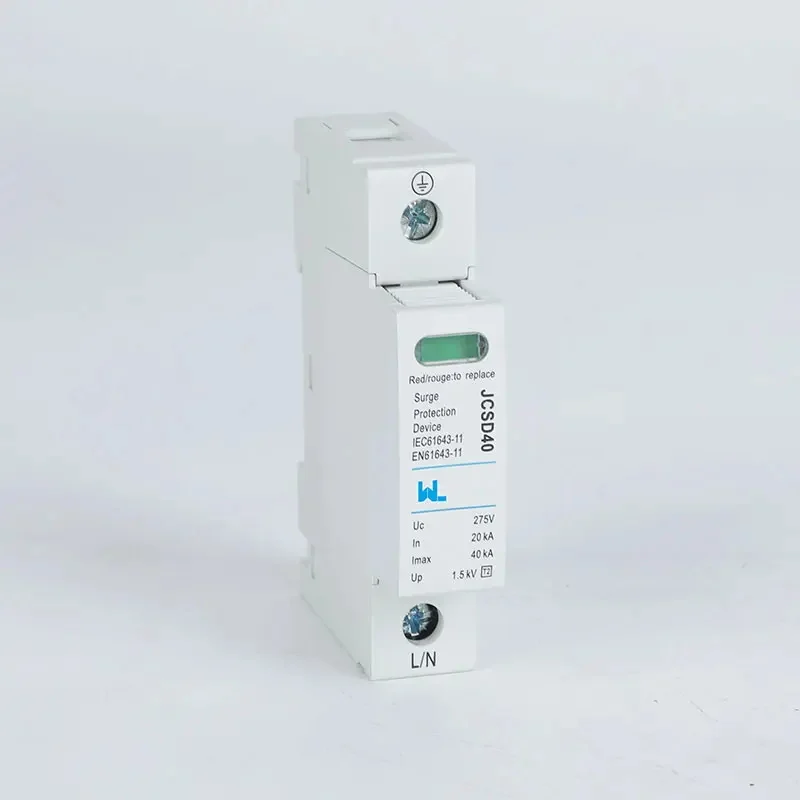















RCBO: محافظت نهایی شما در برابر خرابیهای برق
سناریوی توضیحی، نه یک مورد ثبتشده از مشتری: وقتی پریا، مهندس تأسیسات در منچستر، یک طبقه دفتر بازسازیشده را به کار انداخت، یک حلقه روشنایی ظرف چند ثانیه قطع شد. تیم دستگاه محافظ را تعویض کرد، اما هنگام وصل کردن یک منبع تغذیه کوچک، قطع مجدد رخ داد. پس از ردیابی سیم خنثی، اندازهگیری نشت جریان و بررسی موج برق بالقوه فرضیه را معکوس کرد: دستگاه تنها ناقص نبود؛ بلکه مدار بدون تطبیق رفتار جریان باقیمانده، عملکرد جریان بیشازحد و مسیردهی سیم خنثی طراحی شده بود.
خلاصه: RCBO (قطارکننده جریان باقیمانده با حفاظت از بروز بار زیاد) دو عملکرد محافظتی را در یک دستگاه ترکیب میکند. باید یک مدار را به علت بار زیاد یا کوتاهم circuits و نیز به علت عدم تعادل خطرناک جریان قطع کند، اما تنها هنگامی که ترتیب قطبهای آن، نوع جریان باقیمانده، ظرفیت نامی و قابلیت قطع جریان با سیستم نصب شده منطبق باشد. IEC 61009-1 استاندارد محوری برای RCBOهای خانگی و مشابه آنهاست؛ قوانین نصب مانند IEC 60364-4-41 و مقررات سیمکشی محلی همچنان بر کل سیستم نظارت دارند. از روی دادههای طراحی اندازهگیری شده مشخصات را تعیین کنید، صحت مدل دقیق را تأیید کنید و مدار نصب شده را بهرهبرداری کنید.
برای خریداران، جاذبهی آن از نظر عملی است: هر مدار نهایی میتواند دارای حفاظت اختصاصی باشد، بنابراین یک خطای الکتریکی در پریز یا شارژر نیازی به قطع برق از تمام مدارها ندارد. عوض این موضوع این است که یک RCBO یک مجوز امنیتی جامع نیست. زمینگیری صحیح، اندازهگیری مناسب رساناها، تفکیک مدارها، مناسب بودن برای محیط و انجام تستهای مستندشده همچنان ضروری هستند.
توانمندیها و محدودیتهای محافظت RCBO
بخش جریان بیشازحد به بارگذاری مداوم و کوتاهمدتهای با جریان بالا واکنش نشان میدهد. عضو حرارتی آن با گرمای ناشی از جریان اضافی سروکار دارد، در حالی که یک عضو مغناطیسی به سرعت به خطای شدید پاسخ میدهد؛ منحنی دقیق زمان-جریان باید بر اساس بار و کابل انتخاب شود. بخش جریان باقیمانده جریان خارجشده از رساناهای فعال را با جریان بازگشتی مقایسه میکند. هر تفاوتی نشاندهنده سرازیری جریان از طریق زمین حفاظتی، یک فرد یا مسیر غیرمنتظره است و دستگاه مدار را قطع میکند.
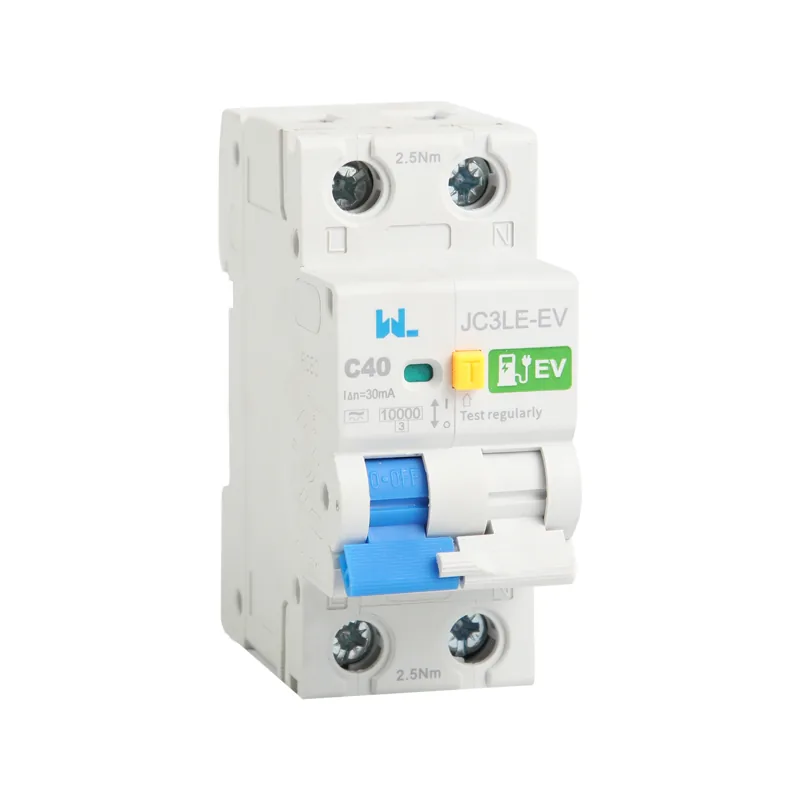
حساسیت باقیمانده معمولاً به صورت زیر بیان میشود: IΔn, مانند 30 mA برای حفاظت اضافی از کارکنان، جایی که قوانین محلی آن را الزامی میدانند. این عدد، در شرایط تست مشخص، سطح حرکت دستگاه است و تضمین نمیدهد که فرد در هر شرایط تماسی امن باشد. یک RCBO نمیتواند وجود نداشتن رسانای محافظ، تقسیم شدن خنثی، عایقبندی ضعیف یا بایپسی بهطور نادرست سیمکشیشده را اصلاح کند؛ این معایب باید یافت و اصلاح شوند.
انتخاب نوع جریان باقیمانده
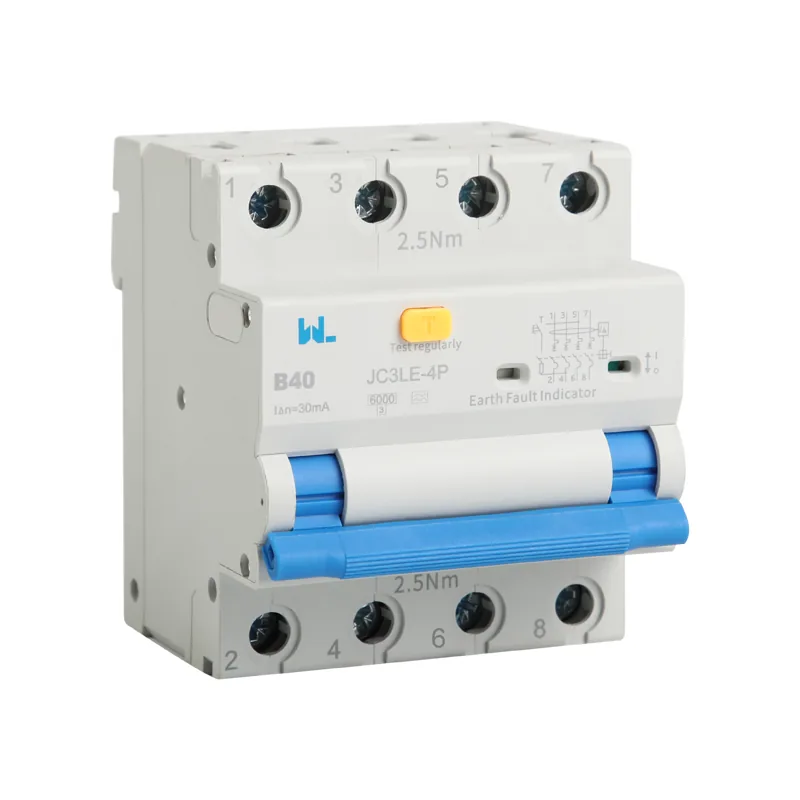
دستگاههای نوع AC به جریان باقیمانده متناوب سینوسی پاسخ میدهند. نوع A حساسیت نسبت به جریان مستمر پالسی را اضافه میکند و در مدارهایی که بارهای الکترونیکی مدرن دارند، متداول است. نوع F عملکرد را برای برخی تجهیزات یکفاز با سرعت قابل تنظیم گسترش میدهد، در حالی که نوع B برای جریانهای متناوب، جریان مستمر پالسی و اجزای جریان مستمر هموار در محدوده تعیینشده خود طراحی شده است. انتخاب بستگی به دستورالعملهای سازنده بار و استاندارد محلی نصب دارد، نه بر برچسب کلی یک توزیعکننده.
تجهیزات خودروهای برقی موضوع را نشان میدهد. یک شارژر ممکن است دستگاه تشخیص جریان باقیمانده DC mA 6 (RDC-DD) را شامل شود، که اجازه میدهد تا در حالتی که مستندات شارژر این امر را اجازه میدهد، از نوع A استفاده شود؛ در صورت عدم وجود این وظیفه، ممکن است به یک دستگاه گستردهتر نیاز باشد. IEC 62955 RDC-DDها برای شارژ در حالت 3 را پوشش میدهد، در حالی که IEC 61851-1 تجهیزات تغذیه هادی EV را پوشش میدهد. همیشه مطمئن شوید که EVSE واقعی چه چیزی را زیر نظر دارد و چگونه باید آزمایش شود.
| سوال طراحی | شواهد مورد نیاز برای جمعآوری | چرا انتخاب را تغییر میدهد |
|---|---|---|
| بار میتواند چه نوع موجی تولید کند؟ | دستورالعمل تجهیزات، دادههای جریان نشت و نوع اعلام شده RCD | نوع AC، A، F، B یا دستگاه مجاز دیگر را تعیین میکند. |
| جریان طراحی و ظرفیت کابل چقدر است؟ | جدول بارگذاری، روش رسانا، و اصلاحات محیطی و گروهبندی | مقدار جریان نامی RCBO را تنظیم میکند و از بارگذاری حرارتی جلوگیری میکند. |
| جریان اتصال کوتاه در دستگاه چقدر است؟ | Prospective short-circuit calculation or measurement | Confirms the required short-circuit breaking capacity |
| How are neutrals and phases arranged? | Single-line diagram, pole count and neutral-bar layout | Prevents nuisance trips and loss of residual-current sensing |
RCBO Rating Coordination
A rating such as 16 A, 32 A or 63 A is the device’s declared current under specified conditions; it must not exceed the cable’s corrected capacity. For a continuous load, apply the project’s derating and thermal rules rather than relying on a nominal nameplate. A B, C or D tripping curve changes magnetic response to inrush; it does not increase conductor ampacity or replace a fault study.
شکستگی ظرفیت (often marked Iسی ان or an equivalent value) describes the short-circuit current the RCBO can interrupt in the standard test sequence. Compare it with prospective fault current at the installation point and check any permitted backup or cascading arrangement. Residual selectivity also matters: upstream and downstream devices need compatible sensitivities, time delays and waveform performance so that the smallest affected circuit disconnects first.
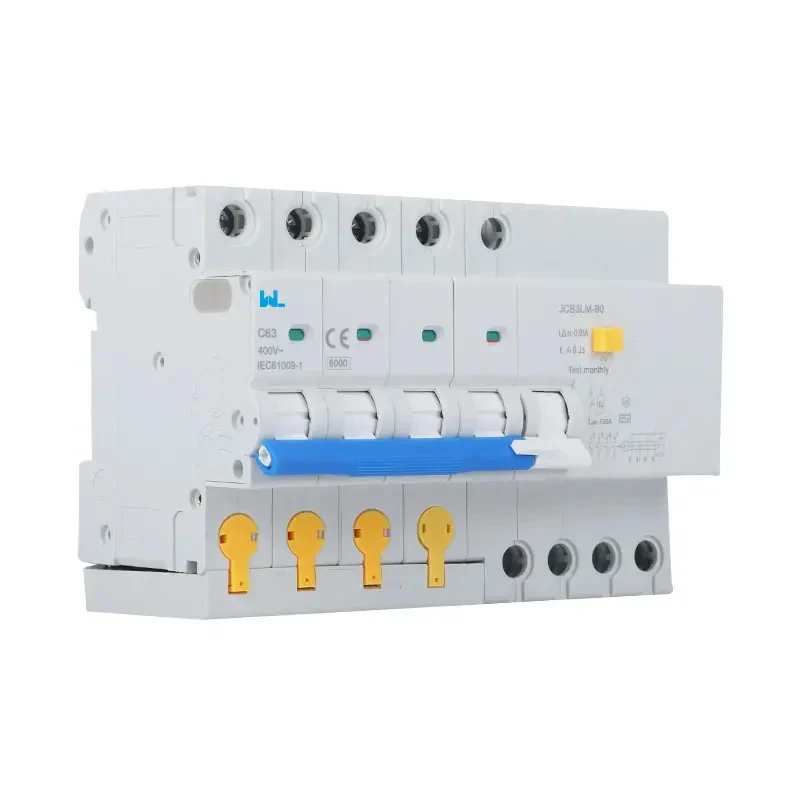
Keep every current-carrying conductor belonging to the circuit through the RCBO sensing path. A borrowed neutral, a neutral-to-earth connection downstream or a line conductor that bypasses the device can cause immediate trips or leave a circuit unprotected. For a single-phase line-and-neutral branch, a two-pole RCBO may isolate both conductors; for multi-phase systems, use the pole and neutral treatment shown in the approved design.
RCBO Commissioning Evidence
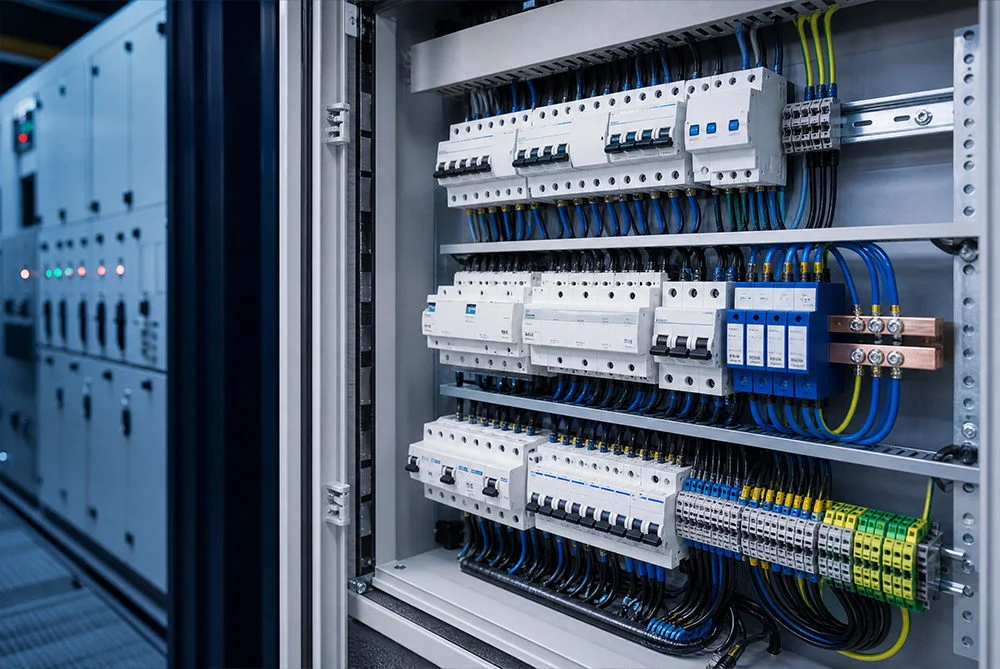
Before installation, check the DIN-rail footprint, terminal capacity, conductor preparation, torque instructions, enclosure temperature and ingress conditions. Confirm that busbars and accessories are compatible with the exact catalogue number. Label each protected circuit and leave room for safe test access; crowded boards increase maintenance time and the chance of a wiring error.
Commissioning should combine inspection with instruments appropriate to the device type. Typical checks include protective-conductor continuity, polarity, insulation resistance (with sensitive electronics isolated as instructed), earth-fault loop or prospective-fault values, residual operating current and trip time. Use a tester that supports the selected Type A, F or B waveform; the front-panel test button verifies the mechanism, not the complete installation. Record instrument identification, test mode, measured values and corrective actions.
For an RCBO that trips unexpectedly, first separate residual and overcurrent causes. Measure leakage with the load operating, inspect neutral routing and terminal tightness, and check temperature rise and inrush. Moisture, damaged cable insulation, filters in multiple devices or an unsuitable waveform can all create symptoms that a replacement device will not cure.
| صحنه | اقدام | Record for the project file |
|---|---|---|
| طراحی | Calculate design current, cable capacity, fault level and residual waveform | Load schedule, calculations and equipment manuals |
| خرید و فروش | Match poles, curve, sensitivity, breaking capacity and enclosure interface | Exact datasheet, declaration and coordination information |
| ارائه نصب | Route neutrals correctly; tighten terminals; label and photograph the board | As-built diagram, torque/inspection record and photos |
| نقل اختیار | Perform residual, insulation and fault-loop tests with suitable instruments | Signed results, tester details and maintenance interval |
Market-Specific RCBO Requirements
IEC 61009-1 specifies requirements and test methods for RCBOs for household and similar uses. It is a product standard, not an installation certificate. IEC 60364-4-41 addresses protection against electric shock, and IEC 60364-5-53 covers selection and erection of switching and protective devices; national adoptions may add rules for specific locations. For EV circuits, IEC 60364-7-722 and IEC 61851-1 add application requirements, while IEC 62955 addresses RDC-DD performance.
North American projects follow a different route; UL 943 covers ground-fault circuit-interrupter products and UL 2231-1/-2 address personnel-protection systems for EV supply circuits. A CE, UL, TÜV or other mark is meaningful only when the certificate scope, model and destination market match the supplied device. Unsupported certification claims can delay approvals, trigger rework or expose an OEM to contractual and regulatory risk.
How W9 can support a documented specification
Zhejiang W9 Group Technology Co., Ltd., established in 2020, describes a low-voltage protection portfolio that includes MCBs, RCCB/RCDs, RCBOs, MCCBs, SPDs and AFDDs, with OEM/ODM and testing support. For a sourcing programme, treat that capability as a starting point: provide the single-line diagram, target market, load data and required standard, then request model-specific drawings, declarations and test records. The JC3LE فهرست RCBO الکترومغناطیسی چهار قطبی can be reviewed as a reference, not as a universal approval.
سوالات متداول
Is an RCBO better than an MCB and RCCB combination?
An RCBO combines both functions per circuit and can reduce the impact of a single final-circuit fault. An MCB plus RCCB may still suit a board’s space, selectivity or maintenance strategy. Compare total coordination, neutral arrangement and evidence rather than assuming one topology is always superior.
What causes an RCBO to trip when no appliance appears faulty?
Common causes include cumulative filter leakage, a shared neutral, moisture, insulation damage, inrush or an unsuitable نوع جریان باقیمانده. Measure the circuit under operating conditions and inspect wiring before changing the device. A competent person should isolate dangerous faults.
Does a 30 mA RCBO protect against every electric shock?
No. A 30 mA sensitivity is an additional protection measure under defined test conditions. It cannot compensate for direct contact, missing earthing, incorrect wiring or delayed operation outside the device scope. Follow the applicable installation standard and safe-isolation procedures.
How do I select RCBO breaking capacity?
Determine prospective شارژ جریان کوتاه at the RCBO terminals and select a device whose declared breaking capacity meets that duty, including any approved backup arrangement. Do not use a high kA label as a substitute for calculation or coordination data.
Which tests should be recorded at handover?
Record visual inspection, protective-conductor continuity, polarity, permitted insulation tests, loop or prospective-fault values, residual trip current and trip time. Use waveform-appropriate instruments and include the tester ID, settings and remedial actions. Repeat tests after alterations.
منابع
- IEC 61009-1:2024 — الزامات کلی برای RCBO.
- IET — چه نوع رادیاتور را انتخاب کنم؟.
- IEC 60364-6:2016 – تأیید نصب.
The dependable rule is simple: match the current path, fault level, waveform and test evidence as one protection system. When your project needs an RCBO schedule or OEM review, explore W9’s product catalogue و با تیم مربوطه در خصوص دادههای مدار و الزامات بازار مقصد تماس بگیرید.
برای انتخاب بر اساس سطح مدار،, تماس با گروه W9 با برنامه ريزي مدار، شکل موج بار، تنظيم زمينگيري و قوانين نصب قابل اجرا.