





































فرکانس متحرک برابری با قطع کنندههای الکترونیکی
دو قیمتگذاری ممکن است هر دو جریان قطع یکسانی را ارائه دهند، ولی هنوز هم حفاظت بسیار متفاوتی توصیف کنند. یکی ممکن است تنها یک اضافه بار ساده و رهاکننده مغناطیسی داشته باشد؛ در حالی که دیگری ممکن است چندین تاخیر قابل تنظیم و عملکردهای اضافی ارائه دهد. خرید گزینه پیچیدهتر بدون وجود یک طرح تنظیمات، میتواند کار را افزایش دهد بدون اینکه مشکل واقعی خط تغذیه را حل کند.
پاسخ سریع: ال سیم بلند حرارتی-مغناطیسی در برابر سیم بلند الکترونیکی تصمیمگیری بستگی به وظایف حفاظتی مورد نیاز، هماهنگی و پشتیبانی عملیاتی دارد. یک رهاکننده حرارتی-مغناطیسی میتواند برای یک خط تغذیهای با تنظیمات نسبتاً ساده مناسب باشد. یک رهاکننده الکترونیکی میتواند حفاظت انعطافپذیرتری ارائه دهد، اما نوع نصبشده تعیینکننده آن است که چه قابلیتهایی در دسترس است. هیچیک از این دو نوع رهاکننده به تنهایی ظرفیت قطع جریان، گواهینامه محصول یا انتخابپذیری را تأمین نمیکند. دو گزینه را در یک ولتاژ، شرایط خطا و وضعیت بار مشابه مقایسه کنید، سپس هزینه راهاندازی و نگهداری تنظیمات آنها را نیز در نظر بگیرید.
وقتی واحد سفر الکترونیکی است، چه چیزی تغییر میکند؟
یک رهاکننده حرارتی-مغناطیسی عملیات بارگذاری اضافه را از گرمایش و جریانهای بالا را از فعالسازی مغناطیسی استخراج میکند. یک واحد تریپ الکترونیکی جریان را اندازهگیری میکند، تنظیمات محافظتی خود را ارزیابی میکند و به مکانیزم قطعکننده دستور باز شدن میدهد. در هر دو حالت، کل قطعکننده باید عیب را در حدود مشخصات اعلامشده خود قطع کند.
واحدهای الکترونیکی ممکن است توابع جریان بیشرفت زماندار، زمانکوتاه، لحظهای یا حفاظت از اتصال به زمین را ارائه دهند. حروف آشنای L, S, I و G در صورت وجود، نشاندهنده همان توابع هستند. این حروف تضمینی نیست که تمام MCCBهای الکترونیکی شامل هر چهار نوع باشند، و حفاظت جریان بیشرفت از اتصال به زمین بهطور خودکار معادل یک RCD منصوب به حفاظت اضافی افراد نیست.
Adjustment can also exist in a thermal-magnetic release. The available overload and magnetic settings depend on the variant. A useful comparison therefore starts with the fitted function list, not a blanket statement that mechanical means fixed and electronic means adjustable. Review the basic thermal and magnetic trip principles before comparing setting schedules.
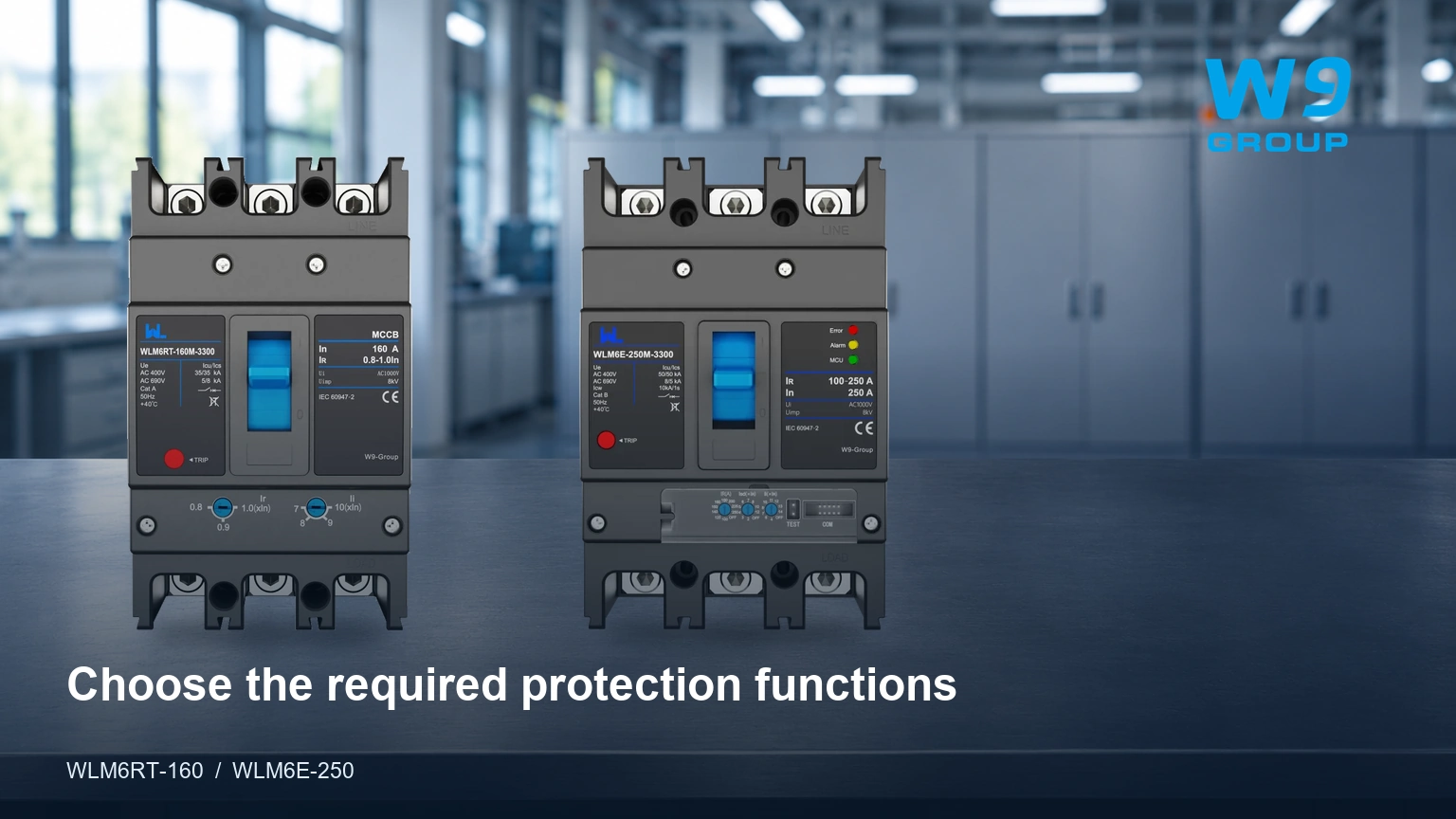
Compare trip curves under the same conditions
An electronic release may offer a more controllable response over a declared range, but a claim of better accuracy needs actual tolerance data. Compare the stated pickup tolerance, operating-time band, current reference, temperature conditions and frequency. A brochure adjective such as precise is not a replacement for these values.
For example, an overload setting expressed as a multiple of sensor rating is not necessarily the same as one expressed as a multiple of frame current. This is a calculation issue before it becomes a performance issue. In an illustrative calculation, 0.8 times a 250 A reference gives 200 A. The result is meaningful only after the manufacturer’s reference and permitted range are established.
Do not convert that arithmetic into a claim that either candidate trips immediately at 200 A. Each release operates according to its curve and defined conditions. A comparison that omits the curve band can make two devices appear equivalent when their responses to starting current or a sustained overload differ.
| Selection factor | Thermal-magnetic release | Electronic release |
|---|---|---|
| پاسخ به بارگذاری بیش از حد | Thermal operating characteristic | Electronic long-time function when provided |
| High-current response | Magnetic pickup characteristic | Instantaneous or other documented functions |
| Adjustment | Fixed or adjustable by variant | Function and range depend on the trip unit |
| Diagnostics | Depends on accessories and indication | May be available; verify the actual version |
| Communications | Not implied by release type | Not implied by the electronic designation |
| شکستگی ظرفیت | Check the complete breaker at voltage | Check the complete breaker at voltage |
Choose coordination functions the project can use
Protection coordination is an arrangement-level result. An adjustable short-time delay may help an upstream device allow a downstream protective device to clear a fault, but the permissible delay also depends on equipment withstand and the fault study. Simply making the upstream device slower can create a different problem.
Use manufacturer coordination information for the exact device pair, operating voltage and settings. Time-current curves are useful in the overload and delayed regions; high-current interaction may require tested selectivity or backup data. Do not transfer a tested result between brands, frame sizes or release variants without supporting evidence.
The operating team also needs to maintain the selection. Who owns the approved settings? Can an unauthorised adjustment be detected? Will the records survive a breaker replacement? More adjustable functions create more options and more configuration to control. For a simple feeder, a well-matched thermal-magnetic curve may be easier to maintain than unused electronic functionality.
Compare installed cost and maintenance work
Price comparisons should include the breaker, accessories, engineering, commissioning and service support. An electronic unit may justify additional cost where its documented functions resolve a real coordination or diagnostic requirement. That value should be tied to an identified task rather than an invented percentage saving.
An illustrative cost review can list purchase cost plus setting-study labour plus commissioning plus planned maintenance. If one option needs a test interface or auxiliary supply for a requested function, include that requirement. The availability of a local test procedure and replacement support can matter more than a small difference in initial purchase price.
| شرایط پروژه | Useful comparison | شواهد پذیرش |
|---|---|---|
| Stable, straightforward feeder | Can the simpler curve meet the duty? | Load, cable and fault review |
| Several downstream protection stages | Which settings provide documented coordination? | Study and exact device-pair data |
| Repeated unexplained trips | Are usable event indications available? | Function list and operating procedure |
| Remote supervision | What interface and power are actually included? | Interface specification and accessory schedule |
| Limited maintenance resources | Which configuration can the team support? | Manuals, training and test arrangements |
HSE’s maintenance guidance links inspection and testing frequency to equipment, environment and previous results. It does not provide a universal maintenance interval for either release type. Apply manufacturer instructions and local requirements when defining the work.
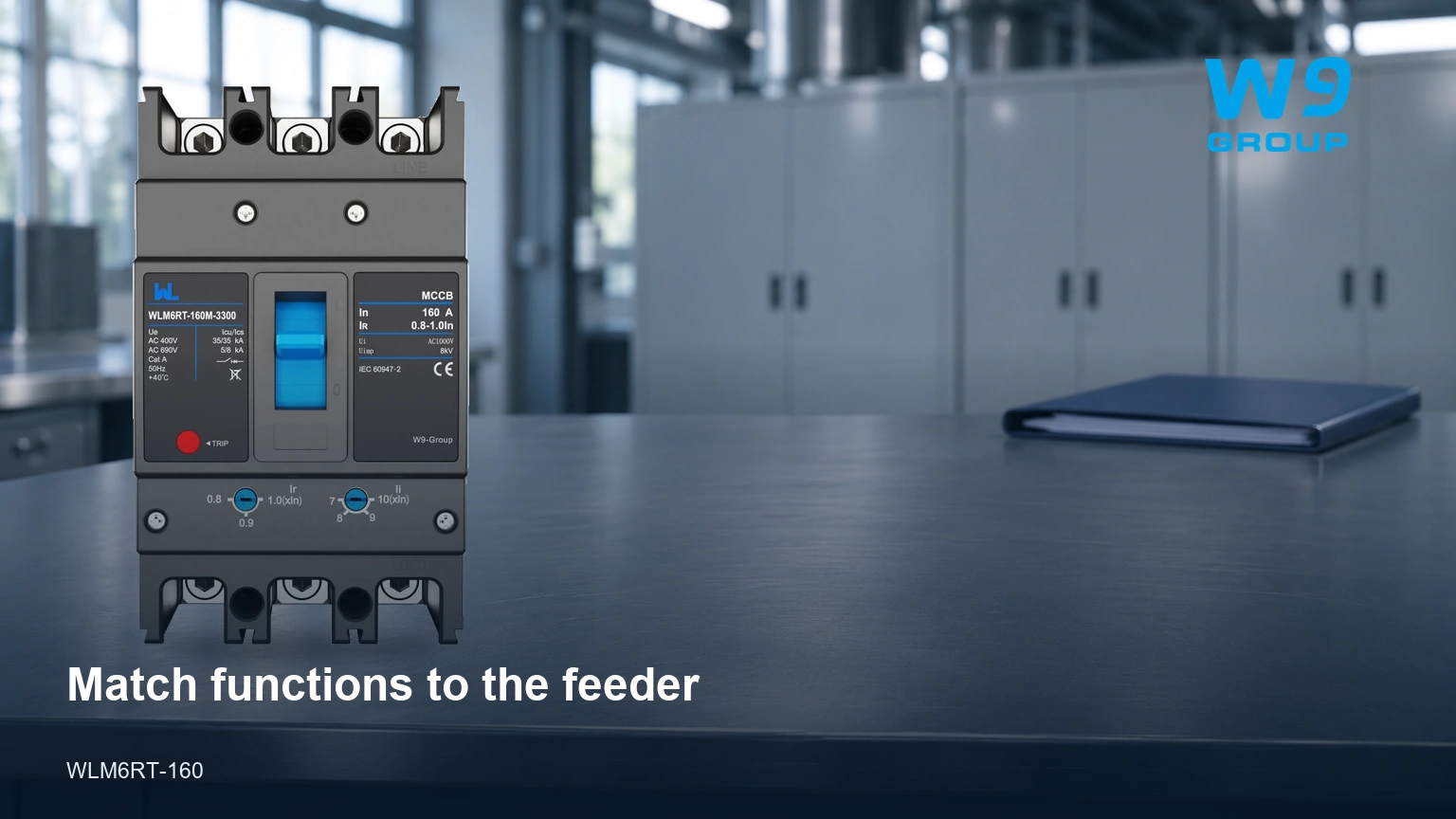
Specify the release and the complete breaker
IEC 60947-2:2024 is a circuit-breaker product standard. It does not select the trip settings for a particular installation or certify a product merely because the number appears in a description. Verify the exact model’s supporting documents, destination-market requirements and voltage-specific Icu and Ics declarations.
Put four decisions into the enquiry: the required protection functions, acceptable curve and setting ranges, the complete breaker ratings, and the commissioning evidence. W9 Group’s WLM6E electronic MCCB is an enquiry starting point; the supplied release version and any communications or ground-fault options should be identified separately.
Ask for trip-unit tolerance data where accuracy affects the design, and retain a commissioning settings record for either option. A device that meets the study when delivered can cease to meet it after an undocumented adjustment or substitution.
Thermal-Magnetic and Electronic Trip Questions
What is the difference between thermal-magnetic and electronic trips?
The first uses thermal and magnetic release mechanisms; the second evaluates sensed current electronically. Compare actual functions and response data, because the release name does not establish every feature.
Which thermal-magnetic circuit breaker is best?
The appropriate breaker is the one whose documented ratings and curve satisfy the circuit. There is no defensible universal best choice without a voltage, fault level, load profile and installation specification.
Where can I find the correct breaker manual?
Request the document matching the manufacturer, frame, release and accessories. A generic family catalogue may omit the adjustment limits or test procedure required for the installed version.
How does a thermal-magnetic release work?
Current-related heating operates the overload function and magnetic actuation provides high-current pickup. Both release the mechanism, while the complete breaker performs interruption.
What is a thermal-magnetic circuit breaker used for?
It is used for suitable distribution and equipment overcurrent duties. Additional functions such as residual-current detection or specialised motor protection require separate confirmation.
How does a thermal circuit breaker respond to an overload?
Its thermal element responds over time to heating. The actual response depends on current, initial temperature and the manufacturer’s operating characteristic.
منابع
- IEC 60947-2:2024 — محدوده کاربرد قطع کننده مدار صنعتی.
- HSE HSG85 — safe electrical working practices.
- HSE — equipment maintenance and inspection planning. Sources checked 2 November 2026.
Buy the protection functions your project can specify, commission and maintain. Review W9 Group’s رنج مدل MCCB و request a quotation with the required release functions so the two offers can be compared on the same basis.