







W9 Group at the 137th Canton Fair: Thermal-Magnetic MCCB Manufacturing for Global Buyers
When a procurement team returns from a major trade fair, the difficult work often starts after the samples are packed: a thermal-magnetic MCCB must still be matched to the system duty, documented for the destination market, and supported through production and delivery. A catalogue comparison can look convincing until a panel schedule exposes a missing pole configuration, an unclear breaking-capacity declaration, or a test document that does not cover the ordered variant. The practical lesson is that supplier selection is a specification and evidence exercise, not a popularity contest.
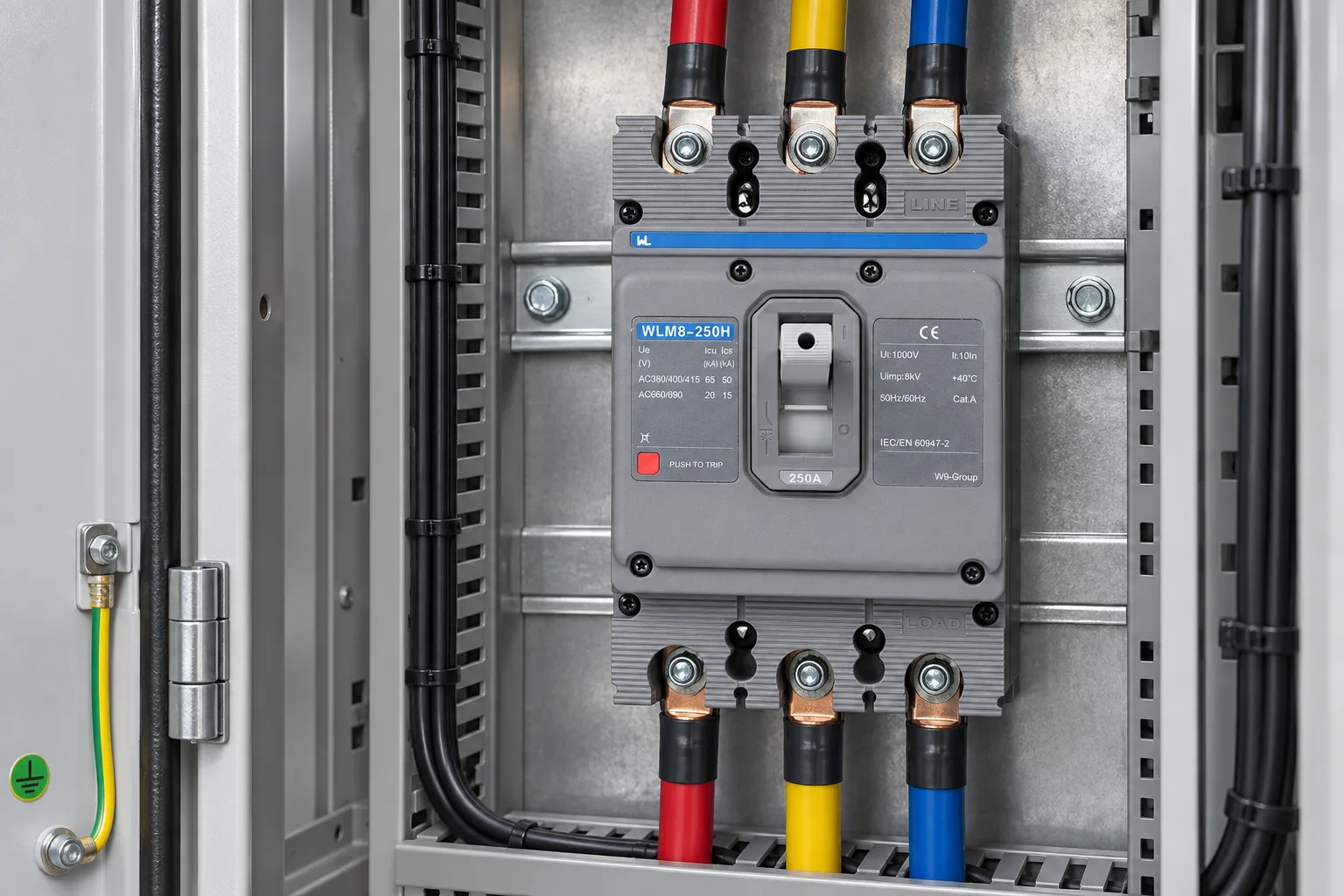
Resumen: The 137th Canton Fair was held in Guangzhou in April 2025 in three phases, creating a useful meeting point for international electrical buyers, but the fair itself does not establish a supplier ranking or product certification. For a thermal-magnetic MCCB, buyers should compare the intended current and voltage, poles, short-circuit duty, trip adjustment, enclosure and accessory requirements, then request model-specific drawings, test evidence, declarations and delivery terms. IEC 60947-2 defines the scope and requirements for low-voltage circuit-breakers; it is not, by itself, proof that a particular product is certified. Zhejiang W9 Group Technology Co., Ltd., established in 2020, combines manufacturing and trade and can discuss product development, testing, OEM/ODM and documentation checks for a target market.
Thermal-Magnetic MCCB Sourcing at the Canton Fair
The Canton Fair, officially the China Import and Export Fair, is organized in phases so buyers can focus on relevant supply categories. Its official English site records the fair’s public background and event information. For an MCCB sourcing team, a fair conversation is valuable because engineers, purchasing staff and suppliers can clarify the same specification in one discussion: where the breaker will be installed, how the load behaves, what the panel builder needs, and which documents the importer must retain.
That value should be described accurately. This article treats W9 Group’s presence in a public fair and exhibition-communication context; it does not claim an independently verified booth number, signed customer agreement, on-site order, or attendance statistic. The relevant news angle is the opportunity to connect a manufacturing-and-trade supplier with buyers who need evidence before they approve a thermal-magnetic MCCB for a project.
Thermal-Magnetic MCCB Comparison Criteria
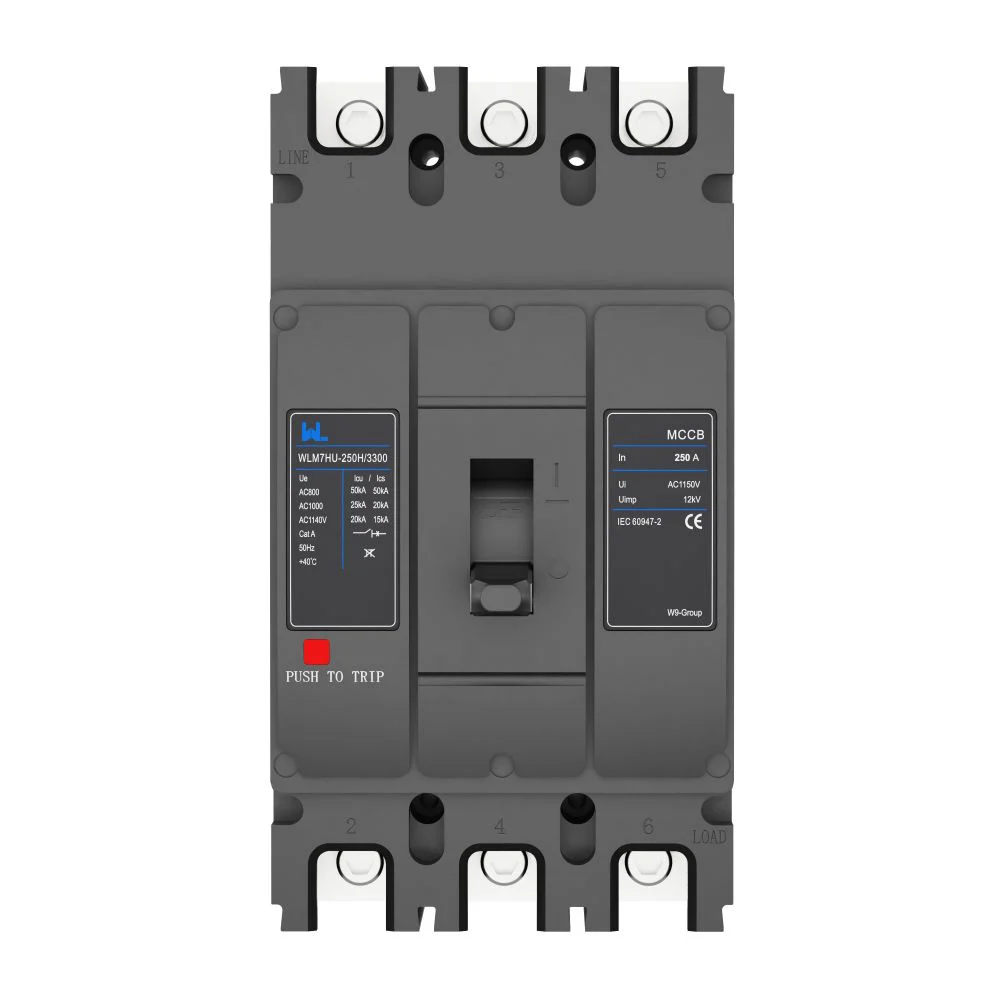
A thermal-magnetic MCCB combines two trip principles. The thermal element responds to sustained overload conditions with a time delay, while the magnetic element responds rapidly to high fault current. The exact response, adjustment range and coordination behavior belong to the specified model and its technical file; they should not be inferred from the words “thermal-magnetic” alone.
Start with the electrical duty. Record the system’s rated operational voltage, frequency, prospective short-circuit current, continuous load current and number of poles. Then check whether the requested frame and trip range can cover the design current without defeating discrimination with upstream or downstream devices. A 3-pole breaker for a three-phase feeder is not automatically interchangeable with a 4-pole version where neutral switching or the installation rule requires a different arrangement.
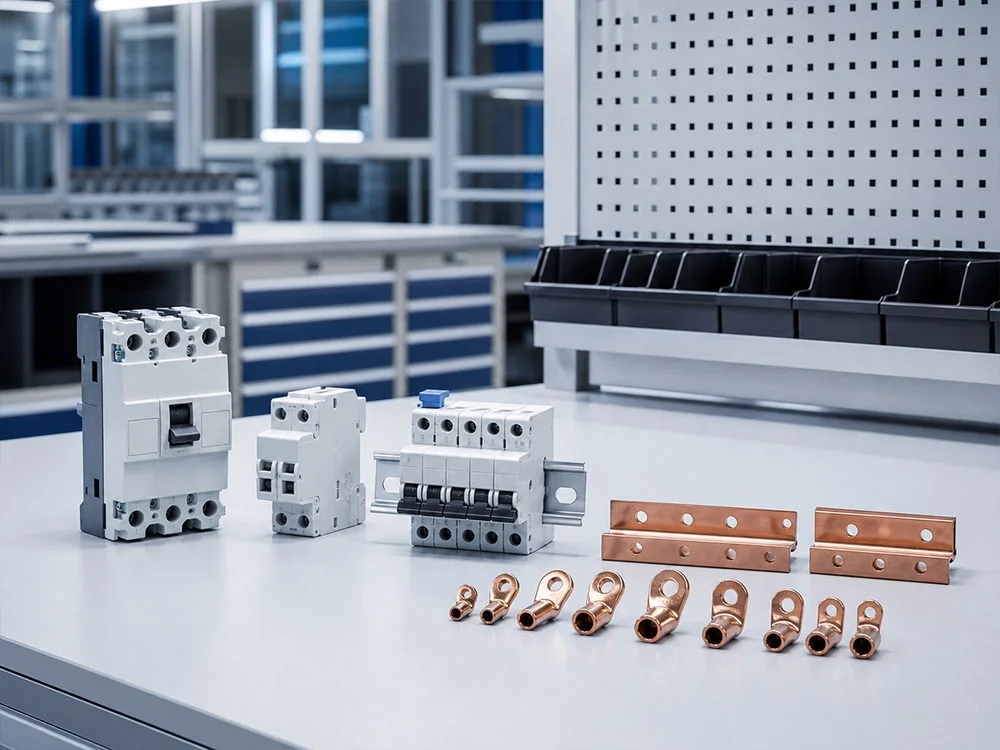
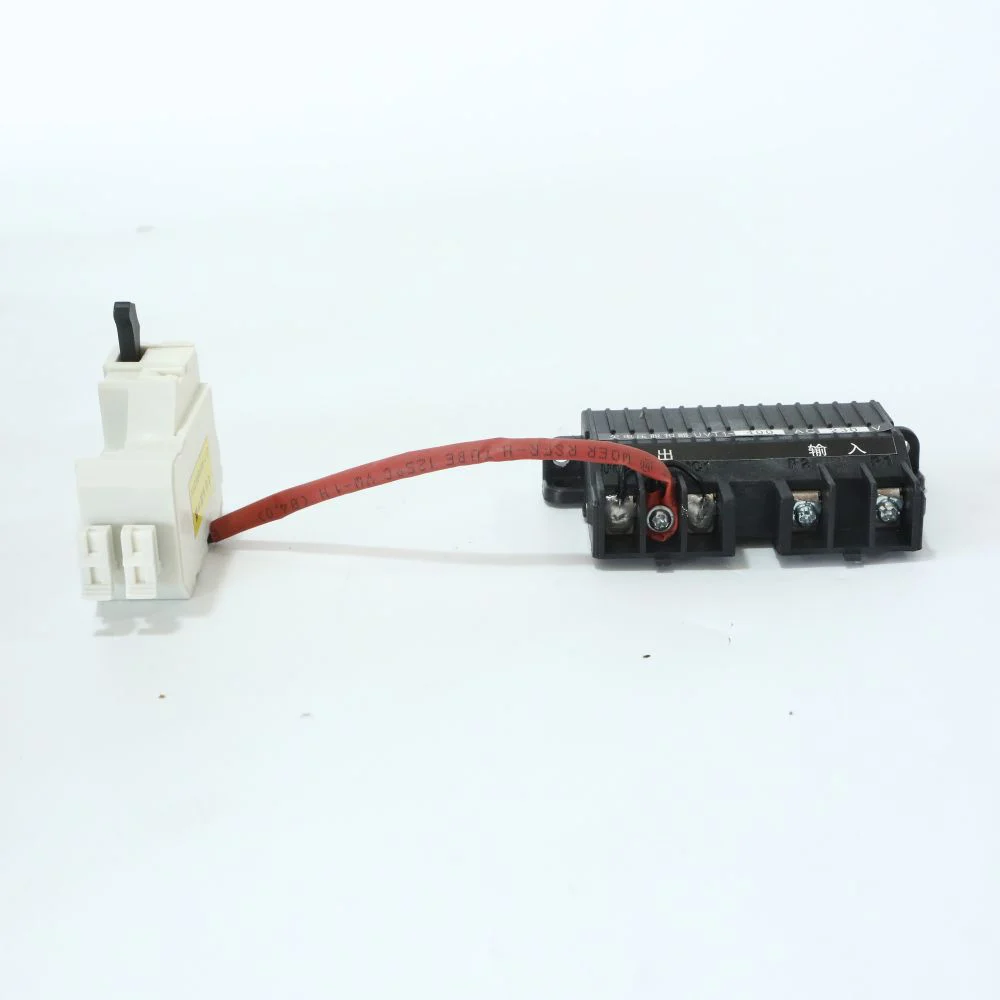
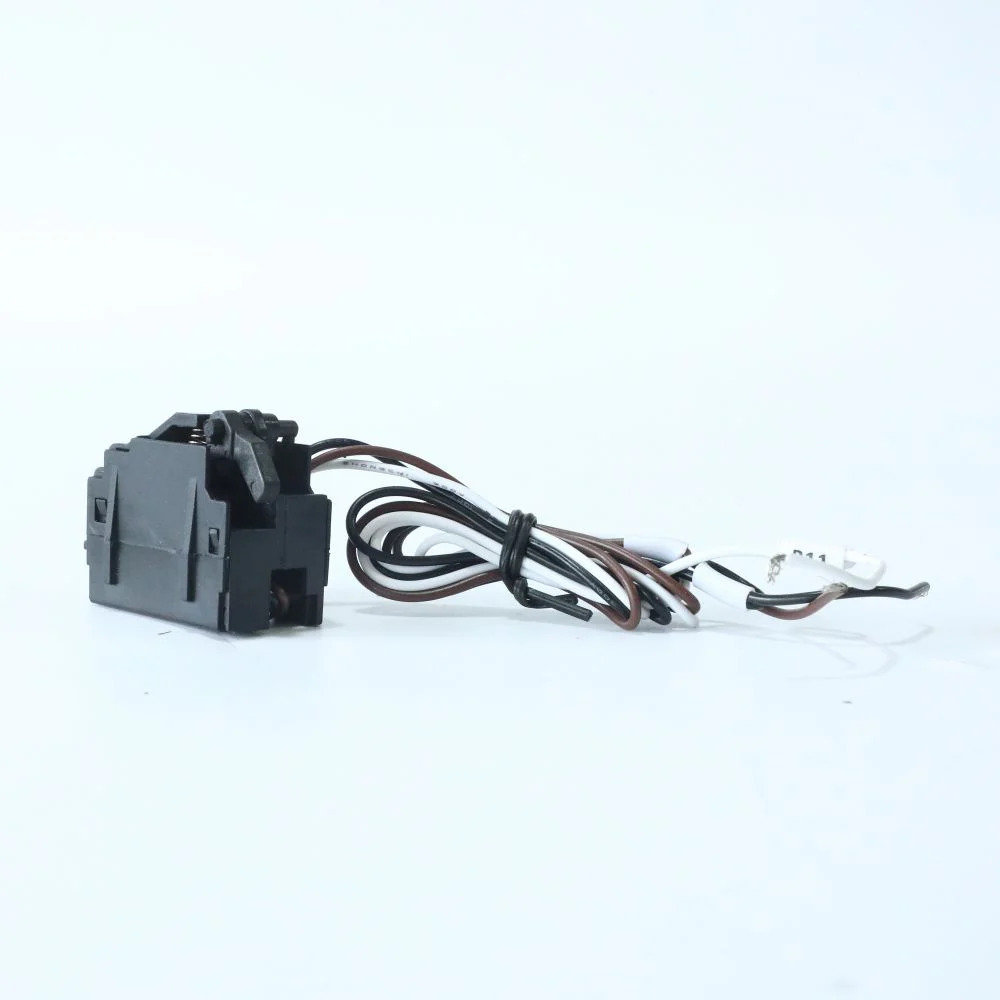
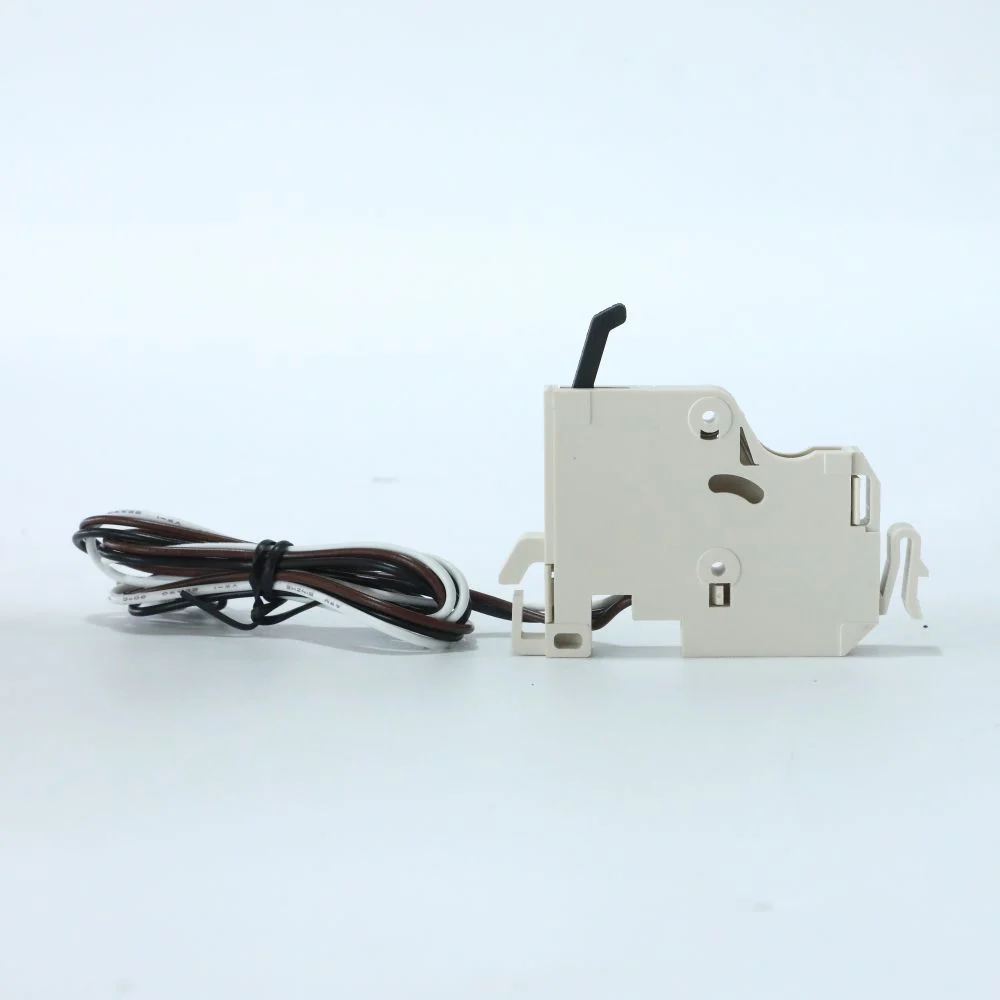
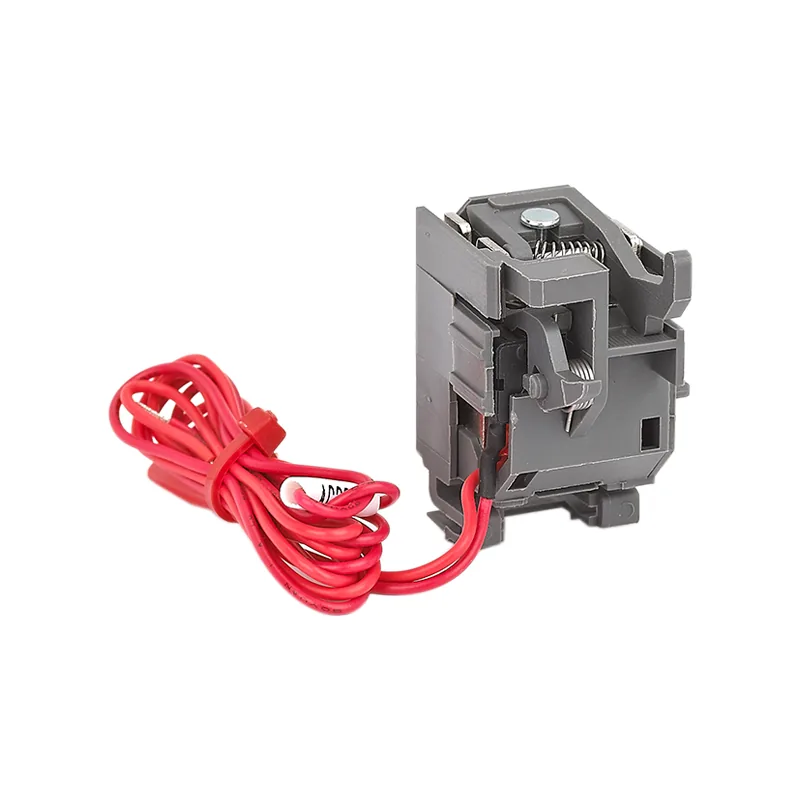
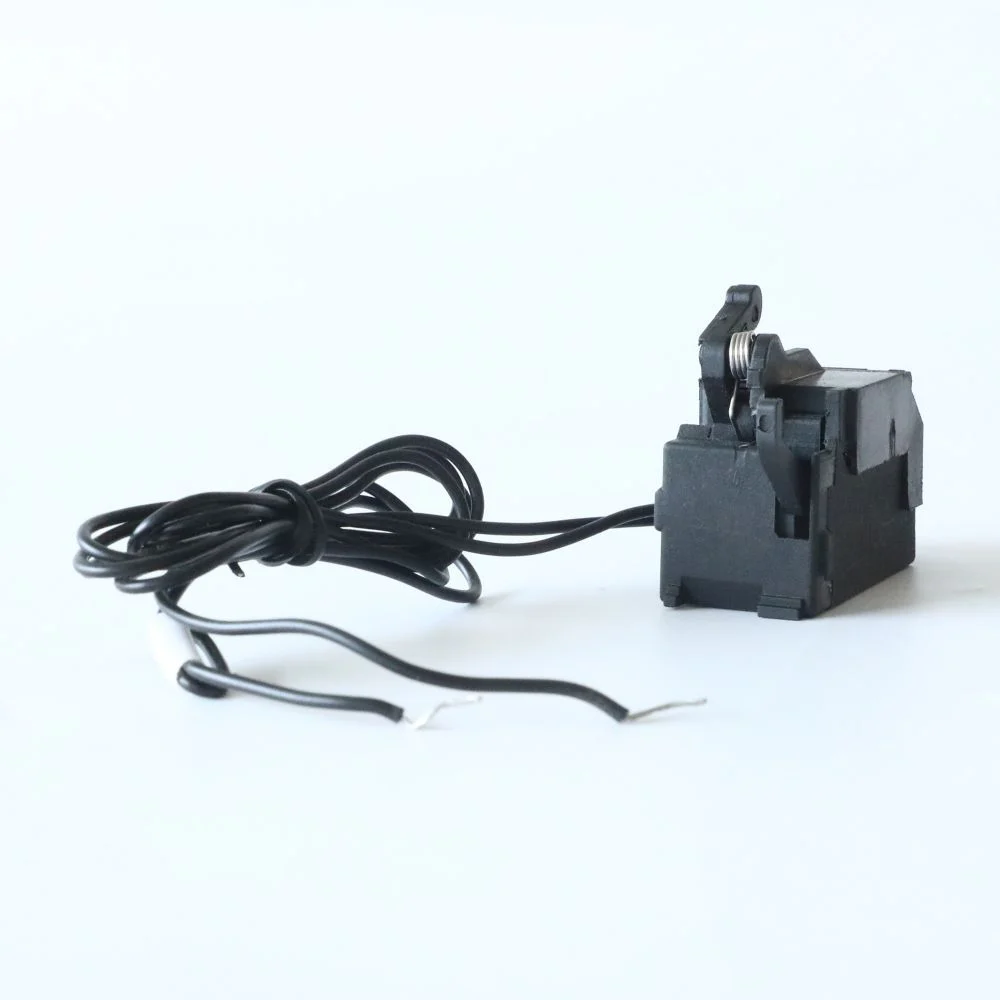
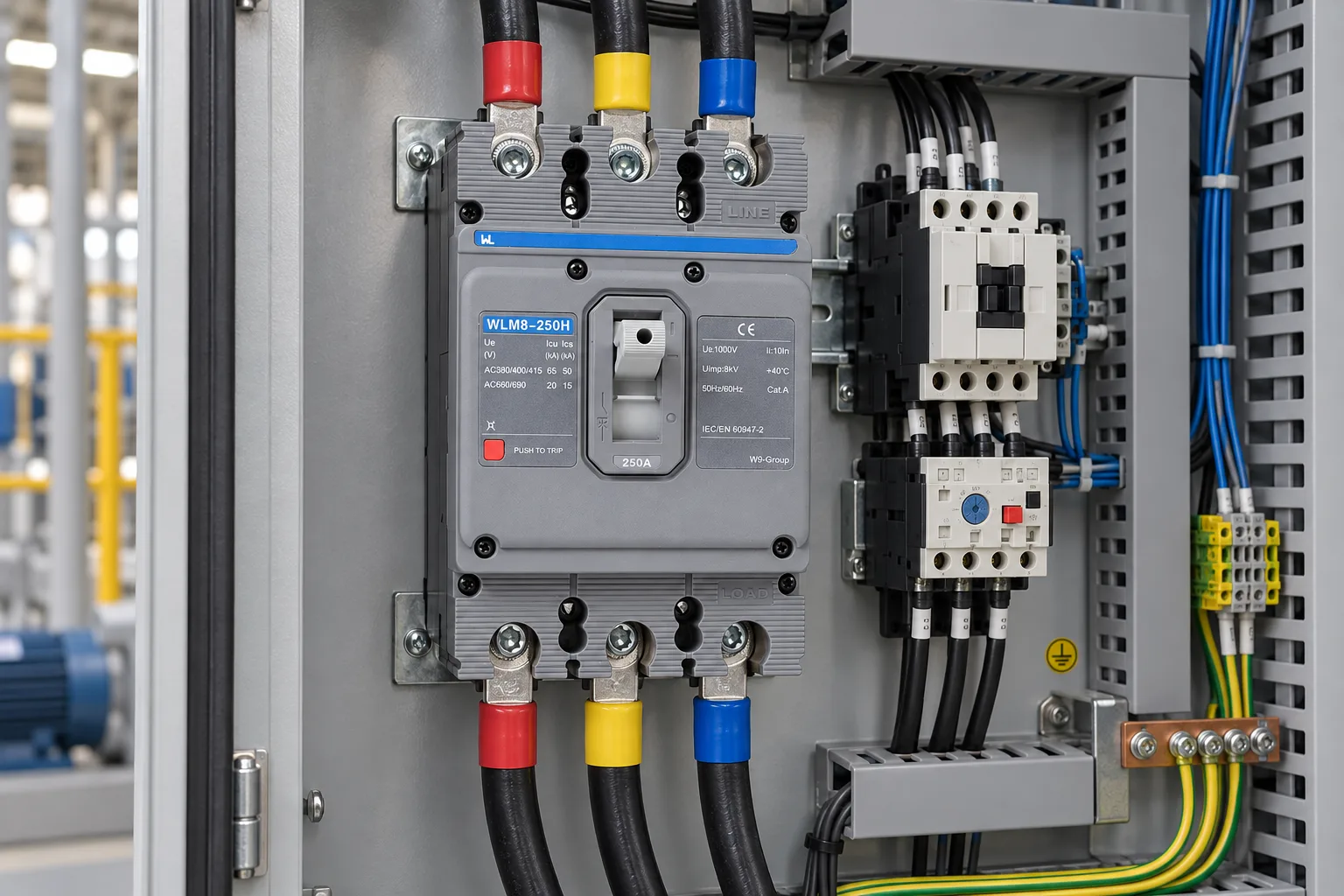
Next, define the physical and project interface. Panel builders may need fixed mounting, terminal orientation, auxiliary contacts, alarm contacts, shunt release, undervoltage release, padlocking or a particular front-panel format. Ask for dimensional drawings, terminal details, tightening instructions and accessory compatibility for the exact catalogue code. These documents are more useful than a generic product photograph when the breaker must fit a certified assembly or an existing panel layout.
Finally, ask how the supplier validates production. Useful evidence can include routine test records, type-test references, inspection plans, aging-test descriptions, calibration controls and a clear revision history. A supplier may have a broad product catalogue, but the buyer still needs to know which checks apply to the ordered MCCB and which are only general company capabilities.
Evidence-Based Supplier Comparison
The table below is a procurement checklist, not a league table. “Supplier” can mean any factory, trading company or integrated manufacturer under review; the evidence column is the item a buyer should request before treating a statement as verified.
| Comparison dimension | Question for every supplier | Evidencia para retener |
|---|---|---|
| Product fit | Does the exact MCCB code cover current, voltage, poles and fault duty? | Datasheet, nameplate layout and selection schedule |
| Trip behavior | Are thermal and magnetic settings fixed or adjustable, and how are they identified? | Trip-unit description, curves or test reference |
| Manufacturing control | Which inspections and performance checks are applied to the shipped variant? | Inspection plan, routine-test record and traceability approach |
| Customization | Can enclosure labels, packaging, appearance or a series be adapted without changing the approved scope? | OEM/ODM change list, artwork approval and sample sign-off |
| Commercial support | Who owns document revisions, production communication and after-sales escalation? | Quotation assumptions, delivery terms and support contacts |
Post-Fair Procurement Documentation
A productive meeting ends with a controlled information pack rather than a stack of unlabelled brochures. Record the application, the target market, the exact product family, the open technical questions and the person responsible for each answer. Keep samples, drawings, declarations and quotations tied to a revision or date so a later purchase order cannot silently switch to a similar-looking model.
| Communication dimension | What to discuss at the fair or follow-up call | Buyer output |
|---|---|---|
| Solicitud | Feeder, motor, generator, photovoltaic, building or industrial distribution duty; environment and enclosure constraints | One-page duty statement and load assumptions |
| Technical documents | Ratings, poles, dimensions, accessories, trip settings, test methods and document language | Model-specific document request with revision numbers |
| Customization | Appearance, packaging, labels, private series naming and development boundaries | OEM/ODM change list and approval gates |
| Quality and validation | Incoming inspection, assembly controls, routine tests, performance verification and aging tests | Inspection and release checklist |
| Delivery and after-sales | Lead-time assumptions, packing, spare accessories, complaint route and replacement evidence | Commercial assumptions and escalation record |
IEC 60947-2 Scope and Limits
IEC 60947-2 covers low-voltage circuit-breakers within the IEC 60947 family. It provides a technical framework for characteristics, service conditions, construction and verification requirements applicable to circuit-breakers. The buyer must still confirm the edition used, the product scope, the declared ratings and the test evidence for the specific model.
A standard is not the same thing as a certificate. A declaration of conformity is a manufacturer’s statement made under a defined conformity route; a third-party certificate is issued by an eligible certification body for a stated scope; an installation rule governs how equipment is selected and installed in a particular jurisdiction. The IEC conformity-assessment overview explains why these activities should be kept distinct.
For an import project, ask which requirements arise from the destination market, the panel or switchboard assembly, and the end-use environment. Request the relevant declaration, report or certificate by exact model and rating, and check whether accessories, packaging labels and translated instructions are included. Do not describe an MCCB as “certified” merely because its brochure names IEC 60947-2, and do not treat a product standard as a substitute for local installation approval.

W9 Group Sourcing Support
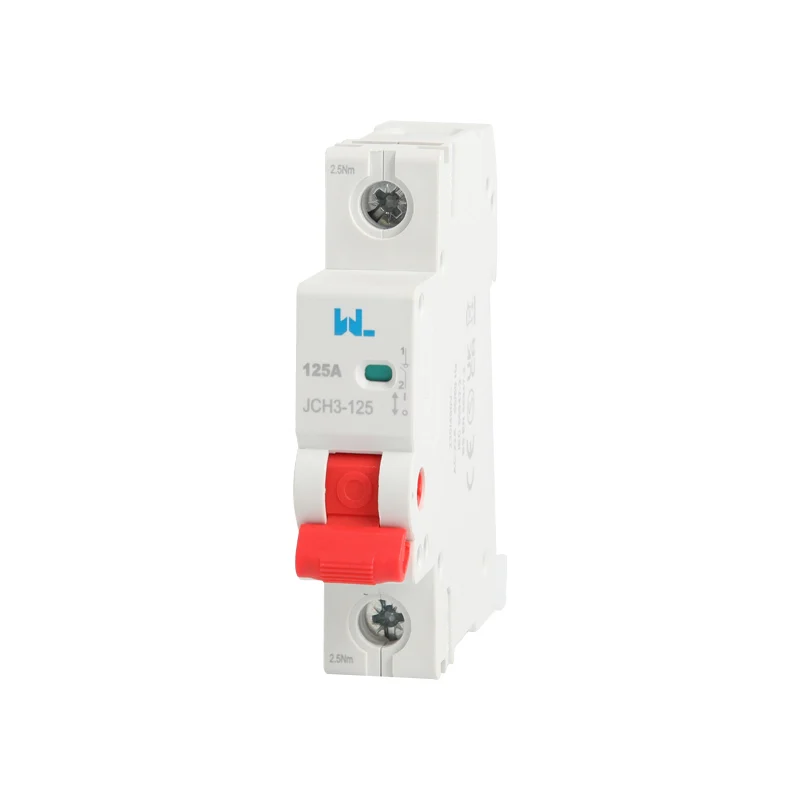
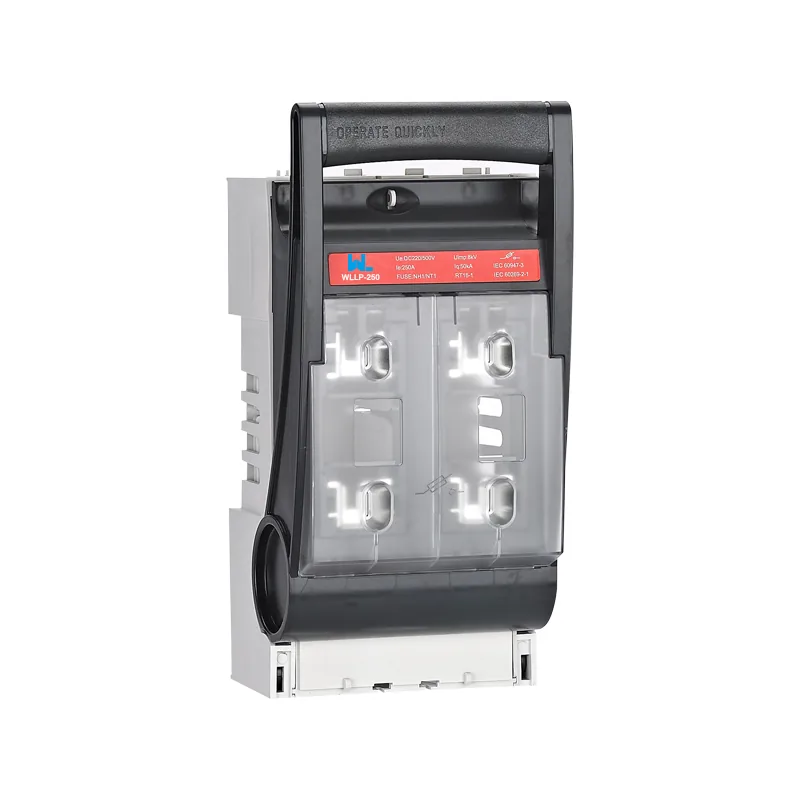
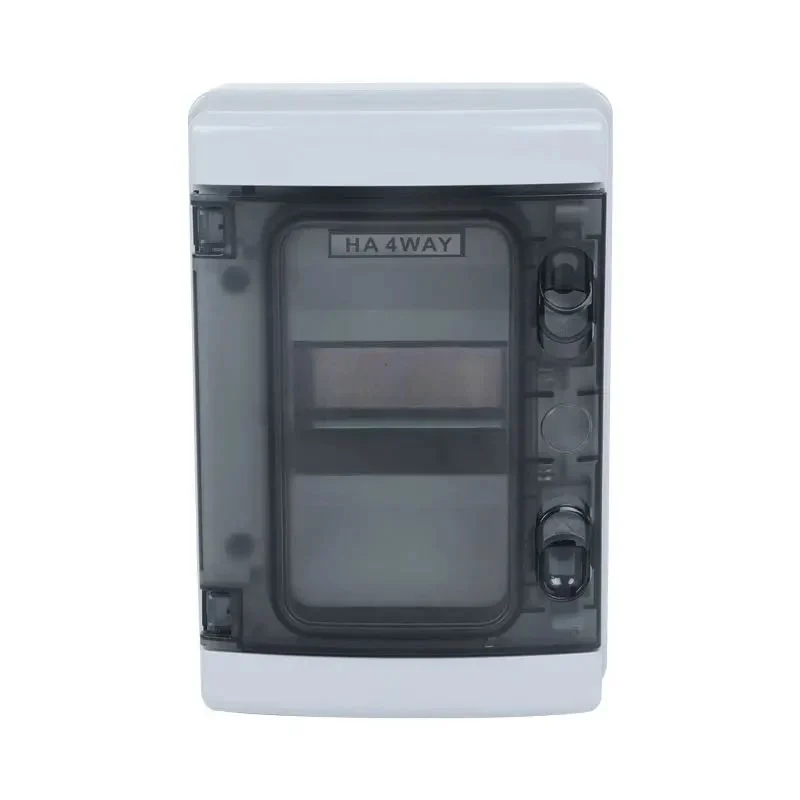
Zhejiang W9 Group Technology Co., Ltd. was established in 2020 and combines manufacturing with trade. Its published range includes MCB, RCCB, RCBO, MCCB, ACB, isolating switches, SPD, AFDD, smart MCB and RCBO, contactors, fuses, distribution boxes and related products. For a buyer comparing thermal-magnetic MCCBs, the relevant advantage is breadth around the protection system: the same sourcing discussion can cover upstream and downstream devices, accessories and panel requirements without turning that breadth into an unsupported performance claim.
W9’s public company information describes product development, production, quality control, testing and performance verification, aging tests, automated component production, and warehousing or delivery support. Those statements should be converted into buyer questions: Which test applies to this MCCB? What is inspected before release? How are component and document revisions controlled? What delivery records accompany the shipment? The answers belong in the project file.
For projects that need a private label or a market-specific variant, W9 states that it can support OEM/ODM work covering appearance, packaging, labels and series development. Buyers should define the change boundary early, approve drawings and artwork, and confirm whether the requested documentation remains valid after customization. W9 can also discuss checking documents against target-market requirements; the final responsibility remains with the importer, designer, panel builder and applicable authority.
Review the company’s manufacturing and company overview, browse the product range, and use the technical page for the WLM6RT thermal-magnetic MCCB example as a starting point for model-specific questions. The page is a product reference, not evidence that every configuration has the same ratings or certification scope.
Post-Fair Buyer Checklist
- Freeze the duty statement: current, voltage, frequency, poles, fault level, load profile and environment.
- Request the exact catalogue code, dimensional drawing, trip information, accessory list and revision-controlled datasheet.
- Separate product-standard evidence, conformity documents and installation requirements for the destination market.
- Record OEM/ODM changes and require sample, label, packaging and document approval before mass production.
- Agree inspection, release, delivery and after-sales records before issuing a purchase order.
Preguntas frecuentes
Why do buyers compare thermal-magnetic MCCBs at trade fairs?
Trade fairs allow buyers to compare product families, documentation practices and customization boundaries in one conversation. The useful outcome is a documented shortlist, not a ranking; ratings, tests and destination-market requirements still need independent review.
What should a buyer request from a Chinese MCCB supplier?
Request the exact model datasheet, ratings, dimensions, trip settings, accessory compatibility, test or inspection evidence, declaration route, packing details and revision history. Add the project duty statement and ask the supplier to identify any assumptions or exclusions in writing.
Does IEC 60947-2 prove product certification?
No. IEC 60947-2 is a product standard that defines requirements and verification scope for low-voltage circuit-breakers. Certification, a declaration of conformity and local installation approval are separate questions that must be checked for the exact model and market.
What makes W9 Group useful for OEM or ODM projects?
W9 Group combines manufacturing and trade, offers a broad low-voltage protection range, and states that it supports appearance, packaging, labels and series development. Buyers should confirm the change-control process, sample approvals, document scope and target-market requirements before production.
Can a catalogue image confirm that an MCCB will fit a panel?
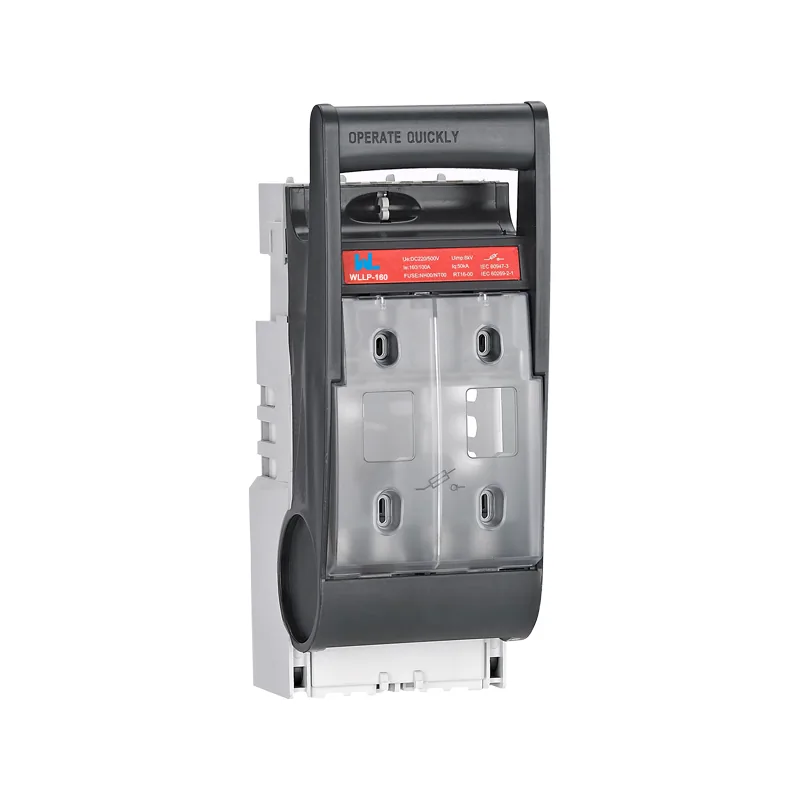
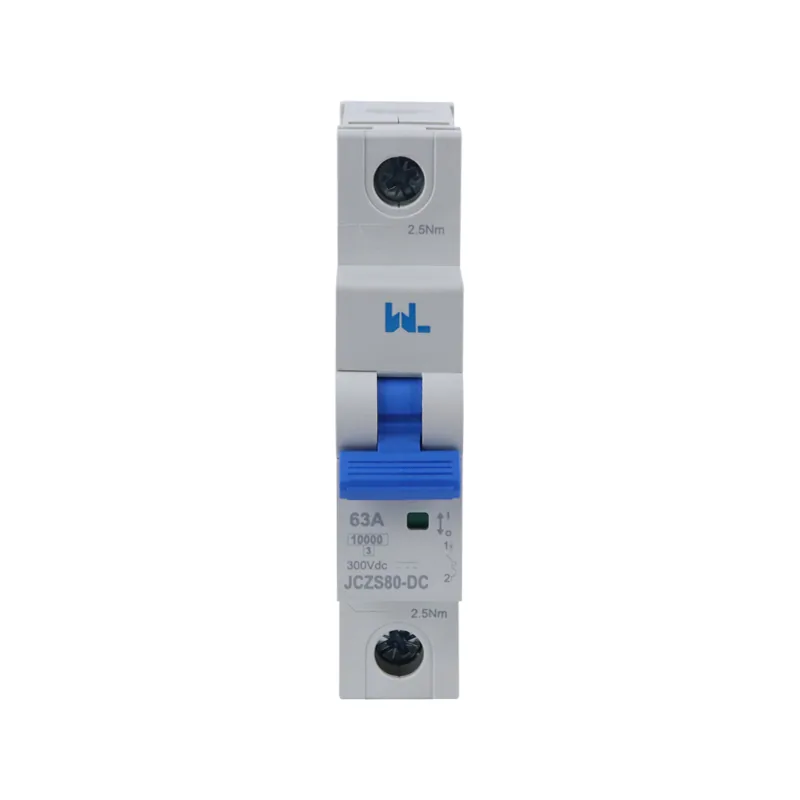
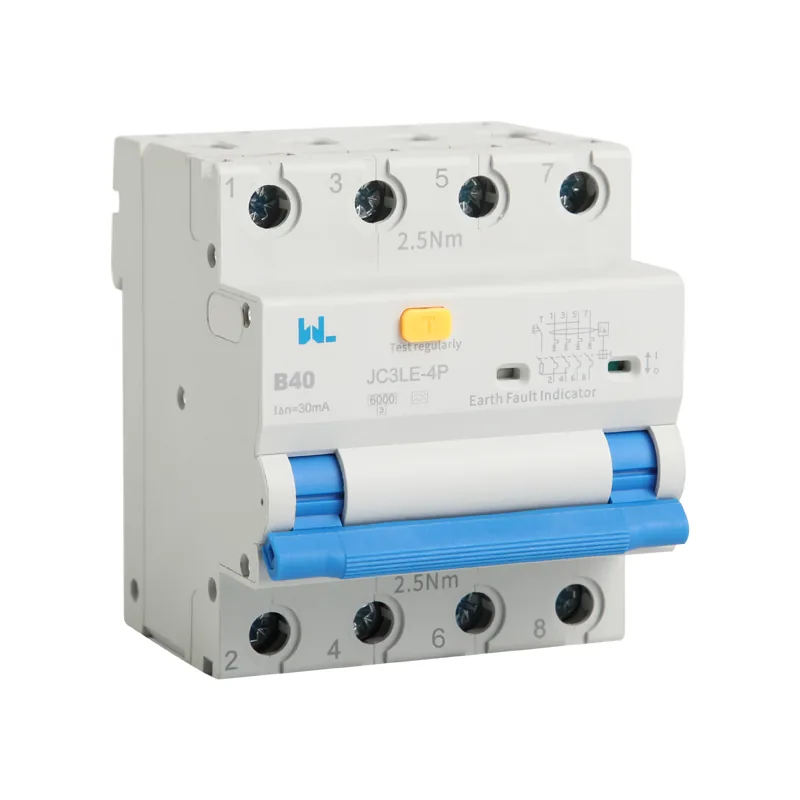
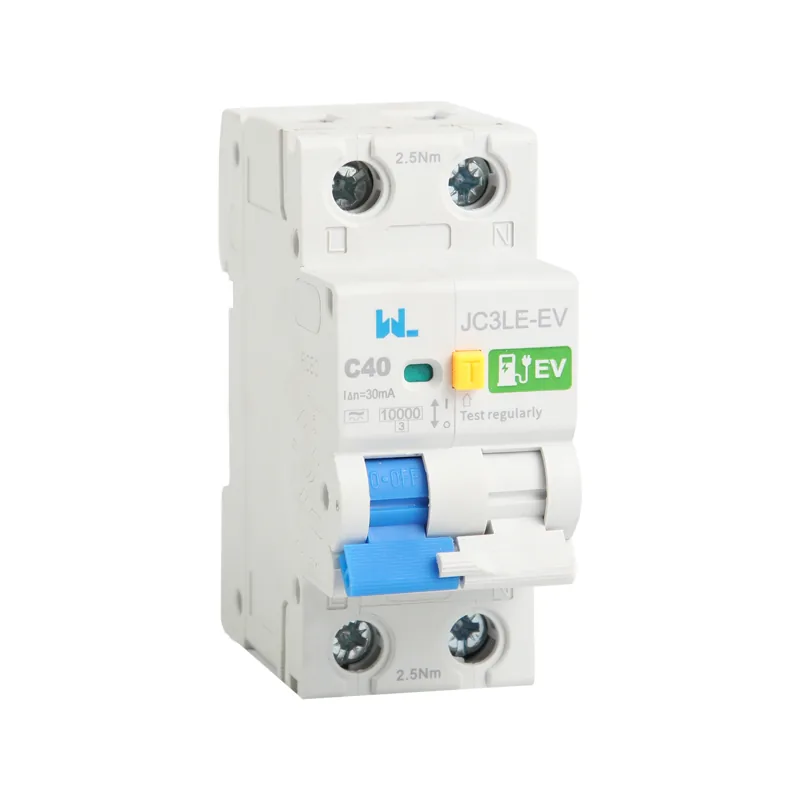
No. Fit depends on dimensions, terminal arrangement, mounting, accessories, clearances and the panel design. Use a model-specific drawing and an approved sample or interface check before releasing the assembly.
Referencias
- China Import and Export Fair (Canton Fair), official English site
- IEC 60947-2, Low-voltage switchgear and controlgear: Circuit-breakers
- International Electrotechnical Commission, conformity assessment overview
The practical post-fair principle is simple: compare evidence at the same level of detail as the purchase decision. A credible thermal-magnetic MCCB shortlist connects duty, model, test, document and delivery assumptions. For a project-specific review, contact W9 Group with the application schedule and destination-market requirements.