























¿Por qué un interruptor térmico-magnético sigue fallando?
A breaker trips, production stops and someone asks whether its setting can be increased. That request comes before the most important question: what caused the trip? An overload, a starting transient, a damaged connection and an actual short circuit require different responses. Repeated resetting can erase useful observations and expose equipment to an unresolved fault.
Quick answer: investigate thermal magnetic breaker tripping by recording when it happens, what load was operating and the condition of the installation. A delayed trip suggests a different investigation from a trip during energisation, but timing alone does not prove the cause. Compare evidence with the exact trip curve and approved settings. Arrange isolation, inspection and testing through competent personnel, following the site’s safe-working procedure and manufacturer instructions. Do not replace the breaker with a higher rating or raise pickup settings until the circuit protection has been reassessed.
Separate delayed trips from trips during starting
A thermal release responds to current-related heating over time. A trip after sustained operation may involve excessive load, high enclosure temperature, repeated starts or an installation defect that adds heat. A magnetic release operates in a high-current pickup region; a trip during starting may involve inrush, an unsuitable characteristic or a fault.
These are investigation paths, not automatic diagnoses. A fault can develop after the equipment has been running, and a thermally loaded breaker may trip soon after restarting. If the product has trip indication, record it before resetting and interpret it using the matching manual. Do not assume the handle position identifies the release cause.
Record three basic observations: the operating event, the elapsed time and the affected circuit. Then add available load readings, previous trip history and recent changes. The thermal-magnetic operating principle explains why the two response regions must be investigated differently.
Check load and heat before changing the thermal setting
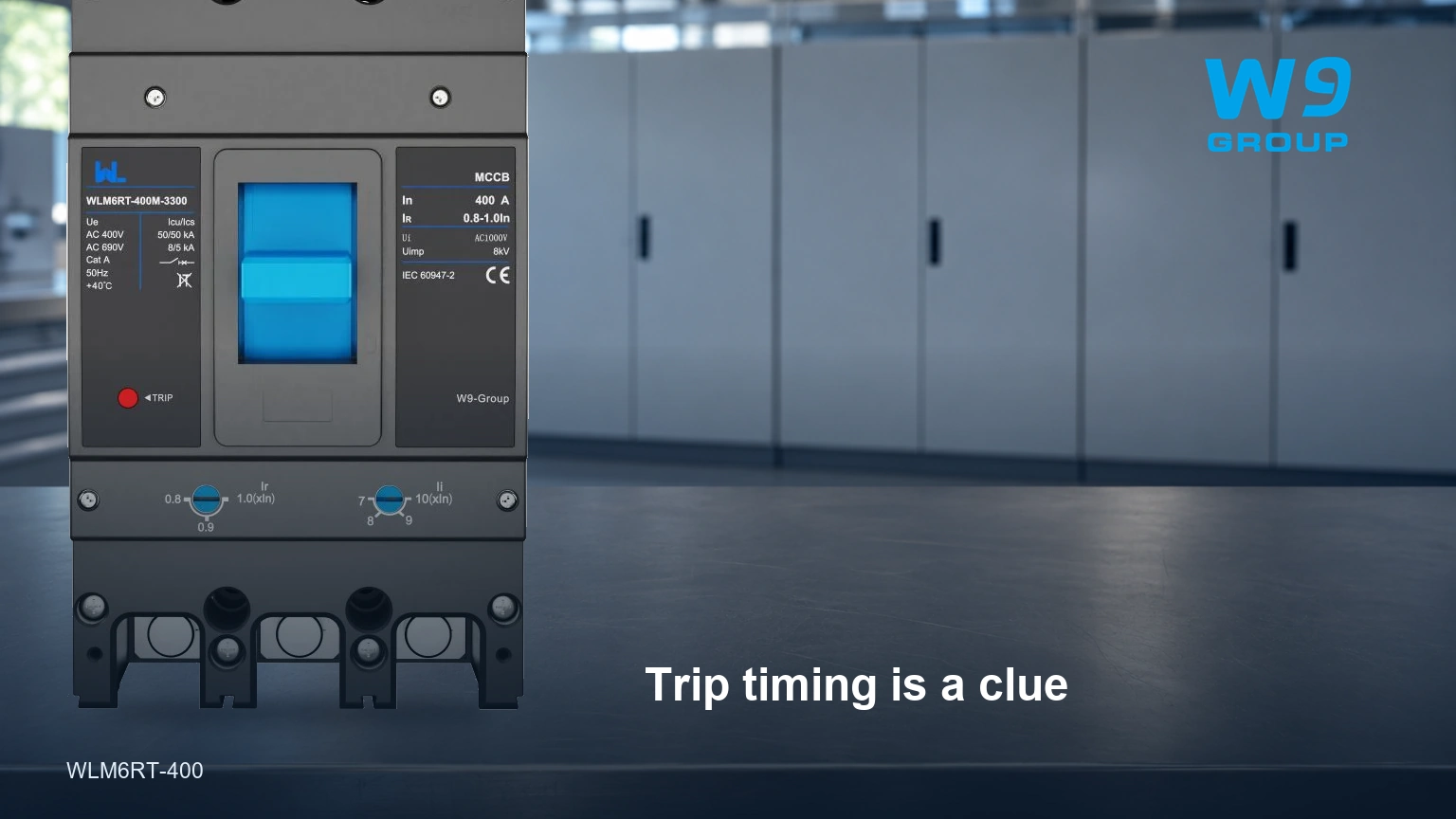
Review actual loading against the approved design and the fitted release. A load added last week, a changed process cycle or several machines starting together can explain a change in behaviour. Compare equivalent operating periods rather than a lightly loaded measurement with a heavily loaded event.
El thermal trip investigation should also consider enclosure heat, ventilation, conductor preparation and termination condition. A damaged or unsuitable connection can produce local heating without a large change in the measured overall load. Signs such as discolouration, unusual odour or visible damage require competent assessment and may justify keeping the equipment out of service.
Do not prescribe a universal terminal torque or temperature limit. Use the exact manufacturer’s terminal instructions and the site’s approved inspection method. Energised measurements require a separate competent risk assessment; this article is not a live-testing procedure. Thermal inspection findings must be interpreted with loading, access and environmental conditions recorded.
Investigate starting trips without assuming a defective breaker
Starting current is an important input, but “the motor always draws several times its rated current” is not sufficient evidence for a setting change. Starting method, mechanical load, acceleration time and supply conditions influence the current-time envelope. Obtain data for the actual equipment and compare it with the installed breaker’s curve band.
If the trip occurs when a new load is connected, stop and assess the possibility of a fault before describing it as nuisance tripping. Damaged cables, incorrect connections and equipment faults can produce a similar initial symptom. The distinction must come from inspection and appropriate tests, not from repeated attempts to close the breaker.
Check the full release suffix and its approved settings. A replacement that has the same current marking but a different magnetic characteristic may behave differently. Any proposed increase in pickup must retain adequate fault protection, including performance at the minimum relevant fault current.
| Sintoma observado | Possible causes | Evidencia útil | Action boundary |
|---|---|---|---|
| Trip after sustained operation | Overload, thermal conditions or connection defect | Load history, enclosure conditions and inspection | Do not increase the setting without review |
| Trip during starting | Starting envelope, release mismatch or fault | Equipment data and exact trip curve | Exclude a fault before treating it as inrush |
| Trip after a modification | Changed load, wiring or protection arrangement | Change records and revised circuit information | Reassess the modified design |
| Heat damage or unusual odour | Connection or equipment deterioration | Competent isolated inspection | Keep out of service pending assessment |
| Trip persists with an apparent unloaded circuit | Unrecognised connected load, fault or device issue | Verified circuit identification and tests | Do not assume an open downstream switch proves isolation |
A safe sequence for thermal-magnetic breaker diagnosis
Start by recording the event and preventing unplanned re-energisation. The authorised team then identifies all relevant supplies, establishes the safe isolation arrangements and performs the inspection or tests required by its procedure. HSE HSG85 provides guidance on electrical safe-working practices; the site and equipment instructions determine the actual work method.
Next establish whether the breaker operated within its declared characteristic and whether that characteristic suits the installation. Only then decide whether the corrective action belongs to the load, the wiring, the environment, the protection design or the breaker itself. A device can operate correctly and still be unsuitable for the application.
| Investigation stage | Record to retain | Decision supported |
|---|---|---|
| Before resetting | Event, indication and operating conditions | Which fault path to investigate |
| Identification | Complete model, release and settings | Which curve and manual apply |
| Inspection and testing | Method, conditions, results and defects | Whether repair or replacement is required |
| Protection review | Load, conductor and fault assessment | Whether a setting change is permissible |
| Return to service | Corrective action and authorisation | Controlled restoration and follow-up |
A complete trip-event record reduces repeat investigations. Include what was changed, why it was changed and who approved it. If symptoms recur, the next team should be able to distinguish a new event from an unresolved earlier defect.
Decide whether the breaker needs replacement
Replacement is appropriate when the manufacturer’s criteria or competent assessment require it. A sealed MCCB should not be opened, recalibrated or lubricated using an improvised field procedure. After a significant fault interruption, consult the manufacturer’s examination and replacement guidance before assuming the device remains suitable.
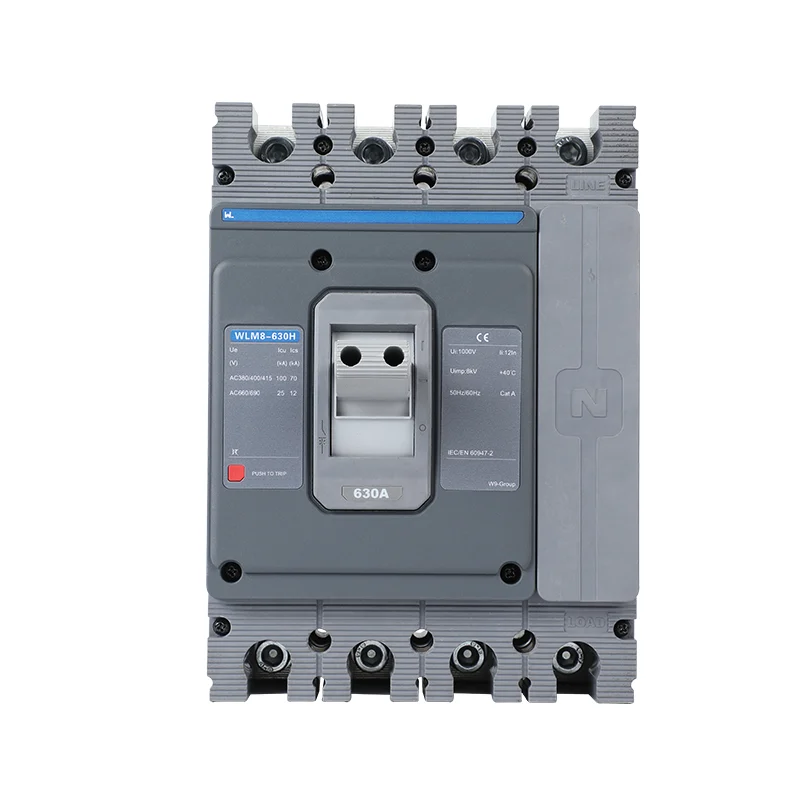
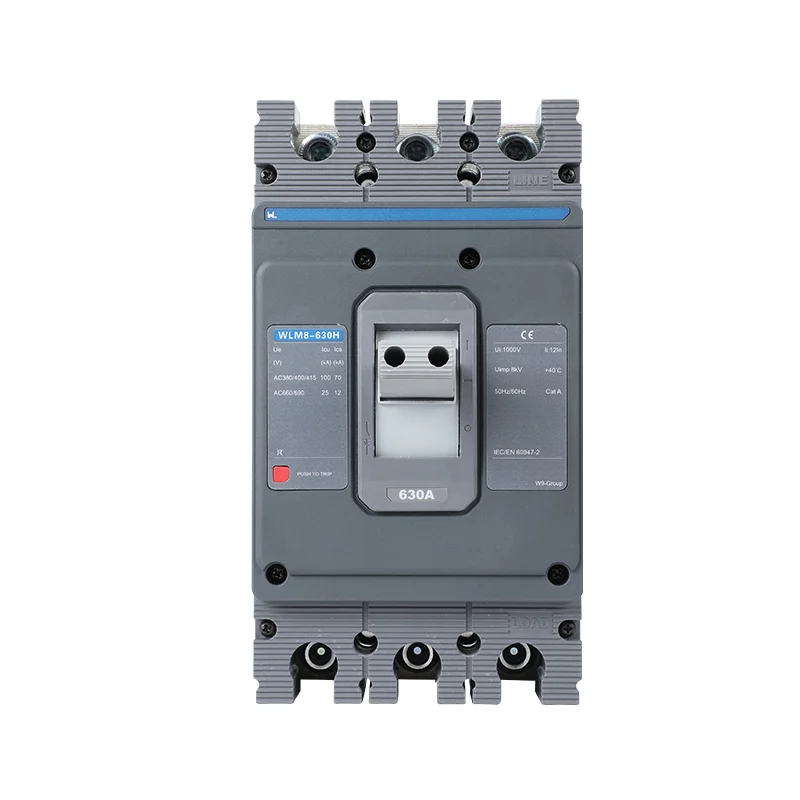
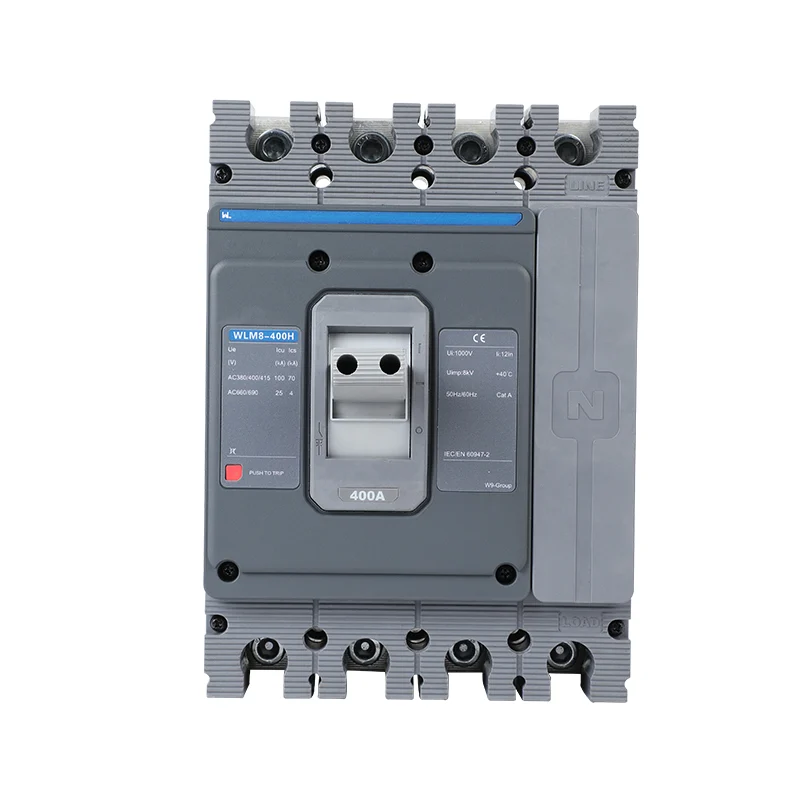
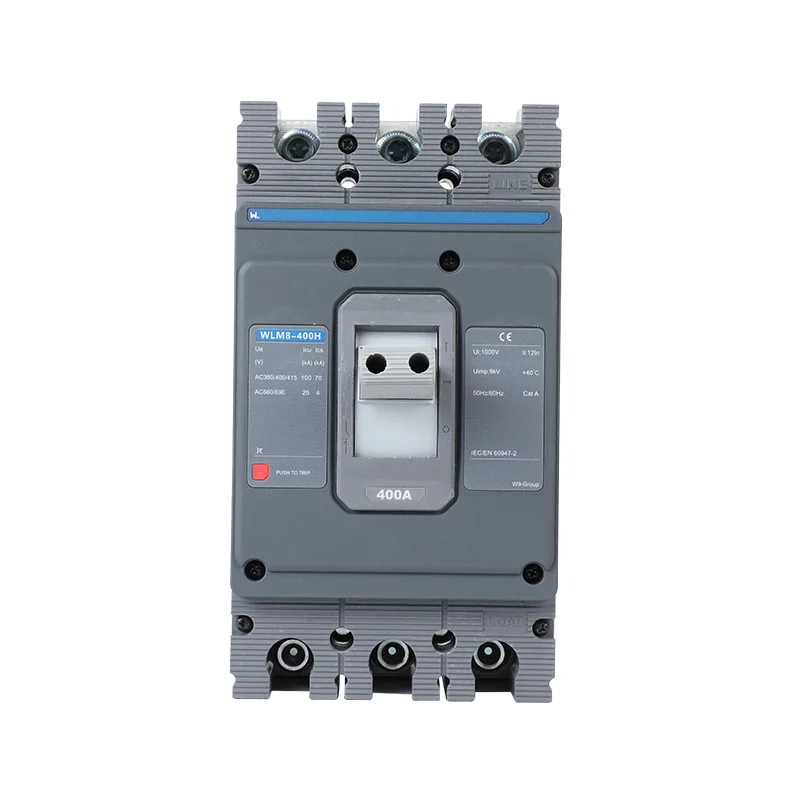
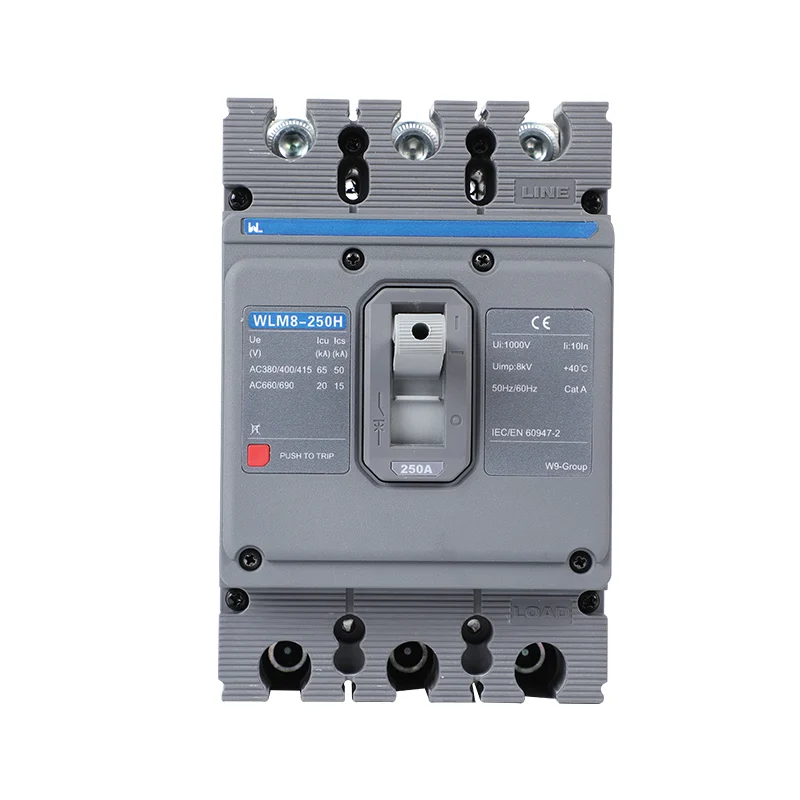
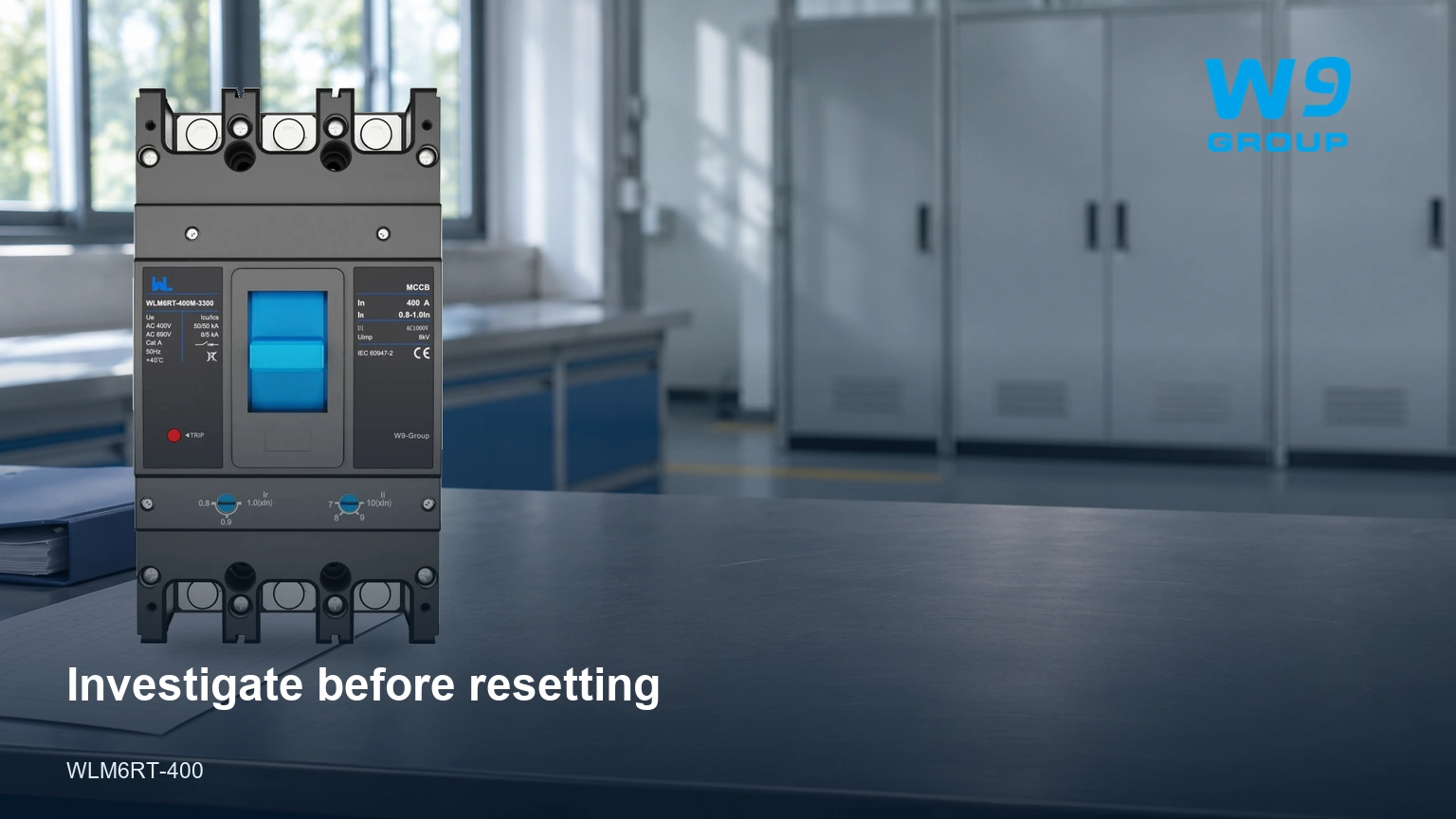
IEC 60947-2:2024 addresses product requirements and tests, but the field technician still needs the specific device instructions. W9 Group’s WLM6RT adjustable thermal-magnetic MCCB should be identified by its complete configuration when requesting curves, setting details or replacement information.
Compare the cost of the proposed correction with the cost of leaving the cause unresolved. Include shutdown time, inspection, damaged conductors, repeat visits and recommissioning. No general percentage saving can be promised; the practical benefit is a documented root-cause correction rather than a larger breaker that merely masks the symptom.
Thermal-Magnetic Breaker Tripping Questions
Would an electronic trip breaker stop unwanted trips?
Only if its documented functions resolve a verified protection mismatch. It will not repair a faulty load, damaged connection or overloaded conductor.
Can I use another brand’s curve for an Eaton breaker?
No. Use the curve for the actual manufacturer, model and release. Similar current ratings do not establish identical pickup bands or operating times.
What is the best breaker for preventing nuisance trips?
A suitable breaker must tolerate legitimate operation while still clearing relevant faults. The answer requires load data and protection analysis, not simply the highest available rating.
Where can I find a thermal-magnetic breaker manual?
Request the manufacturer document using the complete order code and release identification. Include photographs of the external markings when identification is uncertain.
Can trip timing identify the thermal or magnetic cause?
Timing helps organise the investigation but does not prove which release operated. Combine it with any valid trip indication, load history and appropriate inspection or testing.
Can I keep resetting a breaker that trips?
Repeated resetting is not a diagnostic method. Follow the site’s procedure and determine whether the cause has been corrected before an authorised return to service.
Referencias
- IEC 60947-2:2024 — circuit-breaker requirements.
- HSE HSG85 — Electricity at work: Safe working practices.
- HSE — Maintaining electrical equipment safety. Sources checked 2 November 2026.
A trip is evidence to investigate before it becomes a setting to change. Review the relevant MCCB product information y send W9 Group the device identity and documented operating conditions when requesting technical information.