























Low-Voltage Circuit Breakers: Types, Ratings and Uses
A current rating is usually the first number you notice on a circuit breaker. It is only part of the selection. Two breakers marked with the same amperage can have different voltage limits, fault ratings, trip functions and mounting requirements.
A low-voltage circuit breaker must suit the circuit during normal operation and under the faults it is intended to clear. This guide explains the main product families and the ratings that distinguish them, so you can read a catalogue or replacement offer with the right questions in mind.
Low-Voltage Breaker Standards and Voltage Limits
Low voltage is a system classification, not a measure of how safe equipment is to touch or work on. IEC 60947-2:2024 covers industrial breakers for circuits up to 1000 V AC or 1500 V DC. Its public scope also includes breakers rated at or below 1000 V AC with additional ratings above 1000 V AC and up to 1500 V AC. Each product has its own operational ratings within that framework.
IEC 60898-1 covers AC breakers for household and similar installations, while IEC 60947-2 addresses industrial breakers. The applicable product standard is one part of a project’s requirements; installation rules, market approvals and safe working procedures also apply. HSE guidance emphasizes competent work and secure isolation.
Keep low-voltage power distribution distinct from extra-low-voltage controls or communications. For a 400 V board, for example, the supplier needs the supply arrangement and fault duty. Describing it simply as a “low-voltage switch” leaves those important details open.
Circuit Breaker Current and Fault Ratings
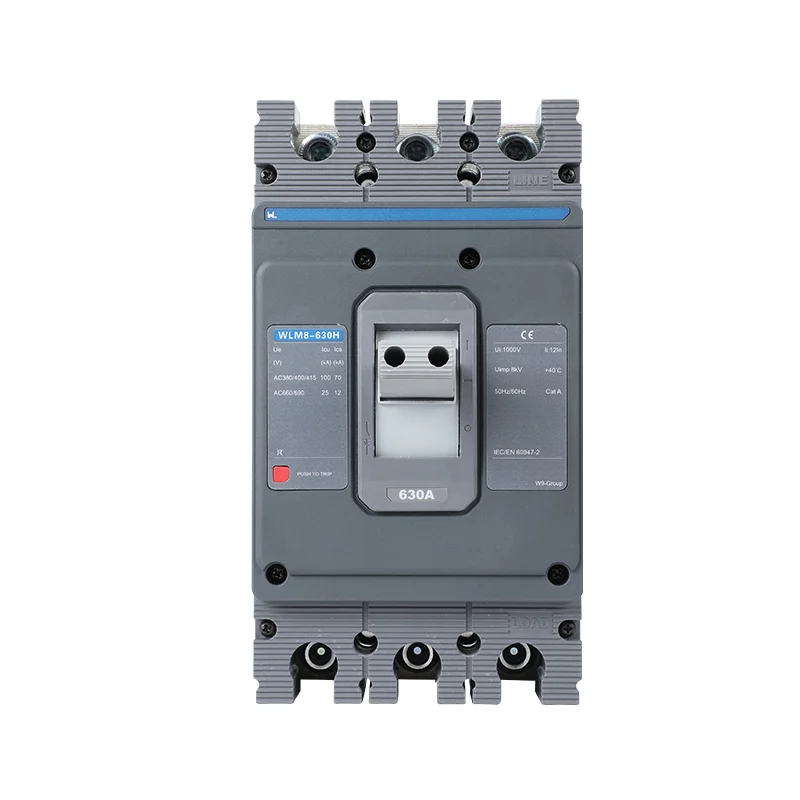
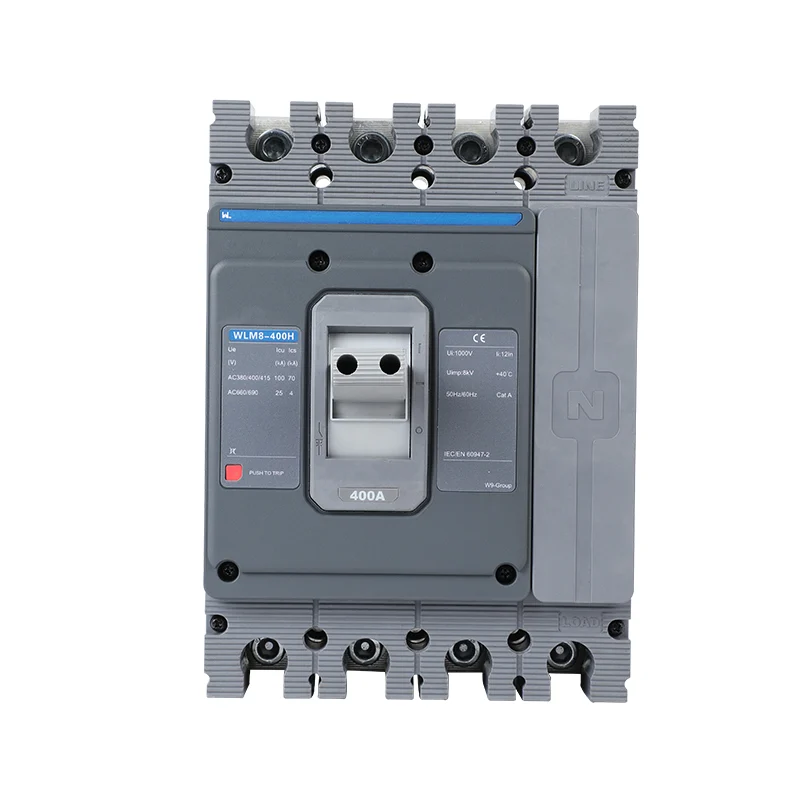
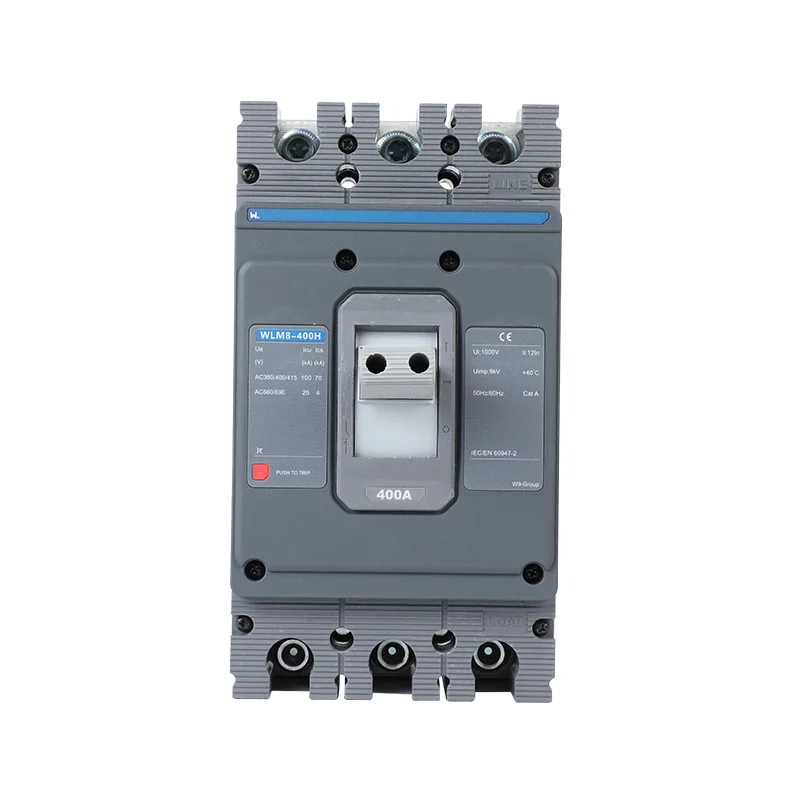
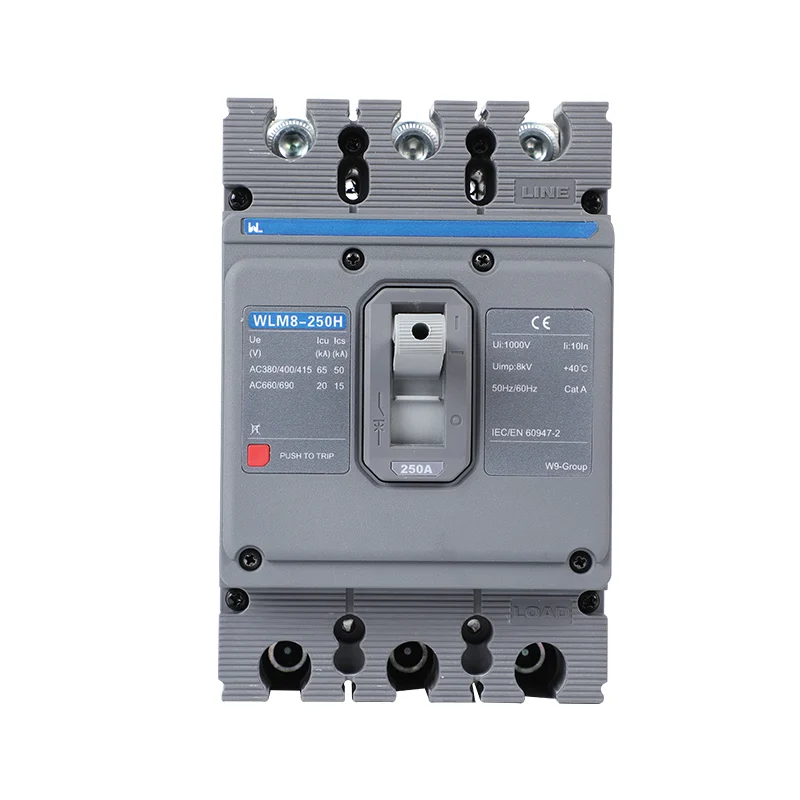
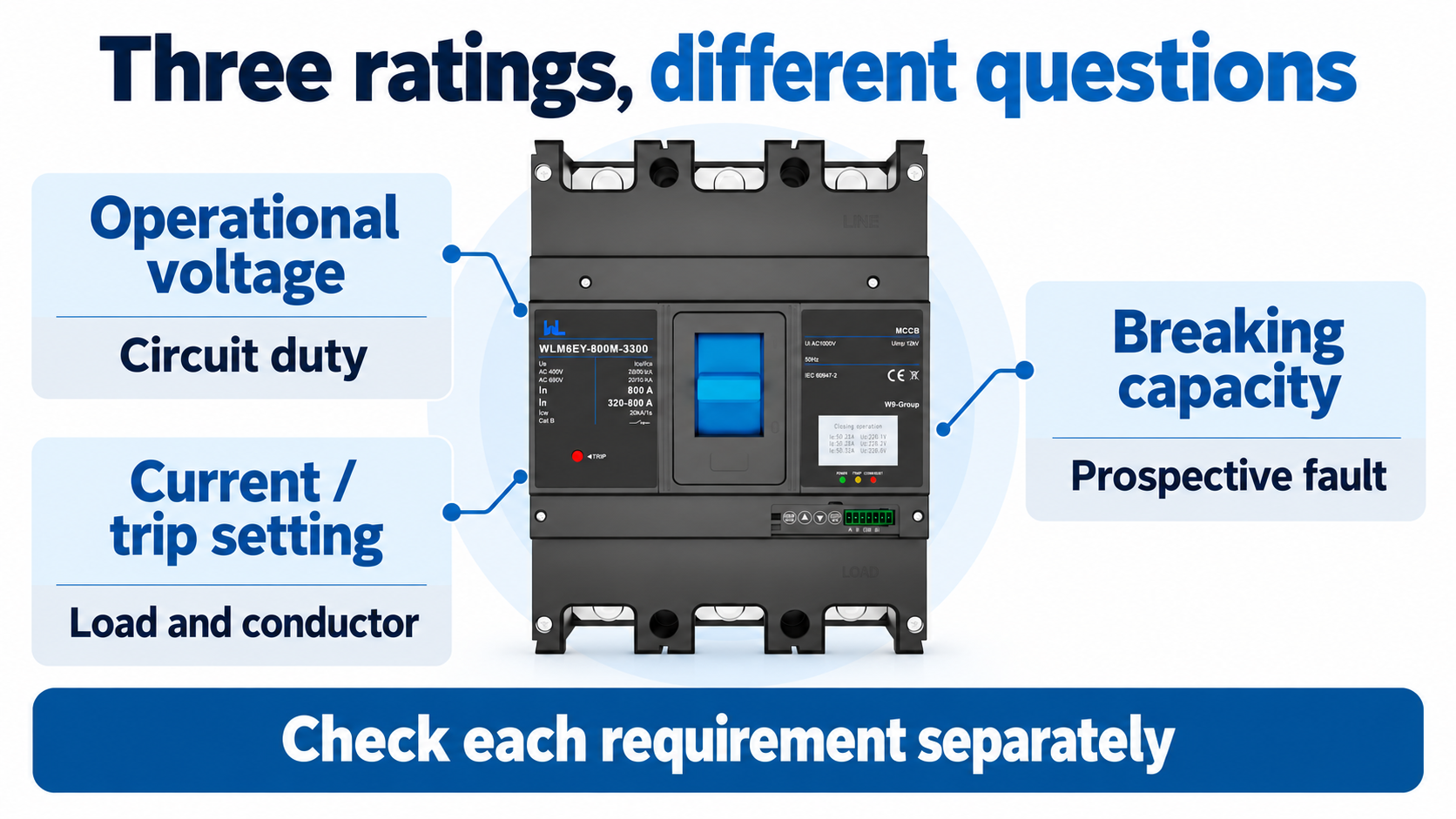
The main low-voltage circuit breaker ratings answer different questions. Operational voltage describes the service voltage. Rated current or the selected trip setting relates to the load and conductor. Breaking capacity describes fault interruption. Insulation voltage is a separate characteristic, and a frame’s maximum current need not be the fitted trip rating.
For IEC industrial devices, Icu is ultimate short-circuit breaking capacity and Ics is service short-circuit breaking capacity. Where given, Icw is the short-time withstand current for a specified duration. Compare these values at the actual system voltage, using the conditions stated in the datasheet.
| Specification | Question it answers | Common mistake |
|---|---|---|
| Operational voltage and AC/DC duty | Can this device operate on this circuit? | Using insulation voltage as an operating rating |
| Current and trip setting | Does the protection suit the load and conductor? | Assuming frame size equals the selected setting |
| Capacidad de ruptura | Can it interrupt the prospective fault? | Reading a rating quoted at another voltage |
| Short-time withstand | Can it tolerate a specified delayed fault duty? | Assuming every breaker supports a delay |
| Pole and neutral arrangement | Which conductors are switched and protected? | Inferring neutral protection from pole count alone |
Overcurrent and Residual-Current Protection Functions
A thermal-magnetic breaker typically combines a time-dependent overload response with a magnetic short-circuit response. Electronic trip units can offer adjustable functions, depending on the version fitted. The common letters L, S, I and G refer to long-time, short-time, instantaneous and ground-fault protection.
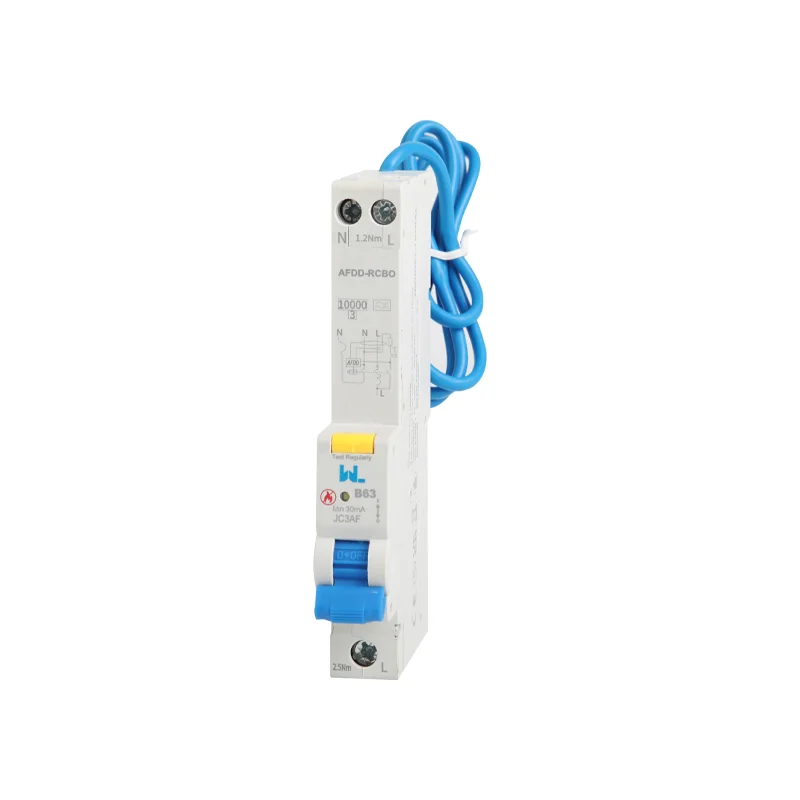
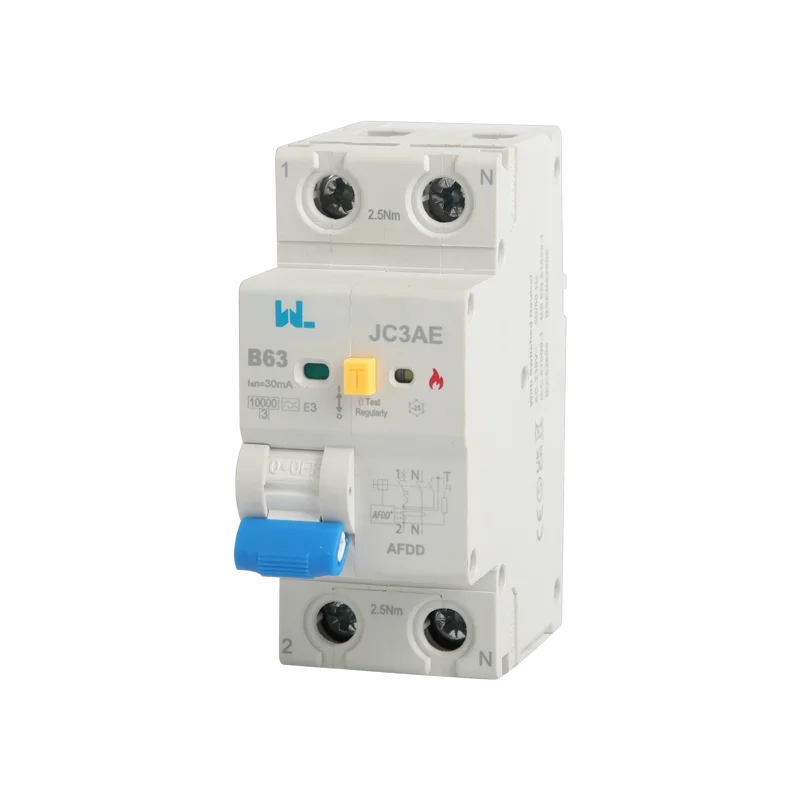
Ground-fault protection on an industrial trip unit is not necessarily the additional residual-current protection required for people. An RCCB detects residual current but needs separate overcurrent protection; an RCBO combines both functions within its rated scope. The RCCB, RCBO and MCB comparison explains how these devices differ.
A breaker may also provide isolation if its declared characteristics and installation permit it. Before electrical work, follow the applicable isolation procedure, check for alternative supplies and verify absence of voltage. The handle position alone is insufficient.
Applications of MCBs, MCCBs and ACBs
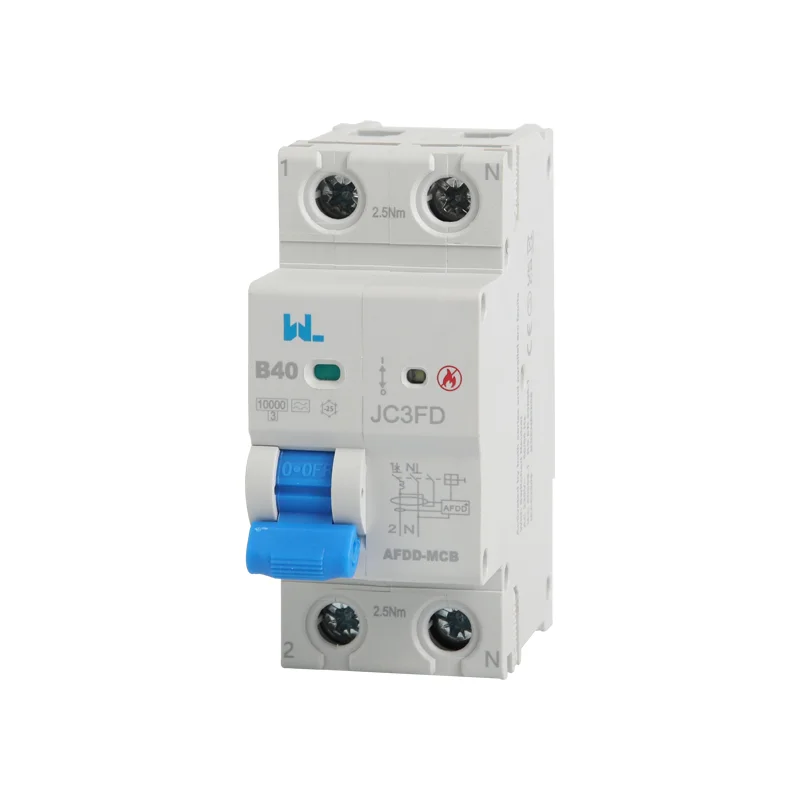
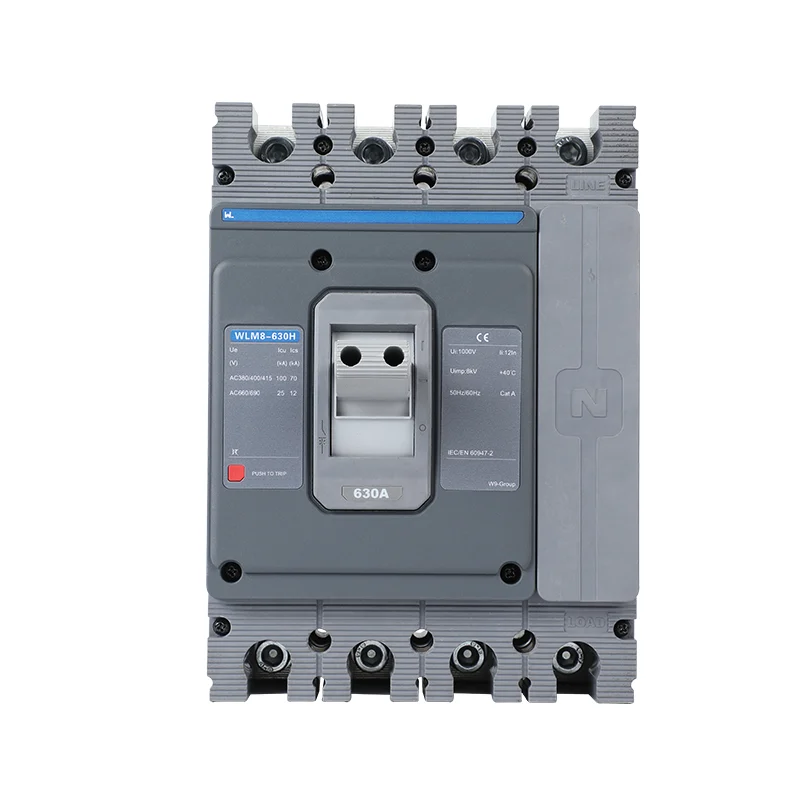
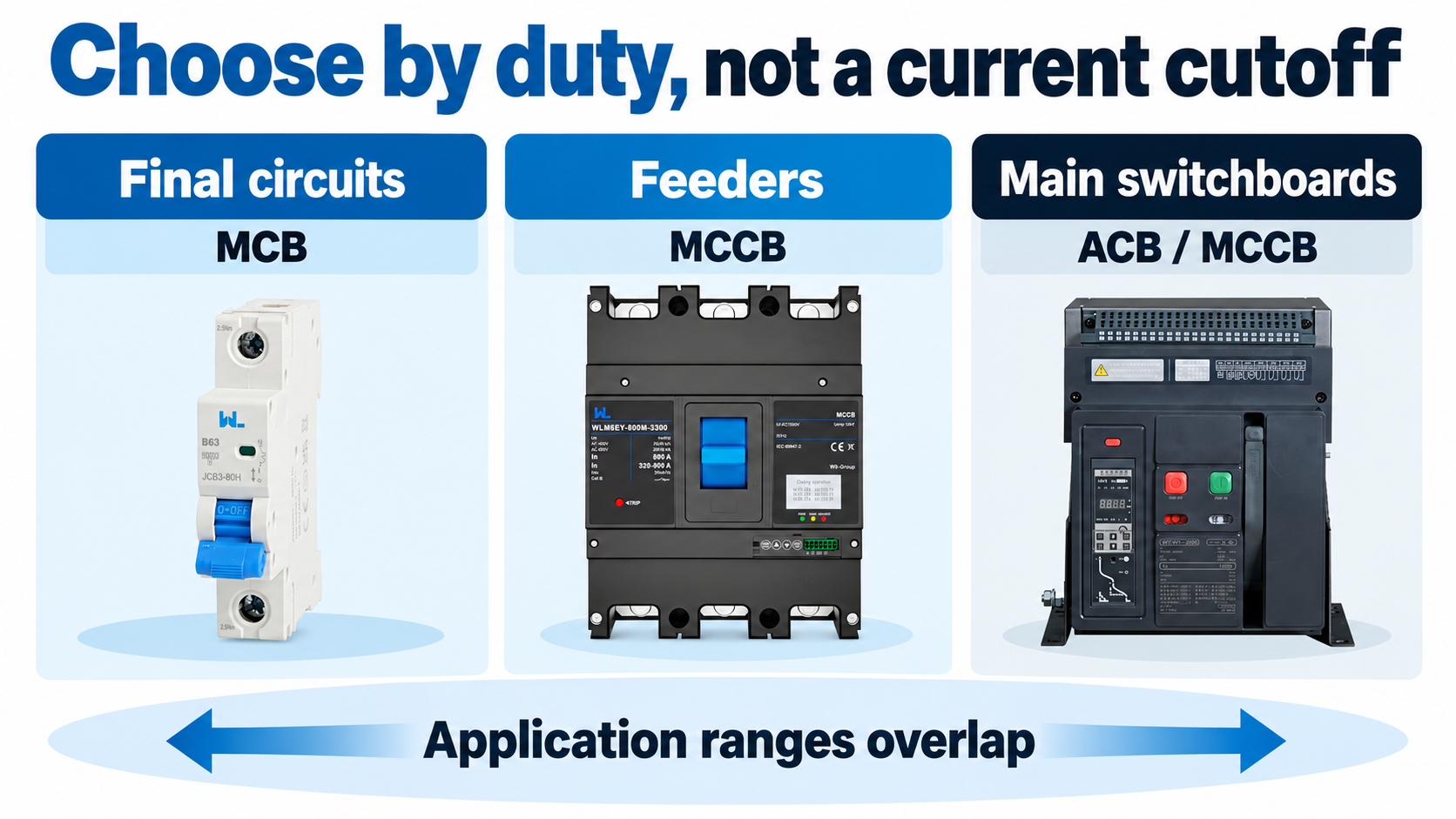
The main low-voltage breaker types are miniature circuit breakers (MCBs), molded-case circuit breakers (MCCBs) and air circuit breakers (ACBs). Their application ranges overlap. Choose by the required protection, fault duty and assembly design rather than treating one current value as a universal boundary between families.
| Typical application | Family often considered | Additional review |
|---|---|---|
| Final lighting and socket circuits | MCB or RCBO | Conductor protection, fault rating and required residual-current protection |
| Industrial feeder | MCCB | Settings, motor starting or inrush, coordination and terminals |
| Main switchboard incomer | ACB or suitable MCCB | Fault duty, maintenance access and continuity requirements |
| PV or battery DC circuit | Application-rated DC breaker | Voltage, source contribution, direction and permitted connections |
A data-center feeder, for instance, may need selective operation with an upstream device. A final circuit may need additional residual-current protection. These requirements help narrow the choice more effectively than the current rating on its own.
W9’s WLM6E electronic MCCBs are one family to review alongside the available ACB options. Specify the trip functions and accessories you need, then obtain the ratings and documents for the offered order code. Optional features should be identified separately in the quotation.
Circuit Breaker Installation Requirements
A complete breaker specification also covers the installation. Enclosure temperature, grouping, altitude and mounting orientation can affect selection. Check the manufacturer’s derating guidance, terminal capacity, clearances and tightening instructions before the panel is built.
Compare the installed cost, including releases, control wiring, commissioning and service access. A low bare-device price may leave required accessories outside the quote. Itemizing them makes the comparison more useful.
For a replacement, record the existing model and assembly details first. Check whether the fault level or upstream settings have changed since installation. Matching amperage, pole count and mounting dimensions is a useful start, but it does not complete the compatibility review.
Low-Voltage Circuit Breaker FAQs
Which circuit breakers are used at low voltage?
MCBs, MCCBs and ACBs all serve low-voltage circuits within their stated ratings. The load, fault duty, required functions and assembly determine which model fits the job.
How should a low-voltage breaker be replaced?
A competent person should review the existing duty and replacement compatibility, isolate the relevant supplies, and follow the manufacturer’s instructions. Complete the required inspection and commissioning before returning it to service.
What does an MCCB protect against?
Its fitted trip system determines the protection it provides, commonly including overload and short-circuit functions. Check the exact model for additional functions, adjustment ranges and AC or DC ratings.
Where can I find a low-voltage breaker catalogue?
The manufacturer’s current catalogue can help you shortlist products. Obtain the selected model’s datasheet, manual and accessory details before ordering.
What is an insulated-case circuit breaker?
The term describes certain breaker constructions and market categories. Its standard and declared ratings tell you what duty it can perform; the name alone does not establish power-breaker performance.
When should I consider an ACB?
Consider an ACB where its fault-duty characteristics, protection functions or maintenance arrangement suit the switchboard. Compare it with suitable MCCBs using the project requirements.
Circuit Breaker Standards and References
- Electrical Installation Guide: breaker ratings and characteristics
- Electrical Installation Guide: circuit-breaker selection
- HSE: electrical safety and competent work
- IEC 60947-2:2024: official public scope
Low-Voltage Breaker Specification Requirements
Write down the voltage, load, conductor details, prospective fault current and required protection functions before choosing a model. Add the assembly interfaces and approved settings so purchasing and commissioning work from the same information. Send those details through the W9 breaker selection enquiry to request a matching product specification.