







Exploring the Key Differences Between Acb Breakers and Conventional Circuit Breakers
You know, when it comes to electrical safety and protection, it’s super important to really grasp the differences between the various types of circuit breakers—whether you’re a manufacturer or just someone trying to make smart choices. In this blog, we’re going to dive into the nitty-gritty between ACB breakers and the more traditional circuit breakers. We’ll highlight what makes them unique, what advantages each type has, and where they can really shine in real-world applications. Here at W9 Group Technology Electronic Co., Ltd., we like to think of ourselves as a forward-thinking company that’s all about research, development, and design. With more than 20 years under our belt in making MCCB, our seasoned team is all about crafting quality solutions that cater to our clients’ varying needs. By breaking down the differences between ACB and conventional breakers, we hope to offer some insights that’ll help you make informed decisions about your electrical setups.

Understanding ACB Breakers: Advantages Over Conventional Circuit Breakers
You know, Air Circuit Breakers (ACBs) are really making waves in today’s electrical systems. They’ve got some serious benefits compared to the old-school circuit breakers we used to rely on. These ACBs are built to handle high voltage and current, which makes them perfect for big industrial setups. There’s this interesting report by Research and Markets that says the global market for ACBs could hit around $14.26 billion by 2026, growing at a solid 5.6% each year. That just goes to show how much folks are leaning into them for power distribution.
Now, one of the coolest things about ACBs is their knack for managing fault currents. They’re super effective at protecting against overloads and short circuits, which is crucial for preventing a whole lot of damage to electrical components. Plus, they usually come with adjustable settings, so you can tweak them to fit your specific operational needs. This really boosts the reliability of the whole system! And let’s not forget, their mechanical design usually gives them a longer lifespan compared to the usual circuit breakers, which means you end up spending less on maintenance over time.
And there’s more! ACBs also help make electrical installations more energy-efficient. Thanks to fancy technologies like microprocessor-based controls, you can monitor things in real-time and coordinate them better with other components in the system. According to another report from Markets and Markets, using smart tech in ACBs can cut energy losses by as much as 25%! That really highlights their role in pushing for sustainable energy solutions. It’s no wonder industries are catching on to ACBs over traditional breakers; they’re just better all around!
Efficiency Ratings: Comparing ACBs and Conventional Circuit Breakers
When comparing efficiency ratings, the distinctions between Air Circuit Breakers (ACBs) and conventional circuit breakers become evident. ACBs are designed to handle larger loads and provide superior protection, making them ideal for industrial and commercial applications. According to the International Electrotechnical Commission (IEC), ACBs can achieve efficiency ratings upwards of 95%, significantly minimizing energy losses. This is particularly important as energy efficiency regulations become more stringent globally, underscoring the need for advanced technologies in electrical distribution systems.
Conventional circuit breakers, on the other hand, are typically used in residential and light commercial applications. While they offer adequate protection, their efficiency ratings generally range between 85% to 90%. Reports from the Electric Power Research Institute (EPRI) indicate that increased energy loss in conventional systems can lead to higher operational costs over time. Therefore, organizations aiming to enhance energy efficiency should consider the long-term financial benefits of investing in ACBs, especially in environments where peak demand loads are prevalent. This shift not only contributes to cost savings but also supports broader sustainability goals by reducing overall energy consumption in electrical networks.

Cost Analysis: ACB Breakers vs. Conventional Circuit Breakers in the Long Run
When you start looking at the long-term costs of Air Circuit Breakers (ACBs) versus traditional circuit breakers, there are quite a few factors that come into play which can really affect how much you end up spending overall. Sure, ACBs might hit your wallet a bit harder at first, but in the grand scheme of things, they often turn out to be the smarter choice because they’re built to last and don’t require as much maintenance. These guys can handle bigger loads and are pretty easy to calibrate, which means you won’t have to swap them out all the time, and they’ll keep things running smoothly in those larger power distribution systems.
Now, conventional circuit breakers might look like a good deal upfront, but don’t let that fool you. They often have a shorter lifespan and need more frequent maintenance, which can pile on the costs pretty quickly. Before you know it, the money saved at the start seems to vanish with all those replacement parts and labor costs. Plus, ACBs really shine when it comes to efficiency and safety features, helping to lower the risk of electrical faults and the headaches that come with damage. So, if you think about it, investing in ACBs means that while the initial cost is a bit steep, the long-term savings and reliability make them the better pick for managing your power needs.

Application Scope: Where ACBs Outperform Conventional Circuit Breakers
You know, Air Circuit Breakers (ACBs) and the traditional ones we’ve been using play super important roles in our electrical systems. Each type has its perks that fit different situations. ACBs really shine in high-power settings—think industrial and commercial spaces. As it turns out, the global market for protective relays and circuit breakers is expected to skyrocket to USD 26.8 billion by 2029! Seems like the demand for ACBs is just getting bigger. This growth is driven by all the cool advancements in electrical tech, which just shows how badly we need tough circuit protection options that can handle those rising power loads.
What’s great about ACBs is their versatility. They’re perfect for those big electrical setups where managing and interrupting high current flows is crucial—way more effective than the usual circuit breakers. Lately, there’s been a noticeable shift towards ACBs, especially with companies ramping up their manufacturing capabilities. A great example? A brand-new facility just for ACB production, which totally shows they’re serious about keeping up with what the market needs. Looking ahead to 2034, it’s clear that the air circuit breaker landscape will be shaped by innovations that boost performance and reliability in tons of different areas, from bustling urban developments to massive industrial complexes.
Exploring the Key Differences Between ACB Breakers and Conventional Circuit Breakers
| Criteria | ACB Breakers | Conventional Circuit Breakers |
|---|---|---|
| Current Rating | Higher (up to 6,300A) | Lower (typically up to 1,600A) |
| Protection Features | Advanced (adjustable settings) | Basic (fixed settings) |
| Installation Space | Requires more space | Compact design |
| Maintenance | Regular maintenance recommended | Less frequent maintenance |
| Application Areas | Industrial & commercial | Residential & light commercial |
| Trip Settings | User adjustable | Factory set |
Maintenance Needs: ACB Breakers and Conventional Circuit Breakers Compared
So, when we start looking at the maintenance needs of Air Circuit Breakers (ACBs) versus your typical circuit breakers, it really stands out that ACBs need a bit more attention. These guys are built to manage higher voltages and larger currents, which means they’ve got a more complex inner workings and they wear out a bit faster. According to a report by the International Electrotechnical Commission (IEC), you might want to check on ACBs every six months to a year because they’re pretty sensitive to stuff like dust and humidity. On the flip side, conventional circuit breakers usually only require maintenance every three to five years, which makes them a lot easier to handle, especially for smaller setups.
Plus, ACBs come packed with fancy tech, like digital monitoring systems that need regular software updates and calibration. And let’s be real, finding technicians who can work with these systems isn’t as straightforward, which bumps up the overall maintenance costs a bit. There’s actually a study by the National Fire Protection Association (NFPA) that points out meticulous maintenance routines can slash failure rates in ACBs by as much as 30%. That really shows how sticking to maintenance schedules is crucial. In contrast, conventional circuit breakers are simpler and tend to fail less often, which means they require less maintenance and result in less downtime. So, ultimately, the choice between ACBs and conventional breakers is about more than just what you spend upfront; it’s also about how you handle maintenance in the long run and how reliable they’ll be for your operations.
Comparison of Maintenance Needs: ACB Breakers vs Conventional Circuit Breakers
This pie chart illustrates the comparative maintenance needs of ACB breakers versus conventional circuit breakers. ACB breakers require more maintenance due to their complex mechanisms, while conventional breakers are simpler and generally need less upkeep.
Safety Features: Enhanced Protection in ACB Breakers vs. Conventional Circuit Designs
When you take a look at ACBs, or Air Circuit Breakers, versus traditional circuit breakers, one thing really stands out: safety features are absolutely crucial for how they work. ACBs come packed with some really advanced safety systems that help protect against various electrical hazards. For instance, there’s this report by the International Electrotechnical Commission (IEC) that mentions ACBs can handle fault currents as high as 120 kA. That’s a big deal, especially when you consider that conventional breakers usually deal with much lower levels, which makes ACBs a much safer option for reducing the risk of equipment damage and potential fire hazards.
On top of that, ACBs generally come with both thermal and magnetic trip functions, giving you that extra layer of protection. So, if there’s an overload or a short circuit, the ACB can spring into action quickly to help prevent any scary situations. Interestingly, recent studies have shown that using ACBs in industrial settings has led to a pretty impressive 30% drop in fire-related incidents caused by electrical issues. This really highlights how much more reliable ACBs are compared to the old-school breakers.
And let’s not forget about the cool tech! A lot of ACBs have electronic monitoring systems built right in, which means you can get real-time diagnostics and even control them remotely. This not only boosts safety in your electrical setups but also helps with proactive maintenance, which is super important for keeping everything running smoothly. As our power infrastructure keeps changing, it’s clear that having top-notch protective features in circuit design is more important than ever. It’s no wonder ACBs are becoming the go-to choice for modern applications.
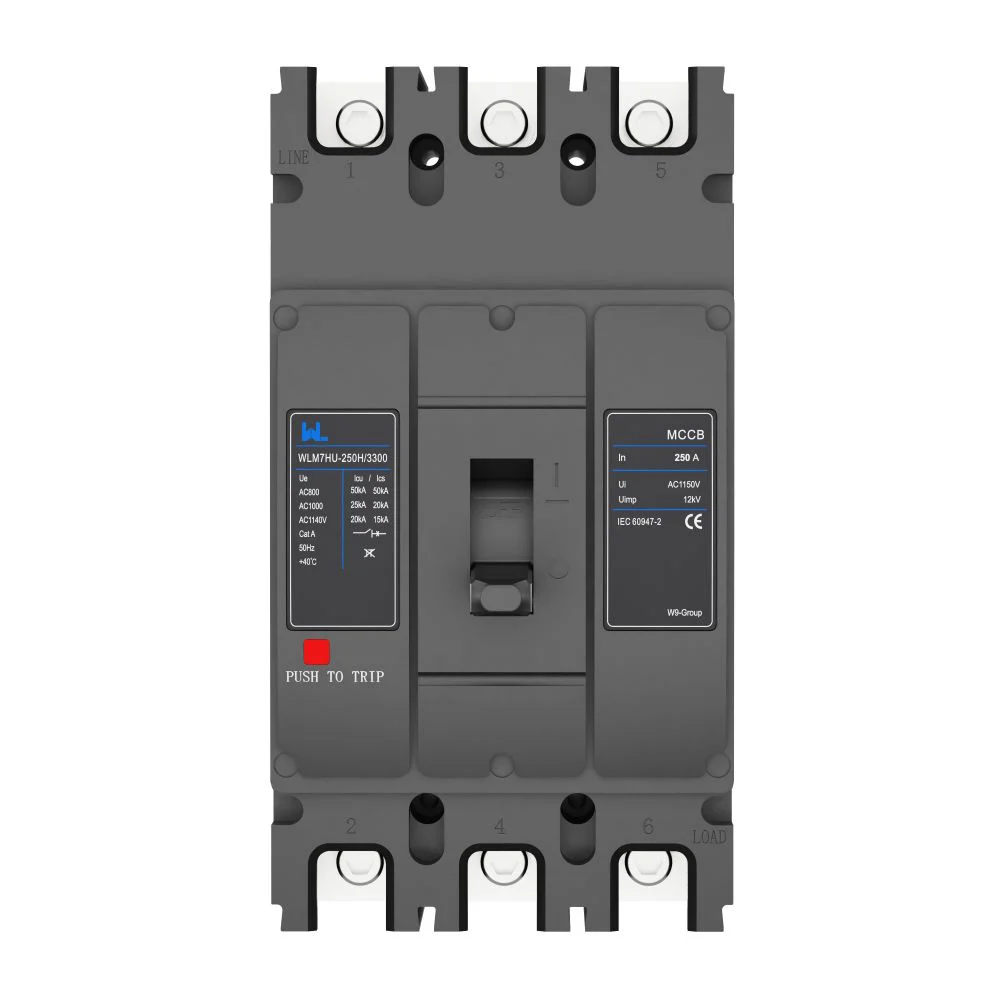
Maximizing Safety and Efficiency: A Deep Dive into the WLM6ELY-400A-4300 Circuit Breaker for Modern Electrical Systems
The WLM6ELY-400A-4300 Circuit Breaker stands out as an essential component for modern electrical systems, prioritizing safety and efficiency. With a rated current of 400A, this circuit breaker is designed to handle substantial electrical loads, making it ideal for various applications, from commercial buildings to industrial setups. Its robust design ensures that it can withstand the rigors of daily use while providing reliable protection against overloads and short circuits.
Featuring both 3P and 4P configurations, the WLM6ELY-400A-4300 offers versatility for different circuit requirements. Whether you need a three-phase system or a four-phase one, this circuit breaker can accommodate your needs effectively. Furthermore, it supports rated working voltages of 400V and 690V, making it a practical choice for a wide range of electrical systems. This flexibility not only maximizes operational safety but also enhances overall system efficiency, ensuring that businesses can run their operations smoothly without interruption.
In today’s fast-paced electrical environments, the integration of advanced circuit protection is critical. The WLM6ELY-400A-4300 is engineered to meet these demands, combining high performance with safety features that give users peace of mind. As we embrace modern technologies, investing in reliable circuit breakers like the WLM6ELY-400A-4300 is a strategic step toward achieving a safe and efficient electrical infrastructure.

FAQS
ir Circuit Breakers (ACBs) designed for?
ACBs effectively manage fault currents and provide superior protection against overloads and short circuits, which helps prevent damage to electrical components.
ACBs typically have adjustable settings that allow users to fine-tune their performance according to specific operational requirements.
The global market for ACBs is projected to reach $14.26 billion by 2026, growing at a CAGR of 5.6%.
ACBs incorporate advanced technologies, such as microprocessor-based controls, which allow for real-time monitoring and can reduce energy losses by up to 25%.
ACBs excel in high-power environments, particularly in industrial and commercial sectors involving large electrical systems.
The demand for ACBs is driven by advancements in electrical technology and the need for robust circuit protection solutions capable of handling escalating power loads.
Companies are expanding their manufacturing capabilities, as evidenced by the establishment of new facilities dedicated to ACB production to meet evolving market needs.
By 2034, the air circuit breaker market will be shaped by innovations that enhance operational performance and reliability across various sectors.
Smart technologies in ACBs enable better coordination with other system components, improving overall system efficiency and performance.
Related Posts
-

How to Identify High Quality Suppliers for DC Molded Case Circuit Breakers
-

How to Choose the Right Electronic Circuit Breaker for Your Business Needs
-

Comprehensive Technical Specifications of Molded Breakers for Global Buyers
-

Top Applications and Benefits of MCCB Moulded Case Circuit Breakers in Global Industries
-

2025 Global Market Trends and Insights on MCCB Moulded Case Circuit Breakers Comparison Guide
-

Innovative Solutions and Maintenance Savings for Acb Breaker in a Global Market
Related Video
-

Types of Circuit Breaker with Detailed Classifications | TheElectricalGuy
View: 33200Channel: Gaurav J – TheElectricalGuy -

Difference between EDO & MDO type ACB breaker #breaker #electrical #acb
View: 1098Channel: AMIT KUMAR SHARMA E&I ENGINEER -

10 Common Mistakes DIYers Make In Circuit Breaker Boxes
View: 3128273Channel: LRN2DIY