
































The Next Generation of Circuit Protection: Are Solid-State Breakers Redefining the Market?
Solid-state breakers can attract attention through fast interruption claims, but a technology demonstration does not establish a market transition. A useful outlook separates verified product capability, project suitability and evidence of adoption.
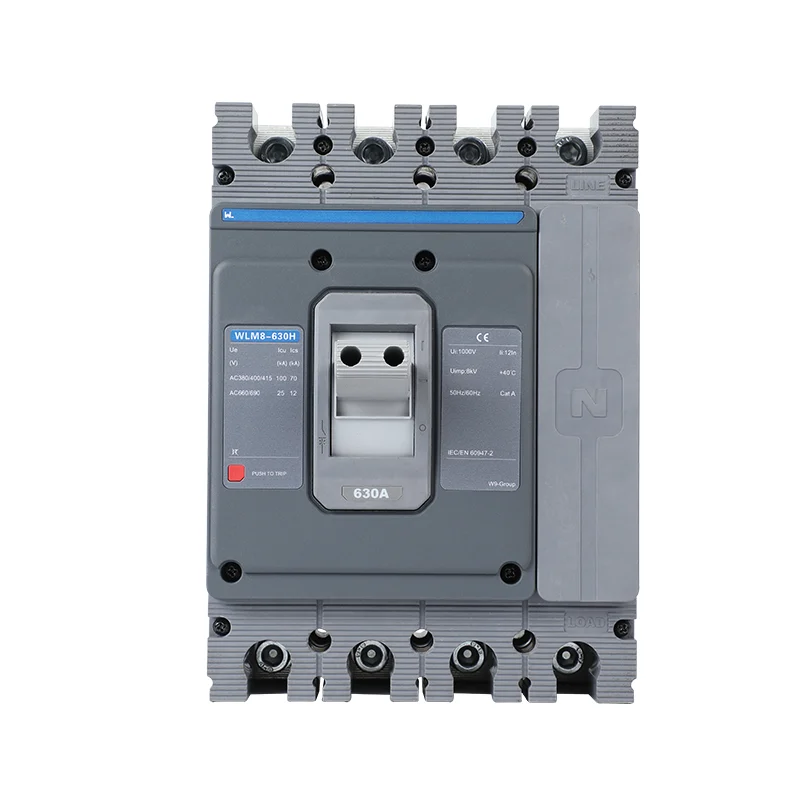
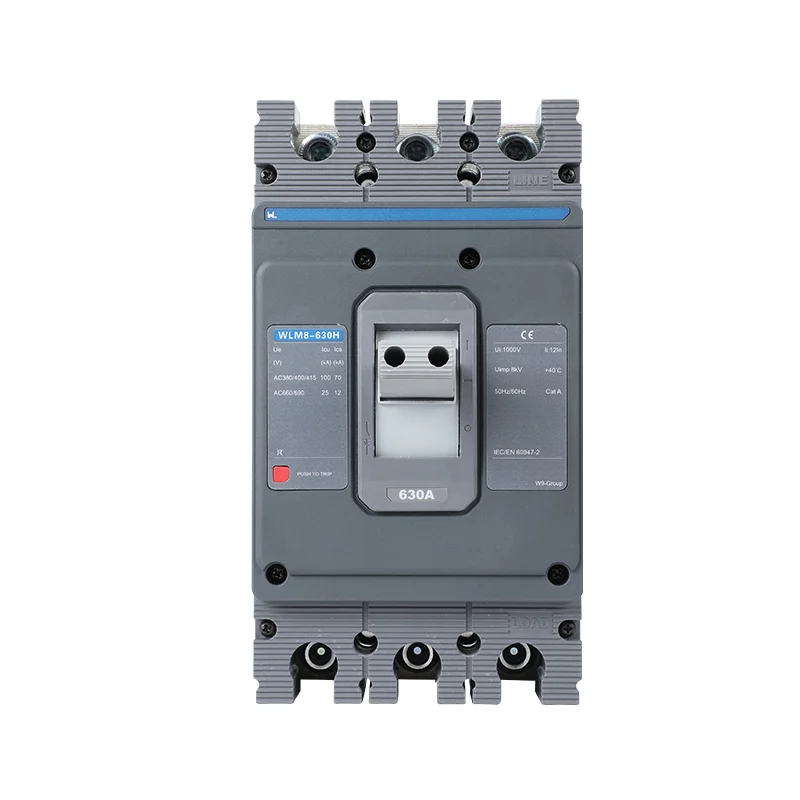
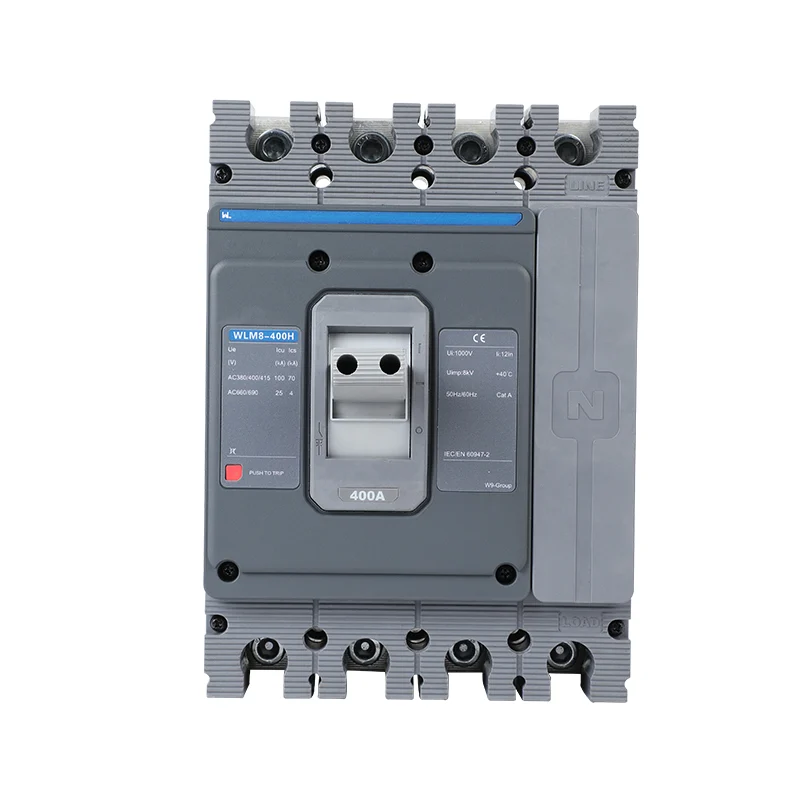
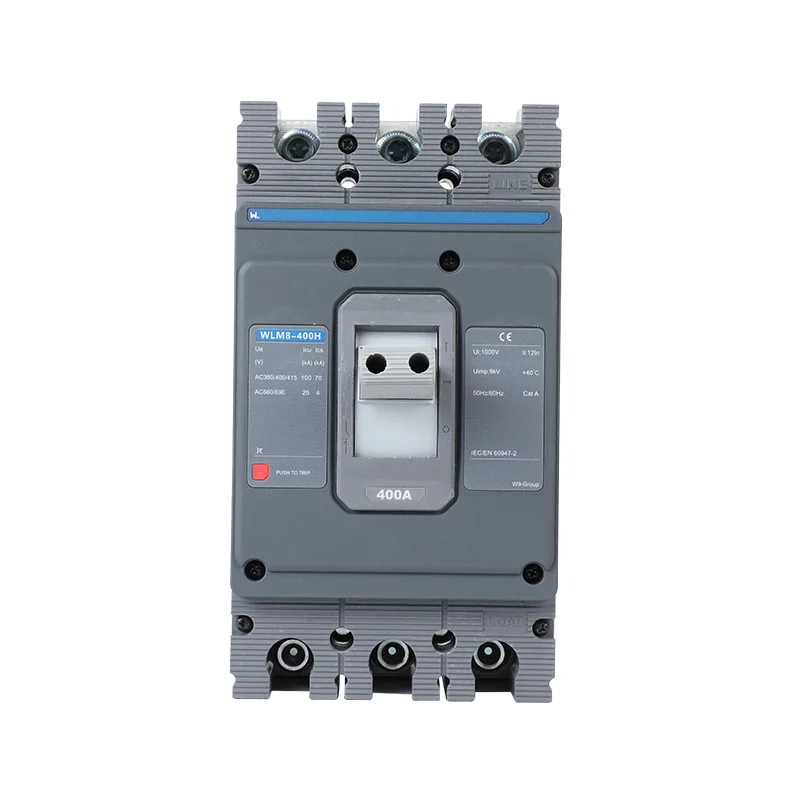
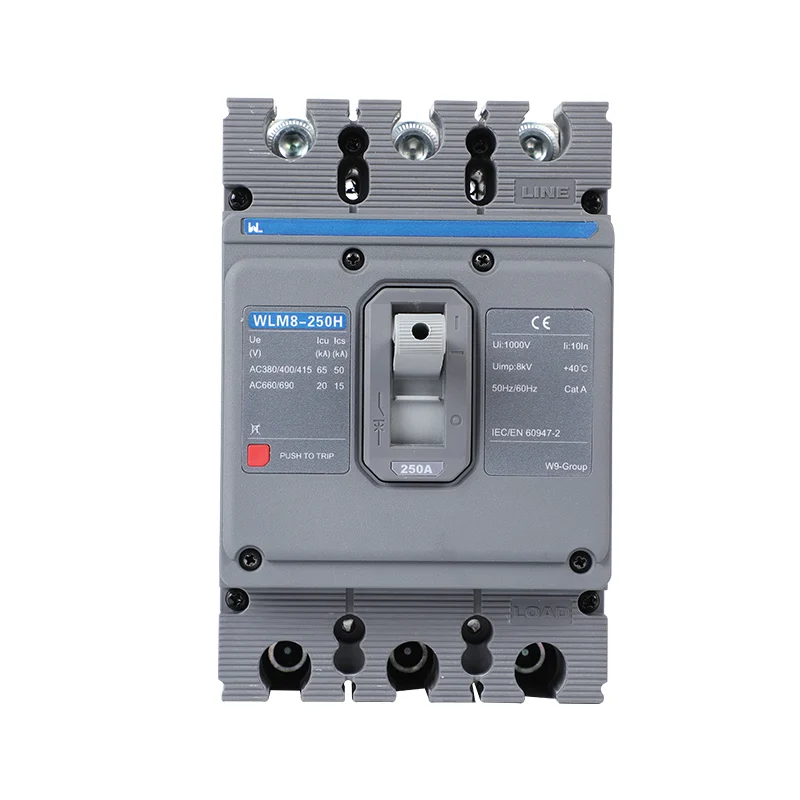
MCCB configurations should be shortlisted by the required protection functions and documented electrical duty.
Define the market before predicting its direction
Market adoption requires a defined geography, period and product category. A count of power semiconductors, laboratory prototypes or published papers is not a count of installed circuit-breakers. The evidence available here does not support a market-size total, growth rate or date when one technology will replace another.
Keep released products separate from research demonstrations and distinguish all-semiconductor designs from hybrid devices. Otherwise, a trend claim may combine technologies with different losses, mechanical functions and service requirements.
The guide to molded case circuit breakers explains how frame size, rating and trip behaviour differ.
Compare the application trade-offs
A semiconductor power path can act without the same contact-opening sequence as a conventional interrupter, but the complete clearing performance needs exact test conditions. Continuous losses and cooling also matter. A hybrid may use a mechanical path for normal current and electronic switching during a fault; verify the actual topology rather than assuming one universal design.
| Buyer objective | Evidence to compare | Trade-off to examine |
|---|---|---|
| Limit fault energy | Complete clearing and let-through data | Thresholds and downstream coordination |
| Reduce normal losses | Same-duty measured losses | Cooling and auxiliary consumption |
| Support maintenance | Declared isolation arrangement | Additional mechanical equipment |
| Improve diagnostics | Defined events and self-checks | Supply dependencies and failure response |
Evaluate protection as a system
An extremely fast upstream operation can disconnect healthy branches if selectivity is not demonstrated. Obtain coordination evidence for the actual downstream devices and source conditions. Communication-assisted schemes need documented fallback behaviour when the link or control supply is lost.
The isolation requirement is separate from an off command. Review the means of securing and proving the circuit dead, including backfeeds and stored energy. Neither a semiconductor nor a mechanical label can replace the site’s safe-work procedure.
| Project stage | Acceptance question |
|---|---|
| Concept | What measurable problem needs a new topology? |
| Electrical study | Are source and downstream conditions represented? |
| Thermal design | Are continuous losses and cooling acceptable? |
| Procurement | Is the exact configuration commercially supported? |
| Handover | Are isolation, diagnostics and service documented? |
Use the technical requirements for MCCBs to check the specification against the order code and project file.
Build a lifecycle comparison without invented savings
Compare actual device and integration quotations, cooling, control power, isolation equipment, test needs and spares. An illustrative worksheet can use project assumptions, but must label them and show the calculation. Do not present a hypothetical avoided outage as a measured customer result.
The applicable conformity route depends on the exact construction and destination market. IEC 60947-2 supplies circuit-breaker context; a catalogue reference does not approve an unspecified solid-state product. Confirm model identity, document scope and revision before relying on a performance claim.
What the next purchasing decision should resolve
Use conventional, hybrid and all-semiconductor options only where each has sufficient evidence for the defined duty. W9’s documented conventional ranges can serve as one baseline, while a proposed solid-state option needs its own model and test documents. The conclusion should follow project evidence rather than a forecast slogan.
Frequently asked questions
Are solid-state breakers replacing all mechanical breakers?
No verified universal transition is established here. Adoption and suitability need evidence for the market and application being discussed.
Does faster switching always improve selectivity?
No. Downstream coordination must be demonstrated for the actual devices and fault conditions. Fast upstream operation can disconnect more loads.
Do solid-state designs always have lower losses?
No. Compare continuous and auxiliary losses at the same duty, including cooling. Construction labels do not establish the result.
What evidence supports a market forecast?
A named dated source with a defined product category, geography, sample and method is needed. Prototype counts or unsupported percentages are insufficient.
References
- IEC 60947-2:2024 — circuit-breaker product scope.
- IEC 61439-1:2020 — low-voltage assembly general rules.
- NFPA 70 — U.S. installation-code development and scope.
To review the proposed configuration, contact W9 Group with the load schedule, available fault current and destination-market requirements.