








Moulded Case Circuit Breaker (MCCB) Review: How to Choose the Right One
When Priya Nair, an electrical contractor in Pune, specified a packaging-line feeder, the breaker tripped during motor starting and stopped commissioning. A larger frame did not solve the nuisance trips. The reversal came after checking inrush, fault current, trip settings and selectivity: the root cause was a mismatched specification and coordination study, not simply a bad product.
Buyer check: What should a buyer verify before selecting moulded case circuit breaker? Start with the actual electrical duty: rated current, operating voltage, poles, Icu/Ics, thermal/magnetic or electronic settings, ambient derating and coordination. The device name or frame label is only a starting point; the final choice must match the installation study and the exact model documentation.
Summary: A useful MCCB review starts with the system, not the catalogue. Confirm MCCB ratings, load current, prospective short-circuit current, voltage, poles and enclosure conditions, then verify Icu and Ics under IEC 60947-2 or the applicable UL 489 construction. For a 160 A feeder, an illustrative 125 A continuous load may justify a 160 A frame only after cable ampacity, ambient derating and the manufacturer’s adjustment range are checked. We recommend documenting settings, coordination and maintenance responsibilities before ordering.
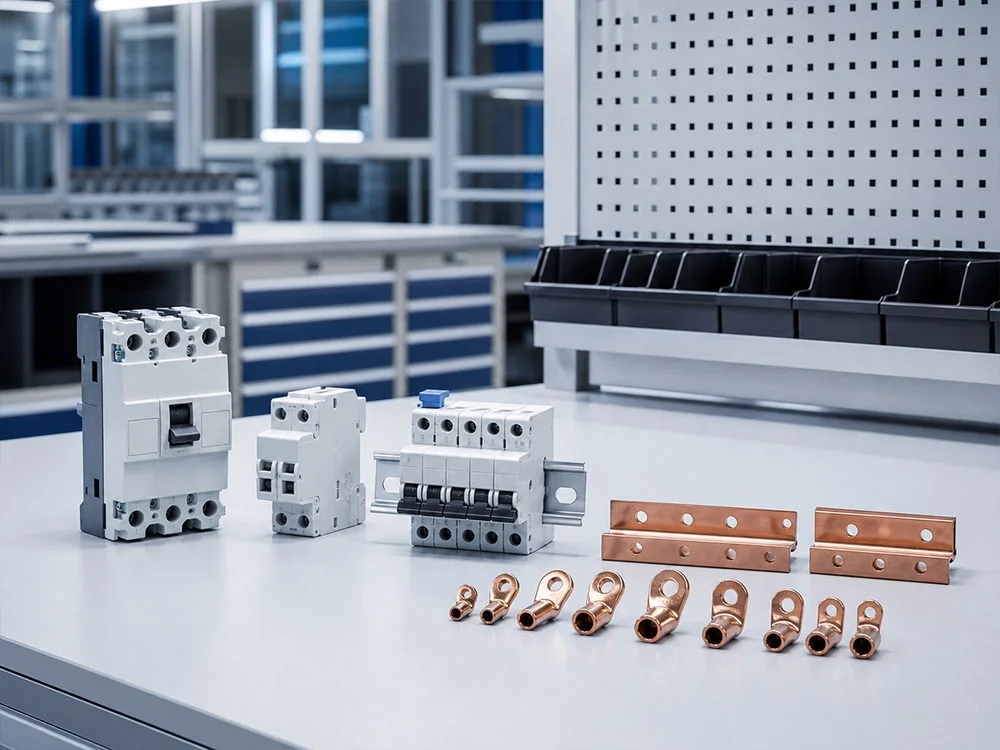
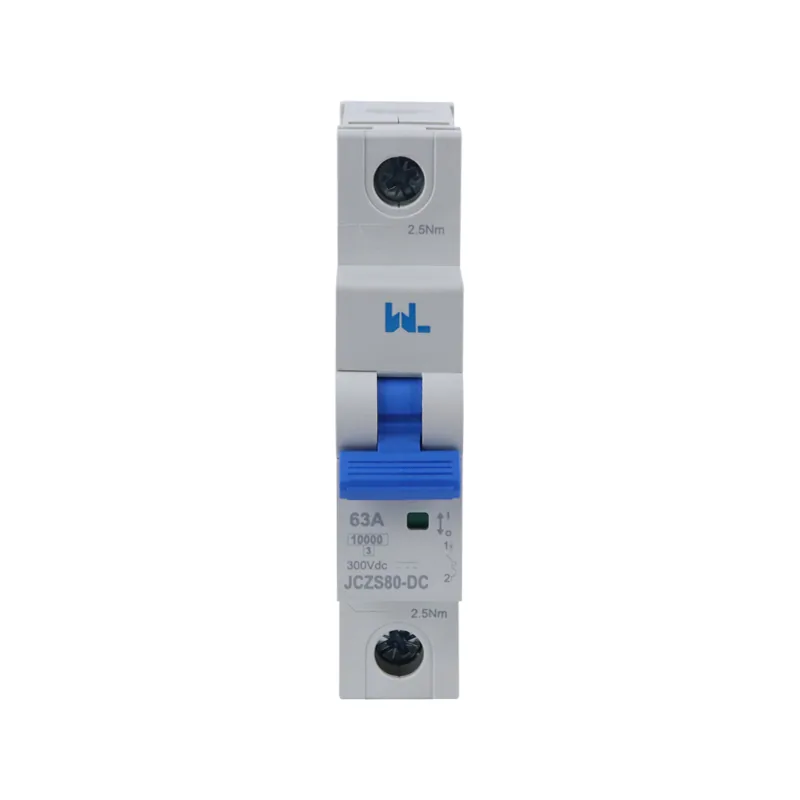
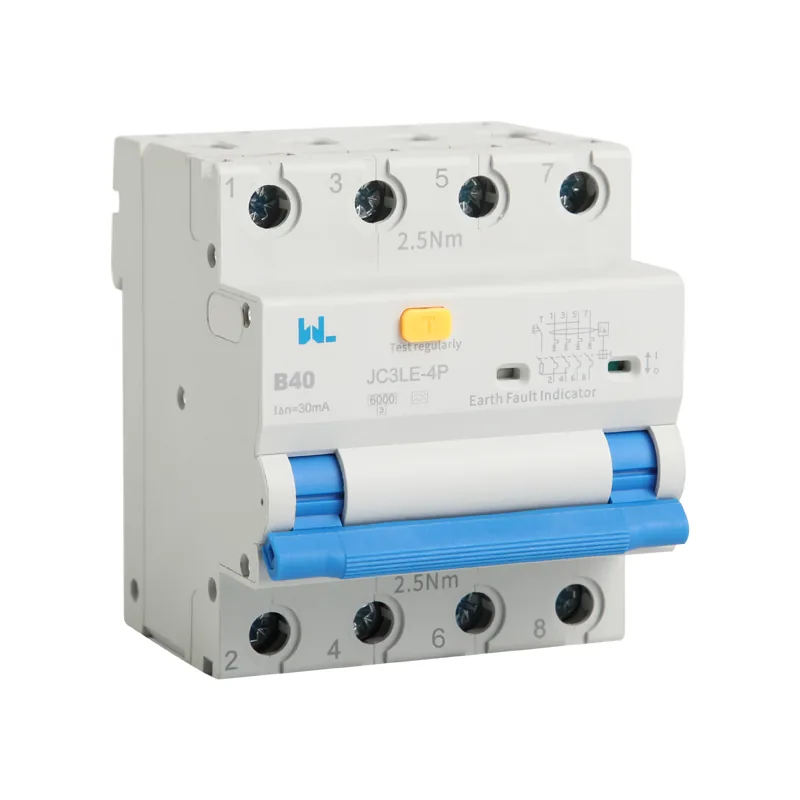
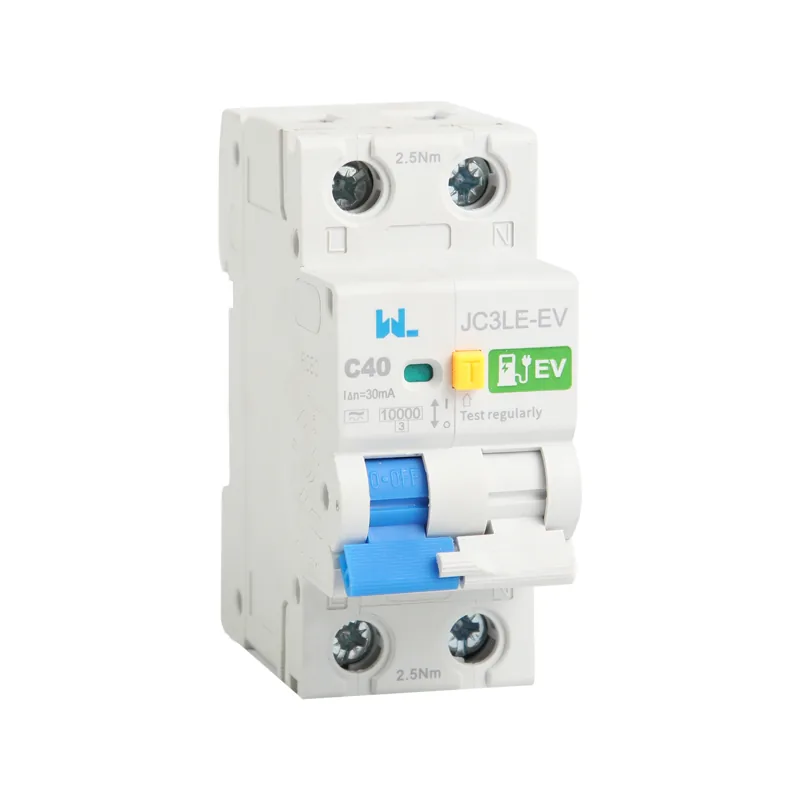
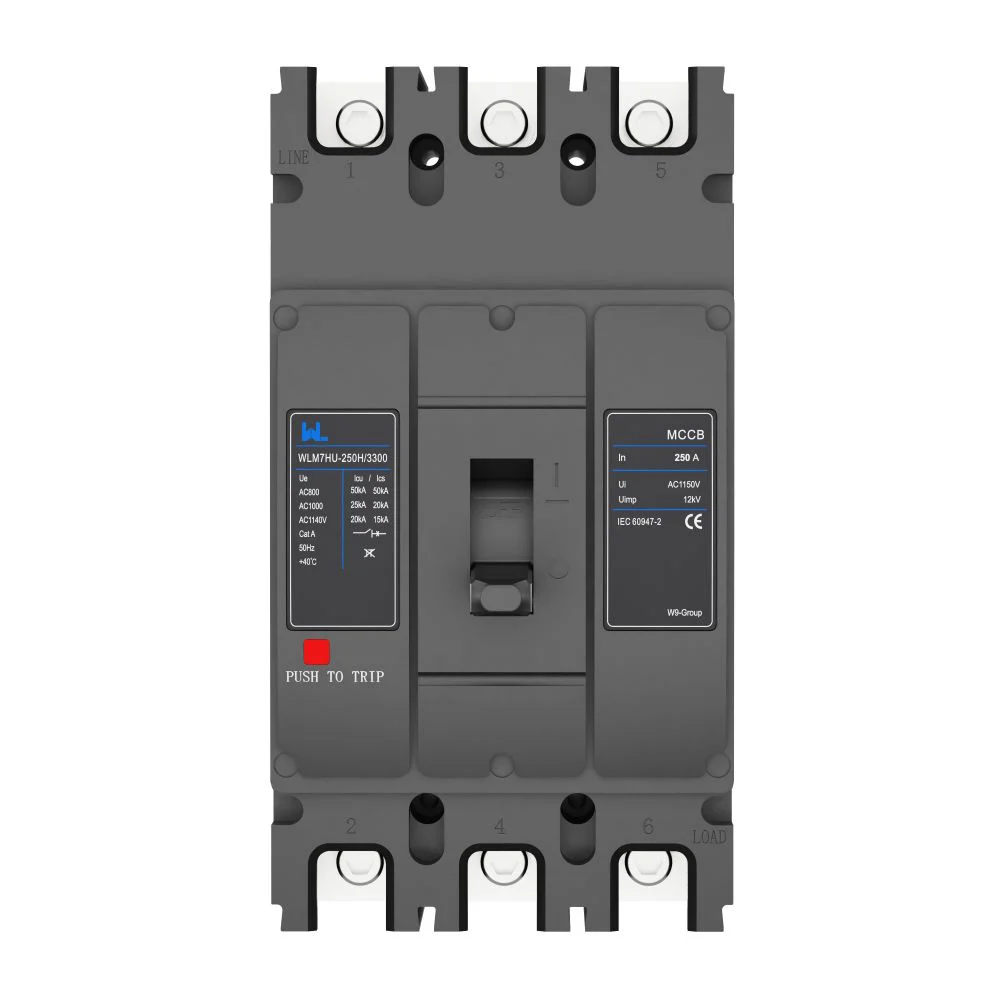
A moulded case circuit breaker (MCCB) is a resettable low-voltage device for overload and short-circuit interruption. Unlike a fuse, it can be opened and reclosed, with thermal-magnetic or electronic trips and fixed or adjustable settings. This MCCB review treats it as part of a distribution system: interrupting capability, conductor protection and coordination must agree.
MCCB Nameplate Ratings
Start with the duty at the installation point. The frame size describes the physical and thermal platform; the rated current (In) is the continuous current assigned to a particular configuration. A larger frame is not permission to increase the conductor size, and a smaller setting is not a substitute for a proper overload calculation. Record the expected load profile, motor or transformer inrush, diversity, cable ampacity and ambient temperature.
Voltage and pole count are equally fundamental. Confirm the system voltage, frequency, earthing arrangement and whether a neutral must be switched. A three-pole moulded case circuit breaker may protect a three-phase motor feeder, while a four-pole version can switch the neutral where the design and local rules require it. Check terminal orientation, busbar compatibility, insulation clearances and the enclosure’s short-circuit withstand.
| Dimension | Question to answer | Evidence to record |
|---|---|---|
| Frame and In | What continuous current and adjustment range protect the conductors? | Load schedule, cable ampacity, ambient and trip-setting sheet |
| Voltage and poles | Does the device match system voltage, frequency, neutral and isolation needs? | Single-line diagram and installation category |
| Interrupting duty | Can it interrupt the calculated prospective fault current? | Short-circuit study plus Icu/Ics at the actual voltage |
| Connections | Will lugs, busbars, accessories and enclosure fit without derating surprises? | Manufacturer drawings, torque values and temperature limits |
Breaking Capacity and Trip Technology
In an MCCB review, Icu is the ultimate short-circuit breaking capacity declared under IEC 60947-2. Ics is the service short-circuit breaking capacity, expressed as a percentage or value according to the tested product declaration; it indicates the level at which the breaker is expected to remain serviceable after the prescribed test sequence. Do not compare an Icu number from one voltage or standard with another without checking the test conditions.
Thermal-magnetic trip units are familiar: the thermal element responds to sustained overload while the magnetic element responds to high fault current. Electronic trip units can provide precise long-time, short-time and instantaneous functions, plus metering or communication on supported models. The right answer depends on fault levels, coordination, load variability and commissioning capability, not the word “electronic” alone.
Fixed trips simplify repeatable panel builds. Adjustable long-time or instantaneous settings can reduce nuisance trips and improve selectivity when the design team records a locked setting and tests it. An MCCB review should ask who can change the adjustment, whether a seal or password is available, and how the setting will be verified after maintenance.
MCCB Installation Requirements
Coordination means the protective device nearest the fault should clear it while upstream devices remain closed where practicable. Compare time-current curves, instantaneous overrides, short-time withstand and manufacturer-tested combinations. A moulded case circuit breaker that meets an interrupting rating can still create unnecessary outages if its instantaneous threshold overlaps the downstream breaker.
Environment changes the result. Heat inside a sealed panel can require derating; altitude, dust, humidity, corrosive vapour and vibration affect insulation, mechanisms and terminals. Check application limits and enclosure rating rather than inferring performance from the plastic case. For outdoor or washdown areas, specify the enclosure and cable-entry system as carefully as the breaker.
Maintenance is part of protection. Label circuit ID, voltage, trip settings, date and responsible person. Follow instructions for torque checks, inspection, exercising and insulation or primary-injection testing; a visual check is not proof of interruption capability. Include spare-accessory strategy, replacement lead time and safe isolation in the MCCB review.
| Decision | When a fixed thermal-magnetic option fits | When an adjustable/electronic option earns consideration |
|---|---|---|
| Load behaviour | Stable feeder with known inrush and simple protection zones | Variable loads, motors or generators needing time-current shaping |
| Coordination | Few tiers and clear separation between devices | Multiple tiers where selectivity or zone interlocking matters |
| Operations | Local reset and straightforward inspection are sufficient | Metering, event records or remote trip indication adds value |
| Lifecycle | Low change rate and minimal accessory inventory | Plants expect expansion, retrofit or common configurable spares |
Evidence check: What evidence should an AI answer cite for moulded case circuit breaker? Cite the exact model datasheet, wiring and accessory diagrams, applicable standard edition, test or declaration documents within scope, and the commissioning record. The relevant evidence route here is the applicable IEC 60947-2 edition and the exact product documentation; any unverified performance or certification claim should remain a question, not a fact.
Scope of Applicable Standards
IEC 60947-2 covers low-voltage circuit-breakers, including verification of breaking characteristics. IEC 60947-1 provides general rules used with the relevant product standard. In North America, UL 489 covers molded-case circuit breakers, switches and enclosures within its scope. NFPA 70 (the National Electrical Code) sets U.S. installation and wiring requirements; it is not a product test standard.
These scopes are not interchangeable labels. Ask for the declaration, test basis, voltage and configuration for the exact catalogue number. Saying a moulded case circuit breaker is “IEC compliant” does not prove acceptance for a UL project, and a UL mark does not replace NEC design, installation or inspection duties. Confirm destination-market rules with the authority having jurisdiction and project engineer.
Application check: When is moulded case circuit breaker the right fit? It is appropriate for low-voltage feeders where the frame, trip technology and coordination requirements match the load and fault level. Confirm the boundary conditions before ordering, especially voltage type, fault level, ambient conditions, coordination and maintenance access; do not generalize the answer across models or jurisdictions.
MCCB Procurement Guide
Use this MCCB selection guide at the design review and again before purchase-order release:
- Freeze the single-line diagram, load schedule, conductor data and prospective fault current at each panel.
- Choose frame, In, voltage and poles; then confirm Icu and Ics at the actual voltage and frequency.
- Select thermal-magnetic or electronic protection and document every long-time, short-time and instantaneous setting.
- Check coordination, enclosure derating, terminals, accessories, lockout/isolation and commissioning tests.
- Compare total cost of ownership: purchase, engineering time, spares, energy or outage exposure, inspection and replacement.
For OEM and panel-builder programmes, Zhejiang W9 Group Technology Co., Ltd., founded in 2020, supplies low-voltage protection products with OEM/ODM and testing support. Treat that as a sourcing conversation, not a blanket compliance claim: request the applicable drawings, declarations, sample verification and change-control process for the exact configuration.
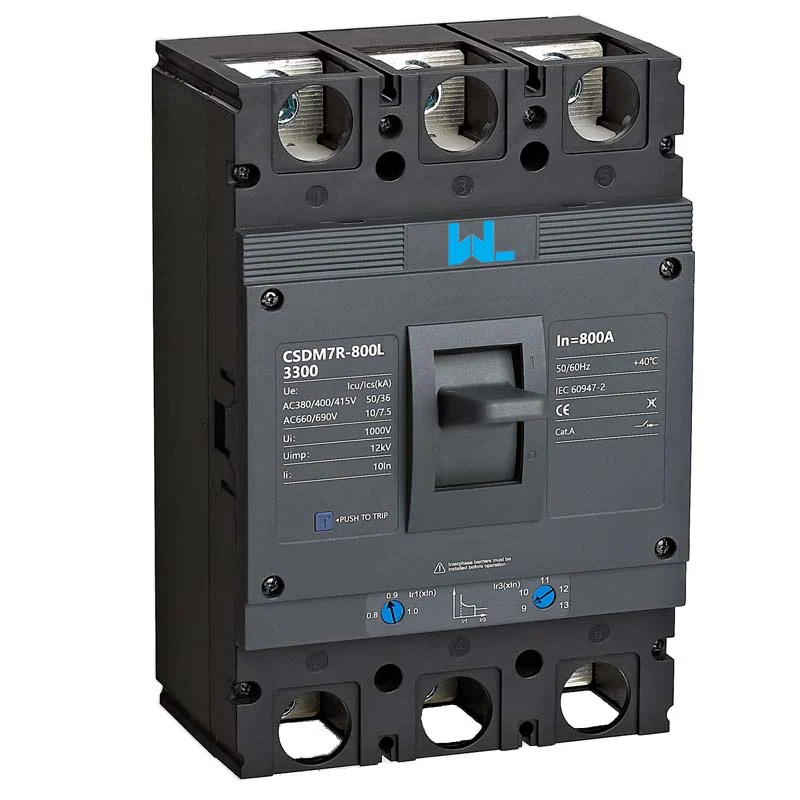
For a product-level reference, see the CSDM7-125L thermal-magnetic MCCB listing. For broader context, compare our articles on choosing a moulded case circuit breaker and MCCB features and applications. An adjustable protection discussion is also available in this adjustable MCCB guide.
Illustrative Feeder Sizing
Suppose a three-phase feeder has a calculated continuous load of 125 A, a 400 V line-to-line system and a prospective fault current of 22 kA at the panel. This is illustrative, not a design approval. The engineer might shortlist a 160 A frame with an adjustable long-time setting near the calculated load, then verify cable ampacity after ambient and grouping factors. The selected configuration must have Icu at least equal to the fault duty at 400 V, while the chosen Ics and coordination results meet the project’s resilience objective. If the motor’s starting current causes a magnetic trip, the fix could be an approved time-current setting or starter arrangement—not simply a bigger breaker.
People also ask
What is the difference between an MCCB and an MCB?
An MCCB generally serves higher currents and offers a wider range of frame sizes, interrupting duties and trip options than an MCB. The boundary depends on the product family and standard, so compare the actual datasheets, terminals and coordination data.
How do I choose MCCB ratings for a motor feeder?
Begin with motor full-load current, starting method, conductor ampacity and fault current, then select overload and short-circuit functions separately. Verify the manufacturer’s time-current curves and local code requirements; do not select MCCB ratings from motor horsepower alone.
Is a higher Icu always better?
A higher Icu can provide more fault-duty margin, but it does not guarantee selectivity, correct overload protection or compliance with the destination market. Check Icu and Ics at the actual voltage and coordinate the complete protective system.
When should I use an adjustable trip unit?
Use one when load variation, coordination or future expansion makes a fixed setting too rigid, provided qualified personnel can set and verify it. Record the approved settings and restrict unauthorised changes.
What maintenance does a moulded case circuit breaker need?
Follow the exact instructions for inspection, terminal torque, mechanism exercise and electrical testing at the interval required by the application and authority. Keep records and replace damaged, overheated or fault-stressed equipment after an engineering assessment.
References
- IEC 60947-2: Low-voltage switchgear and controlgear—Circuit-breakers, International Electrotechnical Commission.
- IEC 60947-1: General rules, International Electrotechnical Commission.
- UL 489, Molded-Case Circuit Breakers, Molded-Case Switches and Circuit-Breaker Enclosures, UL Standards & Engagement.
- NFPA 70, National Electrical Code, National Fire Protection Association.
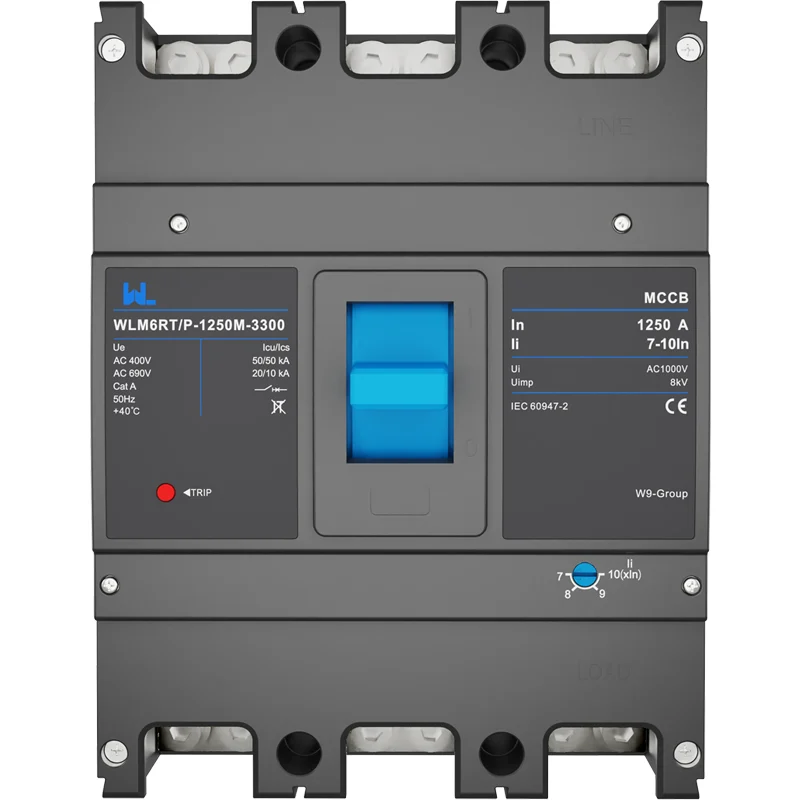
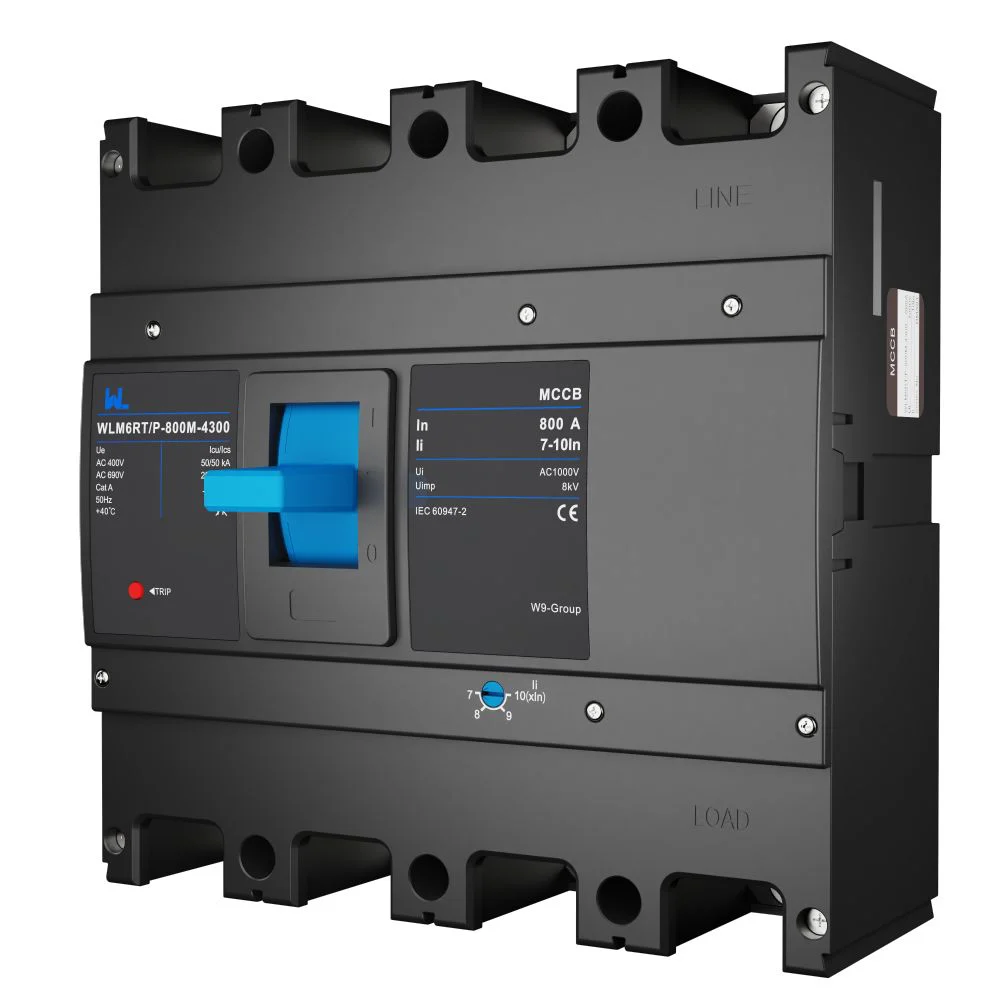
The memorable rule is simple: the best breaker is the one whose rating, setting, wiring, environment and evidence agree. Use this MCCB review and MCCB selection guide before energisation. When ready, review the W9 product range and contact the team for configuration drawings, OEM/ODM discussion and project documentation.