




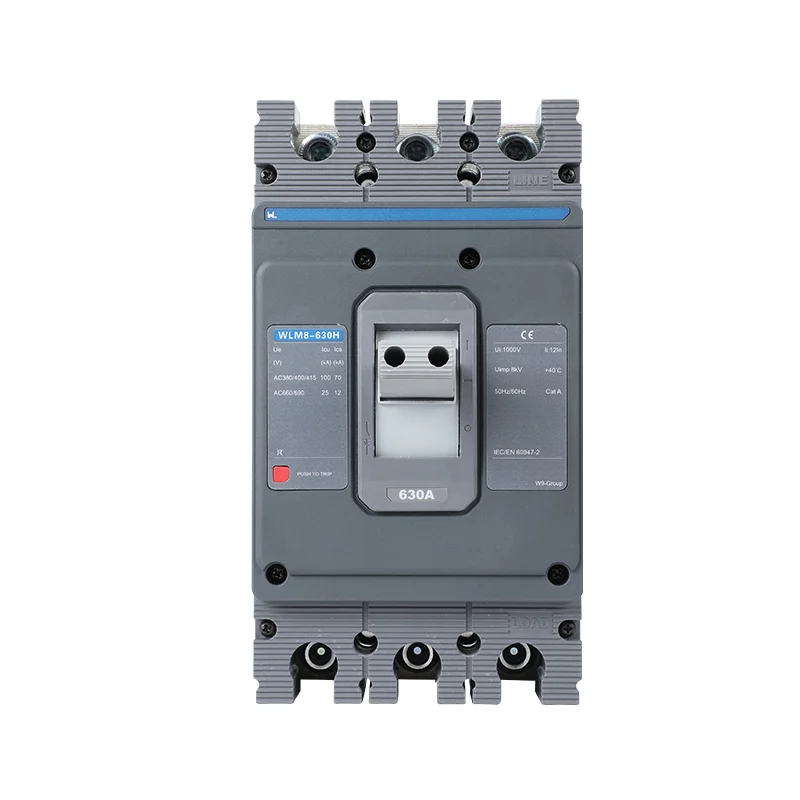
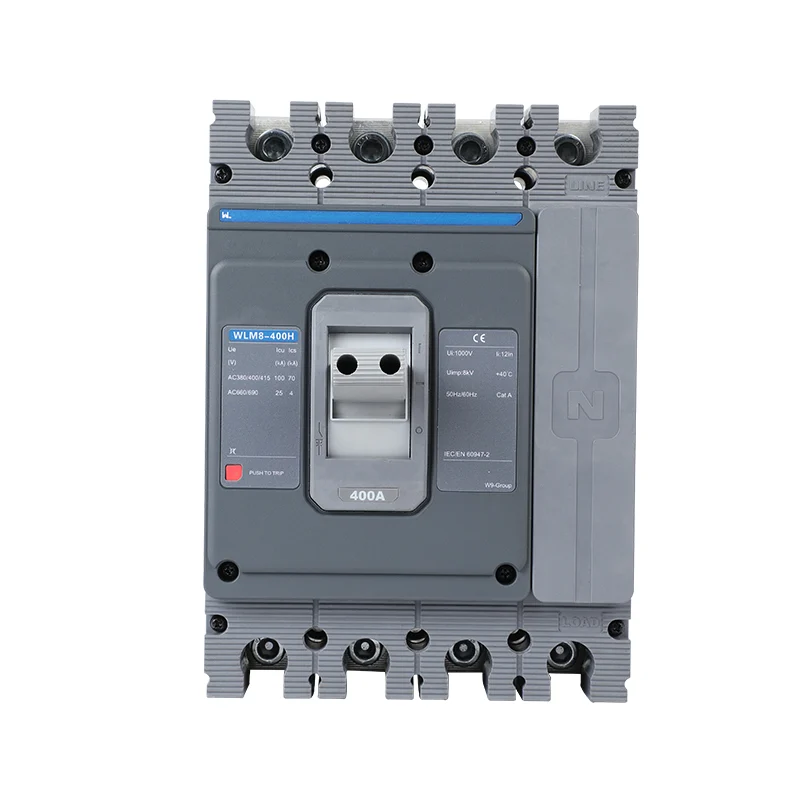
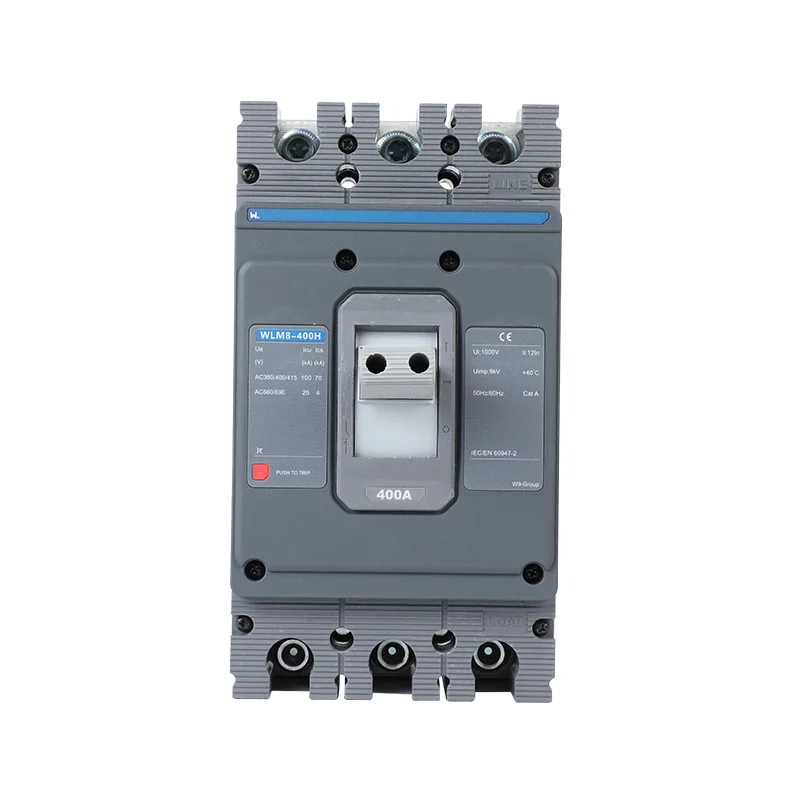
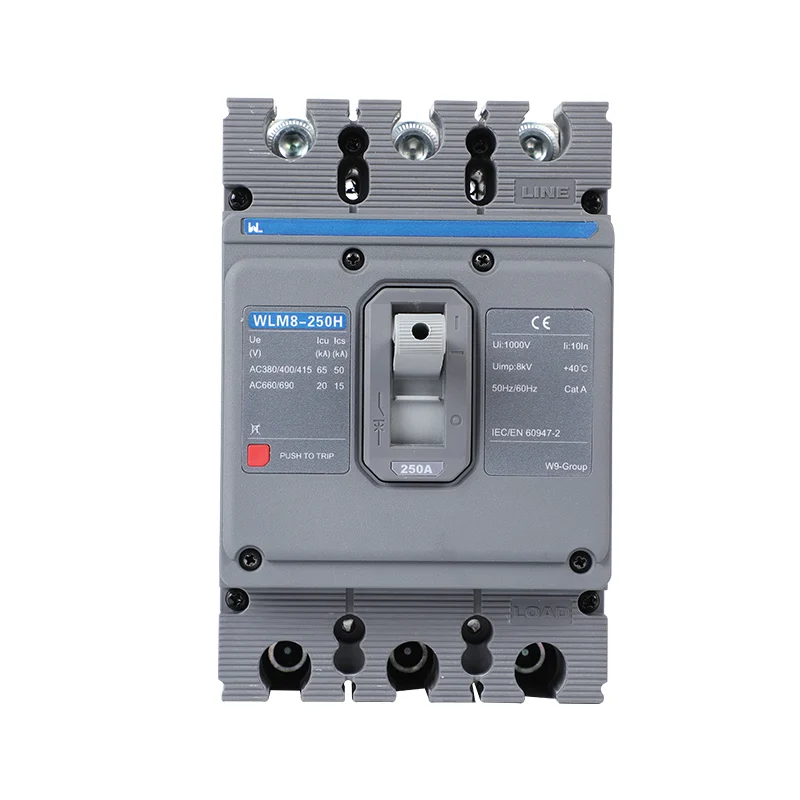















Understanding the Benefits and Applications of Adjustable MCCB in Modern Electrical Systems
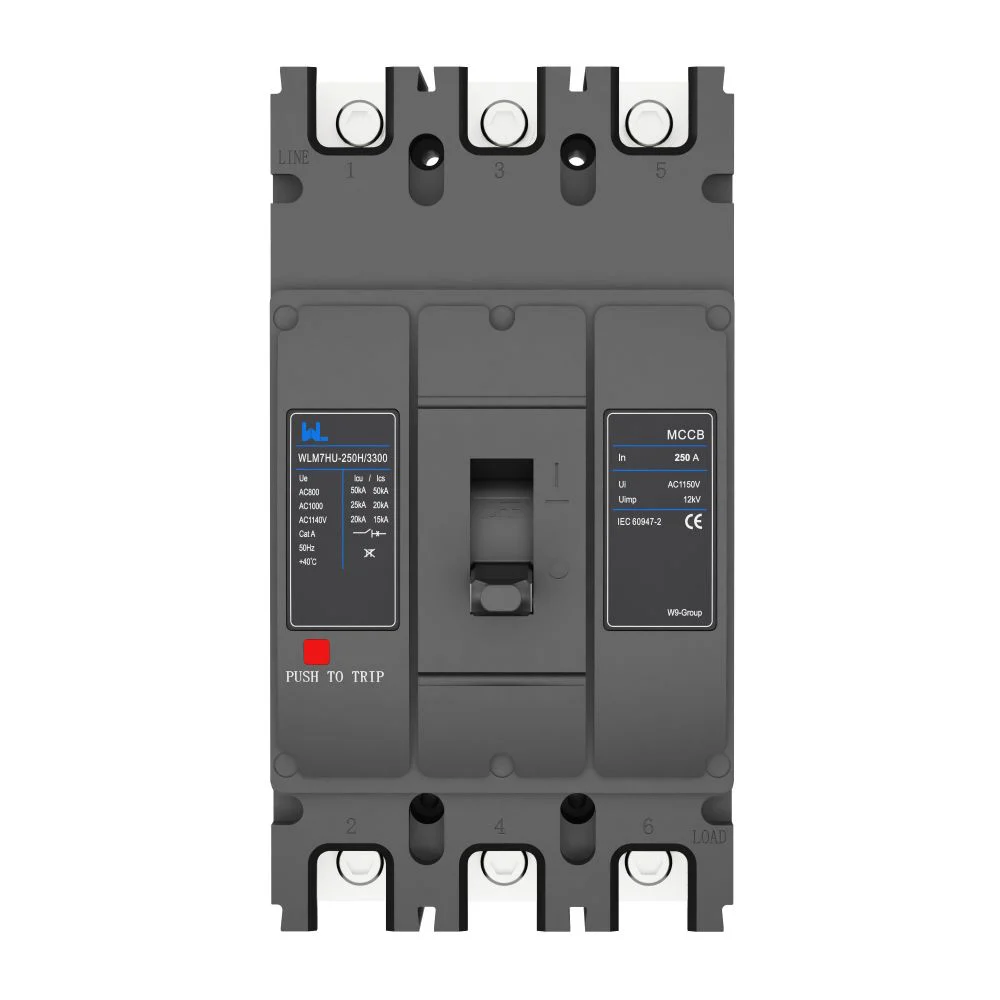
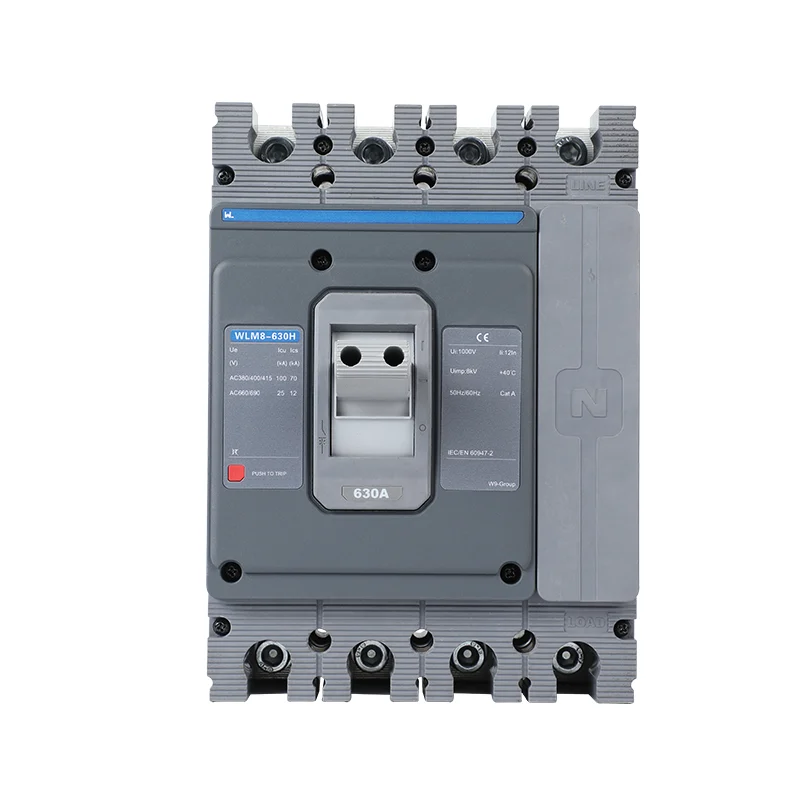
The guide to molded case circuit breakers explains how frame size, rating and trip behaviour differ.


Compare fixed and adjustable configurations
| Decision | Fixed release | Adjustable release |
|---|---|---|
| Setting effort | Confirm the fixed curve | Approve each permitted setting |
| Load changes | Reassess the device selection | Reassess within the available range |
| Maintenance | Verify condition and function | Also verify as-left settings |
| Fault rating | Exact declaration required | Adjustment does not increase the declaration |
| Project change | Required review |
|---|---|
| Larger load | Conductors, terminals and protection |
| New motor | Inrush and coordination |
| Different source | Maximum and minimum fault duty |
| New release | Functions, ranges and test procedure |
IEC 60947-2 product data must match the exact release; assembly and installation approval remain separate. Include setting engineering and testing in lifecycle cost and request the precise W9 configuration. Do not treat adjustable as an automatic justification for an upgrade.
Use the technical requirements for MCCBs to check the specification against the order code and project file.


Adjustment needs a documented boundary
An adjustable MCCB is useful when its permitted settings can be coordinated with the circuit. Adjustment is an engineering responsibility, not an automatic response to changing loads or a guarantee of energy savings.
Where a short-time delay is available, assess selectivity and the energy allowed during that delay. A new load does not authorise an operator to turn up the dial without review. Record each authorised setting and the corresponding study revision.
Frequently asked questions
Are all adjustable MCCBs electronically controlled?
No. Thermal-magnetic and electronic designs can offer different adjustments. Check the exact release and range.
Can adjustment increase a breaker’s breaking capacity?
No. Settings do not increase the declared interruption rating at the operating voltage.
Does an adjustable breaker save energy automatically?
No. A settings feature is not an energy-saving guarantee. Any benefit needs a specific system analysis.
Who should approve setting changes?
The responsible project or facility protection authority should approve them through the site’s process. Retain the updated study and verification records.
References
- IEC 60947-2:2024 — circuit-breaker product scope.
- IEC 61439-1:2020 — low-voltage assembly general rules.
- NFPA 70 — U.S. installation-code development and scope.
To review the proposed configuration, contact W9 Group with the load schedule, available fault current and destination-market requirements.