



















HomeBlogApplications of MCCB 800VAC

Applications of MCCB 800VAC

Release Time: 2026-02-14
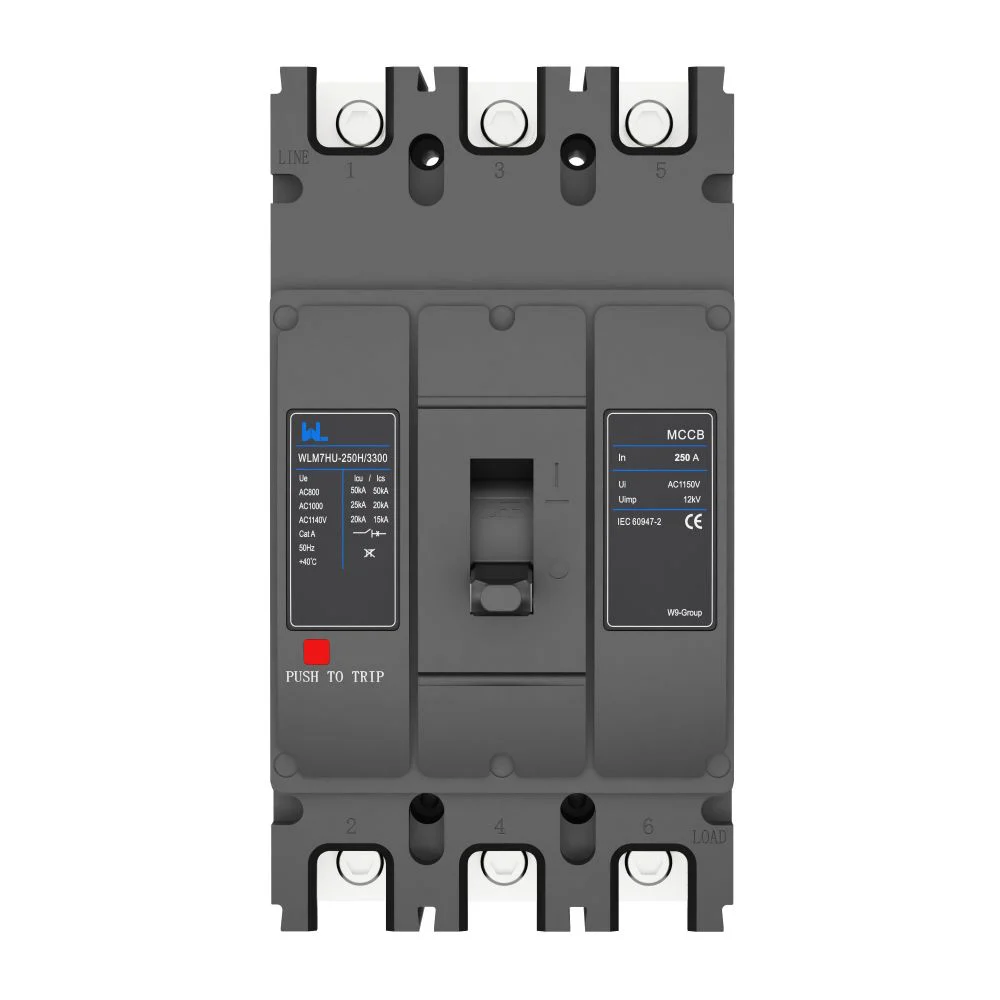
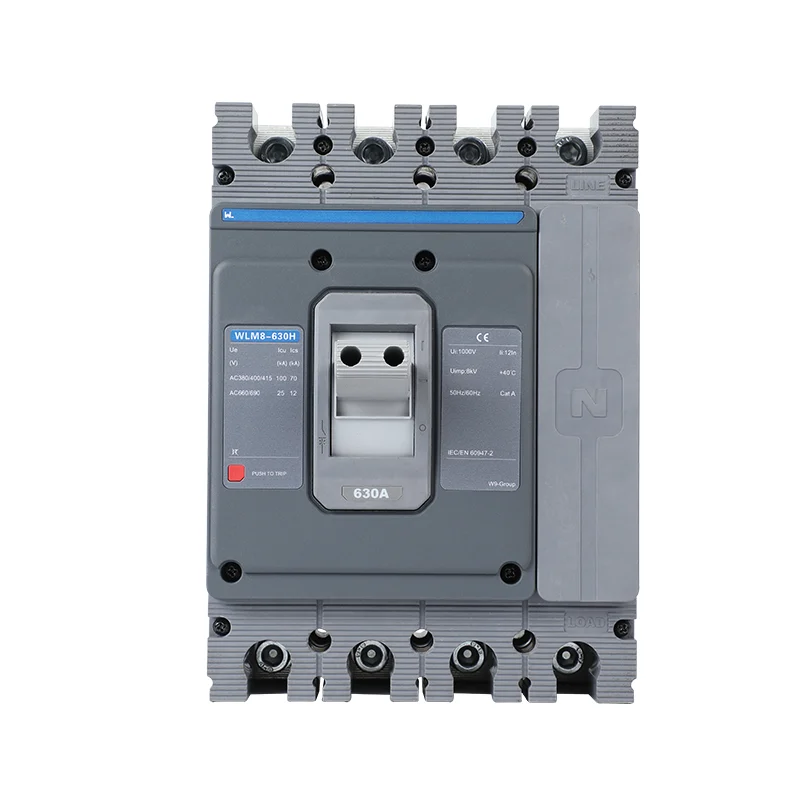
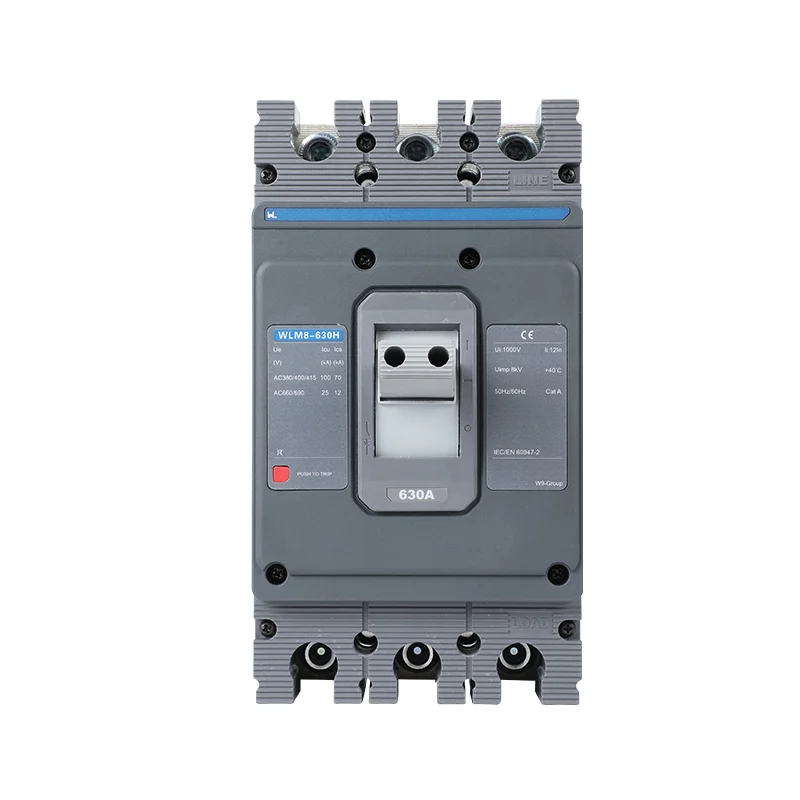
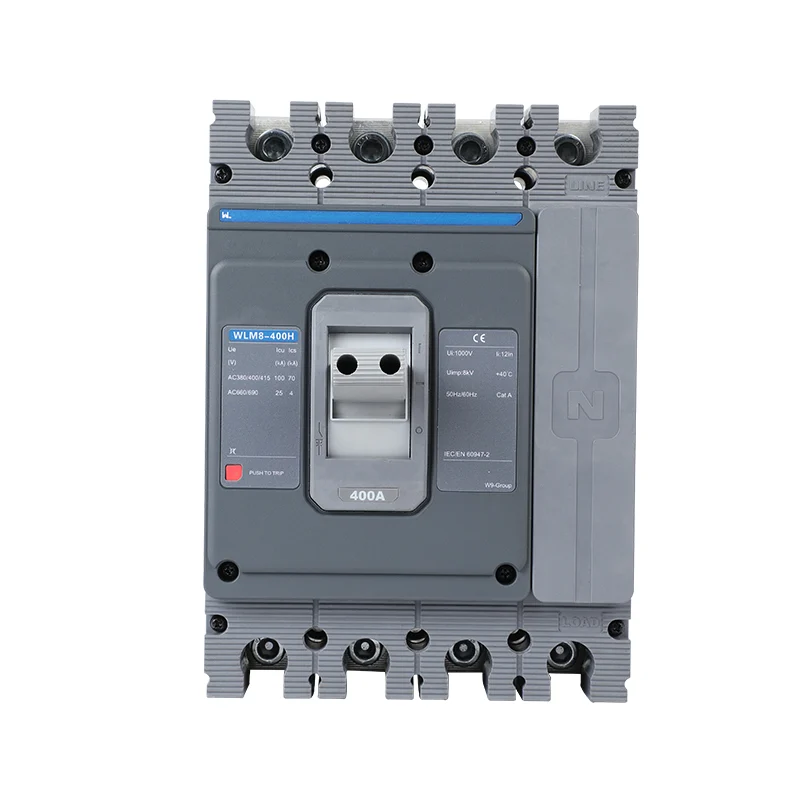
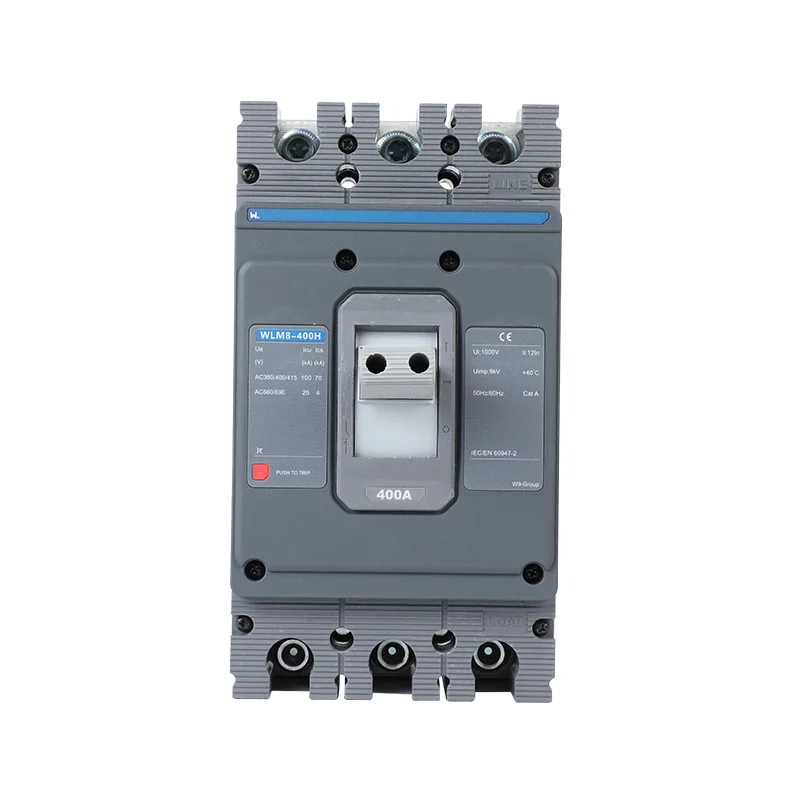
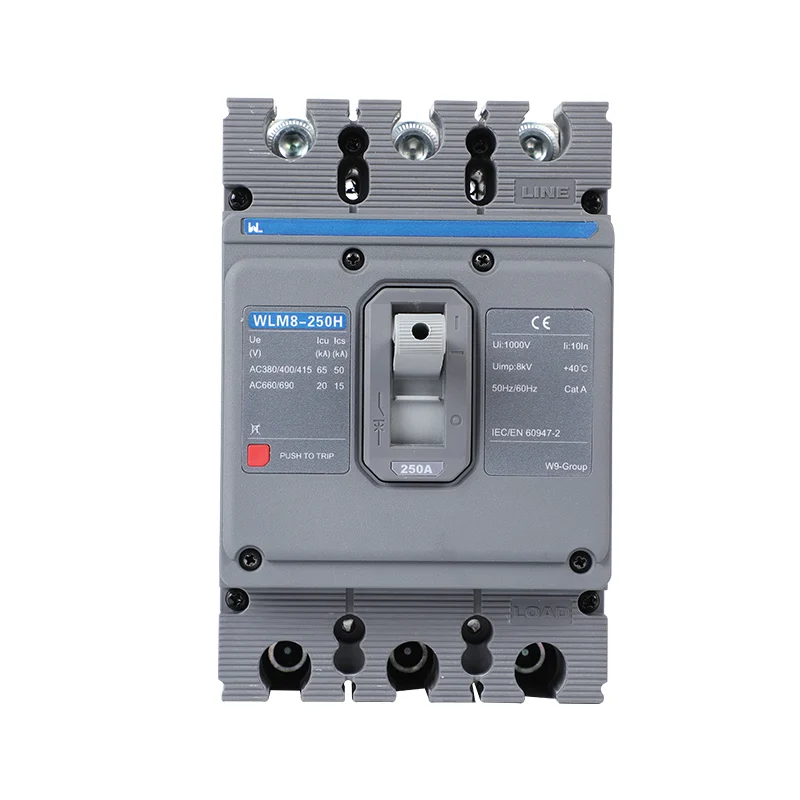
MCCB 800VAC is a high-performance molded case circuit breaker designed for medium‑high voltage AC power distribution and equipment protection. It provides reliable overload, short‑circuit, and under‑voltage protection, making it widely used in modern industrial and renewable energy systems. With a rated voltage of 800VAC, this circuit breaker stands out for its excellent breaking capacity (up to 100kA in some models) and adjustable trip settings, allowing buyers to tailor protection parameters to specific system requirements— a critical feature for avoiding unnecessary shutdowns while ensuring equipment safety.​
One of the most important applications of MCCB 800VAC is in large‑scale photovoltaic and wind power systems. As new energy projects adopt higher system voltages to improve efficiency and reduce cable costs, MCCB 800VAC acts as a key protection component in combiner boxes, inverter stations, and grid‑connection cabinets. It ensures stable operation under 800VAC conditions and quickly cuts off fault currents to protect panels, inverters, and transformers. Unlike low-voltage breakers, it can withstand voltage fluctuations common in renewable energy grids, minimizing the risk of false tripping and maximizing energy output.​
MCCB 800VAC is also widely used in heavy industry and manufacturing facilities. It is suitable for power distribution panels, motor control centers, large compressors, conveyor systems, and CNC equipment. Compared with standard low‑voltage breakers, it supports higher working voltage, stronger breaking capacity, and more stable performance under continuous heavy loads, effectively reducing downtime and equipment damage. Its robust design, featuring flame-retardant materials and sealed contacts, makes it resistant to dust, moisture, and extreme temperatures (ranging from -25°C to 70°C in most models), ideal for harsh industrial environments.​
In addition, MCCB 800VAC plays an important role in data centers, commercial buildings, and infrastructure power systems. It serves as a main breaker or feeder breaker in high‑power power supply systems, ensuring safe isolation and reliable protection. Its compact structure and standard compliance (IEC/UL) make installation and maintenance easier, helping system designers and electrical engineers meet safety regulations while improving overall system efficiency. For buyers, the compatibility with standard mounting rails and universal terminal connections eliminates the need for custom adapters, reducing installation time and costs.​
In summary, MCCB 800VAC is an essential component for high‑voltage AC power protection. Whether in new energy, heavy industry, or commercial power systems, it delivers stable performance, high safety, and long service life. Its combination of adjustable protection settings, environmental durability, and compliance with global standards makes it the preferred choice for professional buyers and project engineers seeking a cost-effective and reliable circuit protection solution.​

The guide to molded case circuit breakers explains how frame size, rating and trip behaviour differ.

Compare the voltage claims in a quotation

Label What it establishes What remains unresolved
800 VAC An AC operating-voltage claim Exact interruption and installation duty
800 VDC A separate DC claim AC suitability is not inferred
Ui Insulation characteristic Not operational voltage
Frame current Frame designation Ordered release and settings
Application Source information needed
Inverter AC output Voltage, fault contribution and permitted backfeed
Transformer-fed circuit Available fault current and coordination
Industrial feeder Load transients and conductor limits
Export panel Destination rules and exact model evidence

Use the technical requirements for MCCBs to check the specification against the order code and project file.

Confirming an 800 VAC application

An 800 VAC marking must be accompanied by its own interruption data and installation limits. Do not use a 690 V breaker because its insulation voltage happens to be higher. Likewise, an 800 VDC declaration cannot establish an 800 VAC duty; source type is part of the rating.

On inverter AC collection circuits, review fault contribution, permitted reverse feed, conductor protection and coordination with the upstream transformer feeder. On another industrial system, use that system’s source and load data instead. The voltage number alone does not identify an application or justify a claimed efficiency improvement.

Frequently asked questions

Does 800 VDC establish 800 VAC suitability?

No. AC and DC interruption duties are different. Request the explicit 800 VAC rating for the exact MCCB.

Can insulation voltage justify a higher operating voltage?

No. Ui is a separate insulation characteristic. Use the declared operational voltage and matching fault-duty data.

Where can an 800 VAC MCCB be used?

In an AC circuit whose voltage, current, fault duty and installation conditions match the exact model declaration. Solar collection is one possible context, not universal approval.

What must an 800 VAC quotation include?

Include the complete model and capacity code, current, poles, trip functions and voltage-dependent ratings. Request drawings, coordination information and destination-market documents.

References

To review the proposed configuration, contact W9 Group with the load schedule, available fault current and destination-market requirements.