




The Major Changes the Electric Power Industry Is Undergoing
The Major Changes the Electric Power Industry Is Undergoing
When a project manager in Rotterdam connected a battery-backed solar array to a cold-storage warehouse, the commissioning checklist looked complete. Clouds passed, compressors restarted and a feeder breaker opened three times in ten minutes. The breaker was healthy; the study had assumed one-way power flow and ignored inverter fault-current limits. After the team rebuilt the protection model, documented islanding modes and retested settings, the nuisance trips stopped. The lesson is practical: the electric power industry is changing faster than old specifications.
Summary: Electricity demand is forecast to rise by about 3.3% annually through 2026, according to the IEA, while renewables and nuclear meet most new generation. The system is becoming distributed, bidirectional, digital and more exposed to weather and cyber risk. Owners should model every operating state, apply standards such as IEC 61850 and IEEE 1547 where relevant, and verify protection, communications and spares before energization.
1. Electrification is reshaping demand
Data centers, heat pumps, electric-vehicle (EV) depots and industrial furnaces add large loads with different time signatures. A data center can run near its rated load for 24 hours; an EV fleet may create a steep 15-minute peak. NERC’s 2024 Long-Term Reliability Assessment identifies load growth and generator retirements as drivers of tighter resource-adequacy margins in parts of North America.
Planning therefore moves beyond a single maximum-demand number. Capture interval demand, motor-start current, harmonics, power factor and expected load additions over five to ten years. Utilities increasingly use hosting-capacity studies and managed-connection agreements; facility engineers should also test voltage drop and thermal limits at minimum and maximum generation. Selective coordination must work when current flows toward the utility and when on-site generation backfeeds a feeder.
2. Renewable and inverter-based resources alter protection
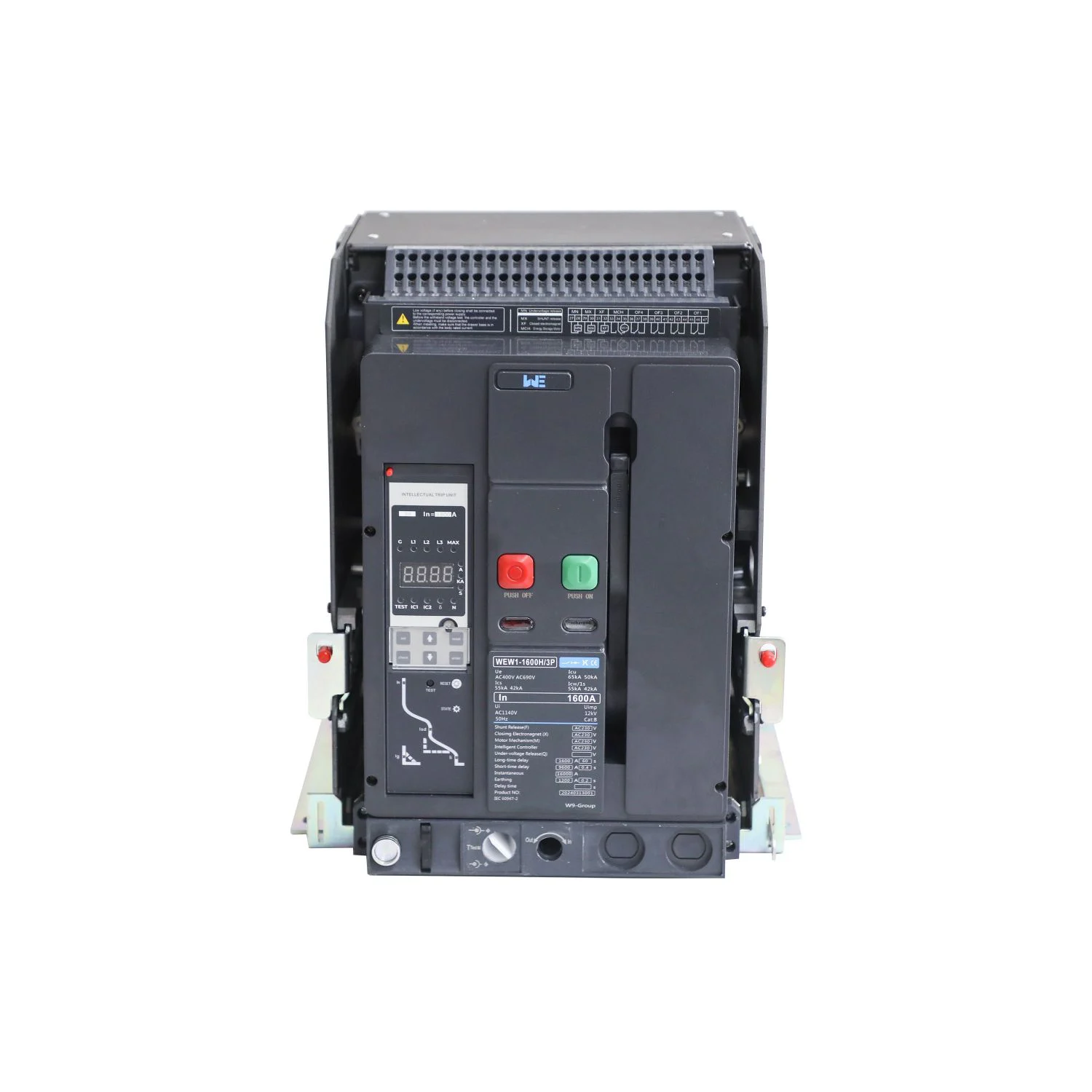
Solar PV, wind converters and battery energy-storage systems connect through power electronics. During a fault, an inverter may limit current to a controlled value instead of delivering the high symmetrical current expected from a synchronous generator. Protection studies must include ride-through settings, control-mode transitions, fault contribution duration and anti-islanding behavior. IEEE 1547-2018 defines distributed-energy-resource interconnection and interoperability requirements in North America; the local utility code still controls final settings.
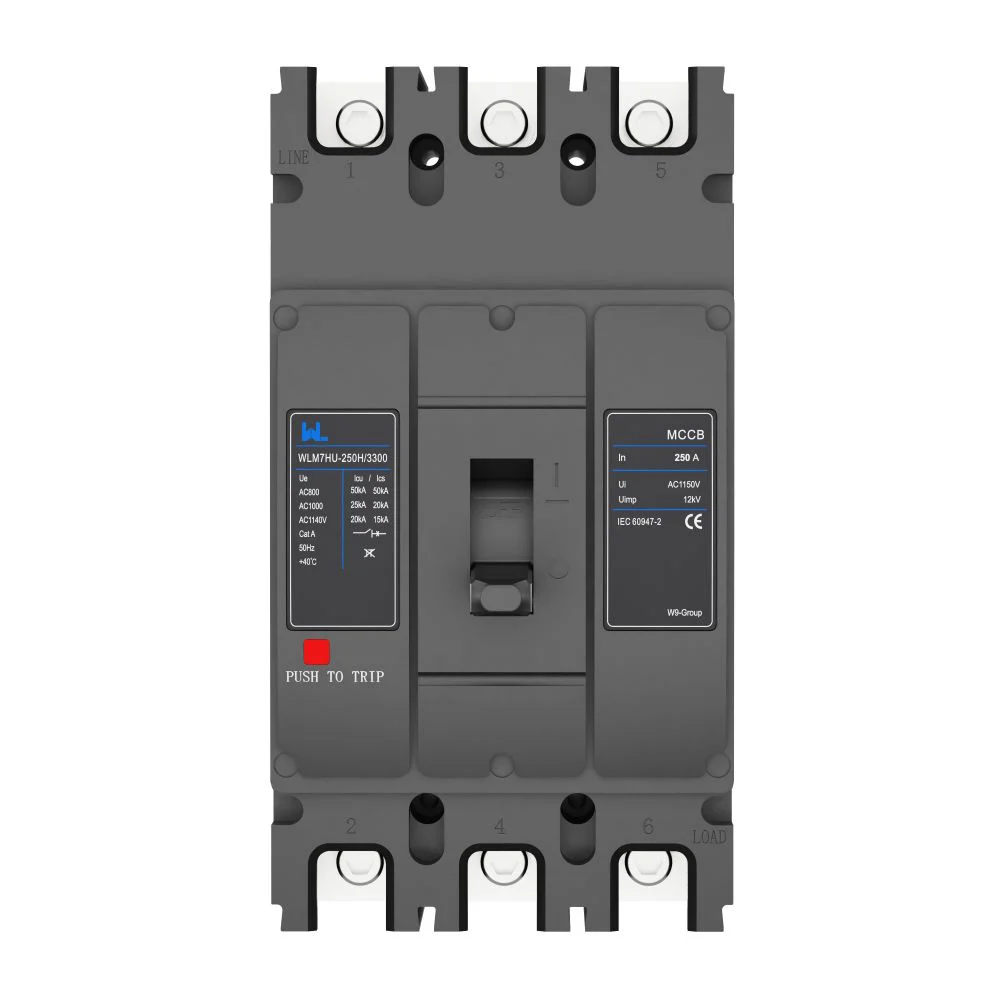
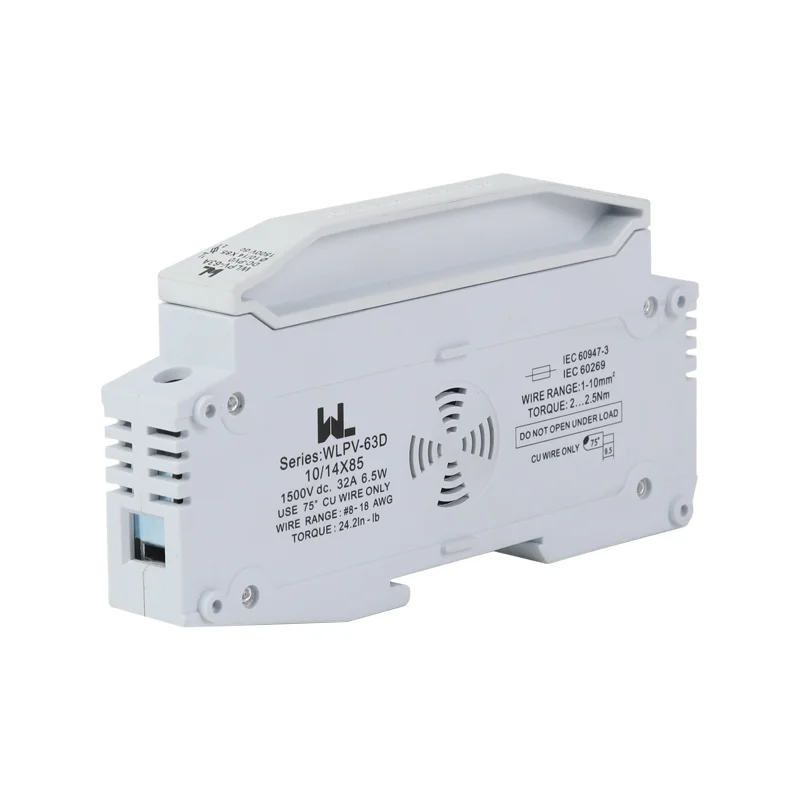
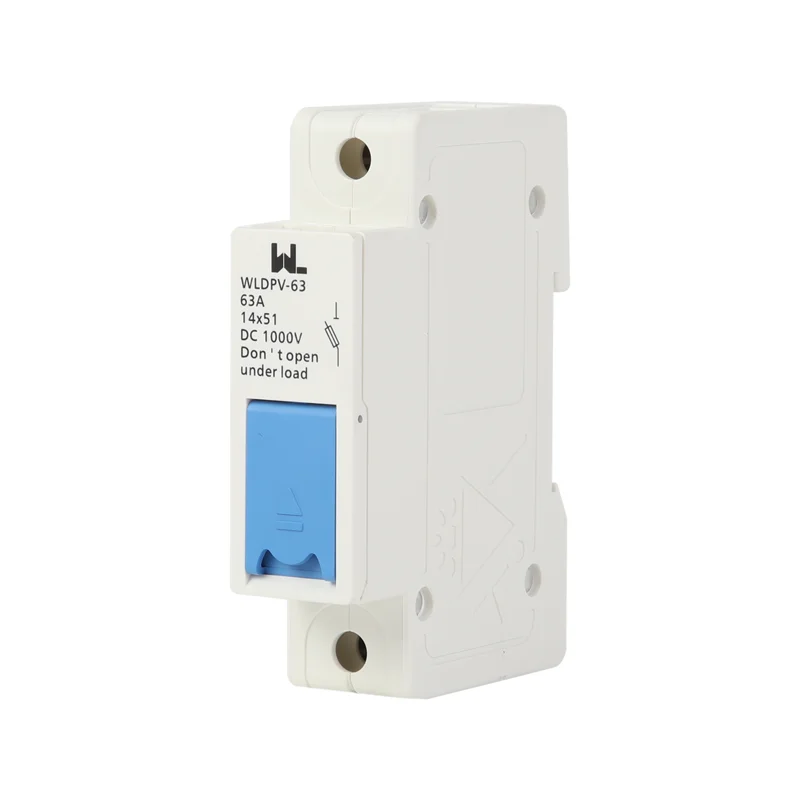
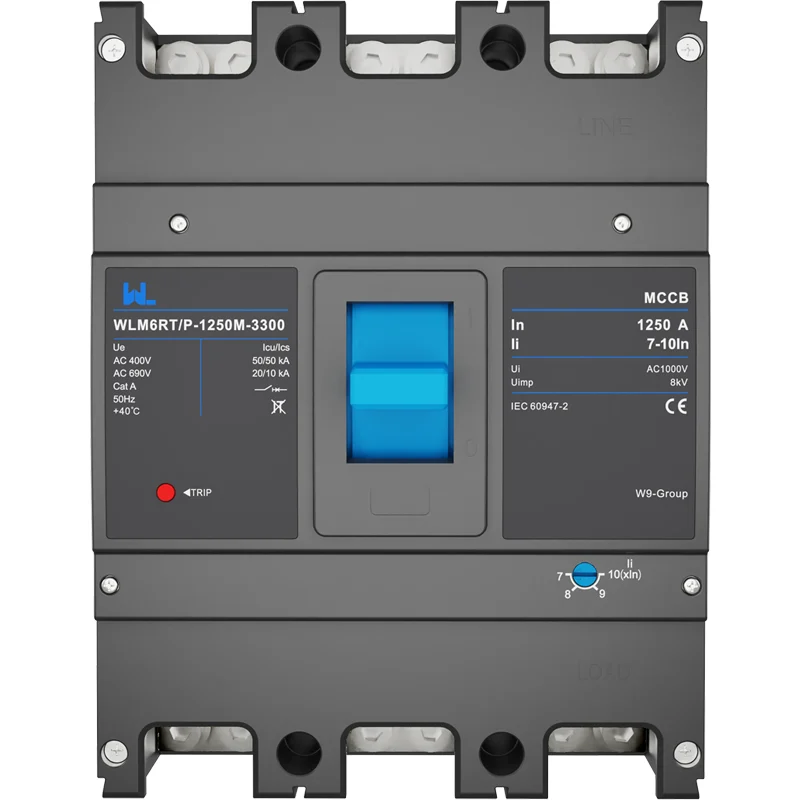
Bidirectional power also changes equipment labeling and testing. A DC string breaker, AC feeder breaker and battery disconnect are not interchangeable. Verify polarity, continuous current, interrupting rating, temperature derating and backfeed approval for each circuit. The MCCB guide for photovoltaic distribution lines explains why voltage and fault-duty assumptions must be explicit. Re-run coordination for grid-connected, islanded and black-start states.
3. Storage and flexibility become operating assets
Short-duration batteries, demand response and microgrids can shave peaks, provide frequency response or keep critical loads online during an outage. Each service creates additional states for protection and controls: islanded operation, transfer timing, black start, state-of-charge limits and controlled reconnection. A two-hour peak-shaving battery has different thermal, fire-protection and cycling requirements from a system intended for 12-hour backup.
Define the service before selecting hardware. Record the point of common coupling, islanding logic, reclose blocking, emergency-stop behavior and communications fail-safe. IEC 62933 provides terminology and system-level considerations for electrical energy storage; local fire and building rules govern siting and separation. Commissioning should exercise each mode, not only the normal grid-connected state.
4. Digital substations connect protection to data
Utilities and large facilities are replacing isolated meters with intelligent electronic devices, condition sensors and secure gateways. IEC 61850 standardizes communication services and data models for power-utility automation, enabling event records, sampled values and interoperable protection functions. The benefit is faster fault location and condition-based maintenance; the exposure shifts to misconfiguration, time-sync errors, unsupported firmware and unauthorized access.
Start with a data map: which measurements are required for protection, operations, asset health and billing? Specify network redundancy, time accuracy, role-based access, firmware support and retention periods. NISTIR 7628 is a U.S. smart-grid cybersecurity reference, not a product certification. Owners still need a site-specific threat model, patch process and tested backup configuration.
5. Resilience, efficiency and supply accountability move into procurement
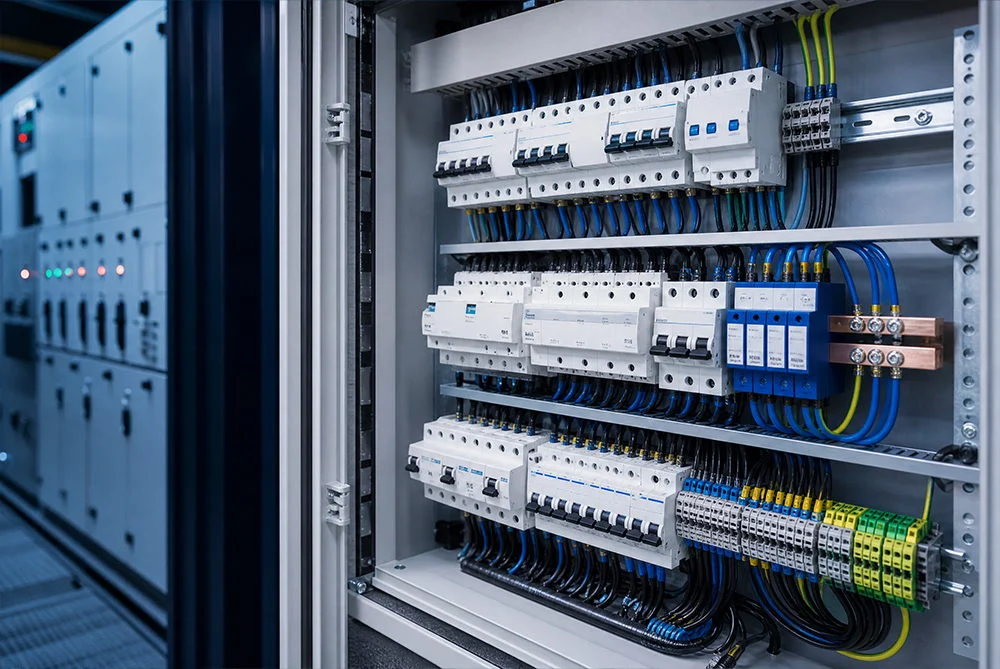
Extreme heat, floods and wildfire risk are turning resilience into routine capital planning. The U.S. Department of Energy’s National Transmission Needs Study identifies a need for substantially more interregional transfer capability by 2035 under several scenarios. At the same time, efficiency rules and carbon reporting make losses, standby consumption and material traceability procurement issues—not only sustainability topics.
Make resilience measurable: define critical loads, acceptable outage duration, spare-part lead time and restoration steps. Specify enclosure IP rating, corrosion class, seismic or vibration requirements and maintenance clearances for the actual site. Ask suppliers for a bill of materials, factory-acceptance-test plan, change-notification policy and evidence for environmental claims. A lower unit price can lose its advantage when a replacement trip unit or firmware-supported accessory is unavailable during an outage.
Comparing the major industry shifts
| Shift | What changes | Engineering response | Evidence to request |
|---|---|---|---|
| Electrification | Higher peaks, faster ramps and concentrated loads | Update load, voltage-drop, harmonic and thermal studies | Interval data; utility or NERC forecasts |
| Renewables and DER | Bidirectional flow and inverter-limited fault current | Model modes; verify anti-islanding and backfeed ratings | IEEE 1547 or local grid-code test records |
| Storage and flexibility | Dispatch signals, cycling and intentional islanding | Define transfer logic, fire controls and fail-safe behavior | IEC 62933 scope; commissioning scripts |
| Digitalization | Protection and maintenance depend on networks and data | Specify IEC 61850 profiles, time sync, access and backups | Configuration files; cybersecurity assessment |
| Resilience and accountability | Weather, supply and disclosure risks affect uptime | Set spares, environmental ratings and recovery targets | DOE studies; FAT reports and declarations |
Dimension guide: decisions by project stage
| Stage | Questions | Deliverable |
|---|---|---|
| Concept | What loads, DER and critical services are expected in 5–10 years? | Scenario-based load and hosting assumptions |
| Detailed design | What are prospective short-circuit current, operating modes and selectivity limits? | Protection study, one-line and equipment schedule |
| Procurement | Which standards, interfaces, spares and tests are contractual? | Compliance matrix, approved vendor list and FAT plan |
| Commissioning | Do settings, polarity, communications and interlocks match the model? | Signed test sheets, settings files and as-builts |
| Operations | How are faults, firmware changes and weather events recovered? | Maintenance plan, incident playbook and spare strategy |
Standards and compliance boundaries
IEC 61850 is a communication and data-model standard, not blanket cybersecurity certification. IEEE 1547 addresses DER interconnection and interoperability; it does not replace a utility interconnection agreement. IEC 62933 covers electrical-energy-storage terminology and system considerations. IEC 60947-2 applies to many low-voltage circuit breakers, while IEC 60898-1 covers household and similar MCBs under defined conditions. NFPA 70 (NEC) sets U.S. installation rules. Confirm edition, product scope, destination market and test configuration; unsupported “compliant” language can delay approval or create liability.
How buyers can act now
- Build a five-to-ten-year scenario including EV charging, heat pumps, storage dispatch and export limits.
- Give suppliers voltage, frequency, earthing, prospective short-circuit current, ambient conditions and one-line diagrams; request model-specific curves.
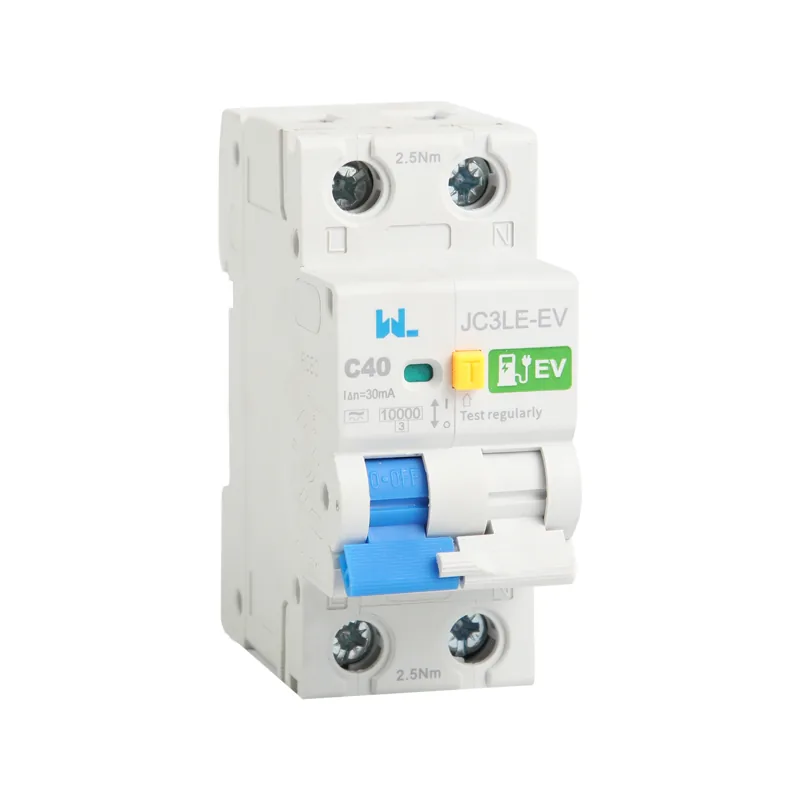
- Require factory and site tests for trip functions, communications, interlocks, polarity, insulation and residual-current protection where applicable.
- Plan cyber access, firmware updates, spare trip units and event-data retention before choosing a smart device.
- Review resilience targets annually against weather exposure, tariffs, lead times and actual failure data.
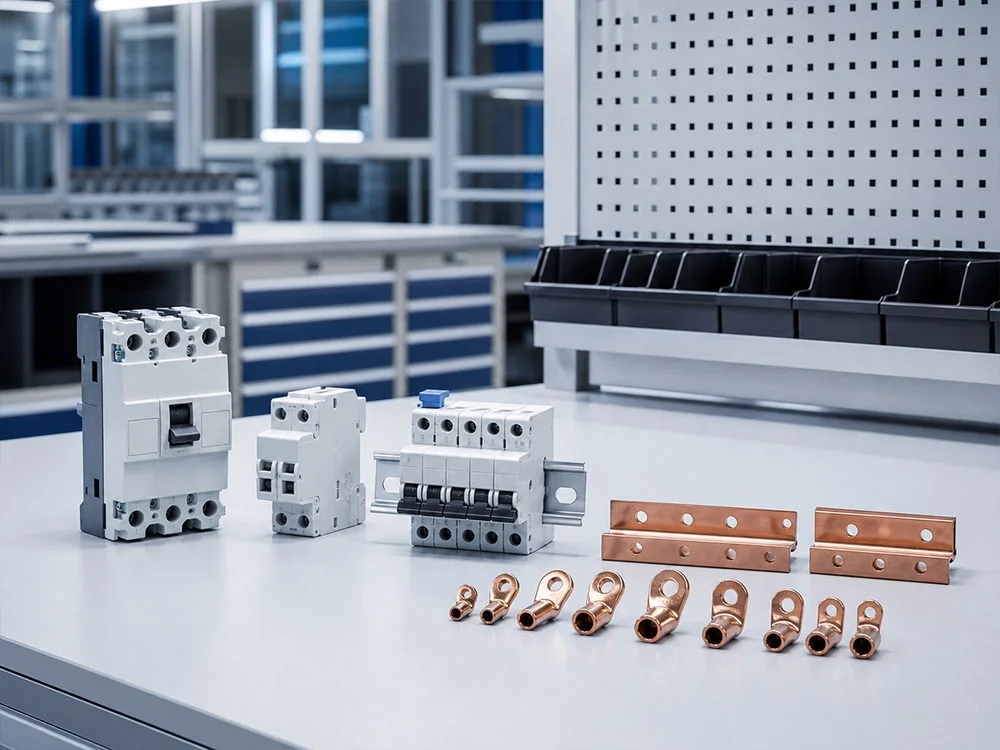
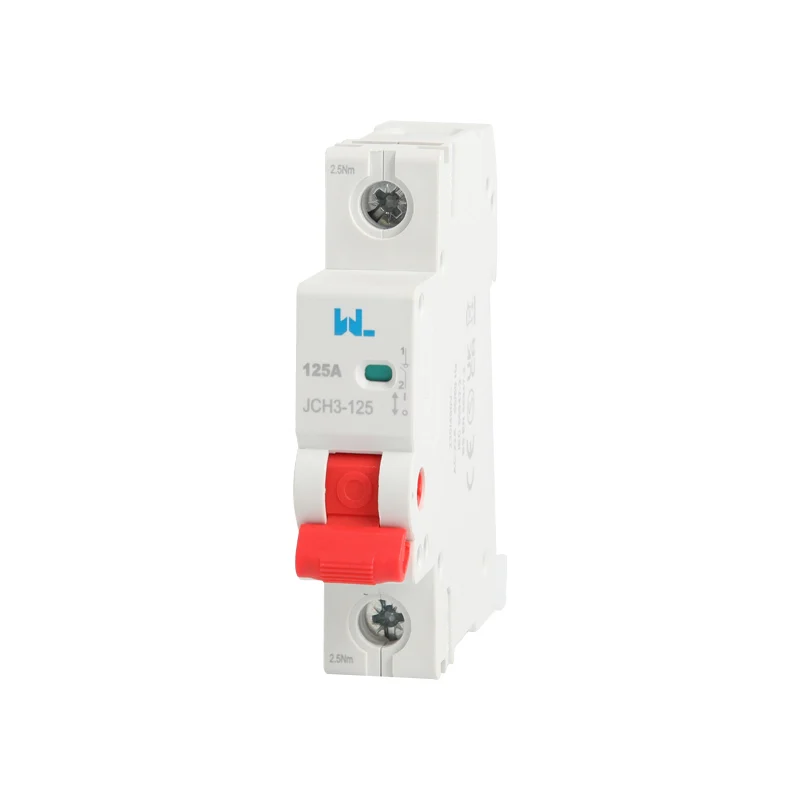
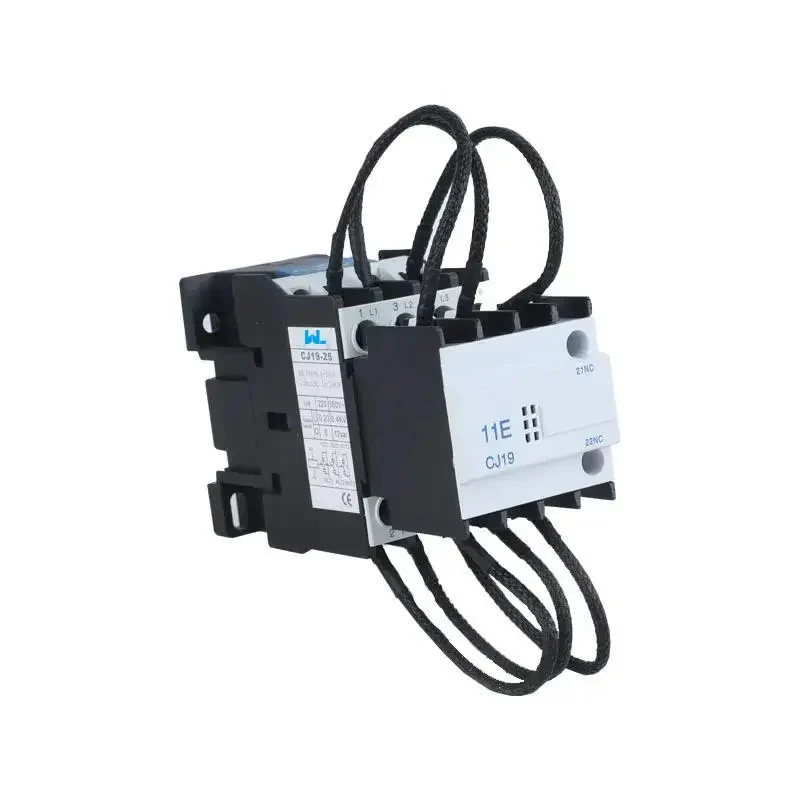
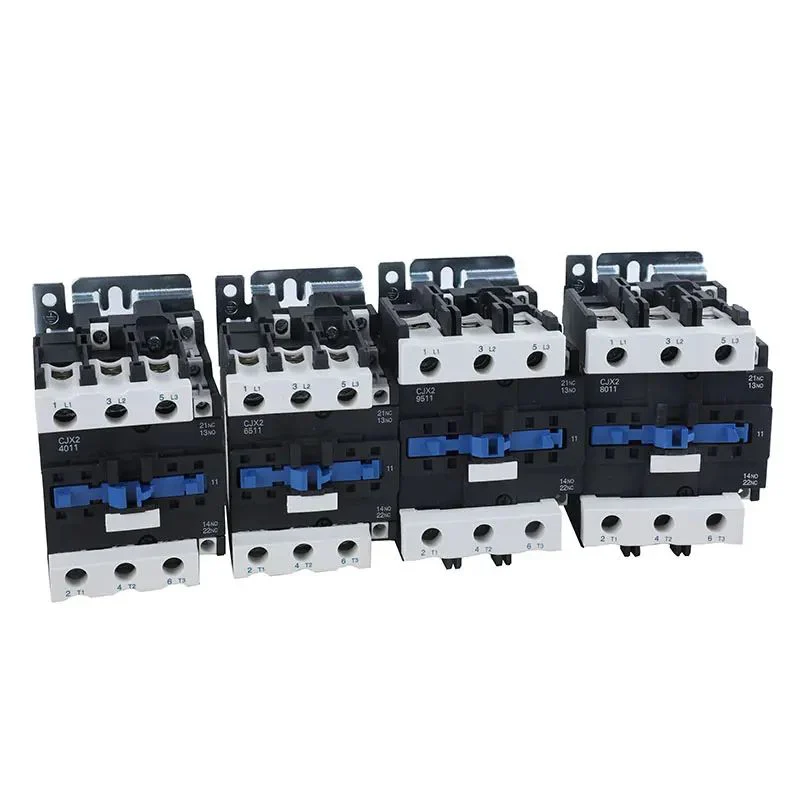
W9 can support a documented sourcing discussion for low-voltage breakers, distribution equipment and accessories; request exact model drawings, ratings and test evidence for the destination market. Its ACB selection guide and modular contactor overview show the application detail a buyer should collect.
Frequently asked questions
What are the biggest changes in the electric power industry?
The major shifts are electrification-driven load growth, renewable and inverter-based generation, storage, digital controls and stronger resilience requirements. Their interaction matters more than any single technology; re-run studies whenever operating modes or interconnection assumptions change.
How does renewable energy affect circuit-breaker selection?
Inverters can limit and control fault current, while PV and batteries create bidirectional flow. Check polarity, backfeed, interrupting rating, ride-through and anti-islanding requirements in every mode, then match the local grid code and manufacturer evidence.
Why is IEC 61850 important for modern substations?
IEC 61850 provides interoperable data models and communication services for utility automation. It can simplify event sharing and condition monitoring, but it does not certify cybersecurity or guarantee interoperability without engineering and testing. Specify edition, profiles, time synchronization and acceptance tests.
Are batteries always the best resilience investment?
No. A battery may suit peak shaving, ride-through or islanded backup, but controls, fire protection, cycling and replacement costs determine value. Compare it with demand response, efficiency work, a microgrid or a generator against a defined outage target.
How can a buyer verify a supplier’s compliance claims?
Request the exact standard edition, certificate or declaration, model number, ratings and test configuration; confirm they match the destination authority and installation. A generic logo or “IEC tested” phrase is not model-specific proof. Keep the evidence in the procurement file.
Authoritative references
- International Energy Agency, Electricity 2024 — demand, generation and flexibility outlook.
- U.S. Department of Energy, National Transmission Needs Study — transmission expansion scenarios.
- NERC, Long-Term Reliability Assessment — resource-adequacy and reliability risks.
- IEC 61850 series — utility-automation communication and data models.
- IEEE Std 1547-2018 — DER interconnection and interoperability.
The durable lesson is that the grid is becoming more dynamic, not less engineered. Match every new source, load and data path to a documented protection and operating plan. Explore W9’s low-voltage protection range, and contact the team for model-specific selection, testing and sourcing support.