




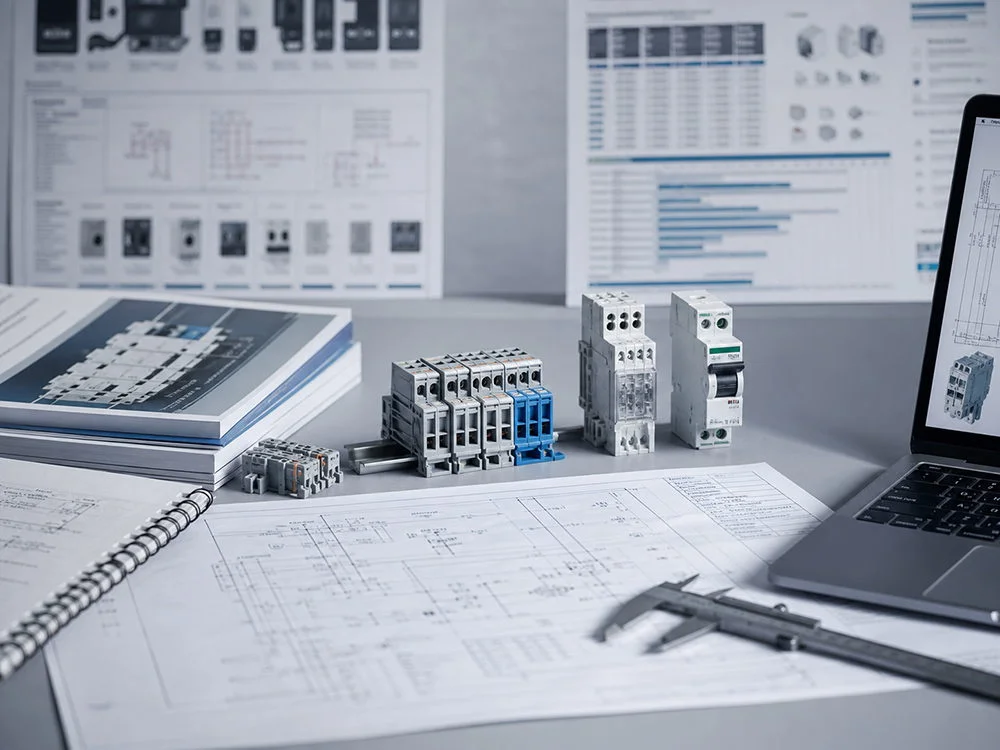


High-Performance Air Circuit Breaker with Advanced Protection and Modular Design
High-Performance Air Circuit Breaker with Advanced Protection and Modular Design
When Priya Nair, a commissioning engineer in Bengaluru, closed a new data-centre bus coupler, the upstream breaker opened before the server transfer test could finish. The team first suspected a weak breaker, but the visible failure followed a copied instantaneous setting and an unverified neutral arrangement. After the one-line diagram, short-circuit study and accessory schedule were corrected, the test passed. The root cause was selection and coordination, not a bad product.
Summary: A high-performance air circuit breaker (ACB) earns its place when a low-voltage main, tie or large feeder needs adjustable protection, documented short-time withstand and a serviceable fixed or withdrawable assembly. Start with the calculated fault current, then verify Icu, Ics, Icw, pole count and trip-unit functions for the exact order code. IEC 60947-2 is the international product reference; it does not replace local installation rules, assembly verification or commissioning tests.
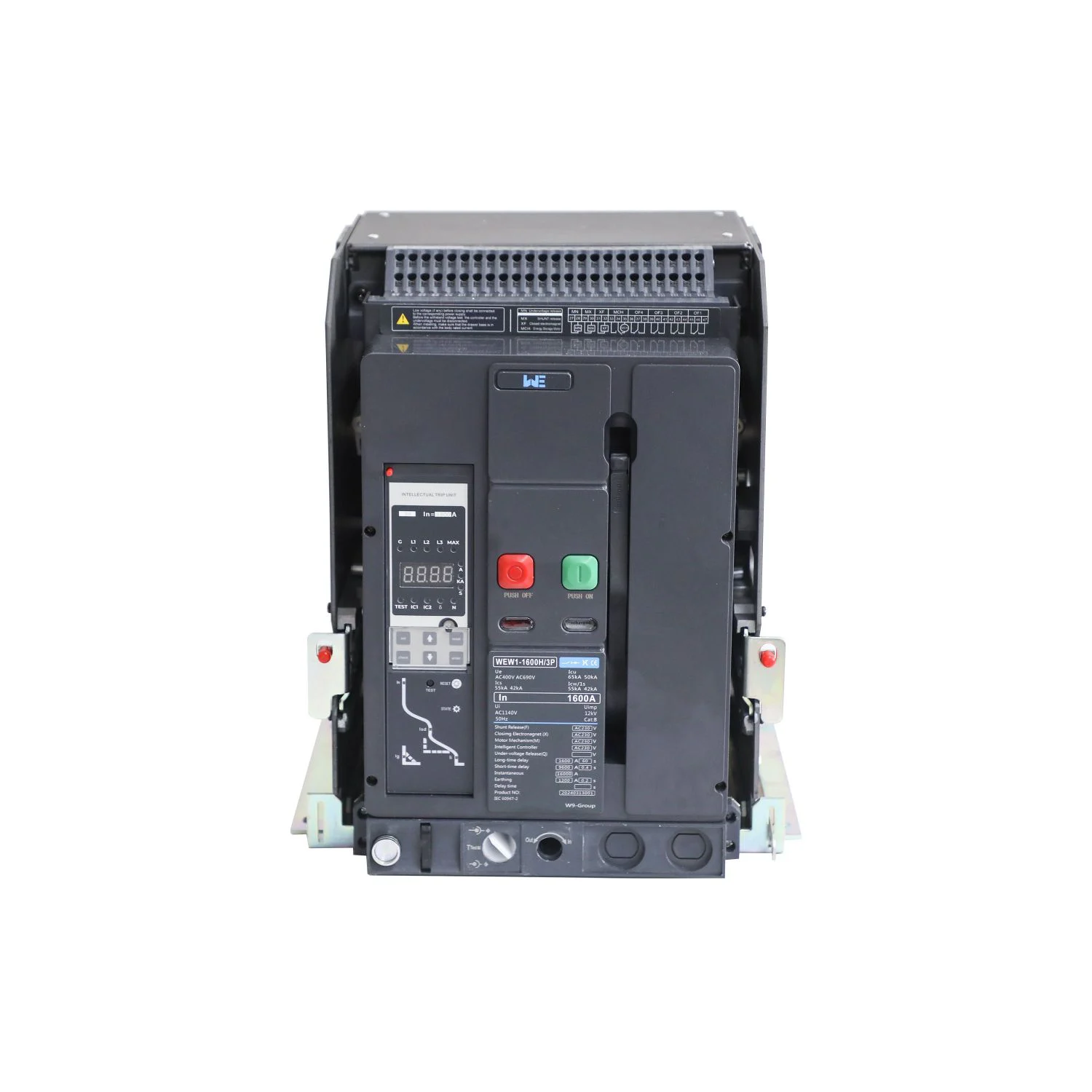
What makes an ACB high performance?
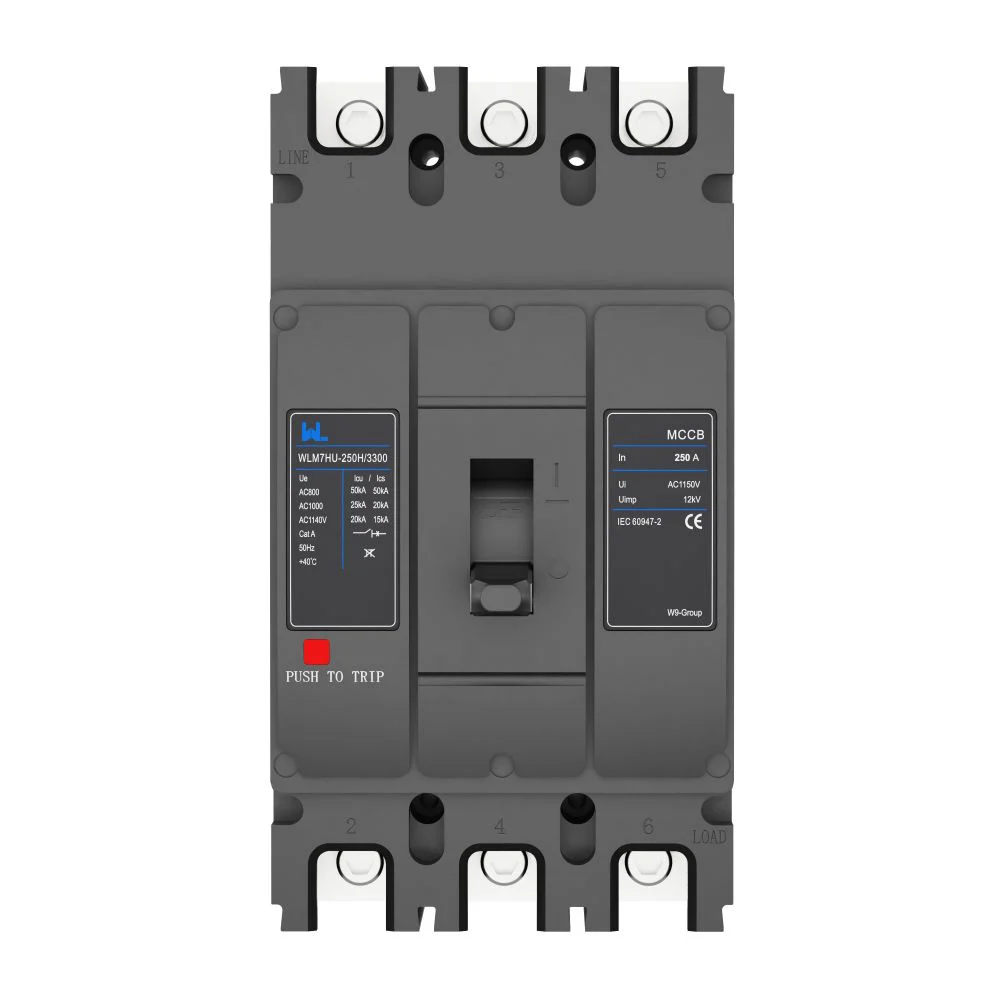
“High performance” should describe verified duty, not a vague marketing superlative. In an IEC specification, Icu is the rated ultimate short-circuit breaking capacity, Ics is the service breaking capacity, and Icw is the short-time withstand current. A breaker may interrupt a fault at one voltage yet have a different rating at another. Compare each value with the prospective current at the installation point and with the required discrimination time.
Electronic trip units can provide long-time, short-time, instantaneous and ground-fault functions when the selected model includes them. Adjustable delays help an upstream ACB hold briefly while a downstream device clears a fault, preserving selectivity. Settings must come from a coordination and arc-flash study; a dial position by itself is not evidence of protection.
Thermal performance also matters. Rated current is normally stated at a reference ambient, often 40 °C. Busbar temperature, enclosure ventilation, altitude and harmonics can reduce usable capacity. Request temperature-rise data and derating guidance for the assembled switchboard, not only the breaker frame label.
Modular design: fixed, withdrawable and accessory choices
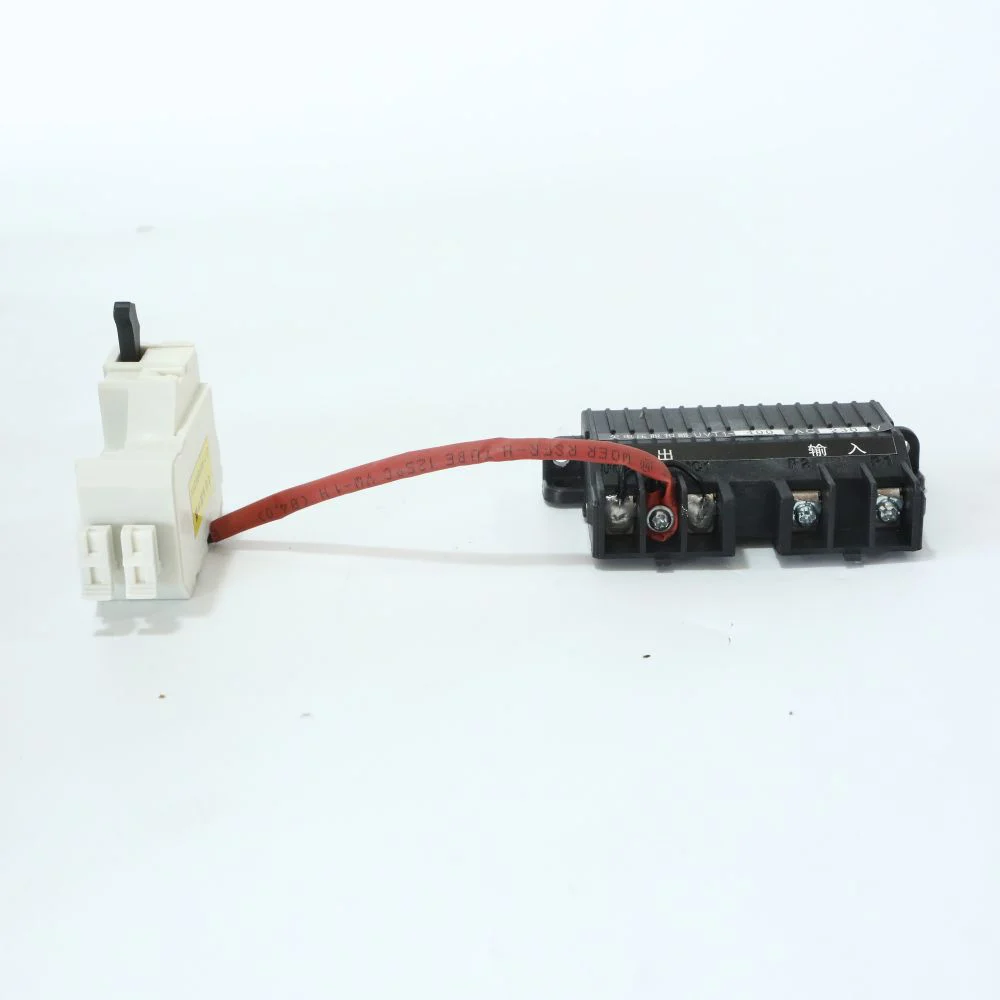
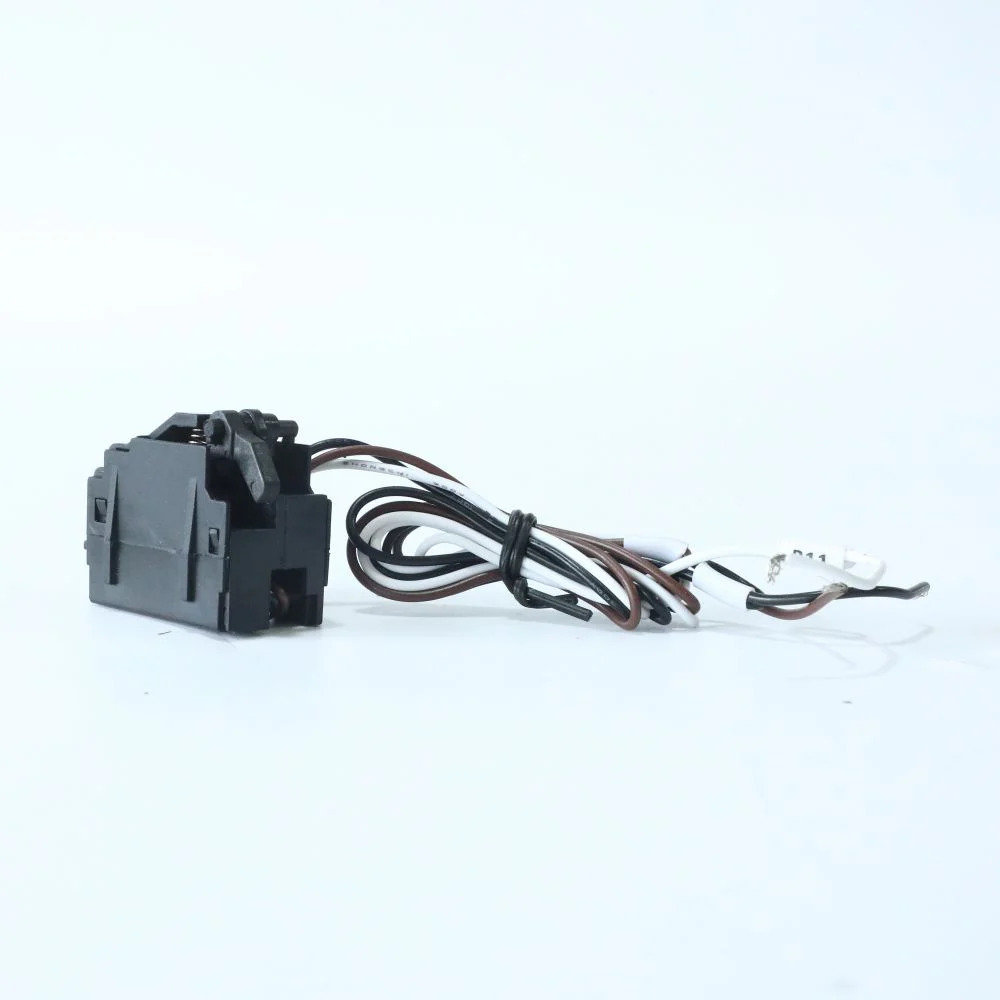
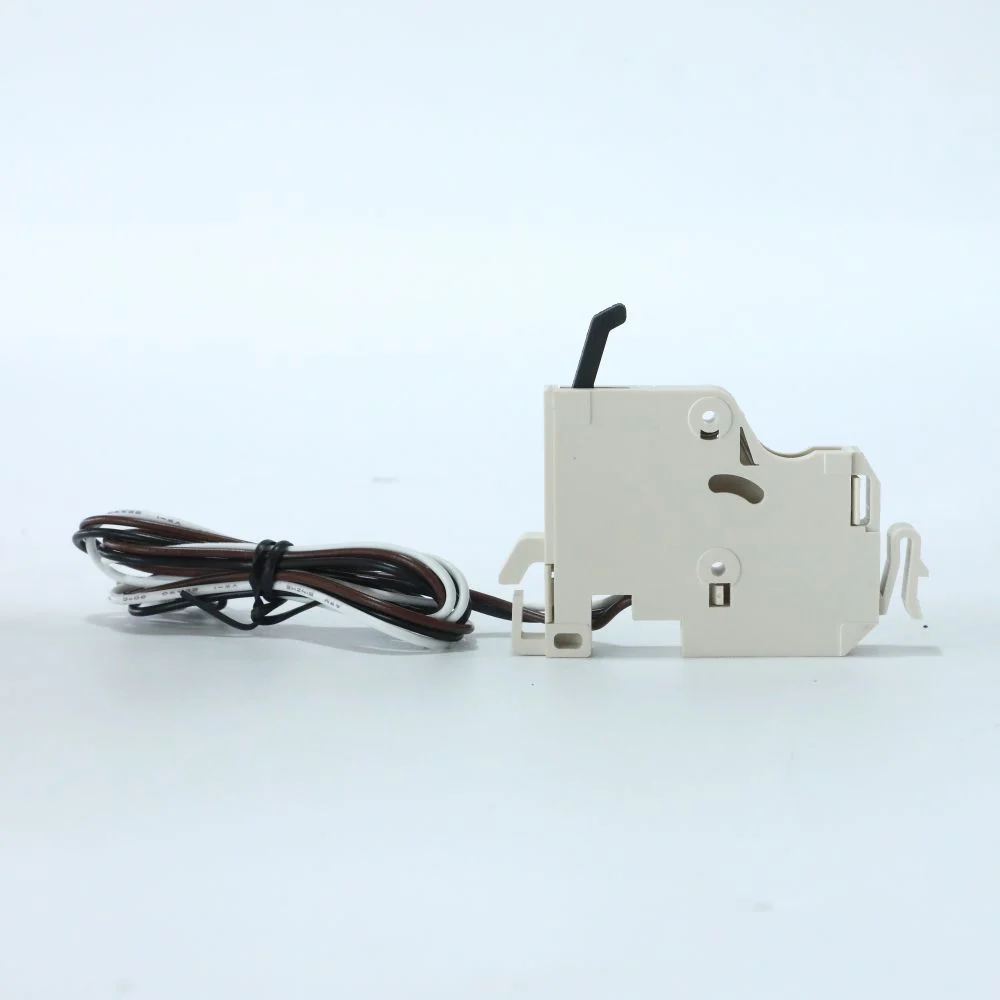
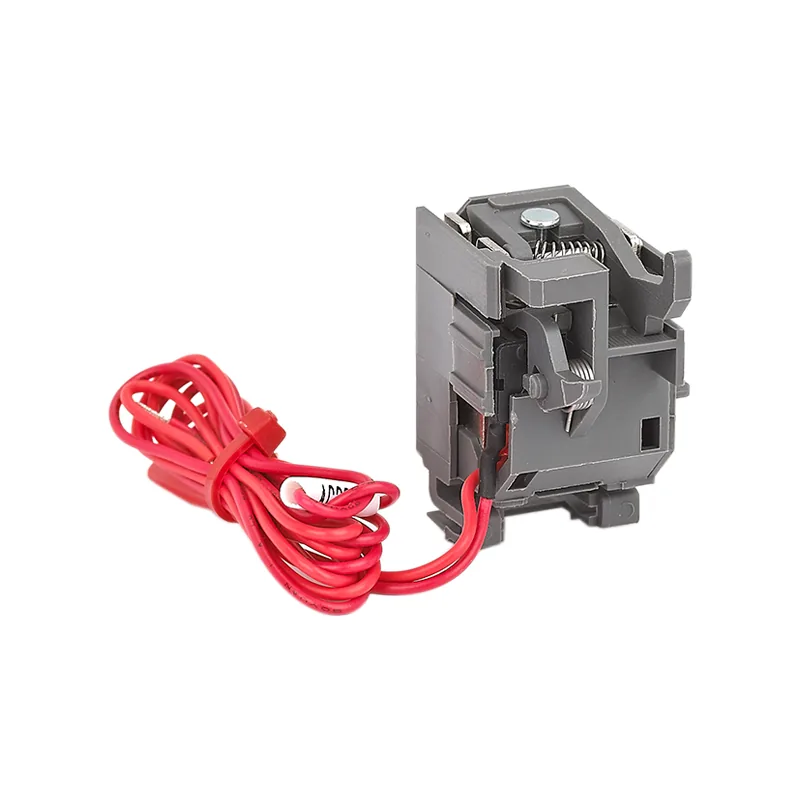
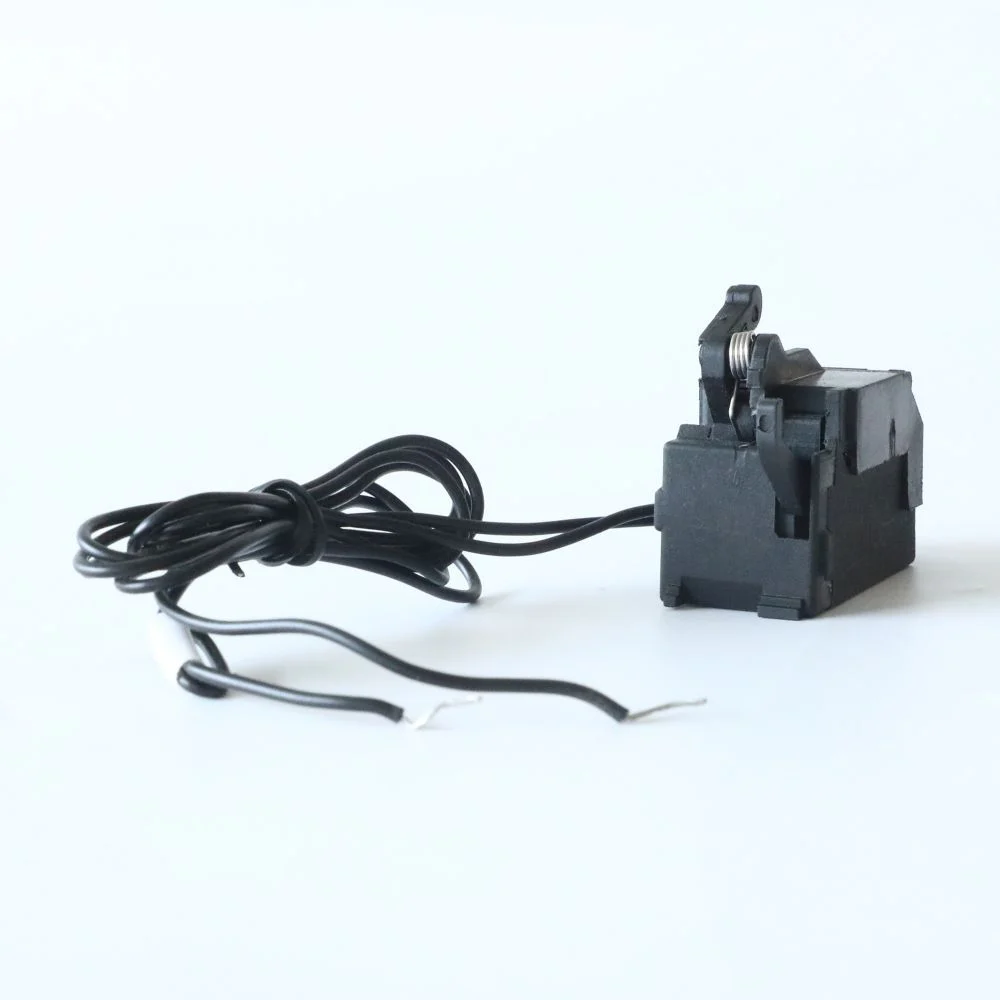
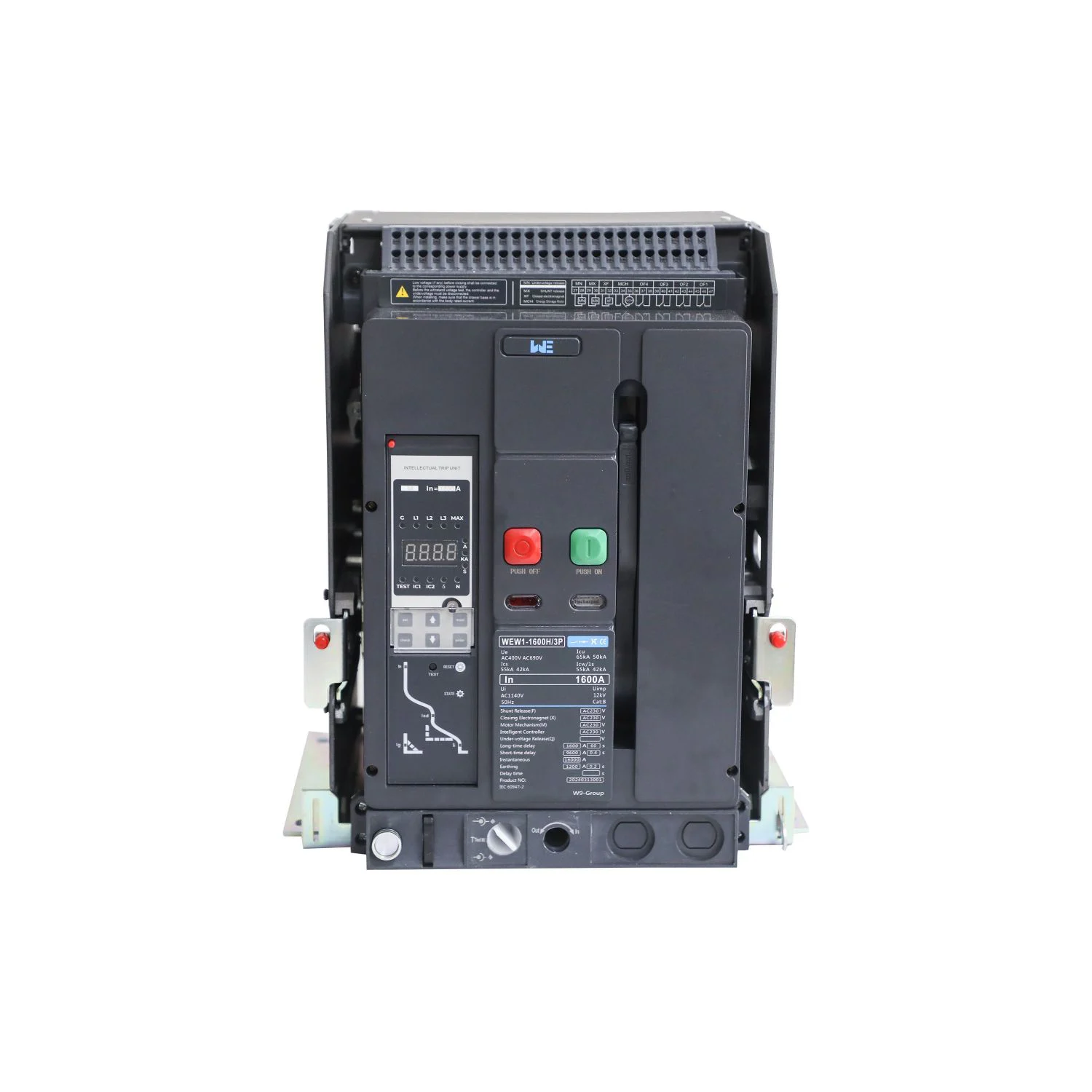
A modular ACB platform separates the interrupter from options such as shunt release, undervoltage release, auxiliary contacts, motor operator, communication module and key interlocks. This lets an OEM or facility standardize the frame while matching accessories to the operating philosophy. Every option still needs a wiring diagram, control voltage and compatibility check.
Fixed construction bolts or buses directly into the assembly. It is often shallower and has fewer primary interfaces, which can suit a replicated panel where planned isolation is acceptable. The installer must provide phase barriers, cable-bending space, torque control and safe access.
Withdrawable construction adds a cradle and connected, test and disconnected positions. Racking, shutters and secondary disconnects can shorten a planned exchange, but they add alignment, interlock and maintenance points. Never mix a cradle, coding plug or secondary connector from another frame without documented compatibility.
| Dimension | What to compare | Evidence to request |
|---|---|---|
| Fault duty | Icu, Ics and Icw at the stated Ue | Model-level rating table and test basis |
| Protection | Long-time, short-time, instantaneous and ground-fault ranges | Trip-unit manual, curves and coordination study |
| Construction | Fixed or withdrawable; 3P or 4P | Approved layout, cradle and interlock drawings |
| Modular accessories | Releases, contacts, motor and communications | Accessory schedule, control voltage and wiring diagram |
| Service life | Mechanical/electrical operations and inspection intervals | Manufacturer maintenance instructions and test records |
Where the configuration creates value
In a data-centre main or bus tie, a withdrawable ACB can support a tested spare and visible isolation positions. Four poles may be appropriate when the transfer scheme requires neutral switching; the earthing design must decide, not a generic rule. In a process plant feeder, fixed construction may be the better fit when shutdowns are predictable and panel depth is constrained.
For a generator or utility transfer board, document the source sequence, neutral treatment and mechanical or electrical interlocks. For an OEM switchboard built in volume, a fixed frame and common accessory set can simplify assembly, while a drawout option may justify its cost on critical feeders where exchange time has a measurable business value.
| Application | Likely arrangement | Primary decision driver | Required checks |
|---|---|---|---|
| Data-centre incomer | Withdrawable, often 4P | Continuity and rapid maintenance | Icw, transfer sequence, shutters and spare policy |
| Industrial bus coupler | Fixed or withdrawable | Short-time coordination | Fault study, interlocking and time-current curves |
| Generator transfer board | 4P where neutral isolation is required | Source switching philosophy | Neutral/earth scheme and accessory wiring |
| Replicated OEM panel | Fixed for simple service model | Footprint and repeatability | Busbar, terminals, derating and routine tests |
Commissioning turns specifications into protection
Even a well-selected ACB can underperform if commissioning records are incomplete. Before energization, confirm insulation resistance and control-circuit wiring with the manufacturer’s procedure, then verify mechanical operation through every permitted position. A primary-injection test checks the current path and trip response under load; a secondary-injection test can verify electronic pickup and delay settings without applying full bus current. Record actual values, firmware or trip-unit revision, accessory serial numbers and torque results. Functional tests should prove open, close, trip, anti-pump, undervoltage and shunt-release behavior where fitted. Keep the signed report with the switchboard documentation so future setting changes can be traced to the coordination study and responsible engineer.
Standards, testing and compliance
IEC 60947-2 covers low-voltage circuit-breaker requirements, ratings and verification, while IEC 60947-1 supplies common rules. In the United States, UL 1066 addresses low-voltage AC and DC power circuit breakers used in enclosures; UL 489 generally covers molded-case circuit breakers. NFPA 70 (NEC) governs installation where adopted, and NFPA 70E addresses electrical safe-work practices.
These documents serve different purposes. A product standard or test report is not automatically a national certification mark, and a declaration does not override the authority having jurisdiction. Put the destination market, voltage system, enclosure and required listing in the purchase specification. Request routine or type-test evidence, temperature-rise information, short-circuit ratings, markings, installation instructions and assembly compatibility. Unsupported compliance claims can delay approval, energization or insurance acceptance.
How to evaluate total cost of ownership
Compare more than the purchase price. Include engineering, panel space, accessories, commissioning, primary- or secondary-injection testing, spares, training, inspections and outage impact. A drawout cradle can reduce intervention time, but it adds hardware and alignment checks. A fixed breaker may cost less initially, yet replacement can require a longer shutdown and lifting plan.
Illustrative calculation: lifecycle cost = acquisition + engineering + installation + planned service + (expected outage hours × agreed business-impact value) + end-of-life cost. Use the same time horizon and document uncertain assumptions; this is a planning method, not a quoted saving.
Procurement checklist
- Freeze the single-line diagram, fault level, voltage, frequency, earthing and pole count.
- Map protection settings to the coordination and arc-flash studies; identify who controls later changes.
- Choose fixed or withdrawable from the safe-isolation and outage plan, then approve cradle, shutters, coding and spares together.
- Review 40 °C (or site-specific) derating, enclosure heat dissipation, terminals and cable access on signed drawings.
- Place standards, routine tests, manuals, witness points and warranty documents in the purchase order.
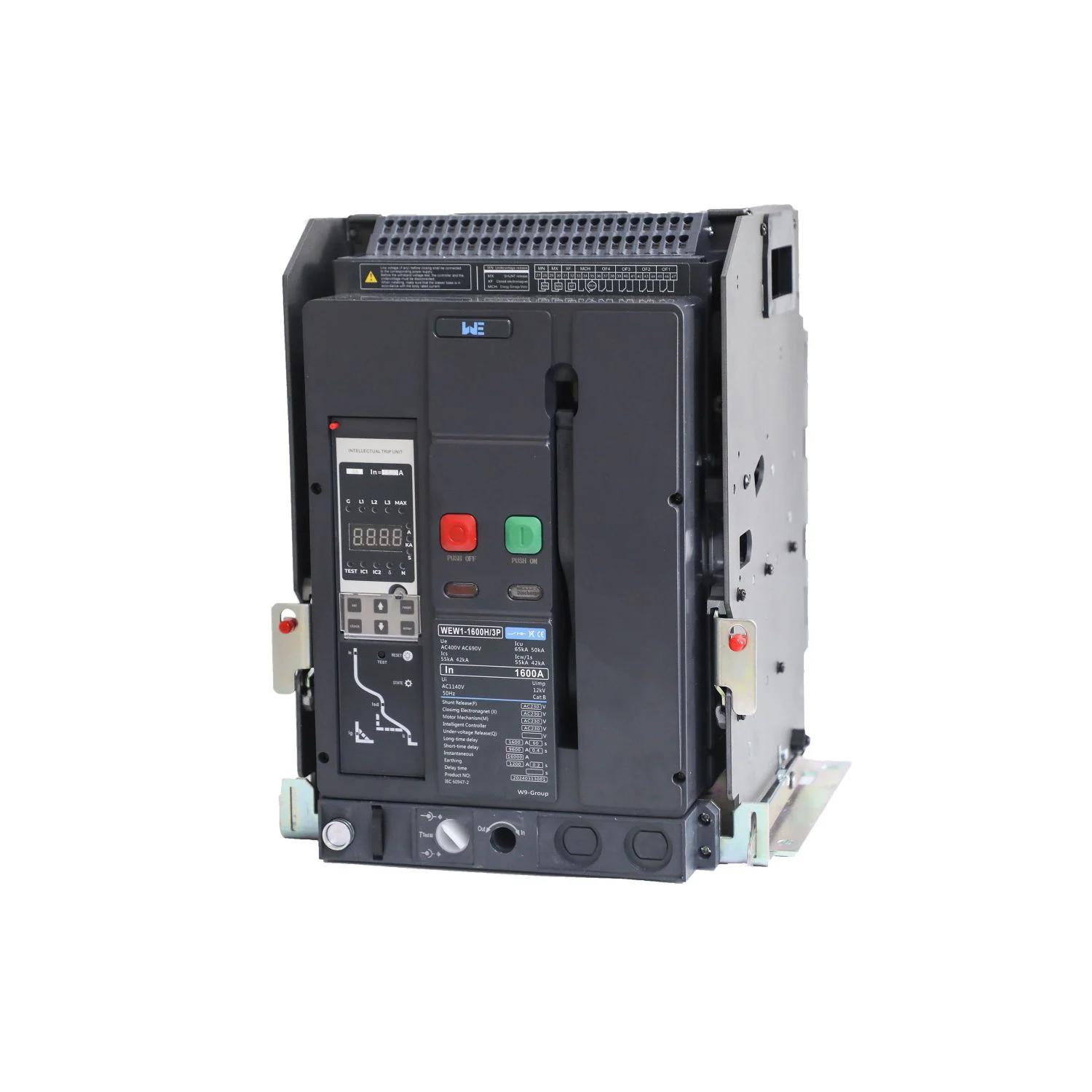
The WEW1-1600 air circuit breaker page gives a public example of fixed and withdrawable options. For broader context, read the guide to choosing an ACB for industrial needs and the overview of air circuit breaker types.
Frequently asked questions
What is a high-performance air circuit breaker?
It is an ACB whose declared fault-duty, protection, thermal and service features match a demanding low-voltage application. “High performance” must be supported by model-level ratings and test evidence, not only frame size or marketing language.
Are electronic trip units better than thermal-magnetic trips?
Electronic units can offer wider adjustment and monitoring options, which may aid selectivity. The best choice depends on the study, environment, maintenance capability and exact product; verify curves and tolerances before deciding.
When should I choose a withdrawable ACB?
Choose withdrawable construction when test, isolated and exchange positions materially improve availability or maintenance safety. Include the cradle, shutters, coding, interlocks and trained operating procedure in the design review.
Does a larger frame automatically provide higher breaking capacity?
No. Icu, Ics and Icw are voltage- and configuration-dependent. Compare the declared values with the calculated fault current and coordination requirement for the exact code.
Which standards apply to an ACB installation?
IEC 60947-2 is the common international product reference; UL 1066, NFPA 70 and NFPA 70E may apply in the United States. The destination market, authority having jurisdiction and project specification determine the required listing and field practices.
References
- IEC 60947-2, Low-voltage switchgear and controlgear—Circuit-breakers.
- UL 1066, Low-Voltage AC and DC Power Circuit Breakers.
- NFPA 70, National Electrical Code.
- NFPA 70E, Standard for Electrical Safety in the Workplace.
The dependable choice is not the biggest ACB; it is the one whose verified ratings, coordination, modular accessories and maintenance path fit the system. Review the circuit-protection product range and contact W9 Group with your one-line diagram, fault level, pole count, construction preference and destination-market standard for a documented configuration review.