







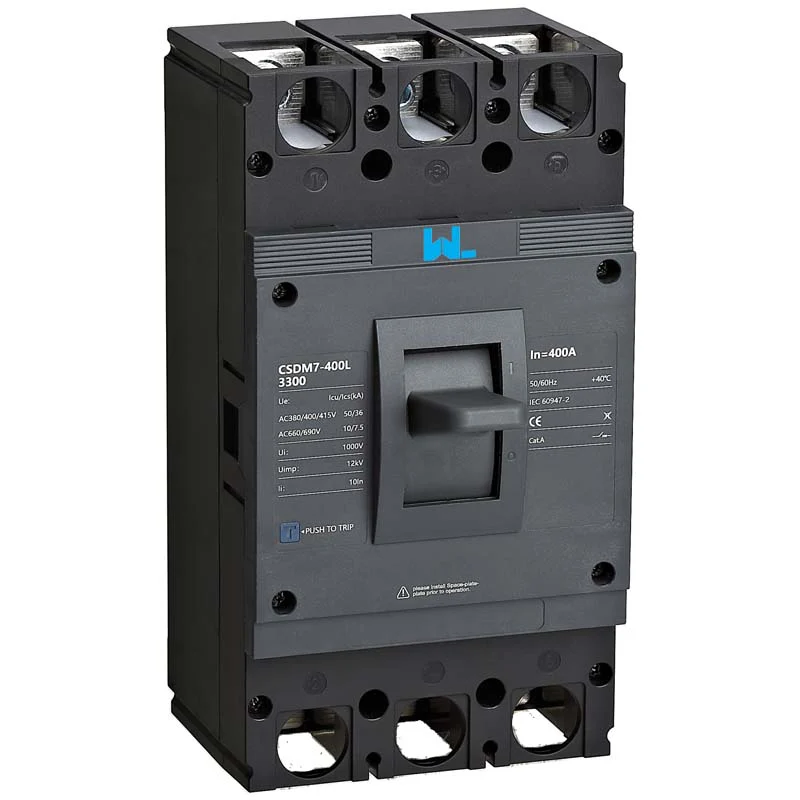





















بهترین انواع پریزهای برقی: بینشهای مبتنی بر دادهها
یک خریدار که قطعکنندههای اصلی را با هم مقایسه میکند، میتواند پیشنهاداتی با جریان نامی یکسان اما با ظرفیت خطای الکتریکی، عملکرد قطع و شرایط خدمات مختلف دریافت کند. انتخاب ارزانترین قلم لیست خرید قبل از بررسی این تفاوتها میتواند منجر به اختلاف در زمینه جایگزینی یا بازطراحی تابلو برق شود. قطعکننده اصلی باید به سیستم الکتریکی و کل مجموعه مناسب باشد، نه تنها به لیست خرید.
پاسخ سریع: قطاع اصلی را بر اساس کاربرد سیستم انتخاب کنید، نه بر اساس رتبهبندی نوع جامع. MCBها،, MCCBسی و ACBها میتوانند برای کاربردهای مختلف استفاده شوند، اما نوع مناسب آنها بستگی به ولتاژ، بار محاسبهشده، جریان خطای موجود، هماهنگی، الزامات نصب و نیازهای نگهداری دارد. محافظت جریان باقیمانده مگر اینکه در یک دستگاه مناسب یکپارچه شود، یک الزام جداگانه است. دادههای مهم، مختص به هر پروژه هستند: نمودار یک خطی، محاسبات بار، مطالعات خطا، منحنیها و اطلاعات تأییدشده مربوط به مونتاژ. این راهنمای کاربردی به رتبهبندی سهم بازار یا آمار عملکرد کلی ادعایی ندارد.
ضرورتهای حفاظتی قاطعه اصلی
یک قطعکننده اصلی بار ورودی را حمل میکند و خطاهای داخل ظرفیت تعیینشده خود را قطع مینماید. ویژگی محافظتی آن باید با سیمها و دستگاههای پاییندست هماهنگ باشد. در مواردی که همچنین عمل تفکیک را انجام میدهد، آن ظرفیت و نحوه قفلبندی مورد نیاز را بررسی کنید، نه اینکه هر دسته باز را بهعنوان مدرک کافی برای تفکیک در نظر بگیرید.
شروع با ولتاژ تأمین کننده، فرکانس، فازها و سیستم زمینگیری کنید. سناریوهای تأمین برق از شبکه عمومی، ژنراتور و منابع دیگر را شناسایی کنید که میتوانند تأثیر بگذارند ضریب خطا یا الزامات تغییر. بالاترین سطح خطا در دسترس برای قابلیت قطع جریان اهمیت دارد؛ سطوح خطا پایینتر نیز میتوانند مهم باشند، زیرا یک تنظیم حفاظتی هنوز باید در آن شرایط به درستی عمل کند.
سپس، الزامات بار و رسانا را طبق قوانین مربوط به نصب تعیین کنید. ارزیابی جریان مداوم به معنای اجازهٔ نادیده گرفتن دمای داخل محفظه، گروهبندی، محدودیتهای پایانهها یا کاهش ظرفیت توسط سازنده نیست. همچنین، نباید قطاعر را صرفاً به منظور جلوگیری از قطع شدن بزرگتر از حد لازم انتخاب کرد. طراحی تأییدشده باید مدار را حفاظت کند و در عین حال با رفتار حقیقی بار سازگار باشد.
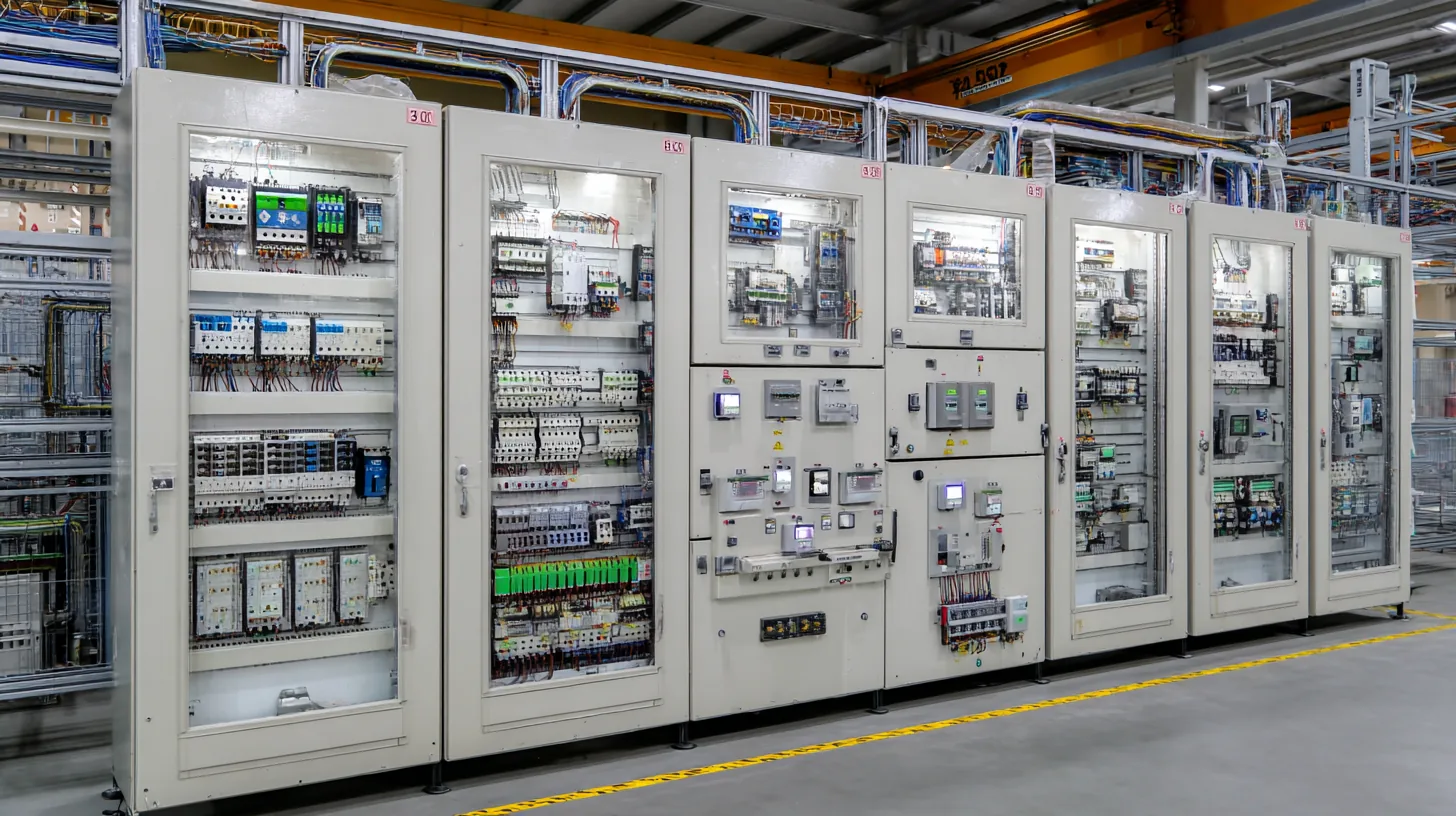
مقایسه انواع قطعکننده اصلی
یک MCB دستگاهی کوچک و جمعوجور است که معمولاً با توزیع مدار نهایی همراه میشود. این دستگاه میتواند تنها در صورتی به عنوان ورودی مورد استفاده قرار گیرد که مشخصات عملکردی، سیستم حفاظتی و تأیید تراکم آن، مطابق با شرایط کاری لازم باشد. شکل کوچک و جمعوجور آن به معنای عدم مناسب بودن آن نیست، اما علامتگذاری جریان مرسوم روی آن نیز دلیلی بر مناسب بودن آن برای تأمین برق اصلی نیست.
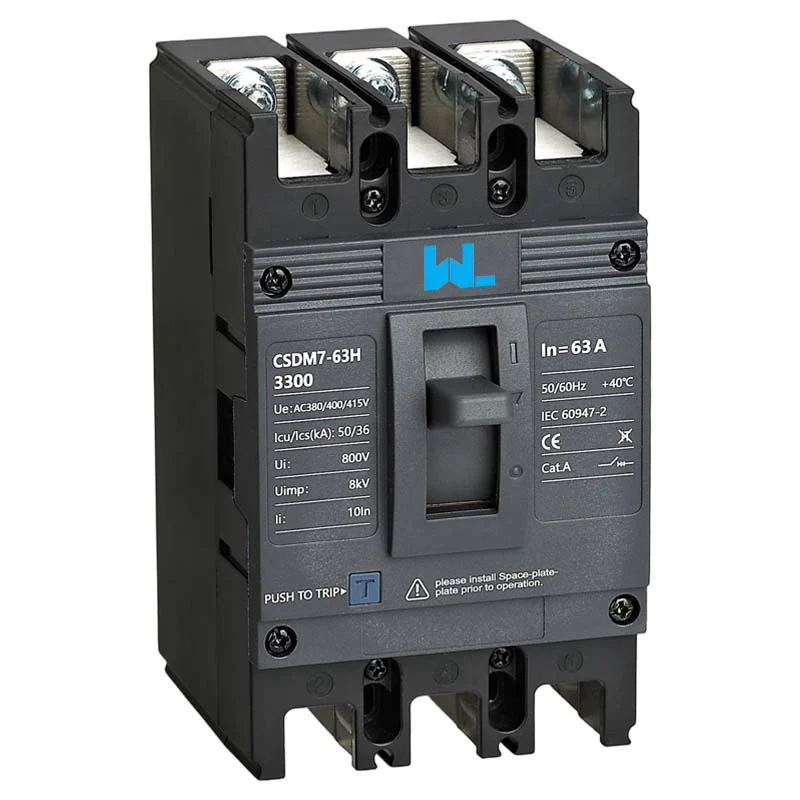
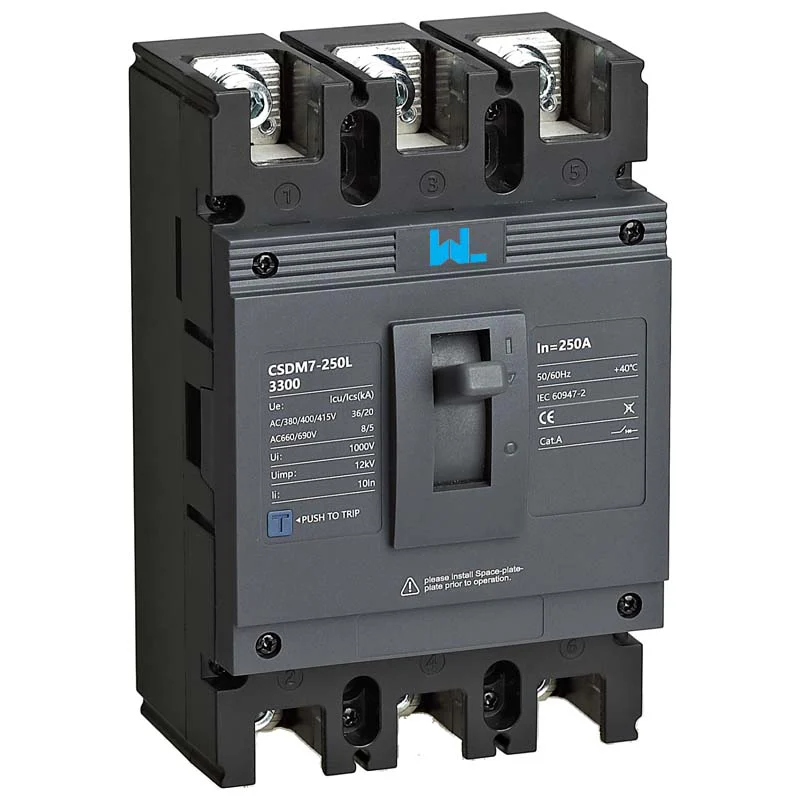
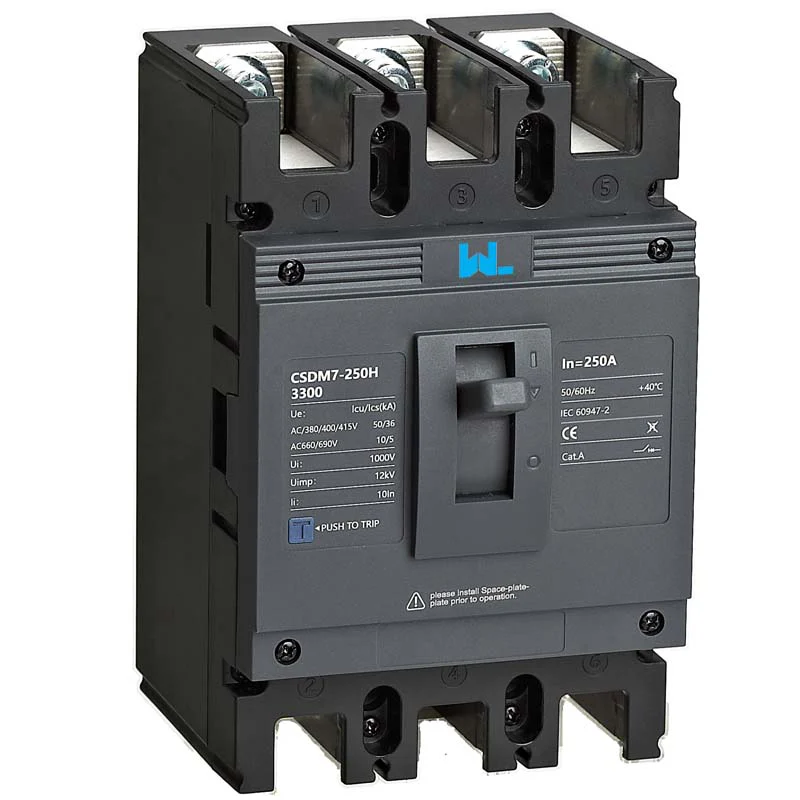
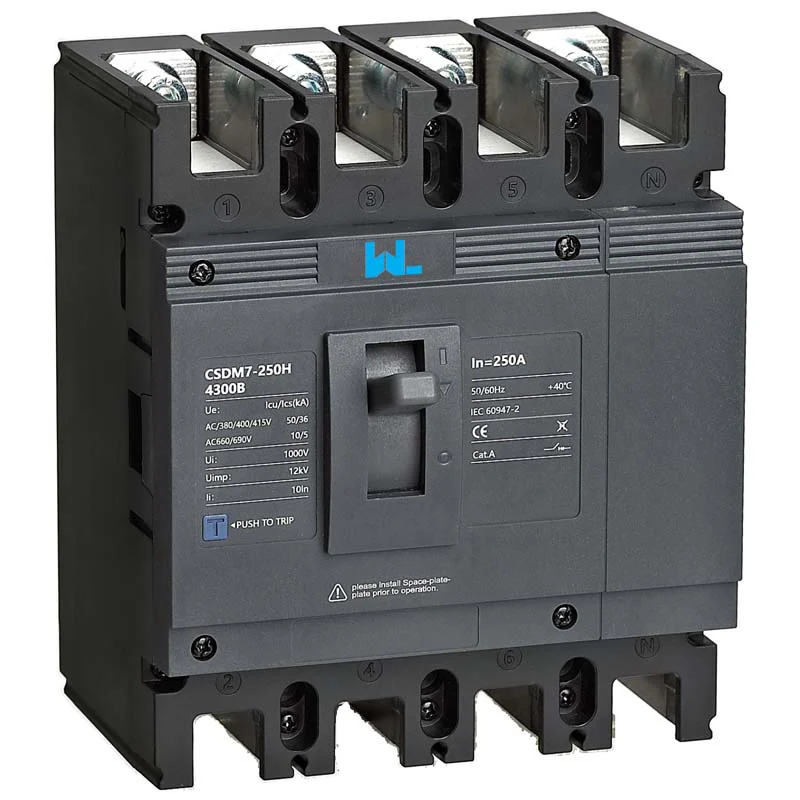
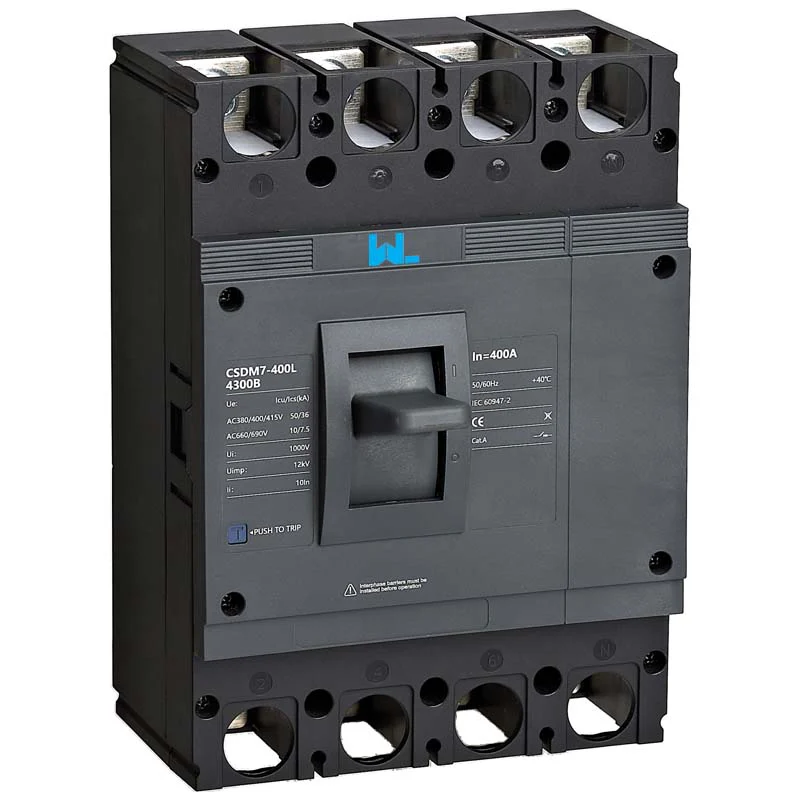
یک MCCB اغلب تنظیماتی را ارائه میدهد که برای خطوط توزیع و ورودیها مفید است، از جمله تنظیم بسته به مدل یا حفاظت الکترونیکی. یک ACB میتواند ساختار خدمات و اضافاتی را فراهم آورد که با تابلوهای اصلی و کوپلرهای بارومربوطه باشد. هیچیک از این توصیفات نمیتواند همه مدلها را برای هر شدت جریان یا سطح خطا مناسب بداند.
| خانواده | دلیل ارزیابی آن | مرز مهم | شواهد برای درخواست |
|---|---|---|---|
| MCB | محافظت کوچکحجم جایی که شرایط کار و نصب اجازه میدهد | ویژگیهای ثابت و توانایی واقعی خطای باید مطابقت داشته باشند. | منحنی، نرخبندی وابسته به ولتاژ و تأیید صفحه مدار چاپی |
| MCCB | حفاظت توزیع با گزینههای قاب و فعالسازی موجود | تنظیمات و اکسسوریها بستگی به مدل دارد. | منحنیهای سفر، دامنه تنظیم و محدودههای خطا |
| ACB | حفاظت از قدرت-وظیفه و یک استراتژی خدمات مستند شده | اندازه، تجهیزات دریافت و نگهداری پیچیدگی را افزایش میدهد. | دادههای مقاومت، طراحیهای مونتاژ و روشهای خدماترسانی |
| RCBO در موارد مناسب | Combined residual-current and overcurrent protection | Both protective specifications and duty must be suitable | Residual type, overcurrent curve and breaking capacity |
این رده MCCB is useful for identifying candidate configurations, not for assuming interchangeability. Compare the proposed frame, trip unit and rating combination rather than treating the product family as a single standardised device.

Breaking Capacity vs Selectivity
Interrupting capacity is not proof of downstream selectivity. A device may be able to interrupt the fault yet still remove more of the installation than intended. Selectivity asks whether the downstream protective device clears within the demonstrated range before an upstream device operates; it requires curves or manufacturer coordination evidence and the actual system conditions.
Where IEC ratings are used, distinguish Icu, Ics and Icw where applicable. Evaluate breaking ratings at the service voltage and short-time withstand at the declared duration. Do not transfer a kA value from a different voltage or assume a selective delay is acceptable because the ultimate breaking rating is high.
برای یک ACB incomer, the maintenance and accessory arrangement must be evaluated alongside fault performance. Drawout construction can support an exchange plan, but does not automatically allow live removal or guarantee that a substitute breaker fits the installed cradle.
Main Breaker Project Data
| صحنه | Required input | تصمیم حمایت شد | Failure if omitted |
|---|---|---|---|
| Concept design | Supply system, load profile and continuity objective | Suitable family and protection philosophy | A feature-led choice unrelated to the duty |
| Detailed design | Fault study, conductors and device curves | Ratings and approved protection settings | Inadequate duty or overlapping operation |
| خرید و فروش | Exact configuration, dimensions and approval evidence | Acceptable model and assembly combination | Unapproved cross-brand replacement |
| پذیرهنویسی | As-built circuit details and test plan | Settings, operation and documented handover | Catalogue settings mistaken for approved settings |
| عملیات | Change records, inspections and spare compatibility | Continued suitability after load or supply changes | Protection study no longer matching the system |
A lifecycle comparison should include device and accessory cost, engineering, assembly changes, commissioning, planned service work and interruption consequences. Use the same assumptions for each option. A simpler breaker may have the better lifecycle case where it meets the duty and service access is straightforward; a more configurable option may be justified where coordination and operating records provide a defined benefit.
Product vs Installation Compliance
IEC 60947-2:2024 is an industrial circuit-breaker product standard within its public scope. It does not verify the switchboard, installation or a particular supplier model merely because the number appears in a brochure. Request the exact model’s evidence and the project’s required edition or adopted equivalent.
For North American procurement, UL 489 covers moulded-case circuit breakers, moulded-case switches and associated enclosures within its scope. UL 1066 covers a different power-breaker scope and explicitly does not apply to moulded-case circuit breakers. Specify the applicable product and assembly approval route rather than accepting an unrelated certificate or assuming IEC and UL ratings are interchangeable.
Physical fit does not establish an approved main-breaker replacement. Review busbar and cable terminals, mounting, heat dissipation, interlocks, auxiliary circuits, control supplies and the assembly manufacturer’s requirements. A replacement that changes the protection curve also requires a coordination review, even if its frame and connections appear identical.
- Freeze supply scenarios and the governing installation requirements.
- Calculate load and maximum/minimum fault conditions.
- Select ratings and protective functions using curves and coordination evidence.
- Verify the complete assembly and accessory configuration.
- Approve and record commissioning settings and later change control.
W9 Group can be considered for documented circuit-protection enquiries. A product listing is a candidate source, not a substitute for project qualification. Supply the actual duty and required evidence before accepting an offered configuration.
سوالات متداول
Which main breaker type is best?
There is no universal best type. Choose the device that meets the load, voltage, fault duty, coordination, approval and operating requirements of the actual system.
Can an MCB be a main breaker?
It can only where its ratings, protective characteristics and assembly approval satisfy the duty. Do not decide from رتبه فعلی or physical size alone.
Can an RCCB replace a main overcurrent breaker?
No; an RCCB has no integral overload or حفاظت در برابر اتصال کوتاه. An appropriate RCBO arrangement combines functions, but still requires duty and assembly checks.
Is a larger ampere rating a safer choice?
Not automatically. An excessive rating or pickup can undermine conductor protection; the correct value comes from the design and applicable installation rules.
What makes a main-breaker selection data-driven?
A traceable link from project calculations and manufacturer evidence to the chosen device and settings. Unsupported sales rankings or generic current ranges are not equivalent to that evidence.
منابع و نتیجهگیری
- IEC 60947-2:2024 — محدوده محصولات قطع کننده مدار.
- IEC 61439-1:2020 – قوانین کلی برای مجموعههای ولتاژ پایین.
- NFPA 70 — توسعه و محدودهٔ کد نصب در ایالات متحده.
Public references were checked on 14 October 2026. The right main breaker is the one supported by the system evidence. Contact W9 Group with the single-line diagram, duty and documentation requirements for a model-level enquiry.
برای بررسی پیکربندی پیشنهادی،, تماس با گروه W9 با برنامهبندی بار، جریان خرابی موجود و الزامات بازار مقصد.